Museum Island things to do, attractions, restaurants, events info and trip planning
Basic Info
Museum Island
Berlin, Germany
4.7(1.8K)
Save
spot
spot
Ratings & Description
Info
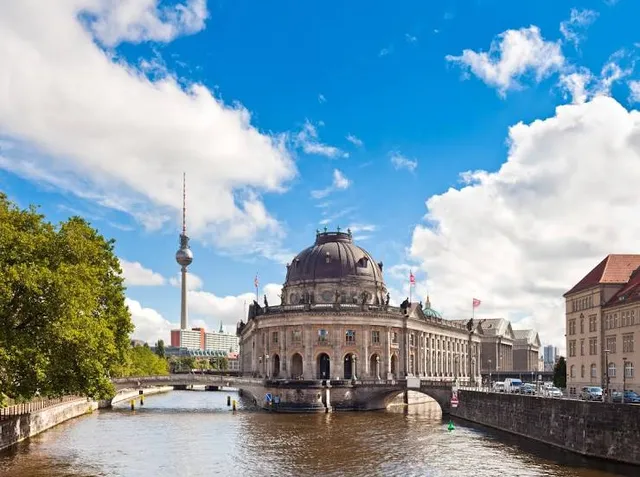
The Museum Island is a museum complex on the northern part of the Spree Island in the historic heart of Berlin, Germany. It is one of the capital's most visited sights and one of the most important museum sites in Europe.
Cultural
Family friendly
Accessibility
attractions: Berlin Cathedral, DDR Museum, Lustgarten, Asian Art Museum, BERLIN GLOBAL, UNESCO Weltkulturerbe Museumsinsel, Berliner Schloss, Ethnological Museum of Berlin, Altes Museum, Marx-Engels-Forum, restaurants: Baret, Bistro Lebenswelten - Humboldt Forum, Georgbraeu, Wilde Matilde Deutsches Restaurant Cafe´ Bar und Variete, Restaurant Julchen Hoppe, Zur Gerichtslaube, Gasthaus Mutter Hoppe, Café Alexander, Restaurant Wilhelm, Fischer & Lustig, local businesses: Ilha de Museus, Neptunbrunnen, University of Music "Hanns Eisler" Berlin, Humboldt Labor, Fontane nel Giardino della Lussuria, Spandauer Str. 2, Lindt Boutique Berlin DomAquarée, WrapMe, Jungfernbrücke, Deutsches Historisches Museum - Pei-Bau
 Learn more insights from Wanderboat AI.
Website
museumsinsel-berlin.de
Plan your stay

Pet-friendly Hotels in Berlin
Find a cozy hotel nearby and make it a full experience.

Affordable Hotels in Berlin
Find a cozy hotel nearby and make it a full experience.

The Coolest Hotels You Haven't Heard Of (Yet)
Find a cozy hotel nearby and make it a full experience.

Trending Stays Worth the Hype in Berlin
Find a cozy hotel nearby and make it a full experience.
Reviews
Live events
Rude Bastards Tour of® Berlin
Fri, Feb 20 • 10:00 AM
10785, Berlin, Germany
View details

Bubble Planet: Das Erlebnismuseum für alle Sinne
Fri, Feb 20 • 10:00 AM
Eichenstraße 4, Berlin, 12435
View details
VINCENT - Zwischen Wahn und Wunder
Fri, Feb 20 • 10:00 AM
Revaler Str. 99, Berlin, 10245
View details
Nearby attractions of Museum Island
Berlin Cathedral
DDR Museum
Lustgarten
Asian Art Museum
BERLIN GLOBAL
UNESCO Weltkulturerbe Museumsinsel
Berliner Schloss
Ethnological Museum of Berlin
Altes Museum
Marx-Engels-Forum
Berlin Cathedral
4.6
(15.6K)
Open until 5:00 PM
Click for details
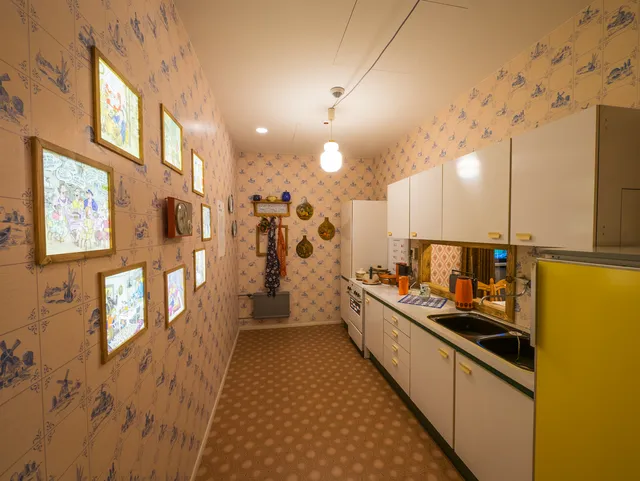
DDR Museum
4.3
(9.7K)
Open until 9:00 PM
Click for details
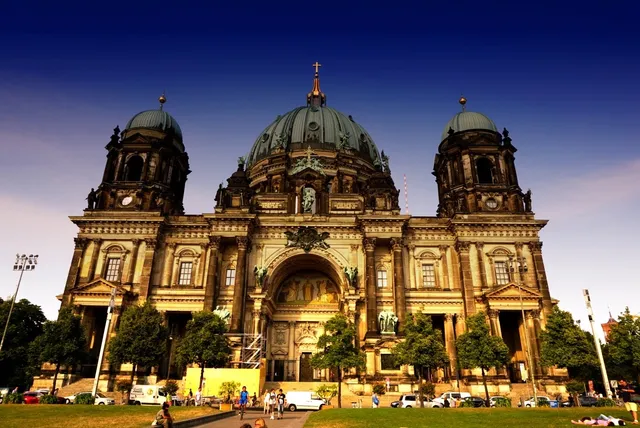
Lustgarten
4.6
(3.9K)
Open until 12:00 AM
Click for details
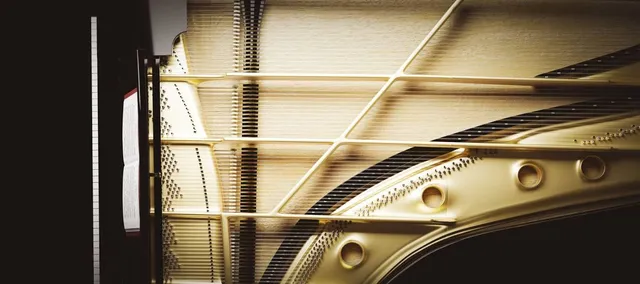
Asian Art Museum
4.5
(155)
Closed
Click for details
Nearby restaurants of Museum Island
Baret
Bistro Lebenswelten - Humboldt Forum
Georgbraeu
Wilde Matilde Deutsches Restaurant Cafe´ Bar und Variete
Restaurant Julchen Hoppe
Zur Gerichtslaube
Gasthaus Mutter Hoppe
Café Alexander
Restaurant Wilhelm
Fischer & Lustig
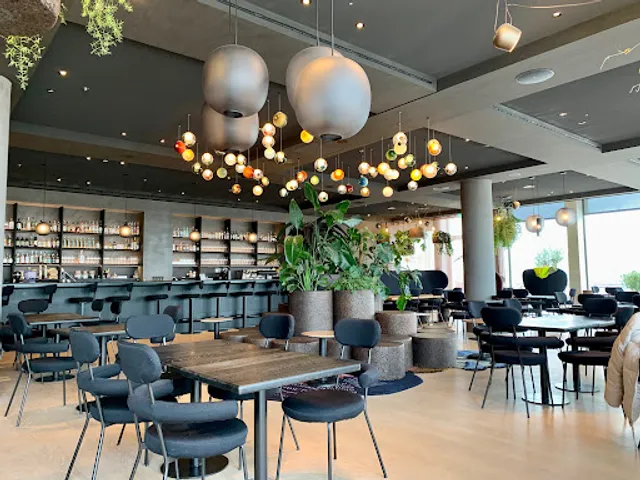
Baret
4.3
(645)
$$$$
Closed
Click for details
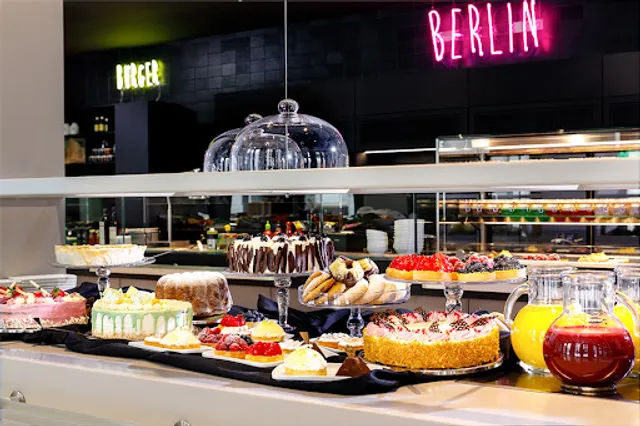
Bistro Lebenswelten - Humboldt Forum
4.3
(354)
Closed
Click for details
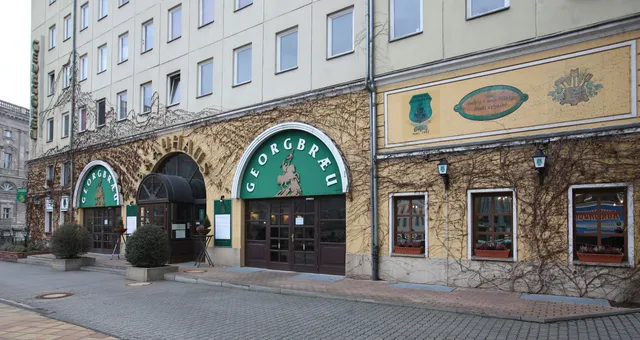
Georgbraeu
4.2
(3.6K)
$$
Closed
Click for details
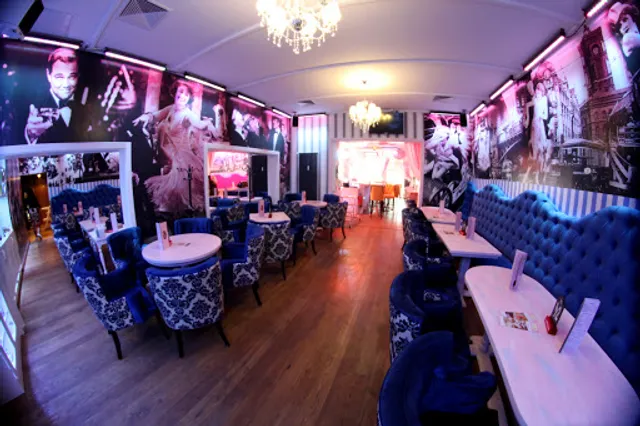
Wilde Matilde Deutsches Restaurant Cafe´ Bar und Variete
4.1
(2.5K)
$$
Closed
Click for details
Nearby local services of Museum Island
Ilha de Museus
Neptunbrunnen
University of Music "Hanns Eisler" Berlin
Humboldt Labor
Fontane nel Giardino della Lussuria
Spandauer Str. 2
Lindt Boutique Berlin DomAquarée
WrapMe
Jungfernbrücke
Deutsches Historisches Museum - Pei-Bau
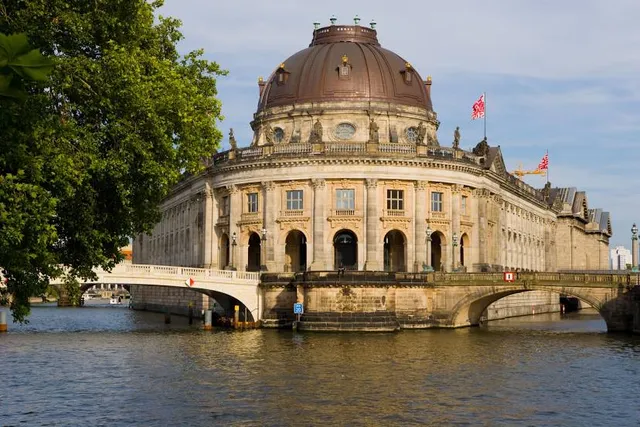
Ilha de Museus
4.7
(518)
Click for details
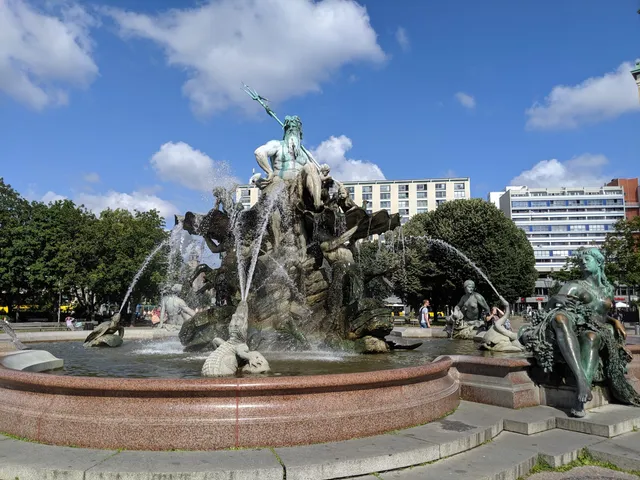
Neptunbrunnen
4.5
(4.4K)
Click for details
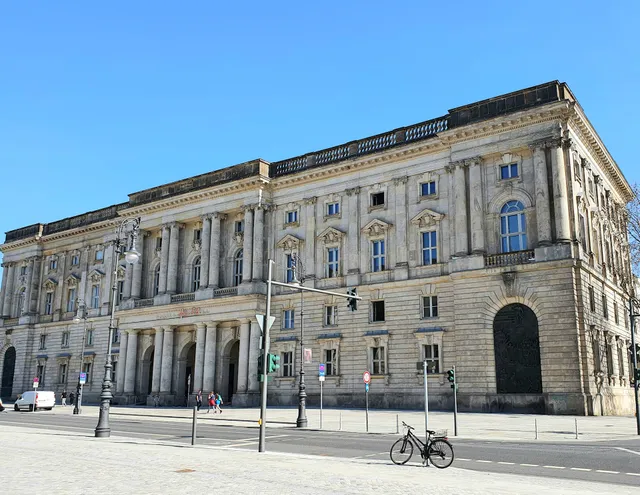
University of Music "Hanns Eisler" Berlin
4.4
(31)
Click for details
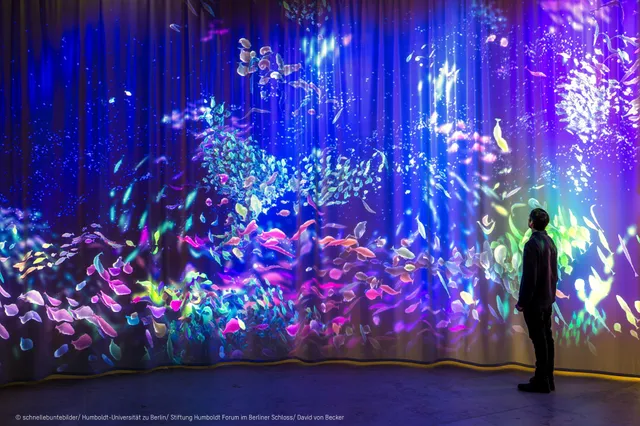
Humboldt Labor
4.6
(16)
Click for details





