Rotes Rathaus things to do, attractions, restaurants, events info and trip planning
Basic Info
Rotes Rathaus
Rathausstraße 15, 10178 Berlin, Germany
4.5(958)
Open until 6:00 PM
Save
spot
spot
Ratings & Description
Info
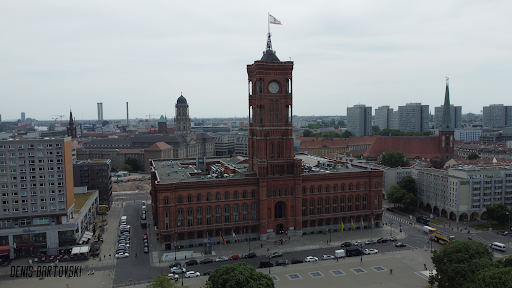
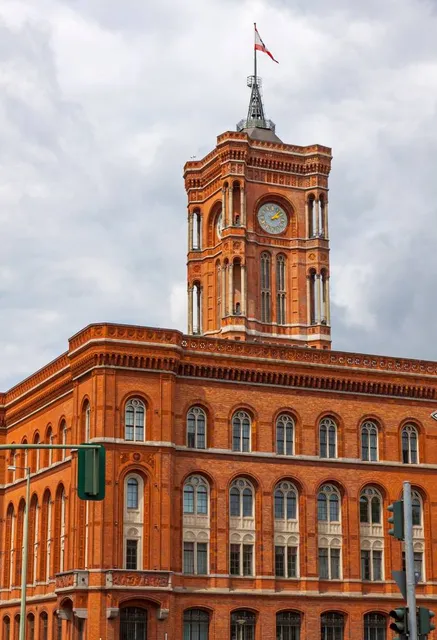
The Rotes Rathaus is the town hall of Berlin, Germany, located in the Mitte district on Rathausstraße near Alexanderplatz. It is the home to the governing mayor and the government of the state of Berlin. The name of the landmark building dates from the façade design with red clinker bricks.
Cultural
Accessibility
attractions: Neptune Fountain, St. Nicholas' Church Museum, Nikolaiviertel, People Museum - The first museum of BODY WORLDS, Alexanderplatz, St. Mary's Church, IKONO Berlin, DDR Museum, Hemp Museum, Illuseum Berlin, restaurants: Cancún, Piazza Rossa, Cyclo, Gasthaus Mutter Hoppe, Tapas Berlin El Colmado Alexanderplatz, Mumbai Local - Indian Food, Zur Gerichtslaube, tigertörtchen Café - Berlin Cupcakes, Zum Nußbaum, Boltes Berliner Steakhaus, local businesses: Neptunbrunnen, ALEXA Berlin, Unlimited Biking (Formerly Fat Tire Tours), Spandauer Str. 2, GALERIA Berlin Alexanderplatz, Alexanderplatz, Museum Island, SATURN, Antiques in the Nikolai Quarter, Haus Ungarn
 Learn more insights from Wanderboat AI.
Phone
+49 30 90260
Website
berlin.de
Open hoursSee all hours
Fri9 AM - 6 PMOpen
Plan your stay

Pet-friendly Hotels in Berlin
Find a cozy hotel nearby and make it a full experience.

Affordable Hotels in Berlin
Find a cozy hotel nearby and make it a full experience.

The Coolest Hotels You Haven't Heard Of (Yet)
Find a cozy hotel nearby and make it a full experience.

Trending Stays Worth the Hype in Berlin
Find a cozy hotel nearby and make it a full experience.
Reviews
Live events
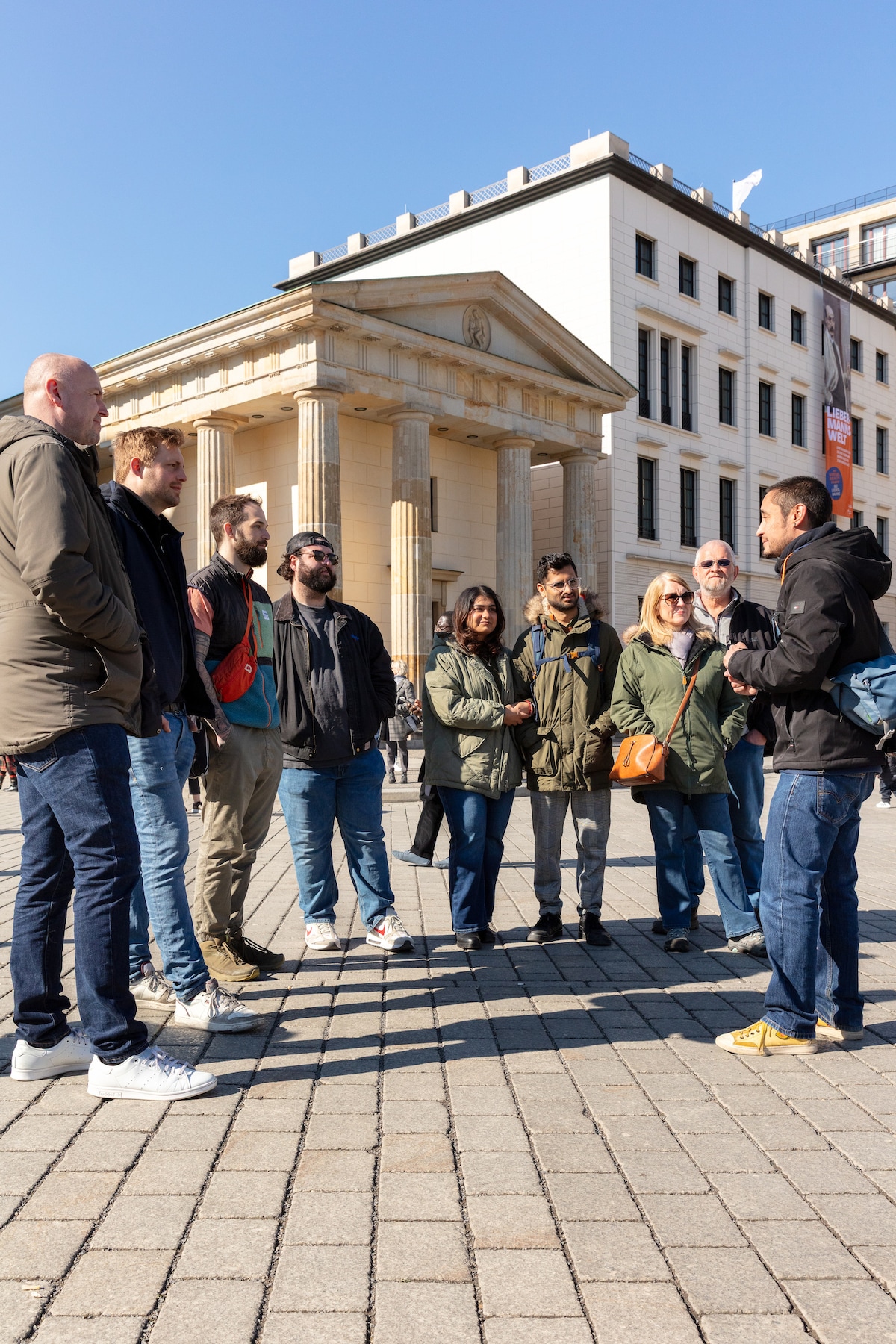
Rude Bastards Tour of® Berlin
Fri, Feb 27 • 10:00 AM
10785, Berlin, Germany
View details
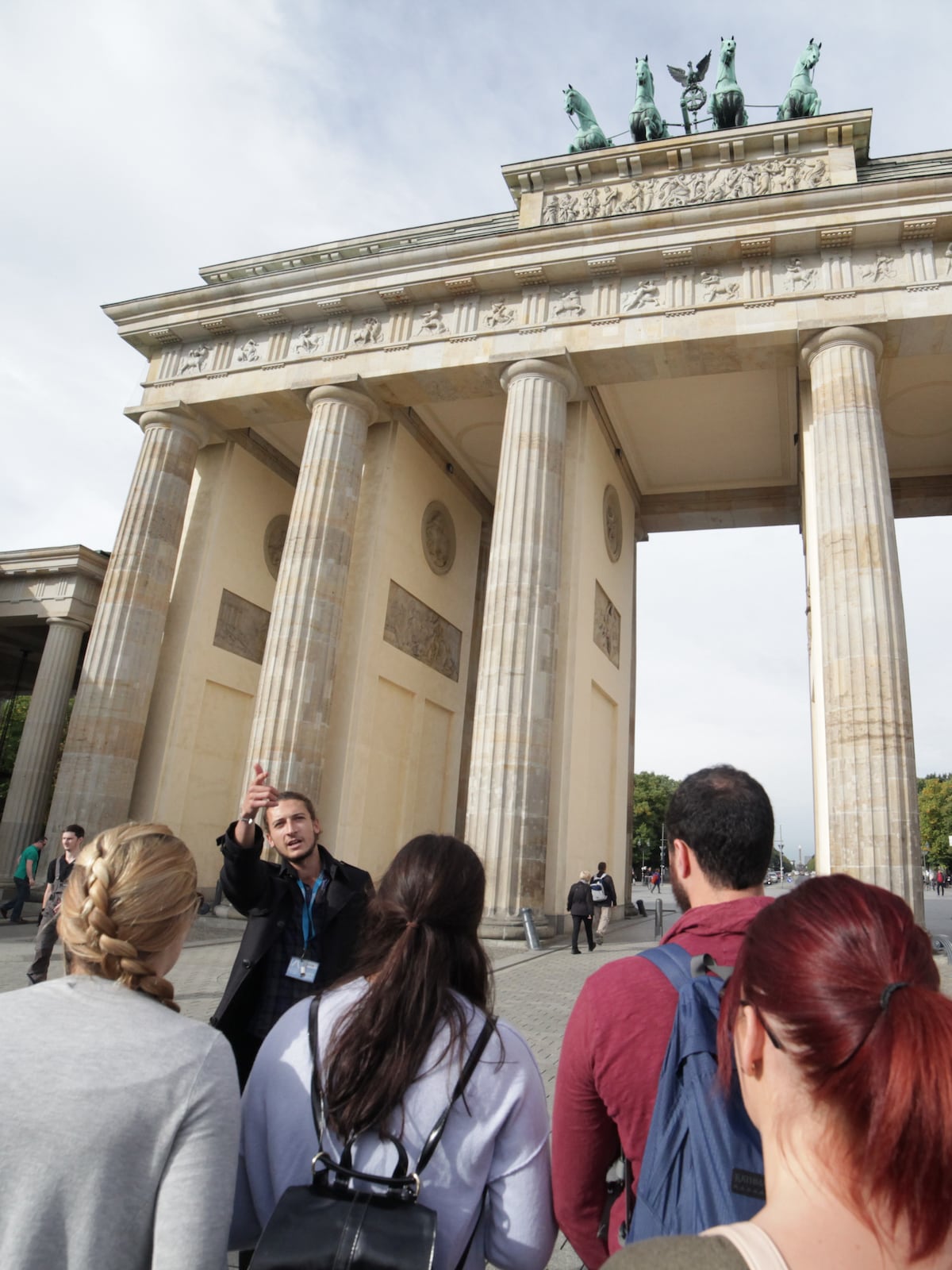
Discover Berlin - Main Sights Tour in English
Fri, Feb 27 • 10:30 AM
10178, Berlin, Germany
View details

No Diet Club - The street food paradise in Berlin
Fri, Feb 27 • 12:00 PM
10115, Berlin, Germany
View details
Nearby attractions of Rotes Rathaus
Neptune Fountain
St. Nicholas' Church Museum
Nikolaiviertel
People Museum - The first museum of BODY WORLDS
Alexanderplatz
St. Mary's Church
IKONO Berlin
DDR Museum
Hemp Museum
Illuseum Berlin
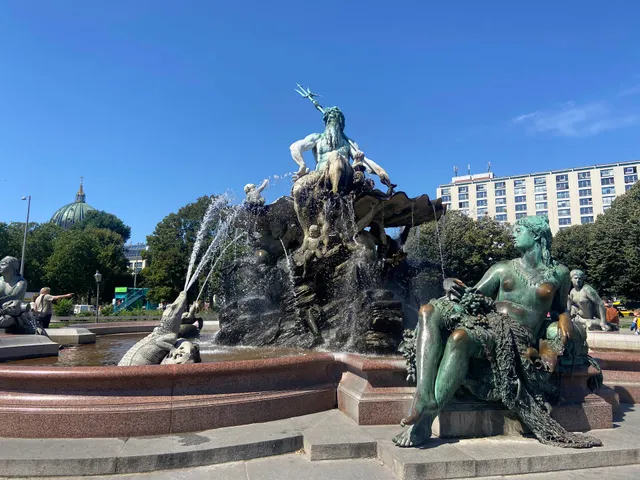
Neptune Fountain
4.5
(4.8K)
Open until 12:00 AM
Click for details
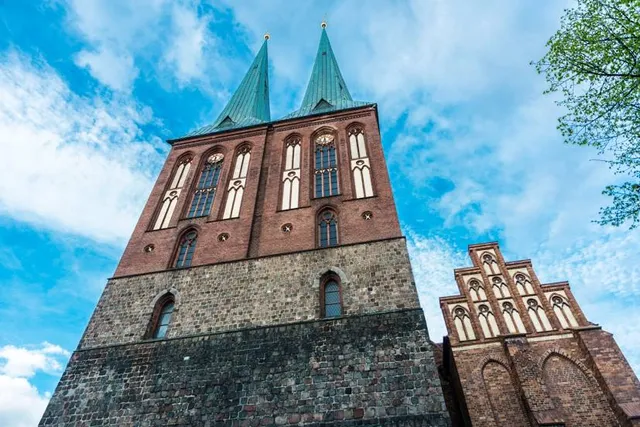
St. Nicholas' Church Museum
4.4
(1.8K)
Open until 6:00 PM
Click for details
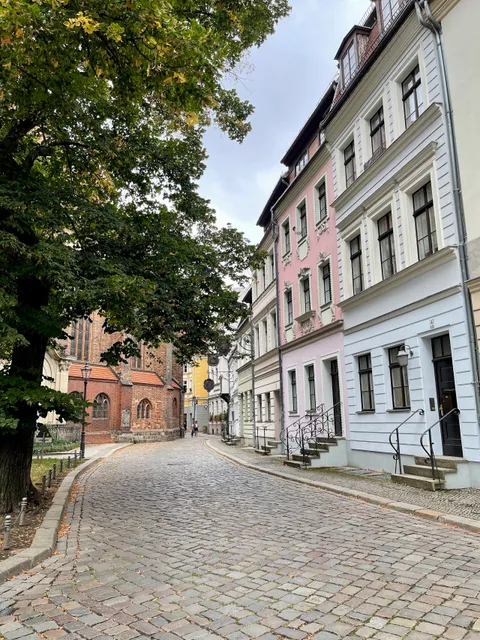
Nikolaiviertel
4.6
(1.1K)
Open until 12:00 AM
Click for details
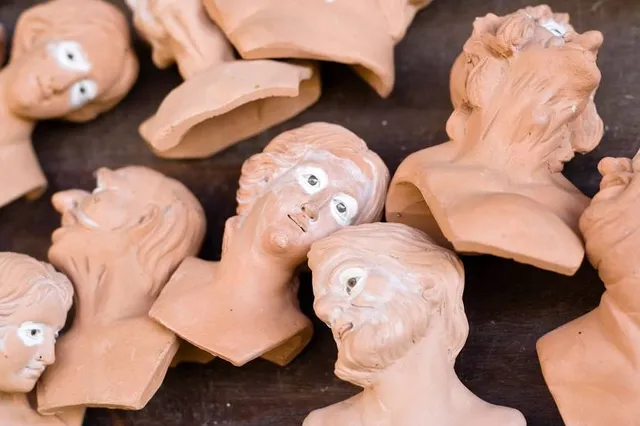
People Museum - The first museum of BODY WORLDS
4.5
(2K)
Open until 7:00 PM
Click for details
Nearby restaurants of Rotes Rathaus
Cancún
Piazza Rossa
Cyclo
Gasthaus Mutter Hoppe
Tapas Berlin El Colmado Alexanderplatz
Mumbai Local - Indian Food
Zur Gerichtslaube
tigertörtchen Café - Berlin Cupcakes
Zum Nußbaum
Boltes Berliner Steakhaus
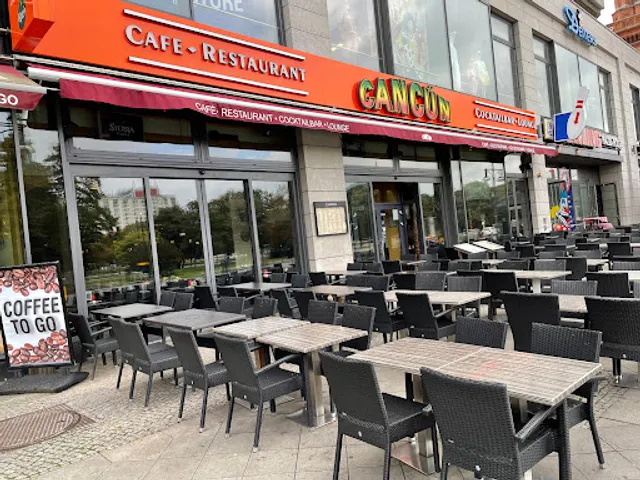
Cancún
4.5
(2K)
Open until 2:00 AM
Click for details
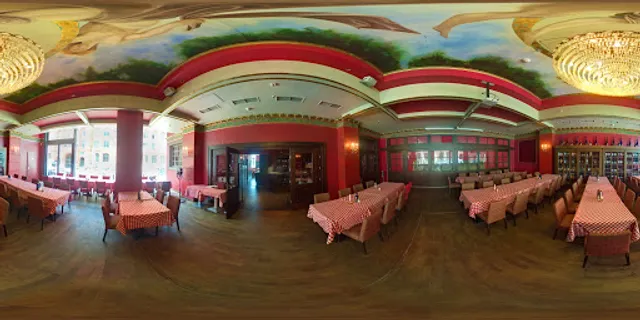
Piazza Rossa
4.7
(1.3K)
Click for details
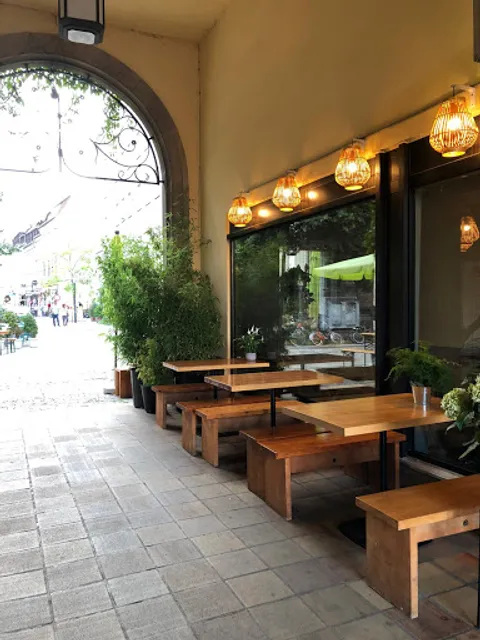
Cyclo
4.8
(1.0K)
Open until 10:00 PM
Click for details
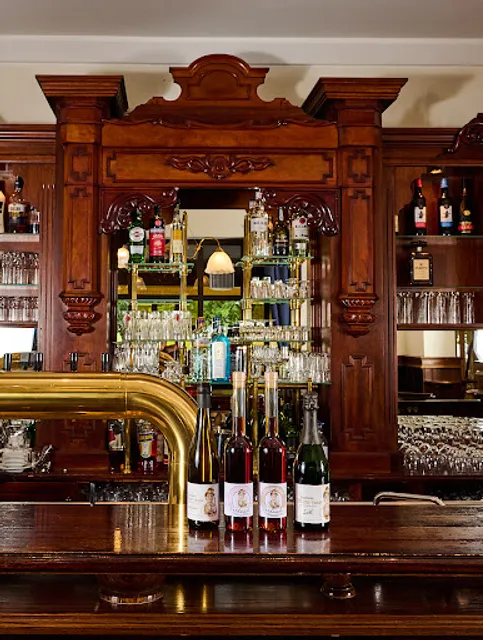
Gasthaus Mutter Hoppe
4.4
(2.1K)
Open until 12:00 AM
Click for details
Nearby local services of Rotes Rathaus
Neptunbrunnen
ALEXA Berlin
Unlimited Biking (Formerly Fat Tire Tours)
Spandauer Str. 2
GALERIA Berlin Alexanderplatz
Alexanderplatz
Museum Island
SATURN
Antiques in the Nikolai Quarter
Haus Ungarn
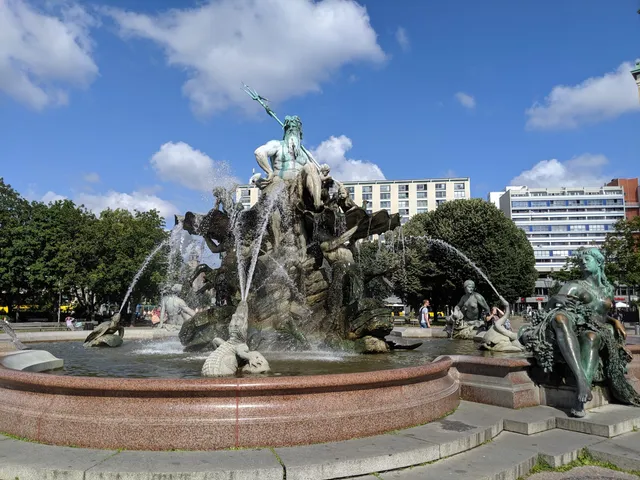
Neptunbrunnen
4.5
(4.6K)
Click for details

ALEXA Berlin
4.3
(9.5K)
Click for details
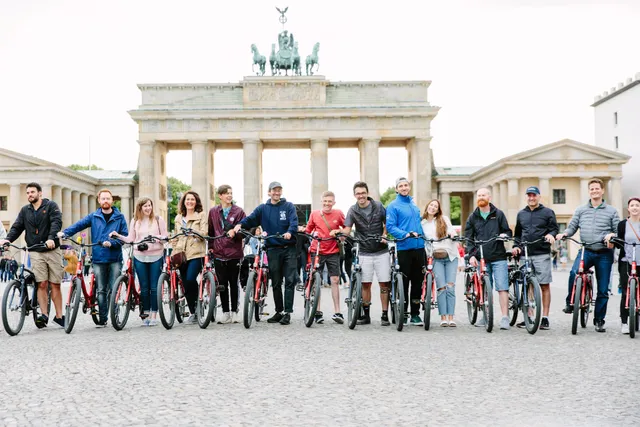
Unlimited Biking (Formerly Fat Tire Tours)
4.9
(889)
Click for details
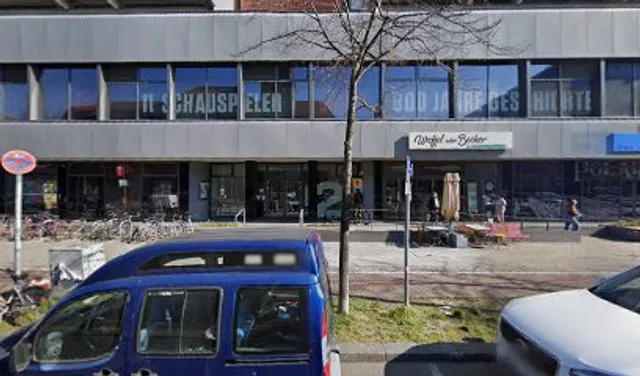
Spandauer Str. 2
4.3
(4.5K)
Click for details