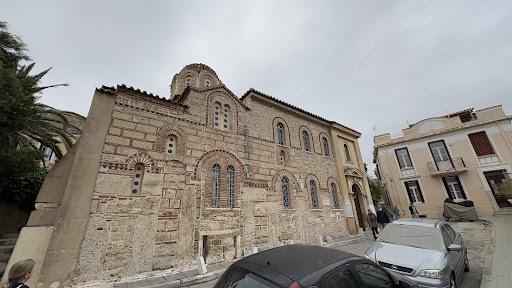
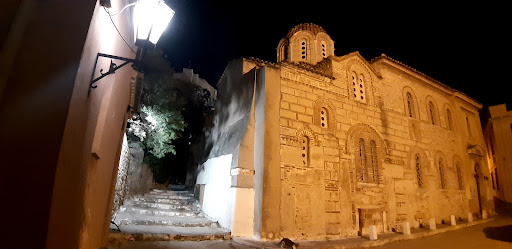
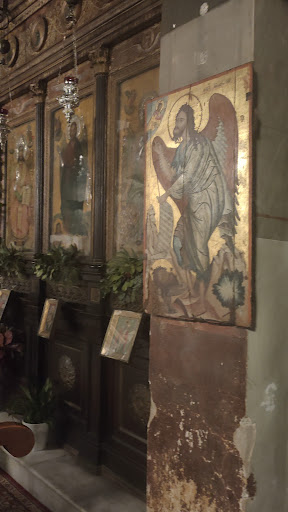
Holy Church of Saint Nicholas Rangavas things to do, attractions, restaurants, events info and trip planning
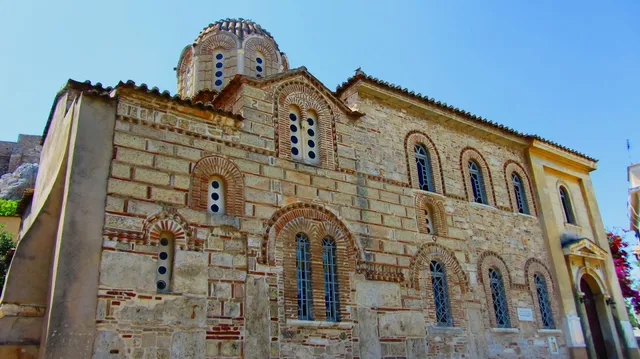
Basic Info
Holy Church of Saint Nicholas Rangavas
Prytaneiou 1, Athina 105 58, Greece
4.8(441)
Open until 12:00 AM
Save
spot
spot
Ratings & Description
Info
Cultural
Scenic
Accessibility
attractions: Parthenon, Acropolis of Athens, Choragic Monument of Lysicrates, Holy Church of the Holy Unmercenaries of Kolokynthis - Metochion of the Holy Sepulchre, Theatre of Dionysus, Roman Forum of Athens (Roman Agora), Acropolis Museum, The Mitropoleos square, Holy Metropolitan Church of the Annunciation to the Virgin Mary, Erechtheion, restaurants: Restaurant Scholarhio, To Kafeneio, Psaras Tavern, Melina Mercouri Café, Cafe Plaka, Traditional Tavern Stamatopoulos, Brettos, Ta Giouvetsakia, Lyra Restaurant Athens, Arte Athens, local businesses: Al Hammam Traditional Baths, Boîte Apanemia, Flâneur Souvenirs & Supplies, Acropolis, Holy Church of Saint George of the Rock, Forget Me Not, Plaka Old Town Parking, Thiki Greece, Chillbox Plaka, Acron Athens
 Learn more insights from Wanderboat AI.
Phone
+30 21 0322 8193
Open hoursSee all hours
Thu9 AM - 1 PMOpen
Plan your stay

Pet-friendly Hotels in Athens
Find a cozy hotel nearby and make it a full experience.

Affordable Hotels in Athens
Find a cozy hotel nearby and make it a full experience.

The Coolest Hotels You Haven't Heard Of (Yet)
Find a cozy hotel nearby and make it a full experience.

Trending Stays Worth the Hype in Athens
Find a cozy hotel nearby and make it a full experience.
Reviews
Live events
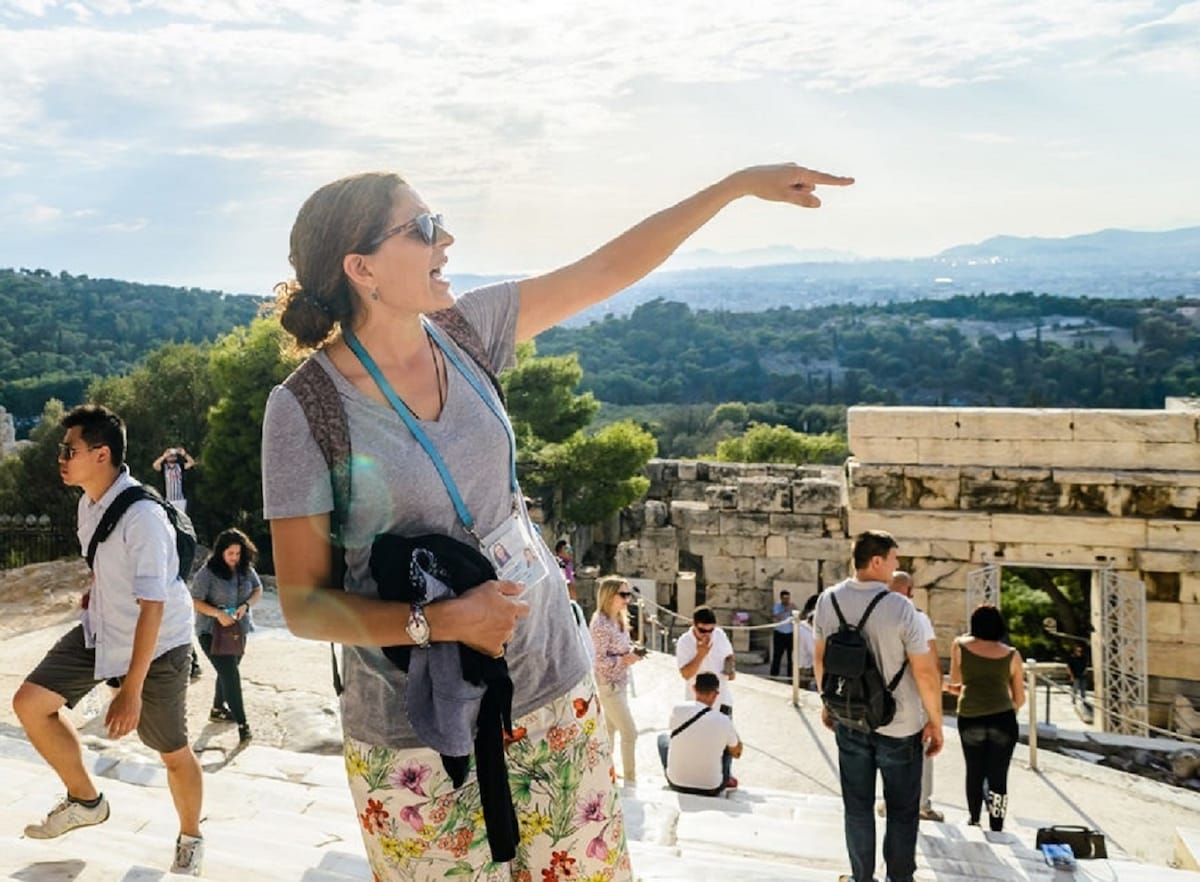
See the Acropolis with a licensed guide
Thu, Feb 26 • 8:00 AM
117 42, Athens, Greece
View details
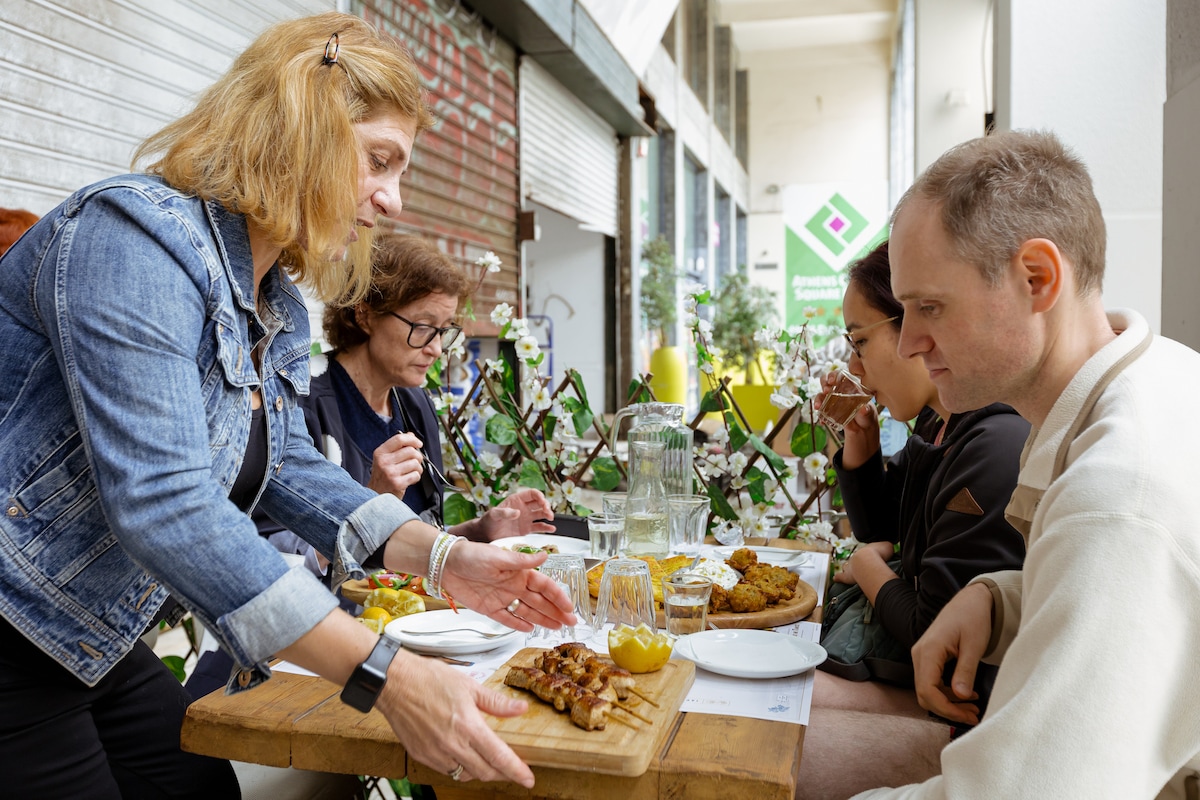
Taste hidden Athenian flavors on culinary romp
Thu, Feb 26 • 11:00 AM
105 54, Athens, Greece
View details
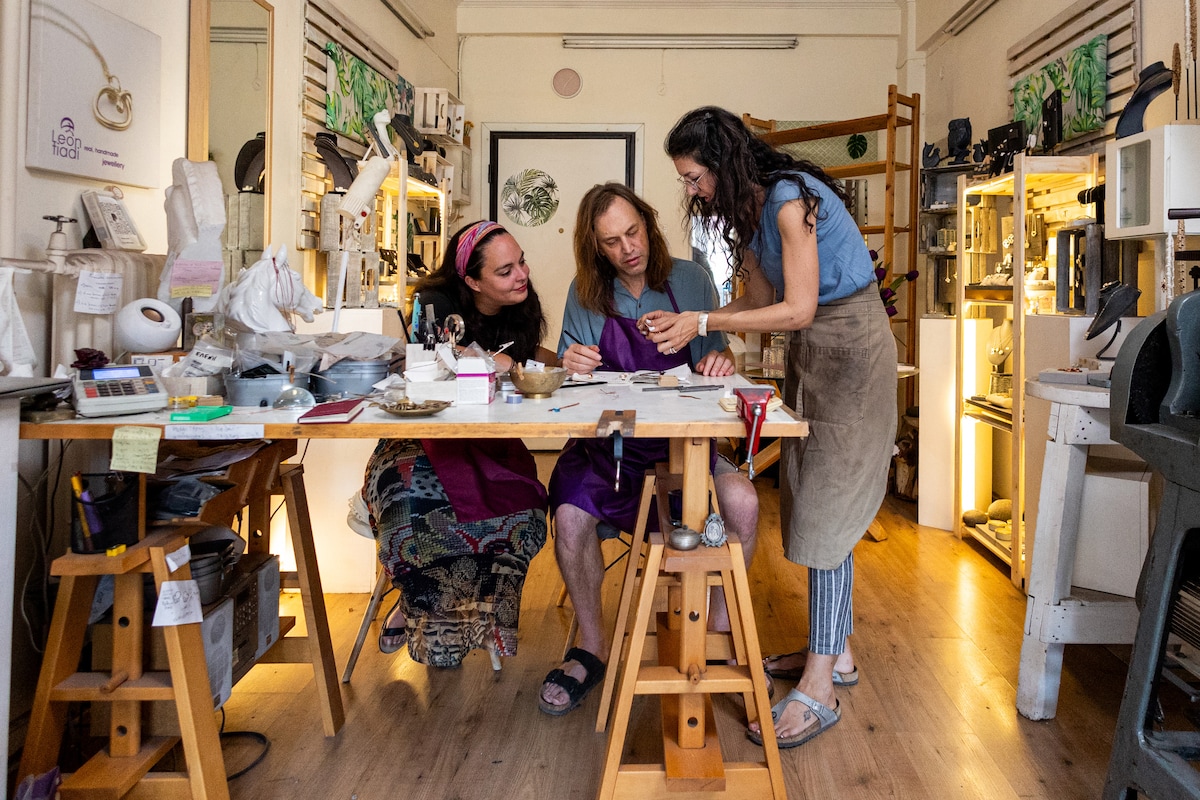
Design and fashion jewelry with a Silversmith
Thu, Feb 26 • 9:30 AM
105 63, Athens, Greece
View details
Nearby attractions of Holy Church of Saint Nicholas Rangavas
Parthenon
Acropolis of Athens
Choragic Monument of Lysicrates
Holy Church of the Holy Unmercenaries of Kolokynthis - Metochion of the Holy Sepulchre
Theatre of Dionysus
Roman Forum of Athens (Roman Agora)
Acropolis Museum
The Mitropoleos square
Holy Metropolitan Church of the Annunciation to the Virgin Mary
Erechtheion
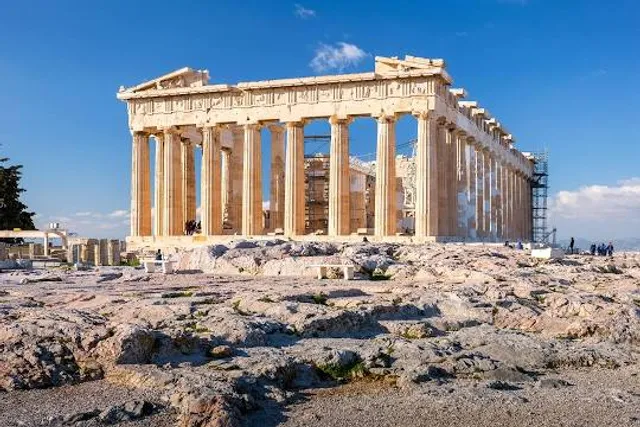
Parthenon
4.8
(28.8K)
Open until 12:00 AM
Click for details
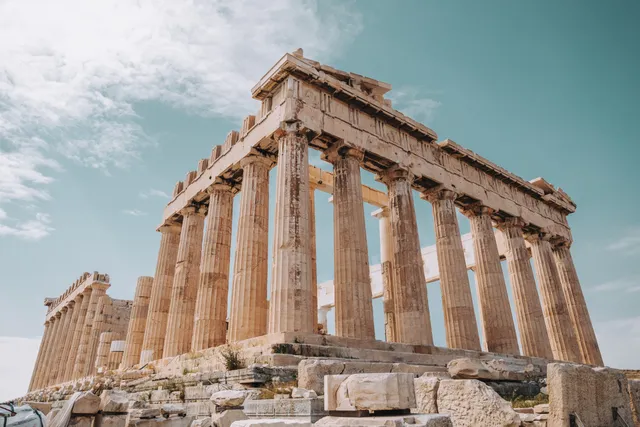
Acropolis of Athens
4.8
(45.2K)
Closed
Click for details
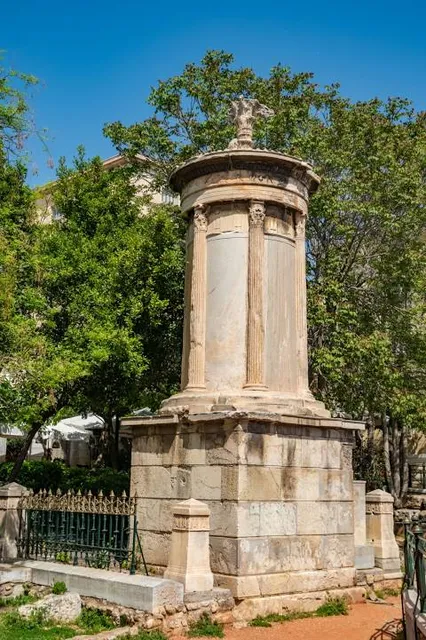
Choragic Monument of Lysicrates
4.5
(1.1K)
Open until 12:00 AM
Click for details
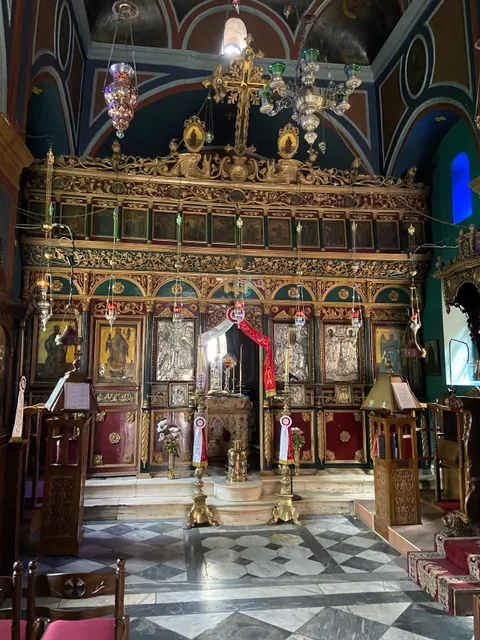
Holy Church of the Holy Unmercenaries of Kolokynthis - Metochion of the Holy Sepulchre
4.7
(312)
Closed
Click for details
Nearby restaurants of Holy Church of Saint Nicholas Rangavas
Restaurant Scholarhio
To Kafeneio
Psaras Tavern
Melina Mercouri Café
Cafe Plaka
Traditional Tavern Stamatopoulos
Brettos
Ta Giouvetsakia
Lyra Restaurant Athens
Arte Athens
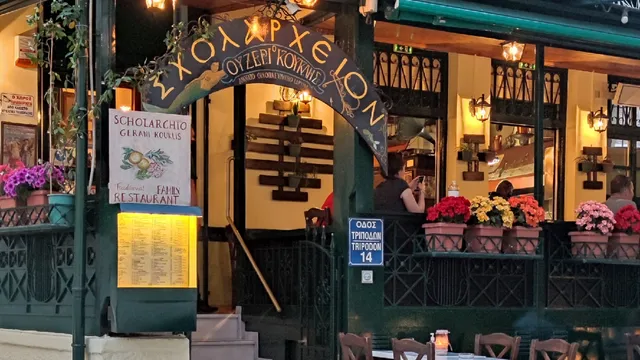
Restaurant Scholarhio
4.5
(2.3K)
Click for details
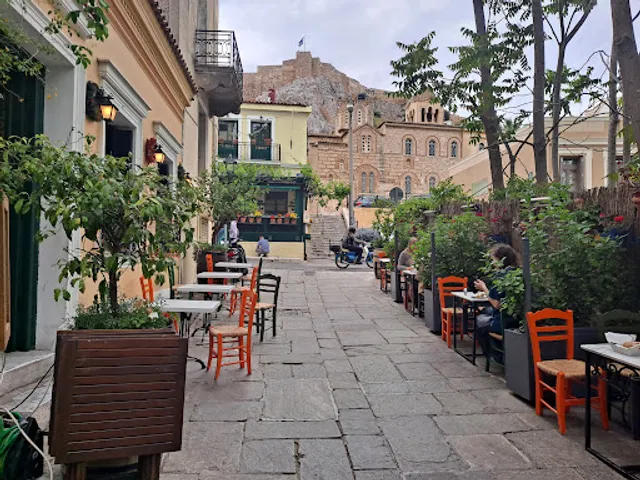
To Kafeneio
4.5
(1.7K)
Closed
Click for details
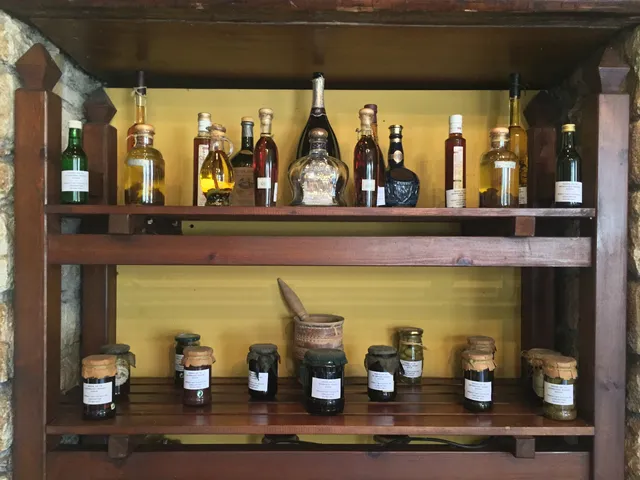
Psaras Tavern
4.2
(1.4K)
$$
Closed
Click for details
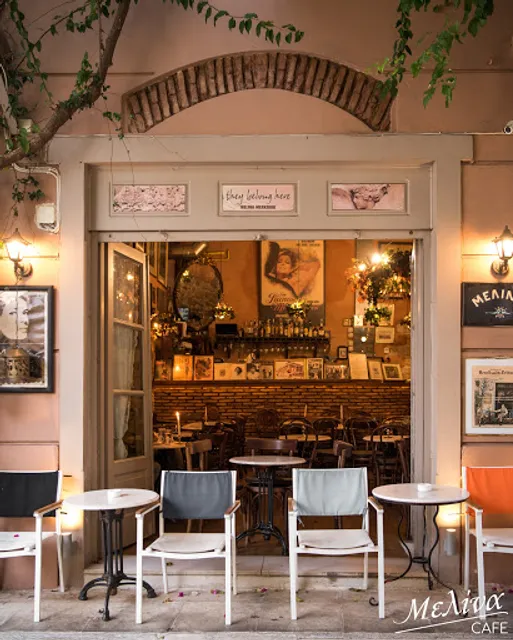
Melina Mercouri Café
4.4
(1.7K)
Open until 2:00 AM
Click for details
Nearby local services of Holy Church of Saint Nicholas Rangavas
Al Hammam Traditional Baths
Boîte Apanemia
Flâneur Souvenirs & Supplies
Acropolis
Holy Church of Saint George of the Rock
Forget Me Not
Plaka Old Town Parking
Thiki Greece
Chillbox Plaka
Acron Athens
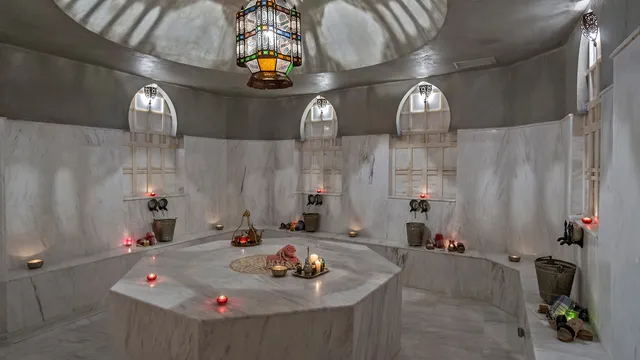
Al Hammam Traditional Baths
4.5
(325)
Click for details
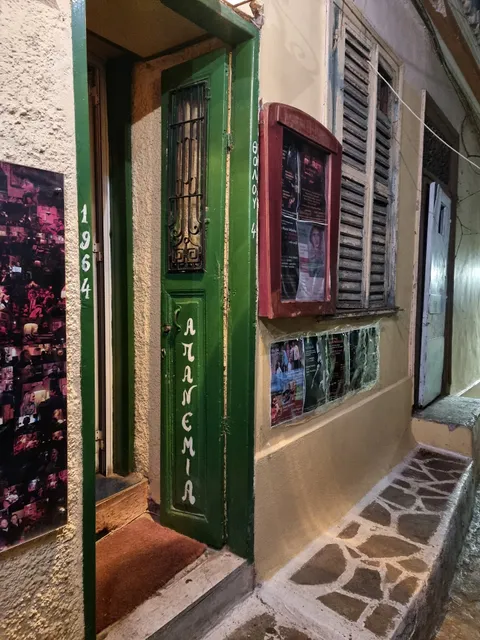
Boîte Apanemia
4.4
(444)
Click for details
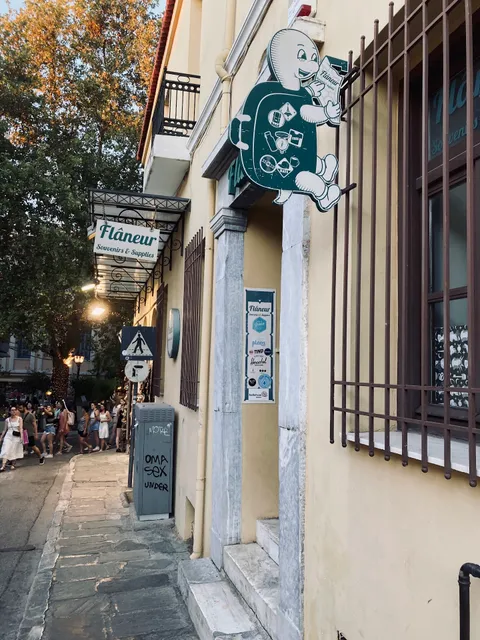
Flâneur Souvenirs & Supplies
4.9
(214)
Click for details
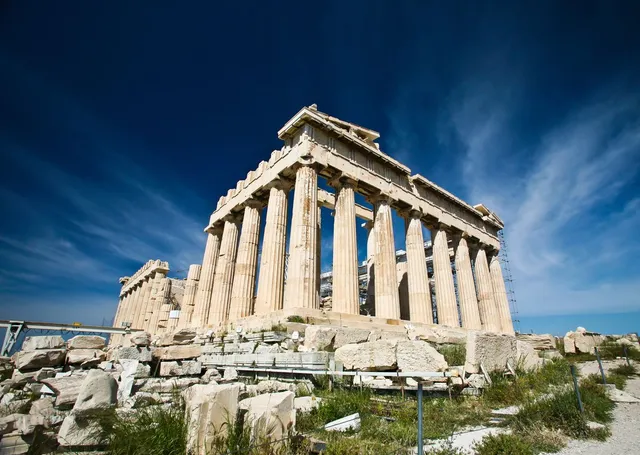
Acropolis
4.7
(2.6K)
Click for details