Museum of Modern Greek Culture (Tzistarakis Mosque) things to do, attractions, restaurants, events info and trip planning
Basic Info
Museum of Modern Greek Culture (Tzistarakis Mosque)
Areos 10, Athina 105 55, Greece
4.4(335)
Open until 12:00 AM

tickets
Save
spot
spot
Ratings & Description
Info
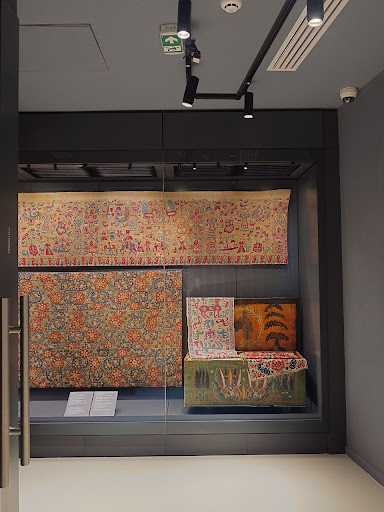
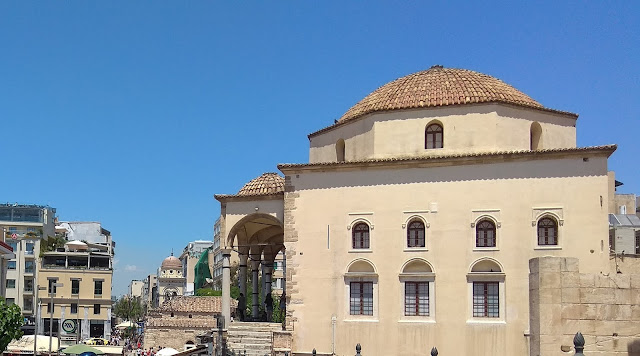
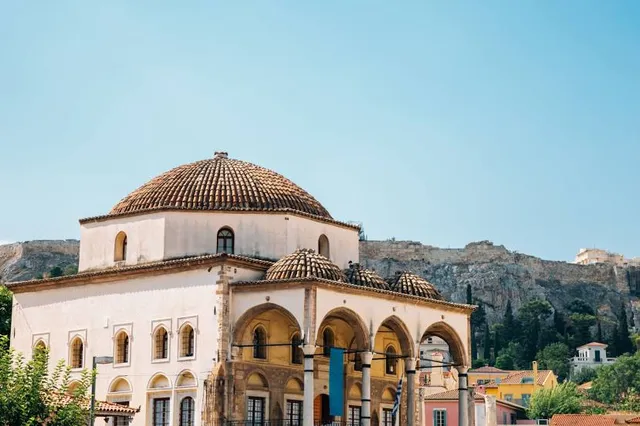
Tzistarakis Mosque is an Ottoman mosque, built in 1759, in Monastiraki Square, central Athens, Greece. It is now functioning as an annex of the Museum of Greek Folk Art.
Cultural
Family friendly
Accessibility
attractions: Monastiraki Square, Flea Market, Hadrian's Library, Roman Forum of Athens (Roman Agora), Stoa of Attalos - Museum of the Ancient Agora, Holy Church of the Virgin Mary Pantanassa - Monastiraki, Museum of Illusions Athens, Acropolis of Athens, Horologion of Andronikos Cyrrhestes, Ancient Agora of Athens, restaurants: Thanasis, Maiandros Restaurant, Efcharis restaurant, 360 Cocktail Bar, Bairaktaris Central, The Greco's Project, Savvas, Anglais Athens, Couleur Locale, Lartecono Davinci Gelato (Monastiraki), local businesses: Monastiraki, Stoa of Attalos, Museum of Ancient Greek Technology, Holy Church of the All-Great Taxiarchs and the Virgin Mary Gregorousa, ATHENS FLEA MARKET, Crust, Nikolopoulos George "Aphrodite", Panagía Kapnikaréa Church, Holy Church of Saint Irene, Seven Sisters Ath
 Learn more insights from Wanderboat AI.
Phone
+30 21 0323 9382
Website
mnep.gr
Open hoursSee all hours
Wed9:30 AM - 4:30 PMOpen
Plan your stay

Pet-friendly Hotels in Athens
Find a cozy hotel nearby and make it a full experience.

Affordable Hotels in Athens
Find a cozy hotel nearby and make it a full experience.

The Coolest Hotels You Haven't Heard Of (Yet)
Find a cozy hotel nearby and make it a full experience.

Trending Stays Worth the Hype in Athens
Find a cozy hotel nearby and make it a full experience.
Reviews
Live events

Taste hidden Athenian flavors on culinary romp
Thu, Feb 5 • 9:00 AM
105 54, Athens, Greece
View details
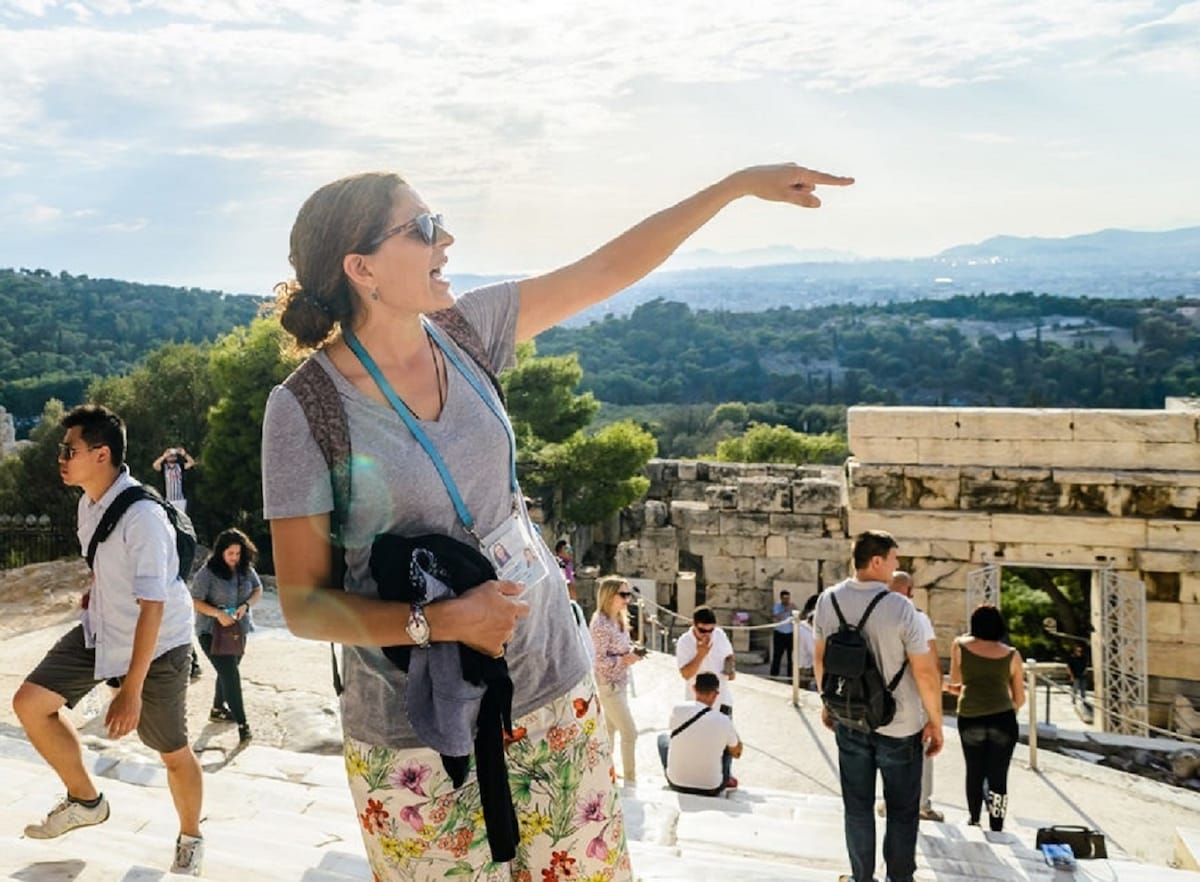
See the Acropolis with a licensed guide
Thu, Feb 5 • 8:00 AM
117 42, Athens, Greece
View details
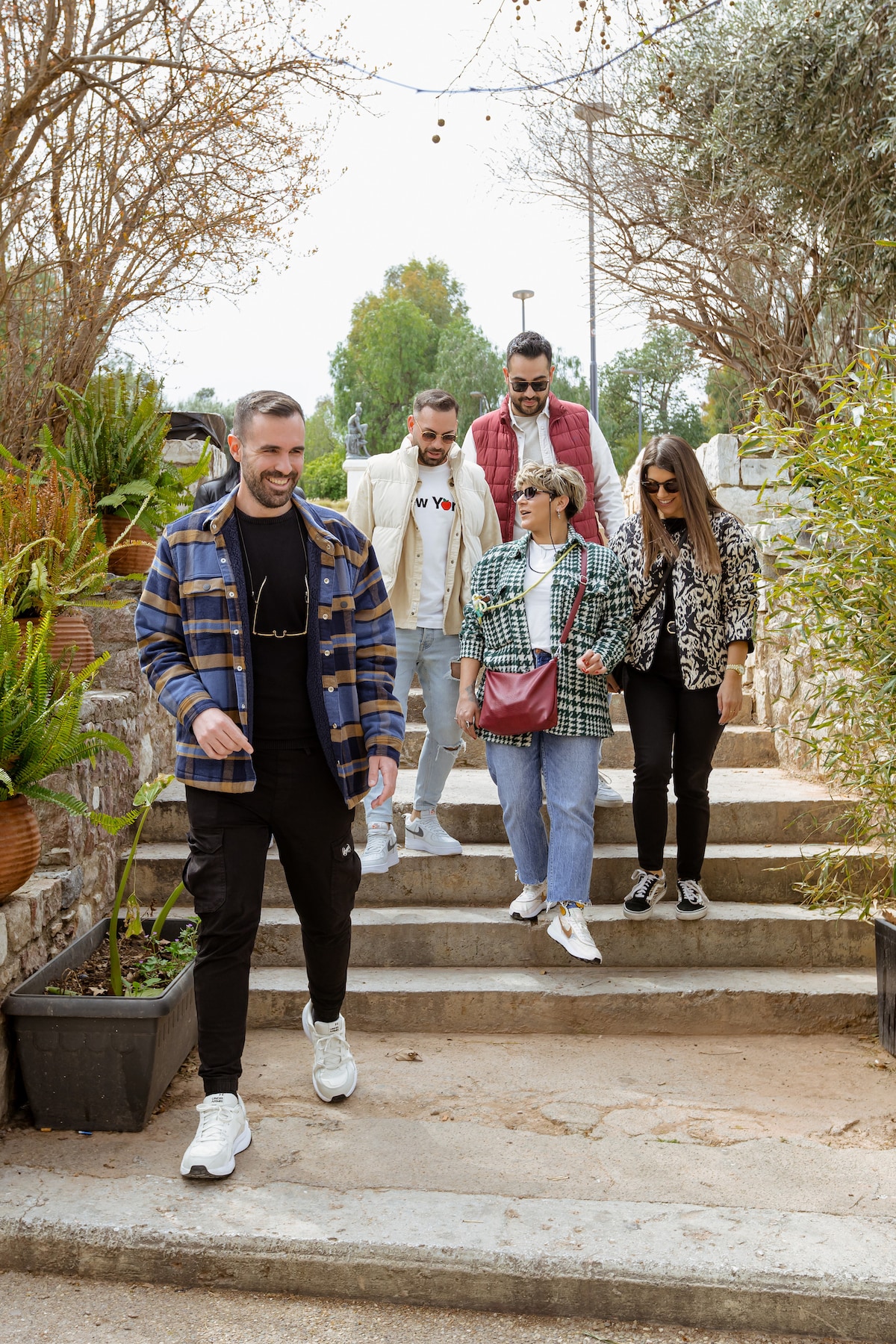
Amazing Athens Walks & Local Hidden Gems
Wed, Feb 4 • 4:00 PM
105 55, Athens, Greece
View details
Nearby attractions of Museum of Modern Greek Culture (Tzistarakis Mosque)
Monastiraki Square
Flea Market
Hadrian's Library
Roman Forum of Athens (Roman Agora)
Stoa of Attalos - Museum of the Ancient Agora
Holy Church of the Virgin Mary Pantanassa - Monastiraki
Museum of Illusions Athens
Acropolis of Athens
Horologion of Andronikos Cyrrhestes
Ancient Agora of Athens
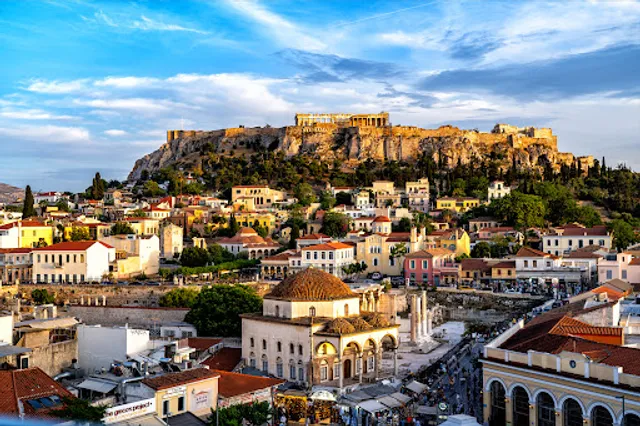
Monastiraki Square
4.5
(9.9K)
Open until 12:00 AM
Click for details
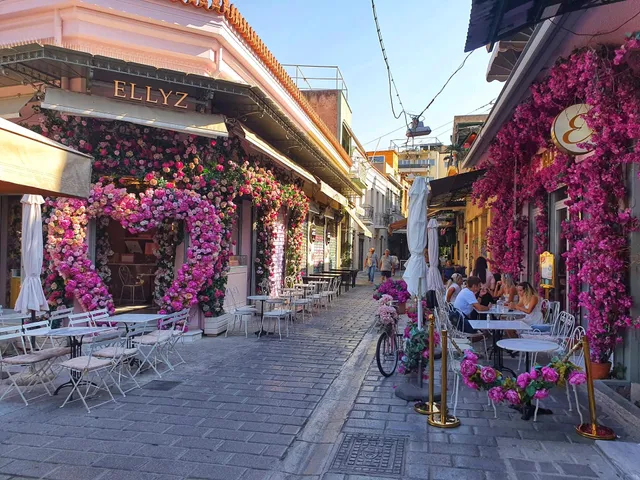
Flea Market
4.4
(5.5K)
Open until 10:00 PM
Click for details
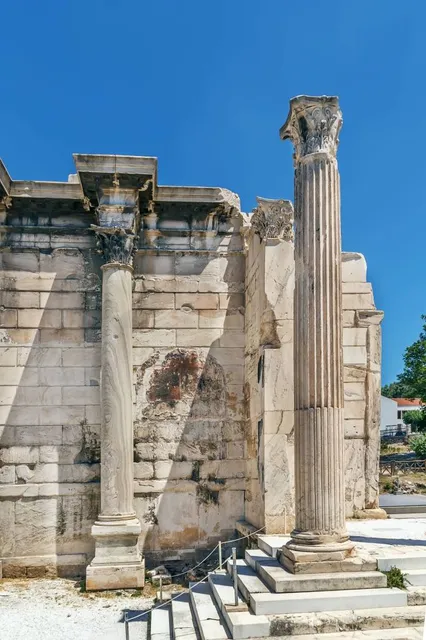
Hadrian's Library
4.4
(3.1K)
Open until 8:00 PM
Click for details
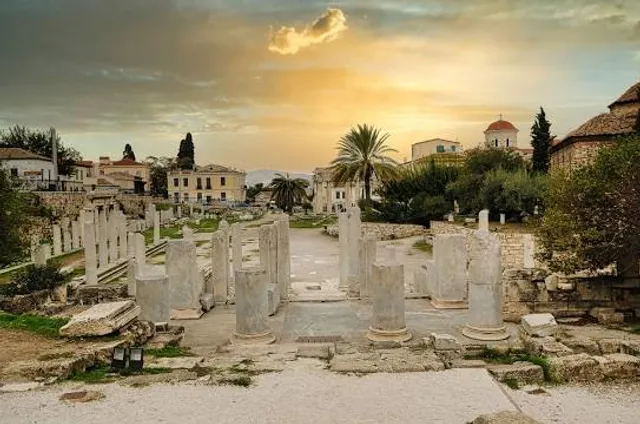
Roman Forum of Athens (Roman Agora)
4.5
(6K)
Open until 8:00 PM
Click for details
Nearby restaurants of Museum of Modern Greek Culture (Tzistarakis Mosque)
Thanasis
Maiandros Restaurant
Efcharis restaurant
360 Cocktail Bar
Bairaktaris Central
The Greco's Project
Savvas
Anglais Athens
Couleur Locale
Lartecono Davinci Gelato (Monastiraki)
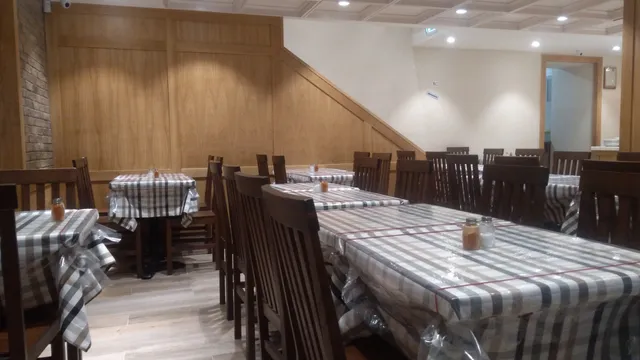
Thanasis
4.2
(7.1K)
Open until 2:00 AM
Click for details
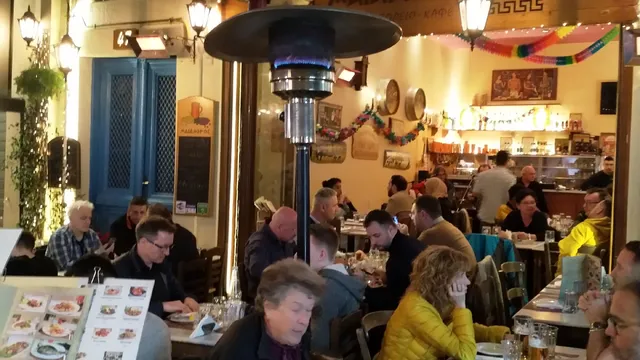
Maiandros Restaurant
4.6
(3.9K)
Open until 12:00 AM
Click for details
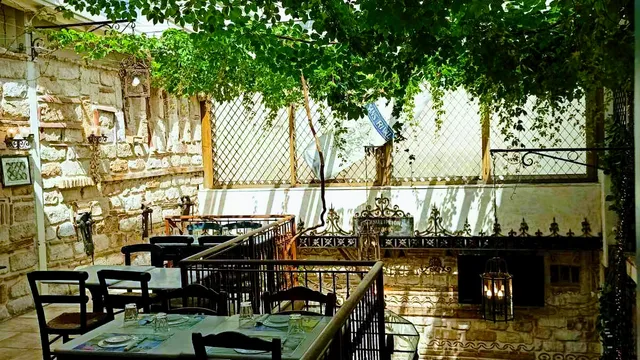
Efcharis restaurant
4.6
(3.2K)
Open until 12:00 AM
Click for details
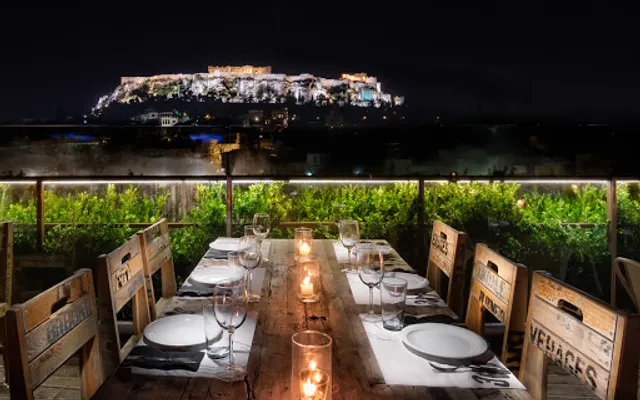
360 Cocktail Bar
4.3
(4.3K)
$$
Open until 1:30 AM
Click for details
Nearby local services of Museum of Modern Greek Culture (Tzistarakis Mosque)
Monastiraki
Stoa of Attalos
Museum of Ancient Greek Technology
Holy Church of the All-Great Taxiarchs and the Virgin Mary Gregorousa
ATHENS FLEA MARKET
Crust
Nikolopoulos George "Aphrodite"
Panagía Kapnikaréa Church
Holy Church of Saint Irene
Seven Sisters Ath
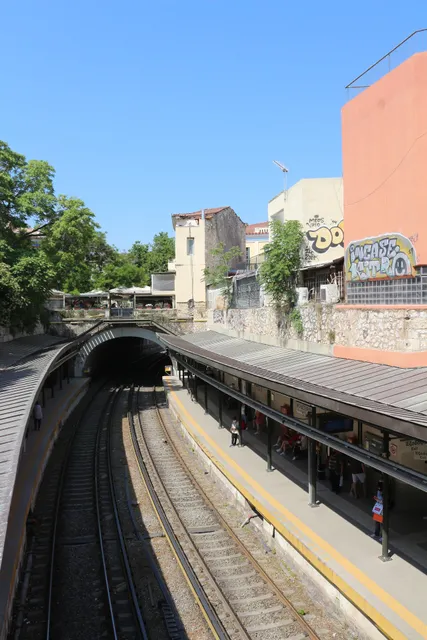
Monastiraki
4.2
(486)
Click for details
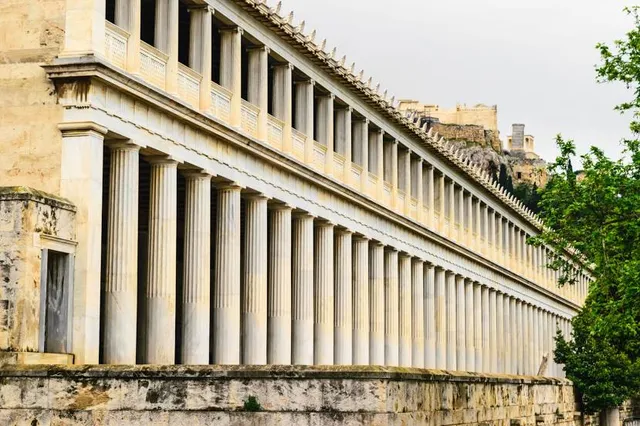
Stoa of Attalos
4.7
(1.0K)
Click for details
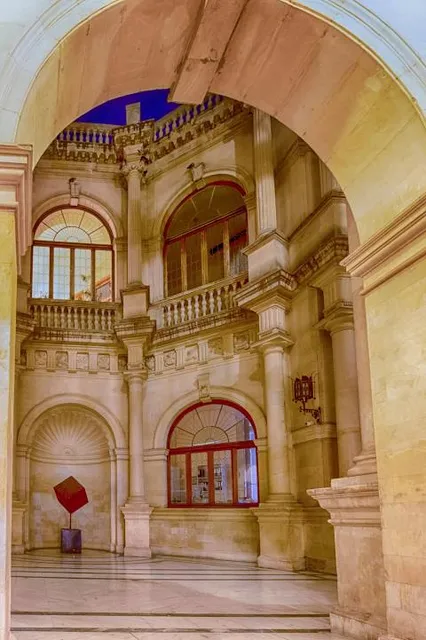
Museum of Ancient Greek Technology
4.9
(495)
Click for details
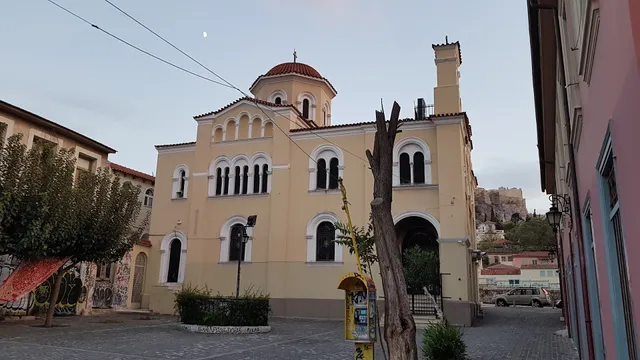
Holy Church of the All-Great Taxiarchs and the Virgin Mary Gregorousa
4.8
(195)
Click for details