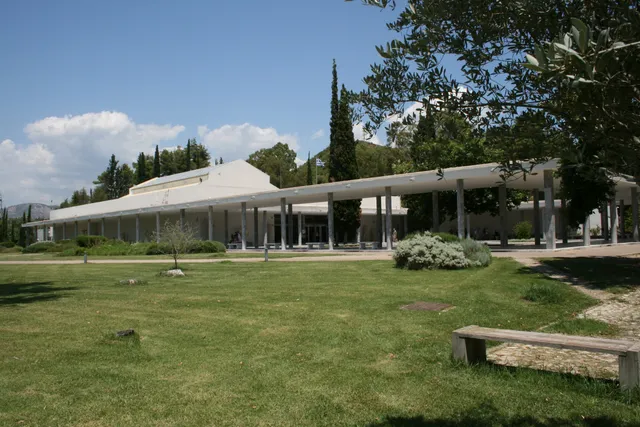
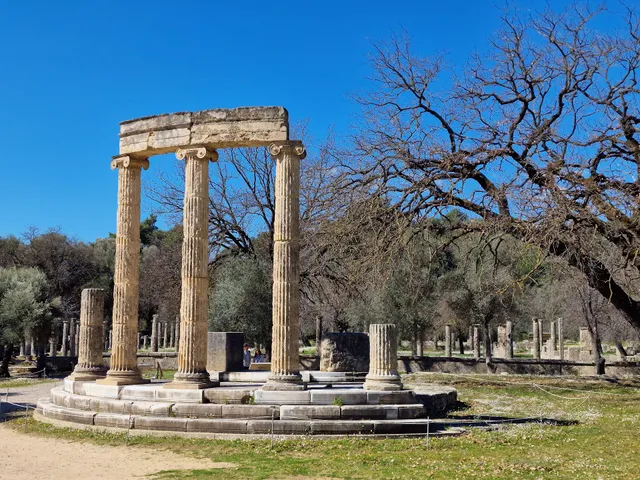
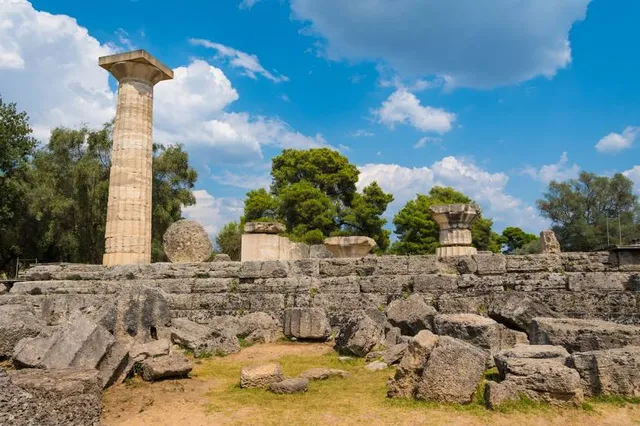
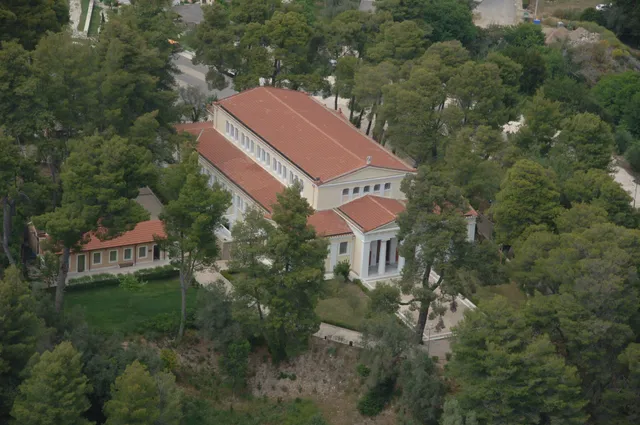
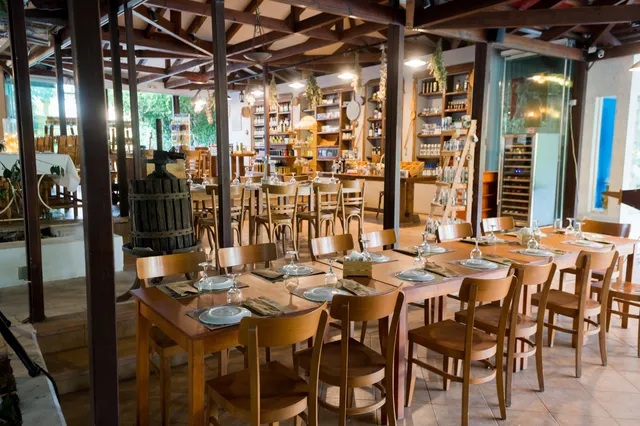
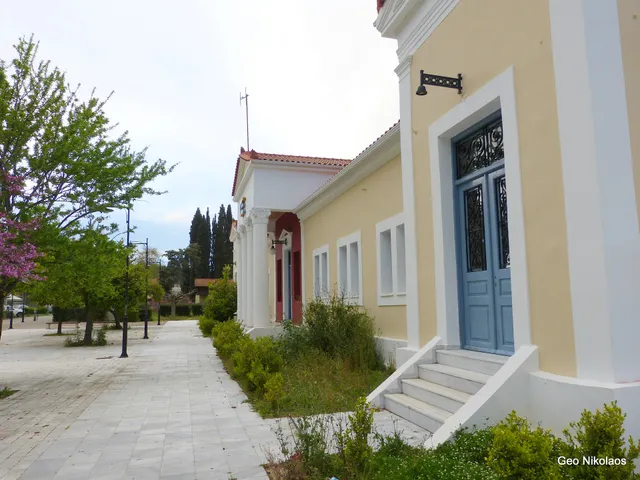
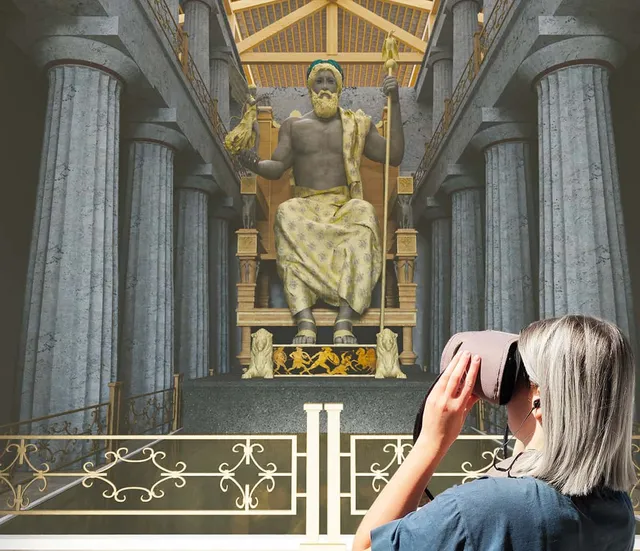
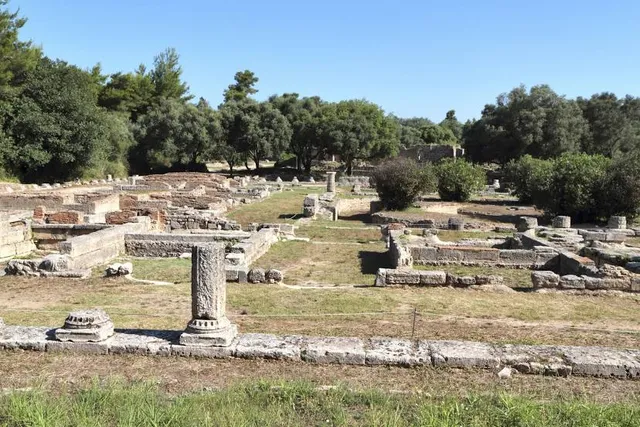
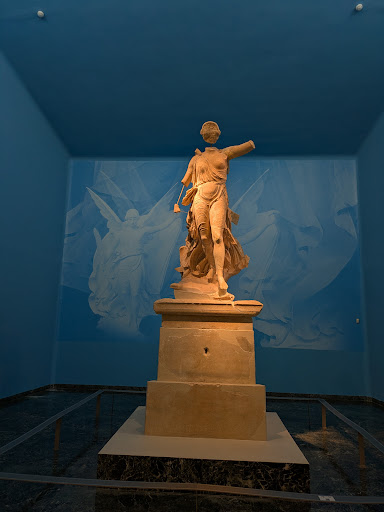
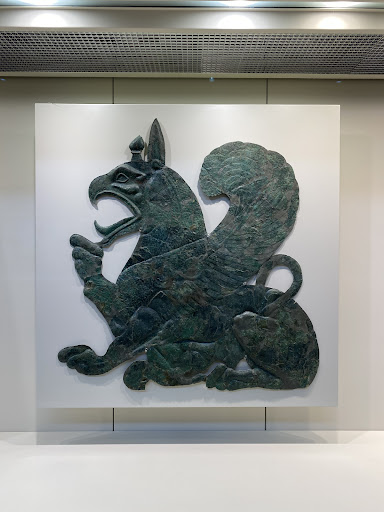
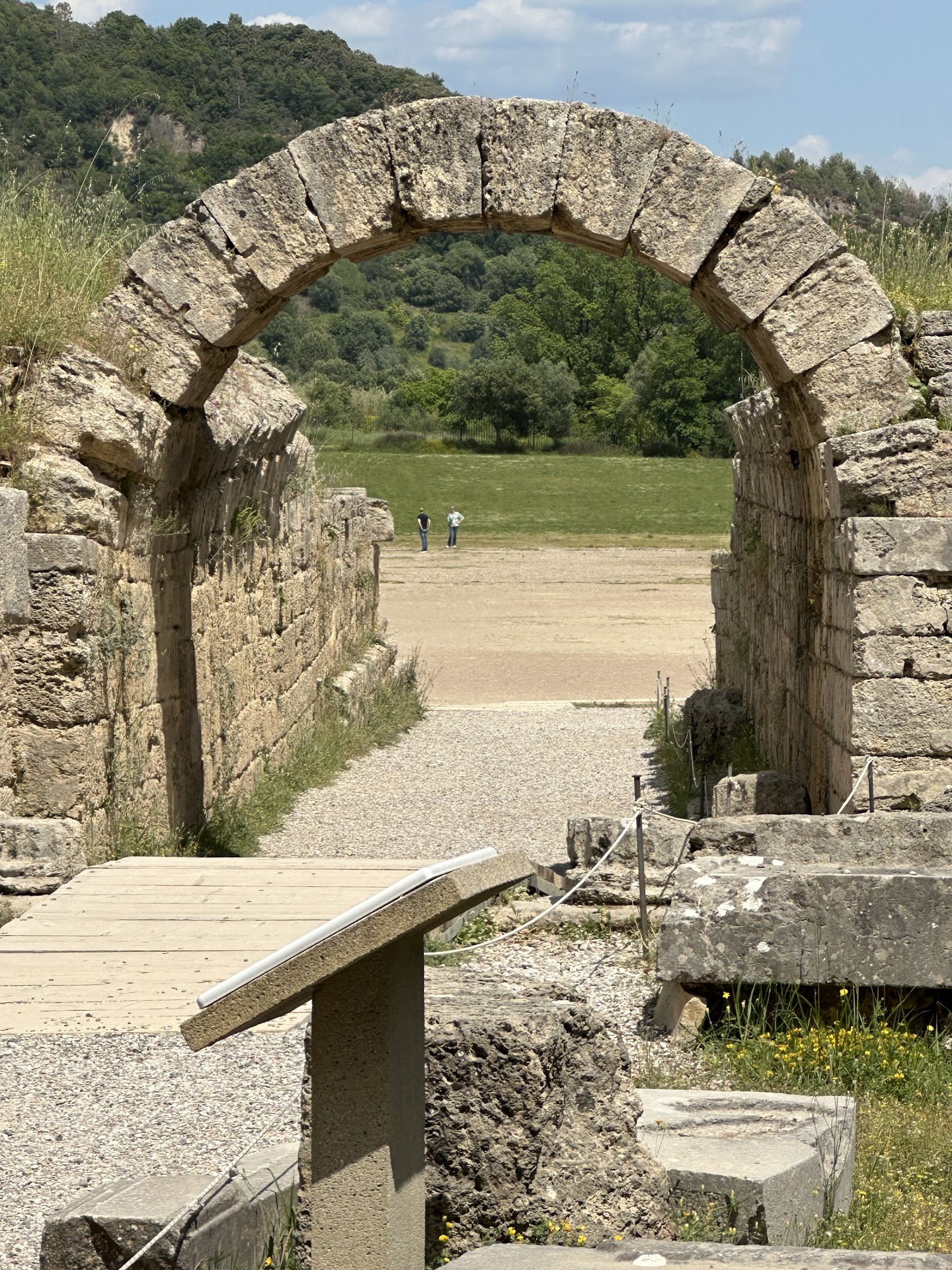
The Archaeological Museum of Olympia is one of the most important museums in Greece, dedicated to the history and artifacts of the ancient sanctuary of Olympia, the birthplace of the Olympic Games. The museum is located in the ancient site of Olympia, in the western Peloponnese, near the modern village of Olympia. It is situated close to the ruins of the ancient sanctuary, providing context to the artifacts displayed. The Archaeological Museum of Olympia houses an extensive collection of artifacts that span the long history of the sanctuary, from prehistoric times to the early Christian period. It is particularly known for its sculptures and architectural elements from the temples and buildings of ancient Olympia. The museum displays artifacts from the earliest periods of Olympia’s history, including tools, pottery, and votive offerings that date back to the prehistoric and Geometric periods. One of the highlights of the museum is its collection of classical sculptures, which includes: This is one of the most famous sculptures in the museum, attributed to the renowned sculptor Praxiteles. The statue depicts Hermes holding the infant Dionysus and is considered a masterpiece of ancient Greek art. A celebrated statue of the goddess Nike (Victory), created by the sculptor Paionios to commemorate a victory in a military campaign. The museum houses the sculptural decorations from the Temple of Zeus, including the east pediment depicting the chariot race between Pelops and Oenomaus, and the west pediment featuring the battle between the Lapiths and Centaurs. Although the original statue of Zeus, one of the Seven Wonders of the Ancient World, no longer exists, the museum displays related artifacts and descriptions that give insight into this monumental work. The museum also boasts a rich collection of ancient bronze artifacts, including weapons, armor, and figurines. The bronze collection is one of the largest and most important in the world. Terracotta figurines, votive offerings, and architectural elements from the sanctuary are also on display, illustrating the religious and artistic life of ancient Olympia. The museum building is modern, designed to showcase the artifacts in a way that highlights their historical context. The exhibition is arranged chronologically, allowing visitors to follow the development of the site and its significance over time. The museum is organized into several halls, each dedicated to different aspects of Olympia’s history, including the sanctuary’s religious, athletic, and political significance. The museum is open year-round, with extended hours during the summer tourist season. Visitors are advised to check the official website or contact the museum for current opening times. Guided tours are available and provide detailed explanations of the artifacts and their historical context. These tours are offered in multiple languages. The museum is accessible to visitors with disabilities and offers amenities such as a gift shop and café. The Archaeological Museum of Olympia is not only a public exhibition space but also a center for research and conservation of the ancient artifacts from the Olympia site. The museum often hosts temporary exhibitions, lectures, and educational programs aimed at deepening the public’s understanding of ancient Greek culture and the significance of Olympia. Visiting the Archaeological Museum of Olympia provides a comprehensive view of the ancient Olympic Games and the religious and cultural life of one of Greece’s most significant...
Read moreThe Archaeological Museum of Olympia complements historically, scientifically and artistically the most famous ancient sanctuary dedicated to the worship of Zeus. In the consciousness of present-day civilization, however, Olympia is best known for the pan-Hellenic games held in 776 BCE - 393 AD, forerunners of the current Olympic Games. Appearing since the dawn of Greek civilization, the Sanctuary of Olympia became the most important pan-Hellenic religious, political and sports center of ancient Greece. The museum contains a large number of artifacts identified on the grounds and in the vicinity of the nearby archaeological site of Olympia. The exhibits are presented in chronological order and are grouped thematically in 11 rooms that form a kind of circuit around a large central hall that houses sculptures from the Temple of Zeus, which housed the famous Statue of Zeus, one of the 7 wonders of antiquity. Incidentally, many other pieces come from the two main temples (Zeus and Hera) of the sanctuary. From the point of view of history and artistic periods, the exhibition space covers the entire period of Olympia's existence, from the Prehistoric period (2700-2000 BCE), passing through the Mycenaean (1600-1100 BCE), Geometric and Archaic periods (the centuries 9 - 6 BCE), the "Severe" style period (Early Classic, 490-450 BCE, in which the Temple of Zeus is also decorated), the Roman period (2nd century BC - 3rd century AD) and ending with the period of abandonment of the site (6th-7th centuries AD). In the Archaeological Museum of Olympia we meet various exhibits and especially statues that appear in textbooks and art history books. Among these we mention: the world's largest collection of offerings to the God Zeus (Geometric and Archaic periods) the terracotta "acroterion" that crowned the Temple of the Goddess Hera in Olympia the cornice of the Treasury of Gela and the pediment of the Treasury of Megara Head of the Goddess Athena, ceramic, early 5th century BC. the metopes with the Labors of Hercules and the two statuary compositions of the pediments, eastern - "The Chariot race of Pelops and Oinomaos"" and western - "Battle of Lapiths and Centaurs" on the Temple of Zeus, in the "Severe" style the statue of Zeus (reproduction) made by Phidias, the greatest sculptor of antiquity, and his workshop the "Zeus and Ganymides" statuary ensemble, made of terracotta, the beginning of the 5th century B.C. "Statue of Nike" (Victorious Goddess), 420 BCE of the sculptor Paionios The statue of Hermes with the Infant Dionysus (4th century BC) by the sculptor Praxitele statues from the Roman period: the offering bull at the (Fountain) Nymphaion and various statues of Roman emperors and empresses - Adrian, Marcus Aurelius, Titus, Julia...
Read moreLame
Edit:
Dear Owner of Archaeological Museum of Olympia,
First off, I am a bit confused why you got overly offended over my single review when the museum has a rating of 4.6 and has over 2,000 reviews.
The reason why I labelled my experience as "lame" is because I found the museum to be very underwhelming. It took about 30-40 minutes to be driven there by bus from the Port of Katakolo and I just felt like the time and effort of booking the cruise to get there wasn't worth it. I understand that the museum can't just magically create Greek artifacts out of no where but I felt like it the experience wasn't enthralling.
The museum and the archaeological site were advertised as very exciting enthralling tourist attractions to the public, yet I was very disappointed in the quality of the artifacts when I arrived there. Also the museum was quite small. I understand that the museum has a limited number of artifacts and funding and there is nothing they can do about it, but the reason why I gave it a low rating is to signify to other tourists that it isn't worth booking expensive or long cruises that stop at Katakolo(Olympia). There just simply isn't that much interesting unique things to see or do there that you wouldnt be able to do in other more populated parts of Greece.
Also (through the perspective of an American) I just feel like it isn't worth the travel time and money to go to Olympia (from the US) to see the artifacts when the Metropolitan Museum of Art in NYC has pretty much the same amount and quality of...
Read more