Archaeological Site of Olympia things to do, attractions, restaurants, events info and trip planning
GreecePeloponnese, Western Greece and the IonianMunicipality of Ancient OlympiaArchaeological Site of Olympia
Basic Info
Archaeological Site of Olympia
Archaia Olympia 270 65, Greece
4.7(7.1K)
Open 24 hours


tickets
Save
spot
spot
Ratings & Description
Info
Cultural
Outdoor
Scenic
Family friendly
Accessibility
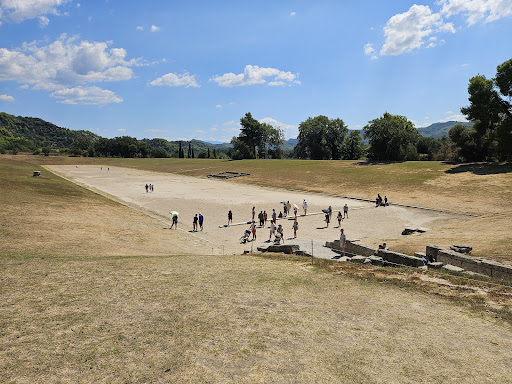
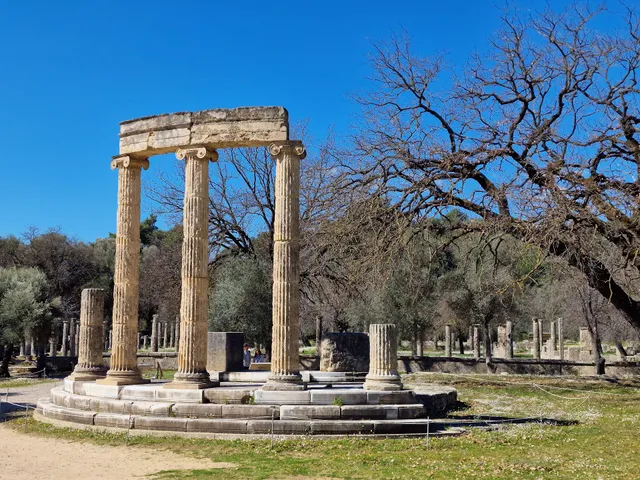
attractions: Temple of Zeus, Temple of Hera, Philippeion, Stadium at Olympia, Πελόπιον Αρχαίας Ολυμπίας, Palaestra, Λεωνιδαίο Αρχαίας Ολυμπίας, Bouleutḗrion, Archaeological Museum of Olympia, Museum of the History of the Olympic Games of antiquity, restaurants: Symposio tavern, Theikon Cook bar, Αμβροσία - Ambrosia Garden, Taverna Orestis, Mythos, Family Grill Tavern, Rodo Cafe, Aegean Restaurant Cafe, Πολύγευστον Authentic Greek Street Food, Zeus Restaurant-cafe-bar, Pheidias Grill House, local businesses: Leonidaion (Officielt Gæstehus), Monument Baron Pierre de Coubertin, Olympia back in time, Olympia
 Learn more insights from Wanderboat AI.
Phone
+30 2624 022517
Website
hhticket.gr
Plan your stay

Pet-friendly Hotels in Municipality of Ancient Olympia
Find a cozy hotel nearby and make it a full experience.

Affordable Hotels in Municipality of Ancient Olympia
Find a cozy hotel nearby and make it a full experience.

The Coolest Hotels You Haven't Heard Of (Yet)
Find a cozy hotel nearby and make it a full experience.

Trending Stays Worth the Hype in Municipality of Ancient Olympia
Find a cozy hotel nearby and make it a full experience.
Reviews
Live events
Explore Ancient Olympia
Mon, Feb 16 • 12:30 PM
270 65, Archaia Olympia, Greece
View details
Nearby attractions of Archaeological Site of Olympia
Temple of Zeus
Temple of Hera
Philippeion
Stadium at Olympia
Πελόπιον Αρχαίας Ολυμπίας
Palaestra
Λεωνιδαίο Αρχαίας Ολυμπίας
Bouleutḗrion
Archaeological Museum of Olympia
Museum of the History of the Olympic Games of antiquity
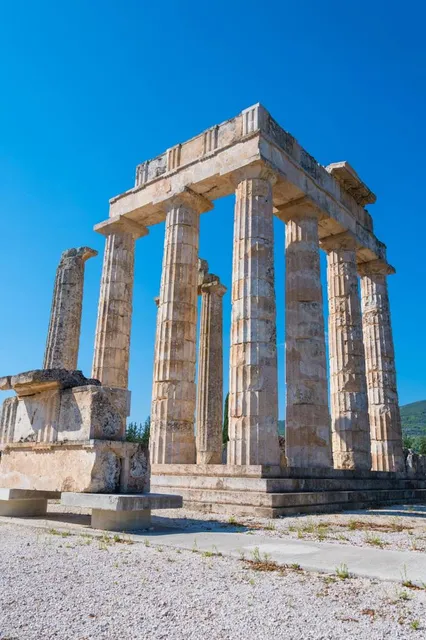
Temple of Zeus
4.6
(282)
Closed
Click for details
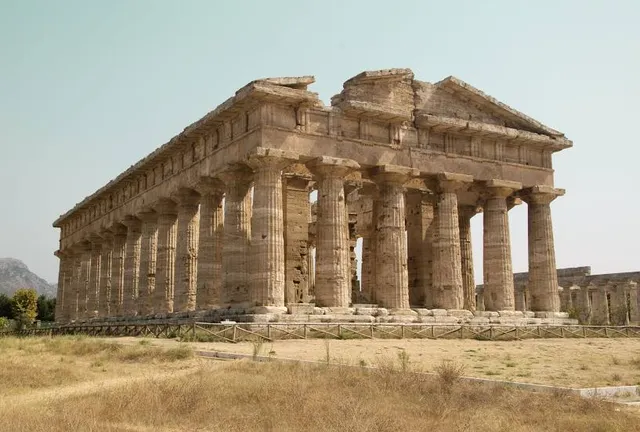
Temple of Hera
4.8
(153)
Open until 8:00 PM
Click for details
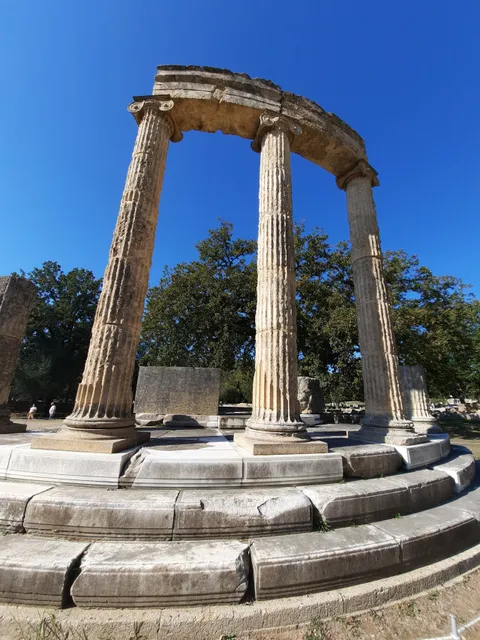
Philippeion
4.8
(65)
Open until 8:00 PM
Click for details
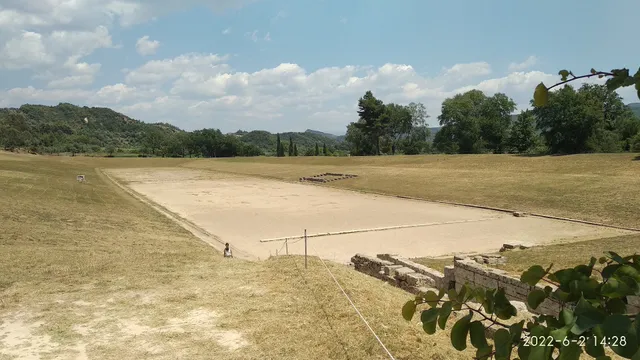
Stadium at Olympia
4.8
(971)
Closed
Click for details
Nearby restaurants of Archaeological Site of Olympia
Symposio tavern
Theikon Cook bar
Αμβροσία - Ambrosia Garden
Taverna Orestis
Mythos, Family Grill Tavern
Rodo Cafe
Aegean Restaurant Cafe
Πολύγευστον Authentic Greek Street Food
Zeus Restaurant-cafe-bar
Pheidias Grill House
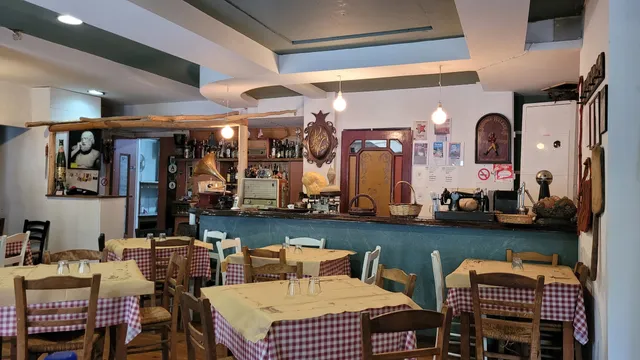
Symposio tavern
4.8
(949)
Open until 11:55 PM
Click for details
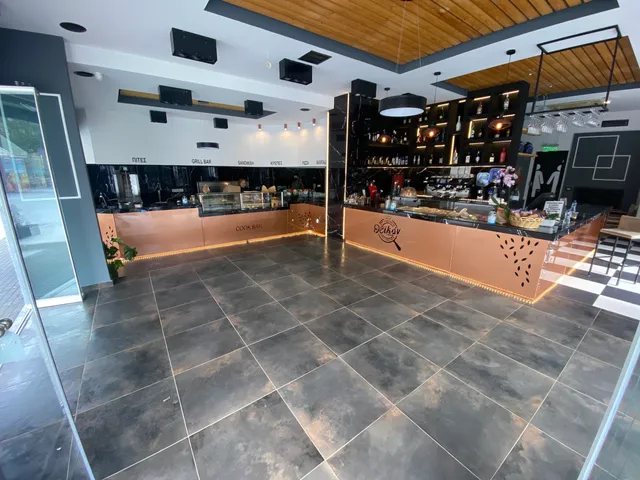
Theikon Cook bar
4.4
(286)
Open until 11:30 PM
Click for details
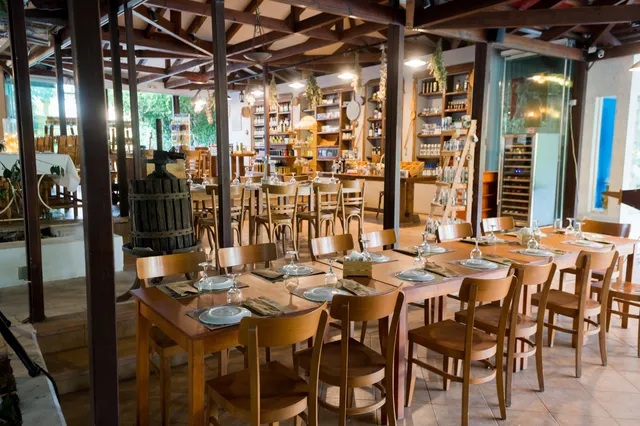
Αμβροσία - Ambrosia Garden
4.4
(587)
Closed
Click for details
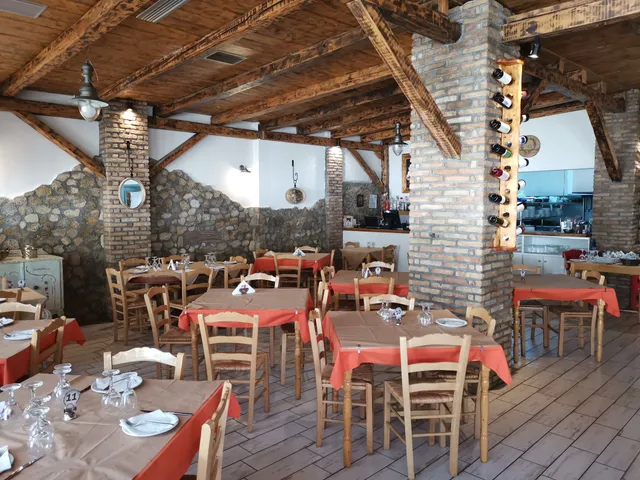
Taverna Orestis
4.6
(666)
Open until 12:00 AM
Click for details
Nearby local services of Archaeological Site of Olympia
Leonidaion (Officielt Gæstehus)
Monument Baron Pierre de Coubertin
Olympia back in time
Olympia
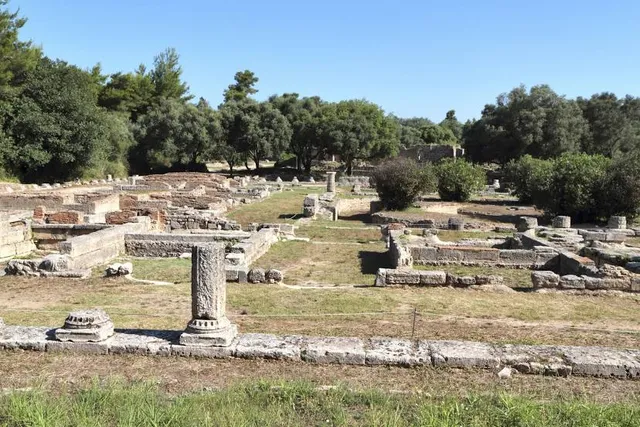
Leonidaion (Officielt Gæstehus)
4.6
(24)
Click for details
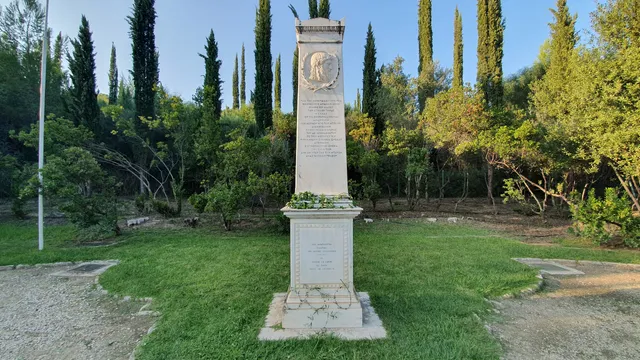
Monument Baron Pierre de Coubertin
4.4
(17)
Click for details
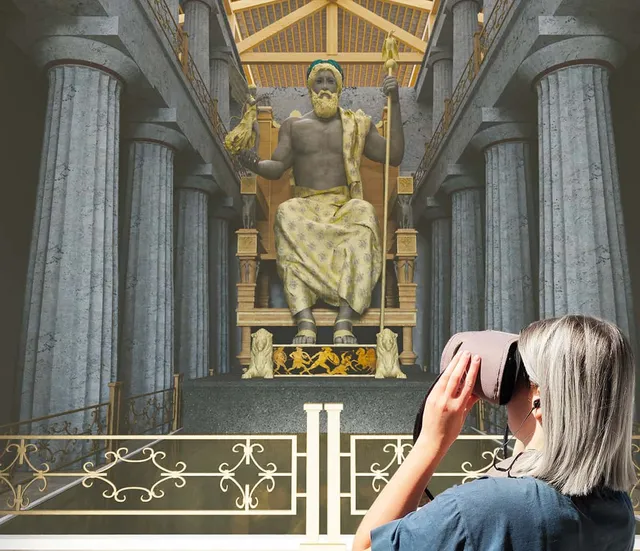
Olympia back in time
4.9
(402)
Click for details
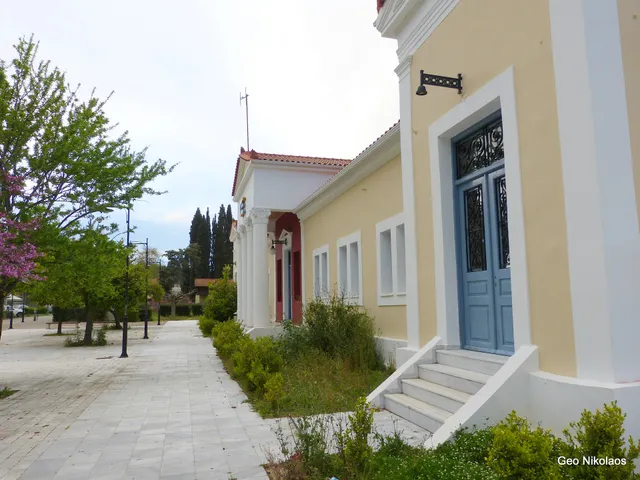
Olympia
4.6
(43)
Click for details