Santa Catalina Arch things to do, attractions, restaurants, events info and trip planning
Basic Info
Santa Catalina Arch
5a Avenida Norte 28, Antigua Guatemala, Guatemala
4.8(8)
Closed
Save
spot
spot
Ratings & Description
Info
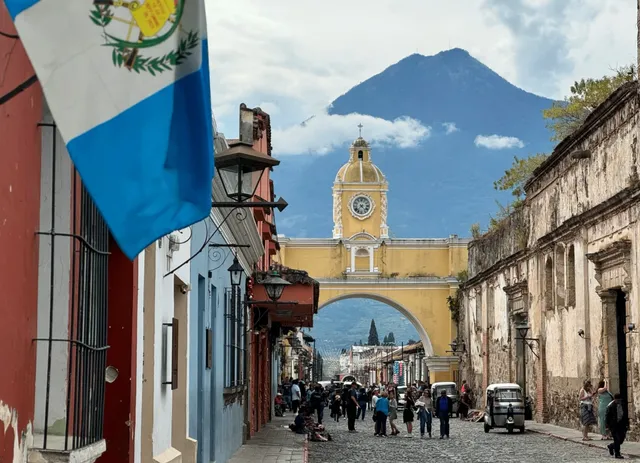
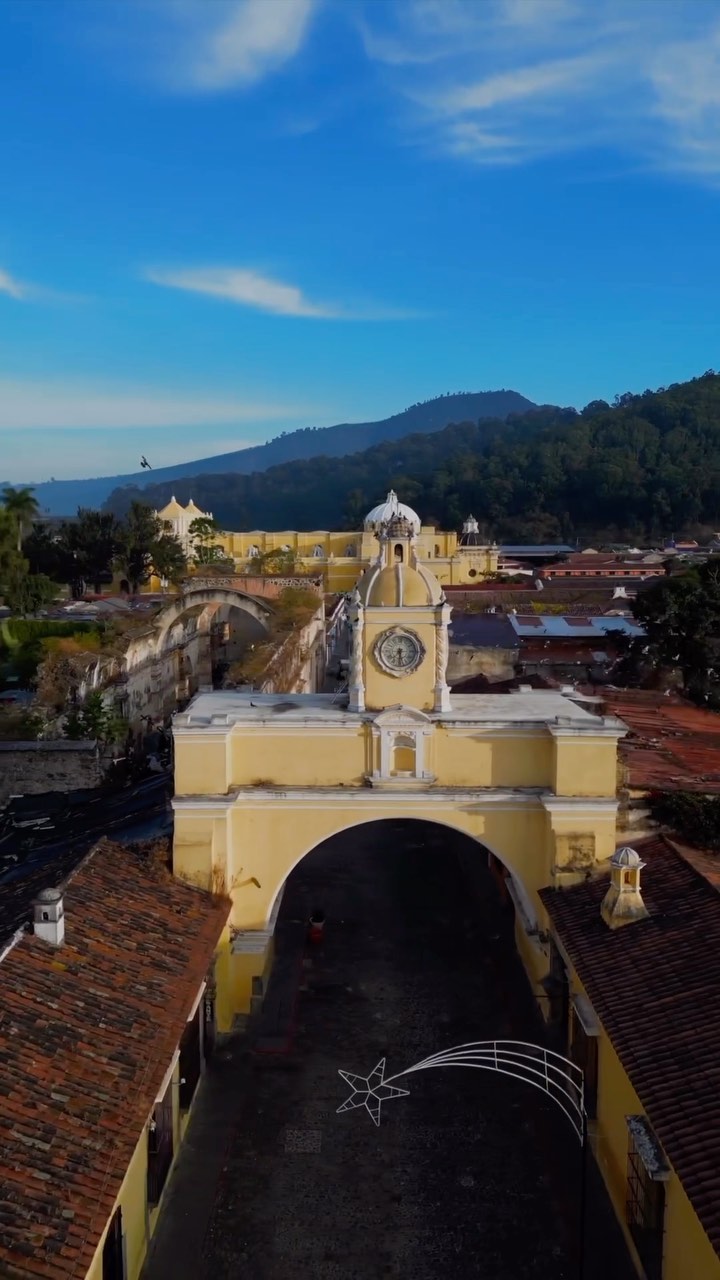
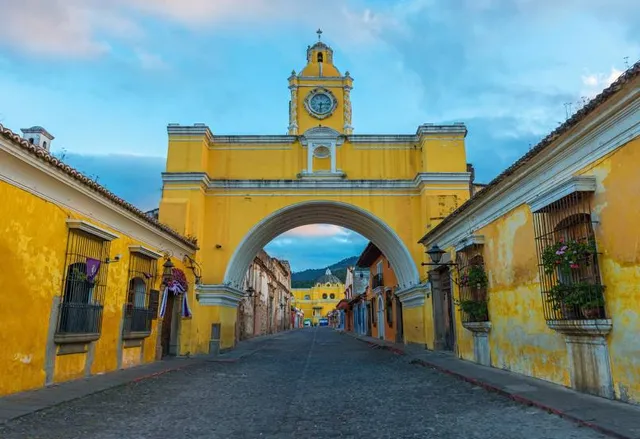
The Santa Catalina Arch is one of the distinguishable landmarks in Antigua Guatemala, Guatemala, located on 5th Avenue North. Built in the 17th century, it originally connected the Santa Catalina convent to a school, allowing the cloistered nuns to pass from one building to the other without going out on the street.
Cultural
Accessibility
attractions: Iglesia de la Merced, Antigua Guatemala Central Park, Arch Street, Convento Capuchinas, Cooperación Española, Convento de La Merced, San José Cathedral Antigua, Antiguo Colegio de la Compañía de Jesús, Palacio del Ayuntamiento, Cerro de La Cruz, restaurants: Restaurante Fridas - La Antigua Guatemala, Luna de Miel, Vice Pizzeria Antigua, Wisdom Cocktail Bar, El Viejo Café, Quesos y Vino, Aqua Antigua, Guatelaria, Cafe Cafe Guatemala, Antigua Brewing Co. / ABC Antigua Guatemala, local businesses: Tabacos y Vinos La Antigua, Nim Po’t, OX Expeditions, 6a Avenida Norte 21, Mercado de Artesanias El Carmen, Fuego Sagrado Tattoo – Fine Line & Realism Studio in Antigua Guatemala, CIGAR BOUTIQUE & LOUNGE - ANTIGUA, Antigua, Guatemala Cathedral, Wicho & Charlie's, Monkeys Coffee Bar
 Learn more insights from Wanderboat AI.
Website
visitguatemala.com
Open hoursSee all hours
TueClosed
Plan your stay

Pet-friendly Hotels in Sacatepéquez
Find a cozy hotel nearby and make it a full experience.

Affordable Hotels in Sacatepéquez
Find a cozy hotel nearby and make it a full experience.

The Coolest Hotels You Haven't Heard Of (Yet)
Find a cozy hotel nearby and make it a full experience.

Trending Stays Worth the Hype in Sacatepéquez
Find a cozy hotel nearby and make it a full experience.
Reviews
Nearby attractions of Santa Catalina Arch
Iglesia de la Merced
Antigua Guatemala Central Park
Arch Street
Convento Capuchinas
Cooperación Española
Convento de La Merced
San José Cathedral Antigua
Antiguo Colegio de la Compañía de Jesús
Palacio del Ayuntamiento
Cerro de La Cruz
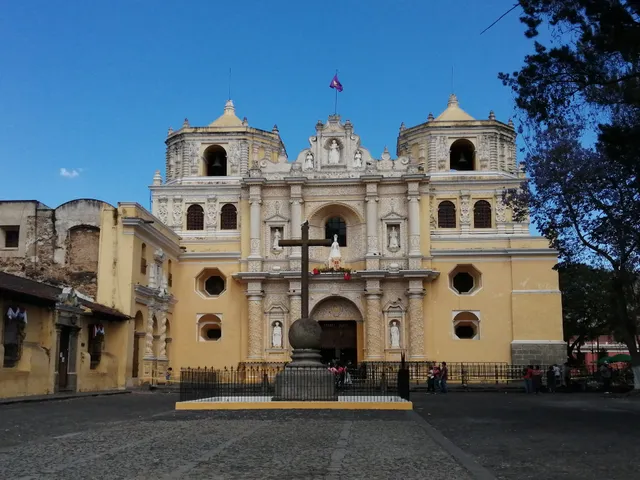
Iglesia de la Merced
4.7
(2.6K)
Open 24 hours
Click for details
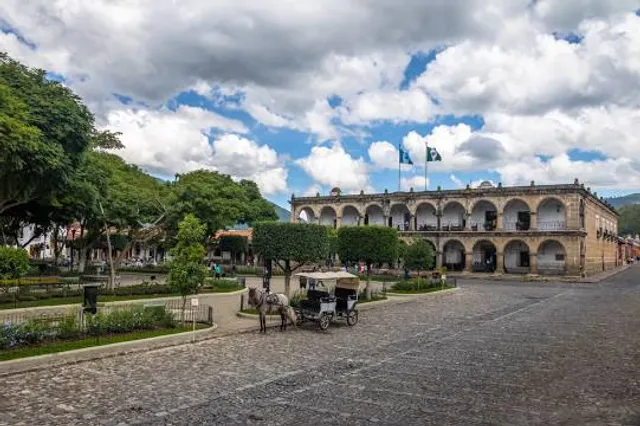
Antigua Guatemala Central Park
4.7
(10.5K)
Open until 12:00 AM
Click for details
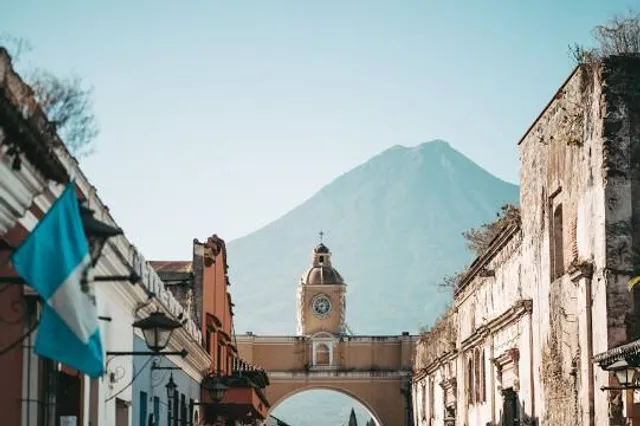
Arch Street
4.8
(109)
Open until 12:00 AM
Click for details
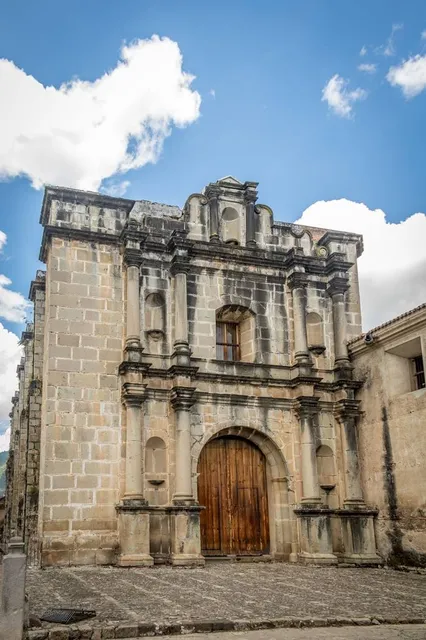
Convento Capuchinas
4.7
(1.4K)
Closed
Click for details
Nearby restaurants of Santa Catalina Arch
Restaurante Fridas - La Antigua Guatemala
Luna de Miel
Vice Pizzeria Antigua
Wisdom Cocktail Bar
El Viejo Café
Quesos y Vino
Aqua Antigua
Guatelaria
Cafe Cafe Guatemala
Antigua Brewing Co. / ABC Antigua Guatemala
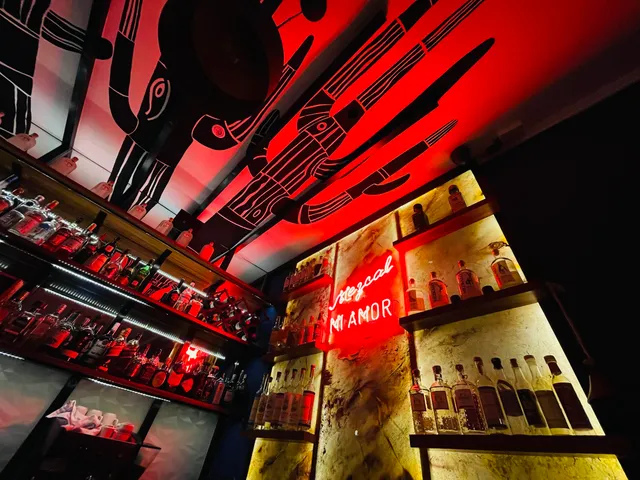
Restaurante Fridas - La Antigua Guatemala
4.6
(986)
Closed
Click for details
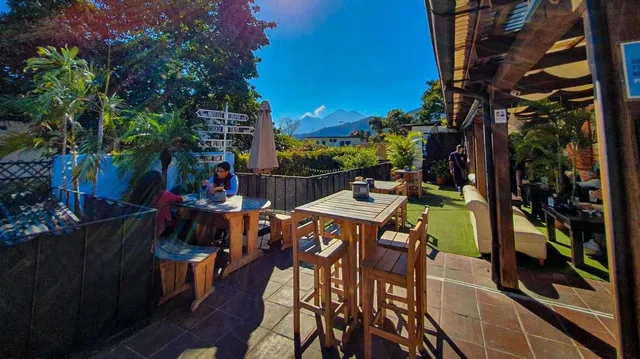
Luna de Miel
4.6
(2.3K)
Closed
Click for details
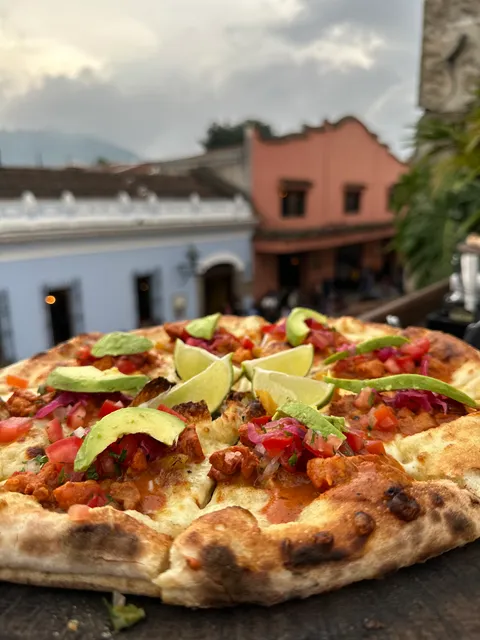
Vice Pizzeria Antigua
4.8
(319)
$$
Open until 12:00 AM
Click for details

Wisdom Cocktail Bar
5.0
(294)
Open until 12:00 AM
Click for details
Nearby local services of Santa Catalina Arch
Tabacos y Vinos La Antigua
Nim Po’t
OX Expeditions
6a Avenida Norte 21
Mercado de Artesanias El Carmen
Fuego Sagrado Tattoo – Fine Line & Realism Studio in Antigua Guatemala
CIGAR BOUTIQUE & LOUNGE - ANTIGUA
Antigua, Guatemala Cathedral
Wicho & Charlie's
Monkeys Coffee Bar
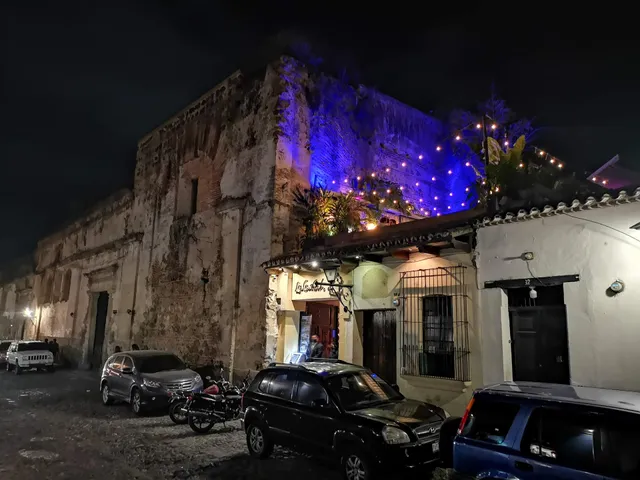
Tabacos y Vinos La Antigua
4.7
(122)
Click for details
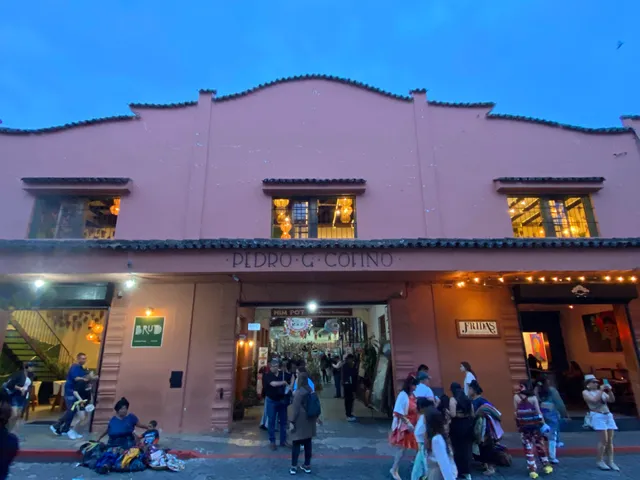
Nim Po’t
4.4
(180)
Click for details

OX Expeditions
4.7
(738)
Click for details
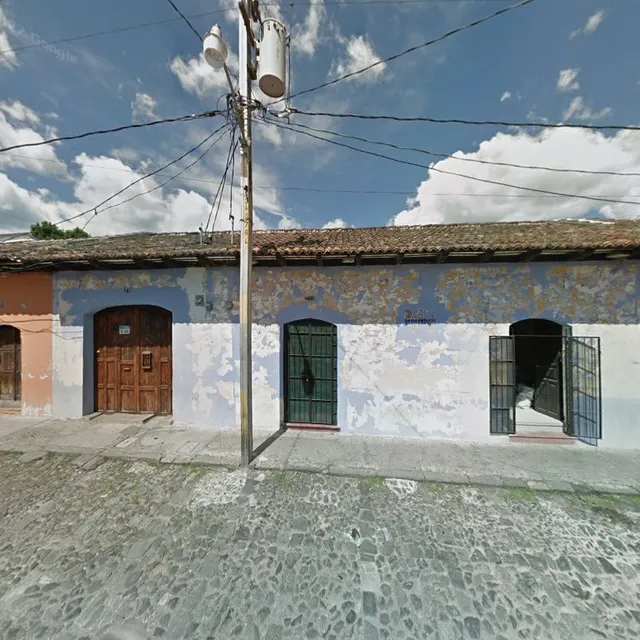
6a Avenida Norte 21
4.8
(80)
Click for details