HTML SitemapExplore
logo
Find Things to DoFind The Best Restaurants

Holy Trinity Statue — Attraction in Budapest

Name
Holy Trinity Statue
Description
Nearby attractions
Castle District
Budapest, Országház u. 2, 1014 Hungary
Fisherman's Bastion
Budapest, 1014 Hungary
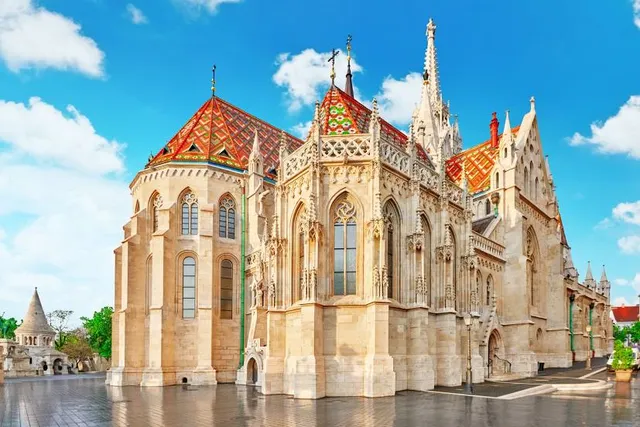
Matthias Church
Budapest, Szentháromság tér 2, 1014 Hungary
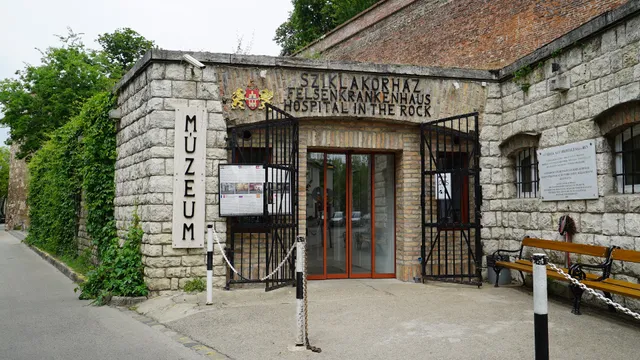
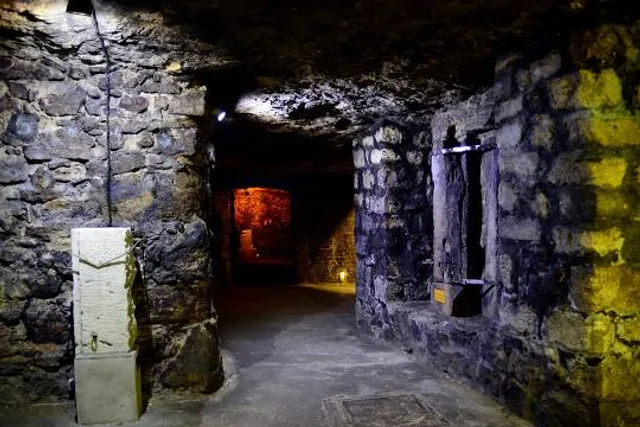
Hospital in the Rock
Budapest, Lovas út 4/c, 1012 Hungary
Labyrinth
Budapest, Úri u. 9, 1014 Hungary
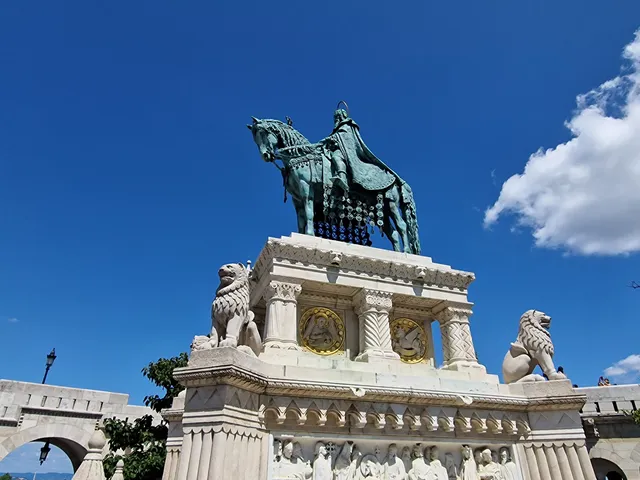
Statue of St. Stephen I
Budapest, Jezsuita lépcső 1-3, 1011 Hungary
Szentháromság tér
Budapest, Szentháromság tér, 1014 Hungary
The House of Houdini
Budapest, Dísz tér 11, 1014 Hungary
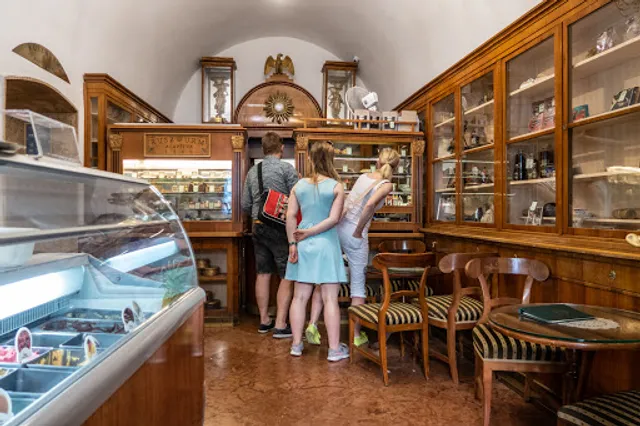
Golden Eagle Pharmacy Museum
Budapest, Tárnok u. 18, 1014 Hungary
Koller Gallery
Budapest, Táncsics Mihály u. 5, 1014 Hungary
Nearby restaurants
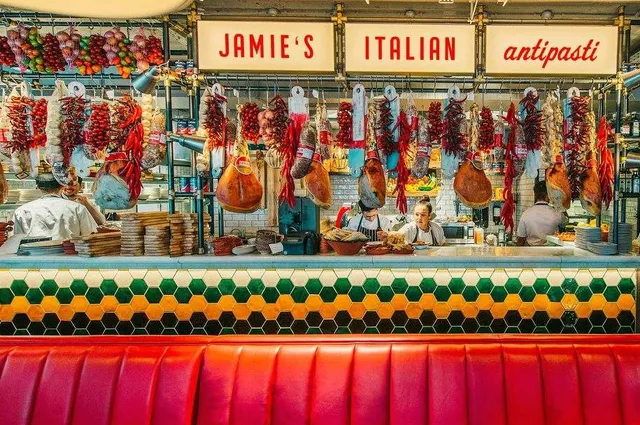
Jamie's Italian Budapest
Budapest, Szentháromság u. 9-11, 1014 Hungary
Ruszwurm Confectionery
Budapest, Szentháromság u. 7, 1014 Hungary
Ramazuri Bistronomy
Budapest, Úri u. 30, 1014 Hungary
Gold Barrel Restaurant
Budapest, Tárnok u. 16, 1014 Hungary
Fekete Holló Kisvendéglő
Budapest, Országház u. 10, 1014 Hungary
Spíler Biergarten
Budapest, Dísz tér 8, 1014 Hungary
Halászbástya Étterem
Budapest Budapest Budai Vár, Halászbástya - Északi Híradástorony, 1014 Hungary
Pest-Buda Bistro
Budapest, Fortuna u. 3, 1014 Hungary
LÁNG Restaurant
Budapest, Hess András tér 1-3, 1014 Hungary
Tárnok Coffee Shop
Budapest, Tárnok u. 14, 1014 Hungary
Related posts
Keywords
Holy Trinity Statue tourism.Holy Trinity Statue hotels.Holy Trinity Statue bed and breakfast. flights to Holy Trinity Statue.Holy Trinity Statue attractions.Holy Trinity Statue restaurants.Holy Trinity Statue travel.Holy Trinity Statue travel guide.Holy Trinity Statue travel blog.Holy Trinity Statue pictures.Holy Trinity Statue photos.Holy Trinity Statue travel tips.Holy Trinity Statue maps.Holy Trinity Statue things to do.
Holy Trinity Statue things to do, attractions, restaurants, events info and trip planning
Holy Trinity Statue
HungaryCentral HungaryBudapestHoly Trinity Statue

Basic Info

Holy Trinity Statue

Budapest, Szentháromság u., 1014 Hungary
4.7(209)
Open until 12:00 AM
Save
spot

Ratings & Description

Info

Cultural
Scenic
Accessibility
attractions: Castle District, Fisherman's Bastion, Matthias Church, Hospital in the Rock, Labyrinth, Statue of St. Stephen I, Szentháromság tér, The House of Houdini, Golden Eagle Pharmacy Museum, Koller Gallery, restaurants: Jamie's Italian Budapest, Ruszwurm Confectionery, Ramazuri Bistronomy, Gold Barrel Restaurant, Fekete Holló Kisvendéglő, Spíler Biergarten, Halászbástya Étterem, Pest-Buda Bistro, LÁNG Restaurant, Tárnok Coffee Shop
logoLearn more insights from Wanderboat AI.
Website
budavar.btk.mta.hu
Open hoursSee all hours
FriOpen 24 hoursOpen

Plan your stay

hotel
Pet-friendly Hotels in Budapest
Find a cozy hotel nearby and make it a full experience.
hotel
Affordable Hotels in Budapest
Find a cozy hotel nearby and make it a full experience.
hotel
The Coolest Hotels You Haven't Heard Of (Yet)
Find a cozy hotel nearby and make it a full experience.
hotel
Trending Stays Worth the Hype in Budapest
Find a cozy hotel nearby and make it a full experience.

Reviews

Nearby attractions of Holy Trinity Statue

Castle District

Fisherman's Bastion

Matthias Church

Hospital in the Rock

Labyrinth

Statue of St. Stephen I

Szentháromság tér

The House of Houdini

Golden Eagle Pharmacy Museum

Koller Gallery

Castle District

Castle District

4.7

(34.8K)

Open 24 hours
Click for details
Fisherman's Bastion

Fisherman's Bastion

4.8

(34.7K)

Open until 12:00 AM
Click for details
Matthias Church

Matthias Church

4.8

(9.4K)

Closed
Click for details
Hospital in the Rock

Hospital in the Rock

4.6

(4K)

Open 24 hours
Click for details

Things to do nearby

Tours in the longest cave of Budapest
Fri, Dec 5 • 10:00 AM
Budapest, 1025, Hungary
View details
Free tour of downtown Budapest, in Spanish
Fri, Dec 5 • 10:30 AM
Budapest, 1055, Hungary
View details
Amazing Private Photo Shoot in Budapest
Fri, Dec 5 • 7:30 AM
Budapest, 1014, Hungary
View details

Nearby restaurants of Holy Trinity Statue

Jamie's Italian Budapest

Ruszwurm Confectionery

Ramazuri Bistronomy

Gold Barrel Restaurant

Fekete Holló Kisvendéglő

Spíler Biergarten

Halászbástya Étterem

Pest-Buda Bistro

LÁNG Restaurant

Tárnok Coffee Shop

Jamie's Italian Budapest

Jamie's Italian Budapest

4.2

(4.1K)

$$$

Click for details
Ruszwurm Confectionery

Ruszwurm Confectionery

4.2

(2.4K)

$

Click for details
Ramazuri Bistronomy

Ramazuri Bistronomy

4.4

(781)

$$

Click for details
Gold Barrel Restaurant

Gold Barrel Restaurant

3.9

(711)

$$

Click for details
Get the Appoverlay
Get the AppOne tap to find yournext favorite spots!
Wanderboat LogoWanderboat

Your everyday Al companion for getaway ideas

CompanyAbout Us
InformationAI Trip PlannerSitemap
SocialXInstagramTiktokLinkedin
LegalTerms of ServicePrivacy Policy

Get the app

© 2025 Wanderboat. All rights reserved.
logo

Reviews of Holy Trinity Statue

4.7
(209)
avatar
4.0
2y

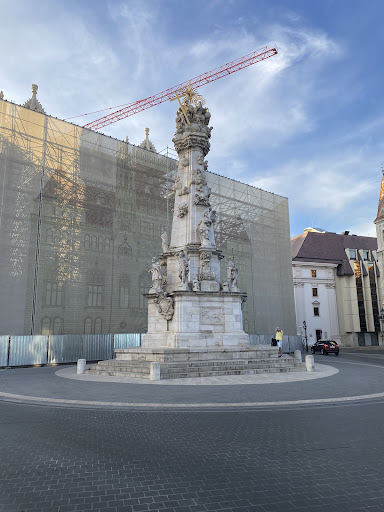
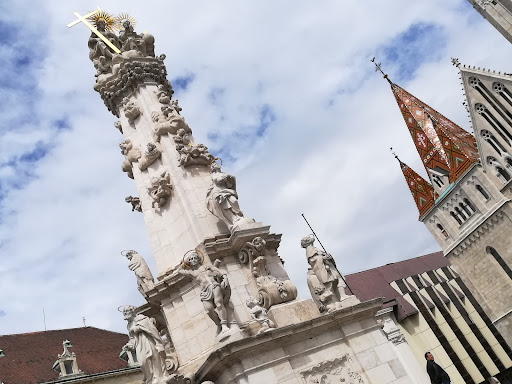
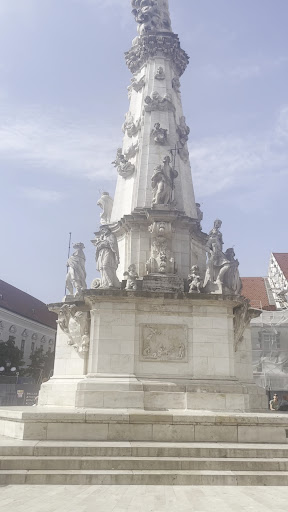
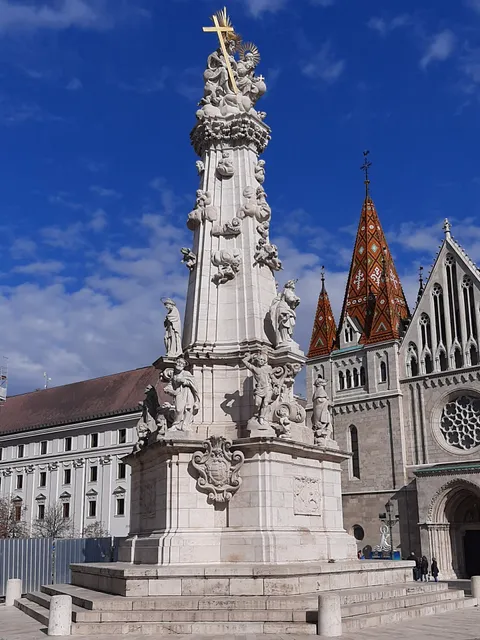
HOLY TRINITY COLUMN The Council of Buda made the decision to erect a Holy Trinity Column in 1694 with the purpose of safeguarding the populace against recurring plague outbreaks and as an expression of gratitude for its cessation. The initial foundation stone for the Holy Trinity Column was laid in 1700, in the middle of what was later named Holy Trinity Square in front of the Matthias Church, and the statue's completion was achieved by 1706. In 1709, due to another epidemic, this column was relocated to the suburbs of Újlak, and the city authorities opted for the construction of a larger and more ornate Holy Trinity Column, entrusted to a different sculptor. The inauguration of the current Column took place on June 11th, 1713. The hexagonal obelisk is adorned with statues on its cornice, featuring Saint Roch revealing his wounds, Saint John holding a cross, Saint Christopher bearing the child Christ on his shoulders, Saint Augustin with a heart aflame, Saint Joseph grasping a lily, and Saint Sebastian pierced by arrows. Below the cornice, three reliefs are present: the first depicts King David in penitential prayer, the second portrays the horrors of the epidemic in Buda Castle, and the third showcases the Holy Trinity Column itself. Among these reliefs, three coats-of-arms are displayed: one representing the Emperor, one signifying the town of Buda, and one symbolizing Hungary. On the three outstanding rims over the six statues are the Virgin Mary, John the Baptist, and Saint Francis of Xaver. The upper part of the pedestal is embellished with angelic heads, and crowning the structure is the group of statues representing the Holy Trinity: the Father holding a scepter, the Son with a cross, and above them, the Holy Spirit in the...

   Read more
avatar
5.0
6y

A budapesti Szentháromság-szobor Budapest I. kerületében áll a Szentháromság téren, a Mátyás-templom előtt.

A Mátyás-templom előtt a 17. század végén, az 1686-os ostrom után alakítottak ki teret, addig szűk utca vezetett a kapujához. Az 1691-es pestisjárvány során a polgárok fogadalmat tettek, hogy ha a járvány elmúlik, Szentháromság-szobrot állítanak hálából. A járvány véget ért, és a szobrot 1706-ban fel is állították, azonban három évvel később, 1709-ben újabb járvány pusztított. A lakosság ezúttal azt fogadta meg, hogy nagyobb, díszesebb szobrot állít az előző helyén, ha ezt a járványt is túlélik. Így történt, hogy 1712-ben a korábban állított szobrot a mai III. kerületiZsigmond térre helyezték át, és helyébe 1713-ban a Ungleich Fülöp és Hörger Antalszobrászok által készített 14,4 m magas, barokk szobrot állítottak. A műalkotás az 1945-ös ostromban súlyosan megrongálódott, ezért domborműveit és szobrait (a csúcsán álló Szentháromság-szoborcsoport kivételével) a Kiscelli Múzeumba szállították, helyükre pedig a ma is látható, Búza Barnaáltal alkotott rekonstrukciókat állították.

A szobor talapzatán három dombormű sorakozik, Hörger Antal alkotásainak rekonstrukciói: Dávid könyörgése (ld. 1Krón 21, felirata: Propter poenitentiam - a bűnbánat miatt), A pestis (felirata: Quia Dominus dixit: sufficit - Mert az Úr szólott: elég), A fogadalmi emlék építése (Comuni studio exsurgit - Közös munkával emelkedik). A domborművek között három kartus látható, bennük Magyarország, illetve Buda címere. A harmadik kartusban elhelyezett osztrák császári címert elpusztították, helyén ma a szobor egyik felújítására emlékeztető szöveg áll. Az emlékmű törzse körül három csoportban hat angyal és kilenc szent szobra látható, Ungleich Fülöp eredeti alkotásainak rekonstrukciói: Szűz Mária, Szent Sebestyén, a járványokban védelmező szent és Szent Rókus, a pestises betegek (és a kőfaragó céh) védőszentje; Xavéri Szent Ferenc, akit a pestisjárvány idején választottak Buda védőszentjéül, Szent József, az ácsok céhének patrónusa és Hippói Szent Ágoston, mint a Szentháromság titkának magyarázója; Keresztelő Szent János, Nepomuki Szent János, a halászok céhének védőszentje és Szent Kristóf, az úton lévők patrónusa. Keresztelő Szent János ábrázolását az indokolhatta, hogy a pestisjárványok okozta félelem légköréhez köthető a törökök kiűzése után Budán maradt utolsó muszlimok megkeresztelkedése. Az emlékoszlop csúcsán Ungleich eredeti Szentháromság-szoborcsoportja látható.

október elején kezdték meg a szobor esedékes felújítását, melynek költségeit a fővárosi költségvetés fedezte. Ennek során a szobor építményének eredeti téglamagját is elbontották, és tömb-mészkövekből újjáépítették. A munkálatok 2007 augusztusában...

   Read more
avatar
5.0
1y

Background: According to the facts, this pillar/column had a meaningful story as it is represented and commemorates the two outbreak called Black Plague - that swept across Europe in the year 1691 and 1709. The 1st pillar was done in 1706 and remove in 1709 to erect more bigger, impressive and decorative Holy Trinity Column which still standing until now.

It is near to St. Matthias Church, a very spectacular baroque pillar with lots of smaller statues depicting angels. Below the column were statues depicting saints (Roch, John, Christopher, Augustin, Joseph and Sebastian) above them are statues of Virgin Mary, John the Baptist and St. Francis of Xaver. It is amazing and jaw dropping that it was survived during WW2 when all the surroundings were heavily damaged and ruins. It is always open to...

   Read more
Page 1 of 7
Previous
Next

Posts

Orestis -Orestis -
HOLY TRINITY COLUMN The Council of Buda made the decision to erect a Holy Trinity Column in 1694 with the purpose of safeguarding the populace against recurring plague outbreaks and as an expression of gratitude for its cessation. The initial foundation stone for the Holy Trinity Column was laid in 1700, in the middle of what was later named Holy Trinity Square in front of the Matthias Church, and the statue's completion was achieved by 1706. In 1709, due to another epidemic, this column was relocated to the suburbs of Újlak, and the city authorities opted for the construction of a larger and more ornate Holy Trinity Column, entrusted to a different sculptor. The inauguration of the current Column took place on June 11th, 1713. The hexagonal obelisk is adorned with statues on its cornice, featuring Saint Roch revealing his wounds, Saint John holding a cross, Saint Christopher bearing the child Christ on his shoulders, Saint Augustin with a heart aflame, Saint Joseph grasping a lily, and Saint Sebastian pierced by arrows. Below the cornice, three reliefs are present: the first depicts King David in penitential prayer, the second portrays the horrors of the epidemic in Buda Castle, and the third showcases the Holy Trinity Column itself. Among these reliefs, three coats-of-arms are displayed: one representing the Emperor, one signifying the town of Buda, and one symbolizing Hungary. On the three outstanding rims over the six statues are the Virgin Mary, John the Baptist, and Saint Francis of Xaver. The upper part of the pedestal is embellished with angelic heads, and crowning the structure is the group of statues representing the Holy Trinity: the Father holding a scepter, the Son with a cross, and above them, the Holy Spirit in the form of a dove.
Zoltán SóskutiZoltán Sóskuti
A budapesti Szentháromság-szobor Budapest I. kerületében áll a Szentháromság téren, a Mátyás-templom előtt. A Mátyás-templom előtt a 17. század végén, az 1686-os ostrom után alakítottak ki teret, addig szűk utca vezetett a kapujához. Az 1691-es pestisjárvány során a polgárok fogadalmat tettek, hogy ha a járvány elmúlik, Szentháromság-szobrot állítanak hálából. A járvány véget ért, és a szobrot 1706-ban fel is állították, azonban három évvel később, 1709-ben újabb járvány pusztított. A lakosság ezúttal azt fogadta meg, hogy nagyobb, díszesebb szobrot állít az előző helyén, ha ezt a járványt is túlélik. Így történt, hogy 1712-ben a korábban állított szobrot a mai III. kerületiZsigmond térre helyezték át, és helyébe 1713-ban a Ungleich Fülöp és Hörger Antalszobrászok által készített 14,4 m magas, barokk szobrot állítottak. A műalkotás az 1945-ös ostromban súlyosan megrongálódott, ezért domborműveit és szobrait (a csúcsán álló Szentháromság-szoborcsoport kivételével) a Kiscelli Múzeumba szállították, helyükre pedig a ma is látható, Búza Barnaáltal alkotott rekonstrukciókat állították. A szobor talapzatán három dombormű sorakozik, Hörger Antal alkotásainak rekonstrukciói: Dávid könyörgése (ld. 1Krón 21, felirata: Propter poenitentiam - a bűnbánat miatt), A pestis (felirata: Quia Dominus dixit: sufficit - Mert az Úr szólott: elég), A fogadalmi emlék építése (Comuni studio exsurgit - Közös munkával emelkedik). A domborművek között három kartus látható, bennük Magyarország, illetve Buda címere. A harmadik kartusban elhelyezett osztrák császári címert elpusztították, helyén ma a szobor egyik felújítására emlékeztető szöveg áll. Az emlékmű törzse körül három csoportban hat angyal és kilenc szent szobra látható, Ungleich Fülöp eredeti alkotásainak rekonstrukciói: Szűz Mária, Szent Sebestyén, a járványokban védelmező szent és Szent Rókus, a pestises betegek (és a kőfaragó céh) védőszentje; Xavéri Szent Ferenc, akit a pestisjárvány idején választottak Buda védőszentjéül, Szent József, az ácsok céhének patrónusa és Hippói Szent Ágoston, mint a Szentháromság titkának magyarázója; Keresztelő Szent János, Nepomuki Szent János, a halászok céhének védőszentje és Szent Kristóf, az úton lévők patrónusa. Keresztelő Szent János ábrázolását az indokolhatta, hogy a pestisjárványok okozta félelem légköréhez köthető a törökök kiűzése után Budán maradt utolsó muszlimok megkeresztelkedése. Az emlékoszlop csúcsán Ungleich eredeti Szentháromság-szoborcsoportja látható. 2005. október elején kezdték meg a szobor esedékes felújítását, melynek költségeit a fővárosi költségvetés fedezte. Ennek során a szobor építményének eredeti téglamagját is elbontották, és tömb-mészkövekből újjáépítették. A munkálatok 2007 augusztusában fejeződtek be.
John Paul TuquibJohn Paul Tuquib
Background: According to the facts, this pillar/column had a meaningful story as it is represented and commemorates the two outbreak called Black Plague - that swept across Europe in the year 1691 and 1709. The 1st pillar was done in 1706 and remove in 1709 to erect more bigger, impressive and decorative Holy Trinity Column which still standing until now. It is near to St. Matthias Church, a very spectacular baroque pillar with lots of smaller statues depicting angels. Below the column were statues depicting saints (Roch, John, Christopher, Augustin, Joseph and Sebastian) above them are statues of Virgin Mary, John the Baptist and St. Francis of Xaver. It is amazing and jaw dropping that it was survived during WW2 when all the surroundings were heavily damaged and ruins. It is always open to everybody and free
See more posts
See more posts
hotel
Find your stay

Pet-friendly Hotels in Budapest

Find a cozy hotel nearby and make it a full experience.

HOLY TRINITY COLUMN The Council of Buda made the decision to erect a Holy Trinity Column in 1694 with the purpose of safeguarding the populace against recurring plague outbreaks and as an expression of gratitude for its cessation. The initial foundation stone for the Holy Trinity Column was laid in 1700, in the middle of what was later named Holy Trinity Square in front of the Matthias Church, and the statue's completion was achieved by 1706. In 1709, due to another epidemic, this column was relocated to the suburbs of Újlak, and the city authorities opted for the construction of a larger and more ornate Holy Trinity Column, entrusted to a different sculptor. The inauguration of the current Column took place on June 11th, 1713. The hexagonal obelisk is adorned with statues on its cornice, featuring Saint Roch revealing his wounds, Saint John holding a cross, Saint Christopher bearing the child Christ on his shoulders, Saint Augustin with a heart aflame, Saint Joseph grasping a lily, and Saint Sebastian pierced by arrows. Below the cornice, three reliefs are present: the first depicts King David in penitential prayer, the second portrays the horrors of the epidemic in Buda Castle, and the third showcases the Holy Trinity Column itself. Among these reliefs, three coats-of-arms are displayed: one representing the Emperor, one signifying the town of Buda, and one symbolizing Hungary. On the three outstanding rims over the six statues are the Virgin Mary, John the Baptist, and Saint Francis of Xaver. The upper part of the pedestal is embellished with angelic heads, and crowning the structure is the group of statues representing the Holy Trinity: the Father holding a scepter, the Son with a cross, and above them, the Holy Spirit in the form of a dove.
Orestis -

Orestis -

hotel
Find your stay

Affordable Hotels in Budapest

Find a cozy hotel nearby and make it a full experience.

Get the Appoverlay
Get the AppOne tap to find yournext favorite spots!
A budapesti Szentháromság-szobor Budapest I. kerületében áll a Szentháromság téren, a Mátyás-templom előtt. A Mátyás-templom előtt a 17. század végén, az 1686-os ostrom után alakítottak ki teret, addig szűk utca vezetett a kapujához. Az 1691-es pestisjárvány során a polgárok fogadalmat tettek, hogy ha a járvány elmúlik, Szentháromság-szobrot állítanak hálából. A járvány véget ért, és a szobrot 1706-ban fel is állították, azonban három évvel később, 1709-ben újabb járvány pusztított. A lakosság ezúttal azt fogadta meg, hogy nagyobb, díszesebb szobrot állít az előző helyén, ha ezt a járványt is túlélik. Így történt, hogy 1712-ben a korábban állított szobrot a mai III. kerületiZsigmond térre helyezték át, és helyébe 1713-ban a Ungleich Fülöp és Hörger Antalszobrászok által készített 14,4 m magas, barokk szobrot állítottak. A műalkotás az 1945-ös ostromban súlyosan megrongálódott, ezért domborműveit és szobrait (a csúcsán álló Szentháromság-szoborcsoport kivételével) a Kiscelli Múzeumba szállították, helyükre pedig a ma is látható, Búza Barnaáltal alkotott rekonstrukciókat állították. A szobor talapzatán három dombormű sorakozik, Hörger Antal alkotásainak rekonstrukciói: Dávid könyörgése (ld. 1Krón 21, felirata: Propter poenitentiam - a bűnbánat miatt), A pestis (felirata: Quia Dominus dixit: sufficit - Mert az Úr szólott: elég), A fogadalmi emlék építése (Comuni studio exsurgit - Közös munkával emelkedik). A domborművek között három kartus látható, bennük Magyarország, illetve Buda címere. A harmadik kartusban elhelyezett osztrák császári címert elpusztították, helyén ma a szobor egyik felújítására emlékeztető szöveg áll. Az emlékmű törzse körül három csoportban hat angyal és kilenc szent szobra látható, Ungleich Fülöp eredeti alkotásainak rekonstrukciói: Szűz Mária, Szent Sebestyén, a járványokban védelmező szent és Szent Rókus, a pestises betegek (és a kőfaragó céh) védőszentje; Xavéri Szent Ferenc, akit a pestisjárvány idején választottak Buda védőszentjéül, Szent József, az ácsok céhének patrónusa és Hippói Szent Ágoston, mint a Szentháromság titkának magyarázója; Keresztelő Szent János, Nepomuki Szent János, a halászok céhének védőszentje és Szent Kristóf, az úton lévők patrónusa. Keresztelő Szent János ábrázolását az indokolhatta, hogy a pestisjárványok okozta félelem légköréhez köthető a törökök kiűzése után Budán maradt utolsó muszlimok megkeresztelkedése. Az emlékoszlop csúcsán Ungleich eredeti Szentháromság-szoborcsoportja látható. 2005. október elején kezdték meg a szobor esedékes felújítását, melynek költségeit a fővárosi költségvetés fedezte. Ennek során a szobor építményének eredeti téglamagját is elbontották, és tömb-mészkövekből újjáépítették. A munkálatok 2007 augusztusában fejeződtek be.
Zoltán Sóskuti

Zoltán Sóskuti

hotel
Find your stay

The Coolest Hotels You Haven't Heard Of (Yet)

Find a cozy hotel nearby and make it a full experience.

hotel
Find your stay

Trending Stays Worth the Hype in Budapest

Find a cozy hotel nearby and make it a full experience.

Background: According to the facts, this pillar/column had a meaningful story as it is represented and commemorates the two outbreak called Black Plague - that swept across Europe in the year 1691 and 1709. The 1st pillar was done in 1706 and remove in 1709 to erect more bigger, impressive and decorative Holy Trinity Column which still standing until now. It is near to St. Matthias Church, a very spectacular baroque pillar with lots of smaller statues depicting angels. Below the column were statues depicting saints (Roch, John, Christopher, Augustin, Joseph and Sebastian) above them are statues of Virgin Mary, John the Baptist and St. Francis of Xaver. It is amazing and jaw dropping that it was survived during WW2 when all the surroundings were heavily damaged and ruins. It is always open to everybody and free
John Paul Tuquib

John Paul Tuquib

See more posts
See more posts