HTML SitemapExplore
logo
Find Things to DoFind The Best Restaurants

Hospital in the Rock — Attraction in Budapest

Name
Hospital in the Rock
Description
Nearby attractions
Castle District
Budapest, Országház u. 2, 1014 Hungary
Fisherman's Bastion
Budapest, 1014 Hungary
Matthias Church
Budapest, Szentháromság tér 2, 1014 Hungary
Labyrinth
Budapest, Úri u. 9, 1014 Hungary
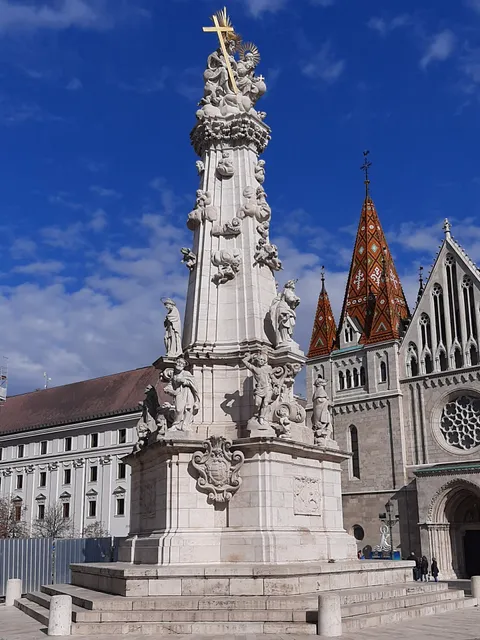
Holy Trinity Statue
Budapest, Szentháromság u., 1014 Hungary
The House of Houdini
Budapest, Dísz tér 11, 1014 Hungary
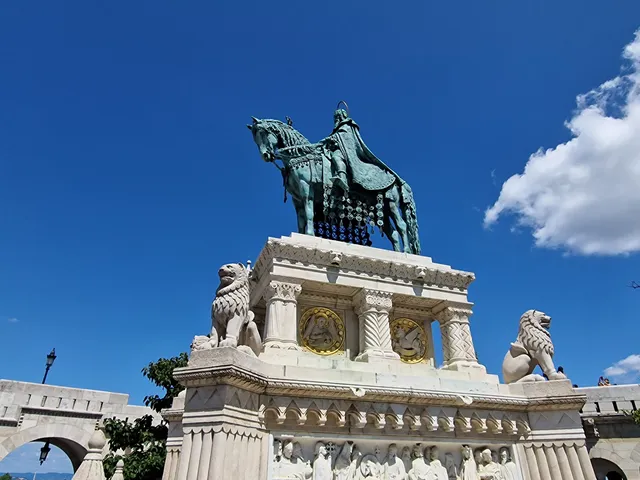
Statue of St. Stephen I
Budapest, Jezsuita lépcső 1-3, 1011 Hungary
Vár-barlangi séták (Budai Vár-barlang)
Budapest, Dárda u. 2, 1014 Hungary
Vérmező
Unnamed Road, 1012 Hungary
Church of Saint Mary Magdalene
Budapest, Kapisztrán tér 6, 1014 Hungary
Nearby restaurants
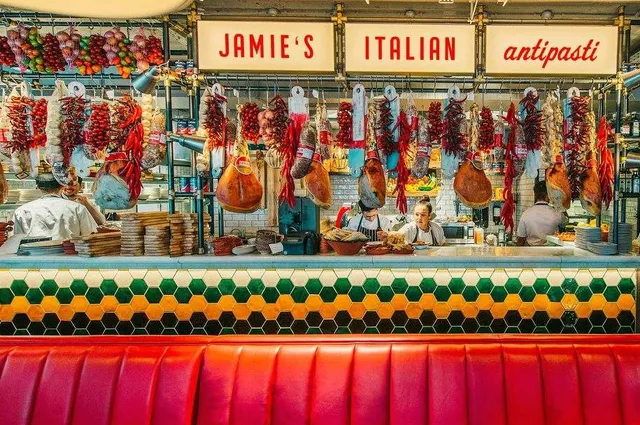
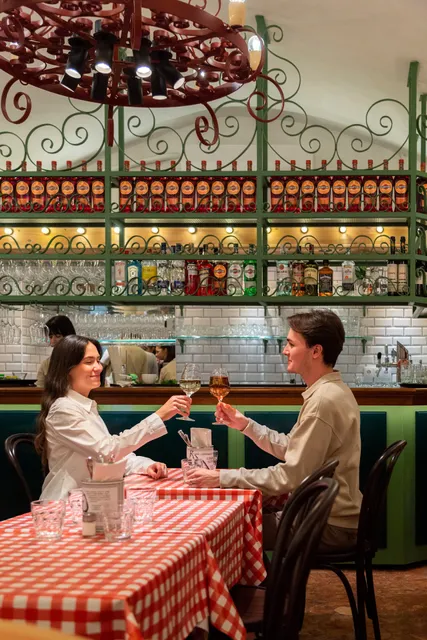
Jamie's Italian Budapest
Budapest, Szentháromság u. 9-11, 1014 Hungary
Ruszwurm Confectionery
Budapest, Szentháromság u. 7, 1014 Hungary
Ramazuri Bistronomy
Budapest, Úri u. 30, 1014 Hungary
Marischka Restaurant
Budapest, Attila út 99, 1012 Hungary
Fekete Holló Kisvendéglő
Budapest, Országház u. 10, 1014 Hungary
Spíler Biergarten
Budapest, Dísz tér 8, 1014 Hungary
Gold Barrel Restaurant
Budapest, Tárnok u. 16, 1014 Hungary
Tárnok Coffee Shop
Budapest, Tárnok u. 14, 1014 Hungary
Pest-Buda Bistro
Budapest, Fortuna u. 3, 1014 Hungary
Déryné
Budapest, Krisztina tér 3, 1013 Hungary
Nearby hotels
Buda Castle Fashion Hotel
Budapest, Úri u. 39, 1014 Hungary
Hilton Budapest
Budapest, Hess András tér 1-3, 1014 Hungary
Mercure Budapest Castle Hill
Budapest, Ntak:Sz19000364, Krisztina krt. 41-43, 1013 Hungary
Maison Bistro & Hotel
Budapest, Országház u. 17, 1014 Hungary
St. George Residence All Suite Hotel de Luxe
Budapest, Fortuna u. 4, 1014 Hungary
ibis Budapest Castle Hill
Budapest, Ntak:Sz19000980, 41 43, 1013 Hungary
Pest-Buda Design Hotel
Budapest, Fortuna u. 3, 1014 Hungary
Hapimag Resort Budapest
Budapest, Fortuna u. 18, 1014 Hungary
Baltazár Boutique Hotel
Budapest, Országház u. 31, 1014 Hungary
Christina Residence Budapest
Budapest, Feszty Árpád u. 4, 1013 Hungary
Related posts
Keywords
Hospital in the Rock tourism.Hospital in the Rock hotels.Hospital in the Rock bed and breakfast. flights to Hospital in the Rock.Hospital in the Rock attractions.Hospital in the Rock restaurants.Hospital in the Rock travel.Hospital in the Rock travel guide.Hospital in the Rock travel blog.Hospital in the Rock pictures.Hospital in the Rock photos.Hospital in the Rock travel tips.Hospital in the Rock maps.Hospital in the Rock things to do.
Hospital in the Rock things to do, attractions, restaurants, events info and trip planning
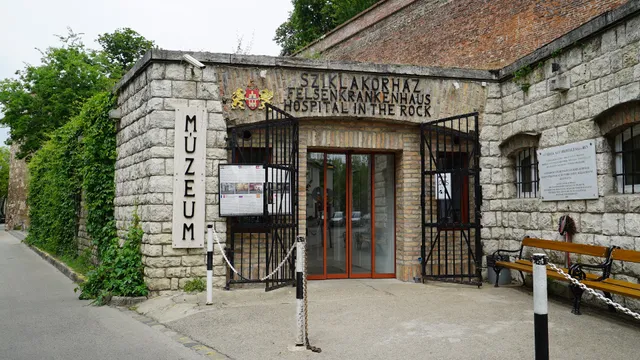
Hospital in the Rock
HungaryCentral HungaryBudapestHospital in the Rock

Basic Info

Hospital in the Rock

Budapest, Lovas út 4/c, 1012 Hungary
4.6(4K)
Open 24 hours
Save
spot

Ratings & Description

Info

Cultural
Accessibility
Family friendly
attractions: Castle District, Fisherman's Bastion, Matthias Church, Labyrinth, Holy Trinity Statue, The House of Houdini, Statue of St. Stephen I, Vár-barlangi séták (Budai Vár-barlang), Vérmező, Church of Saint Mary Magdalene, restaurants: Jamie's Italian Budapest, Ruszwurm Confectionery, Ramazuri Bistronomy, Marischka Restaurant, Fekete Holló Kisvendéglő, Spíler Biergarten, Gold Barrel Restaurant, Tárnok Coffee Shop, Pest-Buda Bistro, Déryné
logoLearn more insights from Wanderboat AI.
Phone
+36 70 701 0101
Website
sziklakorhaz.eu

Plan your stay

hotel
Pet-friendly Hotels in Budapest
Find a cozy hotel nearby and make it a full experience.
hotel
Affordable Hotels in Budapest
Find a cozy hotel nearby and make it a full experience.
hotel
The Coolest Hotels You Haven't Heard Of (Yet)
Find a cozy hotel nearby and make it a full experience.
hotel
Trending Stays Worth the Hype in Budapest
Find a cozy hotel nearby and make it a full experience.

Reviews

Nearby attractions of Hospital in the Rock

Castle District

Fisherman's Bastion

Matthias Church

Labyrinth

Holy Trinity Statue

The House of Houdini

Statue of St. Stephen I

Vár-barlangi séták (Budai Vár-barlang)

Vérmező

Church of Saint Mary Magdalene

Castle District

Castle District

4.7

(34.8K)

Open 24 hours
Click for details
Fisherman's Bastion

Fisherman's Bastion

4.8

(34.7K)

Open until 12:00 AM
Click for details
Matthias Church

Matthias Church

4.8

(9.4K)

Closed
Click for details
Labyrinth

Labyrinth

3.8

(2.3K)

Open 24 hours
Click for details

Things to do nearby

Explore Budapests history and culture
Tue, Dec 9 • 9:00 AM
Budapest, 1051, Hungary
View details
Tours in the longest cave of Budapest
Tue, Dec 9 • 10:00 AM
Budapest, 1025, Hungary
View details
Taste Budapest - Fat Boy Foodies Walk
Tue, Dec 9 • 9:00 AM
Budapest, 1067, Hungary
View details

Nearby restaurants of Hospital in the Rock

Jamie's Italian Budapest

Ruszwurm Confectionery

Ramazuri Bistronomy

Marischka Restaurant

Fekete Holló Kisvendéglő

Spíler Biergarten

Gold Barrel Restaurant

Tárnok Coffee Shop

Pest-Buda Bistro

Déryné

Jamie's Italian Budapest

Jamie's Italian Budapest

4.2

(4.1K)

$$$

Click for details
Ruszwurm Confectionery

Ruszwurm Confectionery

4.2

(2.4K)

$

Click for details
Ramazuri Bistronomy

Ramazuri Bistronomy

4.4

(781)

$$

Click for details
Marischka Restaurant

Marischka Restaurant

4.7

(767)

Click for details
Get the Appoverlay
Get the AppOne tap to find yournext favorite spots!
Wanderboat LogoWanderboat

Your everyday Al companion for getaway ideas

CompanyAbout Us
InformationAI Trip PlannerSitemap
SocialXInstagramTiktokLinkedin
LegalTerms of ServicePrivacy Policy

Get the app

© 2025 Wanderboat. All rights reserved.
logo

Posts

Sam MiddletonSam Middleton
A thought provoking and powerful walk through history as you learn about the usage of this underground bunker and hospital through WW2, the Hungarian uprising and Cold War. Recommend purchasing tickets in advance, first you begin with a short film in Hungarian with English subtitles explaining the history of the facility before your tour guide whisks you through the tunnels to view various different rooms as they describe the story of this place. In total the tour is just shy of an hour, and whilst I understand some mentions of it feeling rushed I believe the pacing is just right as long as the group you are with isn’t too large. There are a multitude of wax figures, props (even a full size helicopter) and medical supplies that together weave the story of when the hospital was in operation. In some of the rooms you can absolutely glean the horror of a reality being a patient here during a time wherein shortages of medicine, food and water were rife. The extended cave system beyond the hospital is something that will peak your curiosity and leave you wondering what else exists amongst the depths of Buda Castle. I think the biggest surprise for me was the final passageway at the end of the tour wherein you see drawings created by the survivors of the Hiroshima and Nagasaki nuclear blasts, and the emotion of those who witnessed the atrocities immortalised in such a way the emotion of the event leaks out from the pictures. If visiting Budapest, Hospital in the Rock is a must visit location, with both historical and geographical significance.
Katja TrautmannKatja Trautmann
Felsenkrankenkaus Dieser alte Atomschutzbunker befindet sich tief im Burgberg und beherbergt heute das Felsenkrankenkaus - Atombunkermuseum (ungarisch: Sziklakórház Atombunker Múzeum). Es ist ein Muss für alle Medizienfans und Geschichtsfreaks die sich auch von einem kalten Schauder nicht abschrecken lassen. Das Felsenkrankenhaus (ursprünglich: Székesfővárosi Sebészeti Szükségkórház bzw. Hauptstädtisches Notfallkrankenhaus für Chirurgie, fälschlich auch Krankenhaus für Luftschutz) umfasst eine Fläche von ca. 2.300 m² und hat während des Zweiten Weltkriegs und des Ungarischen Volksaufstandes viele Leben gerettet. Strenge Geheimsache während des Kalten Krieges der hier ein bisschen länger gedauert hat, nämlich bis 2002, wurde dieses sogenannte „Luftschutzkrankenhaus“, mit dem Zeichen LOSK 0101/1 unter Verschluss gehalten. Erst 2008 wurde ein Museum mit der größten Wachsfigurenausstellung in Ungarn eröffnet. Es stellt die Geschichte des Krankenhauses, die Entwicklung der Militärmedizin, sowie die Instrumente und Geräte des Zivilschutzes dar. Es stellt eine Kooperation zwischen dem Militärhistorischen Museum, dem staatlichen Vorstand für Katastrophenschutz, dem Vorstand für Zivilschutz und dem Hl.-Johann-Krankenhaus dar. Na schon das kalte Graußen bekommen? Dann nichts wie rein ins schaurige Gewirr aus Bunker und natürlicher Höhle. 10-15m tief im Berg wurden die Zugänge beschränkt, Teile verbunden und ausgebaut bis auch die ganze nötige Infrastruktur für den katastrophalenfall Platz fand. Gebaut wurde rück zuck zwischen 1939 und 1944, und so konnte im Februar 1944 das Chirurgische Notfallkrankenhaus eröffnet werden. Die Hauptaufgabe des Krankenhauses war, allgemein Erste Hilfe zu leisten, so behandelte es Zivilisten sowie Militärpersonal, die während Luftangriffen verwundet wurden. An der Eröffnungsfeier nahmen natürlich auch die Großkopfeden, wie die Witwe von István Horthy (Gräfin Ilona Edelsheim-Gyulai), die Hauptkrankenschwester des Roten Kreuzes, teil. Es wurde dem Heiligen-Johann-Krankenhaus unterstellt, ca. vierzig Ärzte arbeiteten zu dieser Zeit im Krankenhaus im Wechselschichtbetrieb. Die Versorgung wurde von zahlreichen freiwilligen Krankenschwestern des Roten Kreuzes unterstützt, viele davon aus gutem Hause wie Gräfin Cziráki und Gräfin Andrássy. Die Kapazität des Krankenhauseslag bei ca. 200 Personen, aber während der Belagerung von Budapest war es völlig überfüllt. Laut Augenzeugen gab es hier 650 bis 700 Patienten, und diejenigen, für die es keinen Platz im Krankenhaus gab, wurden ins Höhlensystem gelegt. Die Mortalität war schon alleine auf Grund der Feuchtigkeit und Infektionen sehr hoch aber auch der Mangels an Medikamenten und Geräten machte dem Krankenhaus schwer zu schaffen. Da war es auch völlig egal ob man nun Zivilist, Soldat, männlich oder weiblich, Ungar oder Deutscher war. Es gab sogar Ungardeutsche, Donauschwaben, die zwangsweise in die Waffen-SS gezwungen worden sind, aber hier wurde jeder Verletzte versorgt. Durch große Generatoren stand auch während des Belagerungszustandes Strom für Röntgen, OP, Anästhesie und Komandostrucktur zur Verfügung. Andere Krankenhäuser hatten oft keinen Strom. Im Krankenhaus gab es 30 zum Arbeitsdienst verpflichtete Ärzte, die die Pfeilkreuzler später nicht deportieren konnten, dank des Kommissars des Bezirks. Sie waren wie ungarische Militärärzte gekleidet und konnten so das Leben von ungarischen Zivilisten und Soldaten retten... Das Krankenhaus in der Lovas út 4/c ist zu Fuß von der Matthias-Kirche zu erreichen. Keine Sorge entweder die Treppe runter und dann rechts oder simpel den Aufzug nehmen.
Il DottoreIl Dottore
Már a neve is sejteti, hogy nem egy közönséges múzeumról van szó. A Sziklakórház a Várhegy alatt helyezkedik el, amely igazából egy 10 kilométeres barlangrendszer 1 kilométeres szakasza. A kórház a világháború és a forradalom alatt több száz sebesültet fogadott be, ahol néha embertelen körülmények uralkodtak. A kórház ugyan minden olyan eszközzel fel volt szerelve, amely a modernkori orvostudományhoz szükséges volt, mégis a túlterheltség miatt nehéz volt az ellátás. Mivel a föld alatt található, nem volt természetes szellőzés, a szellőzőrendszert pedig alulméretezték akkoriban, így a zsúfoltság miatt idelent az elmondottak alapján akár 35 fok is volt. A kórházat a forradalom lecsendesülése után atombiztossá tették, amely egy esetleges atomtámadás esetén megvédheti a környékbeli lakosokat. Minden olyan felszerelést és funkciót kialakítottak az építményben, amely szükséges lehet egy ilyen támadás túlérésére. Ezt a koncepciót gondolták tovább a látogatás II. fázisára. A séta több állomás bemutatásán keresztül végig járja az intézmény minden fontosabb részét, megszemlélhető a több tucatnyi viaszbábu, amelyek élethű sebekkel, világháborús, félős, sietve gyógyítós hangulattal árasztják el a szemlélőt. Persze nem maradhat ki Morfeusz, az altatógép, amit csupán egyszer, az Evita forgatásán használtak eddigi 50-60 éve során, akkor is 2 mp erejéig. A berendezés szerves része a hatalmas mennyiségű orvosi műszer és „elsősegély csomag”, amit az esetleges támadások idejére halmoztak fel itt az évtizedek során. Igazi háborús, mindenre-felkészült, ha kell a folyosón is operálunk hangulat, amit a hely mellbevágóan vissza is ad. Egy kis időre részesei lehetünk a kórházszag és látvány birodalmának, amely visszarepített 40-50 évet. Nyomasztó hyper-retró. Egyfajta ráadásként egy valóban egyedülálló mementó kiállítást is kapunk, vlsz. európai viszonylatban unikális tárlat formájában, amely az atomfegyverek emberre és környezetre mért pusztító hatását mutatja be. A korabeli tárgyak – amelyek az atomtámadások után megégve, megrongálódva maradtak fent – csak fokozzák a nyomasztó érzést, azokat a borzalmakat, amelyeket az áldozatoknak át kellett élniük és amely azóta is velük van, azóta is kísért... A hirosimai és nagaszaki atomtámadás, csakúgy, mint az atomfenyegetettség a legtöbb embernek távolinak és megfoghatatlannak tűnik. A két atombomba következményeit és a jelenleg is hadrendben lévő atomfegyvereket látva, -a jelen politikai helyzet híreit hallgatva- tudatosul bennünk, hogy mennyire törékeny a béke… Az átkötés pedig nem nehéz, hiszen a sziklakórház és az atombunker mindig szervesen összekapcsolódott a történelem folyamán. A hidegháború idején azért bővítették a kórházat atombunkerré, hogy egy esetleges vegyi vagy nukleáris csapás után sebesültek százait tudja ellátni. Kevésbé kézzelfogható az érzés, ami átjárja az embert a látogatás során. Rendkívül magával ragadó, hogy eredeti környezetben, élő idegenvezetéssel történik a 20. század meghatározó történelmi eseményeinek bemutatása, egyfajta átélése, ezáltal a múlt és az akkor megélt, azóta is velünk lévő fenyegetettség szabályosan megelevenedik. Verdikt: 5/5.
See more posts
See more posts
hotel
Find your stay

Pet-friendly Hotels in Budapest

Find a cozy hotel nearby and make it a full experience.

A thought provoking and powerful walk through history as you learn about the usage of this underground bunker and hospital through WW2, the Hungarian uprising and Cold War. Recommend purchasing tickets in advance, first you begin with a short film in Hungarian with English subtitles explaining the history of the facility before your tour guide whisks you through the tunnels to view various different rooms as they describe the story of this place. In total the tour is just shy of an hour, and whilst I understand some mentions of it feeling rushed I believe the pacing is just right as long as the group you are with isn’t too large. There are a multitude of wax figures, props (even a full size helicopter) and medical supplies that together weave the story of when the hospital was in operation. In some of the rooms you can absolutely glean the horror of a reality being a patient here during a time wherein shortages of medicine, food and water were rife. The extended cave system beyond the hospital is something that will peak your curiosity and leave you wondering what else exists amongst the depths of Buda Castle. I think the biggest surprise for me was the final passageway at the end of the tour wherein you see drawings created by the survivors of the Hiroshima and Nagasaki nuclear blasts, and the emotion of those who witnessed the atrocities immortalised in such a way the emotion of the event leaks out from the pictures. If visiting Budapest, Hospital in the Rock is a must visit location, with both historical and geographical significance.
Sam Middleton

Sam Middleton

hotel
Find your stay

Affordable Hotels in Budapest

Find a cozy hotel nearby and make it a full experience.

Get the Appoverlay
Get the AppOne tap to find yournext favorite spots!
Felsenkrankenkaus Dieser alte Atomschutzbunker befindet sich tief im Burgberg und beherbergt heute das Felsenkrankenkaus - Atombunkermuseum (ungarisch: Sziklakórház Atombunker Múzeum). Es ist ein Muss für alle Medizienfans und Geschichtsfreaks die sich auch von einem kalten Schauder nicht abschrecken lassen. Das Felsenkrankenhaus (ursprünglich: Székesfővárosi Sebészeti Szükségkórház bzw. Hauptstädtisches Notfallkrankenhaus für Chirurgie, fälschlich auch Krankenhaus für Luftschutz) umfasst eine Fläche von ca. 2.300 m² und hat während des Zweiten Weltkriegs und des Ungarischen Volksaufstandes viele Leben gerettet. Strenge Geheimsache während des Kalten Krieges der hier ein bisschen länger gedauert hat, nämlich bis 2002, wurde dieses sogenannte „Luftschutzkrankenhaus“, mit dem Zeichen LOSK 0101/1 unter Verschluss gehalten. Erst 2008 wurde ein Museum mit der größten Wachsfigurenausstellung in Ungarn eröffnet. Es stellt die Geschichte des Krankenhauses, die Entwicklung der Militärmedizin, sowie die Instrumente und Geräte des Zivilschutzes dar. Es stellt eine Kooperation zwischen dem Militärhistorischen Museum, dem staatlichen Vorstand für Katastrophenschutz, dem Vorstand für Zivilschutz und dem Hl.-Johann-Krankenhaus dar. Na schon das kalte Graußen bekommen? Dann nichts wie rein ins schaurige Gewirr aus Bunker und natürlicher Höhle. 10-15m tief im Berg wurden die Zugänge beschränkt, Teile verbunden und ausgebaut bis auch die ganze nötige Infrastruktur für den katastrophalenfall Platz fand. Gebaut wurde rück zuck zwischen 1939 und 1944, und so konnte im Februar 1944 das Chirurgische Notfallkrankenhaus eröffnet werden. Die Hauptaufgabe des Krankenhauses war, allgemein Erste Hilfe zu leisten, so behandelte es Zivilisten sowie Militärpersonal, die während Luftangriffen verwundet wurden. An der Eröffnungsfeier nahmen natürlich auch die Großkopfeden, wie die Witwe von István Horthy (Gräfin Ilona Edelsheim-Gyulai), die Hauptkrankenschwester des Roten Kreuzes, teil. Es wurde dem Heiligen-Johann-Krankenhaus unterstellt, ca. vierzig Ärzte arbeiteten zu dieser Zeit im Krankenhaus im Wechselschichtbetrieb. Die Versorgung wurde von zahlreichen freiwilligen Krankenschwestern des Roten Kreuzes unterstützt, viele davon aus gutem Hause wie Gräfin Cziráki und Gräfin Andrássy. Die Kapazität des Krankenhauseslag bei ca. 200 Personen, aber während der Belagerung von Budapest war es völlig überfüllt. Laut Augenzeugen gab es hier 650 bis 700 Patienten, und diejenigen, für die es keinen Platz im Krankenhaus gab, wurden ins Höhlensystem gelegt. Die Mortalität war schon alleine auf Grund der Feuchtigkeit und Infektionen sehr hoch aber auch der Mangels an Medikamenten und Geräten machte dem Krankenhaus schwer zu schaffen. Da war es auch völlig egal ob man nun Zivilist, Soldat, männlich oder weiblich, Ungar oder Deutscher war. Es gab sogar Ungardeutsche, Donauschwaben, die zwangsweise in die Waffen-SS gezwungen worden sind, aber hier wurde jeder Verletzte versorgt. Durch große Generatoren stand auch während des Belagerungszustandes Strom für Röntgen, OP, Anästhesie und Komandostrucktur zur Verfügung. Andere Krankenhäuser hatten oft keinen Strom. Im Krankenhaus gab es 30 zum Arbeitsdienst verpflichtete Ärzte, die die Pfeilkreuzler später nicht deportieren konnten, dank des Kommissars des Bezirks. Sie waren wie ungarische Militärärzte gekleidet und konnten so das Leben von ungarischen Zivilisten und Soldaten retten... Das Krankenhaus in der Lovas út 4/c ist zu Fuß von der Matthias-Kirche zu erreichen. Keine Sorge entweder die Treppe runter und dann rechts oder simpel den Aufzug nehmen.
Katja Trautmann

Katja Trautmann

hotel
Find your stay

The Coolest Hotels You Haven't Heard Of (Yet)

Find a cozy hotel nearby and make it a full experience.

hotel
Find your stay

Trending Stays Worth the Hype in Budapest

Find a cozy hotel nearby and make it a full experience.

Már a neve is sejteti, hogy nem egy közönséges múzeumról van szó. A Sziklakórház a Várhegy alatt helyezkedik el, amely igazából egy 10 kilométeres barlangrendszer 1 kilométeres szakasza. A kórház a világháború és a forradalom alatt több száz sebesültet fogadott be, ahol néha embertelen körülmények uralkodtak. A kórház ugyan minden olyan eszközzel fel volt szerelve, amely a modernkori orvostudományhoz szükséges volt, mégis a túlterheltség miatt nehéz volt az ellátás. Mivel a föld alatt található, nem volt természetes szellőzés, a szellőzőrendszert pedig alulméretezték akkoriban, így a zsúfoltság miatt idelent az elmondottak alapján akár 35 fok is volt. A kórházat a forradalom lecsendesülése után atombiztossá tették, amely egy esetleges atomtámadás esetén megvédheti a környékbeli lakosokat. Minden olyan felszerelést és funkciót kialakítottak az építményben, amely szükséges lehet egy ilyen támadás túlérésére. Ezt a koncepciót gondolták tovább a látogatás II. fázisára. A séta több állomás bemutatásán keresztül végig járja az intézmény minden fontosabb részét, megszemlélhető a több tucatnyi viaszbábu, amelyek élethű sebekkel, világháborús, félős, sietve gyógyítós hangulattal árasztják el a szemlélőt. Persze nem maradhat ki Morfeusz, az altatógép, amit csupán egyszer, az Evita forgatásán használtak eddigi 50-60 éve során, akkor is 2 mp erejéig. A berendezés szerves része a hatalmas mennyiségű orvosi műszer és „elsősegély csomag”, amit az esetleges támadások idejére halmoztak fel itt az évtizedek során. Igazi háborús, mindenre-felkészült, ha kell a folyosón is operálunk hangulat, amit a hely mellbevágóan vissza is ad. Egy kis időre részesei lehetünk a kórházszag és látvány birodalmának, amely visszarepített 40-50 évet. Nyomasztó hyper-retró. Egyfajta ráadásként egy valóban egyedülálló mementó kiállítást is kapunk, vlsz. európai viszonylatban unikális tárlat formájában, amely az atomfegyverek emberre és környezetre mért pusztító hatását mutatja be. A korabeli tárgyak – amelyek az atomtámadások után megégve, megrongálódva maradtak fent – csak fokozzák a nyomasztó érzést, azokat a borzalmakat, amelyeket az áldozatoknak át kellett élniük és amely azóta is velük van, azóta is kísért... A hirosimai és nagaszaki atomtámadás, csakúgy, mint az atomfenyegetettség a legtöbb embernek távolinak és megfoghatatlannak tűnik. A két atombomba következményeit és a jelenleg is hadrendben lévő atomfegyvereket látva, -a jelen politikai helyzet híreit hallgatva- tudatosul bennünk, hogy mennyire törékeny a béke… Az átkötés pedig nem nehéz, hiszen a sziklakórház és az atombunker mindig szervesen összekapcsolódott a történelem folyamán. A hidegháború idején azért bővítették a kórházat atombunkerré, hogy egy esetleges vegyi vagy nukleáris csapás után sebesültek százait tudja ellátni. Kevésbé kézzelfogható az érzés, ami átjárja az embert a látogatás során. Rendkívül magával ragadó, hogy eredeti környezetben, élő idegenvezetéssel történik a 20. század meghatározó történelmi eseményeinek bemutatása, egyfajta átélése, ezáltal a múlt és az akkor megélt, azóta is velünk lévő fenyegetettség szabályosan megelevenedik. Verdikt: 5/5.
Il Dottore

Il Dottore

See more posts
See more posts

Reviews of Hospital in the Rock

4.6
(3,980)
avatar
5.0
40w

Visiting Hospital in the Rock was an unforgettable experience that truly exceeded my expectations. Located beneath Buda Castle, this hidden gem offers a deep and immersive look into Hungary’s wartime history and the Cold War era.

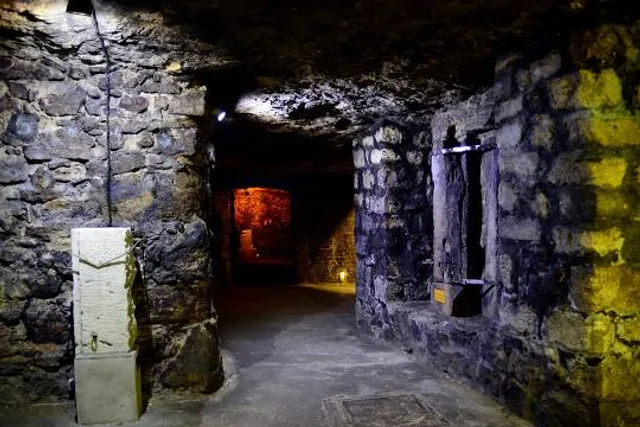
The guided tour was exceptionally well-organized, with knowledgeable guides who brought the history to life through engaging storytelling and fascinating details. The underground tunnels, once used as a secret hospital and nuclear bunker, are incredibly well-preserved, and the wax figure displays add an eerie but realistic touch to the experience. Walking through the dimly lit corridors, you really get a sense of what it must have been like for doctors, nurses, and patients during wartime.

One of the most surprising aspects was learning about how the hospital functioned under extreme conditions, especially during WWII and the 1956 Hungarian Revolution. The section on nuclear preparedness was particularly eye-opening, showing how the facility was repurposed during the Cold War as a fallout shelter.

The atmosphere inside is both chilling and awe-inspiring. The attention to detail, from authentic medical equipment to real-life stories of those who worked there, makes it an emotional and thought-provoking visit. The tour lasts about an hour, and it’s well-paced, ensuring that visitors can absorb the history without feeling rushed.

Tips for Visitors: • Tours are only guided, so be sure to check the schedule in advance. • It’s a bit cool underground, so bringing a light jacket is a good idea. • Photography isn’t allowed inside, which actually enhances the experience by keeping you fully engaged. • The museum is accessible but involves some walking through tunnels, so comfortable shoes are recommended.Overall, Hospital in the Rock is a must-visit for anyone interested in history, particularly WWII and Cold War history. The blend of real-life artifacts, gripping stories, and an atmospheric setting makes it one of the most unique museums I’ve ever visited. I highly recommend it to anyone...

   Read more
avatar
5.0
2y

HOSPITAL IN THE ROCK The Hospital in the Rock Nuclear Bunker Museum stands as a testament to history within the caverns beneath Buda Castle. Established in the 1930s in preparation for World War II, it served as an emergency hospital and bomb shelter. Ordered by the mayor of Budapest, its construction began in 1939, with the emergency surgical center becoming operational in 1944. Originally focused on providing medical care for civilians, its role expanded to include soldiers during the conflict. Throughout the Siege of Budapest, the hospital bravely treated the wounded and cared for the fallen. Equipped with its own generators, it even offered X-ray capabilities. Following the siege, the hospital's use dwindled, only resurging briefly in 1956 during an uprising against Soviet rule. In the years that followed, it transformed into a nuclear bunker as tensions of the Cold War escalated. Today, the museum showcases anti-radiation kits and artifacts from that era. Between 1958 and 1962, the hospital underwent upgrades to address chemical and nuclear threats. However, advancements in technology rendered it obsolete by the late 1960s. It remained unoccupied except for the Mohacsi family, who cared for the facility until 2004, maintaining its equipment and cleanliness. Now a museum, the Hospital in the Rock offers guided tours, providing a captivating experience. Through waxwork recreations and original artifacts, it paints a vivid picture of the past. As you explore, the museum offers a poignant reminder of the fears that shaped generations in Eastern Bloc countries and beyond. It's an unmissable opportunity to step into history. Visit it...

   Read more
avatar
5.0
1y

A thought provoking and powerful walk through history as you learn about the usage of this underground bunker and hospital through WW2, the Hungarian uprising and Cold War.

Recommend purchasing tickets in advance, first you begin with a short film in Hungarian with English subtitles explaining the history of the facility before your tour guide whisks you through the tunnels to view various different rooms as they describe the story of this place.

In total the tour is just shy of an hour, and whilst I understand some mentions of it feeling rushed I believe the pacing is just right as long as the group you are with isn’t too large. There are a multitude of wax figures, props (even a full size helicopter) and medical supplies that together weave the story of when the hospital was in operation. In some of the rooms you can absolutely glean the horror of a reality being a patient here during a time wherein shortages of medicine, food and water were rife. The extended cave system beyond the hospital is something that will peak your curiosity and leave you wondering what else exists amongst the depths of Buda Castle.

I think the biggest surprise for me was the final passageway at the end of the tour wherein you see drawings created by the survivors of the Hiroshima and Nagasaki nuclear blasts, and the emotion of those who witnessed the atrocities immortalised in such a way the emotion of the event leaks out from the pictures.

If visiting Budapest, Hospital in the Rock is a must visit location, with both historical and geographical...

   Read more
Page 1 of 7
Previous
Next