Mani Bhavan Gandhi Sangrahalaya things to do, attractions, restaurants, events info and trip planning
Basic Info
Mani Bhavan Gandhi Sangrahalaya
Mani Bhavan, 19, Laburnum Rd, Babulnath, Gamdevi, Mumbai, Maharashtra 400007, India
4.6(670)
Closed
Save
spot
spot
Ratings & Description
Info
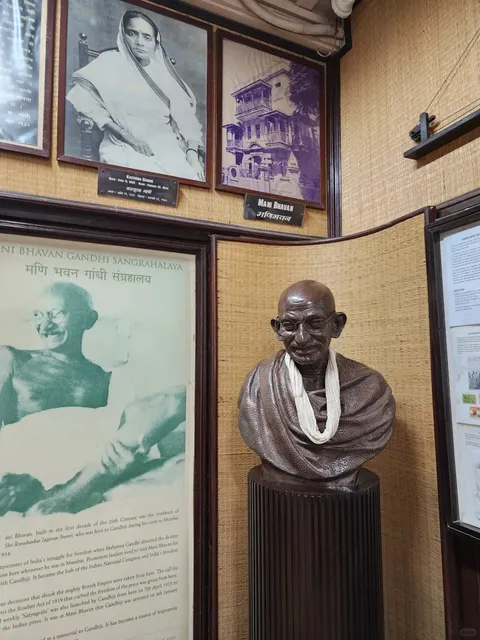
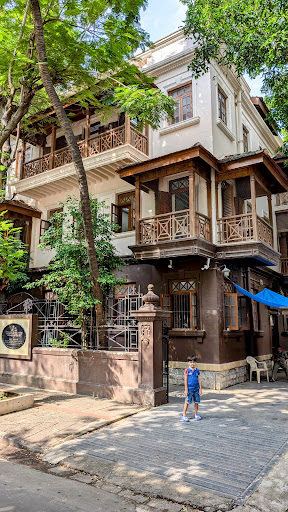
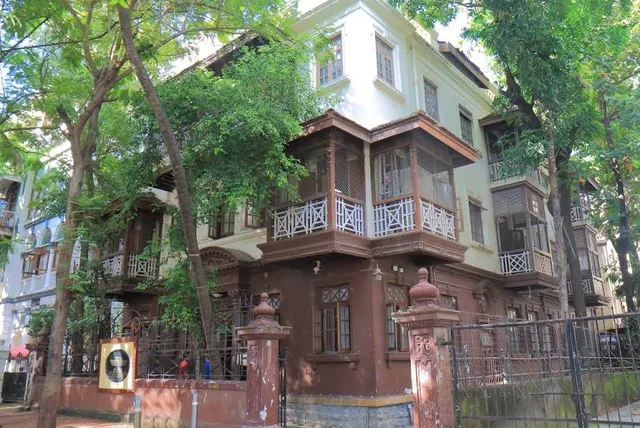
Mani Bhavan is a museum and historical building dedicated to Gandhi, situated at Laburnum Road in the Gamdevi precinct of Mumbai. Mani Bhavan was the focal point of Gandhi's political activities in Mumbai between 1917 and 1934.
Cultural
Family friendly
Accessibility
attractions: ISKCON Chowpatty (Sri Sri Radha Gopinath Mandir), Bharatiya Vidya Bhavan, August Kranti Maidan, Shri Gamdevi Temple, Shree Babulnath Mandir Charities, The Royal Opera House, Mumbai, Girgaon Chowpatty, Marine drive beach, Hanging Gardens, Mumbai Chowpatty Beach, restaurants: Café New York, TANTRAơ, New Heros Restaurant, RTI Foods by Sir Ratan Tata Institute, Hindu Vishranti Gruha, Sri Krishna Restaurant, Soam, Happiness Deli, Delightful Delicacies, Aim Gaming Cafe, local businesses: Marine Drive Beach, Bina's Fresh Batch Ice Cream, Sukh Sagar Building, Kinjin Food Pvt ltd., Asian Cancer Institute and ACI Cumballa Hill Hospital, The Primordial House, Sukh Sagar, Marina Mansion, ChocAffaires, H Ramanlal Vithaldas & Sons Mewawala
 Learn more insights from Wanderboat AI.
Phone
+91 22 2380 5864
Website
gandhi-manibhavan.org
Open hoursSee all hours
Mon10 AM - 5:30 PMClosed
Plan your stay

Pet-friendly Hotels in Mumbai
Find a cozy hotel nearby and make it a full experience.

Affordable Hotels in Mumbai
Find a cozy hotel nearby and make it a full experience.

The Coolest Hotels You Haven't Heard Of (Yet)
Find a cozy hotel nearby and make it a full experience.

Trending Stays Worth the Hype in Mumbai
Find a cozy hotel nearby and make it a full experience.
Reviews
Live events
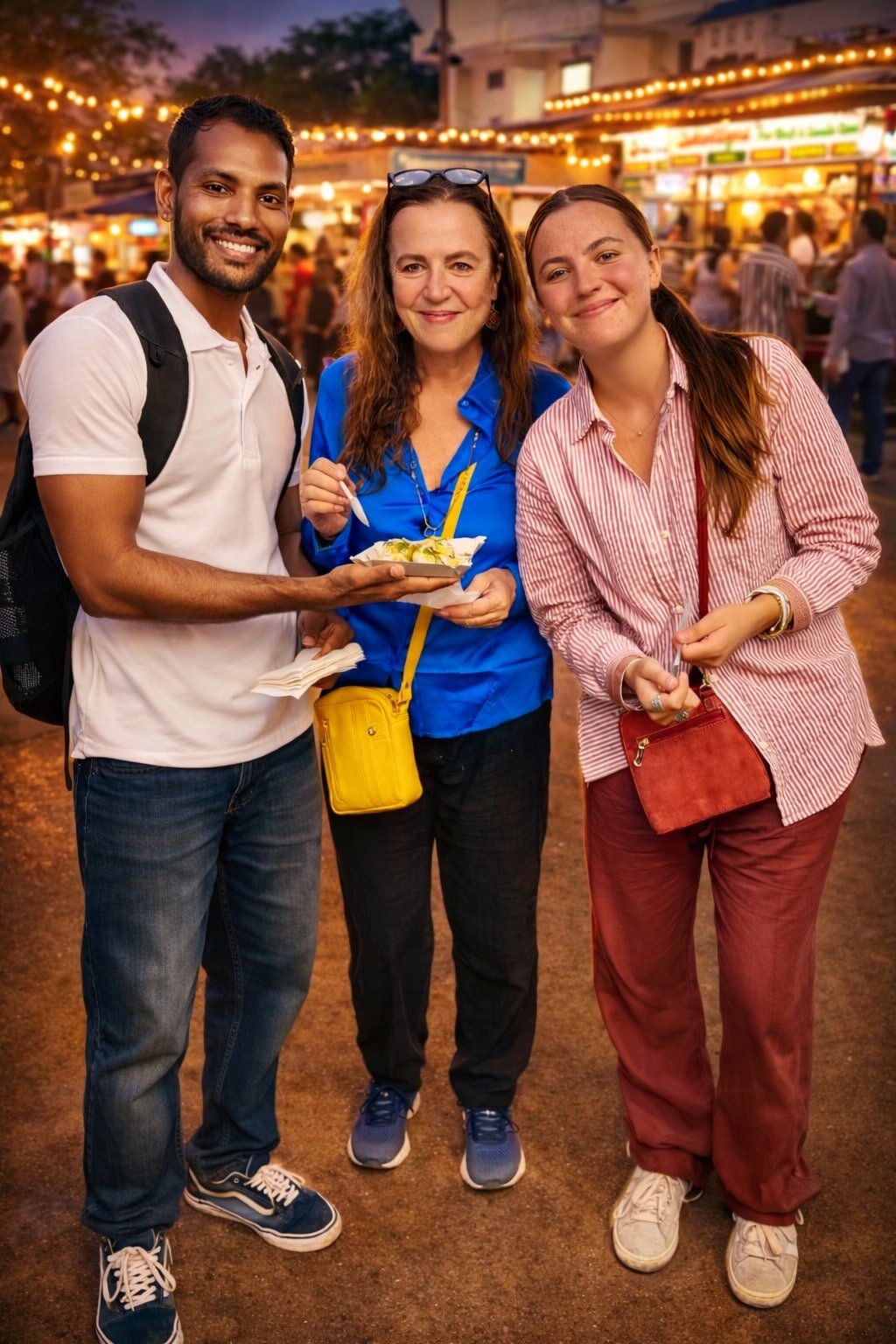
Mumbai Streetfood tour with Markets and temples
Mon, Feb 23 • 5:30 PM
near cafe bharath Mumbai, Maharashtra, 400020, India
View details
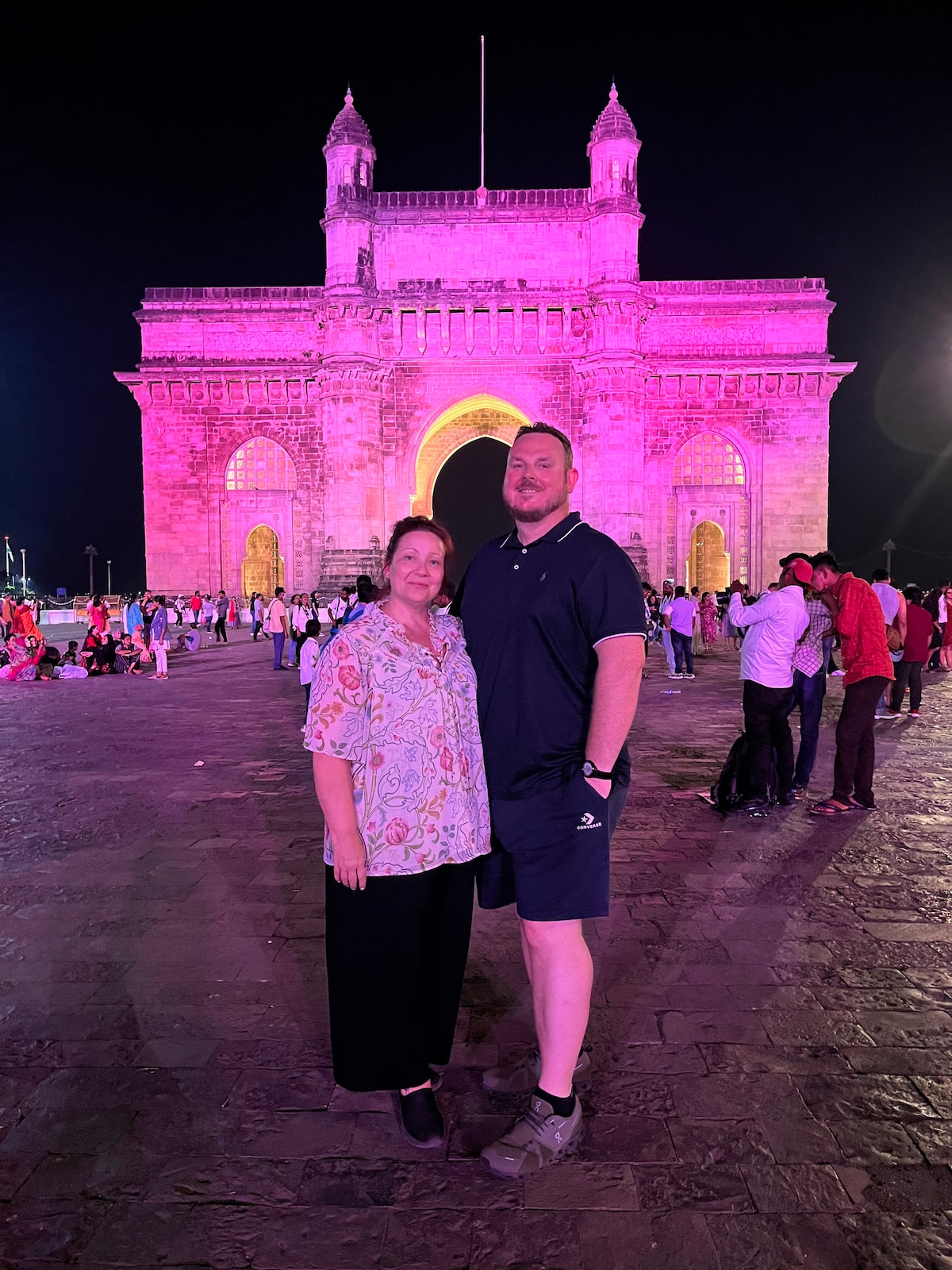
Explore iconic sights Of Mumbai in Four Hours
Mon, Feb 23 • 6:00 AM
Mumbai, Maharashtra, 400001, India
View details
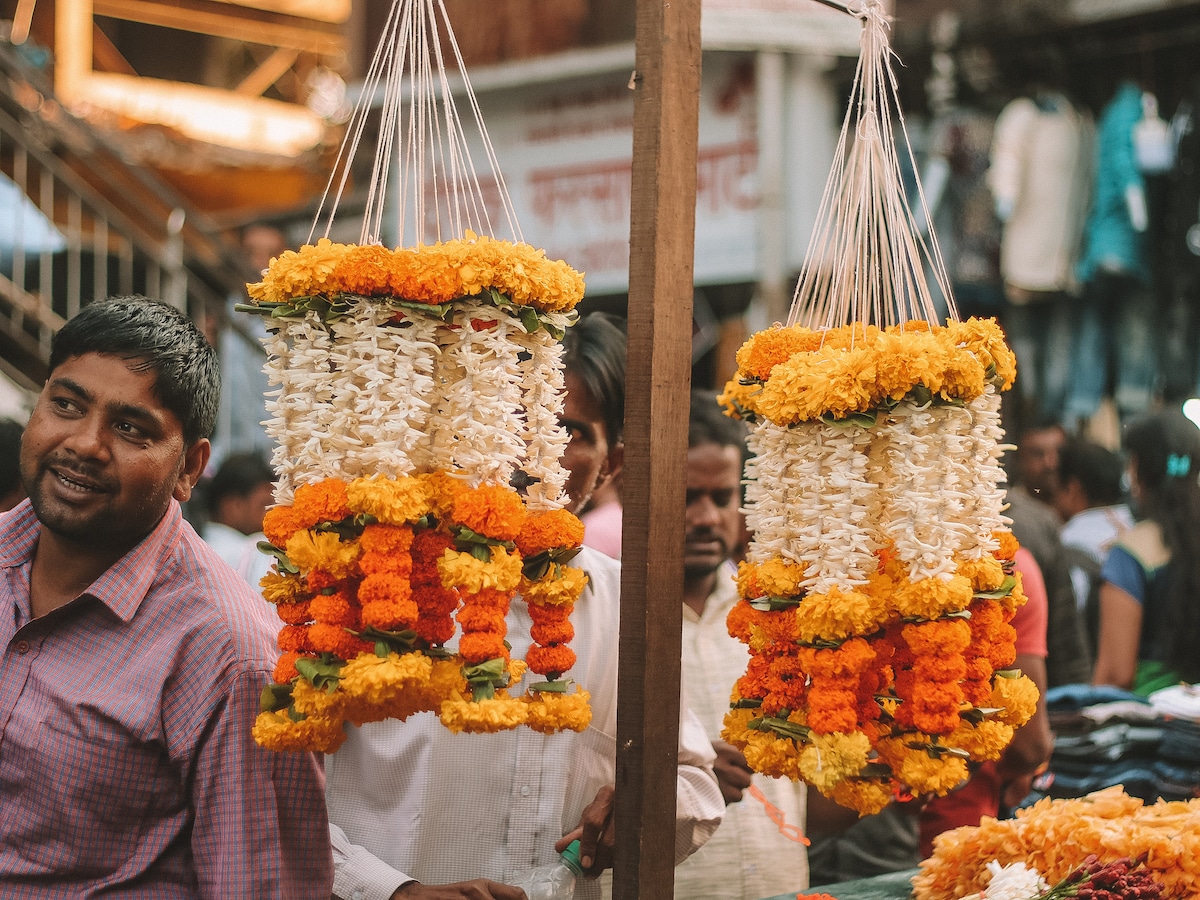
Experience the offbeat Mumbai
Mon, Feb 23 • 9:00 AM
Mumbai, Maharashtra, 400020, India
View details
Nearby attractions of Mani Bhavan Gandhi Sangrahalaya
ISKCON Chowpatty (Sri Sri Radha Gopinath Mandir)
Bharatiya Vidya Bhavan
August Kranti Maidan
Shri Gamdevi Temple
Shree Babulnath Mandir Charities
The Royal Opera House, Mumbai
Girgaon Chowpatty
Marine drive beach
Hanging Gardens
Mumbai Chowpatty Beach
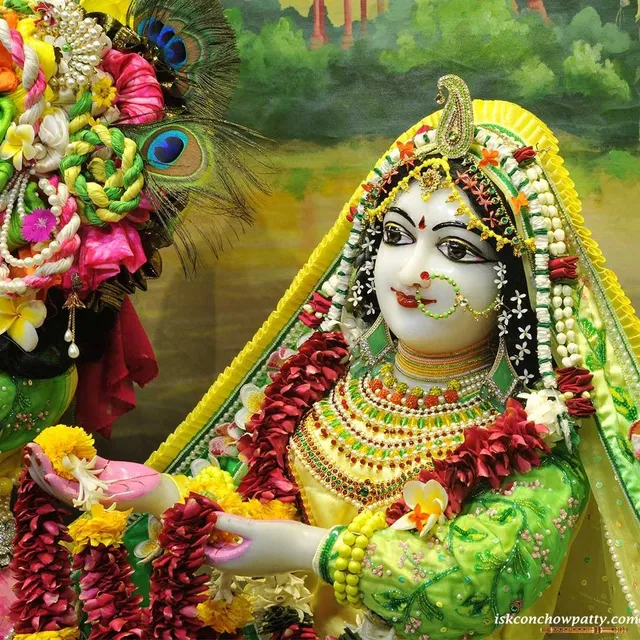
ISKCON Chowpatty (Sri Sri Radha Gopinath Mandir)
4.8
(3.4K)
Open until 9:30 AM
Click for details
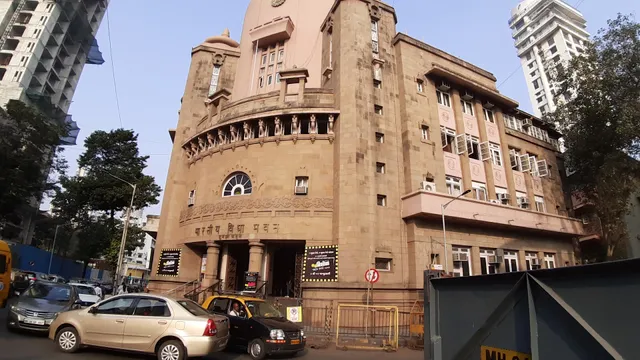
Bharatiya Vidya Bhavan
4.3
(1.2K)
Open 24 hours
Click for details
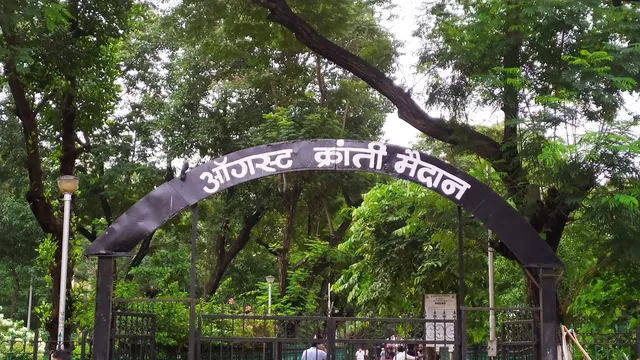
August Kranti Maidan
4.3
(2.9K)
Open until 12:00 AM
Click for details
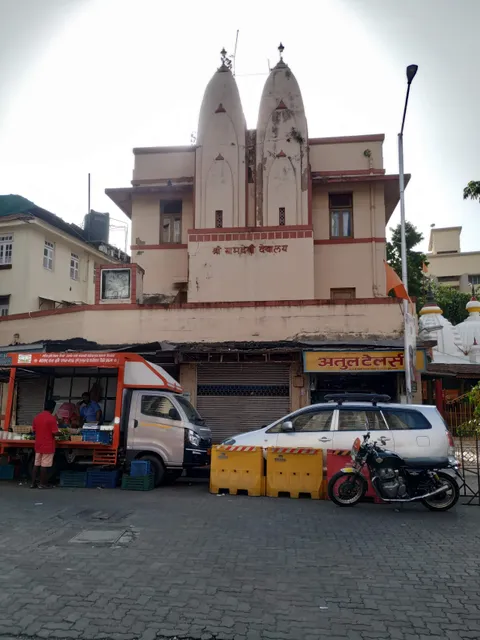
Shri Gamdevi Temple
4.5
(100)
Open until 10:00 PM
Click for details
Nearby restaurants of Mani Bhavan Gandhi Sangrahalaya
Café New York
TANTRAơ
New Heros Restaurant
RTI Foods by Sir Ratan Tata Institute
Hindu Vishranti Gruha
Sri Krishna Restaurant
Soam
Happiness Deli
Delightful Delicacies
Aim Gaming Cafe
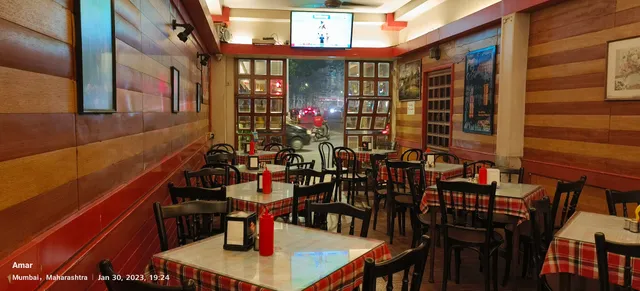
Café New York
4.2
(1.5K)
$$
Open until 1:00 AM
Click for details
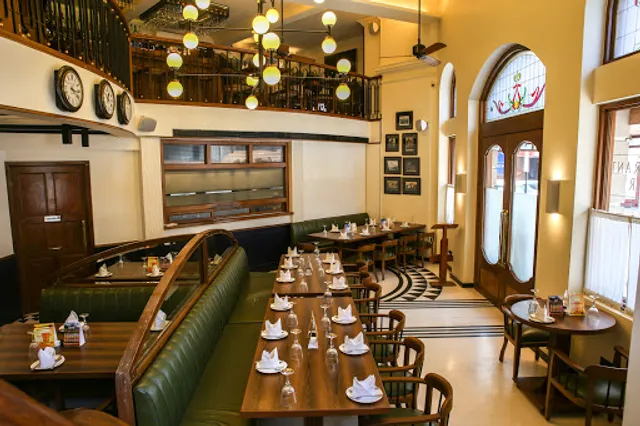
TANTRAơ
4.1
(779)
$$$
Closed
Click for details
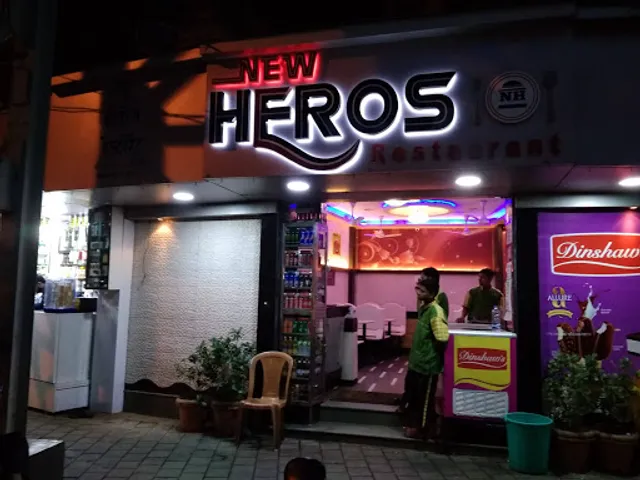
New Heros Restaurant
4.1
(853)
Open until 12:30 AM
Click for details
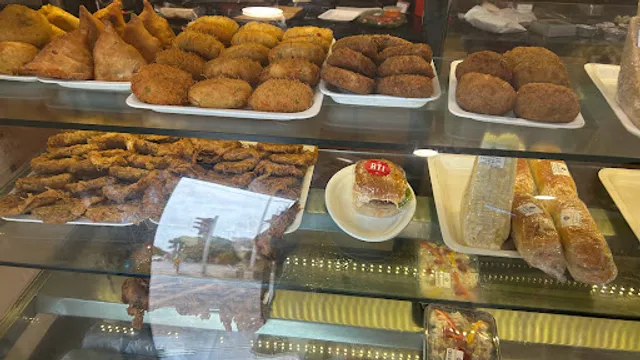
RTI Foods by Sir Ratan Tata Institute
4.4
(136)
Closed
Click for details
Nearby local services of Mani Bhavan Gandhi Sangrahalaya
Marine Drive Beach
Bina's Fresh Batch Ice Cream
Sukh Sagar Building
Kinjin Food Pvt ltd.
Asian Cancer Institute and ACI Cumballa Hill Hospital
The Primordial House
Sukh Sagar
Marina Mansion
ChocAffaires
H Ramanlal Vithaldas & Sons Mewawala
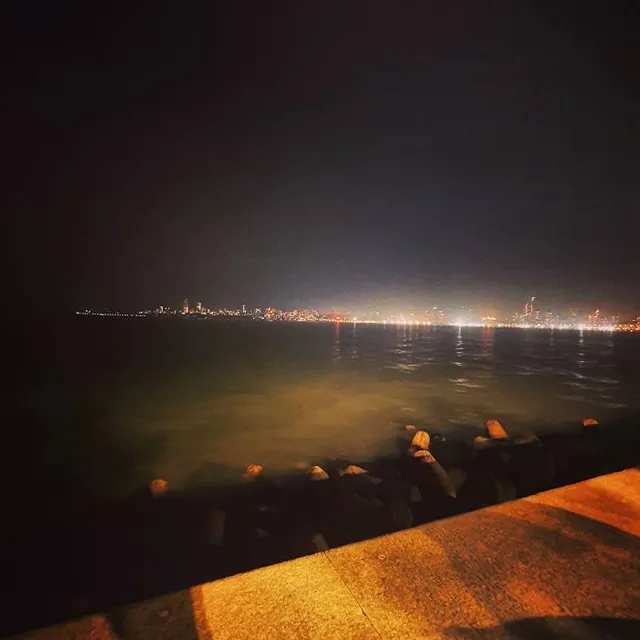
Marine Drive Beach
4.6
(5.1K)
Click for details

Bina's Fresh Batch Ice Cream
4.1
(77)
Click for details
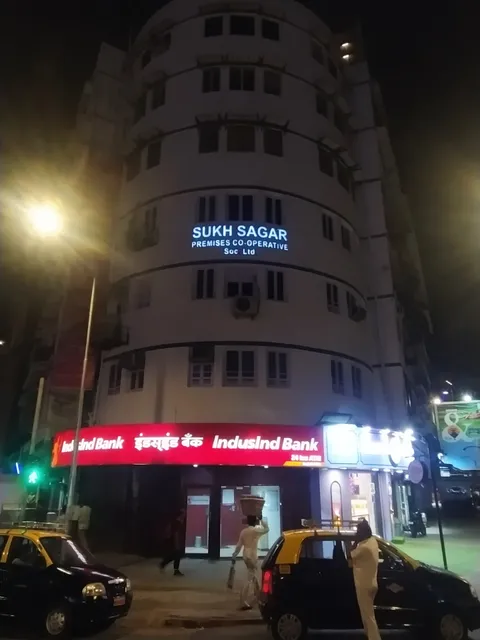
Sukh Sagar Building
3.9
(1.7K)
Click for details

Kinjin Food Pvt ltd.
4.9
(12)
Click for details