Museo Galileo things to do, attractions, restaurants, events info and trip planning
Basic Info
Museo Galileo
Piazza dei Giudici, 1, 50122 Firenze FI, Italy
4.5(3.6K)
Closed


tickets
Save
spot
spot
Ratings & Description
Info
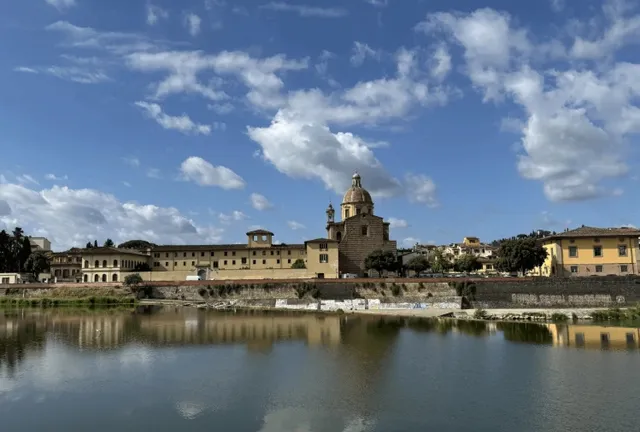
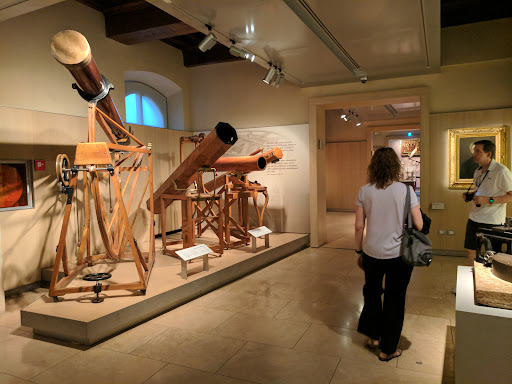
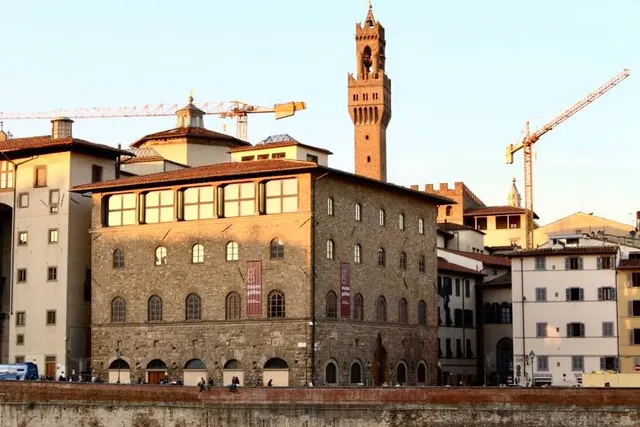
Museo Galileo is located in Florence, Italy, in Piazza dei Giudici, along the River Arno and close to the Uffizi Gallery. The museum, dedicated to astronomer and scientist Galileo Galilei, is housed in Palazzo Castellani, an 11th-century building which was then known as the Castello d'Altafronte.
Cultural
Family friendly
Accessibility
attractions: Uffizi Gallery, Ponte Vecchio, Piazza della Signoria, Palazzo Vecchio, Fontana del Porcellino, Loggia dei Lanzi, Cattedrale dell'Immagine, Replica of statue of David, Fountain of Neptune, Perseus with the head of Medusa, restaurants: All’Antico Vinaio, Trattoria Roberto, Ristorante Braceria Auditore, La Fettunta, Pizza Napoli 1955, Trattoria Antico Fattore, La Prosciutteria Firenze, Trattoria Ponte Vecchio - Ristorante Firenze, Il Ricettario, Signorvino Firenze, local businesses: COIN, City Florence Tours, Walkabout Florence Tours, Contrasto AVEDA Lifestyle Salon & SPA - Miglior Parrucchiere Firenze, Blue Velvet, Palazzo Gucci, Ponte alle Grazie, Signum Florence, Store My Luggage, H&M
 Learn more insights from Wanderboat AI.
Phone
+39 055 265311
Website
museogalileo.it
Open hoursSee all hours
Fri9:30 a.m. - 6 p.m.Closed
Plan your stay

Pet-friendly Hotels in Florence
Find a cozy hotel nearby and make it a full experience.

Affordable Hotels in Florence
Find a cozy hotel nearby and make it a full experience.

The Coolest Hotels You Haven't Heard Of (Yet)
Find a cozy hotel nearby and make it a full experience.

Trending Stays Worth the Hype in Florence
Find a cozy hotel nearby and make it a full experience.
Reviews
Live events

My Farm - Wine, Pasta & Vineyard in One Day
Sat, Feb 28 • 9:15 AM
50124, Florence, Tuscany, Italy
View details
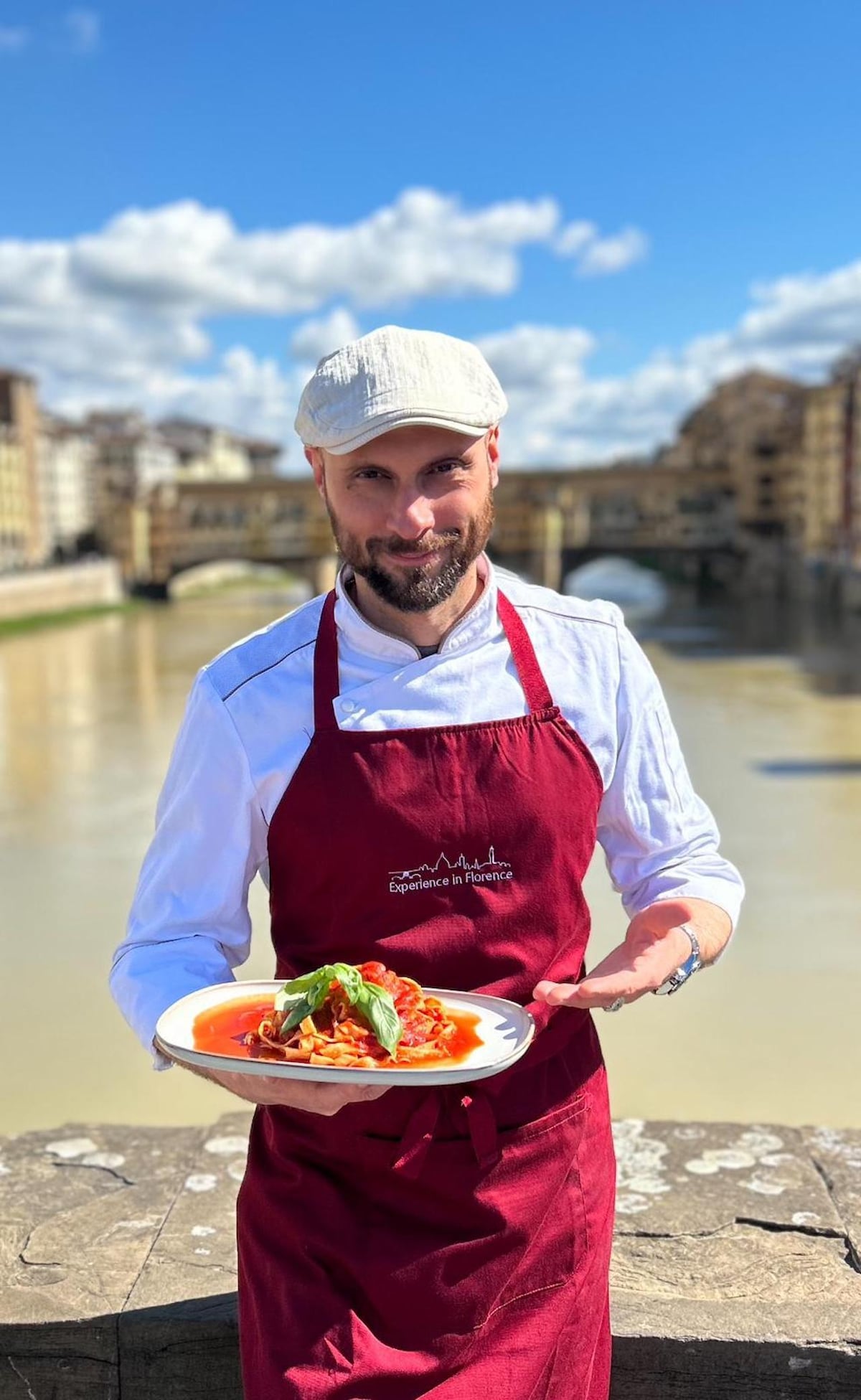
Pastamania - Pasta Class & Wine near Ponte Vecchio
Sat, Feb 28 • 10:00 AM
50125, Florence, Tuscany, Italy
View details

Made in Florence: Ritratti di città di Matilde Ricci
Mon, Mar 2 • 6:30 PM
21 Via Ricasoli 50122 Firenze
View details
Nearby attractions of Museo Galileo
Uffizi Gallery
Ponte Vecchio
Piazza della Signoria
Palazzo Vecchio
Fontana del Porcellino
Loggia dei Lanzi
Cattedrale dell'Immagine
Replica of statue of David
Fountain of Neptune
Perseus with the head of Medusa
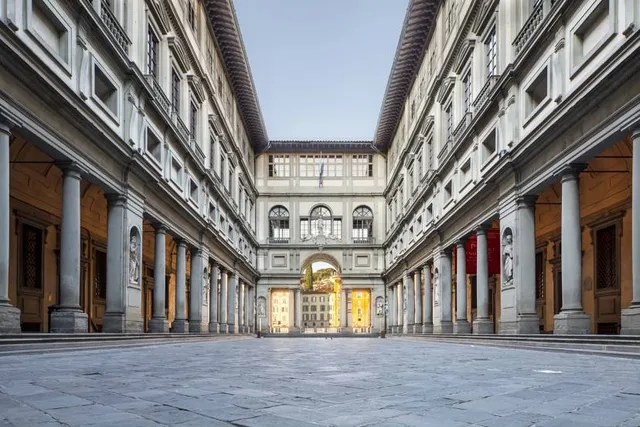
Uffizi Gallery
4.7
(29.4K)
Closed
Click for details
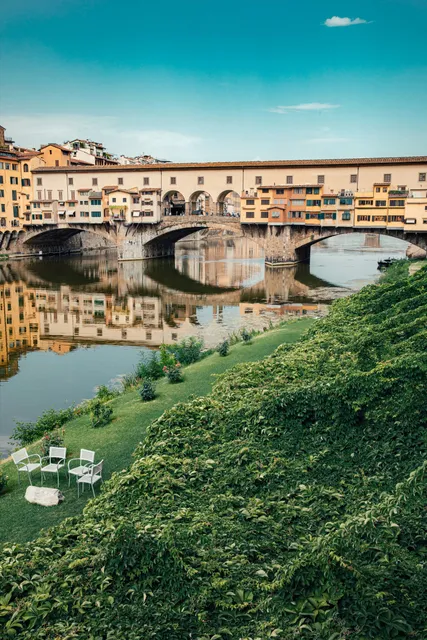
Ponte Vecchio
4.7
(49.1K)
Open 24 hours
Click for details
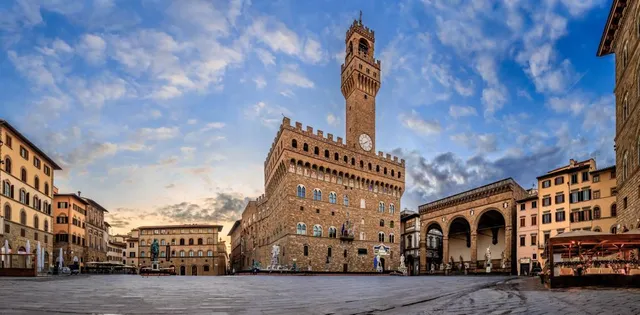
Piazza della Signoria
4.8
(27.4K)
Open 24 hours
Click for details
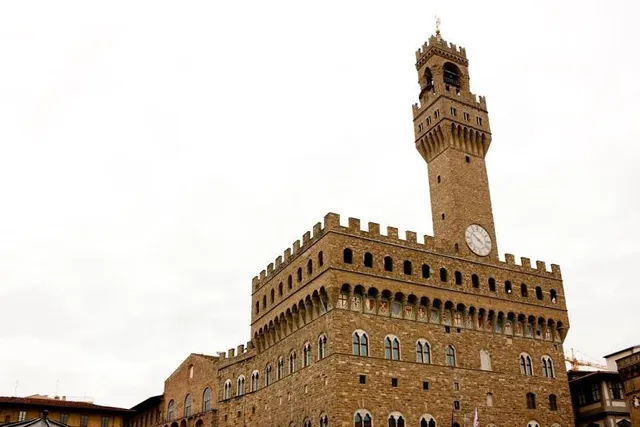
Palazzo Vecchio
4.7
(9.8K)
Closed
Click for details
Nearby restaurants of Museo Galileo
All’Antico Vinaio
Trattoria Roberto
Ristorante Braceria Auditore
La Fettunta
Pizza Napoli 1955
Trattoria Antico Fattore
La Prosciutteria Firenze
Trattoria Ponte Vecchio - Ristorante Firenze
Il Ricettario
Signorvino Firenze
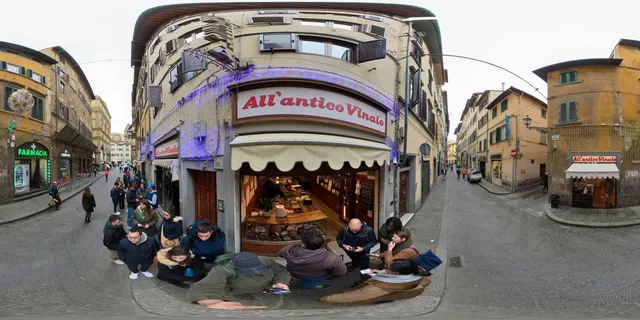
All’Antico Vinaio
4.5
(16.1K)
Closed
Click for details
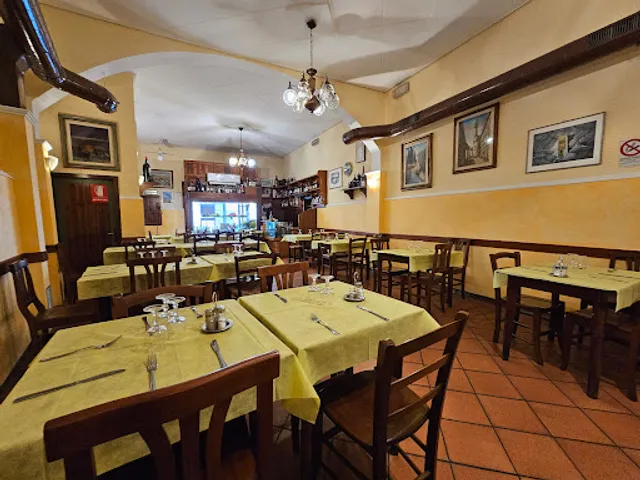
Trattoria Roberto
4.7
(806)
Click for details
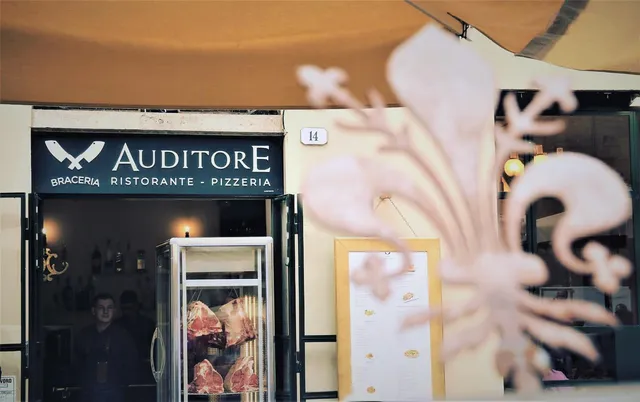
Ristorante Braceria Auditore
4.7
(2.3K)
$$
Closed
Click for details
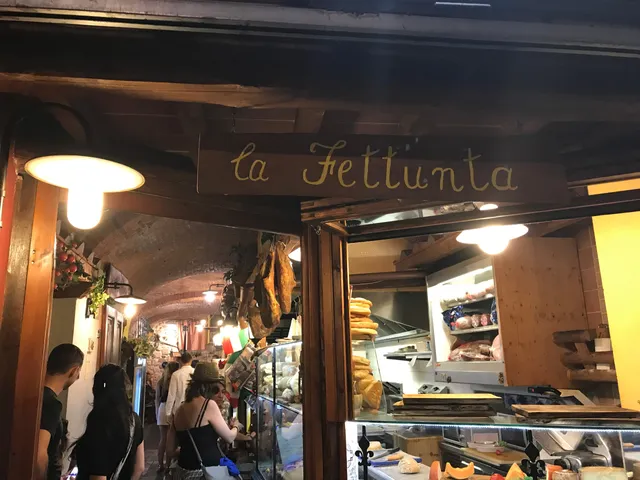
La Fettunta
4.7
(2.4K)
Closed
Click for details
Nearby local services of Museo Galileo
COIN
City Florence Tours
Walkabout Florence Tours
Contrasto AVEDA Lifestyle Salon & SPA - Miglior Parrucchiere Firenze
Blue Velvet
Palazzo Gucci
Ponte alle Grazie
Signum Florence
Store My Luggage
H&M

COIN
4.0
(1.4K)
Click for details

City Florence Tours
4.6
(263)
Click for details
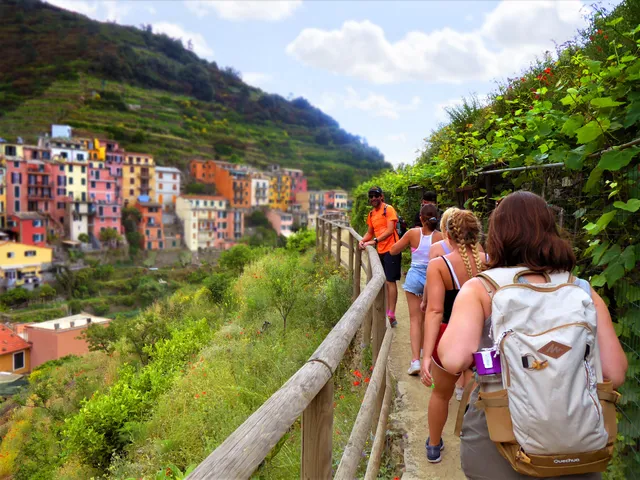
Walkabout Florence Tours
4.9
(607)
Click for details
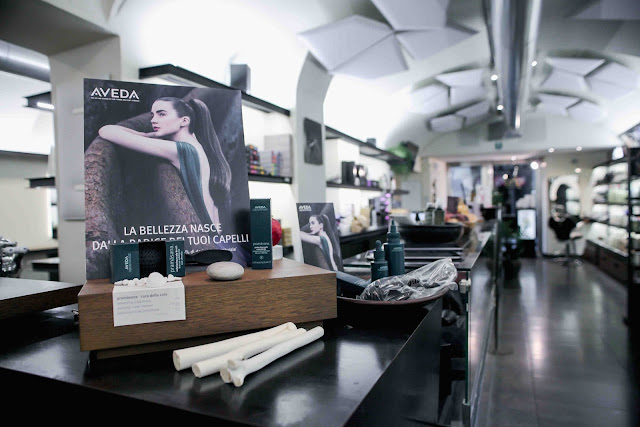
Contrasto AVEDA Lifestyle Salon & SPA - Miglior Parrucchiere Firenze
4.8
(455)
Click for details