Cripta di San Giovanni in Conca things to do, attractions, restaurants, events info and trip planning
Basic Info
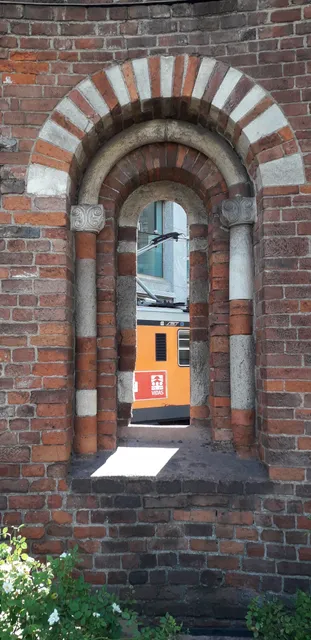
Cripta di San Giovanni in Conca
Piazza Giuseppe Missori, 22, 20122 Milano MI, Italy
4.5(104)
Open 24 hours
Save
spot
spot
Ratings & Description
Info
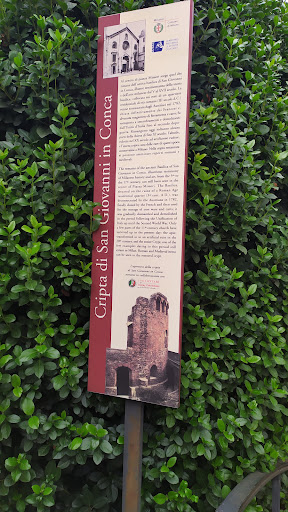
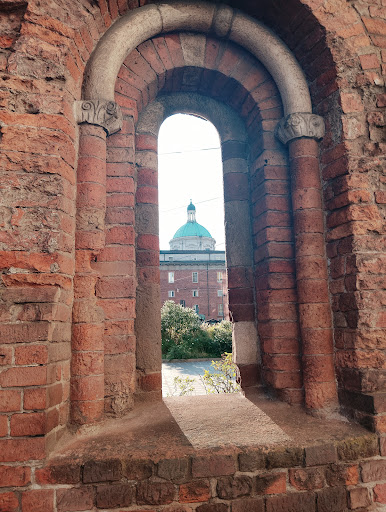
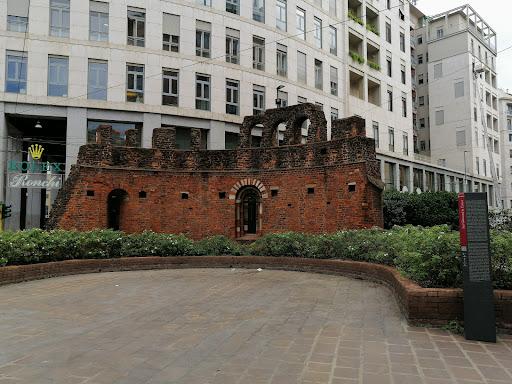
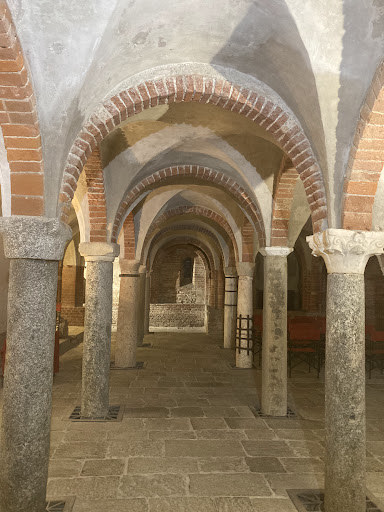
San Giovanni in Conca is a crypt of a former basilica church in Milan, northern Italy. It is now located in the centre of Piazza Missori.
Cultural
Scenic
Family friendly
attractions: Duomo di Milano, Chiesa di Santa Maria presso San Satiro, Palazzo Reale di Milano, MARTINI, Museo del Novecento, Velasca Tower, Cathedral Square, Museo del Duomo di Milano, Piazza Mercanti, Ambrosian Library, restaurants: The roof milano, Rabbit Hole Cafè, Yuan Duomo, Piz, Sushi Li, Palastine Halal food Shawarma kebab Pizza Grill Shish Kebab, Bottega Ghiotta, All'Antico Vinaio, Ca'puccino Piazza Diaz, Sugo Milano - Duomo, local businesses: IL CIRCO NERO TATTOO Milano, Con mollica o senza? - Milan, Palacio Real de Milán, Primark, Piercing Milano - Sailors Tattoo Milano, ODStore, Vigano' Alta Moda / Viganò Milano1919 bottega, Arengario, Minigulp, Kiko
 Learn more insights from Wanderboat AI.
Website
touringclub.it
Plan your stay

Pet-friendly Hotels in Milan
Find a cozy hotel nearby and make it a full experience.

Affordable Hotels in Milan
Find a cozy hotel nearby and make it a full experience.

The Coolest Hotels You Haven't Heard Of (Yet)
Find a cozy hotel nearby and make it a full experience.

Trending Stays Worth the Hype in Milan
Find a cozy hotel nearby and make it a full experience.
Reviews
Live events

Monet: LEsperienza Immersiva
Mon, Feb 9 • 3:30 PM
Via Privata Giovanni Ventura, 15, 20134
View details

Story Tour Milano: La forza delle storie illumina lo sport
Wed, Feb 11 • 6:30 PM
6 Viale Emilio Alemagna 20121 Milano
View details

Museum of Senses Milano
Mon, Feb 9 • 3:00 PM
Viale Monte Grappa, 10, Milano, 20124
View details
Nearby attractions of Cripta di San Giovanni in Conca
Duomo di Milano
Chiesa di Santa Maria presso San Satiro
Palazzo Reale di Milano
MARTINI
Museo del Novecento
Velasca Tower
Cathedral Square
Museo del Duomo di Milano
Piazza Mercanti
Ambrosian Library
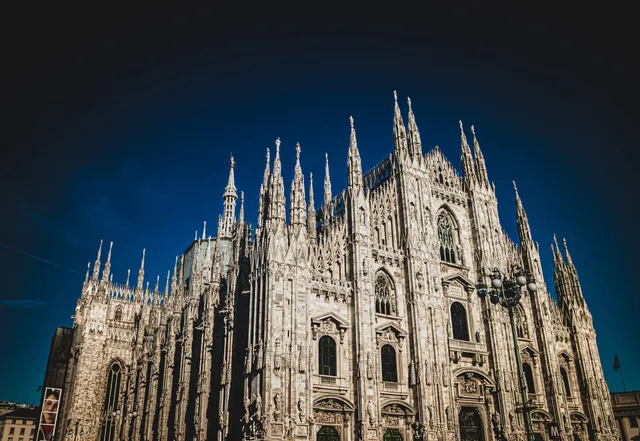
Duomo di Milano
4.8
(63.1K)
Open until 7:00 PM
Click for details
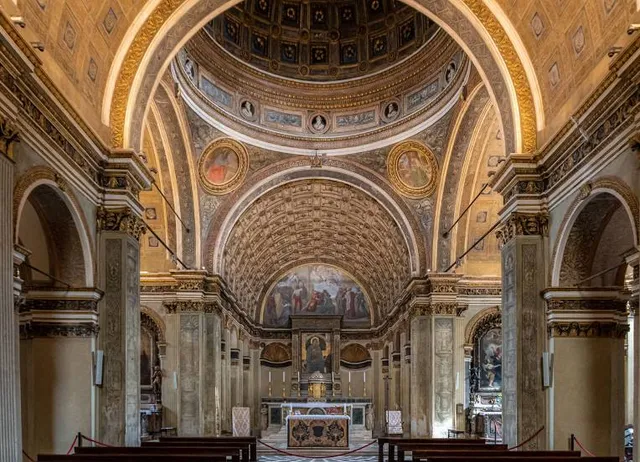
Chiesa di Santa Maria presso San Satiro
4.7
(2.1K)
Open until 6:00 PM
Click for details
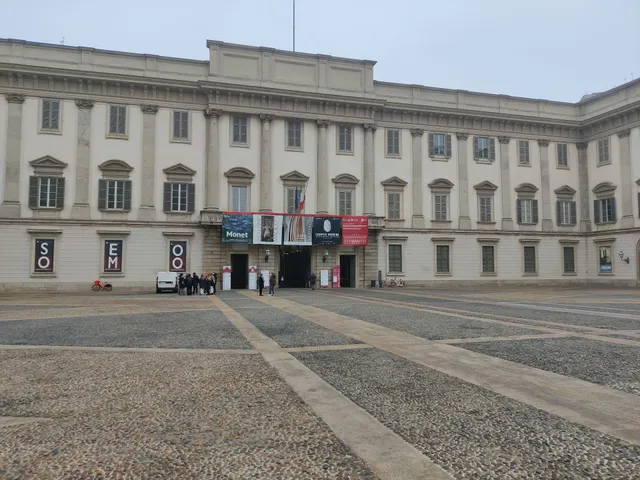
Palazzo Reale di Milano
4.6
(7.9K)
Open until 12:00 AM
Click for details
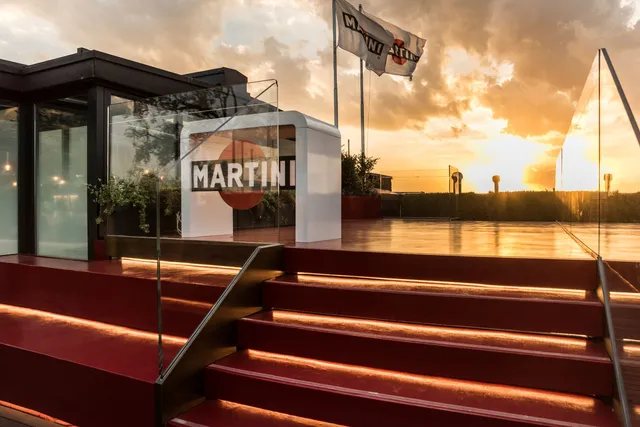
MARTINI
4.5
(366)
Open 24 hours
Click for details
Nearby restaurants of Cripta di San Giovanni in Conca
The roof milano
Rabbit Hole Cafè
Yuan Duomo
Piz
Sushi Li
Palastine Halal food Shawarma kebab Pizza Grill Shish Kebab
Bottega Ghiotta
All'Antico Vinaio
Ca'puccino Piazza Diaz
Sugo Milano - Duomo
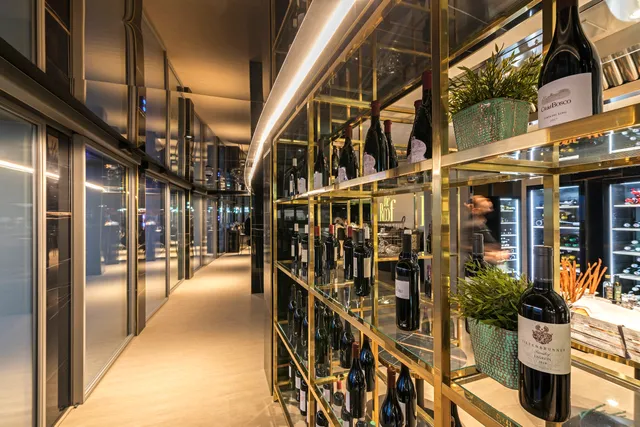
The roof milano
4.2
(1.1K)
$$$
Open until 1:00 AM
Click for details
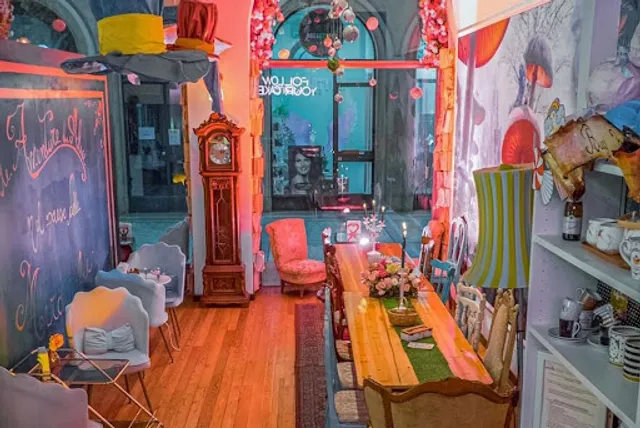
Rabbit Hole Cafè
3.9
(985)
Open until 9:00 PM
Click for details
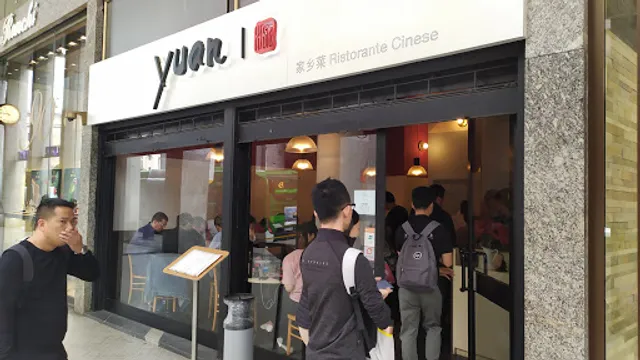
Yuan Duomo
4.1
(668)
Closed
Click for details
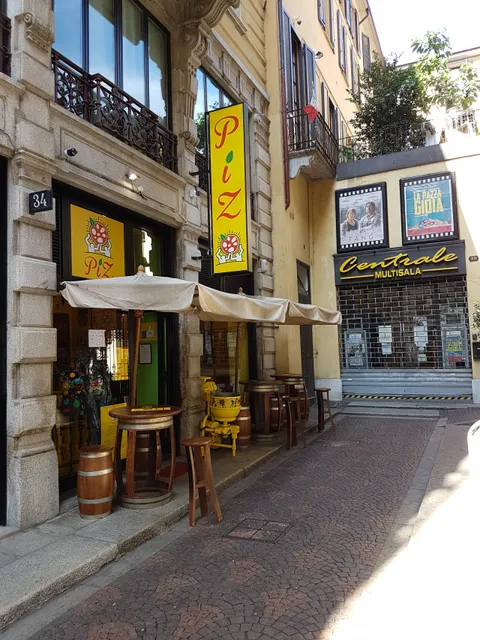
Piz
4.4
(5.8K)
Closed
Click for details
Nearby local services of Cripta di San Giovanni in Conca
IL CIRCO NERO TATTOO Milano
Con mollica o senza? - Milan
Palacio Real de Milán
Primark
Piercing Milano - Sailors Tattoo Milano
ODStore
Vigano' Alta Moda / Viganò Milano1919 bottega
Arengario
Minigulp
Kiko
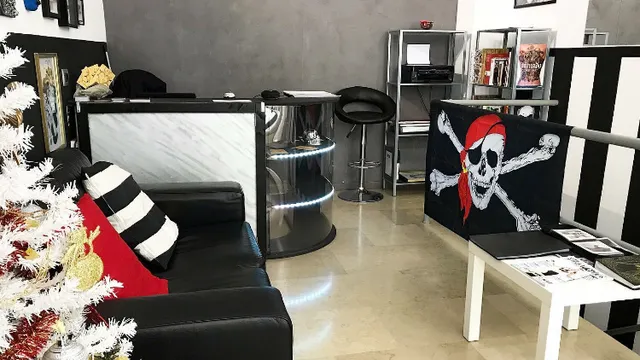
IL CIRCO NERO TATTOO Milano
5.0
(828)
Click for details
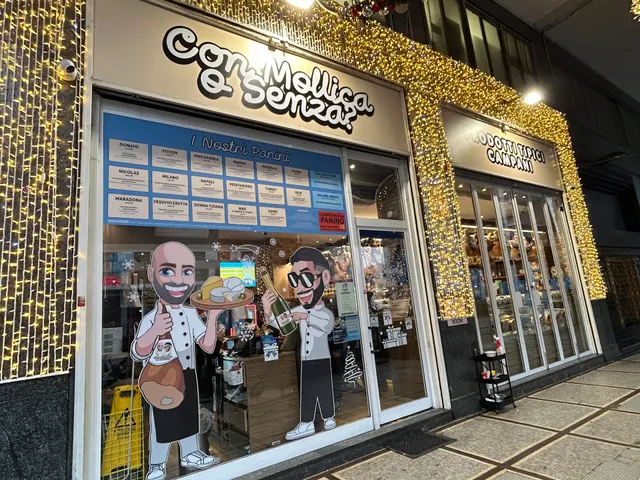
Con mollica o senza? - Milan
4.5
(1.9K)
Click for details
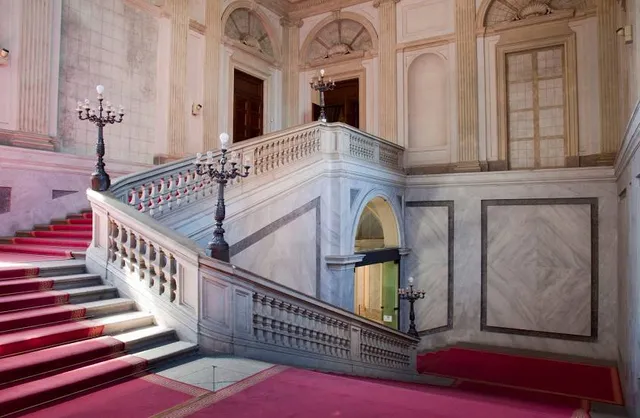
Palacio Real de Milán
4.6
(7.2K)
Click for details
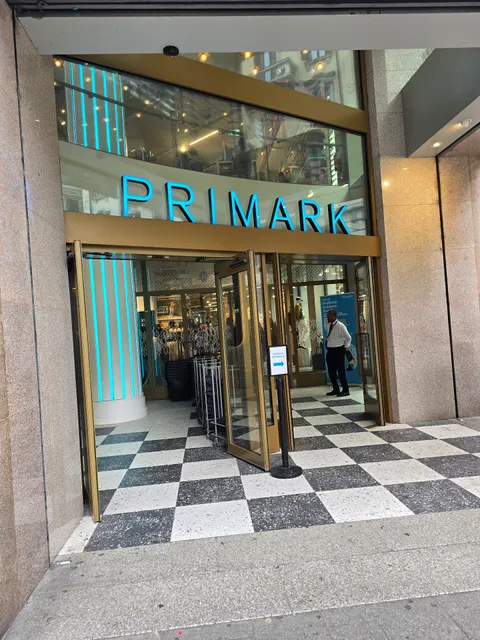
Primark
4.1
(4K)
Click for details