Santa Maria delle Grazie things to do, attractions, restaurants, events info and trip planning
Basic Info
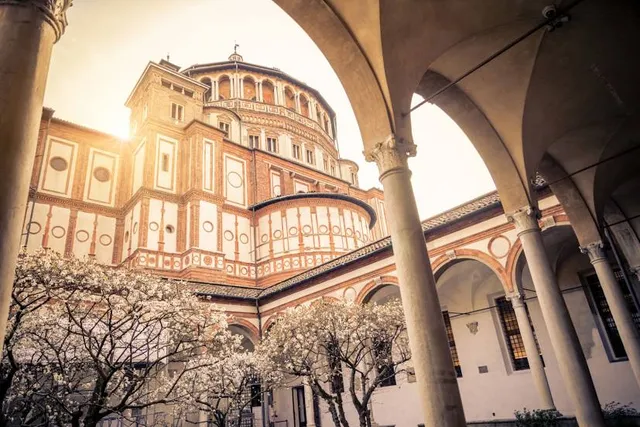
Santa Maria delle Grazie
Via Giuseppe Antonio Sassi, 3, 20123 Milano MI, Italy
4.6(7K)
Closed
Save
spot
spot
Ratings & Description
Info
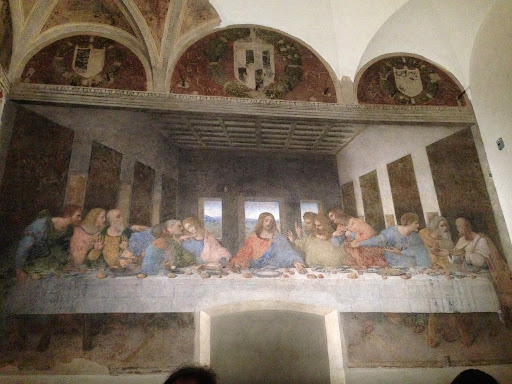
Santa Maria delle Grazie is a church and Dominican convent in Milan, northern Italy, and a UNESCO World Heritage Site. The convent contains the mural of The Last Supper by Leonardo da Vinci, which is in the refectory.
Cultural
Accessibility
attractions: The Last Supper Museum, Casa Atellani, Leonardo da Vinci Museum of Science and Technology, Bramante Sacristy, Basilica di Sant'Ambrogio, Basilica di San Vittore al Corpo, Rossana Orlandi, Chiesa di San Maurizio al Monastero Maggiore, Sforzesco Castle, Catholic University of Sacred Heart, restaurants: Café Le Grazie, Autentico, Galli Pizza & More, Beef Club Milano - Miglior Ristorante di Carne alla Brace della città, Pasticceria San Carlo, Chocolat Milano, Puccia's Brothers, Leonardo Bistrot, Cavoli a merenda! La Terrazza nascosta., Bar Magenta, local businesses: Corso Magenta, 50, Museo Martinitt e Stelline, GetFIT - Via Vico, SAG'80 Milano | Italian Furniture & Interior Design, Dr. Nicola Luca, Osp. San Giuseppe di Milano, Ariosto Spaziocinema, Neuhaus Maitre Chocolatier, Figus Designer, Villa Borletti, Corso Magenta, 32
 Learn more insights from Wanderboat AI.
Phone
+39 02 467 6111
Website
legraziemilano.it
Open hoursSee all hours
Mon9 AM - 12:20 PM, 3 - 5:50 PMClosed
Plan your stay

Pet-friendly Hotels in Milan
Find a cozy hotel nearby and make it a full experience.

Affordable Hotels in Milan
Find a cozy hotel nearby and make it a full experience.

The Coolest Hotels You Haven't Heard Of (Yet)
Find a cozy hotel nearby and make it a full experience.

Trending Stays Worth the Hype in Milan
Find a cozy hotel nearby and make it a full experience.
Reviews
Live events
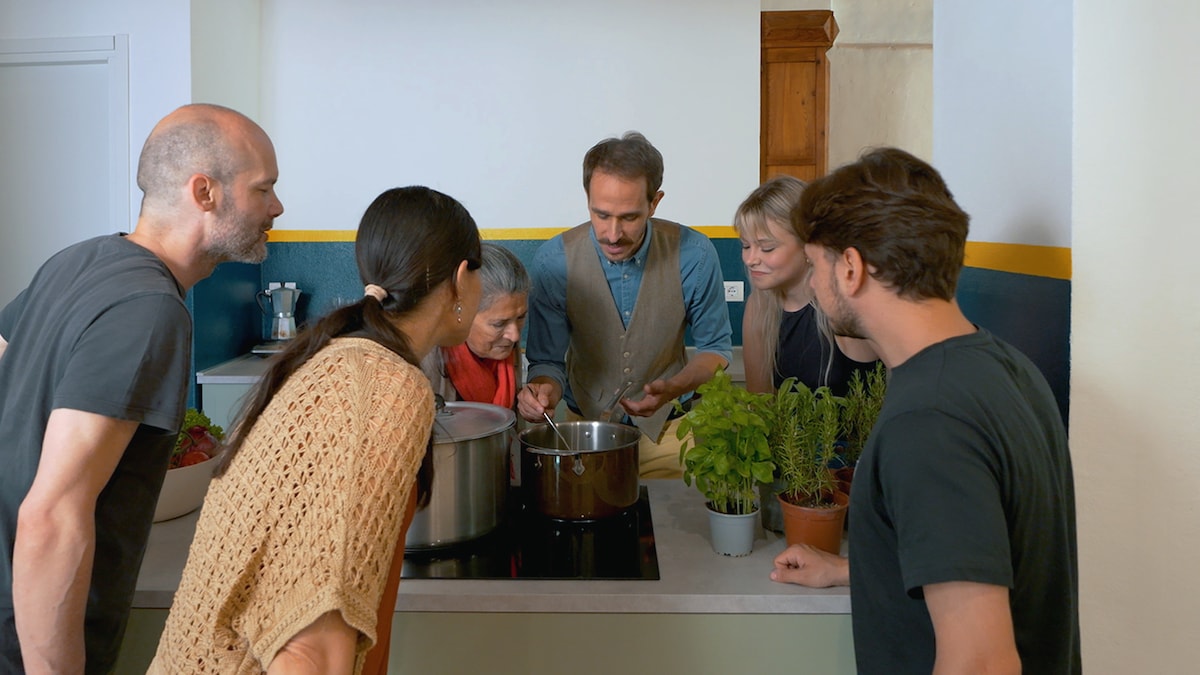
Make pasta and tiramisù in an Italian home
Mon, Feb 23 • 11:00 AM
20159, Milan, Lombardy, Italy
View details
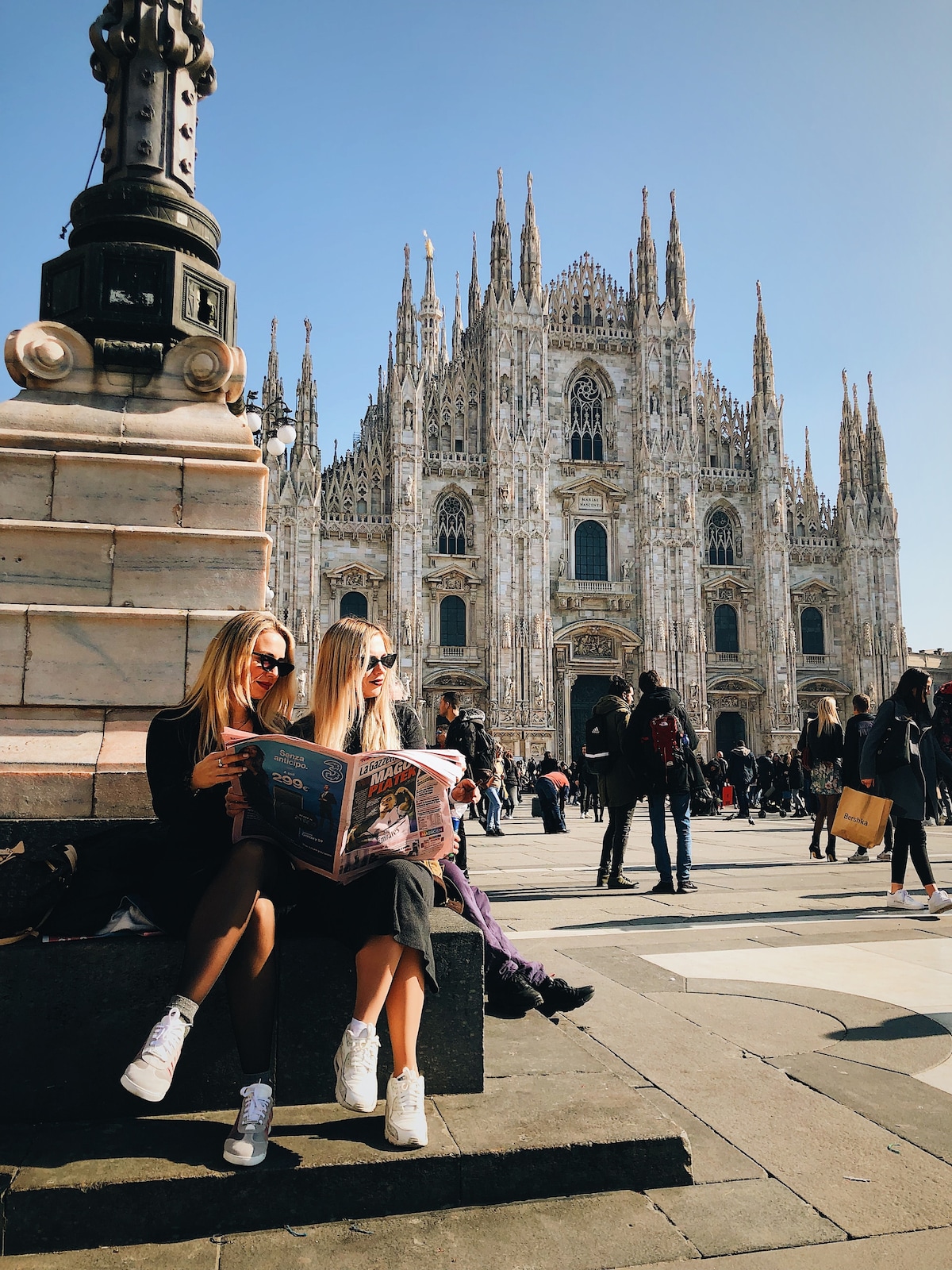
Private tour of the center of Milan with a local
Mon, Feb 23 • 10:30 AM
20121, Milan, Lombardy, Italy
View details
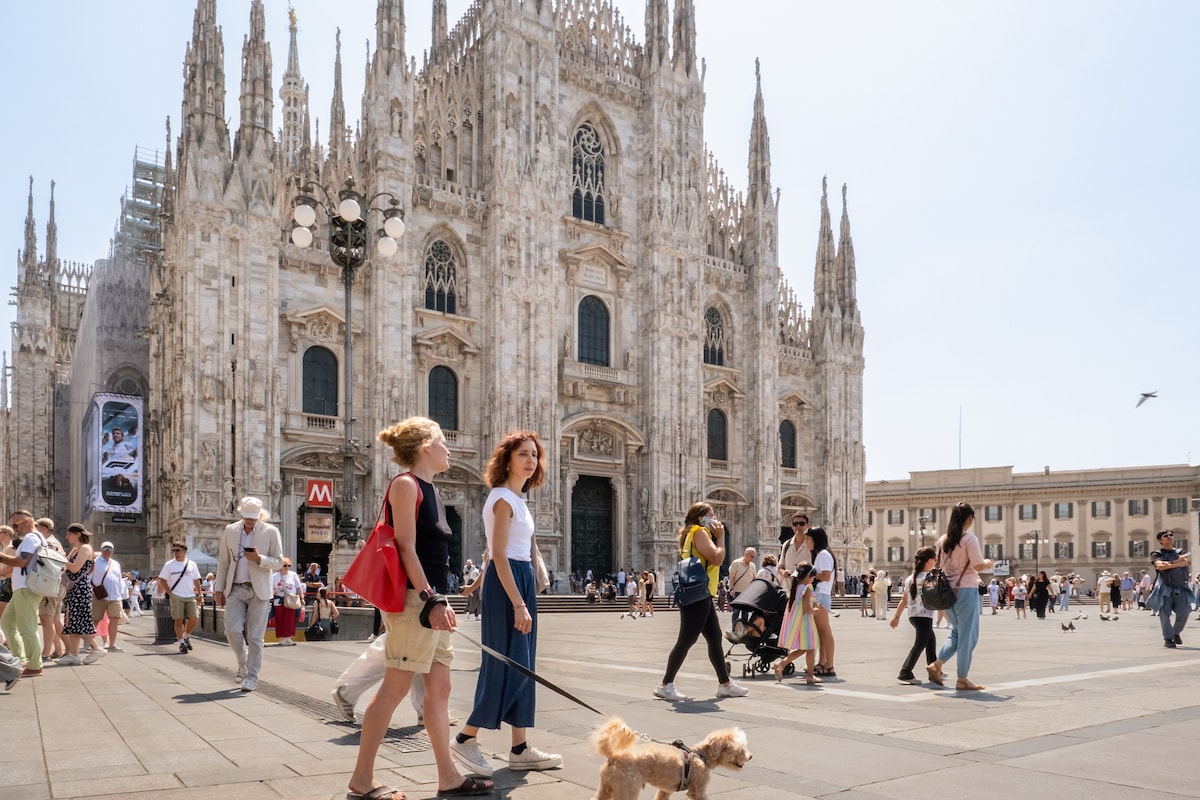
The Total tour of Milan: be a local
Mon, Feb 23 • 9:30 AM
20122, Milan, Lombardy, Italy
View details
Nearby attractions of Santa Maria delle Grazie
The Last Supper Museum
Casa Atellani
Leonardo da Vinci Museum of Science and Technology
Bramante Sacristy
Basilica di Sant'Ambrogio
Basilica di San Vittore al Corpo
Rossana Orlandi
Chiesa di San Maurizio al Monastero Maggiore
Sforzesco Castle
Catholic University of Sacred Heart
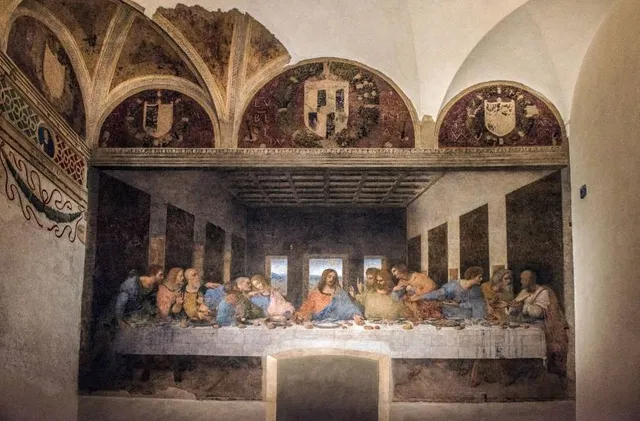
The Last Supper Museum
4.6
(5.2K)
Open until 12:00 AM
Click for details
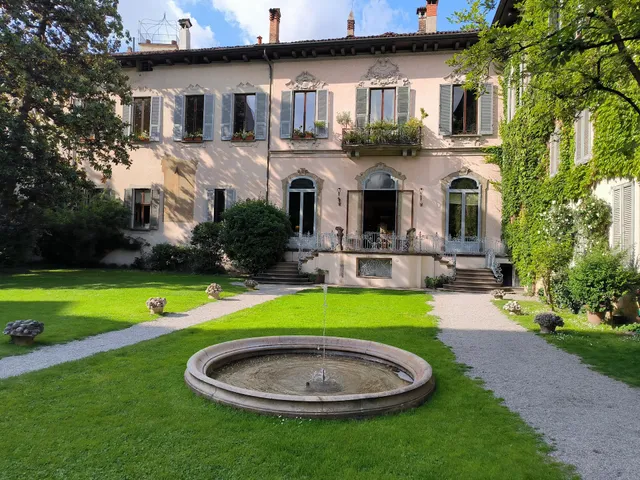
Casa Atellani
4.7
(168)
Open 24 hours
Click for details
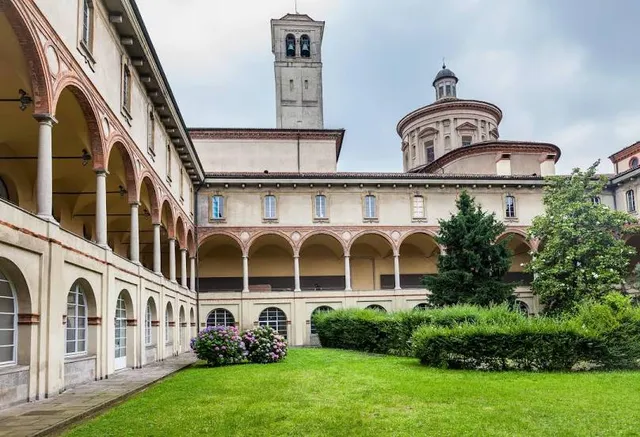
Leonardo da Vinci Museum of Science and Technology
4.6
(10.7K)
Open until 12:00 AM
Click for details
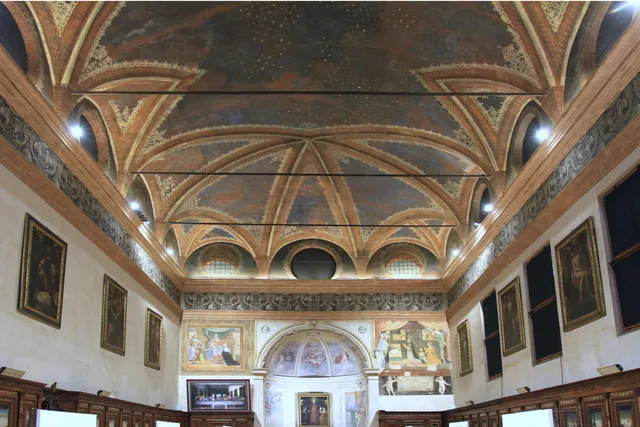
Bramante Sacristy
4.7
(21)
Open 24 hours
Click for details
Nearby restaurants of Santa Maria delle Grazie
Café Le Grazie
Autentico
Galli Pizza & More
Beef Club Milano - Miglior Ristorante di Carne alla Brace della città
Pasticceria San Carlo
Chocolat Milano
Puccia's Brothers
Leonardo Bistrot
Cavoli a merenda! La Terrazza nascosta.
Bar Magenta

Café Le Grazie
3.4
(242)
Closed
Click for details
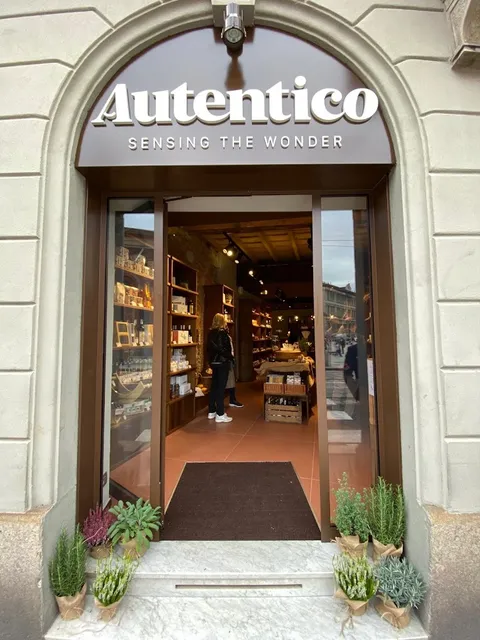
Autentico
4.9
(77)
Click for details
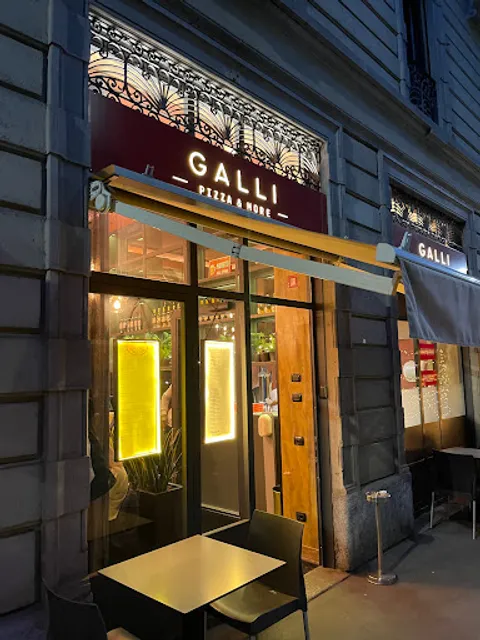
Galli Pizza & More
4.5
(217)
Open until 12:00 AM
Click for details
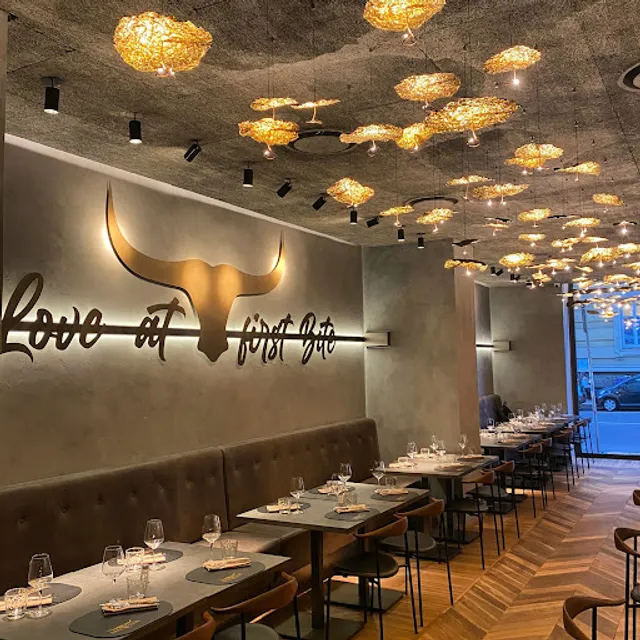
Beef Club Milano - Miglior Ristorante di Carne alla Brace della città
4.7
(514)
$$
Closed
Click for details
Nearby local services of Santa Maria delle Grazie
Corso Magenta, 50
Museo Martinitt e Stelline
GetFIT - Via Vico
SAG'80 Milano | Italian Furniture & Interior Design
Dr. Nicola Luca, Osp. San Giuseppe di Milano
Ariosto Spaziocinema
Neuhaus Maitre Chocolatier
Figus Designer
Villa Borletti
Corso Magenta, 32
Corso Magenta, 50
4.7
(179)
Click for details
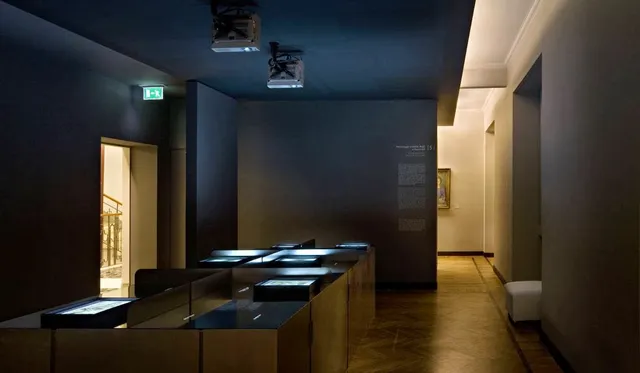
Museo Martinitt e Stelline
4.6
(61)
Click for details
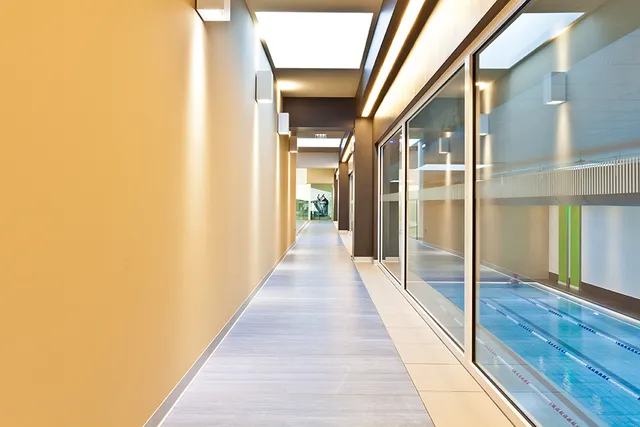
GetFIT - Via Vico
3.9
(279)
Click for details

SAG'80 Milano | Italian Furniture & Interior Design
4.1
(41)
Click for details