Fontana dell'Acqua Paola things to do, attractions, restaurants, events info and trip planning
Basic Info
Fontana dell'Acqua Paola
Via Garibaldi, 00153 Roma RM, Italy
4.7(4.8K)
Open until 12:00 AM


tickets
Save
spot
spot
Ratings & Description
Info
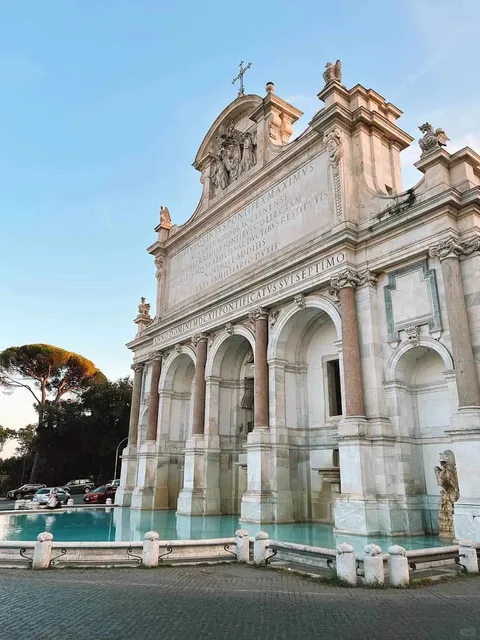
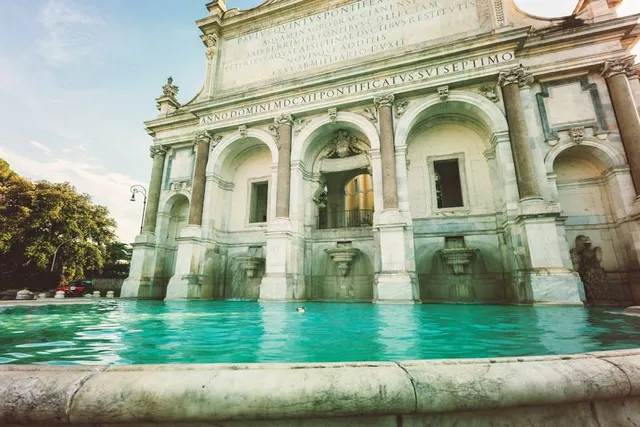
The Fontana dell'Acqua Paola also known as Il Fontanone or Mostra dell'Acqua Paola is a monumental fountain located on the Janiculum Hill, near the church of San Pietro in Montorio, in Rome, Italy. It was built in 1612 to mark the end of the Acqua Paola aqueduct, restored by Pope Paul V, and took its name from him.
Cultural
Outdoor
Pet friendly
attractions: Janiculum Hill, Mausoleo Ossario Garibaldino, Botanical Garden of Rome, Basilica of Santa Maria in Trastevere, Tempietto del Bramante, Museo della Repubblica Romana e della Memoria Garibaldina, Museo di Roma in Trastevere, Giuseppe Garibaldi Monument, Parco del Gianicolo, Sfiato Rifugio Antiaereo, restaurants: Tonnarello | Paglia, Ombre Rosse, Tonnarello Scala, Antica Pesa, Antico Arco, Terrazza Parrasio, Bar Gianicolo, Otello, La Canonica, Tonnarello PoP, local businesses: Church of San Pietro in Montorio, Giostra del Gianicolo "Bimbo Time", Parque do Gianicolo, Intrastevere, Piazza Gianicolo, Gelateria Regusto, Il Cinema in Piazza, Flake's Design & Arredo TRASTEVERE, Ottica Roma, Dust of Time
 Learn more insights from Wanderboat AI.
Phone
+39 06 0608
Website
sovraintendenzaroma.it
Open hoursSee all hours
SatOpen 24 hoursOpen
Plan your stay

Pet-friendly Hotels in Rome
Find a cozy hotel nearby and make it a full experience.

Affordable Hotels in Rome
Find a cozy hotel nearby and make it a full experience.

The Coolest Hotels You Haven't Heard Of (Yet)
Find a cozy hotel nearby and make it a full experience.

Trending Stays Worth the Hype in Rome
Find a cozy hotel nearby and make it a full experience.
Reviews
Live events
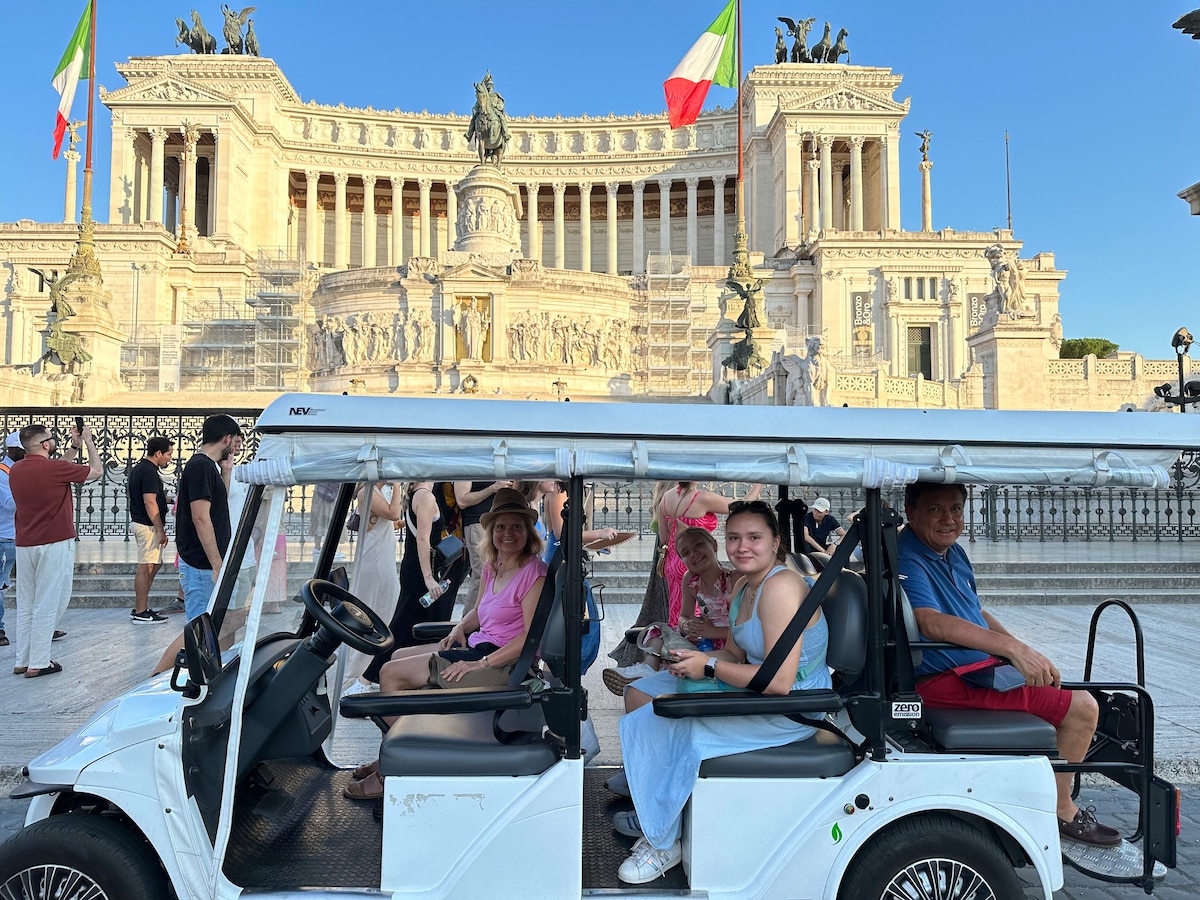
Discover Rome Highlights by Golf Cart
Sun, Feb 22 • 1:00 PM
00184, Rome, Lazio, Italy
View details

Festa di Capodanno Cinese a Roma - Anno del Cavallo 2026
Sat, Feb 21 • 9:00 AM
Piazza Vittorio Emanuele II 00185 Roma
View details

Indian Film Festival - Bajirao Mastani
Fri, Feb 27 • 6:30 PM
43 Piazza della Repubblica #45 00184 Roma
View details
Nearby attractions of Fontana dell'Acqua Paola
Janiculum Hill
Mausoleo Ossario Garibaldino
Botanical Garden of Rome
Basilica of Santa Maria in Trastevere
Tempietto del Bramante
Museo della Repubblica Romana e della Memoria Garibaldina
Museo di Roma in Trastevere
Giuseppe Garibaldi Monument
Parco del Gianicolo
Sfiato Rifugio Antiaereo
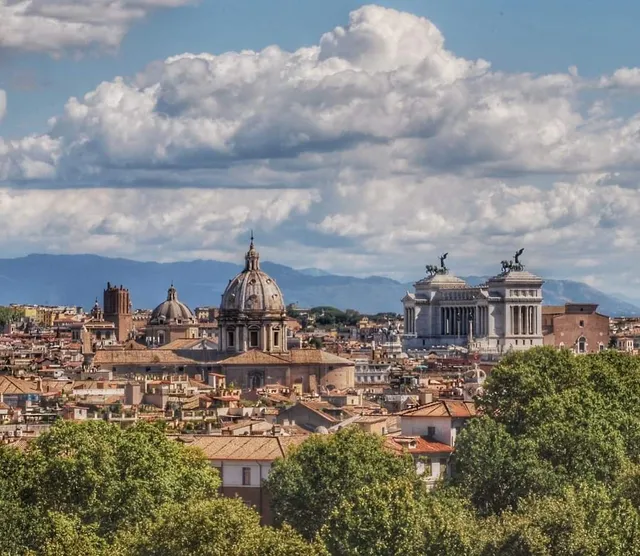
Janiculum Hill
4.7
(9.5K)
Open until 12:00 AM
Click for details
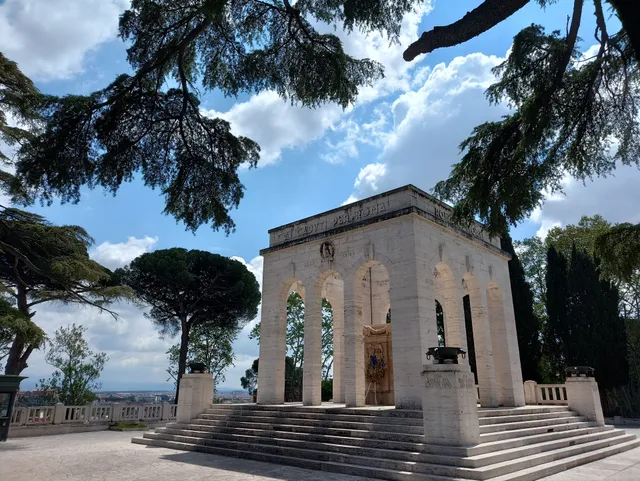
Mausoleo Ossario Garibaldino
4.5
(132)
Open until 4:30 PM
Click for details
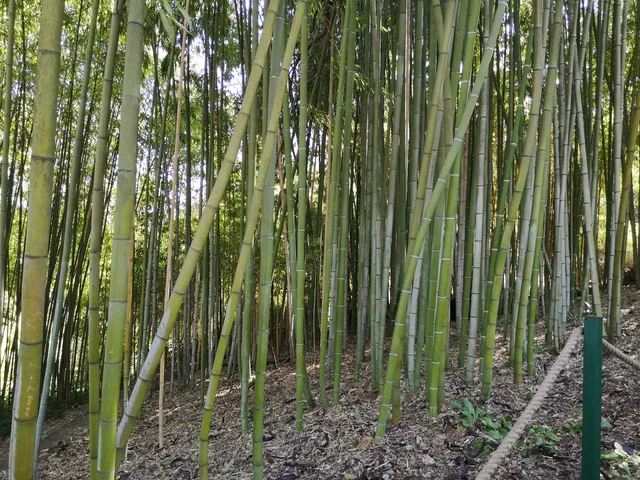
Botanical Garden of Rome
4.4
(4.6K)
Open until 5:30 PM
Click for details
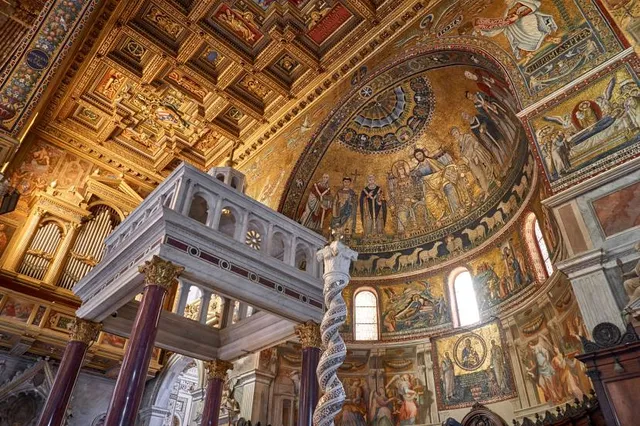
Basilica of Santa Maria in Trastevere
4.7
(8.7K)
Open until 8:00 PM
Click for details
Nearby restaurants of Fontana dell'Acqua Paola
Tonnarello | Paglia
Ombre Rosse
Tonnarello Scala
Antica Pesa
Antico Arco
Terrazza Parrasio
Bar Gianicolo
Otello
La Canonica
Tonnarello PoP
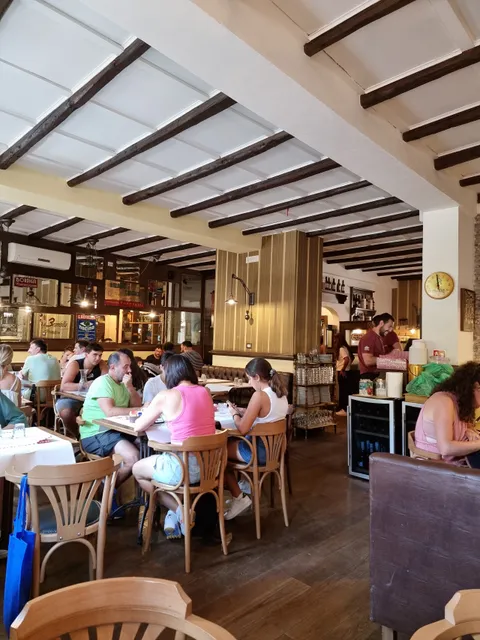
Tonnarello | Paglia
4.7
(32K)
Open until 11:00 PM
Click for details
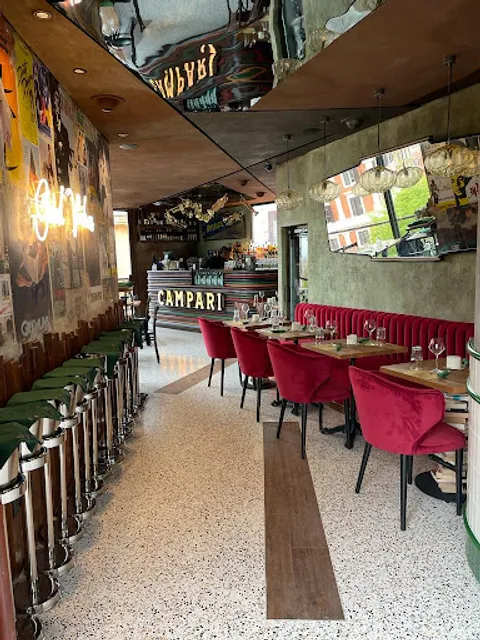
Ombre Rosse
4.5
(1.9K)
Closed
Click for details
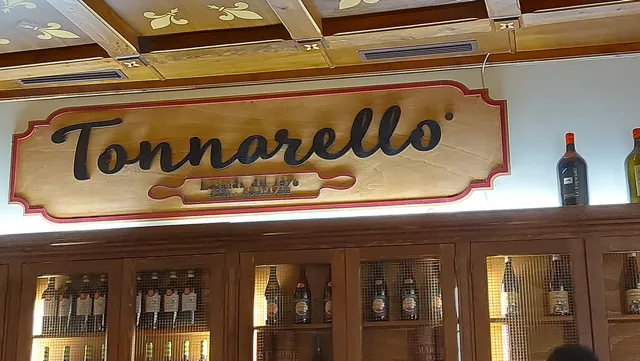
Tonnarello Scala
4.8
(7.1K)
Open until 11:00 PM
Click for details
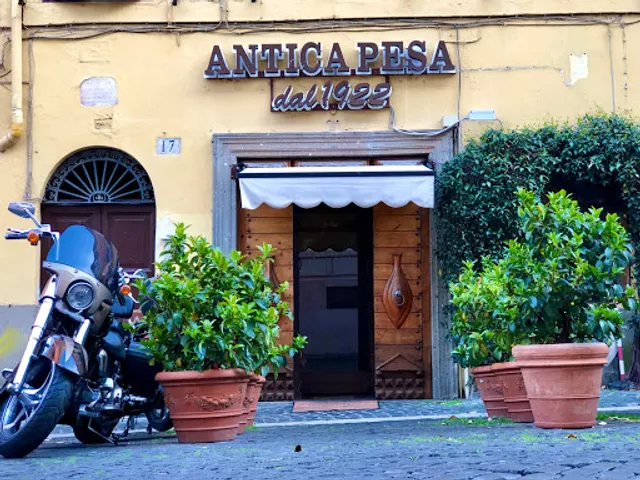
Antica Pesa
4.3
(728)
$$$
Closed
Click for details
Nearby local services of Fontana dell'Acqua Paola
Church of San Pietro in Montorio
Giostra del Gianicolo "Bimbo Time"
Parque do Gianicolo
Intrastevere
Piazza Gianicolo
Gelateria Regusto
Il Cinema in Piazza
Flake's Design & Arredo TRASTEVERE
Ottica Roma
Dust of Time
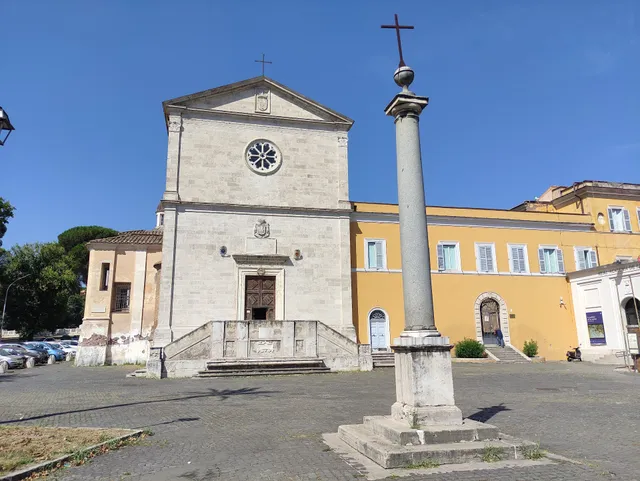
Church of San Pietro in Montorio
4.7
(1.0K)
Click for details
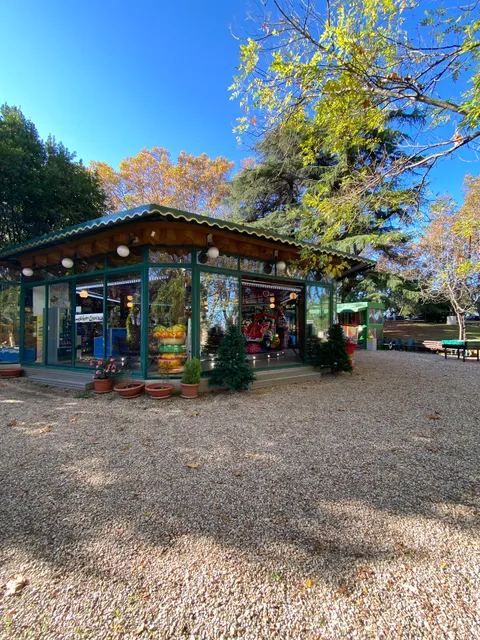
Giostra del Gianicolo "Bimbo Time"
4.3
(59)
Click for details
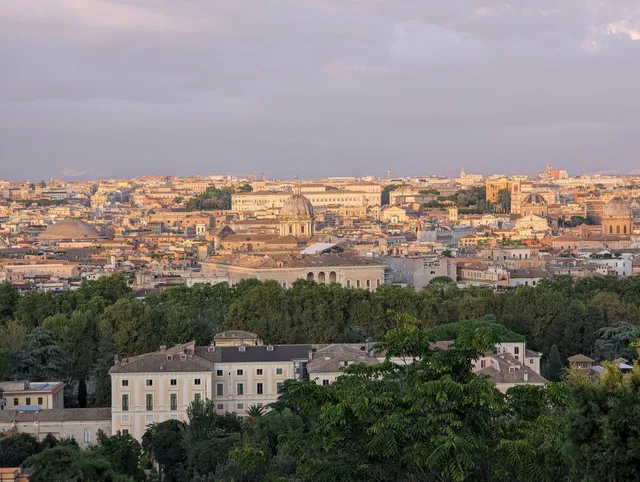
Parque do Gianicolo
4.6
(463)
Click for details
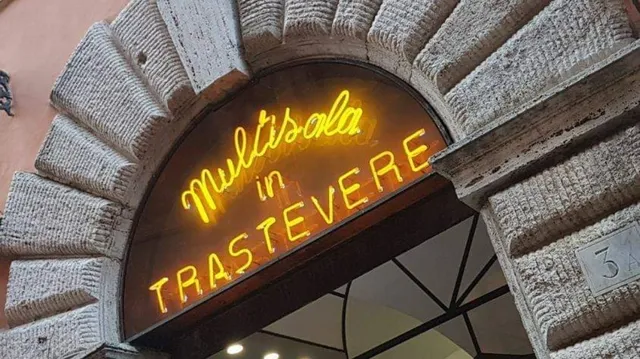
Intrastevere
4.3
(478)
Click for details


The hit list

Plan your trip with Wanderboat
Welcome to Wanderboat AI, your AI search for local Eats and Fun, designed to help you explore your city and the world with ease.
Powered by Wanderboat AI trip planner.