HTML SitemapExplore
Find Things to DoFind The Best Restaurants

Four Fountains — Attraction in Rome

Name
Four Fountains
Description
Nearby attractions
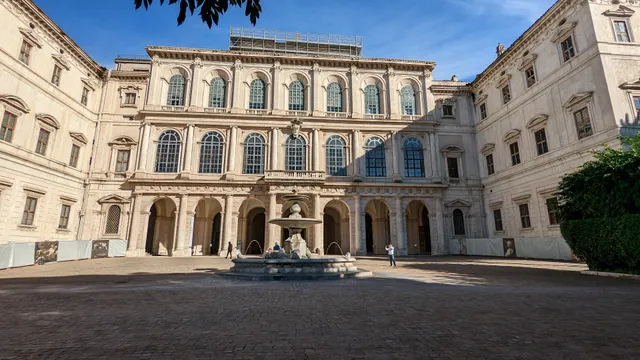
National Gallery of Ancient Art in Barberini Palace
Via delle Quattro Fontane, 13, 00184 Roma RM, Italy
Piazza Barberini
P.za Barberini, 23, 00187 Roma RM, Italy
Fontana del Tritone
P.za Barberini, 00187 Roma RM, Italy
Palazzo delle Esposizioni
Via Nazionale, 194, 00184 Roma RM, Italy
Church of St Andrew on the Quirinal
Via del Quirinale, 30, 00187 Roma RM, Italy
Palazzo Barberini
Via delle Quattro Fontane, 13, 00186 Roma RM, Italy
Trevi Fountain
Piazza di Trevi, 00187 Roma RM, Italy
St. Paul's Within the Walls
Via Nazionale, 16a, 00184 Roma RM, Italy
Museo e Cripta dei Cappuccini
Via Vittorio Veneto, 27, 00187 Roma RM, Italy
Teatro Sistina
Via Sistina, 129, 00187 Roma RM, Italy
Nearby restaurants
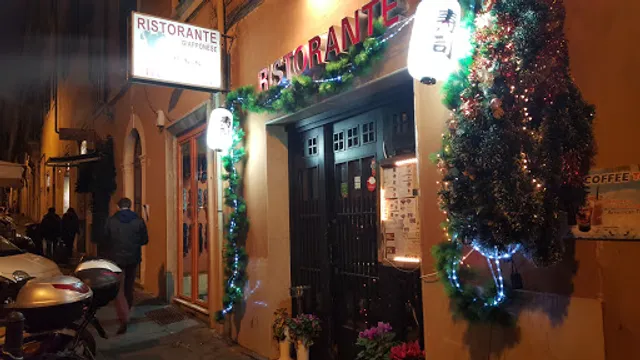
Roppongi
Via delle Quattro Fontane, 27, 00184 Roma RM, Italy
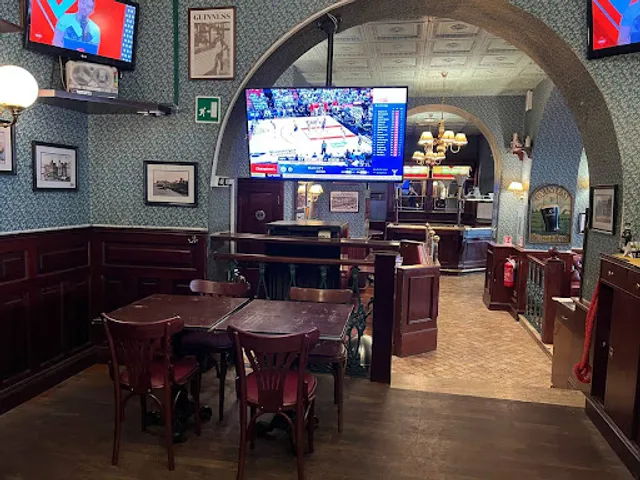
The Flann O'Brien
Via Nazionale, 17, 00184 Roma RM, Italy
Doveralù Roma
Via Nazionale, 215, 00184 Roma RM, Italy
Hostaria Romana
Via del Boccaccio, 1, 00187 Roma RM, Italy
Rosemary terra e sapori
Via Modena, 15, 00184 Roma RM, Italy
PINSALLEGRA
Via Napoli, 50, 00184 Roma RM, Italy
Ristorante Mazzè
Via Rasella, 34, 00187 Roma RM, Italy
L'antica Fraschetta
Via Venezia, 17/19, 00184 Roma RM, Italy
La Pesceria Barberini
Via di S. Nicola da Tolentino, 23, 00187 Roma RM, Italy
Ambrosia Rooftop Restaurant & Bar
Via Nazionale, 22/Int.B, 00184 Roma RM, Italy
Nearby hotels
Luxury Rooms H 2000 Roma
Via delle Quattro Fontane, 16, 00184 Roma RM, Italy
Hotel Barberini
Via Rasella, 3, 00187 Roma RM, Italy
Terrace Marco Antonio Luxury Suite Rome
Via delle Quattro Fontane, 15, 00184 Roma RM, Italy
Al Manthia Hotel
Via dei Giardini, 35B, 00184 Roma RM, Italy
Escape Luxury Suite
Via delle Quattro Fontane, 15, 00184 Roma RM, Italy
V-Accommodation IV Fontane
Via delle Quattro Fontane, 15, 00184 Roma RM, Italy
JO&JOE Roma
Via delle Quattro Fontane, 113, 00184 Roma RM, Italy
EXE International Palace
Via Nazionale, 46, 00184 Roma RM, Italy
Residenza B
Via Venti Settembre, 4, 00184 Roma RM, Italy
Sina Bernini Bristol
P.za Barberini, 23, 00187 Roma RM, Italy
Related posts
Keywords
Four Fountains tourism.Four Fountains hotels.Four Fountains bed and breakfast. flights to Four Fountains.Four Fountains attractions.Four Fountains restaurants.Four Fountains travel.Four Fountains travel guide.Four Fountains travel blog.Four Fountains pictures.Four Fountains photos.Four Fountains travel tips.Four Fountains maps.Four Fountains things to do.
Four Fountains things to do, attractions, restaurants, events info and trip planning
Four Fountains
ItalyLazioRomeFour Fountains

Basic Info

Four Fountains

Via delle Quattro Fontane, 00187 Roma RM, Italy
4.5(659)
Open 24 hours
Save
spot

Ratings & Description

Info

Cultural
Scenic
Family friendly
Accessibility
attractions: National Gallery of Ancient Art in Barberini Palace, Piazza Barberini, Fontana del Tritone, Palazzo delle Esposizioni, Church of St Andrew on the Quirinal, Palazzo Barberini, Trevi Fountain, St. Paul's Within the Walls, Museo e Cripta dei Cappuccini, Teatro Sistina, restaurants: Roppongi, The Flann O'Brien, Doveralù Roma, Hostaria Romana, Rosemary terra e sapori, PINSALLEGRA, Ristorante Mazzè, L'antica Fraschetta, La Pesceria Barberini, Ambrosia Rooftop Restaurant & Bar
logoLearn more insights from Wanderboat AI.
Phone
+39 06 0608
Website
turismoroma.it

Plan your stay

hotel
Pet-friendly Hotels in Rome
Find a cozy hotel nearby and make it a full experience.

hotel
Affordable Hotels in Rome
Find a cozy hotel nearby and make it a full experience.

hotel
The Coolest Hotels You Haven't Heard Of (Yet)
Find a cozy hotel nearby and make it a full experience.

hotel
Trending Stays Worth the Hype in Rome
Find a cozy hotel nearby and make it a full experience.

Reviews

Nearby attractions of Four Fountains

National Gallery of Ancient Art in Barberini Palace

Piazza Barberini

Fontana del Tritone

Palazzo delle Esposizioni

Church of St Andrew on the Quirinal

Palazzo Barberini

Trevi Fountain

St. Paul's Within the Walls

Museo e Cripta dei Cappuccini

Teatro Sistina

National Gallery of Ancient Art in Barberini Palace

National Gallery of Ancient Art in Barberini Palace

4.6

(3.6K)

Closed
Click for details
Piazza Barberini

Piazza Barberini

4.5

(10.6K)

Open 24 hours
Click for details
Fontana del Tritone

Fontana del Tritone

4.6

(2.4K)

Open 24 hours
Click for details
Palazzo delle Esposizioni

Palazzo delle Esposizioni

4.5

(3.2K)

Open until 10:00 PM
Click for details

Things to do nearby

Pasta-making class, wine tasting and dinner
Sat, Dec 27 • 2:30 PM
00044, Frascati, Lazio, Italy
View details
Colosseum of Wonders -Arena Floor Access
Tue, Dec 30 • 10:30 AM
00184, Rome, Lazio, Italy
View details
Pasta and Pizza cooking class with wine and more
Sat, Dec 27 • 5:45 PM
00142, Rome, Lazio, Italy
View details

Nearby restaurants of Four Fountains

Roppongi

The Flann O'Brien

Doveralù Roma

Hostaria Romana

Rosemary terra e sapori

PINSALLEGRA

Ristorante Mazzè

L'antica Fraschetta

La Pesceria Barberini

Ambrosia Rooftop Restaurant & Bar

Roppongi

Roppongi

4.2

(675)

Click for details
The Flann O'Brien

The Flann O'Brien

4.3

(2.3K)

Click for details
Doveralù Roma

Doveralù Roma

4.2

(1.1K)

$

Click for details
Hostaria Romana

Hostaria Romana

4.5

(1.9K)

Click for details
Get the Appoverlay
Get the AppOne tap to find yournext favorite spots!

The hit list

restaurant
Best 10 Restaurants to Visit in Rome
February 12 · 5 min read
attraction
Best 10 Attractions to Visit in Rome
February 12 · 5 min read
Rome

Plan your trip with Wanderboat

Welcome to Wanderboat AI, your AI search for local Eats and Fun, designed to help you explore your city and the world with ease.

Powered by Wanderboat AI trip planner.
Wanderboat LogoWanderboat

Your everyday Al companion for getaway ideas

CompanyAbout Us
InformationAI Trip PlannerSitemap
SocialXInstagramTiktokLinkedin
LegalTerms of ServicePrivacy Policy

Get the app

© 2025 Wanderboat. All rights reserved.

Reviews of Four Fountains

4.5
(659)
avatar
5.0
1y

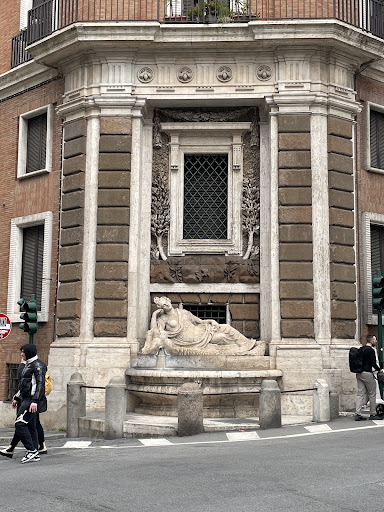
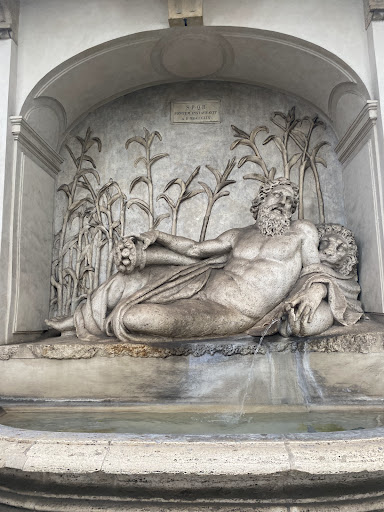
The Quattro Fontane (Four Fountains) are located at the intersection of Via delle Quattro Fontane and Via del Quirinale in Rome. Each fountain represents an allegorical figure, symbolizing rivers, nature, or divine elements. They are key examples of the late Renaissance and early Baroque styles, completed between 1588 and 1593 under the direction of Domenico Fontana, with contributions from various artists. River Aniene (Female Figure): This fountain features a reclining female figure symbolizing the River Aniene, a tributary of the Tiber that was critical for Rome’s water supply. She is draped in flowing garments and rests against a structure from which water flows into the basin below. The sculpture is attributed to Pietro Paolo Olivieri and exudes a serene and symbolic elegance. River Tiber (Male Figure): This fountain depicts a reclining male figure representing the River Tiber, the lifeblood of Rome. The figure is muscular and powerful, holding a cornucopia to symbolize abundance, with water flowing beneath him. The background features a tree and other naturalistic elements, enhancing the allegorical theme of vitality and sustenance. Juno (or Diana, Goddess of the Hunt): Another fountain portrays a reclining female figure, possibly Juno or Diana, associated with nature and rivers. She is accompanied by a swan, a symbol of grace and divine presence, set against a grotto-like background. The setting evokes the themes of mythological beauty and harmony with nature. Apennine Mountains (Nature Personification): This fountain features a male figure reclining beside flowing water, symbolizing the Apennine Mountains, which feed into the rivers of Italy. The figure is surrounded by reeds and other vegetation, representing the rugged, fertile landscape that supports life and agriculture.

These fountains were part of Pope Sixtus V’s urban renewal project, and their designs reflect Rome’s reliance on water and the integration of mythological, natural, and allegorical themes into public art. Together, they form a harmonious blend of sculpture, architecture, and the flowing motion of water, symbolizing the interconnectedness of nature and human...

   Read more
avatar
4.0
1y

This is a very interesting series of four public fountains placed at the four street corners of the Via Quattro Fontana and Via del Quirinale intersection. The fountains were built between 1588-93 to provide clean drinking water to the neighbourhood.

What you will find are four uniquely different scenes with statues posing atop semicircular basins. The fountains represent the goddesses Diana and Juno along with the Rivers Aniene and Tiber.

Be patient and mindful while photo taking, lots of pedestrian and cars passing through this small intersection.

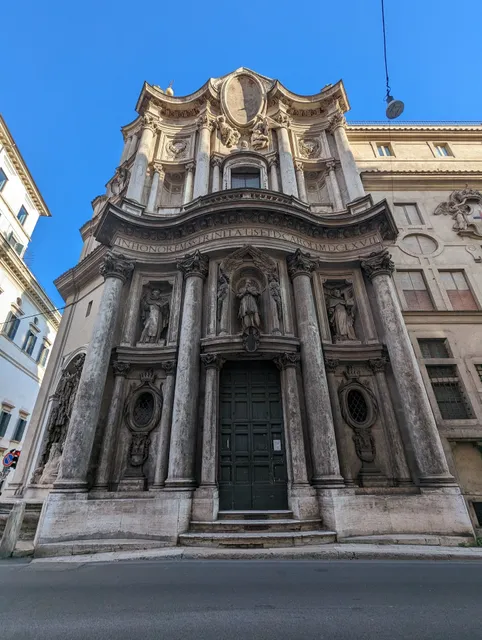
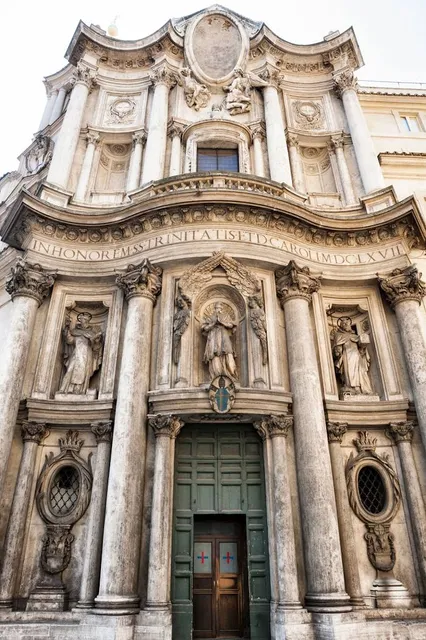
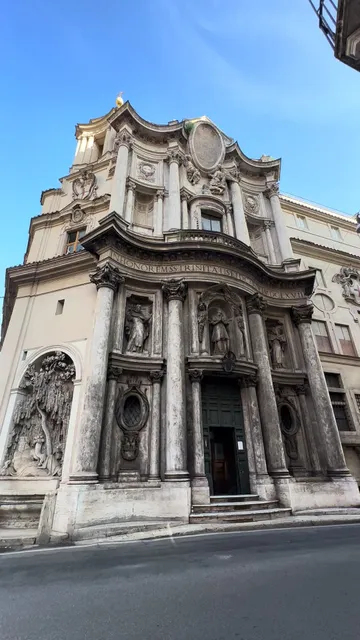
Note: It is also worth popping into the church located at this intersection. San Carlo is a nice Baroque church designed by Borromini, a contemporary and...

   Read more
avatar
5.0
1y

While exploring Rome, I stumbled upon the Four Fountains completely by chance, and it was one of those magical moments that takes your breath away. Suddenly, there they were—so striking and timeless. The level of detail in each sculpture is extraordinary; you can feel the artistry and dedication in every curve and expression. It's truly remarkable how these masterpieces have endured the test of time, preserving their beauty and grandeur. The entire street is steeped in history, and walking through it feels like stepping back in time. The Four Fountains are a hidden gem that deserves to be admired slowly, taking in every intricate detail. An unforgettable...

   Read more
Page 1 of 7
Previous
Next

Posts

Camilo A. PosadaCamilo A. Posada
The Quattro Fontane (Four Fountains) are located at the intersection of Via delle Quattro Fontane and Via del Quirinale in Rome. Each fountain represents an allegorical figure, symbolizing rivers, nature, or divine elements. They are key examples of the late Renaissance and early Baroque styles, completed between 1588 and 1593 under the direction of Domenico Fontana, with contributions from various artists. 1. River Aniene (Female Figure): This fountain features a reclining female figure symbolizing the River Aniene, a tributary of the Tiber that was critical for Rome’s water supply. She is draped in flowing garments and rests against a structure from which water flows into the basin below. The sculpture is attributed to Pietro Paolo Olivieri and exudes a serene and symbolic elegance. 2. River Tiber (Male Figure): This fountain depicts a reclining male figure representing the River Tiber, the lifeblood of Rome. The figure is muscular and powerful, holding a cornucopia to symbolize abundance, with water flowing beneath him. The background features a tree and other naturalistic elements, enhancing the allegorical theme of vitality and sustenance. 3. Juno (or Diana, Goddess of the Hunt): Another fountain portrays a reclining female figure, possibly Juno or Diana, associated with nature and rivers. She is accompanied by a swan, a symbol of grace and divine presence, set against a grotto-like background. The setting evokes the themes of mythological beauty and harmony with nature. 4. Apennine Mountains (Nature Personification): This fountain features a male figure reclining beside flowing water, symbolizing the Apennine Mountains, which feed into the rivers of Italy. The figure is surrounded by reeds and other vegetation, representing the rugged, fertile landscape that supports life and agriculture. These fountains were part of Pope Sixtus V’s urban renewal project, and their designs reflect Rome’s reliance on water and the integration of mythological, natural, and allegorical themes into public art. Together, they form a harmonious blend of sculpture, architecture, and the flowing motion of water, symbolizing the interconnectedness of nature and human civilization.
BradBrad
This is a very interesting series of four public fountains placed at the four street corners of the Via Quattro Fontana and Via del Quirinale intersection. The fountains were built between 1588-93 to provide clean drinking water to the neighbourhood. What you will find are four uniquely different scenes with statues posing atop semicircular basins. The fountains represent the goddesses Diana and Juno along with the Rivers Aniene and Tiber. Be patient and mindful while photo taking, lots of pedestrian and cars passing through this small intersection. Note: It is also worth popping into the church located at this intersection. San Carlo is a nice Baroque church designed by Borromini, a contemporary and rival of Bernini.
Mariela BedoyaMariela Bedoya
While exploring Rome, I stumbled upon the Four Fountains completely by chance, and it was one of those magical moments that takes your breath away. Suddenly, there they were—so striking and timeless. The level of detail in each sculpture is extraordinary; you can feel the artistry and dedication in every curve and expression. It's truly remarkable how these masterpieces have endured the test of time, preserving their beauty and grandeur. The entire street is steeped in history, and walking through it feels like stepping back in time. The Four Fountains are a hidden gem that deserves to be admired slowly, taking in every intricate detail. An unforgettable experience!💕
See more posts
See more posts
hotel
Find your stay

Pet-friendly Hotels in Rome

Find a cozy hotel nearby and make it a full experience.

The Quattro Fontane (Four Fountains) are located at the intersection of Via delle Quattro Fontane and Via del Quirinale in Rome. Each fountain represents an allegorical figure, symbolizing rivers, nature, or divine elements. They are key examples of the late Renaissance and early Baroque styles, completed between 1588 and 1593 under the direction of Domenico Fontana, with contributions from various artists. 1. River Aniene (Female Figure): This fountain features a reclining female figure symbolizing the River Aniene, a tributary of the Tiber that was critical for Rome’s water supply. She is draped in flowing garments and rests against a structure from which water flows into the basin below. The sculpture is attributed to Pietro Paolo Olivieri and exudes a serene and symbolic elegance. 2. River Tiber (Male Figure): This fountain depicts a reclining male figure representing the River Tiber, the lifeblood of Rome. The figure is muscular and powerful, holding a cornucopia to symbolize abundance, with water flowing beneath him. The background features a tree and other naturalistic elements, enhancing the allegorical theme of vitality and sustenance. 3. Juno (or Diana, Goddess of the Hunt): Another fountain portrays a reclining female figure, possibly Juno or Diana, associated with nature and rivers. She is accompanied by a swan, a symbol of grace and divine presence, set against a grotto-like background. The setting evokes the themes of mythological beauty and harmony with nature. 4. Apennine Mountains (Nature Personification): This fountain features a male figure reclining beside flowing water, symbolizing the Apennine Mountains, which feed into the rivers of Italy. The figure is surrounded by reeds and other vegetation, representing the rugged, fertile landscape that supports life and agriculture. These fountains were part of Pope Sixtus V’s urban renewal project, and their designs reflect Rome’s reliance on water and the integration of mythological, natural, and allegorical themes into public art. Together, they form a harmonious blend of sculpture, architecture, and the flowing motion of water, symbolizing the interconnectedness of nature and human civilization.
Camilo A. Posada

Camilo A. Posada

hotel
Find your stay

Affordable Hotels in Rome

Find a cozy hotel nearby and make it a full experience.

Get the Appoverlay
Get the AppOne tap to find yournext favorite spots!
This is a very interesting series of four public fountains placed at the four street corners of the Via Quattro Fontana and Via del Quirinale intersection. The fountains were built between 1588-93 to provide clean drinking water to the neighbourhood. What you will find are four uniquely different scenes with statues posing atop semicircular basins. The fountains represent the goddesses Diana and Juno along with the Rivers Aniene and Tiber. Be patient and mindful while photo taking, lots of pedestrian and cars passing through this small intersection. Note: It is also worth popping into the church located at this intersection. San Carlo is a nice Baroque church designed by Borromini, a contemporary and rival of Bernini.
Brad

Brad

hotel
Find your stay

The Coolest Hotels You Haven't Heard Of (Yet)

Find a cozy hotel nearby and make it a full experience.

hotel
Find your stay

Trending Stays Worth the Hype in Rome

Find a cozy hotel nearby and make it a full experience.

While exploring Rome, I stumbled upon the Four Fountains completely by chance, and it was one of those magical moments that takes your breath away. Suddenly, there they were—so striking and timeless. The level of detail in each sculpture is extraordinary; you can feel the artistry and dedication in every curve and expression. It's truly remarkable how these masterpieces have endured the test of time, preserving their beauty and grandeur. The entire street is steeped in history, and walking through it feels like stepping back in time. The Four Fountains are a hidden gem that deserves to be admired slowly, taking in every intricate detail. An unforgettable experience!💕
Mariela Bedoya

Mariela Bedoya

See more posts
See more posts