Galleria Sciarra things to do, attractions, restaurants, events info and trip planning
Basic Info
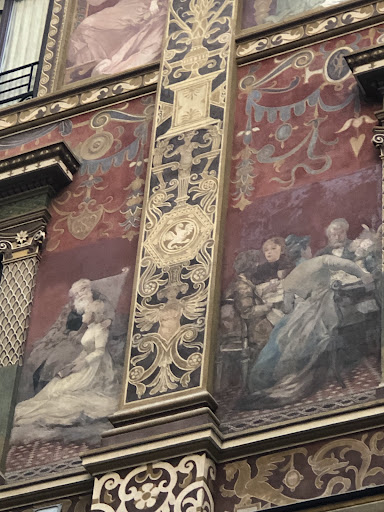
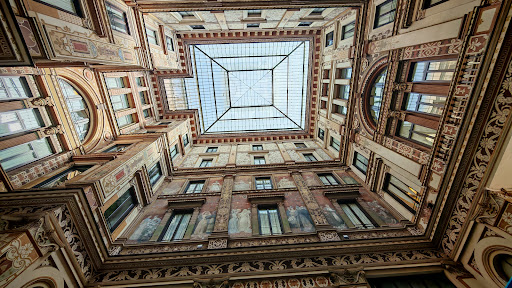
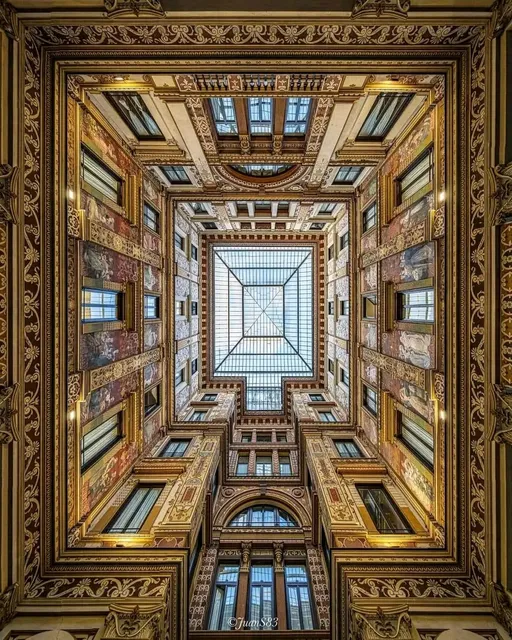
Galleria Sciarra
Via Marco Minghetti, 10, 00187 Roma RM, Italy
4.6(453)
Open until 12:00 AM
Save
spot
spot
Ratings & Description
Info
attractions: Chiesa di Sant'Ignazio di Loyola, Palazzo Cipolla - Museo del Corso, Chiesa di San Marcello al Corso, Quirinetta, Trevi Fountain, Il Tempio di Adriano, Pantheon, Marcus Aurelius Column, Vicus Caprarius - The Water City, Piazza Venezia, restaurants: Venchi Cioccolato e Gelato Via del Corso, Pane e Salame, Baccano, L'Antica Birreria Peroni, Il Vicolo Nel Corso, Lucciano's Roma, La locanda del tempio, Pizza in Trevi - Fontana di Trevi, L'Archetto, Ristorante Agrodolce Roma, local businesses: Galleria Alberto Sordi, Palais Cipolla, Doria Pamphili Gallery, Captain Candy, RINASCENTE Rome Via del Tritone, Hamleys Roma, Galleria Iginio Massari, Palazzo Poli, Apple Via del Corso, ODStore
 Learn more insights from Wanderboat AI.
Phone
+39 06 0608
Open hoursSee all hours
SatClosedOpen
Plan your stay

Pet-friendly Hotels in Rome
Find a cozy hotel nearby and make it a full experience.

Affordable Hotels in Rome
Find a cozy hotel nearby and make it a full experience.

The Coolest Hotels You Haven't Heard Of (Yet)
Find a cozy hotel nearby and make it a full experience.

Trending Stays Worth the Hype in Rome
Find a cozy hotel nearby and make it a full experience.
Reviews
Live events

Sabato 21 Febbraio allenati con noi a Villa Borghese!
Sat, Feb 21 • 10:00 AM
Largo Marcello Mastroianni 00197 Roma
View details

Open Day - In Presenza - Lauree Triennali e Magistrali a ciclo unico
Sat, Feb 21 • 9:30 AM
Via Pompeo Magno 28 00192 Roma
View details
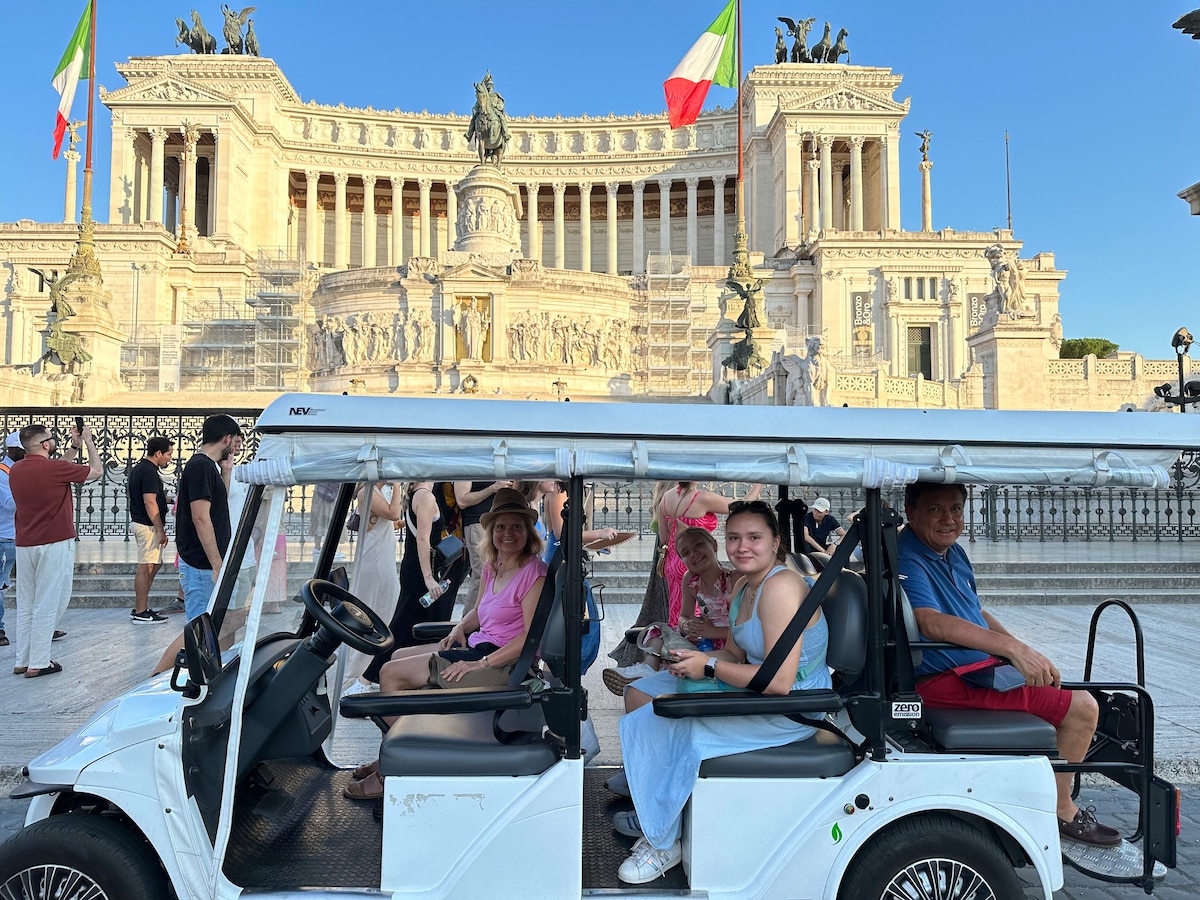
Discover Rome Highlights by Golf Cart
Sun, Feb 22 • 1:00 PM
00184, Rome, Lazio, Italy
View details
Nearby attractions of Galleria Sciarra
Chiesa di Sant'Ignazio di Loyola
Palazzo Cipolla - Museo del Corso
Chiesa di San Marcello al Corso
Quirinetta
Trevi Fountain
Il Tempio di Adriano
Pantheon
Marcus Aurelius Column
Vicus Caprarius - The Water City
Piazza Venezia
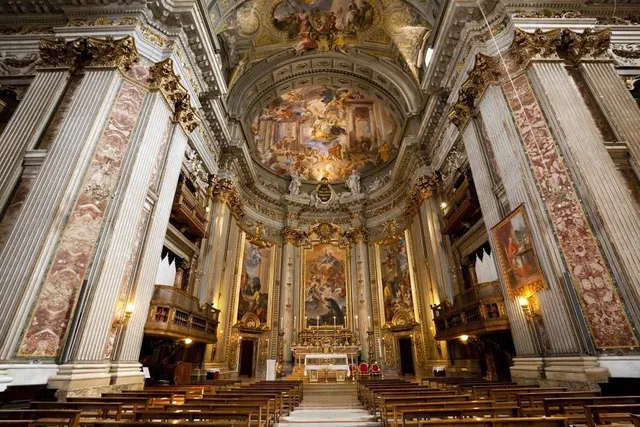
Chiesa di Sant'Ignazio di Loyola
4.8
(6.9K)
Open until 11:30 PM
Click for details
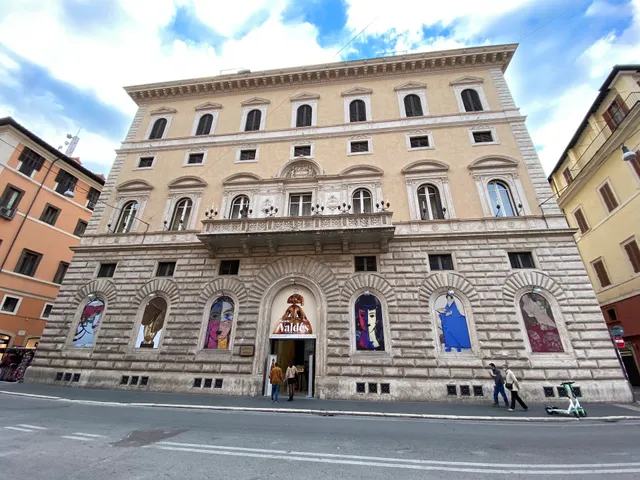
Palazzo Cipolla - Museo del Corso
4.4
(692)
Open until 9:00 PM
Click for details
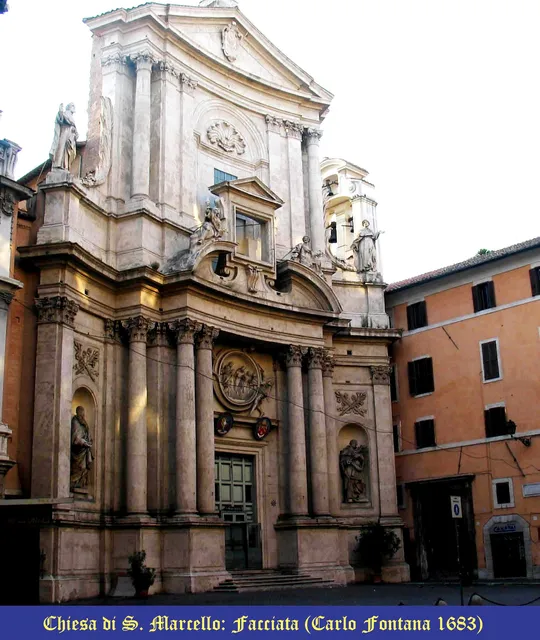
Chiesa di San Marcello al Corso
4.7
(1.1K)
Closed
Click for details
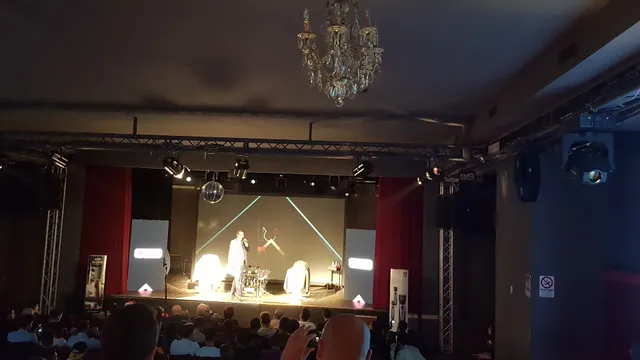
Quirinetta
4.2
(173)
Open 24 hours
Click for details
Nearby restaurants of Galleria Sciarra
Venchi Cioccolato e Gelato Via del Corso
Pane e Salame
Baccano
L'Antica Birreria Peroni
Il Vicolo Nel Corso
Lucciano's Roma
La locanda del tempio
Pizza in Trevi - Fontana di Trevi
L'Archetto
Ristorante Agrodolce Roma
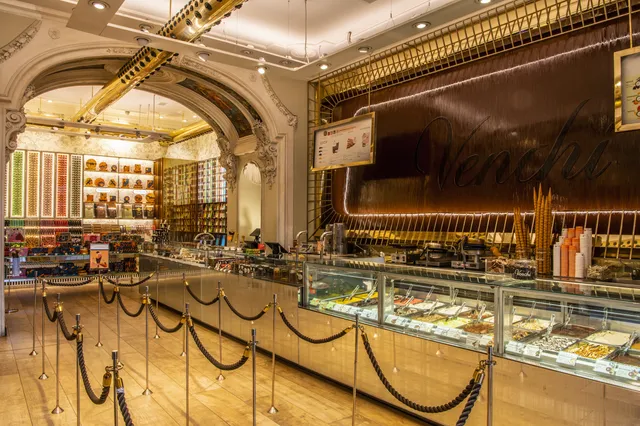
Venchi Cioccolato e Gelato Via del Corso
4.7
(7.1K)
$$
Open until 1:30 AM
Click for details
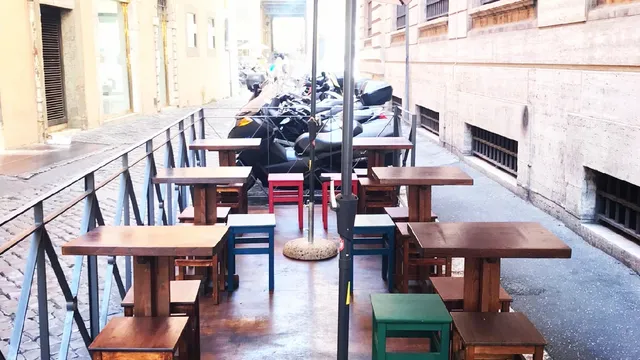
Pane e Salame
4.8
(3.3K)
Closed
Click for details
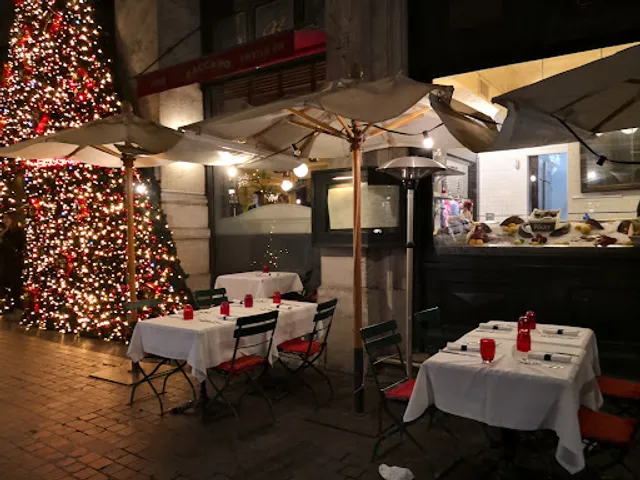
Baccano
4.1
(1.7K)
$$$
Closed
Click for details
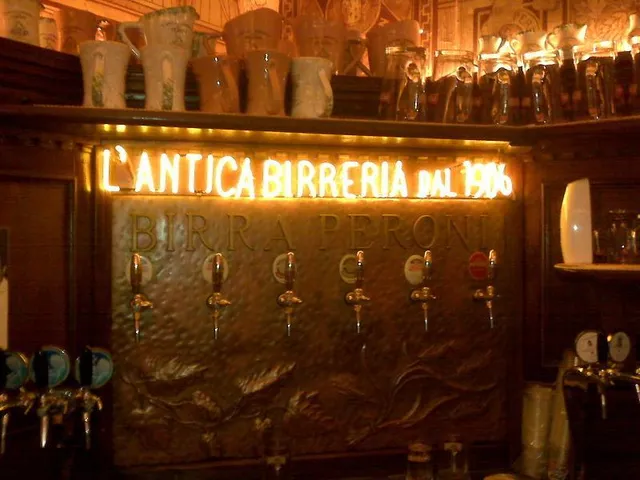
L'Antica Birreria Peroni
4.4
(3.8K)
Closed
Click for details
Nearby local services of Galleria Sciarra
Galleria Alberto Sordi
Palais Cipolla
Doria Pamphili Gallery
Captain Candy
RINASCENTE Rome Via del Tritone
Hamleys Roma
Galleria Iginio Massari
Palazzo Poli
Apple Via del Corso
ODStore
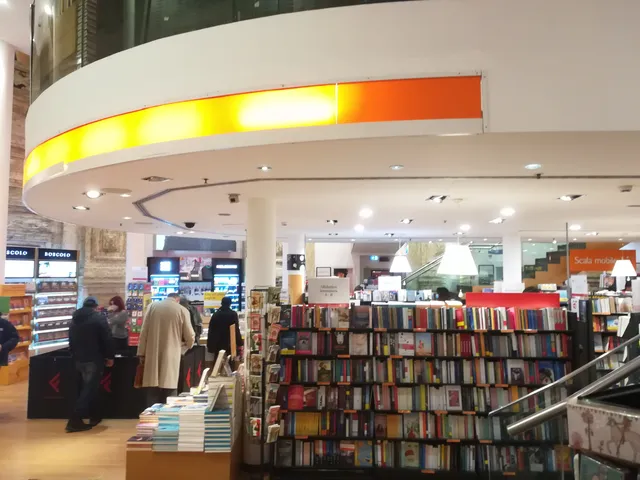
Galleria Alberto Sordi
4.3
(6.3K)
Click for details
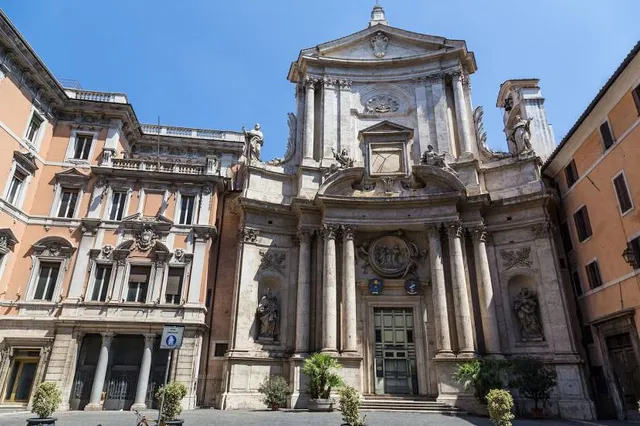
Palais Cipolla
4.4
(571)
Click for details
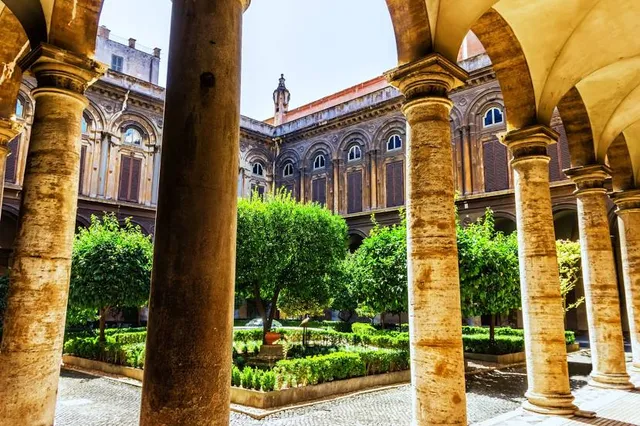
Doria Pamphili Gallery
4.6
(2.3K)
Click for details
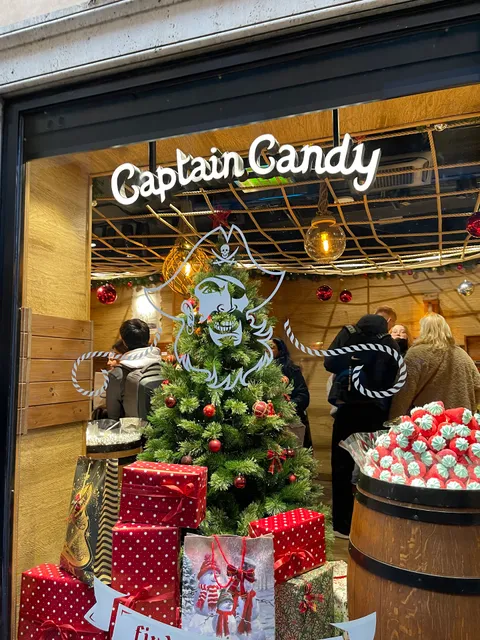
Captain Candy
4.0
(239)
Click for details


The hit list

Plan your trip with Wanderboat
Welcome to Wanderboat AI, your AI search for local Eats and Fun, designed to help you explore your city and the world with ease.
Powered by Wanderboat AI trip planner.