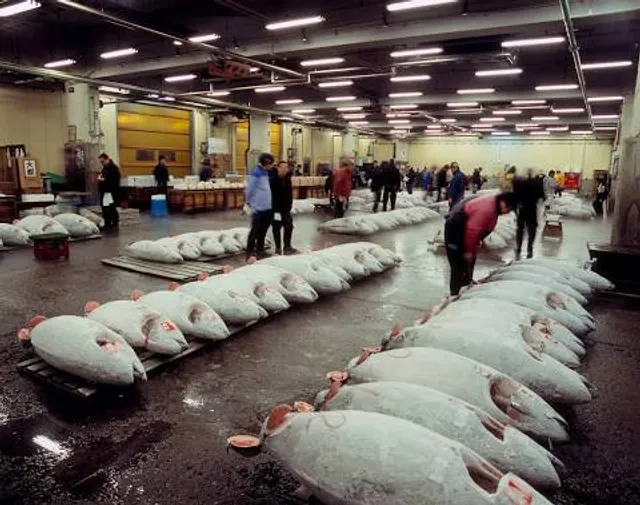
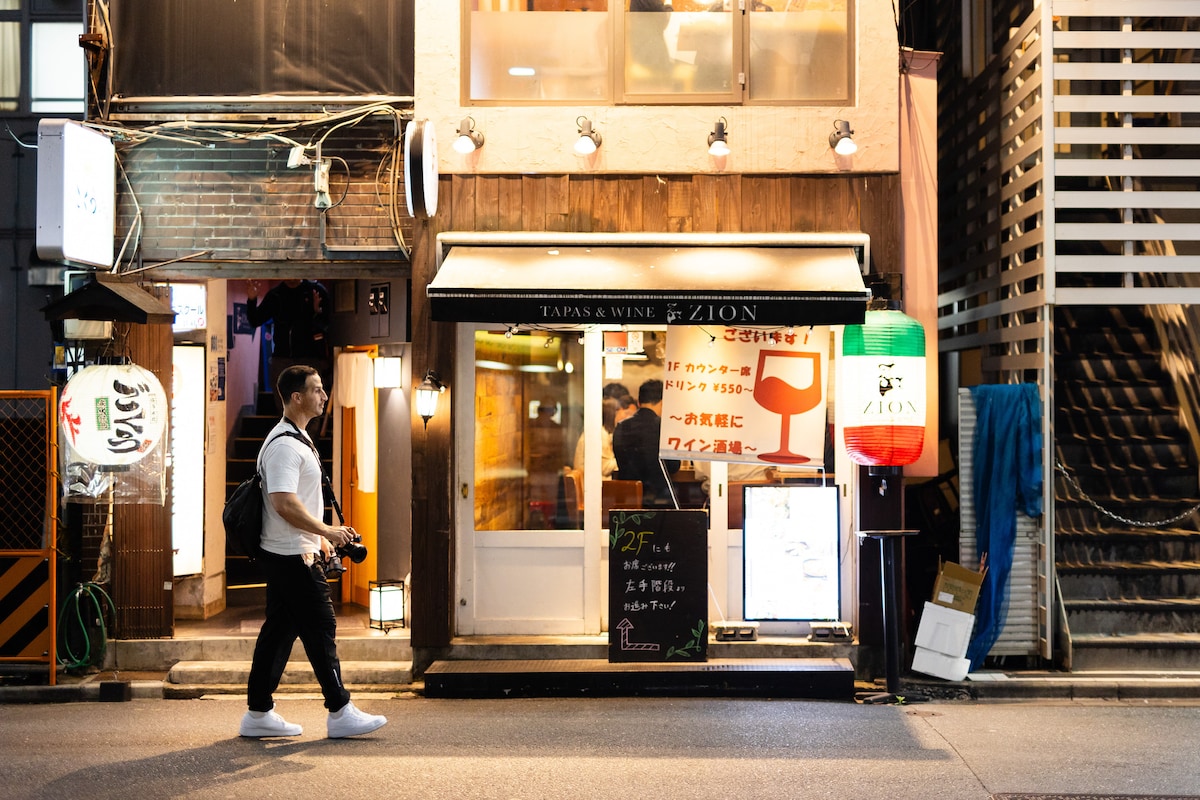
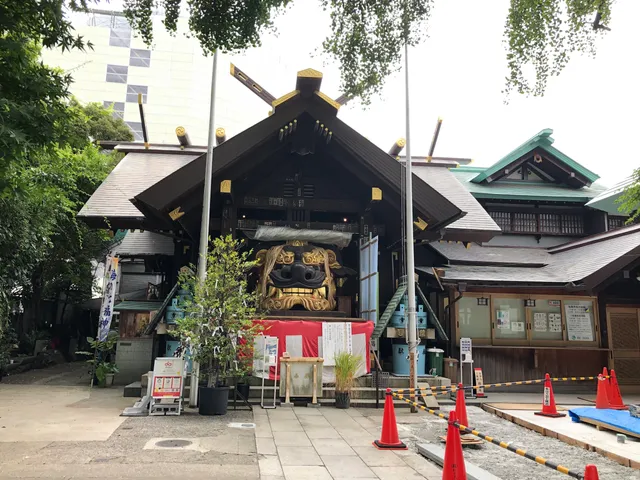
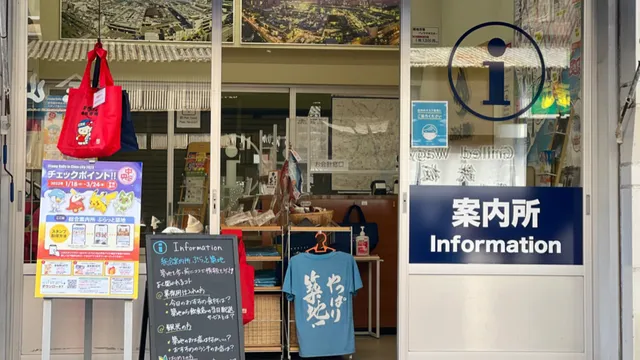
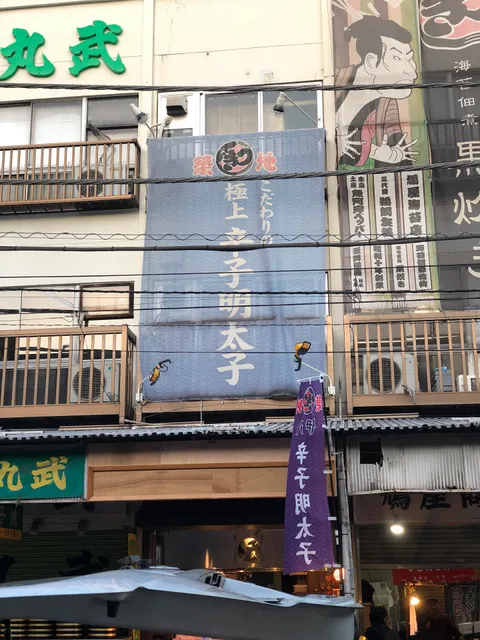
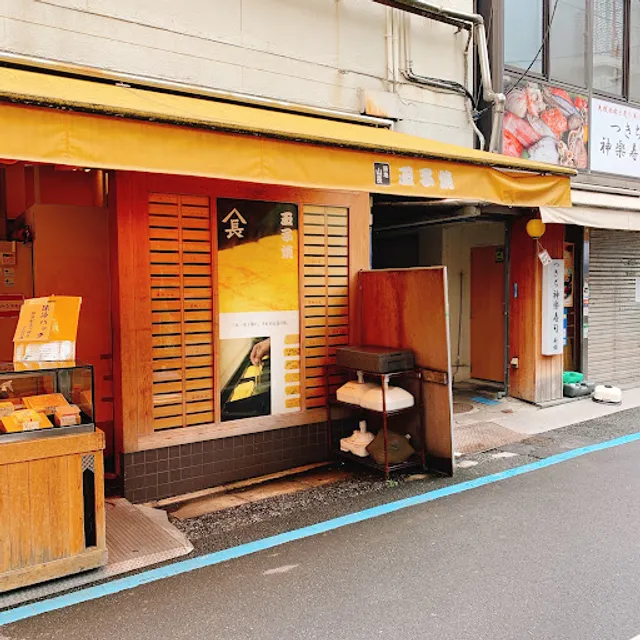
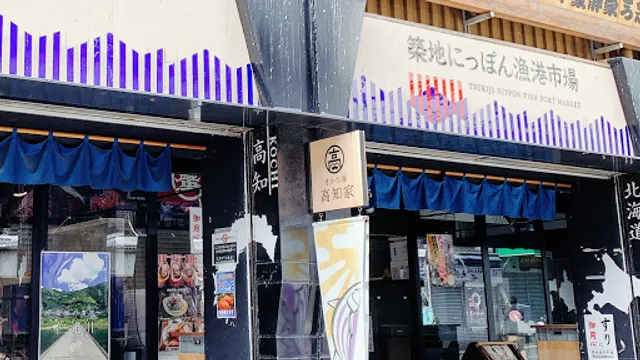
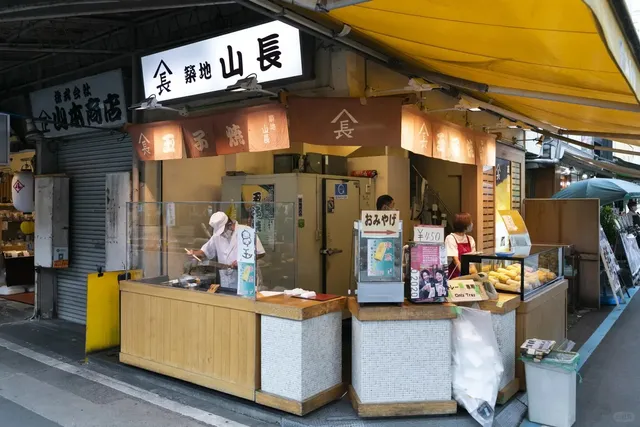
• The Tsukiji Outer Market (築地場外市場, Tsukiji Jōgai Shijō) is the area that remains after the wholesale inner market moved to Toyosu.  • It’s a lively, working market district where both professionals (chefs, restaurateurs) and tourists shop.  • The streets are narrow and filled with a mix of seafood stalls, restaurants, dried‑food shops, and kitchenware / knife shops.  • There’s a real “market” feel: corrugated roofs, old signage, and a history that goes back many decades.  What to Eat • Seafood Bowls (Kaisendon / Donburi): One of the biggest draws — many shops serve fresh kaisendon (rice bowls with raw seafood). Live Japan notes bowls with uni, tuna, ikura, etc., usually between ¥1,000–¥2,000 for good quality.  • Street Food: There are lots of snack‑type stalls: grilled scallops, whole prawns, seafood skewers.  • Non-Seafood Options: You can also find tamagoyaki (rolled omelet), tempura, ramen, and traditional sweets.  • Kitchenware & Knives: Tsukiji Outer Market is famous for its professional-grade knives and cooking utensils — great spot for culinary gear shopping. • Authentic Market Feel: Even though it’s very tourist-visited, it retains real working-market energy.  • Wide Variety: You’re not just limited to seafood — lots of food variety + shopping.  • Fresh Seafood: Because many shops still deal in real wholesale or “trade‑level” seafood, the quality can be very high.  • Early Morning Charm: The best time to visit is early morning — many shops open very early, and you’ll avoid some of the crowds.  • Expert Advice Available: Some vendors are very knowledgeable; if you’re buying ingredients or knives, you can ask for tips.  • Great for Photography: The old-style market architecture, narrow alleys, and food stalls make for very “Tokyo market” photo • Crowds: It gets very busy, especially mid‑morning (around 9–11 am) when tourist foot traffic peaks.  • Limited Afternoon Hours: Many stalls close around early afternoon (some shops close by ~14:00).  • Not All Shops Open Every Day: Some shops close on Sundays and some Wednesdays.  • Touristy Prices: Some visitors feel that food, especially sushi or donburi, can be more expensive than what locals pay. > “Food at the Tsukiji outer market is not a good deal … it’s not a place to go for a bargain.”  • Photo Etiquette & Space: The market is crowded and narrow — be careful when taking photos, don’t block walkways, and ask before photographing shops.  • Luggage & Bags: Large bags and strollers can be cumbersome; the official site advises storing large items to keep lanes clear. • Go Early: Aim for early morning (around 7:00–8:30) to catch the market vibe, good food, and fewer crowds.  • Bring Cash: While many shops accept cards, smaller stalls may be cash-only. • Sample Before Buying: Many food stalls let you try small items; and for kitchenware, vendor staff often give advice or show how to use tools.  • Plan What to Eat: Make a “food crawl” — pick a few must-try stalls (seafood bowl, grilled scallop, tamago, etc.) rather than trying to eat everything. • Check Shop Open Days: Because of varied closing days (especially Wednesdays and Sundays), check the market’s website or shop list before going.
On the flip side: some say “food is good, but make sure to go early – otherwise you’ll hit crowds and limited selection.” • According to Good Luck Trip, there are about 400+ shops, making it an excellent place to both browse and eat. 
• Definitely Worth It If You: • Love seafood and want to try quality fresh Japanese seafood bowls. • Enjoy food markets, street food, and culinary culture. • Are an early riser and don’t mind navigating narrow alleys. • Want to combine shopping for food + kitchen tools + souvenirs. • Maybe Skip / De-prioritize If You: • Only have a short trip to Tokyo and don’t care much about food markets. • Don’t like crowded tourist spots. • Prefer “budget-only” food — it’s not always super cheap for what you’re tasting. Beware of overpriced shops, as 90% are foreign tourists.
🐟🍤✨ Tsukiji Outer Market – A Treasure Trove for Food Lovers and Culture Seekers ✨🍤🐟
If you want to experience Tokyo’s soul through your tastebuds, Tsukiji Outer Market is where you start. Though the inner wholesale market moved to Toyosu, Tsukiji’s Outer Market has kept the spirit of old Tokyo alive—and it’s more vibrant than ever.
First Impressions: As soon as you arrive, you’re swept up in a swirl of energy. Narrow lanes buzz with shoppers, local chefs hunting for the day’s best catch, and curious tourists drawn in by the aromas of sizzling seafood and freshly grilled snacks. Every few steps, someone is offering samples or calling out friendly greetings.
Food and Stalls: The variety is astonishing. You’ll find hundreds of stalls and tiny restaurants packed tightly together, each specializing in something remarkable.
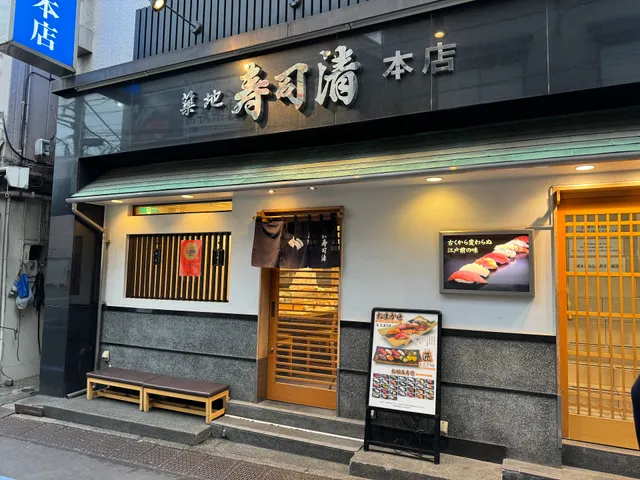
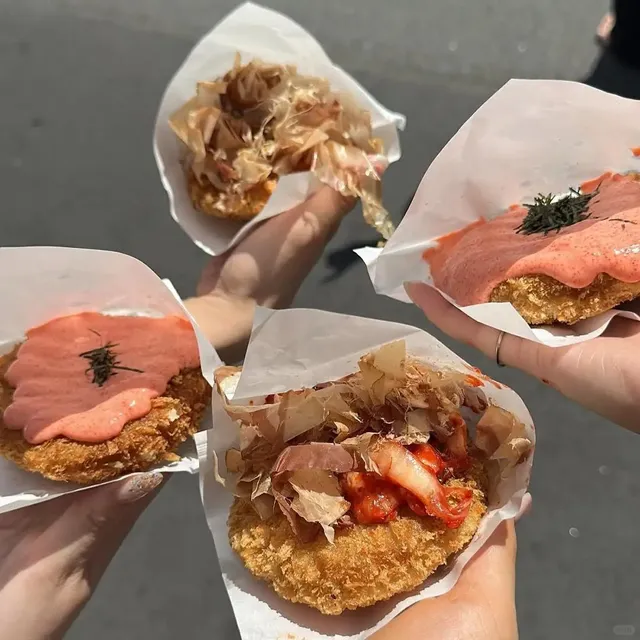
Seafood Paradise: From glistening tuna belly to sweet uni (sea urchin), scallops the size of your palm, and perfectly marbled otoro, the seafood here is some of the freshest you’ll ever taste. Many vendors will prepare sashimi on the spot so you can savor it immediately. Street Snacks and Grilled Treats: Don’t miss the tamagoyaki stands serving up fluffy, lightly sweet Japanese omelets. They’re usually just a few hundred yen and make the perfect warm snack. Grilled oysters and crab legs, skewers of scallops brushed with soy sauce, and buttery grilled eel fill the air with mouthwatering smells. Dry Goods and Gourmet Ingredients: If you love to cook or just want edible souvenirs, browse the specialty shops selling dried bonito flakes, kombu, premium soy sauce, and beautiful ceramics. You can also pick up high-end Japanese knives at century-old cutlery shops. Sushi Breakfasts: For many visitors, the highlight is sitting down at a tiny sushi counter in the market’s side streets. Places like Sushi Daiwa or Sushi Zanmai serve breakfast sets that are nothing short of life-changing—melt-in-your-mouth nigiri, briny fresh uni, and miso soup so rich it tastes homemade. Atmosphere: Despite its popularity, Tsukiji Outer Market has retained an authentic, local feel. The pace is lively but not rushed. Shop owners are warm and generous with information, often eager to share the story of their business or explain how to enjoy their products.
Tips for Visiting: ✅ Come Early: The market starts around 5-6 am. Arrive before 9 am to beat the biggest crowds. ✅ Bring Cash: Many stalls are cash only. ✅ Be Respectful: Remember this is a working market, so avoid blocking walkways or handling products without asking. ✅ Try Everything: Even if you’re not a seafood lover, there are so many other options—wagyu skewers, mochi, matcha desserts, and coffee.
Final Thoughts: Tsukiji Outer Market isn’t just a place to eat—it’s a living piece of Tokyo’s cultural heritage. It blends the old and the new seamlessly, celebrating traditions while welcoming the world. Whether you’re hunting for the freshest sashimi breakfast, picking up artisanal condiments, or simply wandering through the maze of shops, every corner reveals something memorable.
It’s the kind of place you could visit ten times and still discover something new—and each time, you’ll leave with a happy stomach and a deeper love for Japanese food culture.
🌟🌟🌟🌟🌟 Five stars for a truly unforgettable culinary adventure!
Tsukiji Market is an absolute must-visit for food lovers and anyone seeking an authentic taste of Tokyo’s vibrant culinary culture. While the inner wholesale fish market has moved to Toyosu, Tsukiji remains a thriving hub of fresh seafood, street food delights, and culinary treasures. It retains its traditional charm, bustling energy, and irresistible aromas, offering an experience deeply connected to Tokyo’s culinary soul.
What truly sets Tsukiji apart is the exceptional quality and freshness of its seafood. Having tasted seafood in Hokkaido—renowned for its world-class offerings—I was genuinely surprised to find the seafood here even better. The sashimi cuts are pristine, with otoro (fatty tuna) that practically melts in your mouth. Grilled seafood skewers—featuring plump scallops, tender prawns, and rich eel—are expertly prepared over open flames, delivering smoky, umami-rich flavors. Tamago (sweet rolled omelette) is another standout—soft, slightly sweet, and served warm on a skewer. For an indulgent treat, donburi bowls topped with creamy uni (sea urchin) and briny ikura (salmon roe) are a must-try.
Beyond the incredible food, Tsukiji Market offers an exceptional shopping experience. From professional-grade Japanese knives and hand-crafted ceramics to dried seafood, artisanal soy sauces, and premium matcha products, the market is a treasure trove for culinary enthusiasts and home cooks alike.
Photographers will also find Tsukiji a visual delight. The vibrant displays of seafood, the sizzling action at grill stalls, and the beautifully arranged donburi bowls make every corner worth capturing.
Exploring Tsukiji Market is an adventure in itself. The narrow alleys and hidden corners are filled with surprises, and wandering without a set plan often leads to some of the best discoveries. The market is easily accessible via Tsukiji Station on the Tokyo Metro Hibiya Line or Shimbashi Station on the JR Line, both a short walk away.
What to Expect Across Seasons: Tsukiji Market is a year-round destination, but each season brings unique specialties.
Winter offers the freshest crab, oysters, and fatty tuna, perfect for sashimi lovers.
Spring highlights delicate seasonal catches like sakura shrimp and fresh seaweed.
Summer is prime time for vibrant uni (sea urchin) and rich eel dishes
Autumn showcases bonito and sanma (Pacific saury), celebrated for their deep umami flavors.
Pro Tip: To fully enjoy Tsukiji Market, arrive early—around 8 or 9 AM—to avoid the heaviest crowds and get the freshest selections. The market gets busy quickly, and popular items often sell out by noon.
While some vendors accept credit cards, many smaller stalls are cash-only, so it’s wise to carry enough yen in small denominations for smoother transactions.
Sampling is encouraged at many stalls, so don’t hesitate to try before committing to larger portions. Start with lighter dishes like sashimi or oysters before moving on to heavier options such as grilled skewers and seafood donburi. Seating is limited at many stalls, so be prepared to eat on the go.
If you’re planning to shop for knives or ceramics, a reusable bag will come in handy.