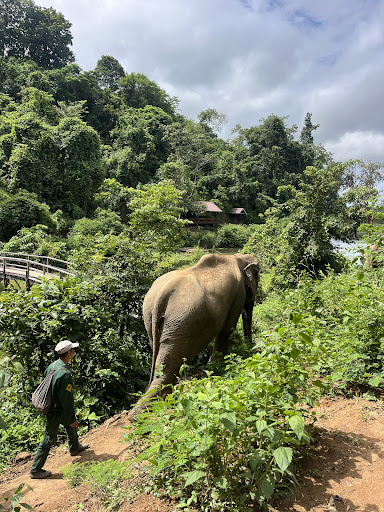
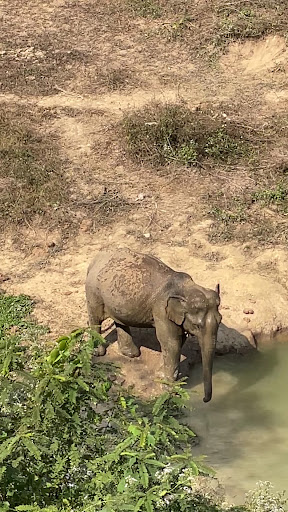
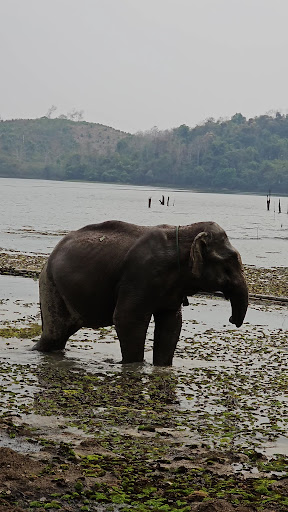
Elephant Conservation Center office, Luang Prabang things to do, attractions, restaurants, events info and trip planning
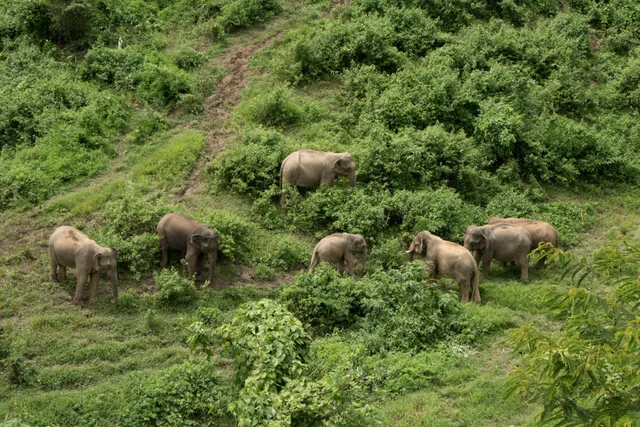
Basic Info
Elephant Conservation Center office, Luang Prabang
Manthatoulat Road, Ban Pakham, Luang Prabang,, Luang Prabang 06000, Laos
4.7(61)
Open until 8:00 PM
Save
spot
spot
Ratings & Description
Info
Cultural
attractions: Luang Prabang Night Market, Royal Palace & National Museum, Wat May Souvannapoumaram, Traditional Arts and Ethnology Centre, Haw Phra Bang, Wat Pa Huak, Elephant Village Sanctuary & Resort, Phousi Hill, Heuan Chan Heritage House, Wat Chom Si, restaurants: Pasaniyom Traditional Café, ร้ามอาจม โมรา (Ajam Mora Restaurant), Street For Night Market food, ປະຊານິຍົມ, Café Laolu-ກາເຟລາວລູ່, Limkong Restaurant Luang Prabang, THE COFFEE CLUB - Avani Luang Prabang, Phan Boun restaurant, Nam Pan shop in Tanan, Lao Coffee Bean, local businesses: Royal Palace, Wat May Souvannapoumaram, Street Market, Good Night Market, Monsane villa, Night market handicrafts laos ເຄື່ອງຫັດຖະກໍາ,ເກາະສະຫຼັກ, Wat Pa Huak, Wat Phramahathat Rajbovoravihane, Luang Prabang Night Market, Phu Si
 Learn more insights from Wanderboat AI.
Phone
+856 20 96 590 665
Website
elephantconservationcenter.com
Open hoursSee all hours
Mon8 AM - 8 PMOpen
Plan your stay

Pet-friendly Hotels in Luang Prabang
Find a cozy hotel nearby and make it a full experience.

Affordable Hotels in Luang Prabang
Find a cozy hotel nearby and make it a full experience.

The Coolest Hotels You Haven't Heard Of (Yet)
Find a cozy hotel nearby and make it a full experience.

Trending Stays Worth the Hype in Luang Prabang
Find a cozy hotel nearby and make it a full experience.
Reviews
Live events
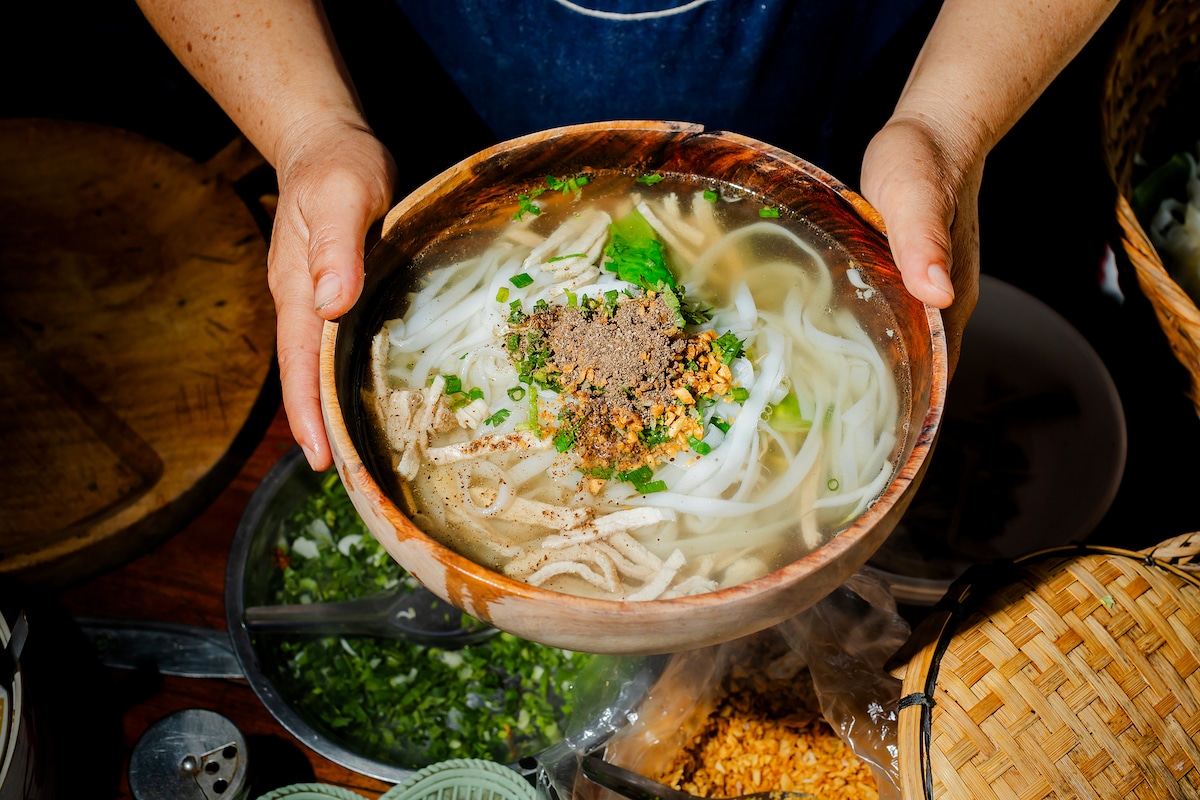
Mekong Meals Food Tour with 15-plus tastings
Mon, Feb 9 • 4:00 PM
Luang Prabang, Luang Prabang Province , Laos
View details
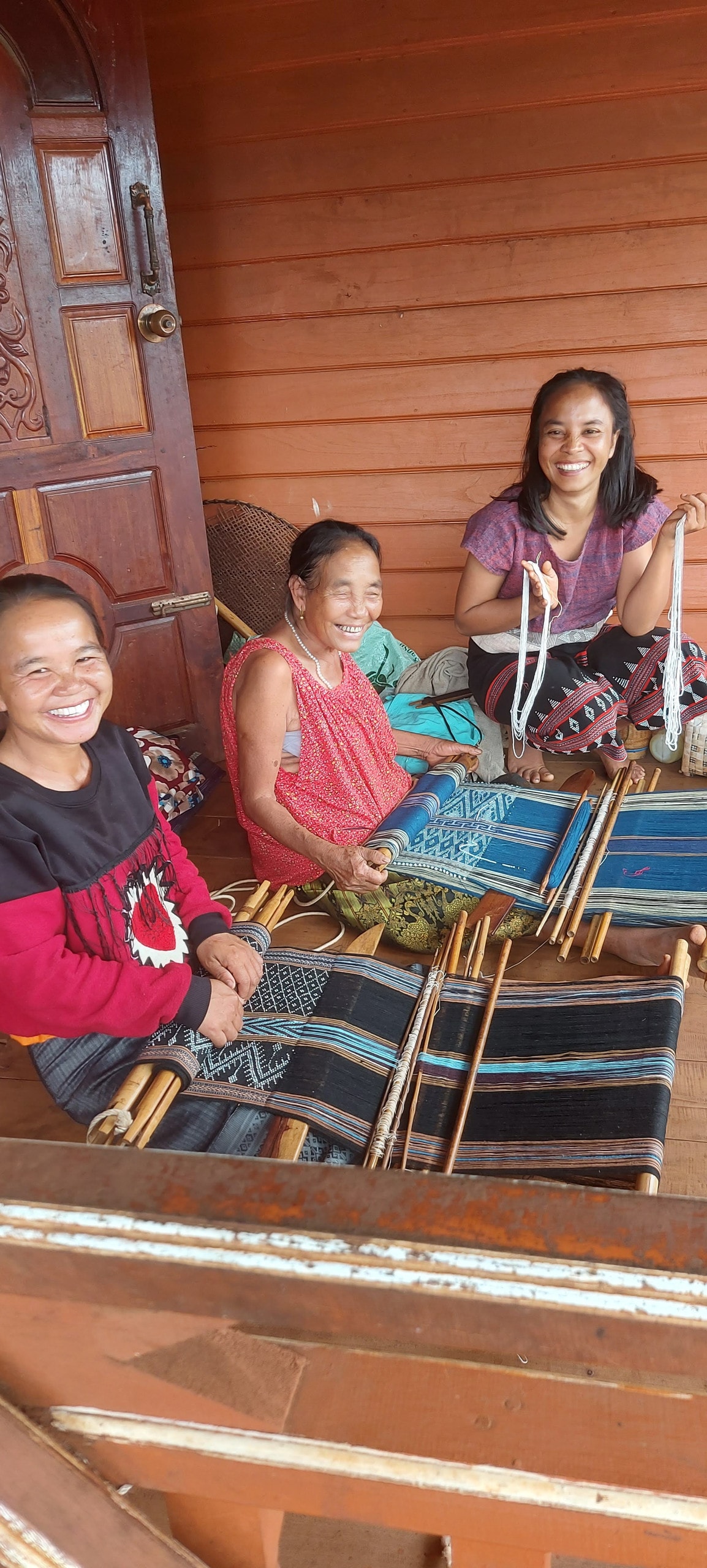
Practice traditional weaving with Katu sisters
Mon, Feb 9 • 9:00 AM
Luang Prabang, Luang Prabang Province 06000, Laos
View details
Nearby attractions of Elephant Conservation Center office, Luang Prabang
Luang Prabang Night Market
Royal Palace & National Museum
Wat May Souvannapoumaram
Traditional Arts and Ethnology Centre
Haw Phra Bang
Wat Pa Huak
Elephant Village Sanctuary & Resort
Phousi Hill
Heuan Chan Heritage House
Wat Chom Si
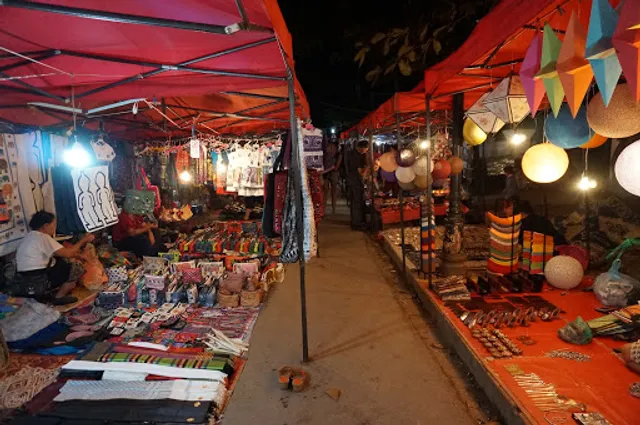
Luang Prabang Night Market
4.4
(2.7K)
Closed
Click for details
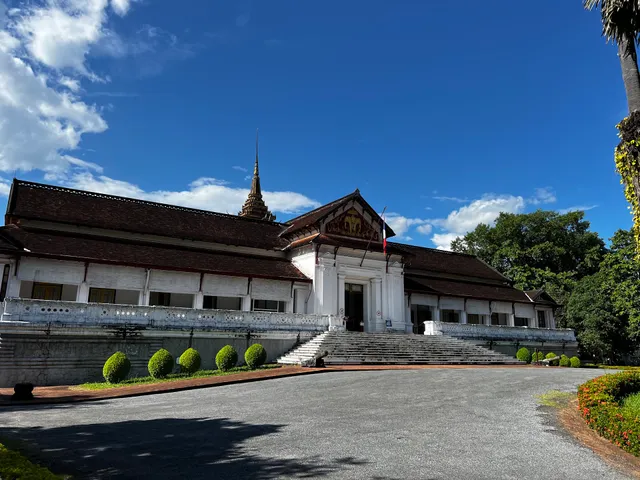
Royal Palace & National Museum
4.0
(1.5K)
Open until 11:30 AM
Click for details
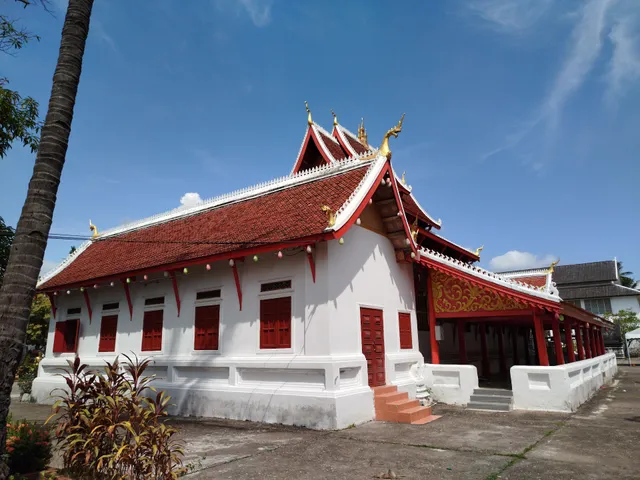
Wat May Souvannapoumaram
4.3
(244)
Open until 5:00 PM
Click for details
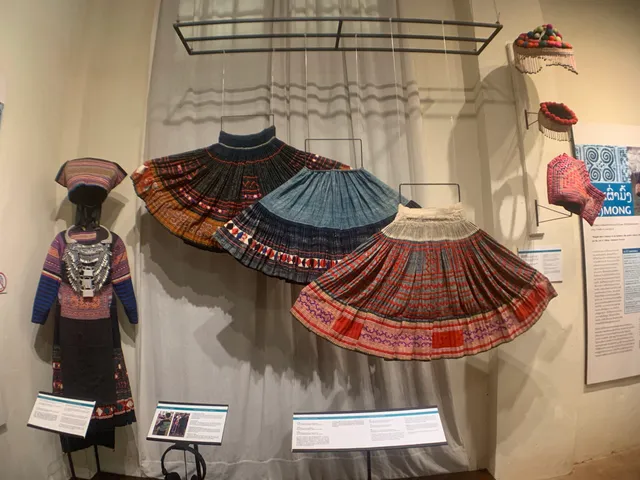
Traditional Arts and Ethnology Centre
4.6
(476)
Open until 5:00 PM
Click for details
Nearby restaurants of Elephant Conservation Center office, Luang Prabang
Pasaniyom Traditional Café
ร้ามอาจม โมรา (Ajam Mora Restaurant)
Street For Night Market food
ປະຊານິຍົມ
Café Laolu-ກາເຟລາວລູ່
Limkong Restaurant Luang Prabang
THE COFFEE CLUB - Avani Luang Prabang
Phan Boun restaurant
Nam Pan shop in Tanan
Lao Coffee Bean

Pasaniyom Traditional Café
4.2
(381)
$
Open until 11:00 AM
Click for details
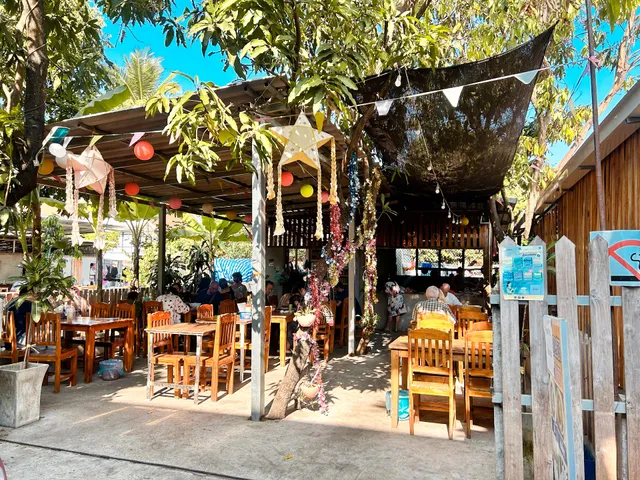
ร้ามอาจม โมรา (Ajam Mora Restaurant)
4.8
(256)
Closed
Click for details
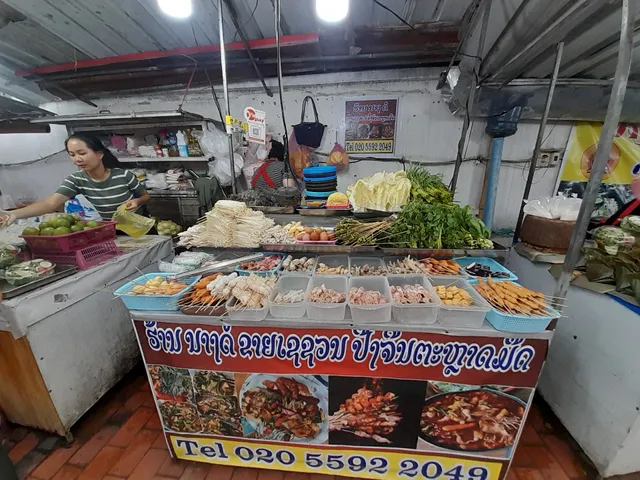
Street For Night Market food
4.3
(224)
$
Closed
Click for details
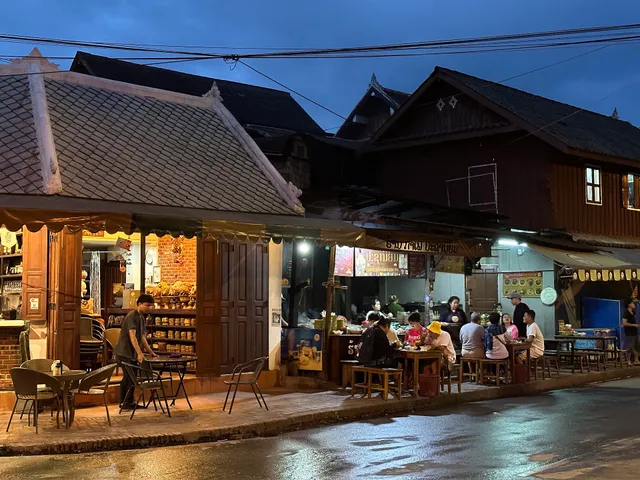
ປະຊານິຍົມ
4.4
(76)
Open until 1:00 PM
Click for details
Nearby local services of Elephant Conservation Center office, Luang Prabang
Royal Palace
Wat May Souvannapoumaram
Street Market
Good Night Market
Monsane villa
Night market handicrafts laos ເຄື່ອງຫັດຖະກໍາ,ເກາະສະຫຼັກ
Wat Pa Huak
Wat Phramahathat Rajbovoravihane
Luang Prabang Night Market
Phu Si

Royal Palace
4.1
(917)
Click for details
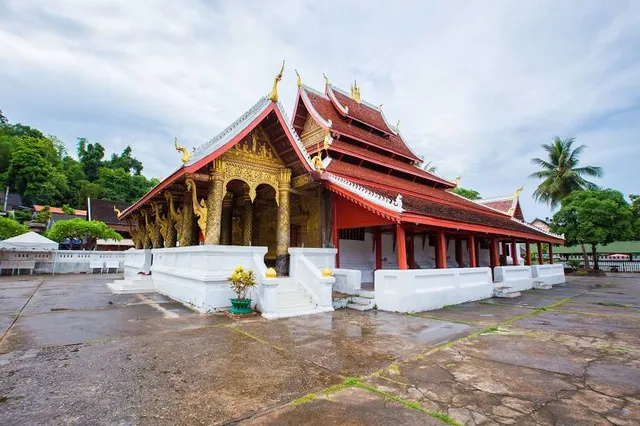
Wat May Souvannapoumaram
4.4
(141)
Click for details
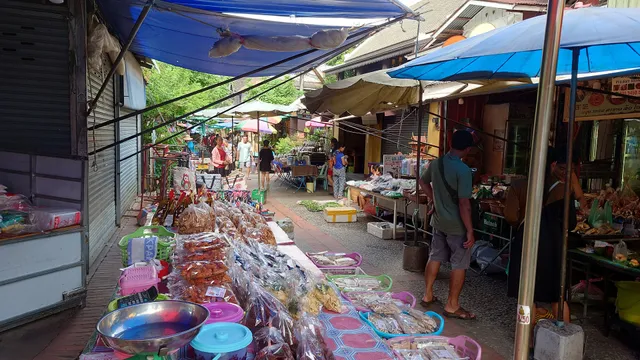
Street Market
4.2
(38)
Click for details
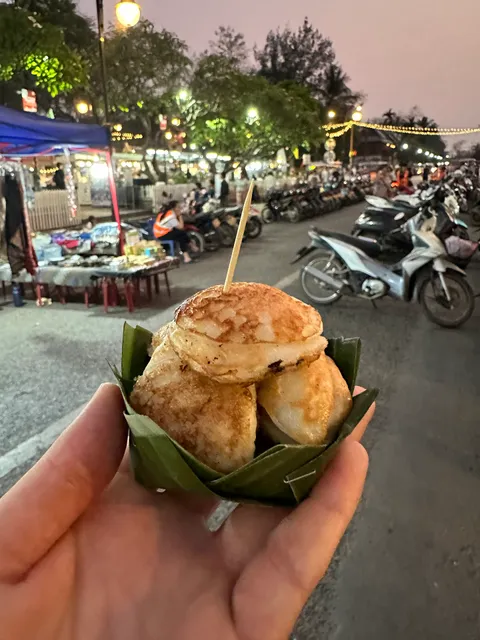
Good Night Market
4.3
(23)
Click for details