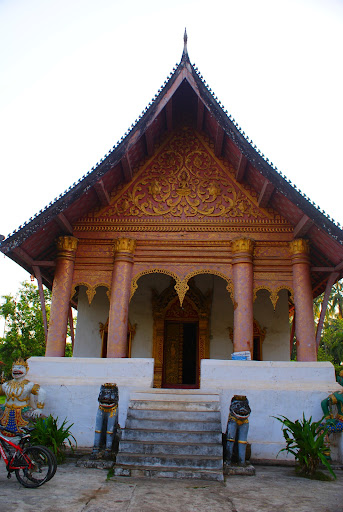
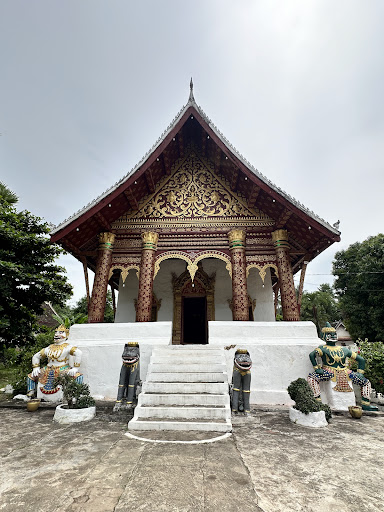
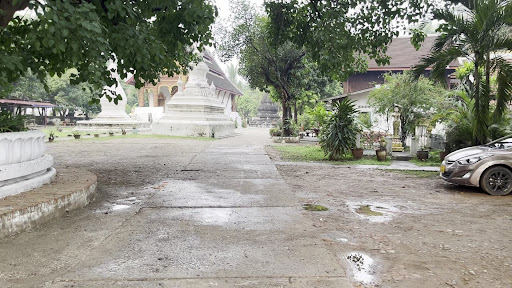
Wat Aham things to do, attractions, restaurants, events info and trip planning
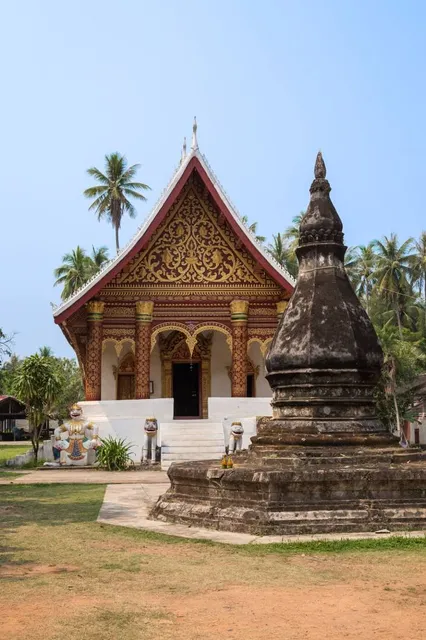
Basic Info
Wat Aham
V4PQ+X7V, Kingkitsarath Rd, Luang Prabang, Laos
4.4(91)
Open 24 hours
Save
spot
spot
Ratings & Description
Info
Cultural
Family friendly
Accessibility
attractions: Wat Wisunarat, Traditional Arts and Ethnology Centre, Luang Prabang Night Market, Phousi Hill, Wat Chom Si, Royal Palace & National Museum, Wat May Souvannapoumaram, Haw Phra Bang, Elephant Village Sanctuary & Resort, Wat Pa Huak, restaurants: La Silapa Italian & Lao Kitchen, Bamboo Garden, 88 Chophouse restaurant & bar, Visoun Cafe Luang Prabang ວິຊຸນ ກາເຟ ຫລວງພະບາງ, Comma Coffee Luangprabang, Two Little Birds Cafe, Momizu House Visoun, Atsalin Restaurant, Dao Coffee by Dao Heuang, Manolo’s Taco Bar, local businesses: Wat Wisunarat, Ma Te Sai, Wat Aphay, Pathana Boupha Antique House, Phu Si, Royal Palace, Wat May Souvannapoumaram, Garden of Eden Luang Pra Bang, Wat Pa Huak, Street Market
 Learn more insights from Wanderboat AI.
Plan your stay

Pet-friendly Hotels in Luang Prabang
Find a cozy hotel nearby and make it a full experience.

Affordable Hotels in Luang Prabang
Find a cozy hotel nearby and make it a full experience.

The Coolest Hotels You Haven't Heard Of (Yet)
Find a cozy hotel nearby and make it a full experience.

Trending Stays Worth the Hype in Luang Prabang
Find a cozy hotel nearby and make it a full experience.
Reviews
Live events
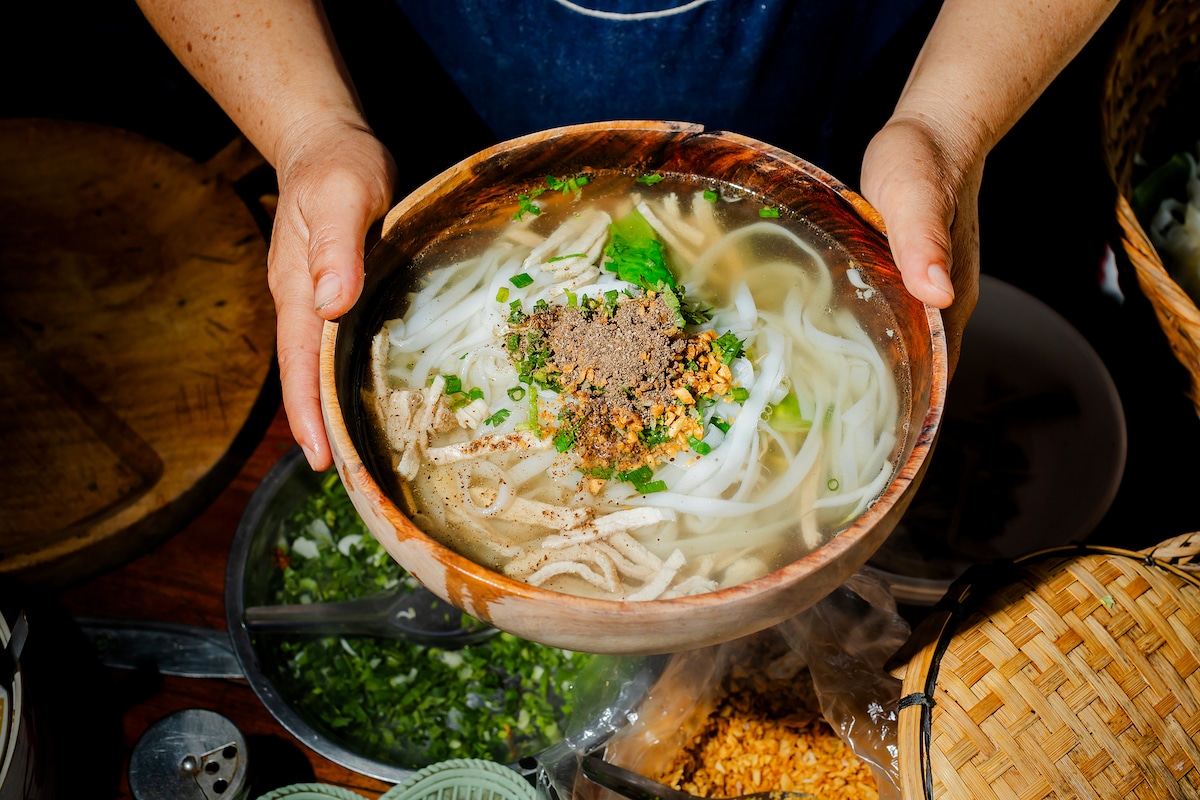
Mekong Meals Food Tour with 15-plus tastings
Mon, Feb 9 • 4:00 PM
Luang Prabang, Luang Prabang Province , Laos
View details

Practice traditional weaving with Katu sisters
Mon, Feb 9 • 9:00 AM
Luang Prabang, Luang Prabang Province 06000, Laos
View details
Nearby attractions of Wat Aham
Wat Wisunarat
Traditional Arts and Ethnology Centre
Luang Prabang Night Market
Phousi Hill
Wat Chom Si
Royal Palace & National Museum
Wat May Souvannapoumaram
Haw Phra Bang
Elephant Village Sanctuary & Resort
Wat Pa Huak
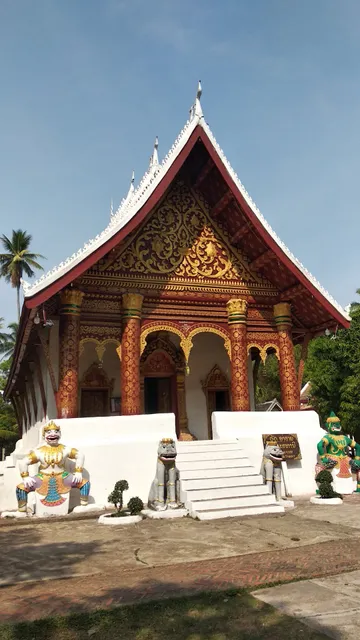
Wat Wisunarat
4.5
(375)
Closed
Click for details
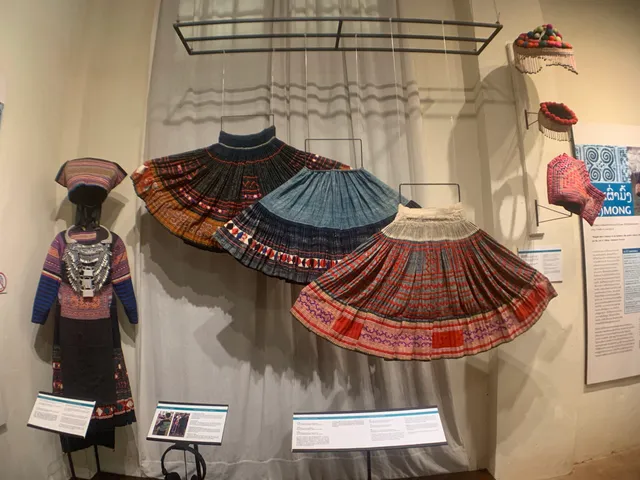
Traditional Arts and Ethnology Centre
4.6
(476)
Closed
Click for details
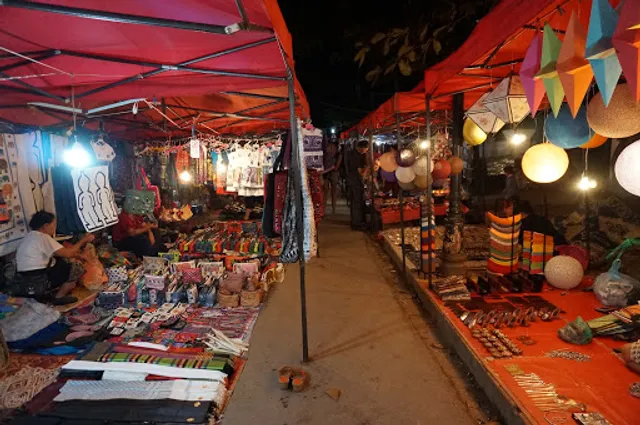
Luang Prabang Night Market
4.4
(2.7K)
Closed
Click for details

Phousi Hill
4.3
(73)
Closed
Click for details
Nearby restaurants of Wat Aham
La Silapa Italian & Lao Kitchen
Bamboo Garden
88 Chophouse restaurant & bar
Visoun Cafe Luang Prabang ວິຊຸນ ກາເຟ ຫລວງພະບາງ
Comma Coffee Luangprabang
Two Little Birds Cafe
Momizu House Visoun
Atsalin Restaurant
Dao Coffee by Dao Heuang
Manolo’s Taco Bar
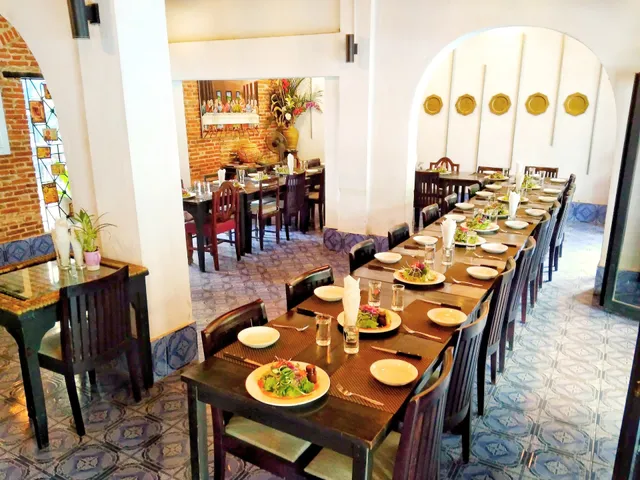
La Silapa Italian & Lao Kitchen
4.4
(401)
$$
Closed
Click for details
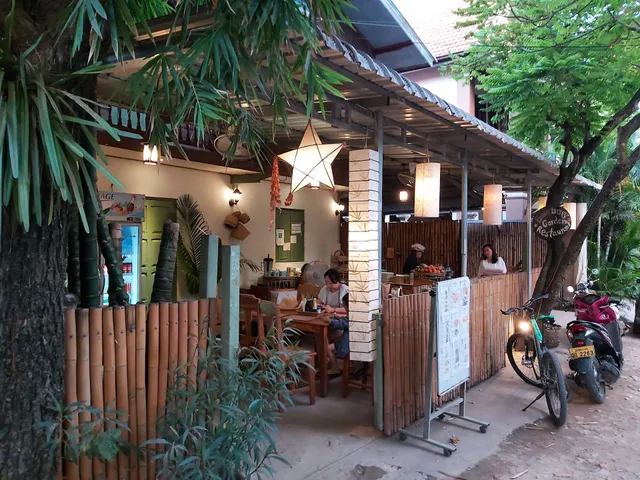
Bamboo Garden
4.6
(634)
$
Open until 12:00 AM
Click for details
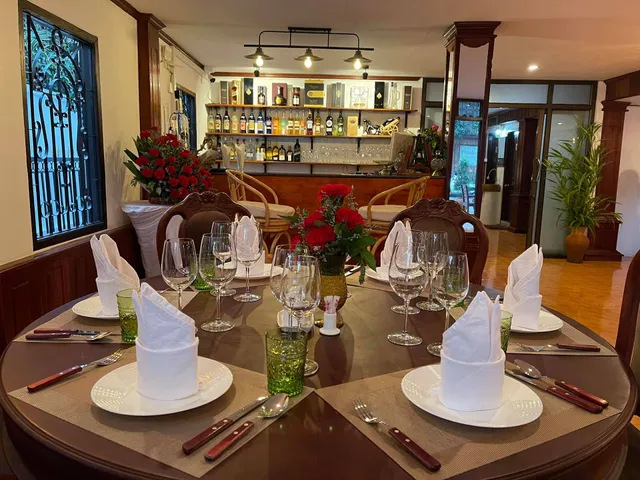
88 Chophouse restaurant & bar
4.5
(76)
Open until 12:00 AM
Click for details
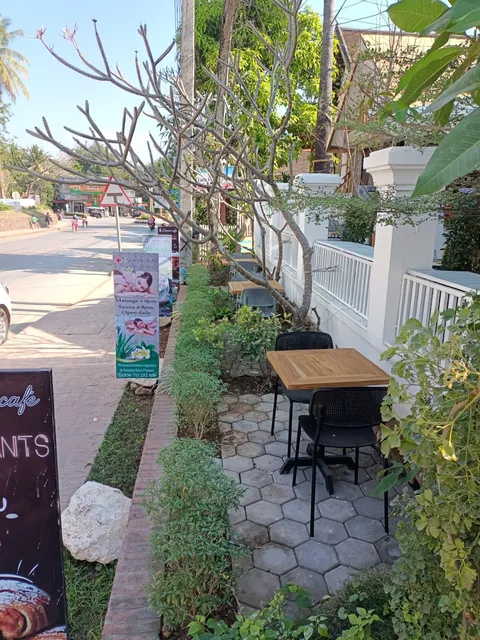
Visoun Cafe Luang Prabang ວິຊຸນ ກາເຟ ຫລວງພະບາງ
4.5
(67)
Closed
Click for details
Nearby local services of Wat Aham
Wat Wisunarat
Ma Te Sai
Wat Aphay
Pathana Boupha Antique House
Phu Si
Royal Palace
Wat May Souvannapoumaram
Garden of Eden Luang Pra Bang
Wat Pa Huak
Street Market
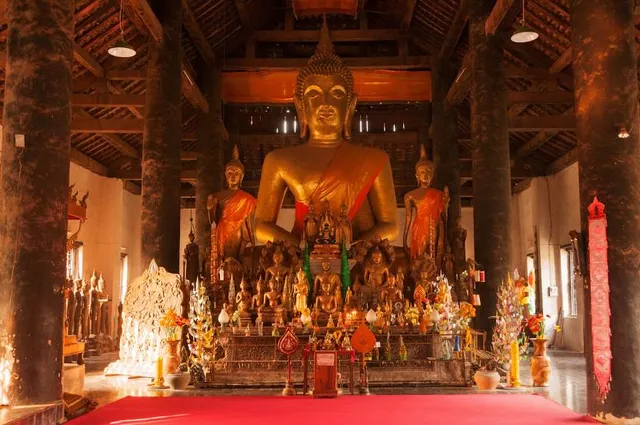
Wat Wisunarat
4.4
(223)
Click for details
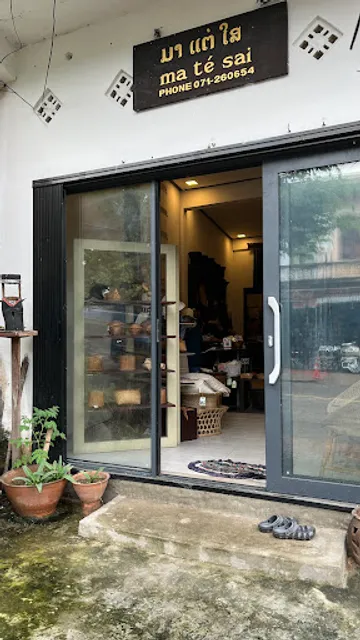
Ma Te Sai
4.7
(21)
Click for details
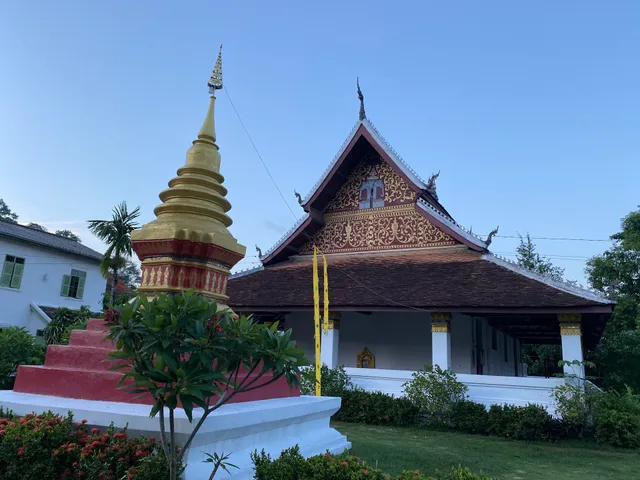
Wat Aphay
4.1
(16)
Click for details
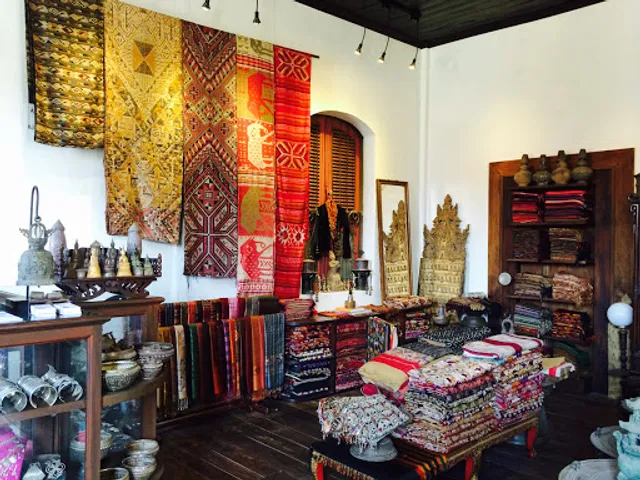
Pathana Boupha Antique House
4.4
(15)
Click for details