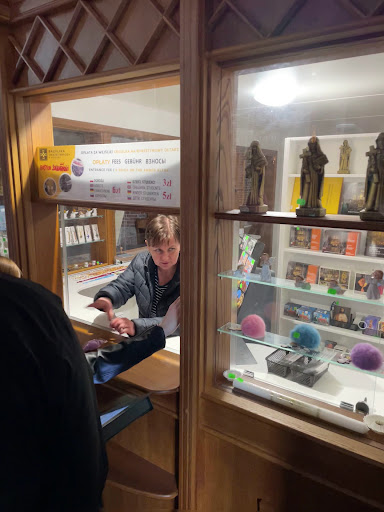
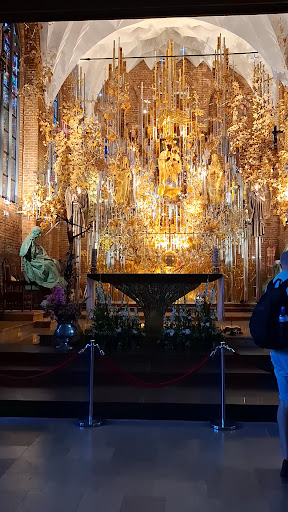
Basilica of st. Bridget things to do, attractions, restaurants, events info and trip planning
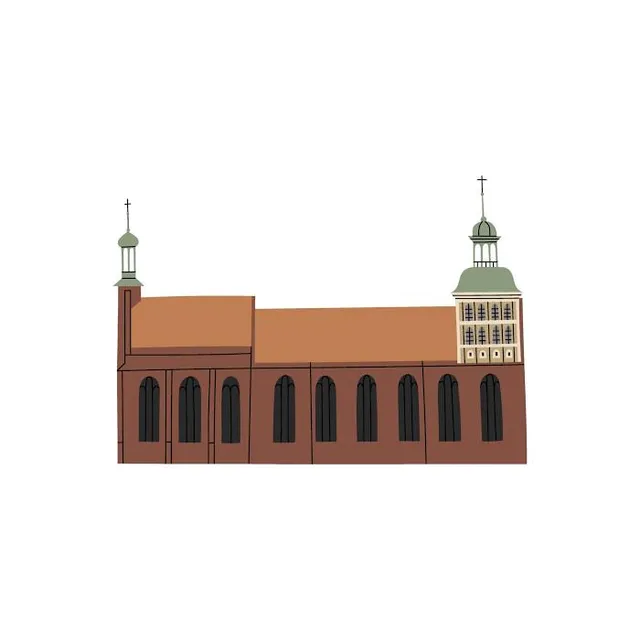
Basic Info
Basilica of st. Bridget
Profesorska 17, 80-001 Gdańsk, Poland
4.7(1.0K)
Closed
Save
spot
spot
Ratings & Description
Info
Cultural
Scenic
Accessibility
Family friendly
attractions: Muzeum Bursztynu. Oddział Muzeum Gdańska, St. Catherine's Church, Tower Clock Museum. The Historical Museum of the City of Gdansk, Small Mill, Museum of the Polish Post Office, Piwnica Romańska - Muzeum Archeologiczne w Gdańsku, Museum of the Second World War, Johannes Hevelius monument, Statue of John III Sobieski, Jacek Tower, restaurants: Pizzarium 01, Swojski Smak, Cafe Luis, Viet Food Gdańsk, Pierogarnia Mandu Gdańsk Śródmieście, Lodziarnia Miś & Kawiarnia & Naleśnikarnia Miś Gdańsk, CZEBUREK & KEBAB halal, Bar Turystyczny, Pasta House, Cafe Lamus, local businesses: Amber Museum, Plac Dominikański 1, Brigittenkirche, Hala Targowa, LOFT, ALDI, BERLIN DÖNER KEBAP, KEBAB EL MEDINA, La Pampa Steakhouse, Basilica of St. Nicholas
 Learn more insights from Wanderboat AI.
Phone
+48 721 171 133
Website
brygida.gdansk.pl
Open hoursSee all hours
Sat10 AM - 6:30 PMClosed
Plan your stay

Pet-friendly Hotels in Gdansk
Find a cozy hotel nearby and make it a full experience.

Affordable Hotels in Gdansk
Find a cozy hotel nearby and make it a full experience.

The Coolest Hotels You Haven't Heard Of (Yet)
Find a cozy hotel nearby and make it a full experience.

Trending Stays Worth the Hype in Gdansk
Find a cozy hotel nearby and make it a full experience.
Reviews
Live events
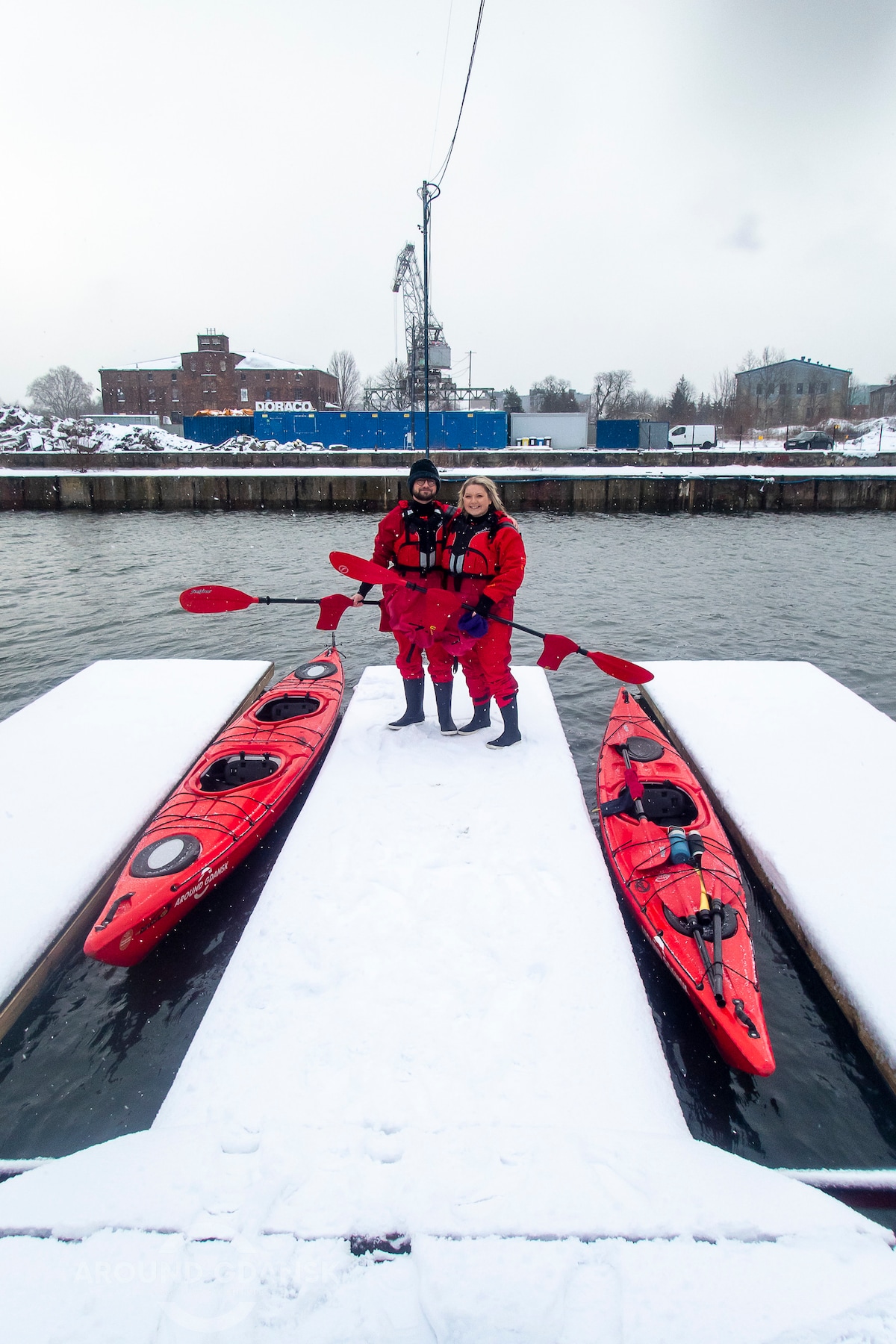
Explore Gdansk by kayak – Winter Edition
Tue, Feb 24 • 11:00 AM
80-863, Gdańsk, Pomeranian Voivodeship, Poland
View details
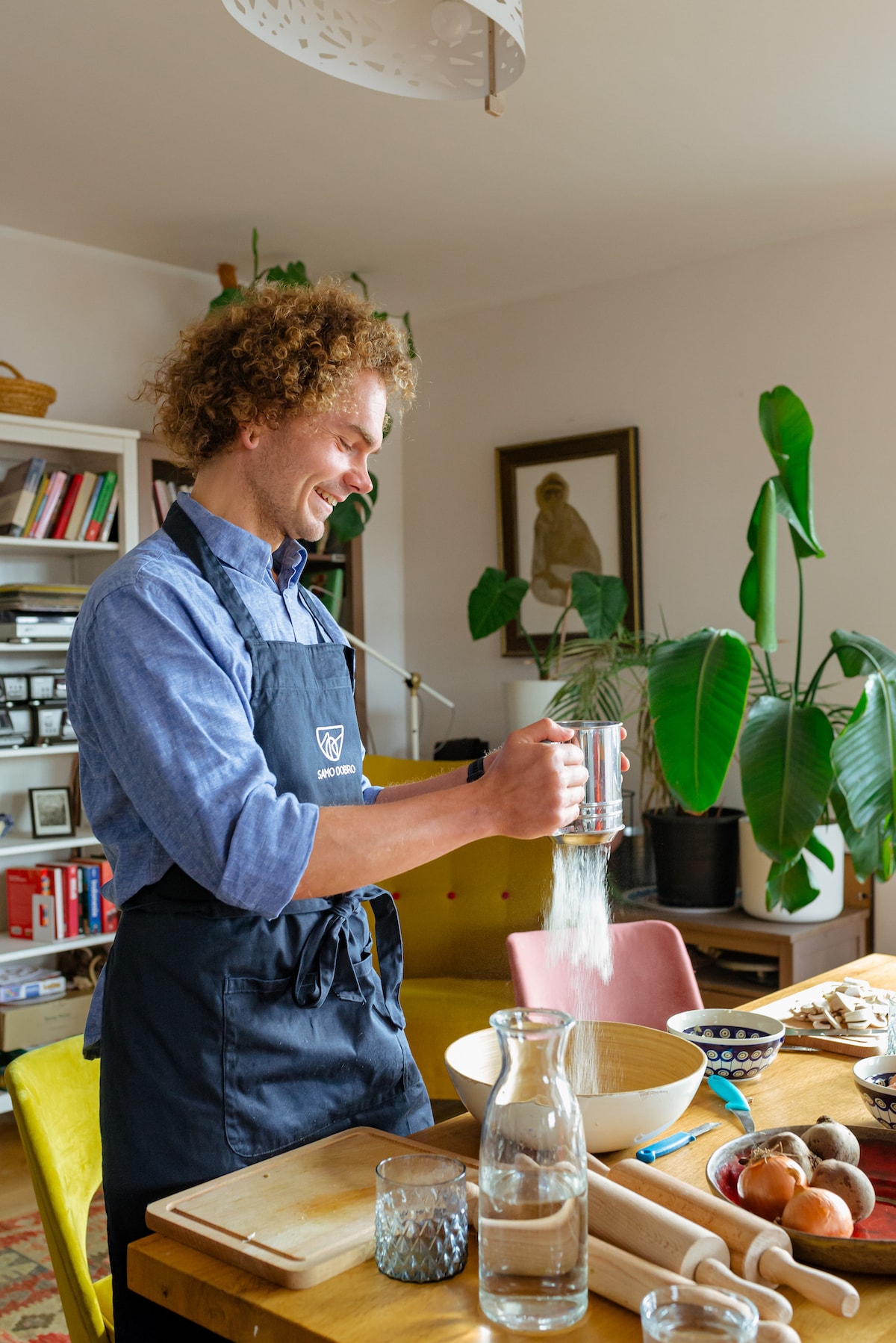
Make Polish pierogi and more
Mon, Feb 23 • 5:00 PM
80-747, Gdańsk, Pomeranian Voivodeship, Poland
View details
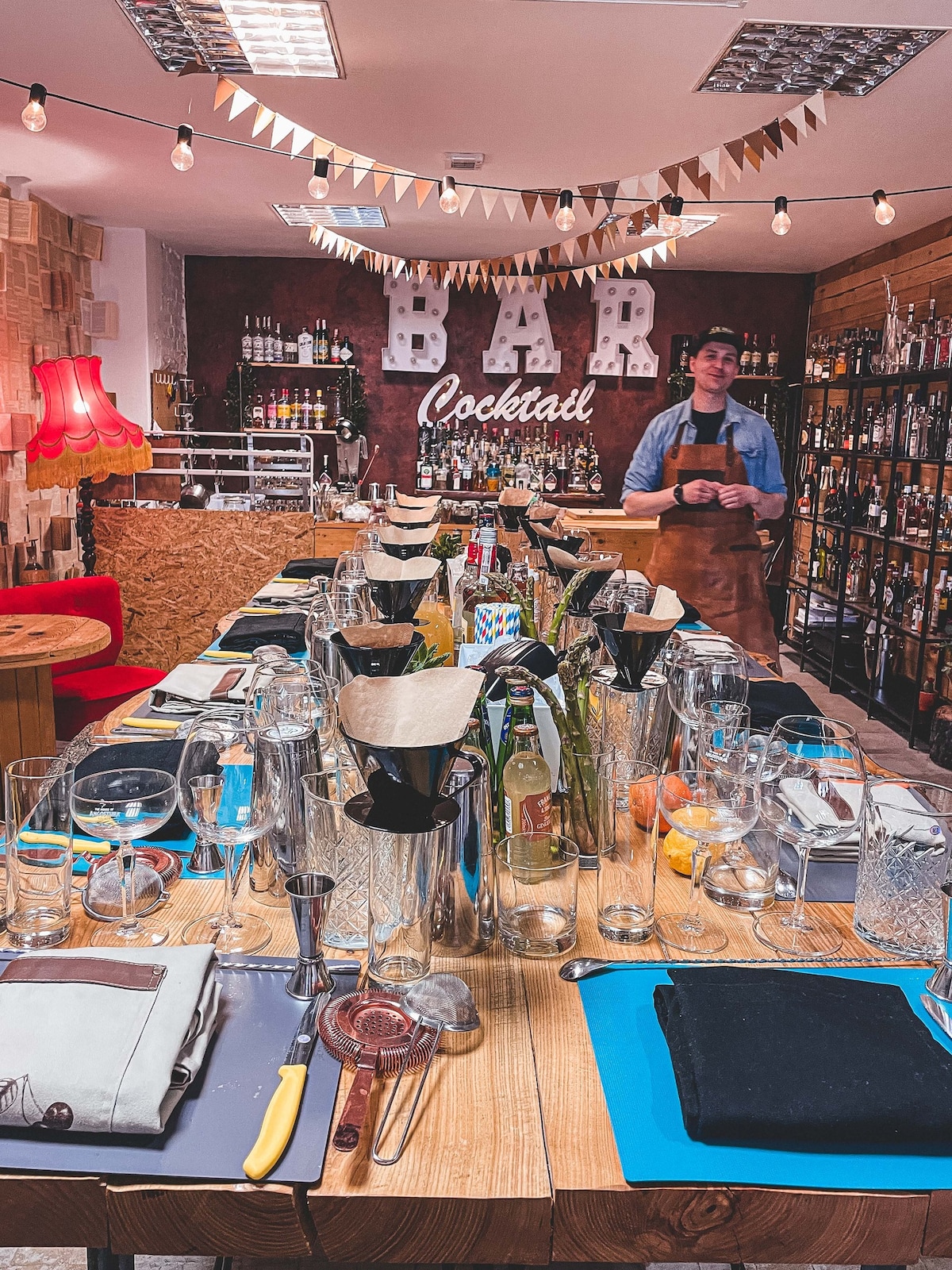
Cocktail Workshop in Gdańsk
Sun, Feb 22 • 1:00 PM
80-563, Gdańsk, Pomeranian Voivodeship, Poland
View details
Nearby attractions of Basilica of st. Bridget
Muzeum Bursztynu. Oddział Muzeum Gdańska
St. Catherine's Church
Tower Clock Museum. The Historical Museum of the City of Gdansk
Small Mill
Museum of the Polish Post Office
Piwnica Romańska - Muzeum Archeologiczne w Gdańsku
Museum of the Second World War
Johannes Hevelius monument
Statue of John III Sobieski
Jacek Tower

Muzeum Bursztynu. Oddział Muzeum Gdańska
4.7
(4.5K)
Closed
Click for details
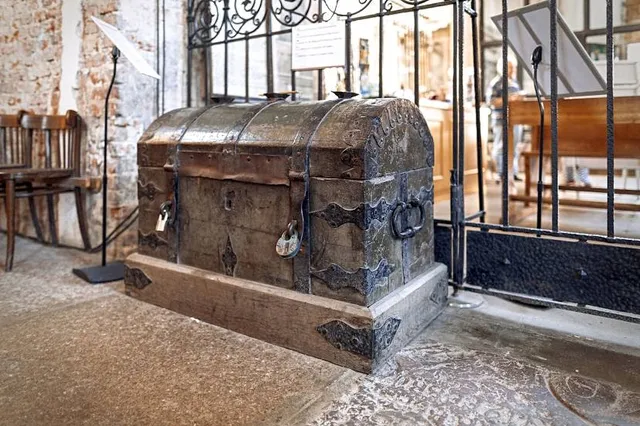
St. Catherine's Church
4.6
(818)
Open 24 hours
Click for details

Tower Clock Museum. The Historical Museum of the City of Gdansk
4.6
(150)
Open 24 hours
Click for details

Small Mill
4.8
(77)
Open until 12:00 AM
Click for details
Nearby restaurants of Basilica of st. Bridget
Pizzarium 01
Swojski Smak
Cafe Luis
Viet Food Gdańsk
Pierogarnia Mandu Gdańsk Śródmieście
Lodziarnia Miś & Kawiarnia & Naleśnikarnia Miś Gdańsk
CZEBUREK & KEBAB halal
Bar Turystyczny
Pasta House
Cafe Lamus
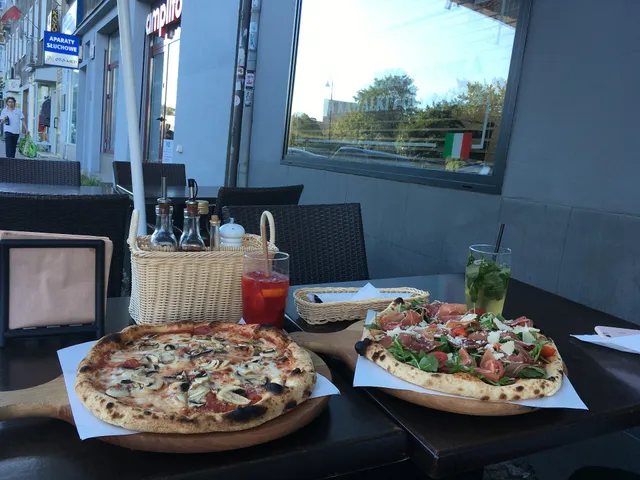
Pizzarium 01
4.7
(1.7K)
Closed
Click for details
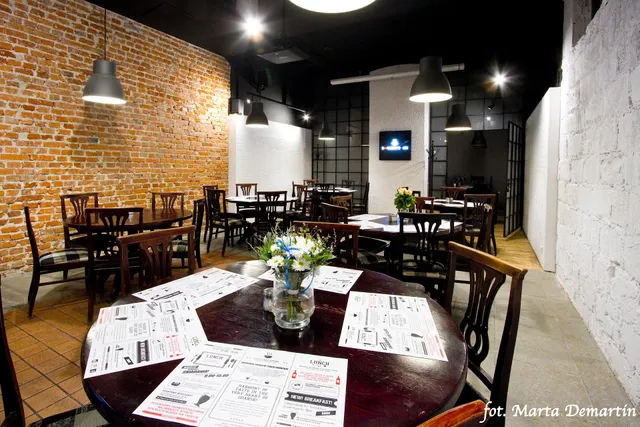
Swojski Smak
4.6
(3K)
$
Closed
Click for details
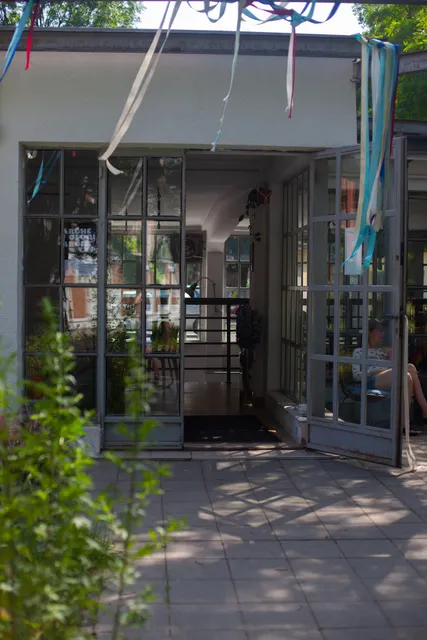
Cafe Luis
4.8
(357)
Closed
Click for details
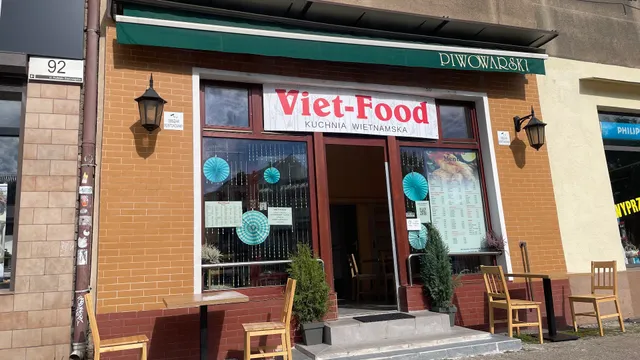
Viet Food Gdańsk
4.6
(355)
Closed
Click for details
Nearby local services of Basilica of st. Bridget
Amber Museum
Plac Dominikański 1
Brigittenkirche
Hala Targowa
LOFT
ALDI
BERLIN DÖNER KEBAP
KEBAB EL MEDINA
La Pampa Steakhouse
Basilica of St. Nicholas
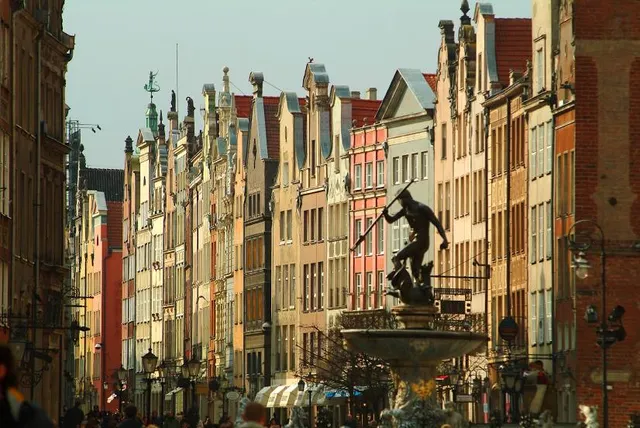
Amber Museum
4.6
(3K)
Click for details
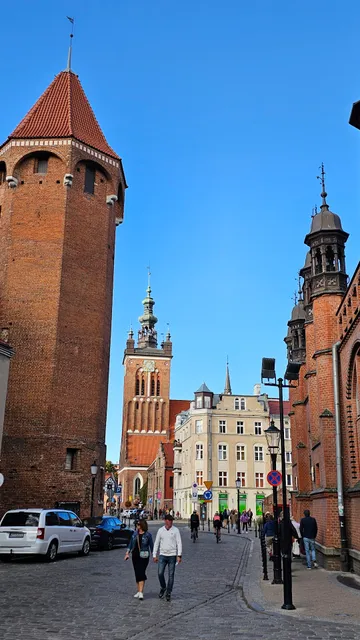
Plac Dominikański 1
4.6
(619)
Click for details
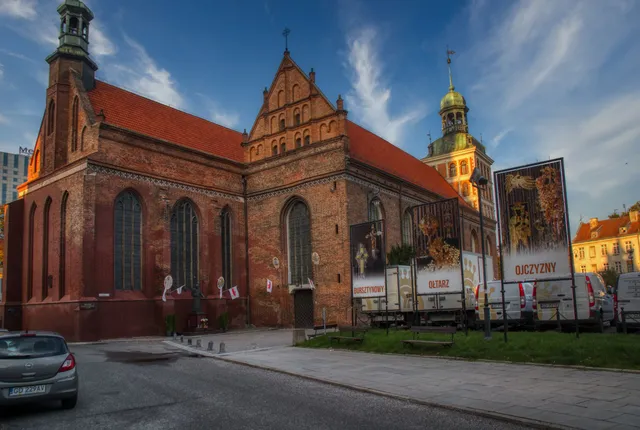
Brigittenkirche
4.6
(62)
Click for details
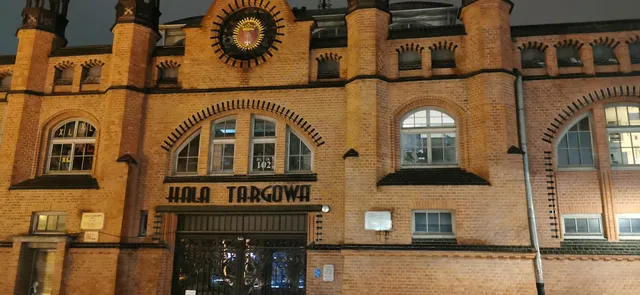
Hala Targowa
4.3
(440)
Click for details