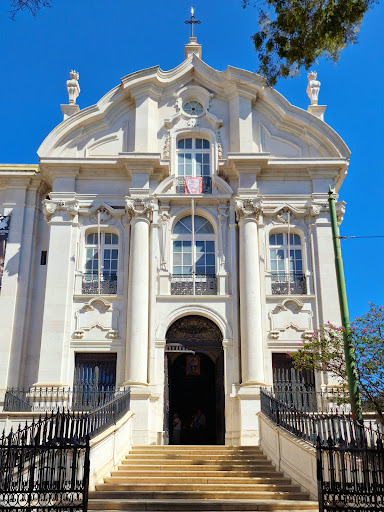
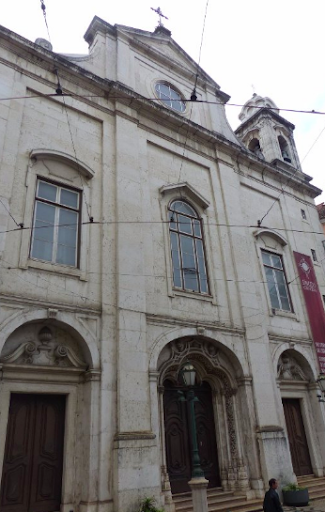
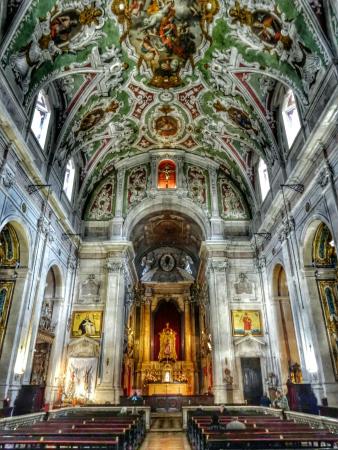
Church of Saint Anthony of Lisbon things to do, attractions, restaurants, events info and trip planning
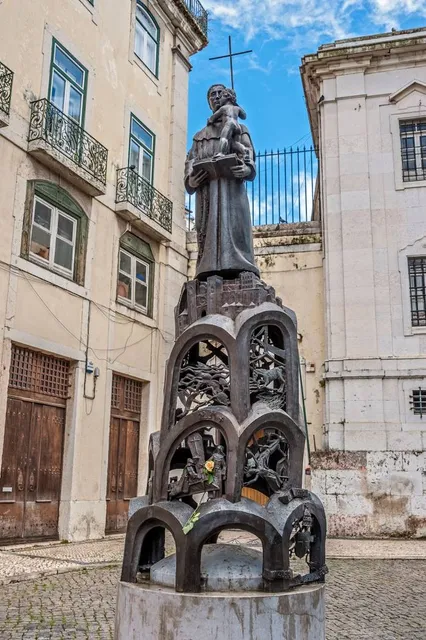
Basic Info
Church of Saint Anthony of Lisbon
Largo Santo António da Sé, 1100-499 Lisboa, Portugal
4.7(1.7K)
Open until 7:00 PM
Save
spot
spot
Ratings & Description
Info
The Church of Saint Anthony of Lisbon is a Roman Catholic church located in Lisbon, Portugal. It is dedicated to Saint Anthony of Lisbon. According to tradition, the church was built on the site where the saint was born, in 1195. The church is classified as a National Monument.
Cultural
Family friendly
attractions: Lisbon Cathedral, Praça do Comércio, Museum Aljube Resistência e Liberdade, Arco da Rua Augusta, Casa dos Bicos / José Saramago Foundation, Museum of Saint Anthony, Church of Saint Mary Magdalene, Museu de Lisboa - Teatro Romano, Miradouro de Santa Luzia, Castelo de S. Jorge, restaurants: Dear Breakfast - Alfama, Lisboa Tu e Eu 2, Breakfast Lovers Alfama, The Folks Sé - Specialty Coffee, Breakfast & Brunch, The Folks Blue Street - Specialty Coffee, Breakfast & Brunch, Uma Marisqueira II (R. do Comércio ), Baixamar - Mariscos e Petiscos, Solar dos Bicos, Bueno y Guapo, Basílio, local businesses: Barbearia O Corvo - The Crow Barbershop, The Sexiest WC on Earth by Renova, Ask Me Lisboa | Praça do Comércio, Livraria Bertrand - Chiado, Barbearia Oliveira, Chiado, Costa & Costa, Lda, Barbearia Oliveira Rossio, Garbags Shop Graça, Mercado de Santa Clara
 Learn more insights from Wanderboat AI.
Phone
+351 21 886 9145
Website
stoantoniolisboa.com
Open hoursSee all hours
Wed10 AM - 7 PMOpen
Plan your stay

Pet-friendly Hotels in Lisbon
Find a cozy hotel nearby and make it a full experience.

Affordable Hotels in Lisbon
Find a cozy hotel nearby and make it a full experience.

The Coolest Hotels You Haven't Heard Of (Yet)
Find a cozy hotel nearby and make it a full experience.

Trending Stays Worth the Hype in Lisbon
Find a cozy hotel nearby and make it a full experience.
Reviews
Live events
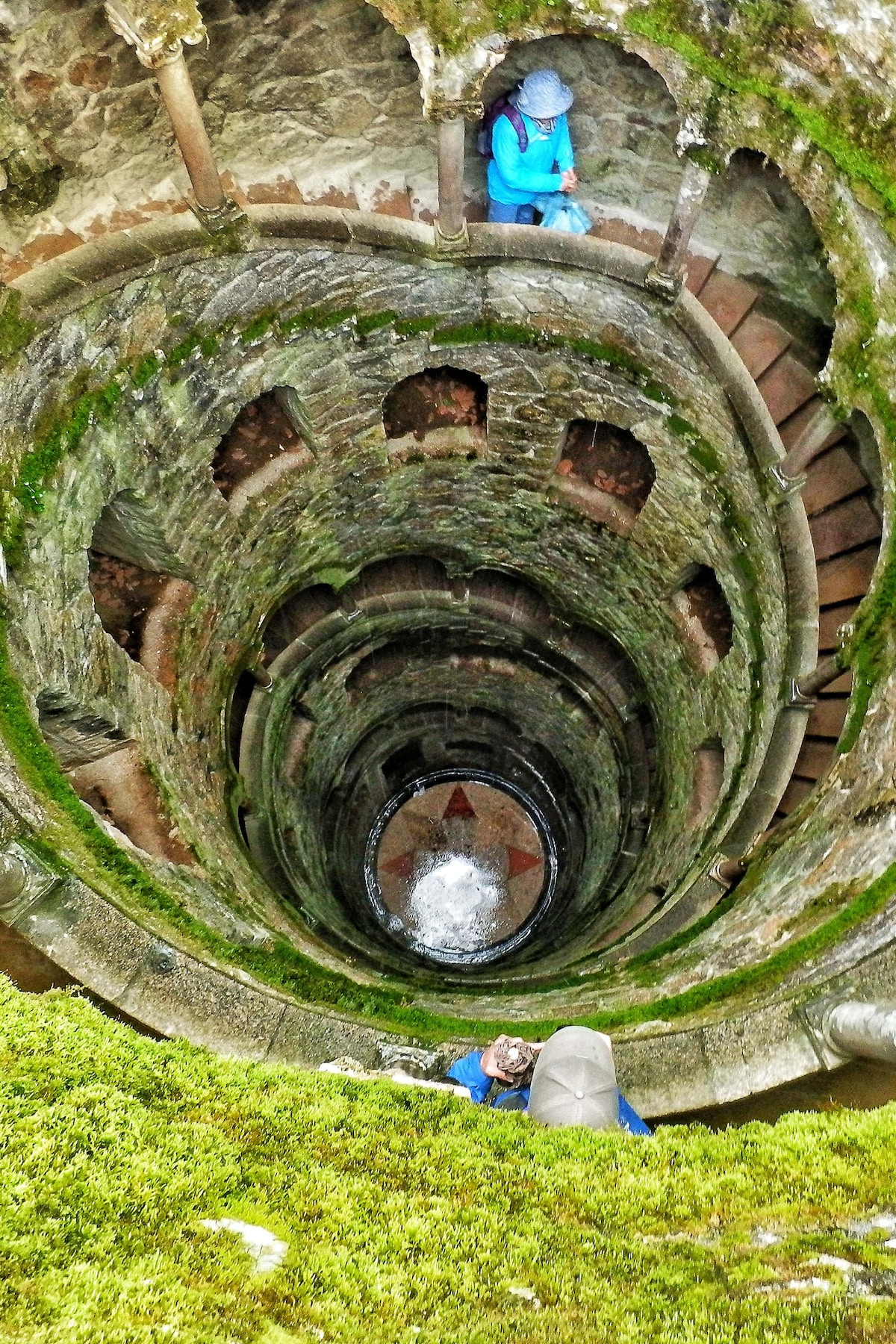
Daytrip to Sintra from Lisbon - A True Experience
Thu, Jan 15 • 8:30 AM
1249-970, Lisbon, Portugal
View details

Sintra Jeep Safari » The Original Tour
Thu, Jan 15 • 9:30 AM
2710-432, Sintra, Portugal
View details

Lisbon Foodies Small-Group Walk
Wed, Jan 14 • 5:30 PM
1250-147, Lisbon, Portugal
View details
Nearby attractions of Church of Saint Anthony of Lisbon
Lisbon Cathedral
Praça do Comércio
Museum Aljube Resistência e Liberdade
Arco da Rua Augusta
Casa dos Bicos / José Saramago Foundation
Museum of Saint Anthony
Church of Saint Mary Magdalene
Museu de Lisboa - Teatro Romano
Miradouro de Santa Luzia
Castelo de S. Jorge
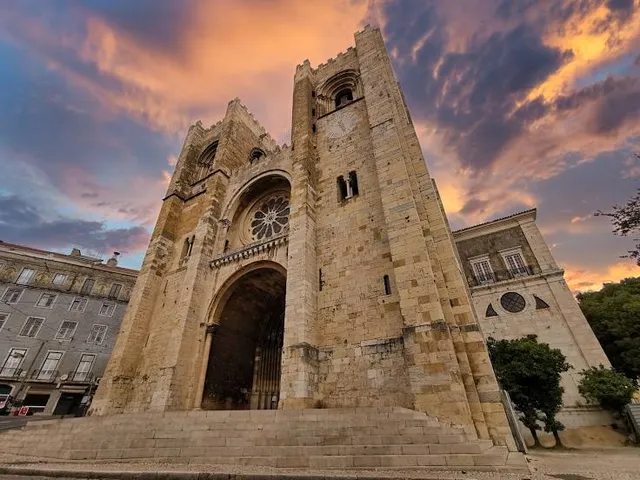
Lisbon Cathedral
4.4
(12.6K)
Closed
Click for details
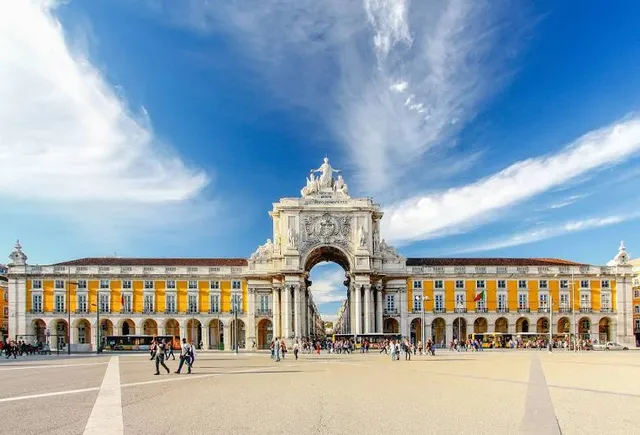
Praça do Comércio
4.7
(42.5K)
Open until 12:00 AM
Click for details
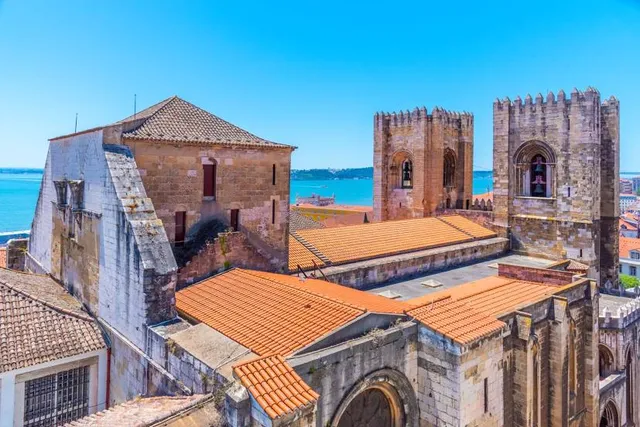
Museum Aljube Resistência e Liberdade
4.7
(824)
Closed
Click for details
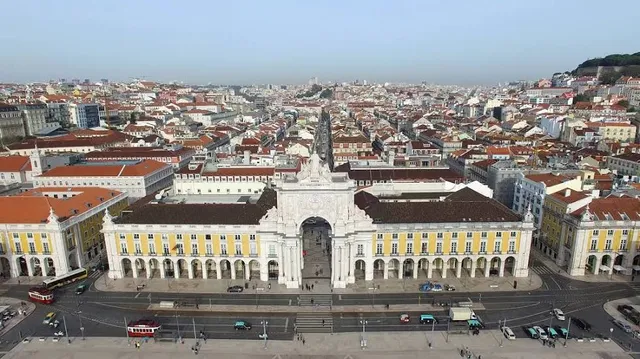
Arco da Rua Augusta
4.7
(10.2K)
Open 24 hours
Click for details
Nearby restaurants of Church of Saint Anthony of Lisbon
Dear Breakfast - Alfama
Lisboa Tu e Eu 2
Breakfast Lovers Alfama
The Folks Sé - Specialty Coffee, Breakfast & Brunch
The Folks Blue Street - Specialty Coffee, Breakfast & Brunch
Uma Marisqueira II (R. do Comércio )
Baixamar - Mariscos e Petiscos
Solar dos Bicos
Bueno y Guapo
Basílio
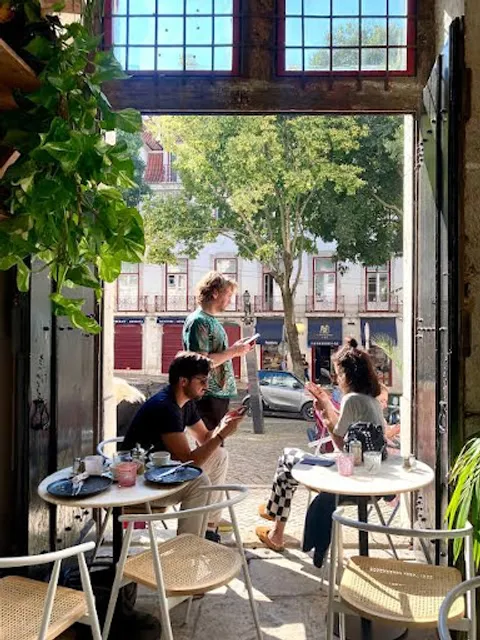
Dear Breakfast - Alfama
4.5
(1.2K)
Closed
Click for details
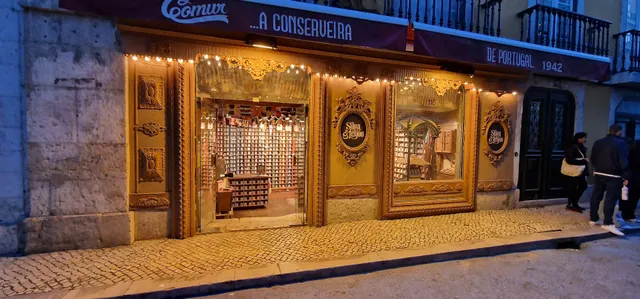
Lisboa Tu e Eu 2
4.6
(2.4K)
Open until 11:00 PM
Click for details
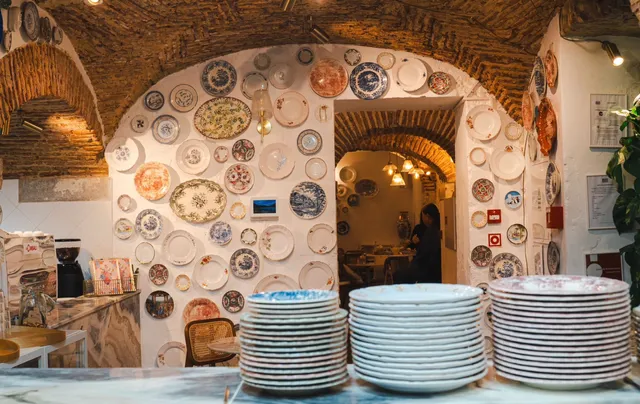
Breakfast Lovers Alfama
4.9
(2.2K)
Closed
Click for details
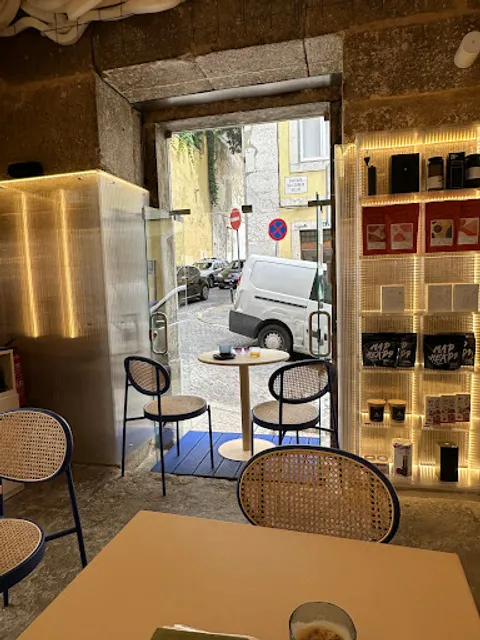
The Folks Sé - Specialty Coffee, Breakfast & Brunch
4.7
(1.2K)
Closed
Click for details
Nearby local services of Church of Saint Anthony of Lisbon
Barbearia O Corvo - The Crow Barbershop
The Sexiest WC on Earth by Renova
Ask Me Lisboa | Praça do Comércio
Livraria Bertrand - Chiado
Barbearia Oliveira
Chiado
Costa & Costa, Lda
Barbearia Oliveira Rossio
Garbags Shop Graça
Mercado de Santa Clara
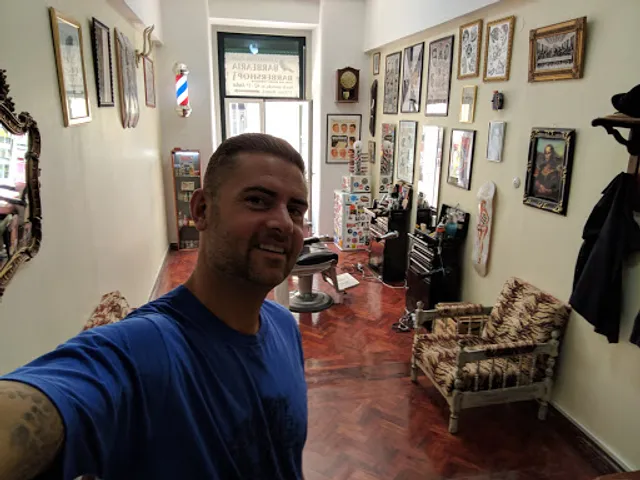
Barbearia O Corvo - The Crow Barbershop
4.8
(509)
Click for details
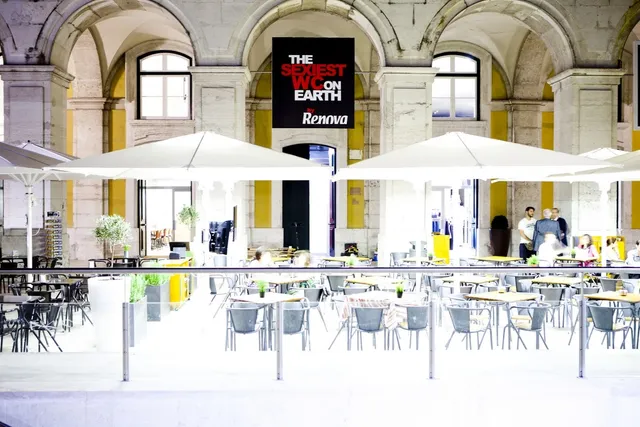
The Sexiest WC on Earth by Renova
3.3
(149)
Click for details
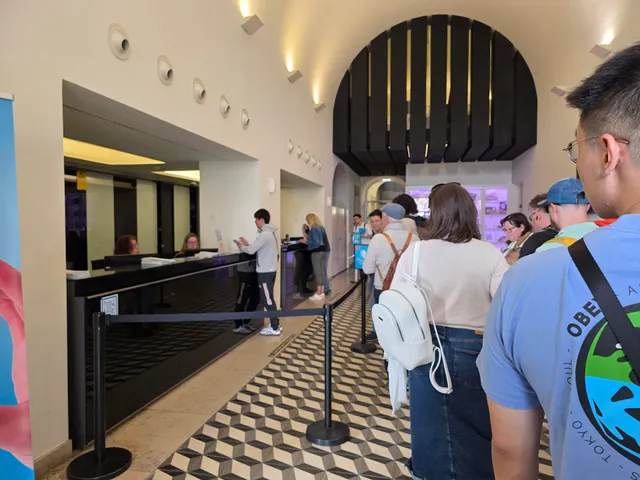
Ask Me Lisboa | Praça do Comércio
3.7
(233)
Click for details
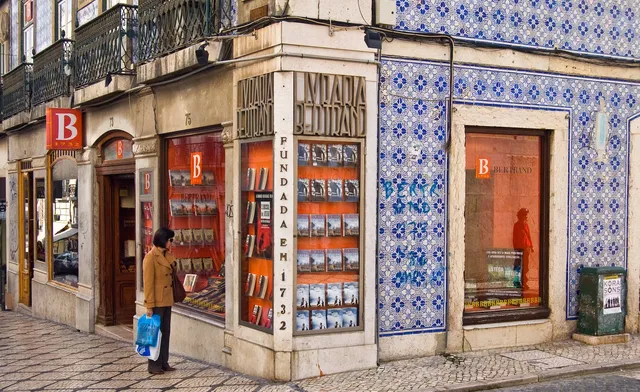
Livraria Bertrand - Chiado
4.6
(2.9K)
Click for details