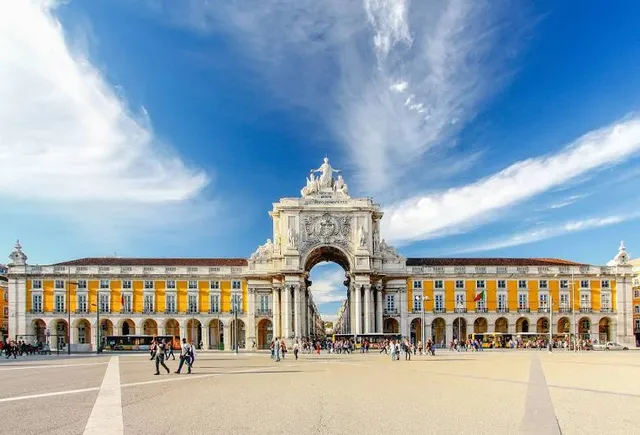
Praça do Comércio things to do, attractions, restaurants, events info and trip planning
Basic Info
Praça do Comércio
1100-148 Lisbon, Portugal
4.7(39.4K)
Open until 12:00 AM


tickets
Save
spot
spot
Ratings & Description
Info
Outdoor
Cultural
Family friendly
attractions: Arco da Rua Augusta, Cais das Colunas, Lisboa Story Centre, Equestrian Statue of King José I, Wines of Portugal, Money Museum, Codfish History Interpretation Centre, Lisbon Cathedral, The Sexiest WC on Earth by Renova, Ask Me Lisboa | Praça do Comércio, restaurants: Baía do Peixe - Praça do Comércio, Can the Can Lisboa, Terra Nova by Populi, Nosolo Itália, Marisqueira Azul - Praça do Comércio, Cervejaria Antártida Lisboa, Troppo Squisito, Uma Marisqueira II (R. do Comércio ), RIB Beef & Wine Lisboa, Pizzaria Tapas La Familia, local businesses: Gale patio, Lisbon City Hall, Church of Saint Anthony of Lisbon, Núcleo Arqueológico da Rua dos Correeiros (Fundação Millennium bcp), Lisbon Shop, Terreiro do Paço, Terreiro do Paço, Terreiro do Paço, Armazéns do Chiado, Supremo Tribunal de Justiça
 Learn more insights from Wanderboat AI.
Website
visitlisboa.com
Open hoursSee all hours
FriOpen 24 hoursOpen
Plan your stay

Pet-friendly Hotels in Lisbon
Find a cozy hotel nearby and make it a full experience.

Affordable Hotels in Lisbon
Find a cozy hotel nearby and make it a full experience.

The Coolest Hotels You Haven't Heard Of (Yet)
Find a cozy hotel nearby and make it a full experience.

Trending Stays Worth the Hype in Lisbon
Find a cozy hotel nearby and make it a full experience.
Reviews
Live events
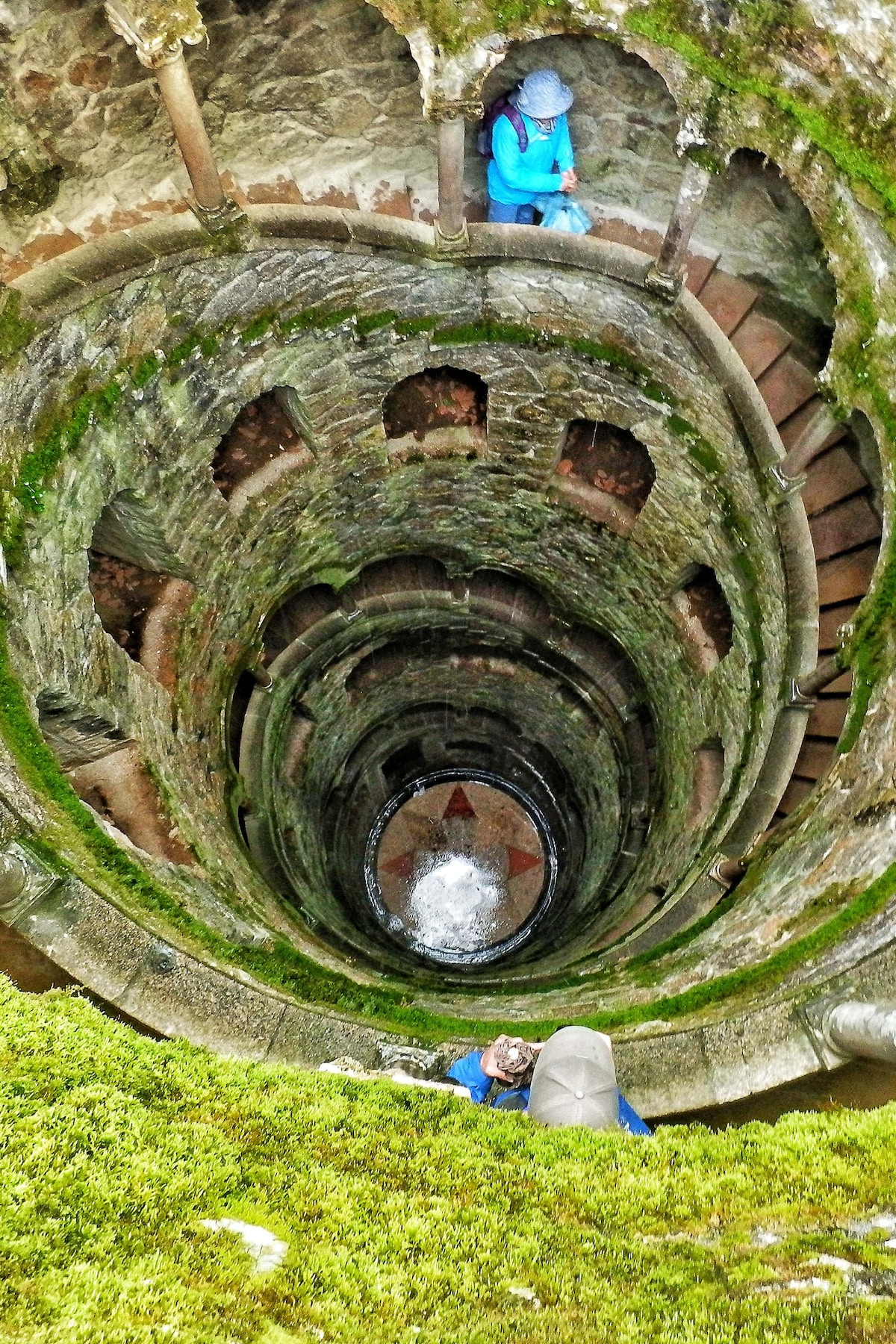
Sintra Tour from Lisbon - The True Experience
Fri, Feb 20 • 8:30 AM
1249-970, Lisbon, Portugal
View details
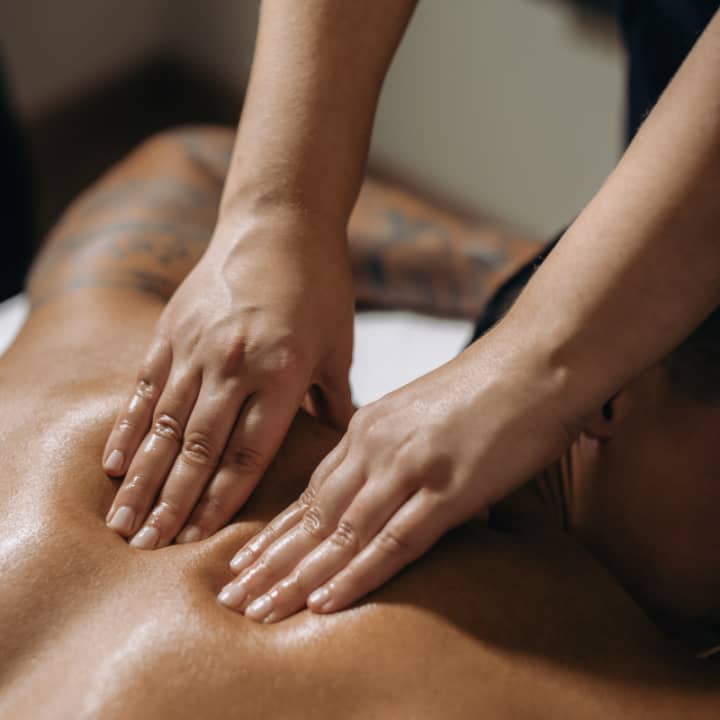
Splash&Spa
Mon, Feb 23 • 10:00 AM
Rua das Palmeiras, Lote 5 - Quinta da Marinha, 2750-005
View details

Bake Pastel de Nata in a real bakery in Lisbon
Fri, Feb 20 • 1:30 PM
1100-581, Lisbon, Portugal
View details
Nearby attractions of Praça do Comércio
Arco da Rua Augusta
Cais das Colunas
Lisboa Story Centre
Equestrian Statue of King José I
Wines of Portugal
Money Museum
Codfish History Interpretation Centre
Lisbon Cathedral
The Sexiest WC on Earth by Renova
Ask Me Lisboa | Praça do Comércio
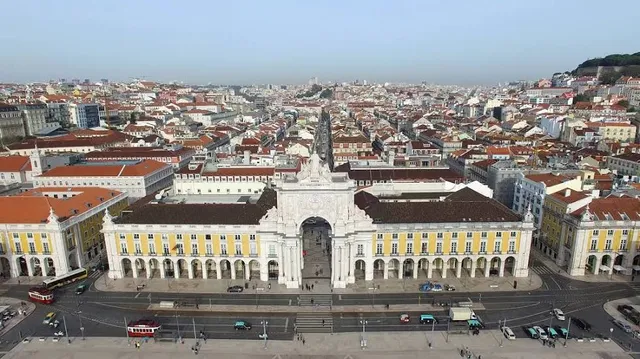
Arco da Rua Augusta
4.7
(10K)
Open 24 hours
Click for details
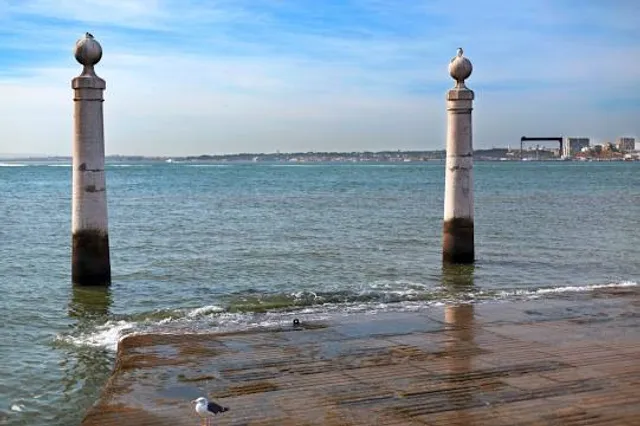
Cais das Colunas
4.7
(2.1K)
Open until 12:00 AM
Click for details
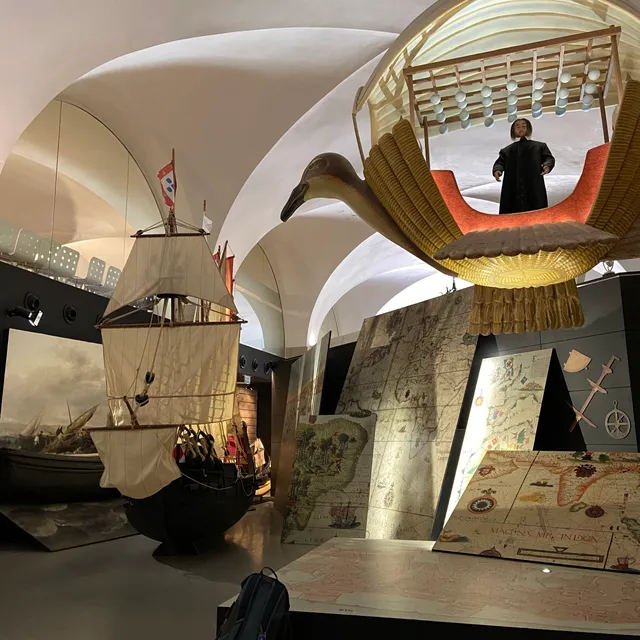
Lisboa Story Centre
4.3
(1.3K)
Open until 7:00 PM
Click for details
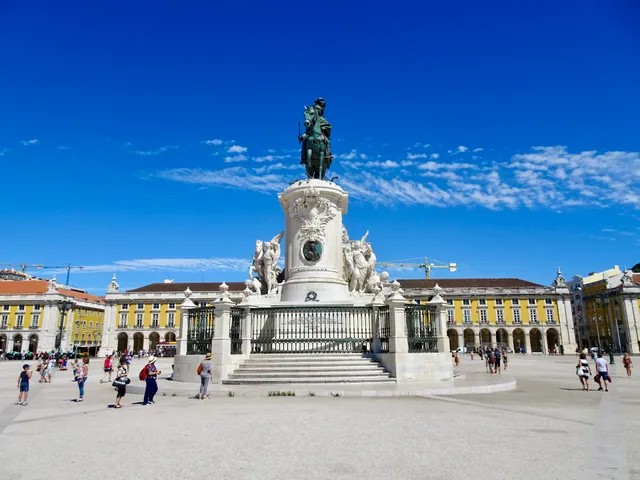
Equestrian Statue of King José I
4.7
(318)
Open 24 hours
Click for details
Nearby restaurants of Praça do Comércio
Baía do Peixe - Praça do Comércio
Can the Can Lisboa
Terra Nova by Populi
Nosolo Itália
Marisqueira Azul - Praça do Comércio
Cervejaria Antártida Lisboa
Troppo Squisito
Uma Marisqueira II (R. do Comércio )
RIB Beef & Wine Lisboa
Pizzaria Tapas La Familia
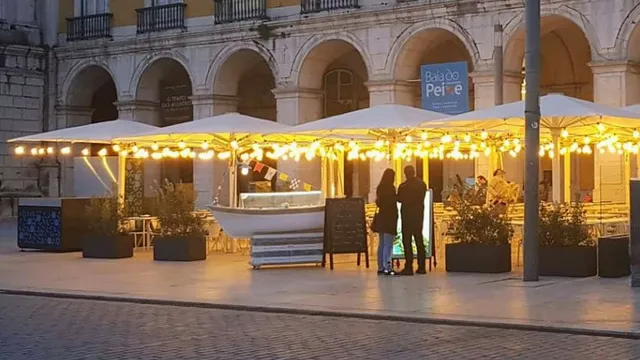
Baía do Peixe - Praça do Comércio
4.6
(2.6K)
$$
Open until 11:30 PM
Click for details
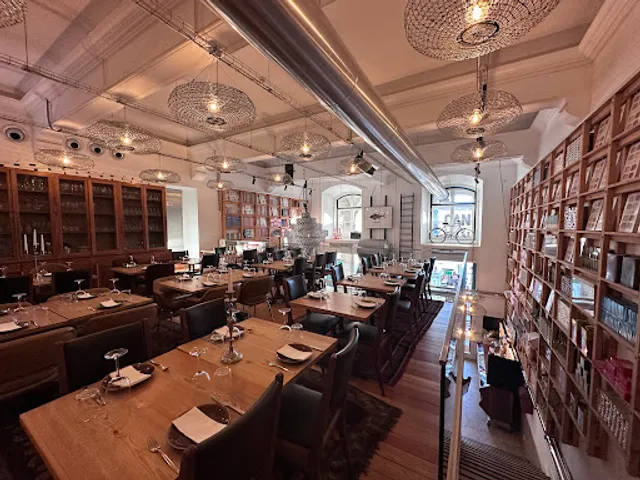
Can the Can Lisboa
4.4
(1.7K)
$$
Open until 12:00 AM
Click for details
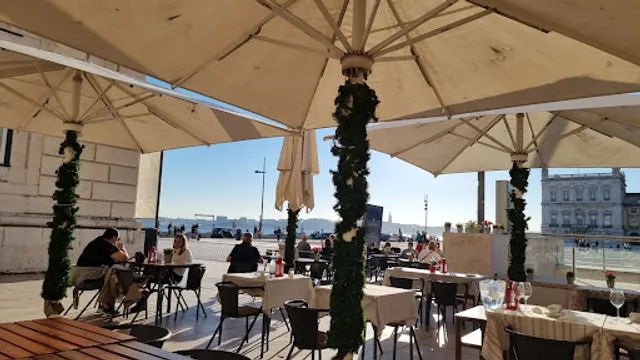
Terra Nova by Populi
3.8
(573)
$$$
Open until 12:00 AM
Click for details
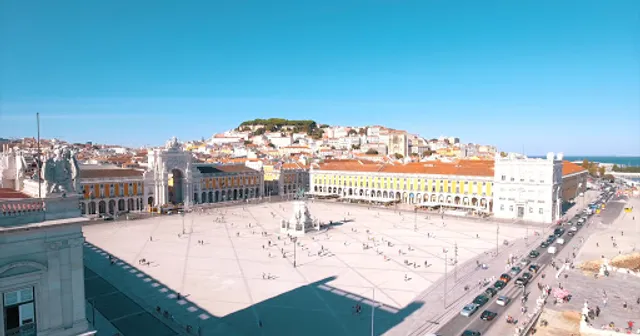
Nosolo Itália
3.4
(826)
$$
Open until 11:00 PM
Click for details
Nearby local services of Praça do Comércio
Gale patio
Lisbon City Hall
Church of Saint Anthony of Lisbon
Núcleo Arqueológico da Rua dos Correeiros (Fundação Millennium bcp)
Lisbon Shop
Terreiro do Paço
Terreiro do Paço
Terreiro do Paço
Armazéns do Chiado
Supremo Tribunal de Justiça
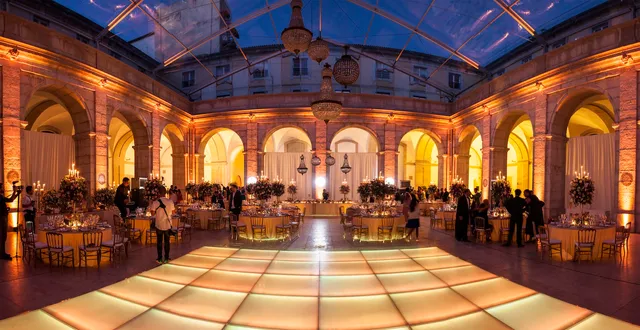
Gale patio
4.4
(323)
Click for details
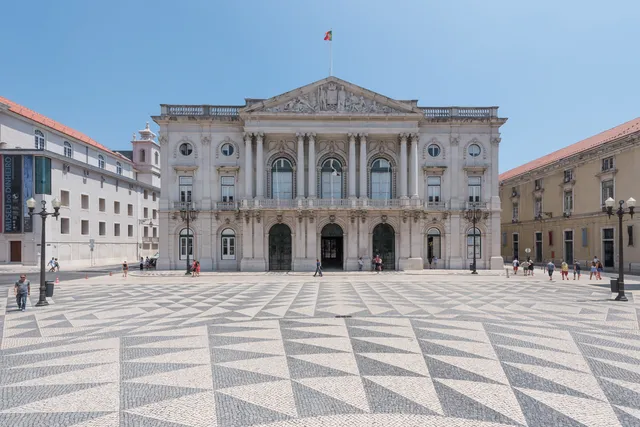
Lisbon City Hall
4.1
(232)
Click for details
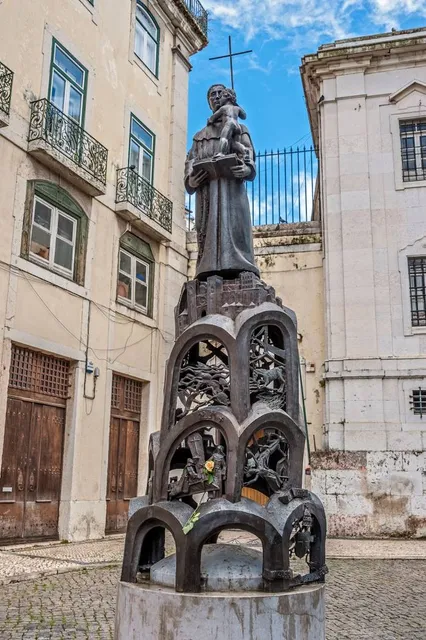
Church of Saint Anthony of Lisbon
4.7
(1.6K)
Click for details
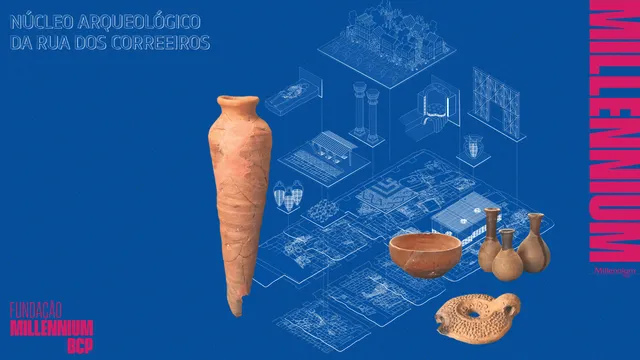
Núcleo Arqueológico da Rua dos Correeiros (Fundação Millennium bcp)
4.5
(445)
Click for details