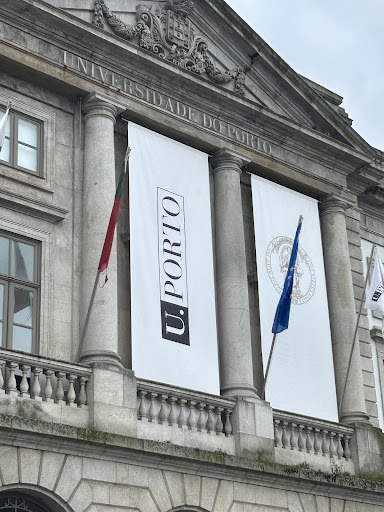
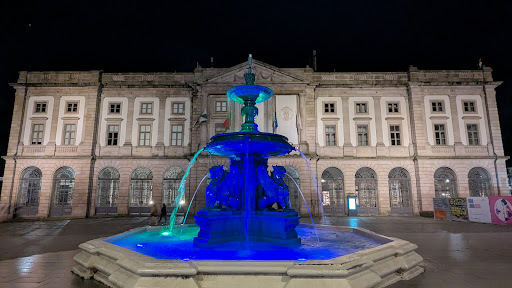
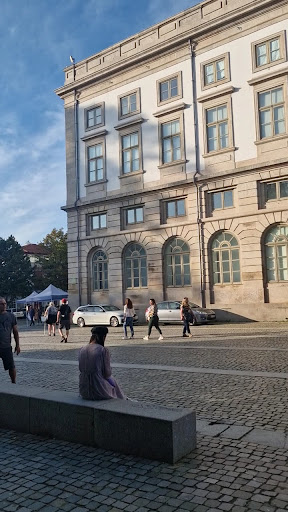
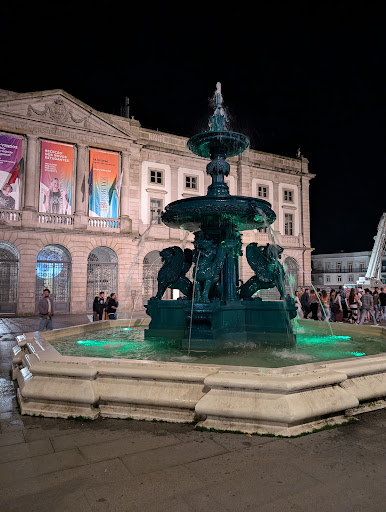
Reitoria da Universidade do Porto things to do, attractions, restaurants, events info and trip planning
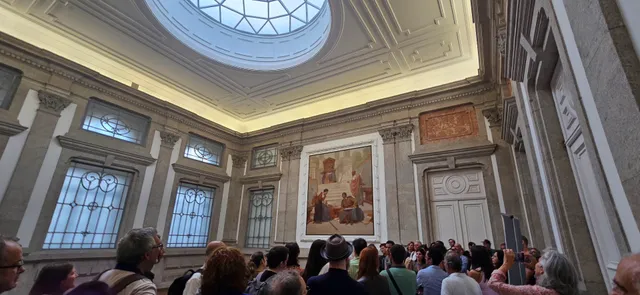
Basic Info
Reitoria da Universidade do Porto
Praça de Gomes Teixeira, 4099-002 Porto, Portugal
4.6(69)
Open 24 hours
Save
spot
spot
Ratings & Description
Info
attractions: Torre dos Clérigos, Igreja do Carmo, Jardim da Cordoaria, Fonte dos Leões, Clerigos Church and Tower, Porto Exit Games (Baixa), University of Porto, Igreja dos Carmelitas, Portuguese Centre of Photography, Praça de Guilherme Gomes Fernandes, restaurants: Piolho, Base Porto, Subenshi Porto, Casa Guedes Progresso, CA Downtown - Brunch • Specialty Coffee • Matcha, Amorino Gelato - Porto Carmelitas, Zenith - Brunch & Cocktails Bar, Noshi Coffee, Leitaria da Quinta do Paço, Bonaparte Downtown, local businesses: Museo de la Historia Natural y de la Ciencia de la Universidad de Porto, Marques Soares, S.A Porto, Casa Oriental, Loja da Universidade do Porto, USAxe Club, Parque de las Virtudes, Jardín de los Olivos, O Mundo Fantástico das Sardinhas Portuguesas, A Principal da Borracha, Museu do Centro Hospitalar do Porto
 Learn more insights from Wanderboat AI.
Phone
+351 22 040 8000
Website
sigarra.up.pt
Plan your stay

Pet-friendly Hotels in Porto
Find a cozy hotel nearby and make it a full experience.

Affordable Hotels in Porto
Find a cozy hotel nearby and make it a full experience.

The Coolest Hotels You Haven't Heard Of (Yet)
Find a cozy hotel nearby and make it a full experience.

Trending Stays Worth the Hype in Porto
Find a cozy hotel nearby and make it a full experience.
Reviews
Live events
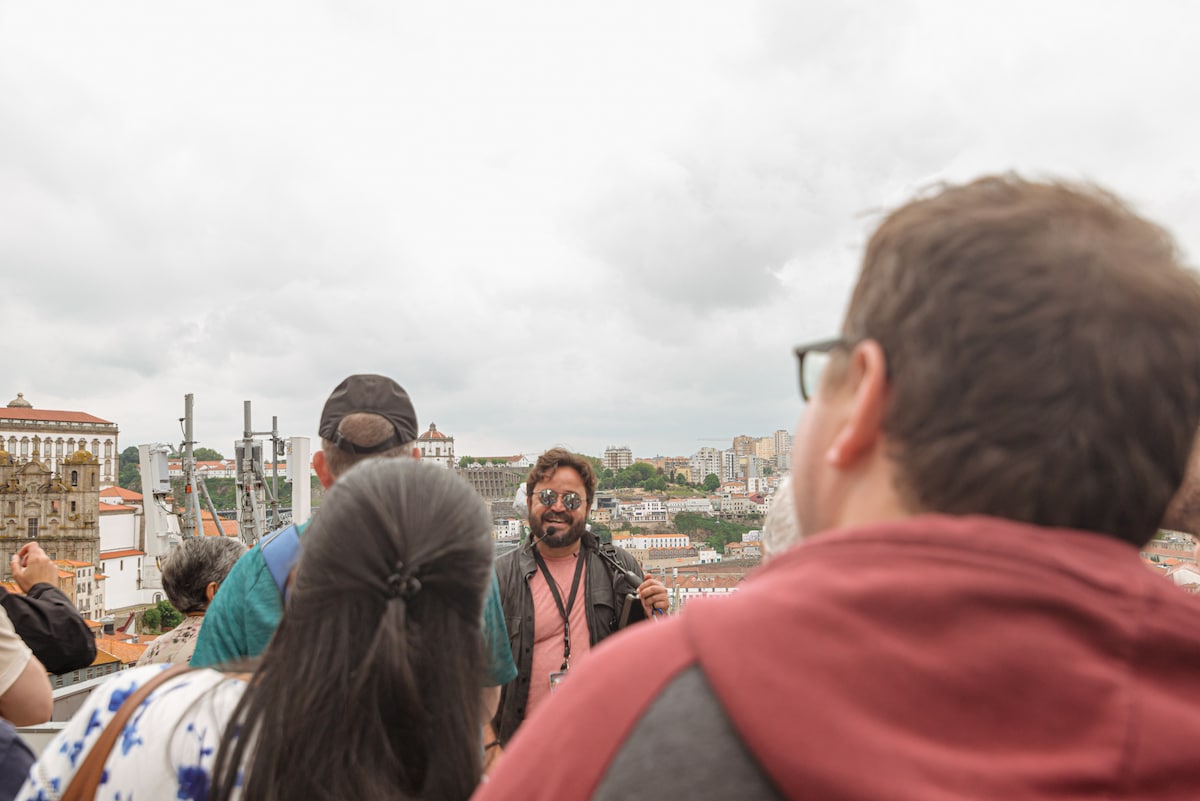
Uncover Portos history with a local guide
Sun, Feb 8 • 10:00 AM
4050-161, Porto, Portugal
View details
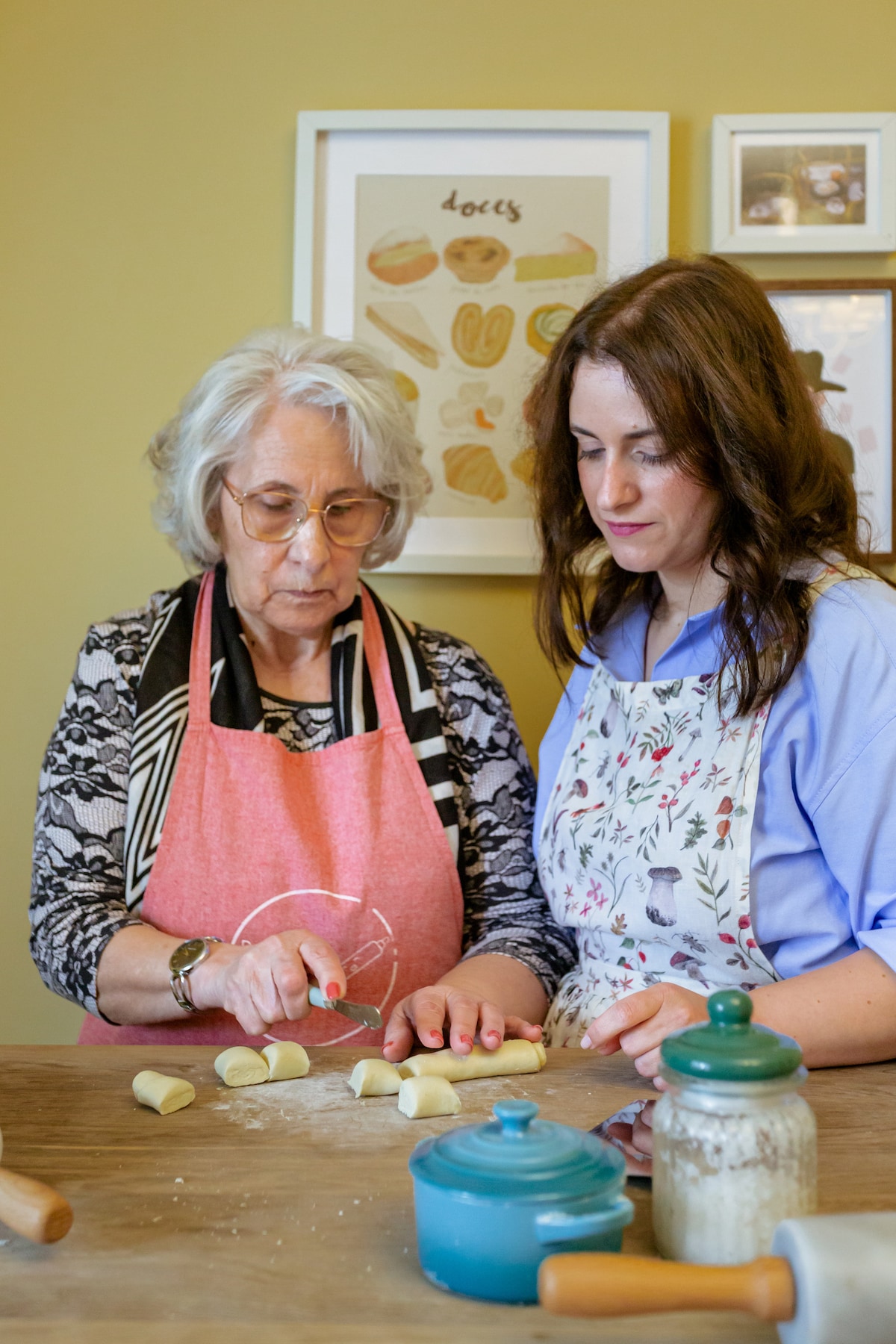
Learn to make Pastel de Nata
Sun, Feb 8 • 10:00 AM
4510-551, Fânzeres, Portugal
View details
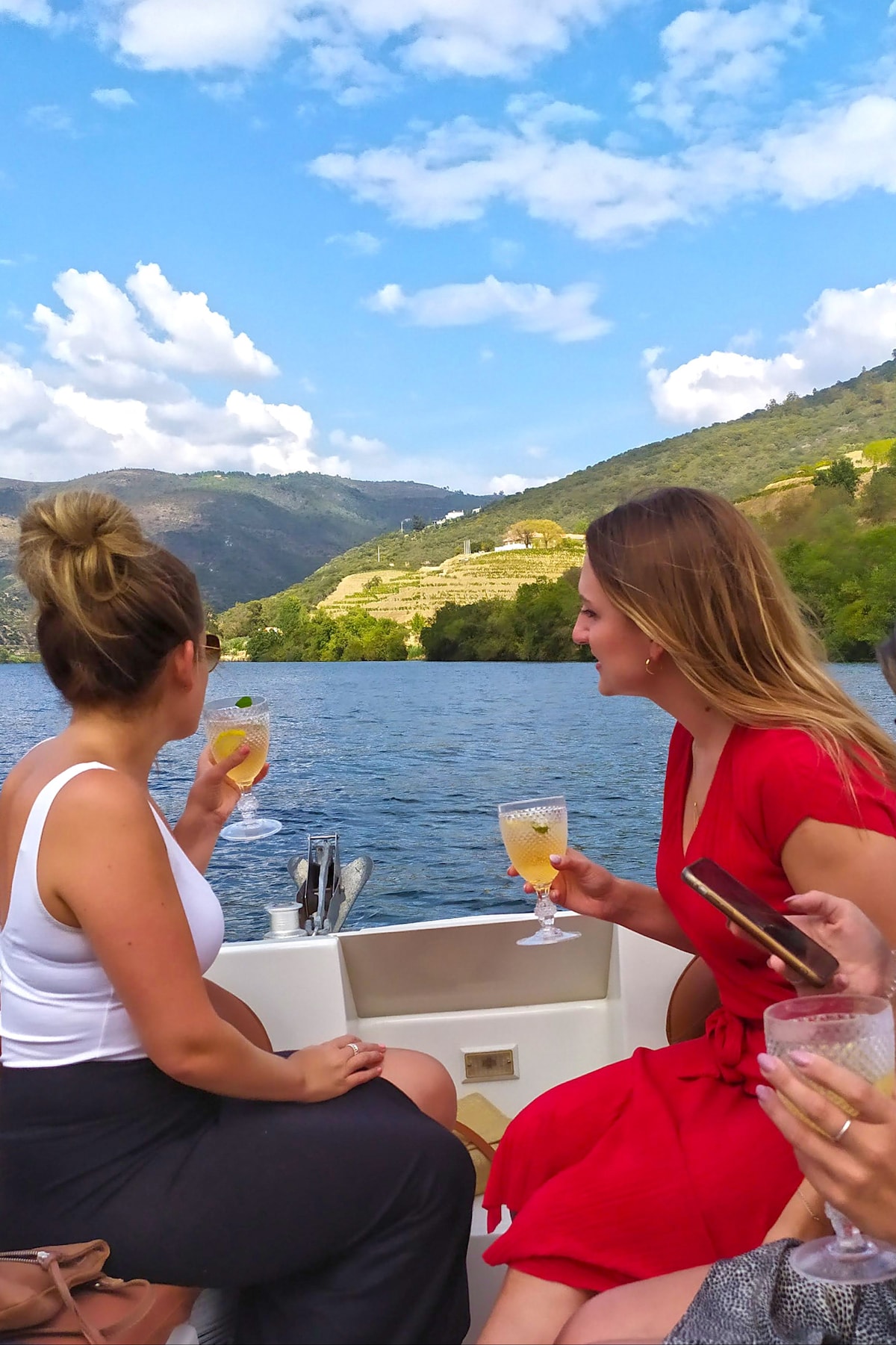
Wine Venture & Boat Trip in Douro Valley
Mon, Feb 9 • 8:00 AM
4000-069, Porto, Portugal
View details
Nearby attractions of Reitoria da Universidade do Porto
Torre dos Clérigos
Igreja do Carmo
Jardim da Cordoaria
Fonte dos Leões
Clerigos Church and Tower
Porto Exit Games (Baixa)
University of Porto
Igreja dos Carmelitas
Portuguese Centre of Photography
Praça de Guilherme Gomes Fernandes
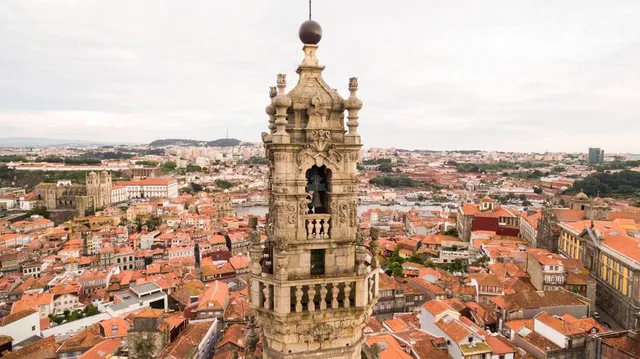
Torre dos Clérigos
4.6
(8K)
Closed
Click for details
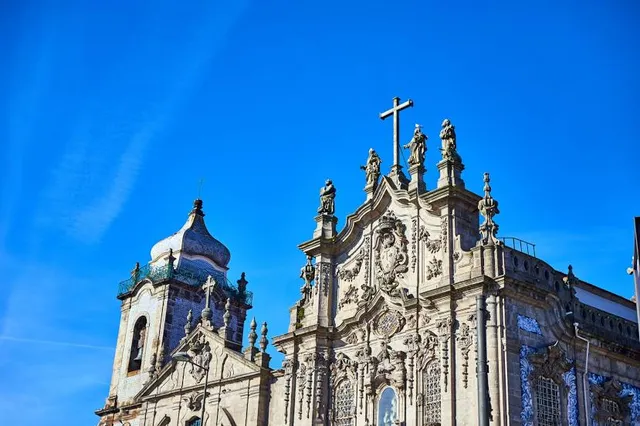
Igreja do Carmo
4.5
(2.1K)
Closed
Click for details
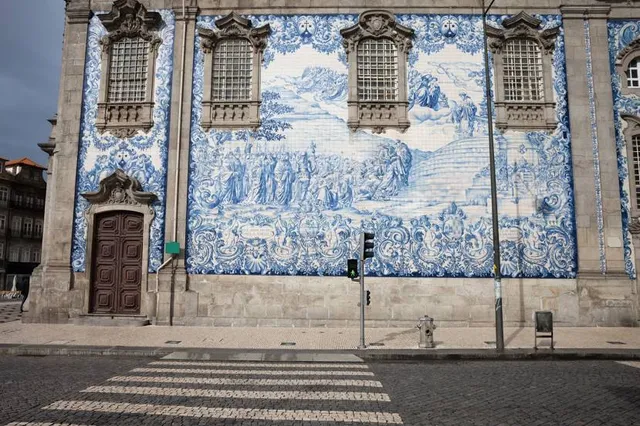
Jardim da Cordoaria
4.5
(4.6K)
Open until 12:00 AM
Click for details
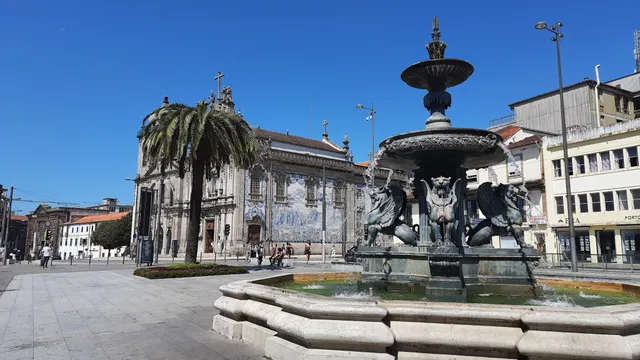
Fonte dos Leões
4.6
(783)
Open until 12:00 AM
Click for details
Nearby restaurants of Reitoria da Universidade do Porto
Piolho
Base Porto
Subenshi Porto
Casa Guedes Progresso
CA Downtown - Brunch • Specialty Coffee • Matcha
Amorino Gelato - Porto Carmelitas
Zenith - Brunch & Cocktails Bar
Noshi Coffee
Leitaria da Quinta do Paço
Bonaparte Downtown
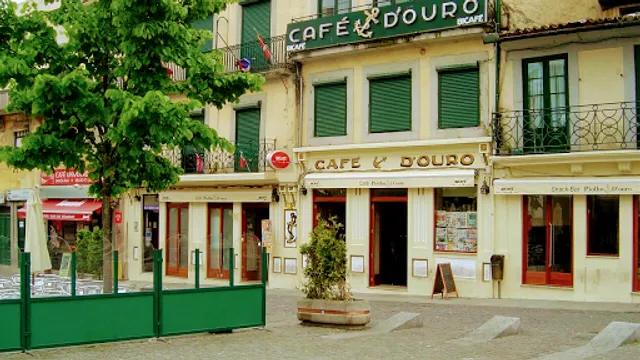
Piolho
4.2
(2.1K)
Open until 12:00 AM
Click for details
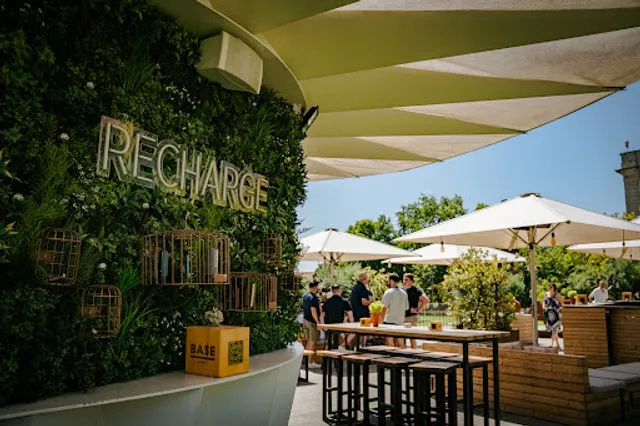
Base Porto
4.5
(2.4K)
Open until 10:00 PM
Click for details
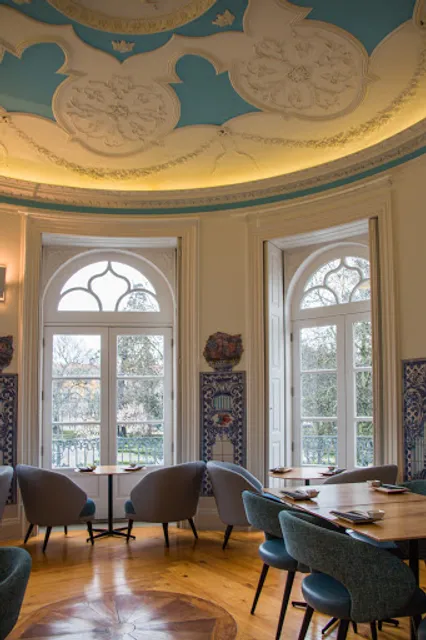
Subenshi Porto
4.6
(1.7K)
$$$
Closed
Click for details
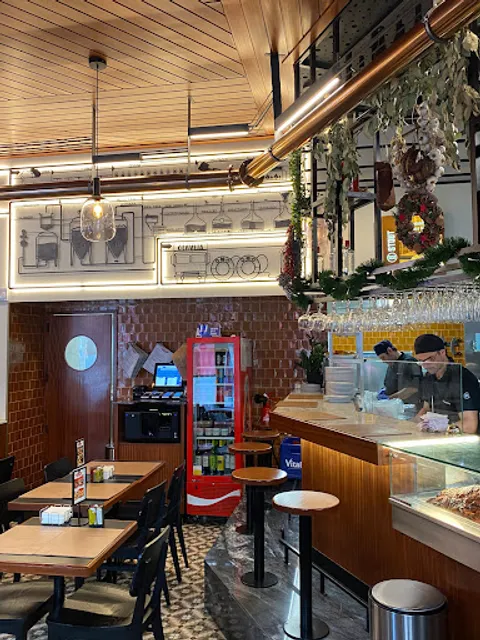
Casa Guedes Progresso
4.6
(3K)
Open until 12:00 AM
Click for details
Nearby local services of Reitoria da Universidade do Porto
Museo de la Historia Natural y de la Ciencia de la Universidad de Porto
Marques Soares, S.A Porto
Casa Oriental
Loja da Universidade do Porto
USAxe Club
Parque de las Virtudes
Jardín de los Olivos
O Mundo Fantástico das Sardinhas Portuguesas
A Principal da Borracha
Museu do Centro Hospitalar do Porto
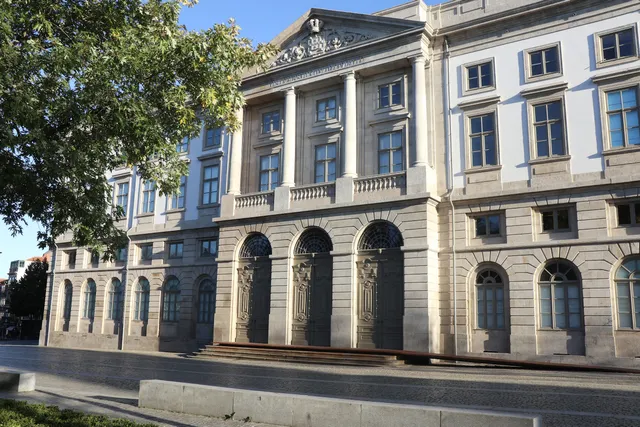
Museo de la Historia Natural y de la Ciencia de la Universidad de Porto
4.3
(262)
Click for details
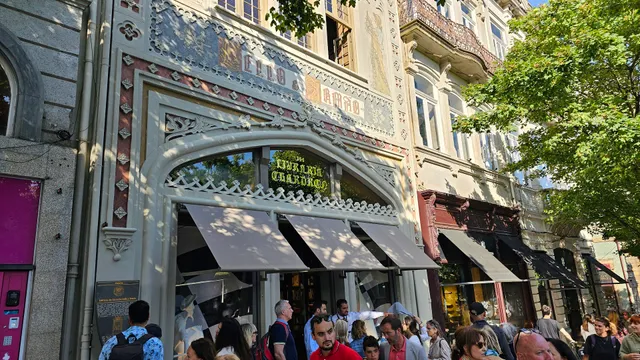
Marques Soares, S.A Porto
4.5
(335)
Click for details
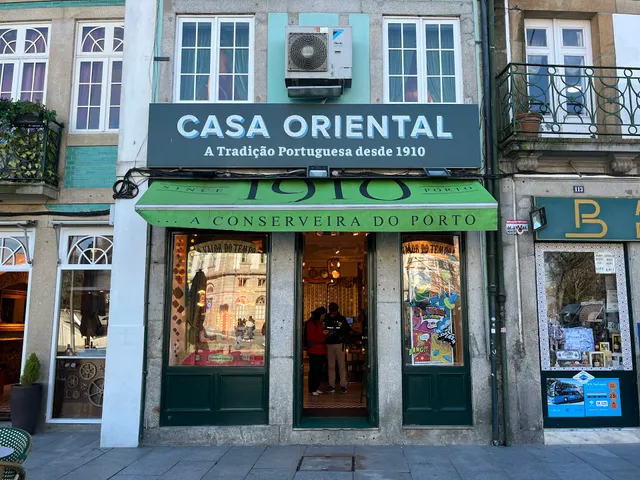
Casa Oriental
4.4
(271)
Click for details
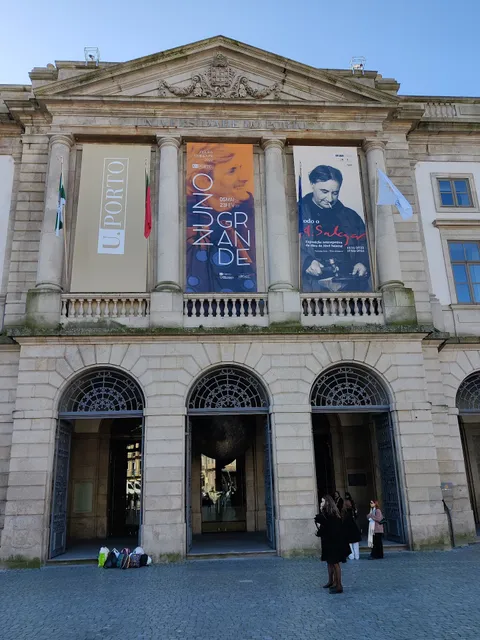
Loja da Universidade do Porto
4.4
(24)
Click for details