Saint Nicholas' Cathedral things to do, attractions, restaurants, events info and trip planning
Basic Info
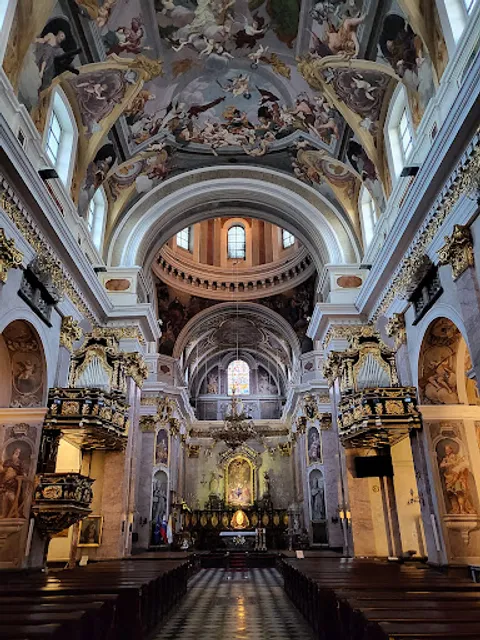
Saint Nicholas' Cathedral
Dolničarjeva ulica 1, 1000 Ljubljana, Slovenia
4.5(1.2K)
Closed
Save
spot
spot
Ratings & Description
Info
Cultural
Scenic
Family friendly
Accessibility
attractions: Ljubljana Castle, Prešernov trg, Dragon Bridge, Ljubljana Castle Funicular, The Butchers' Bridge, Robbov vodnjak, Town Square, Town Hall, Kongresni Trg, Vodnik Monument, restaurants: Gostilna Sokol, Cacao Ljubljana, Klobasarna, Moji štruklji Slovenije, Vigò, Pop's place, Donut Tell, Restavracija Most, Restavracija Vodnikov Hram, Ljubljana, JADRO restaurant, local businesses: Ljubljana Cathedral, Triple Bridge, Emporium Gallery, Pogačar Square, Lush International, Zastopstvo In Trgovina, D.O.O., Ljubljana, Mala ulica, Roman Catholic Archdiocese of Ljubljana, Ice Cream Rolls, Plečnik's Arcades, Nebotičnik
 Learn more insights from Wanderboat AI.
Phone
+386 1 234 26 90
Website
stolnica.com
Open hoursSee all hours
Thu11 AM - 6 PMClosed
Plan your stay

Pet-friendly Hotels in Upravna Enota Ljubljana
Find a cozy hotel nearby and make it a full experience.

Affordable Hotels in Upravna Enota Ljubljana
Find a cozy hotel nearby and make it a full experience.

The Coolest Hotels You Haven't Heard Of (Yet)
Find a cozy hotel nearby and make it a full experience.

Trending Stays Worth the Hype in Upravna Enota Ljubljana
Find a cozy hotel nearby and make it a full experience.
Reviews
Live events
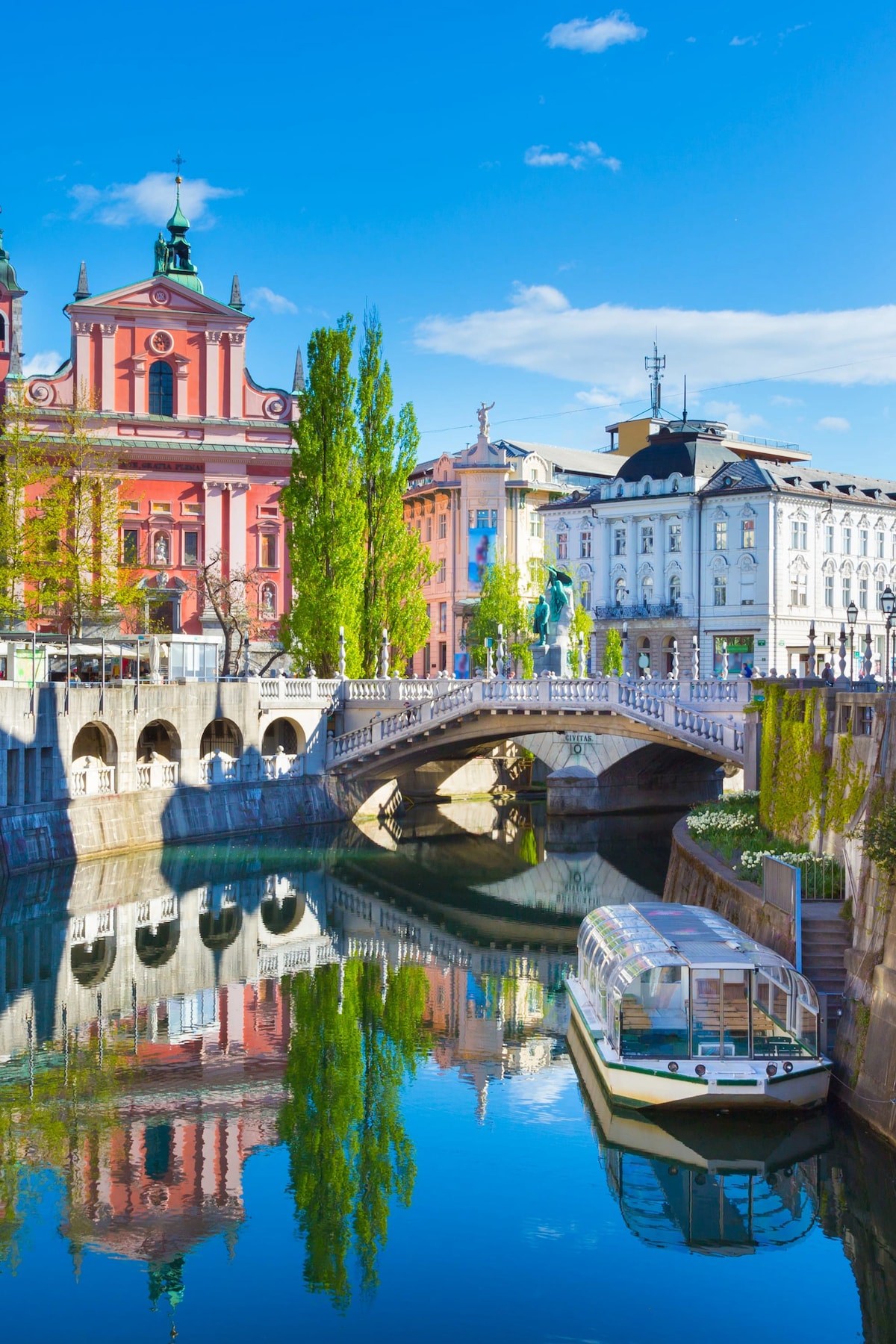
Ljubljana Boat Cruise & City Walking Tour
Thu, Feb 5 • 12:00 PM
1000, Ljubljana, Slovenia
View details
Nearby attractions of Saint Nicholas' Cathedral
Ljubljana Castle
Prešernov trg
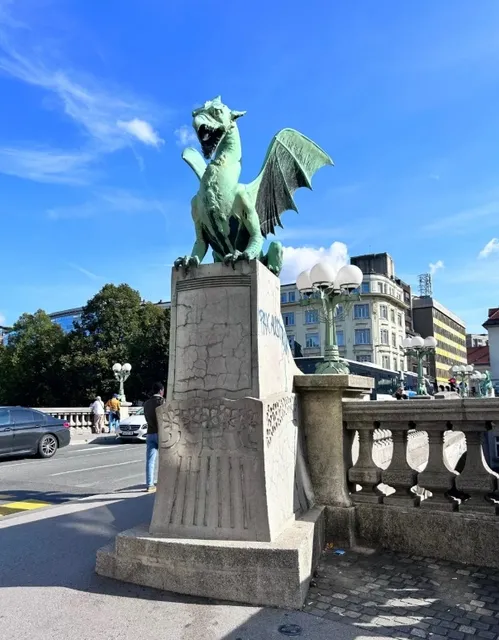
Dragon Bridge
Ljubljana Castle Funicular
The Butchers' Bridge
Robbov vodnjak
Town Square
Town Hall
Kongresni Trg
Vodnik Monument
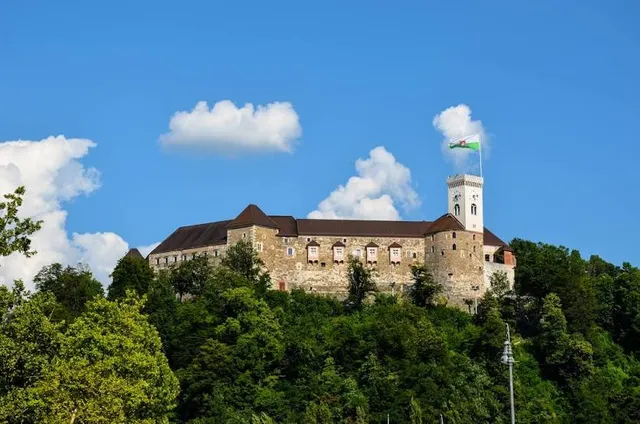
Ljubljana Castle
4.4
(14.7K)
Closed
Click for details
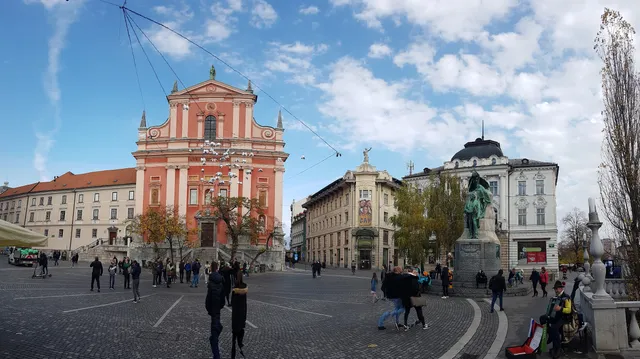
Prešernov trg
4.7
(5.2K)
Open until 12:00 AM
Click for details
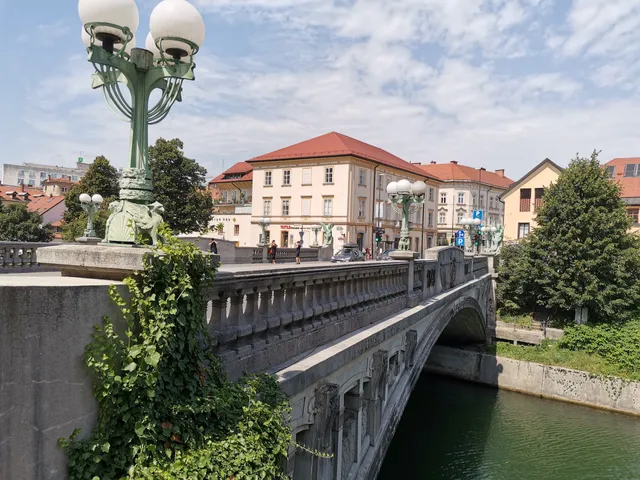
Dragon Bridge
4.6
(8.8K)
Open until 12:00 AM
Click for details
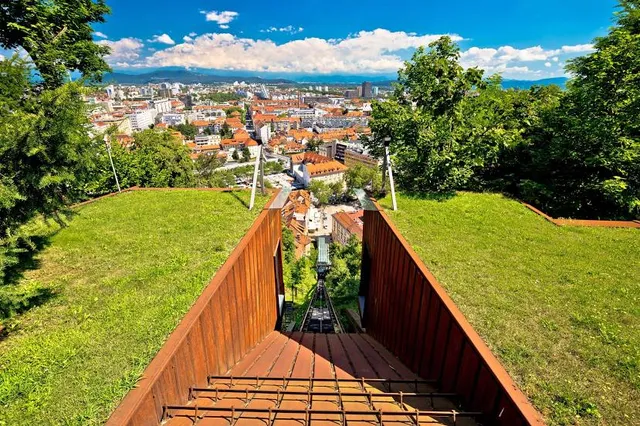
Ljubljana Castle Funicular
4.5
(935)
Closed
Click for details
Nearby restaurants of Saint Nicholas' Cathedral
Gostilna Sokol
Cacao Ljubljana
Klobasarna
Moji štruklji Slovenije
Vigò
Pop's place
Donut Tell
Restavracija Most
Restavracija Vodnikov Hram, Ljubljana
JADRO restaurant
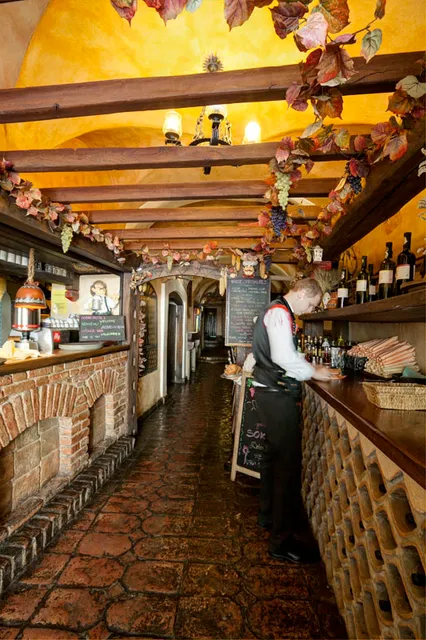
Gostilna Sokol
4.3
(3.6K)
Closed
Click for details
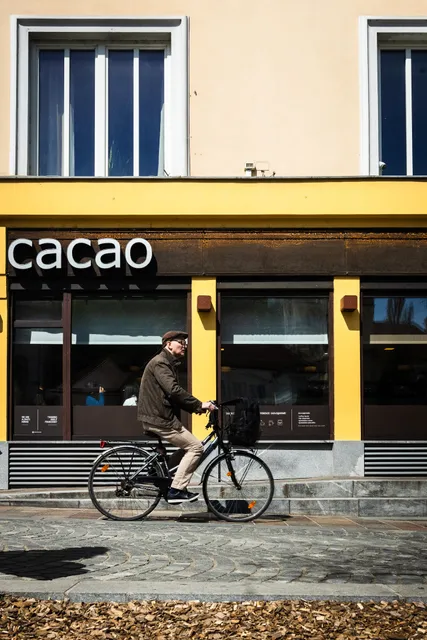
Cacao Ljubljana
4.5
(2.8K)
Closed
Click for details
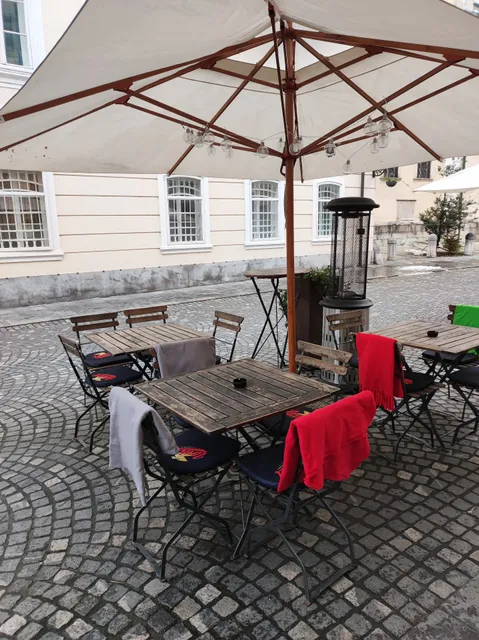
Klobasarna
4.6
(951)
Closed
Click for details
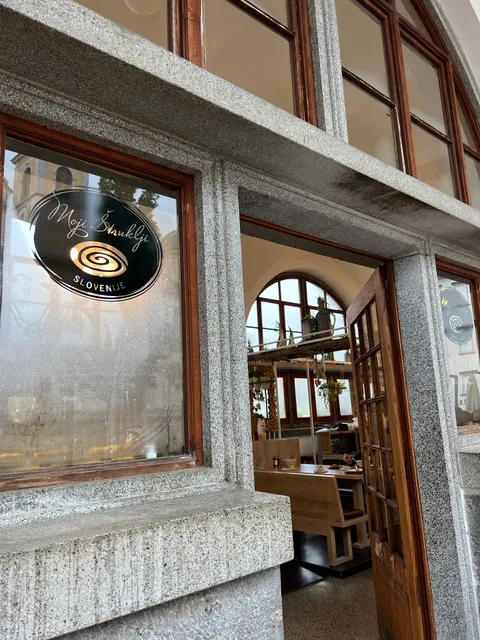
Moji štruklji Slovenije
4.6
(935)
Open until 12:00 AM
Click for details
Nearby local services of Saint Nicholas' Cathedral
Ljubljana Cathedral
Triple Bridge
Emporium Gallery
Pogačar Square
Lush International, Zastopstvo In Trgovina, D.O.O., Ljubljana
Mala ulica
Roman Catholic Archdiocese of Ljubljana
Ice Cream Rolls
Plečnik's Arcades
Nebotičnik
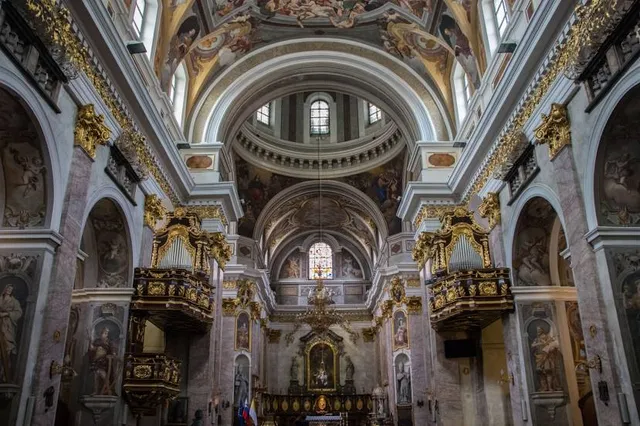
Ljubljana Cathedral
4.5
(1.0K)
Click for details
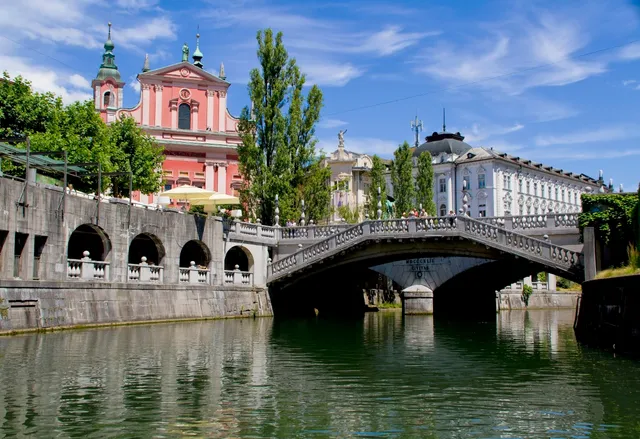
Triple Bridge
4.7
(1.4K)
Click for details
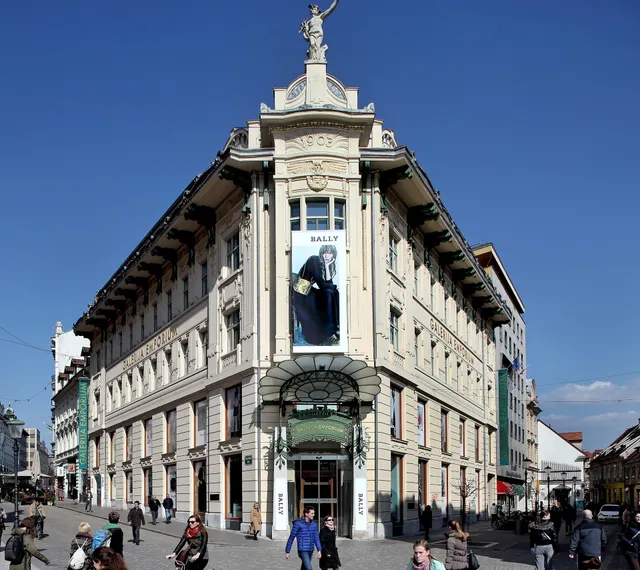
Emporium Gallery
4.4
(351)
Click for details
Pogačar Square
4.3
(35)
Click for details