The Quincentennial Foundation Museum of Turkish Jews things to do, attractions, restaurants, events info and trip planning
Basic Info
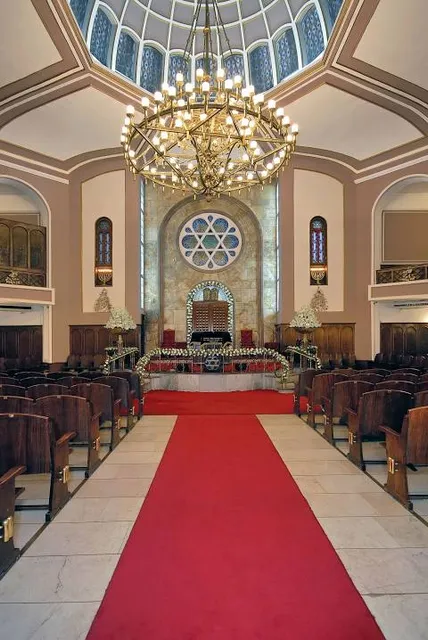
The Quincentennial Foundation Museum of Turkish Jews
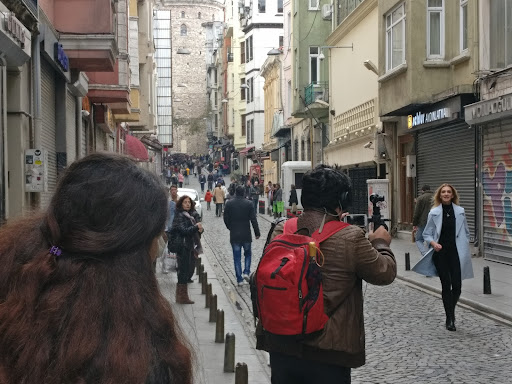
Bereketzade Mahallesi Büyük Hendek Caddesi, Şişhane Sk. No:39, 34421 Beyoğlu/İstanbul, Türkiye
4.4(284)
Closed

tickets
Save
spot
spot
Ratings & Description
Info
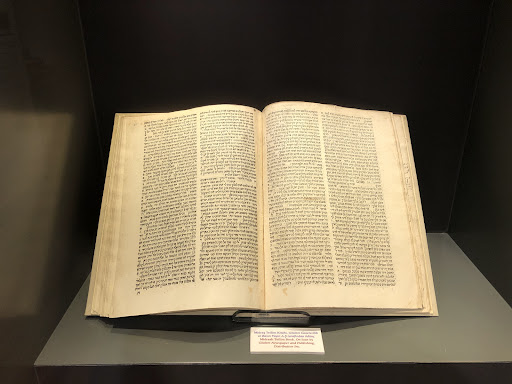
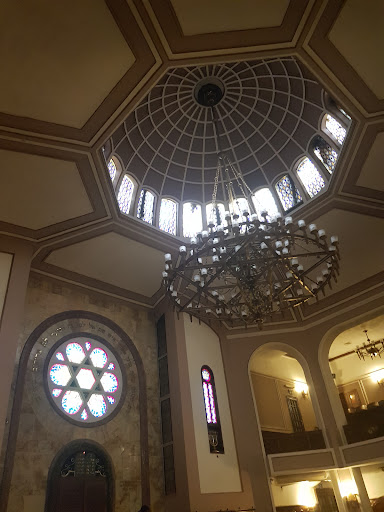
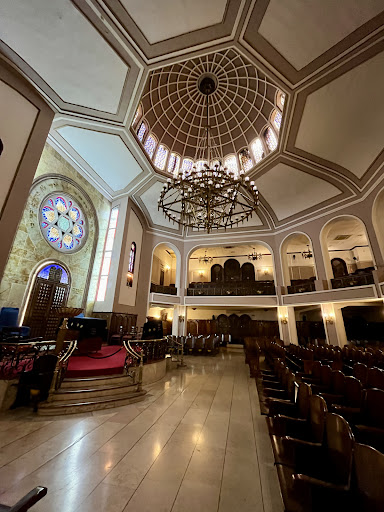
Jewish Museum of Turkey is a cultural center established by the Quincentennial Foundation to inform the society of the traditions and history of Turkish Jewry. It was inaugurated on November 25, 2001.
Cultural
Accessibility
Family friendly
attractions: Galata Tower, Neve Shalom Synagogue, Galata Mevlevihanesi Müzesi, Barnathan Apartmanı, Galata Tower Museum, Şışhane Park, Arap Camii, Bereketzade Fountain, Salt Galata, Highlights in Istanbul Workshops, restaurants: Viyana Kahvesi Galata, Payidar Galata, Sirin Firin Bakery, Gallant Galata, Barnathan İstanbul, Federal Galata, Cafe Privato Restaurant, Guney Restaurant, Galata Frida House Cafe Restaurant, Viyana Kahvesi Galata Tower, local businesses: Galata 10'LA kuaför HairDresser Beauty Salon /Cosmostic, ALATURKA HAMAM TAKSİM, Karakoy Özsüt, Los Banditos Giyim, Rooftop Galata, SYNTHESE ATELIER DE PARFUM GALATA TOWER, Grow Art Tattoo & Piercing, Captain Candy, Soul of Anatolia, Halt
 Learn more insights from Wanderboat AI.
Phone
+90 212 292 63 33
Website
muze500.com
Open hoursSee all hours
Tue10 AM - 5 PMClosed
Plan your stay

Pet-friendly Hotels in Beyoğlu
Find a cozy hotel nearby and make it a full experience.

Affordable Hotels in Beyoğlu
Find a cozy hotel nearby and make it a full experience.

The Coolest Hotels You Haven't Heard Of (Yet)
Find a cozy hotel nearby and make it a full experience.

Trending Stays Worth the Hype in Beyoğlu
Find a cozy hotel nearby and make it a full experience.
Reviews
Live events
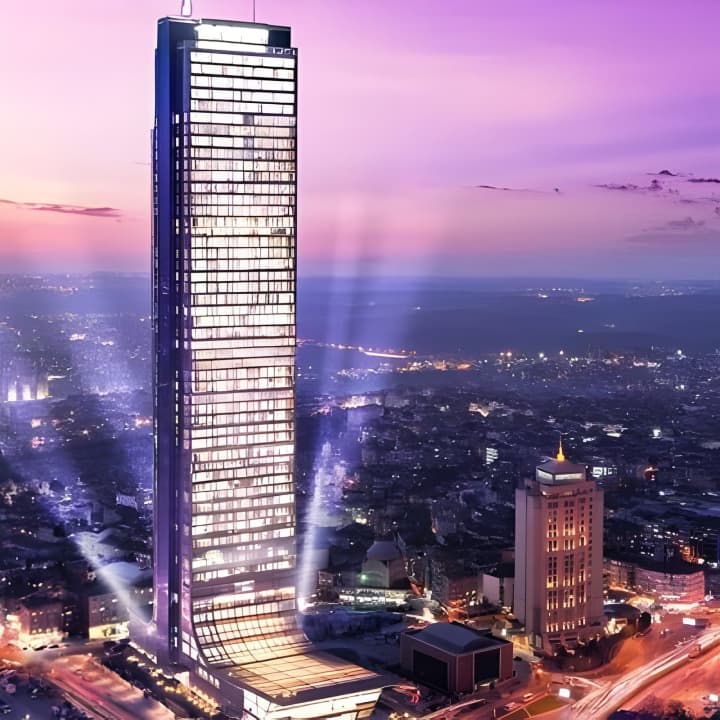
İstanbul Sapphire Seyir Terası Girişi
Tue, Feb 24 • 10:00 AM
Emniyet Evleri, Eski Büyükdere Cd. No:1, Kağıthane, 34415
View details
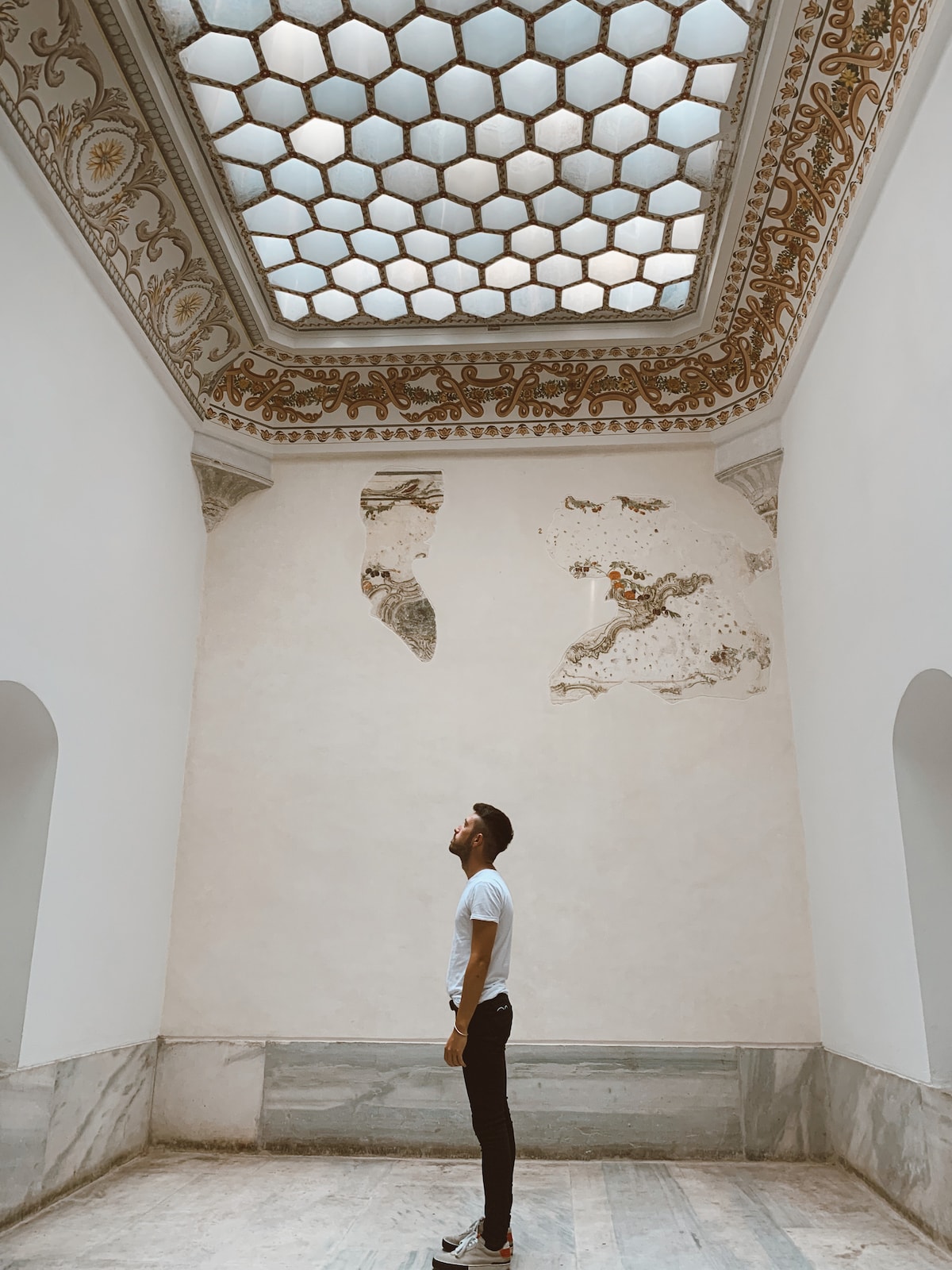
Old City Highlights: From Icons to Hidden Corners
Tue, Feb 24 • 9:00 AM
34122, Fatih, İstanbul, Turkey
View details

Istanbul Sunset Yacht Tour – Wine, Music & Photos
Tue, Feb 24 • 4:30 PM
34200, Beyoğlu, İstanbul, Turkey
View details
Nearby attractions of The Quincentennial Foundation Museum of Turkish Jews
Galata Tower
Neve Shalom Synagogue
Galata Mevlevihanesi Müzesi
Barnathan Apartmanı
Galata Tower Museum
Şışhane Park
Arap Camii
Bereketzade Fountain
Salt Galata
Highlights in Istanbul Workshops
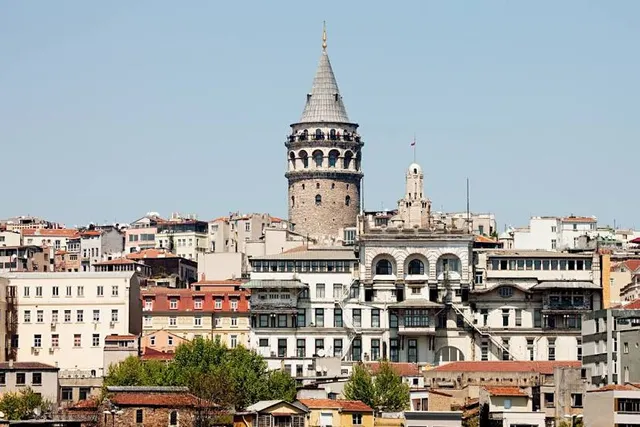
Galata Tower
4.6
(64.2K)
Closed
Click for details
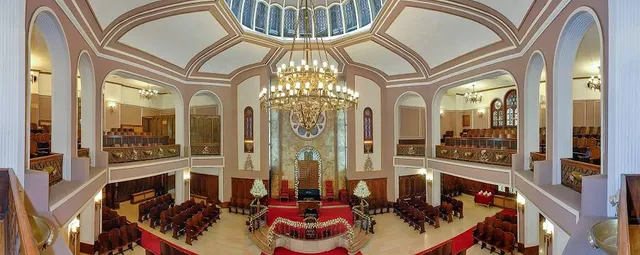
Neve Shalom Synagogue
4.2
(286)
Closed
Click for details
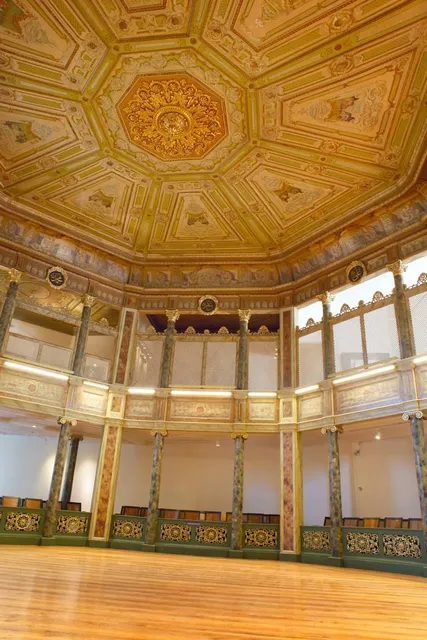
Galata Mevlevihanesi Müzesi
4.5
(1.9K)
Open until 12:00 AM
Click for details
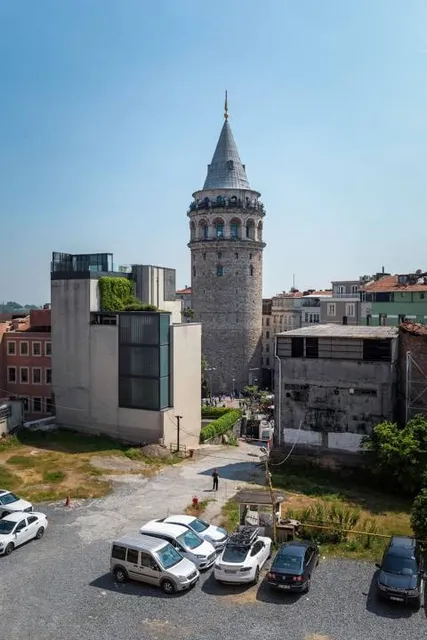
Barnathan Apartmanı
4.0
(296)
Open 24 hours
Click for details
Nearby restaurants of The Quincentennial Foundation Museum of Turkish Jews
Viyana Kahvesi Galata
Payidar Galata
Sirin Firin Bakery
Gallant Galata
Barnathan İstanbul
Federal Galata
Cafe Privato Restaurant
Guney Restaurant
Galata Frida House Cafe Restaurant
Viyana Kahvesi Galata Tower
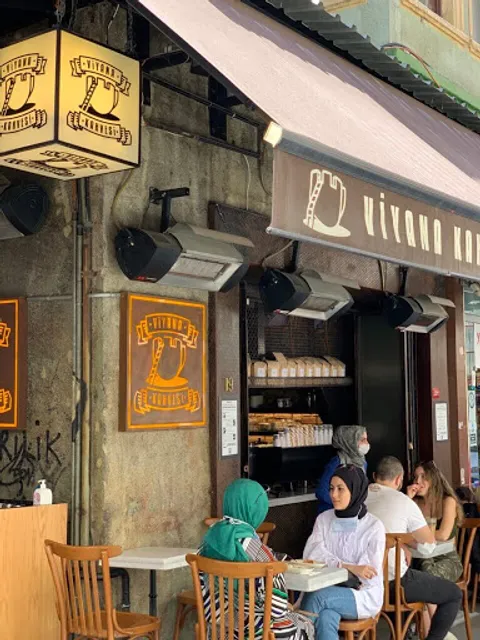
Viyana Kahvesi Galata
4.0
(3.2K)
Open until 12:00 AM
Click for details
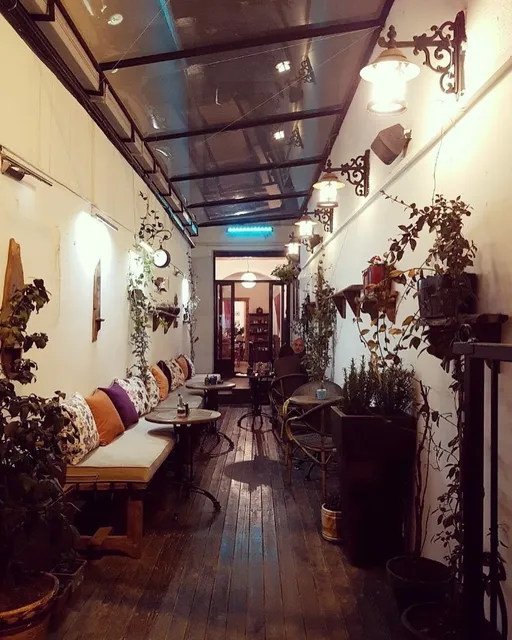
Payidar Galata
4.5
(674)
Closed
Click for details
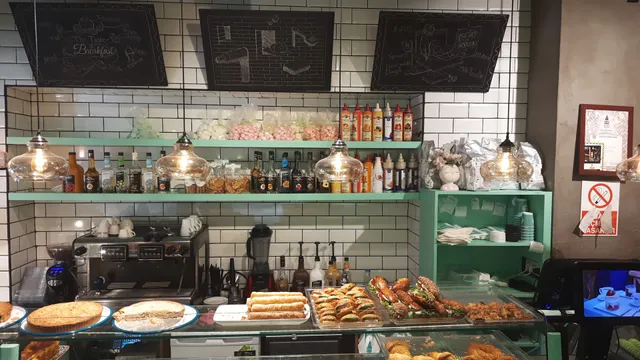
Sirin Firin Bakery
4.3
(911)
Open until 12:00 AM
Click for details
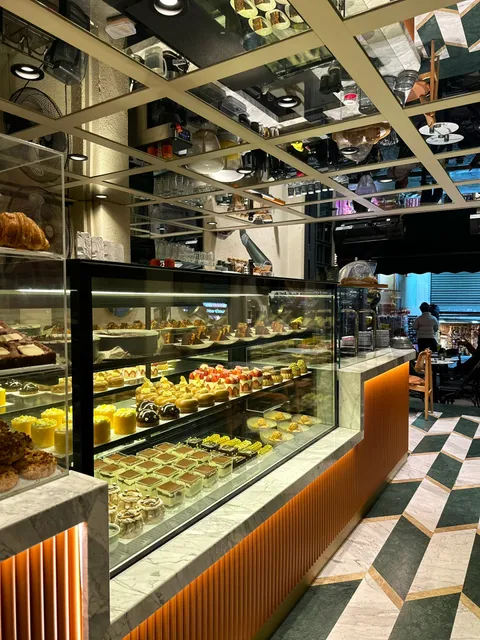
Gallant Galata
4.8
(1.4K)
Closed
Click for details
Nearby local services of The Quincentennial Foundation Museum of Turkish Jews
Galata 10'LA kuaför HairDresser Beauty Salon /Cosmostic
ALATURKA HAMAM TAKSİM
Karakoy Özsüt
Los Banditos Giyim
Rooftop Galata
SYNTHESE ATELIER DE PARFUM GALATA TOWER
Grow Art Tattoo & Piercing
Captain Candy
Soul of Anatolia
Halt
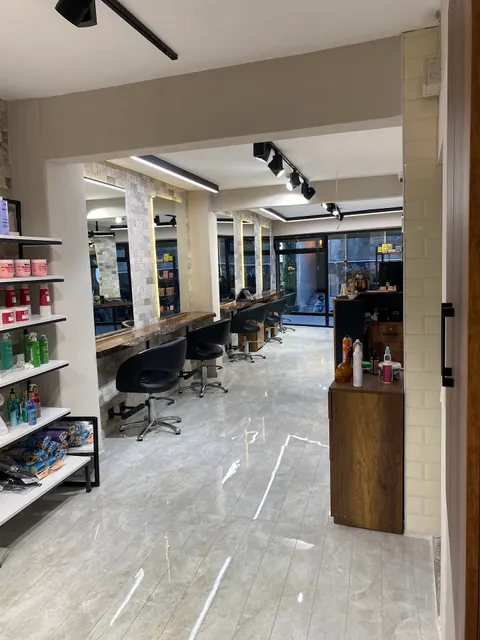
Galata 10'LA kuaför HairDresser Beauty Salon /Cosmostic
4.9
(250)
Click for details
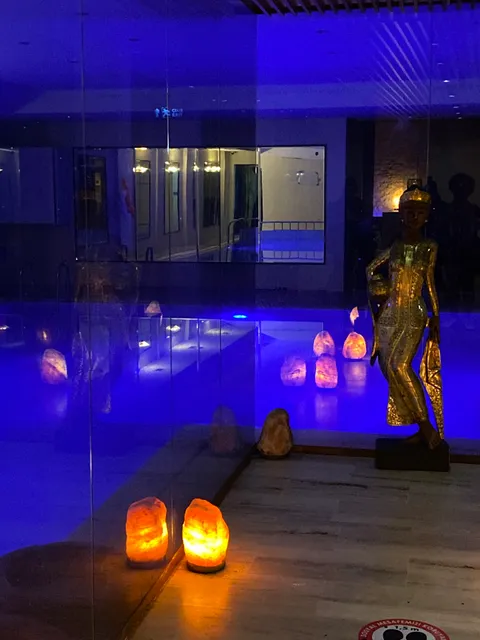
ALATURKA HAMAM TAKSİM
4.9
(2.4K)
Click for details
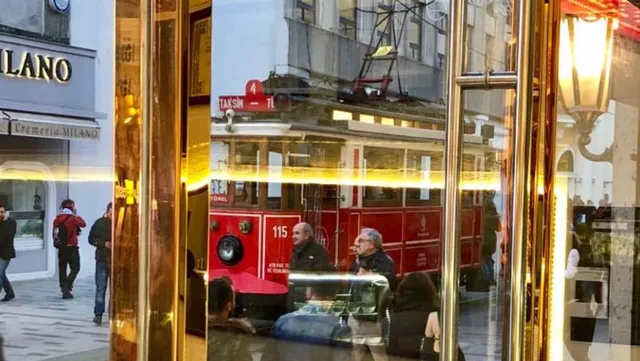
Karakoy Özsüt
4.6
(1.7K)
Click for details

Los Banditos Giyim
4.7
(209)
Click for details