Little Hagia Sophia things to do, attractions, restaurants, events info and trip planning
Basic Info
Little Hagia Sophia
Küçük Ayasofya, Küçük Ayasofya Camii Sokagi No:20, 34122 Fatih/İstanbul, Türkiye
4.7(2.1K)
Closed
Save
spot
spot
Ratings & Description
Info
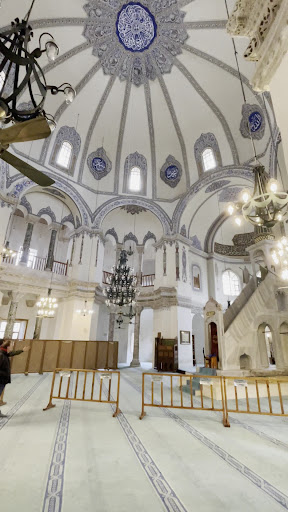
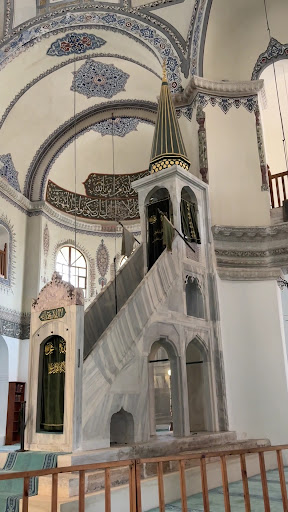
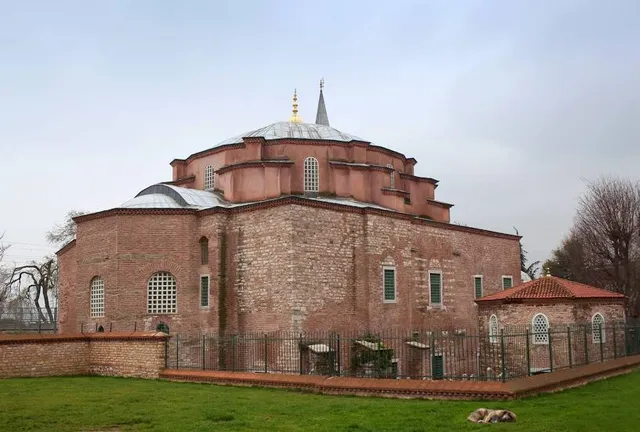
The Little Hagia Sophia mosque, formerly the Church of Saints Sergius and Bacchus, is a former Greek Orthodox church dedicated to Saints Sergius and Bacchus in Constantinople, built between 532 and 536, and converted into a mosque during the Ottoman Empire.
Cultural
Accessibility
attractions: Sokollu Mehmet Pasha Mosque, The Blue Mosque, Sultanahmet Square, Kadırga Park, Boukoleon Palace, Turkish and Islamic Arts Museum, Kadırga Hamamı, Örme Dikilitaş, Cistern of Theodosius, Obelisk of Theodosius, restaurants: Garden 1897 Restaurant, Istanbul Anatolian Cuisine, By Ferro Kebab & Fish Restaurant, Little Sofia Cafe & Restaurant, Aya Garden Cafe & Restaurant, Şirvan Sofrasi Restaurant, Ziya Baba Türk Mutfağı Slow food kebap Dürüm wrap& Anatolian food brekfast, Three Partners Cafe & Restaurant, Tarihi Çeşme Restaurant, Old hipodrom cafe restaurant, local businesses: Hunkar kebap Restaurant Breakfast & kebap & Fish, Royal Turkish Hamam &Spa, Travel Inn Turkey, Sarnıç Spa & Turkish Bath, Buta Tour İstanbul, Istanbul Bosphorus Cruise, NEW WAY TRAVEL TURKEY, Obelisco de Constantino, Sifa Hamami, En Baba Kebab
 Learn more insights from Wanderboat AI.
Website
littlehagiasophia.com
Open hoursSee all hours
Mon8 AM - 8 PMClosed
Plan your stay

Pet-friendly Hotels in Fatih
Find a cozy hotel nearby and make it a full experience.

Affordable Hotels in Fatih
Find a cozy hotel nearby and make it a full experience.

The Coolest Hotels You Haven't Heard Of (Yet)
Find a cozy hotel nearby and make it a full experience.

Trending Stays Worth the Hype in Fatih
Find a cozy hotel nearby and make it a full experience.
Reviews
Live events
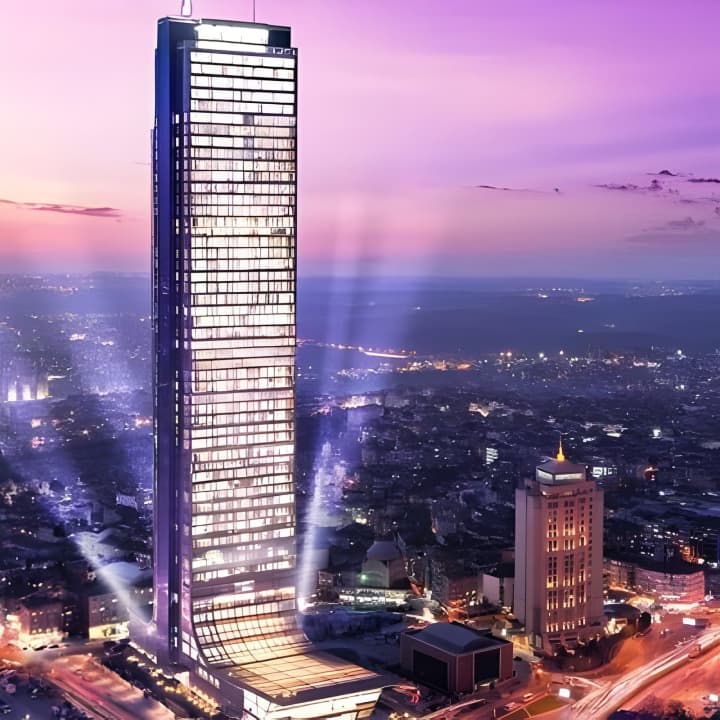
İstanbul Sapphire Seyir Terası Girişi
Mon, Feb 23 • 10:00 AM
Emniyet Evleri, Eski Büyükdere Cd. No:1, Kağıthane, 34415
View details
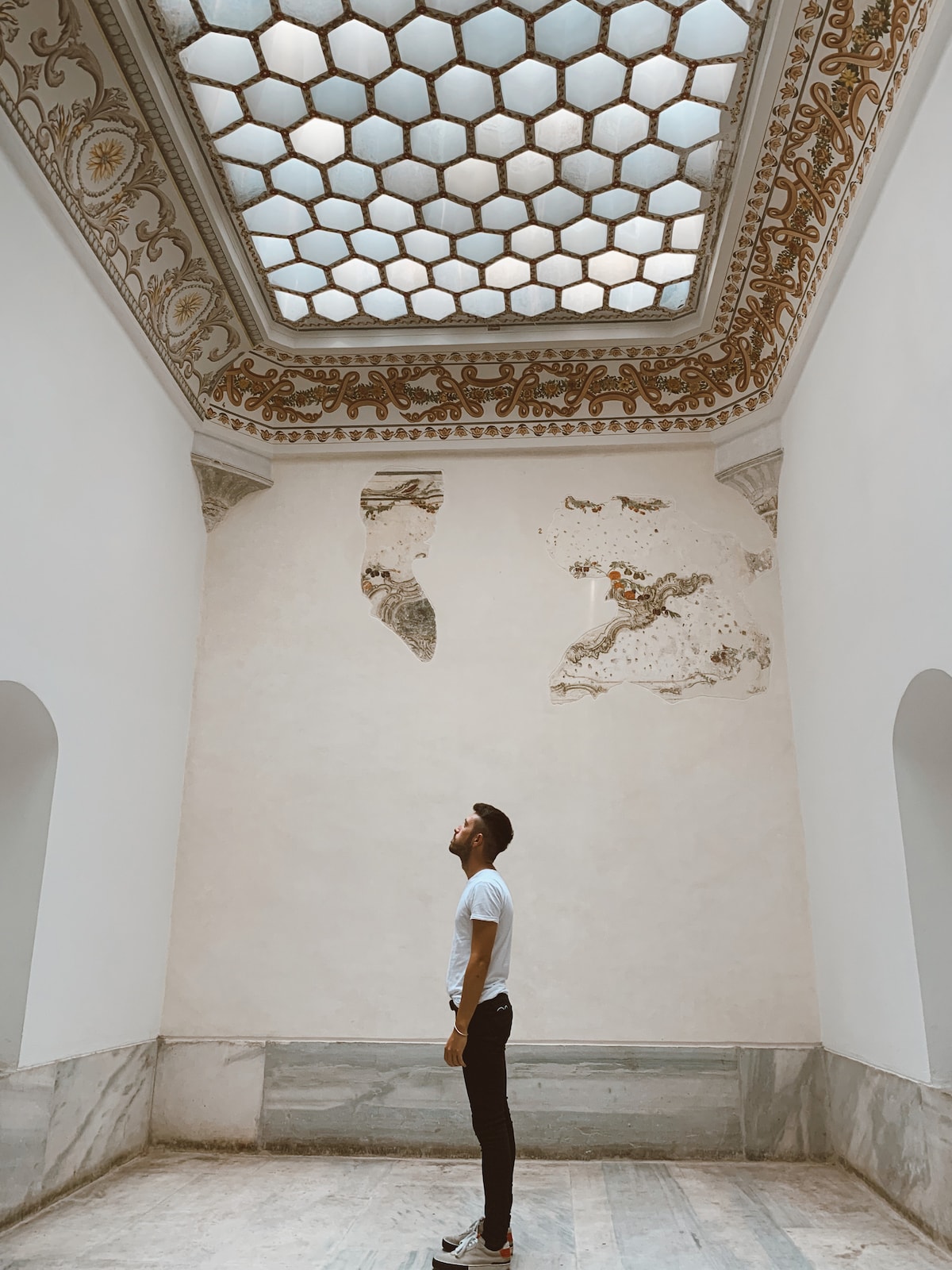
Old City Highlights: From Icons to Hidden Corners
Tue, Feb 24 • 9:00 AM
34122, Fatih, İstanbul, Turkey
View details
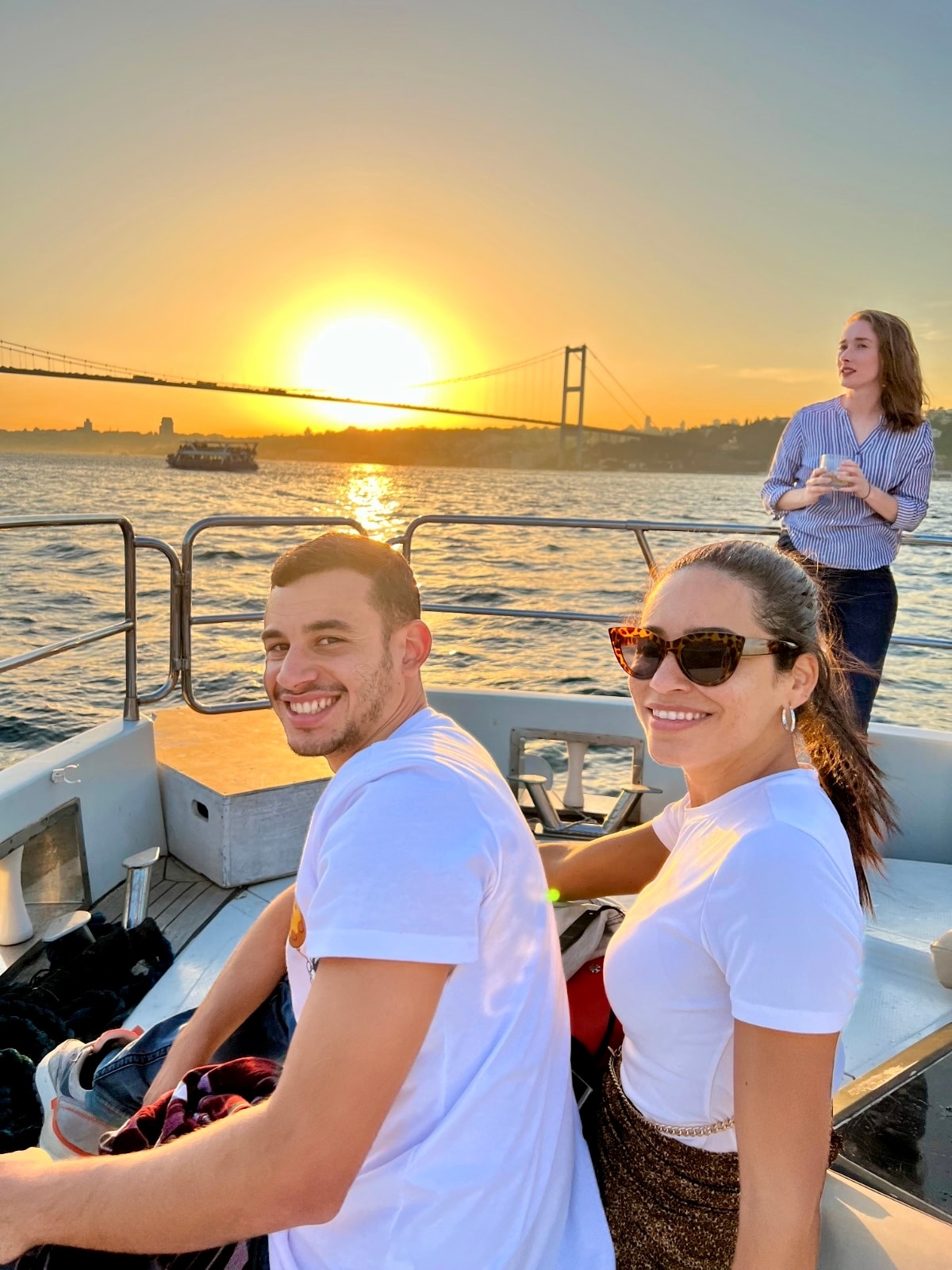
Istanbul Sunset Yacht Tour – Wine, Music & Photos
Tue, Feb 24 • 4:30 PM
34200, Beyoğlu, İstanbul, Turkey
View details
Nearby attractions of Little Hagia Sophia
Sokollu Mehmet Pasha Mosque
The Blue Mosque
Sultanahmet Square
Kadırga Park
Boukoleon Palace
Turkish and Islamic Arts Museum
Kadırga Hamamı
Örme Dikilitaş
Cistern of Theodosius
Obelisk of Theodosius
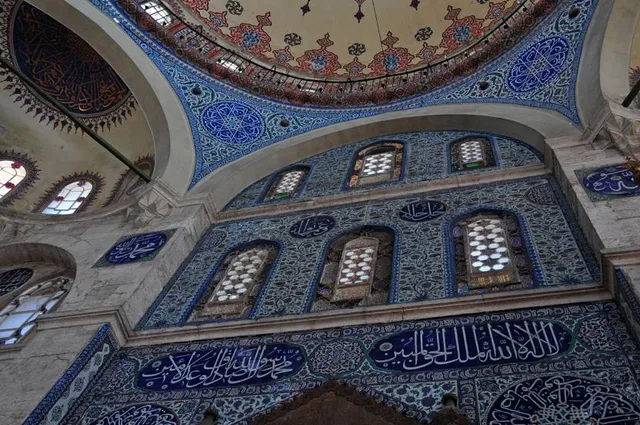
Sokollu Mehmet Pasha Mosque
4.8
(1.2K)
Open 24 hours
Click for details
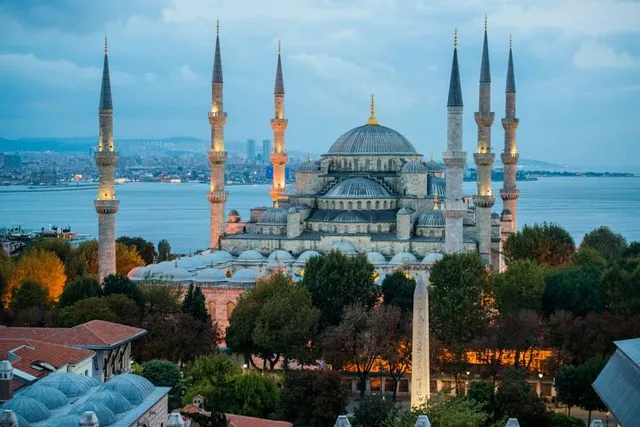
The Blue Mosque
4.7
(39.2K)
Open 24 hours
Click for details
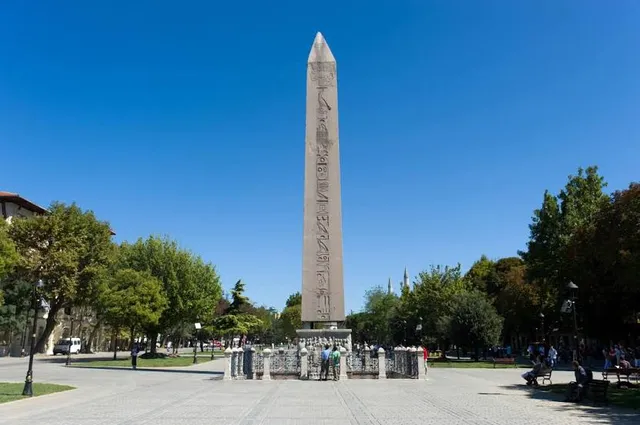
Sultanahmet Square
4.7
(13K)
Open 24 hours
Click for details
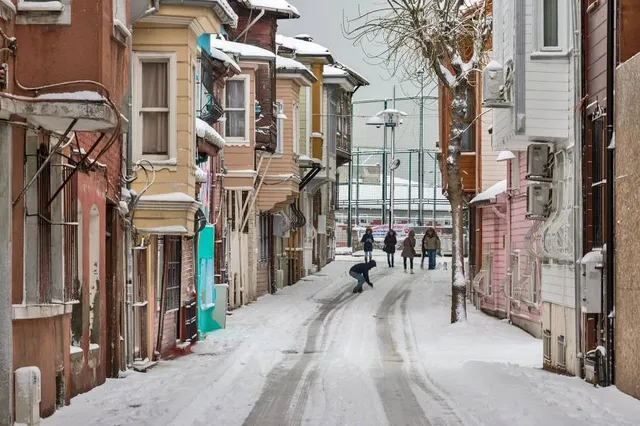
Kadırga Park
4.3
(1.4K)
Open until 12:00 AM
Click for details
Nearby restaurants of Little Hagia Sophia
Garden 1897 Restaurant
Istanbul Anatolian Cuisine
By Ferro Kebab & Fish Restaurant
Little Sofia Cafe & Restaurant
Aya Garden Cafe & Restaurant
Şirvan Sofrasi Restaurant
Ziya Baba Türk Mutfağı Slow food kebap Dürüm wrap& Anatolian food brekfast
Three Partners Cafe & Restaurant
Tarihi Çeşme Restaurant
Old hipodrom cafe restaurant
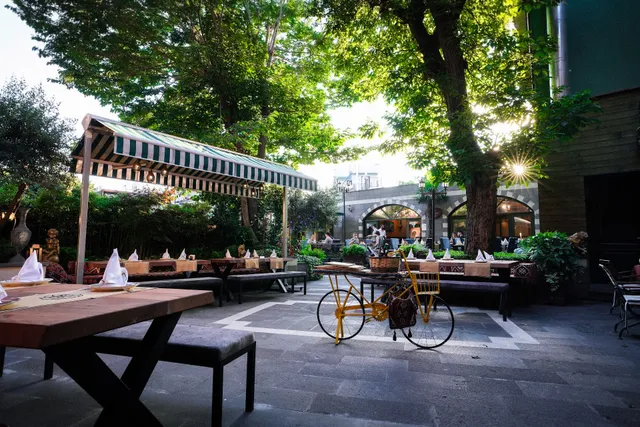
Garden 1897 Restaurant
4.9
(7K)
$$
Open until 12:00 AM
Click for details
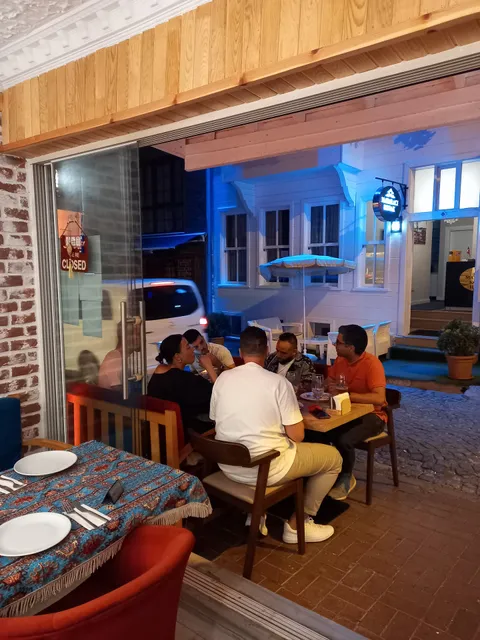
Istanbul Anatolian Cuisine
4.9
(1.8K)
Open until 11:00 PM
Click for details
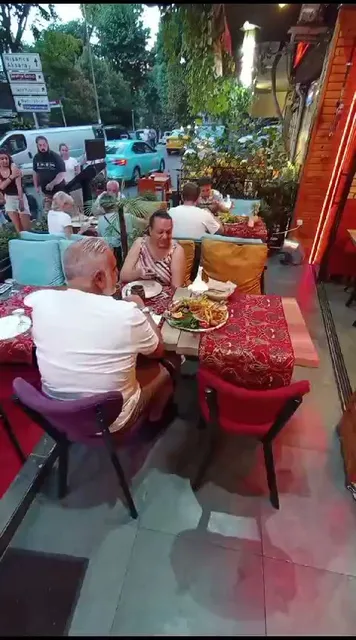
By Ferro Kebab & Fish Restaurant
4.8
(1.9K)
Open until 3:00 AM
Click for details
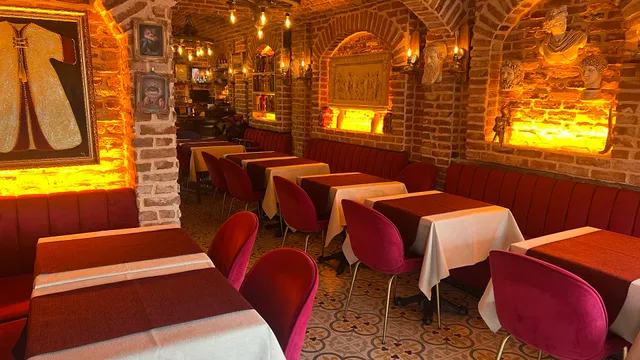
Little Sofia Cafe & Restaurant
4.9
(893)
Open until 10:30 PM
Click for details
Nearby local services of Little Hagia Sophia
Hunkar kebap Restaurant Breakfast & kebap & Fish
Royal Turkish Hamam &Spa
Travel Inn Turkey
Sarnıç Spa & Turkish Bath
Buta Tour İstanbul
Istanbul Bosphorus Cruise
NEW WAY TRAVEL TURKEY
Obelisco de Constantino
Sifa Hamami
En Baba Kebab
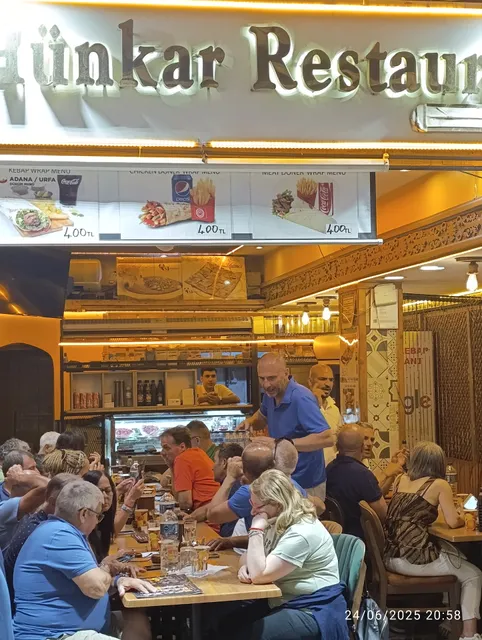
Hunkar kebap Restaurant Breakfast & kebap & Fish
4.9
(657)
Click for details
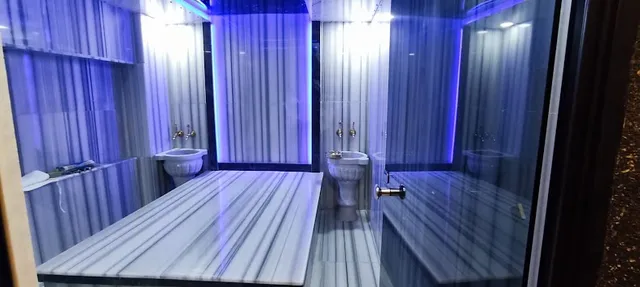
Royal Turkish Hamam &Spa
4.9
(130)
Click for details
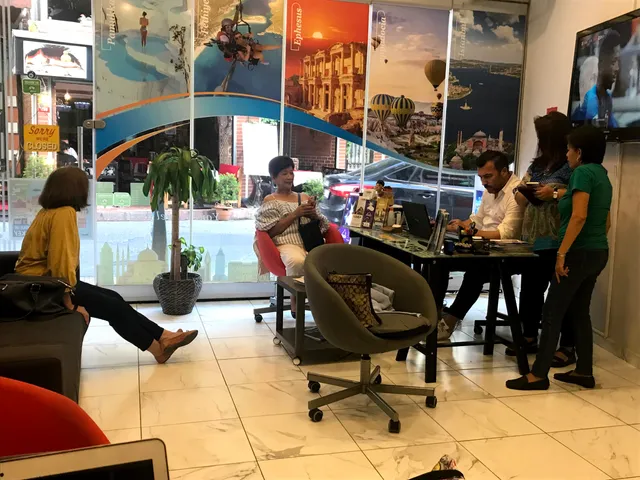
Travel Inn Turkey
4.9
(39)
Click for details
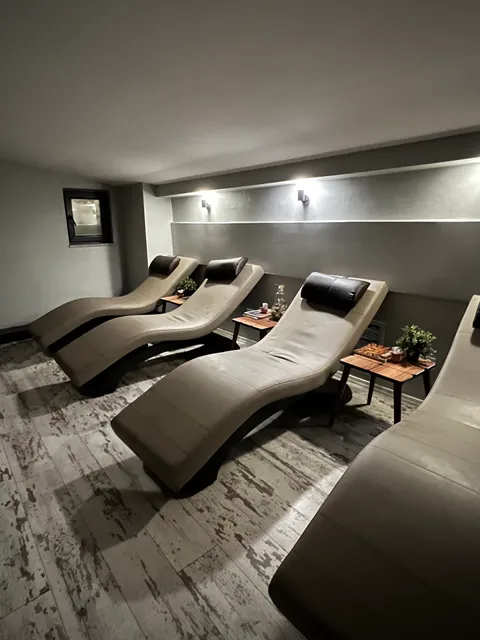
Sarnıç Spa & Turkish Bath
4.8
(484)
Click for details