Hadrian's Gate things to do, attractions, restaurants, events info and trip planning
Basic Info
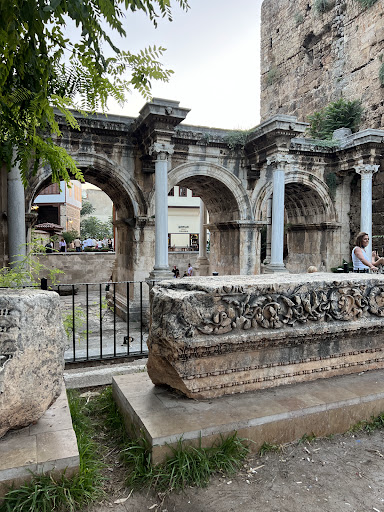
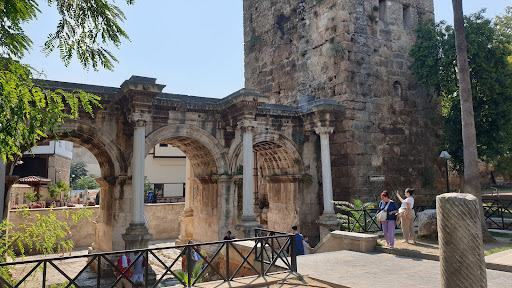
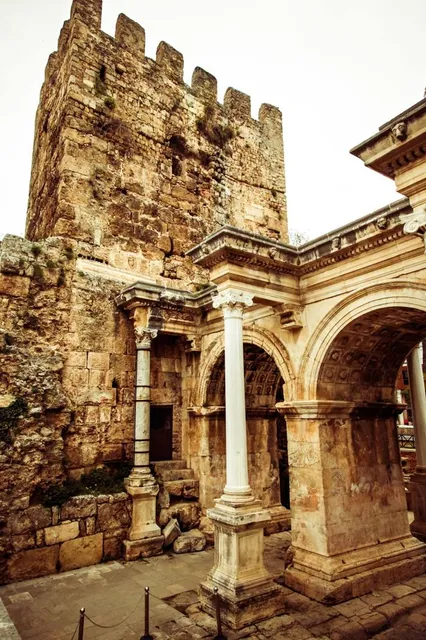
Hadrian's Gate
Barbaros, Atatürk Cd, Hadrian Kale Kapısı, 07100 Muratpaşa/Antalya, Türkiye
4.7(4.9K)
Open until 12:00 AM
Save
spot
spot
Ratings & Description
Info
Cultural
Outdoor
Accessibility
attractions: Antalya Saat Kulesi, Sefa Hamam Antalya Kaleici Турецкая Баня Хамам, Karakaş Cami, Suna & İnan Kıraç Kaleiçi Museum, Yivliminare Mosque, Tekeli Mehmet Pasa Mosque, Kaleici Marina, Sultan Alaaddin Camii, St. George Greek Orthodox Church, Republic Square, restaurants: Milklaç Işıklar, Rokka Pizza Falafel, LUNA GARDEN, Kaleiçi Garden Restaurant, Casa Sur Antalya, Old Town Restaurant 07, Cava Restaurant, Rasoi Restaurant Indian Pakistani Desi Delicious Food, Aybüke Hatun Orta Asya Yemekleri Restaurant & Cafe, Yelken Cafe & Restaurant, local businesses: Yeni Hamam, Sponge Pub Kaleiçi, Antalya Tours, Taka Karadeniz Meyhanesi, Old Town Bazaar Antalya, İsyan Meyhanesi, Old Bazaar, Can Ciğer Ocakbaşı, Antique Spa Hamam, Old City marina
 Learn more insights from Wanderboat AI.
Website
antalya.bel.tr
Open hoursSee all hours
FriOpen 24 hoursOpen
Plan your stay

Pet-friendly Hotels in Muratpaşa
Find a cozy hotel nearby and make it a full experience.

Affordable Hotels in Muratpaşa
Find a cozy hotel nearby and make it a full experience.

The Coolest Hotels You Haven't Heard Of (Yet)
Find a cozy hotel nearby and make it a full experience.

Trending Stays Worth the Hype in Muratpaşa
Find a cozy hotel nearby and make it a full experience.
Reviews
Live events
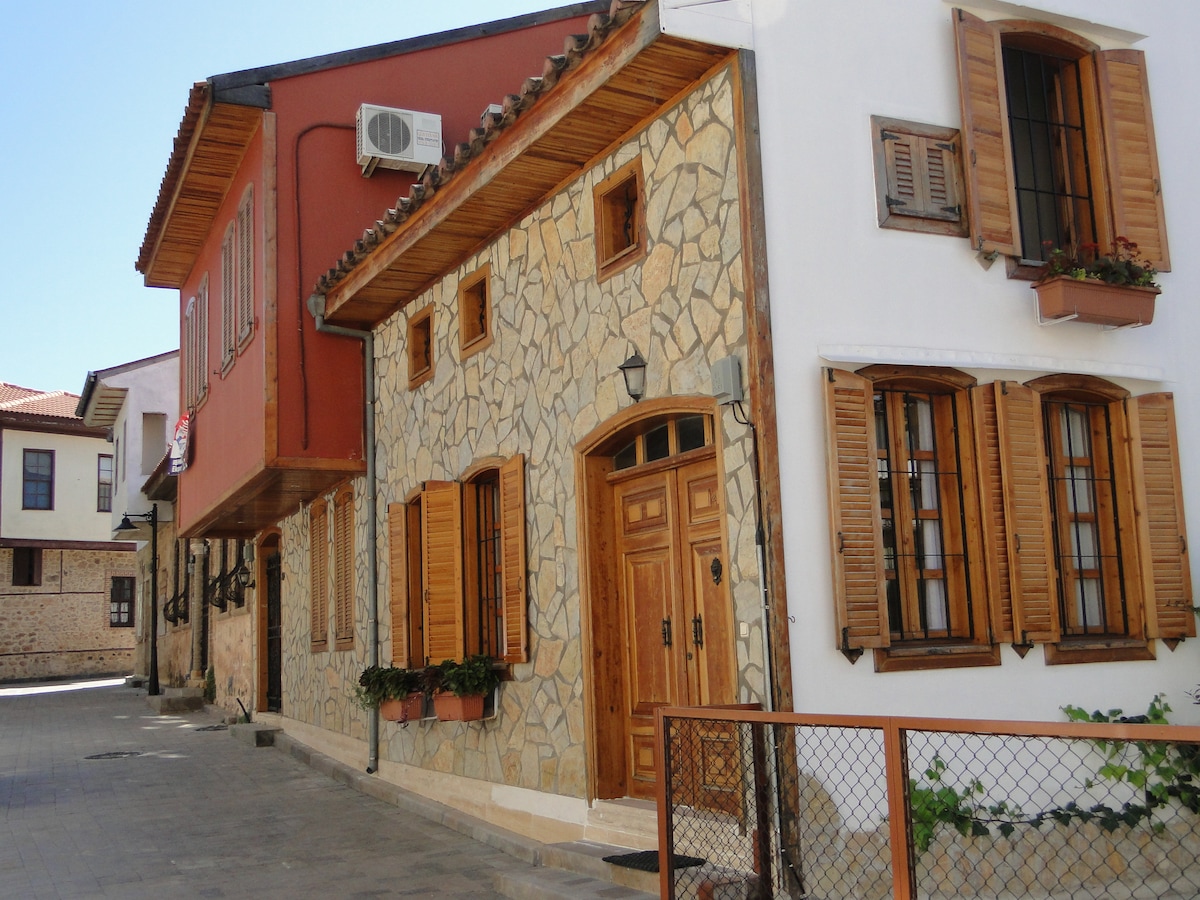
Explore The Old Town With Local Taste
Sat, Feb 21 • 4:00 PM
07100, Muratpaşa, Antalya, Turkey
View details
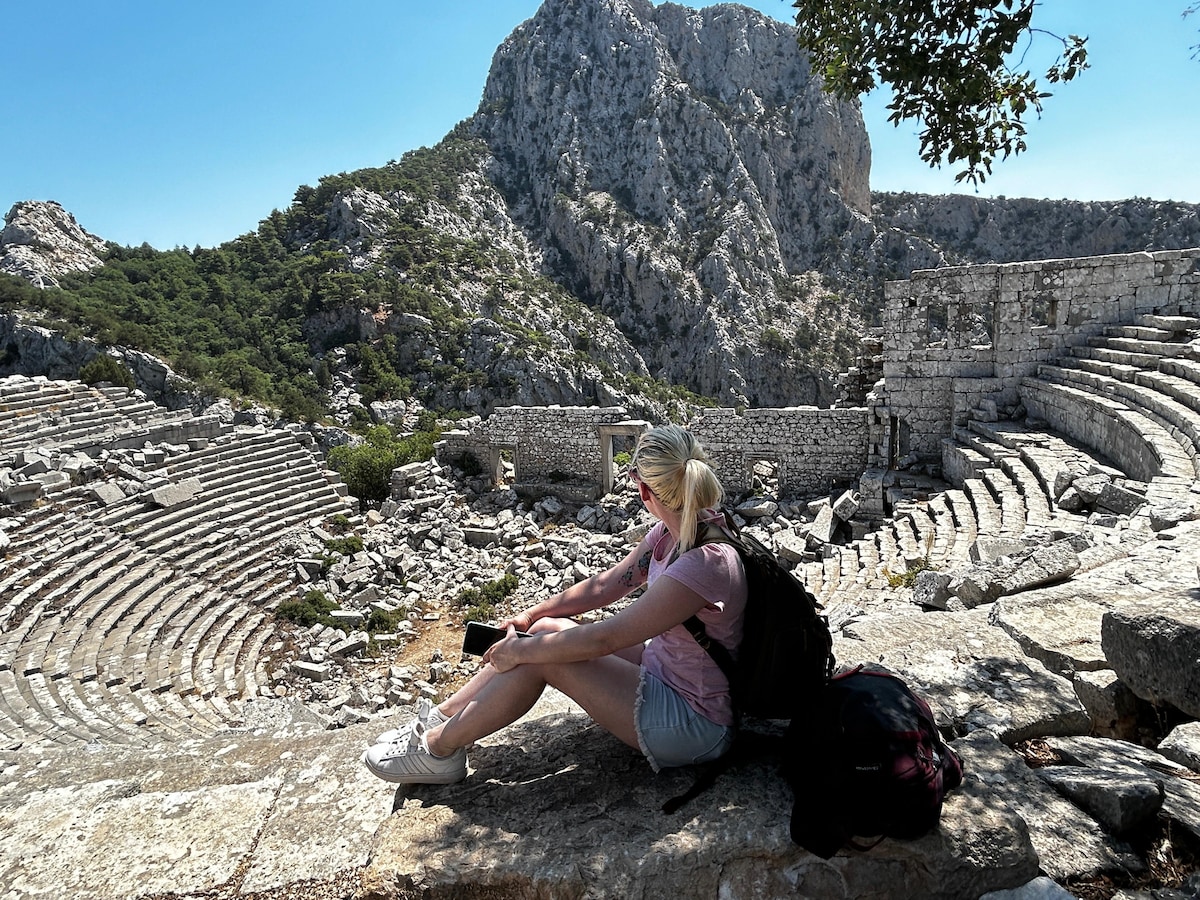
Hiking in Termessos Ancient City
Sat, Feb 21 • 9:30 AM
07080, Kepez, Antalya, Turkey
View details
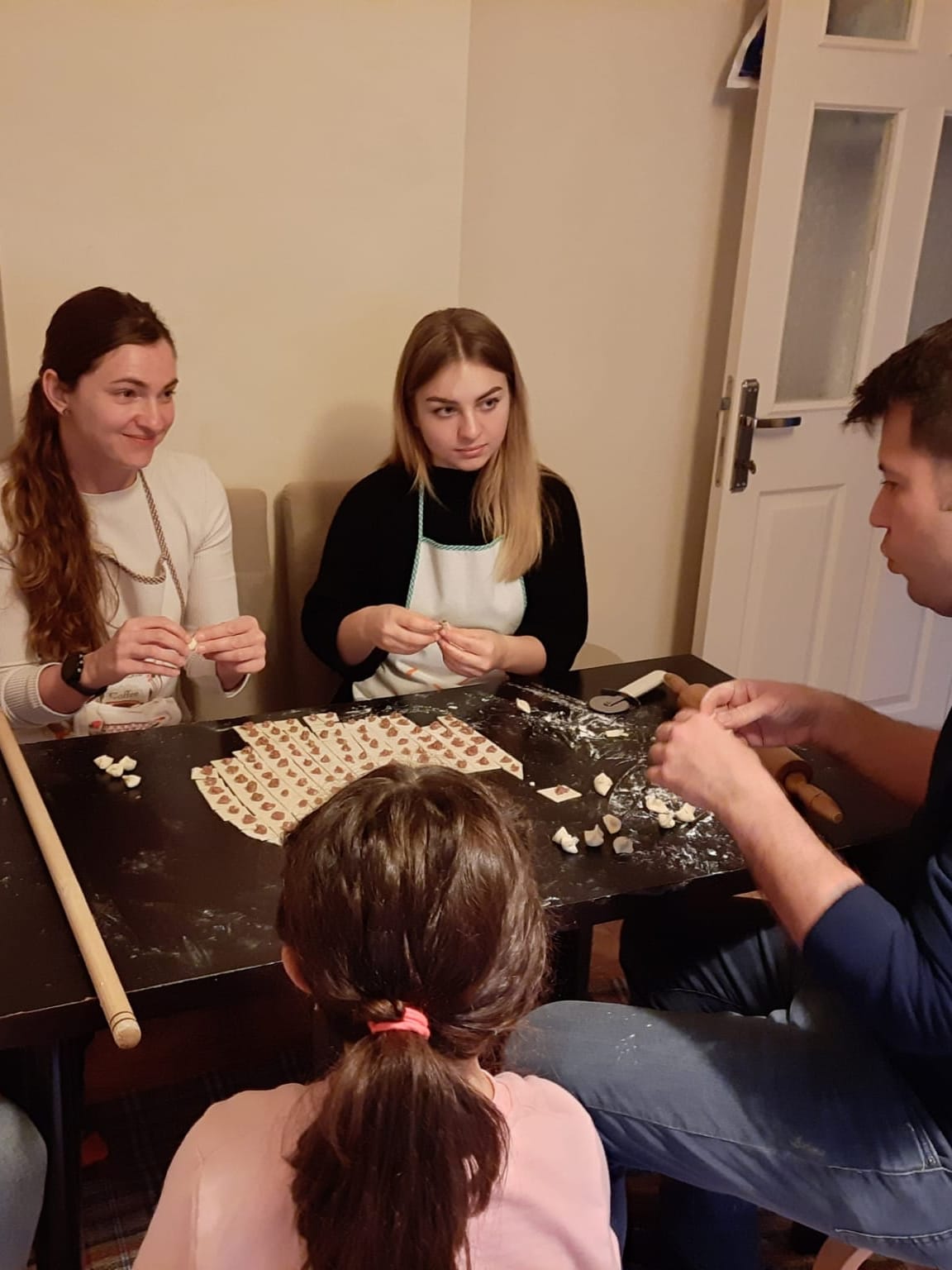
Cooking Class With Turkish Family
Sat, Feb 21 • 4:00 PM
07070, Muratpaşa, Antalya, Turkey
View details
Nearby attractions of Hadrian's Gate
Antalya Saat Kulesi
Sefa Hamam Antalya Kaleici Турецкая Баня Хамам
Karakaş Cami
Suna & İnan Kıraç Kaleiçi Museum
Yivliminare Mosque
Tekeli Mehmet Pasa Mosque
Kaleici Marina
Sultan Alaaddin Camii
St. George Greek Orthodox Church
Republic Square
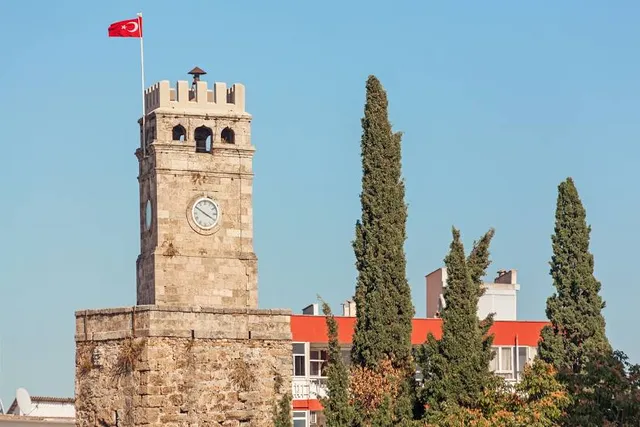
Antalya Saat Kulesi
4.6
(3.1K)
Open until 12:00 AM
Click for details
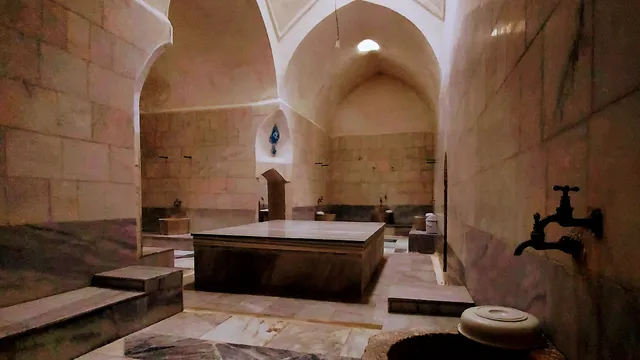
Sefa Hamam Antalya Kaleici Турецкая Баня Хамам
4.5
(277)
Open 24 hours
Click for details
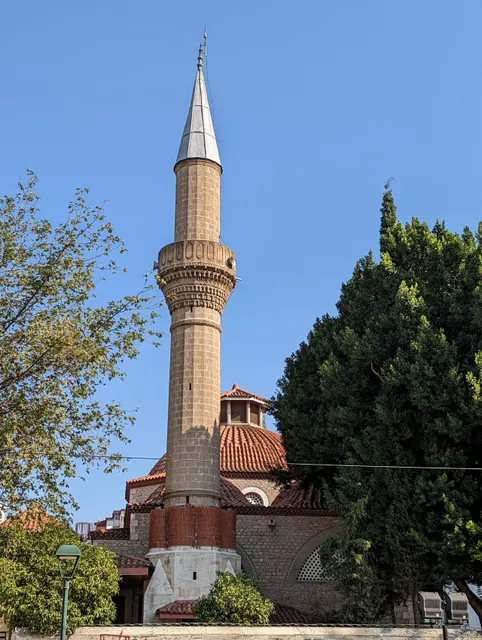
Karakaş Cami
4.7
(77)
Open 24 hours
Click for details
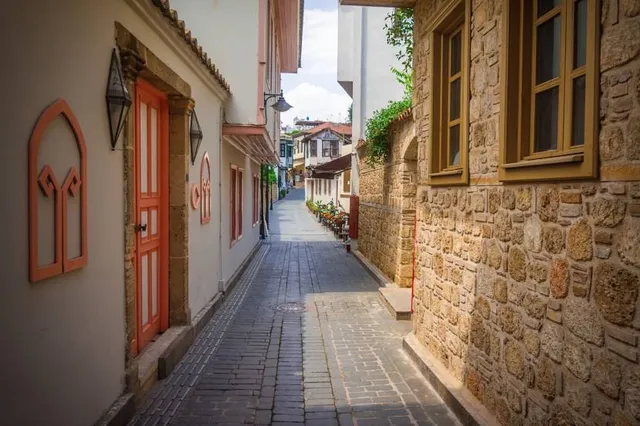
Suna & İnan Kıraç Kaleiçi Museum
4.5
(149)
Closed
Click for details
Nearby restaurants of Hadrian's Gate
Milklaç Işıklar
Rokka Pizza Falafel
LUNA GARDEN
Kaleiçi Garden Restaurant
Casa Sur Antalya
Old Town Restaurant 07
Cava Restaurant
Rasoi Restaurant Indian Pakistani Desi Delicious Food
Aybüke Hatun Orta Asya Yemekleri Restaurant & Cafe
Yelken Cafe & Restaurant
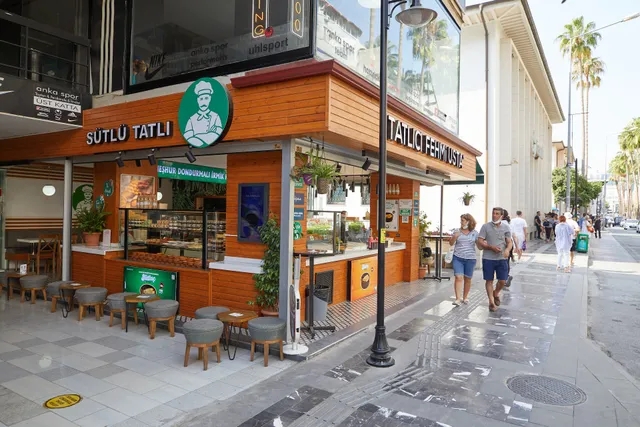
Milklaç Işıklar
4.8
(2.5K)
Open until 2:00 AM
Click for details
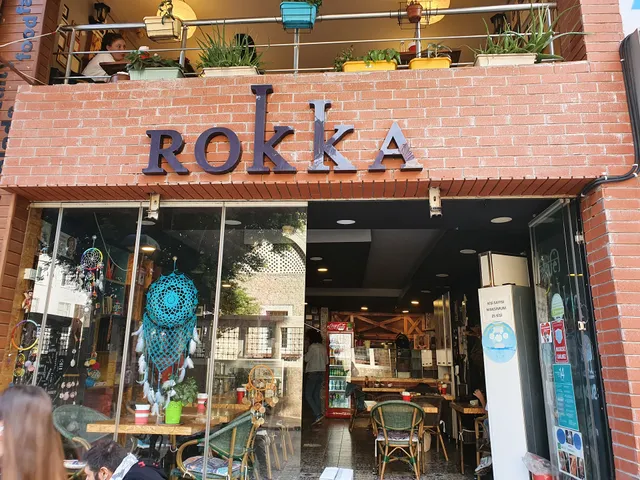
Rokka Pizza Falafel
4.7
(1.8K)
Open until 11:00 PM
Click for details
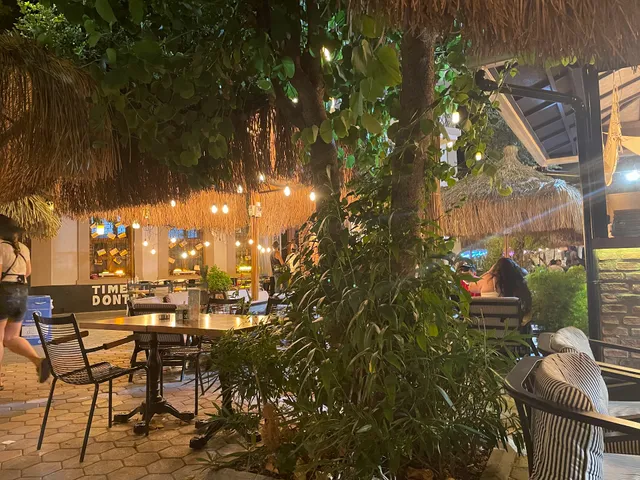
LUNA GARDEN
4.4
(4.9K)
Open until 1:00 AM
Click for details
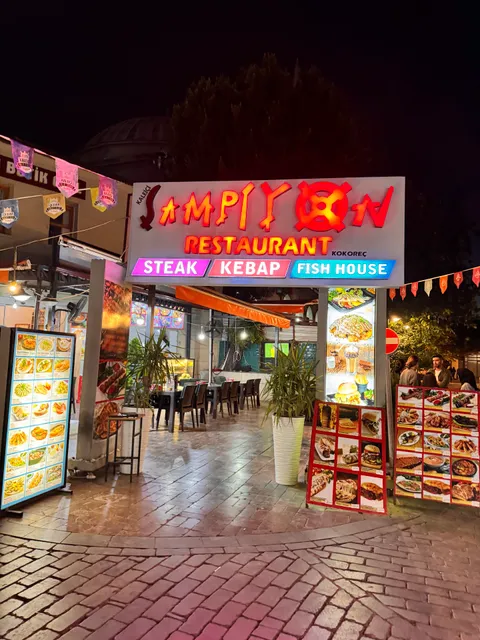
Kaleiçi Garden Restaurant
4.6
(1.3K)
Open until 11:00 PM
Click for details
Nearby local services of Hadrian's Gate
Yeni Hamam
Sponge Pub Kaleiçi
Antalya Tours
Taka Karadeniz Meyhanesi
Old Town Bazaar Antalya
İsyan Meyhanesi
Old Bazaar
Can Ciğer Ocakbaşı
Antique Spa Hamam
Old City marina
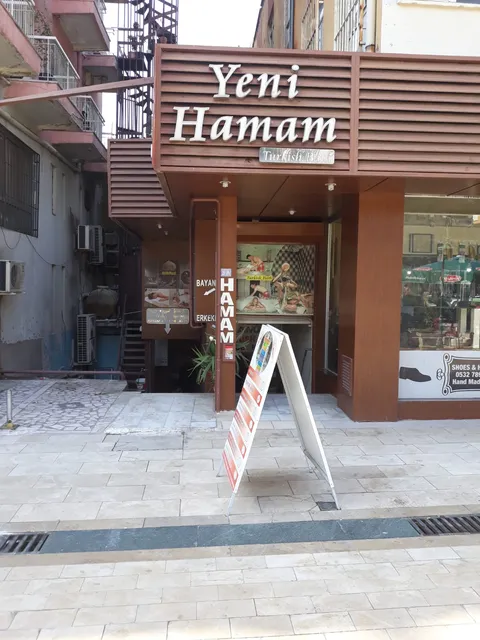
Yeni Hamam
4.2
(229)
Click for details
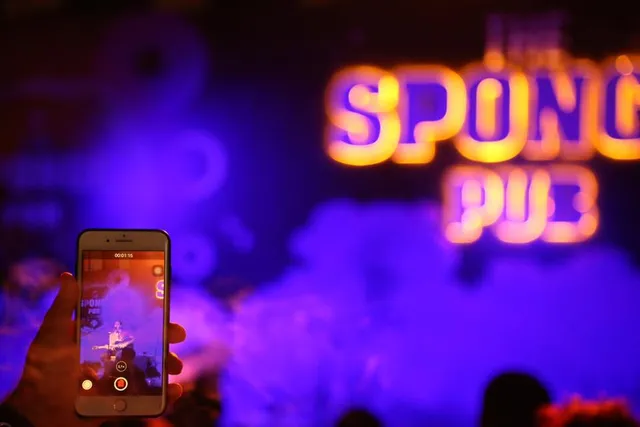
Sponge Pub Kaleiçi
4.0
(1.1K)
Click for details
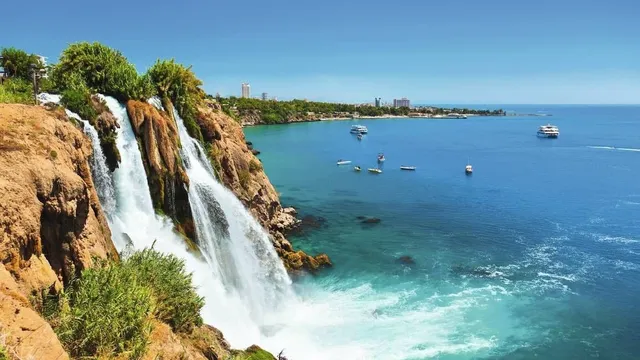
Antalya Tours
4.9
(86)
Click for details
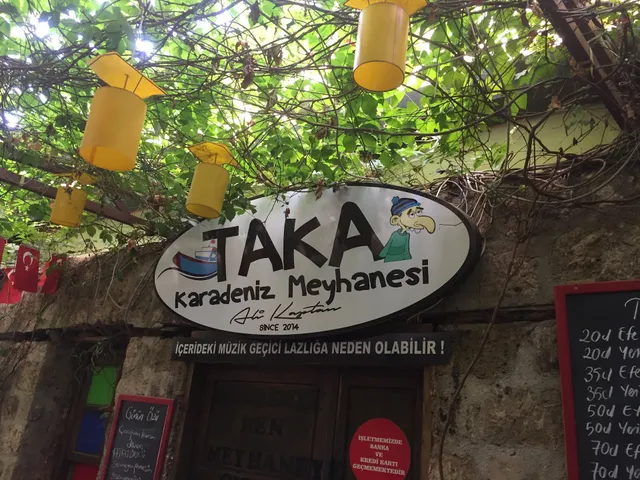
Taka Karadeniz Meyhanesi
4.2
(406)
Click for details