Benjamin Franklin House things to do, attractions, restaurants, events info and trip planning

Basic Info
Benjamin Franklin House
36 Craven St, London WC2N 5NF, United Kingdom
4.2(207)
Closed


tickets
Save
spot
spot
Ratings & Description
Info
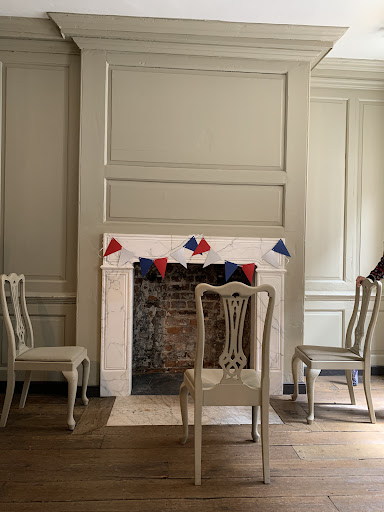
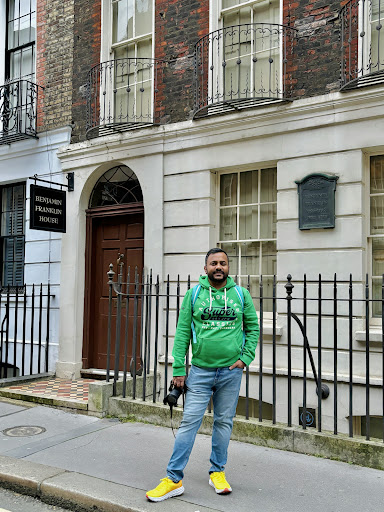
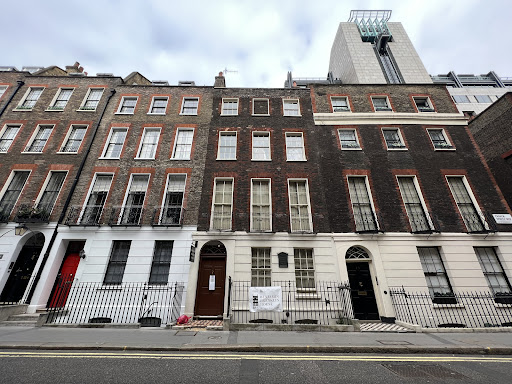
Benjamin Franklin House is a museum in a terraced Georgian house at 36 Craven Street, London, close to Trafalgar Square. It is the last-standing former residence of Benjamin Franklin, one of the Founding Fathers of the United States. The house dates from c. 1730, and Franklin lived and worked there for sixteen years.
Cultural
Family friendly
Accessibility
attractions: Trafalgar Square, Kit Kat Club at the Playhouse Theatre, The National Gallery, Charing Cross Theatre, Victoria Embankment Gardens, National Portrait Gallery, Trafalgar Theatre, Adelphi Theatre, Cabaret at the Kit Kat Club, London Coliseum, restaurants: Sherlock Holmes, The Ship & Shovell, Gordon's Wine Bar, All Bar One Villiers St., 50 Kalò di Ciro Salvo Pizzeria London, Five Guys Burgers and Fries Charing Cross, Upper Crust Charing Cross, Tortilla Charing Cross, Amorino Gelato - London Villiers, Caffè Concerto Northumberland Avenue, local businesses: Charing Cross, Charing Cross station, Waterstones, The Gym Group London Charing Cross, The Ghost Bus Tours, Boots, St George's Church, London Theatre Direct, AIRE Ancient Baths London, M&S Simply Food
 Learn more insights from Wanderboat AI.
Phone
+44 20 7839 2006
Website
benjaminfranklinhouse.org
Open hoursSee all hours
Fri11 AM - 4 PMClosed
Plan your stay

Pet-friendly Hotels in London
Find a cozy hotel nearby and make it a full experience.

Affordable Hotels in London
Find a cozy hotel nearby and make it a full experience.

The Coolest Hotels You Haven't Heard Of (Yet)
Find a cozy hotel nearby and make it a full experience.

Trending Stays Worth the Hype in London
Find a cozy hotel nearby and make it a full experience.
Reviews
Live events
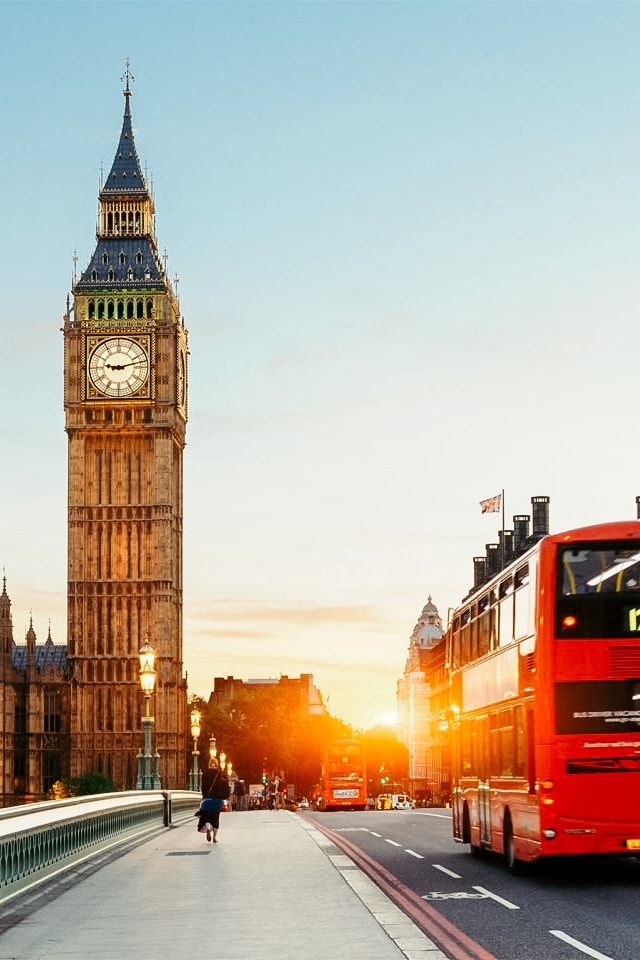
Explore 30+ London sights
Sat, Feb 14 • 10:00 AM
Greater London, W1J 9BR, United Kingdom
View details
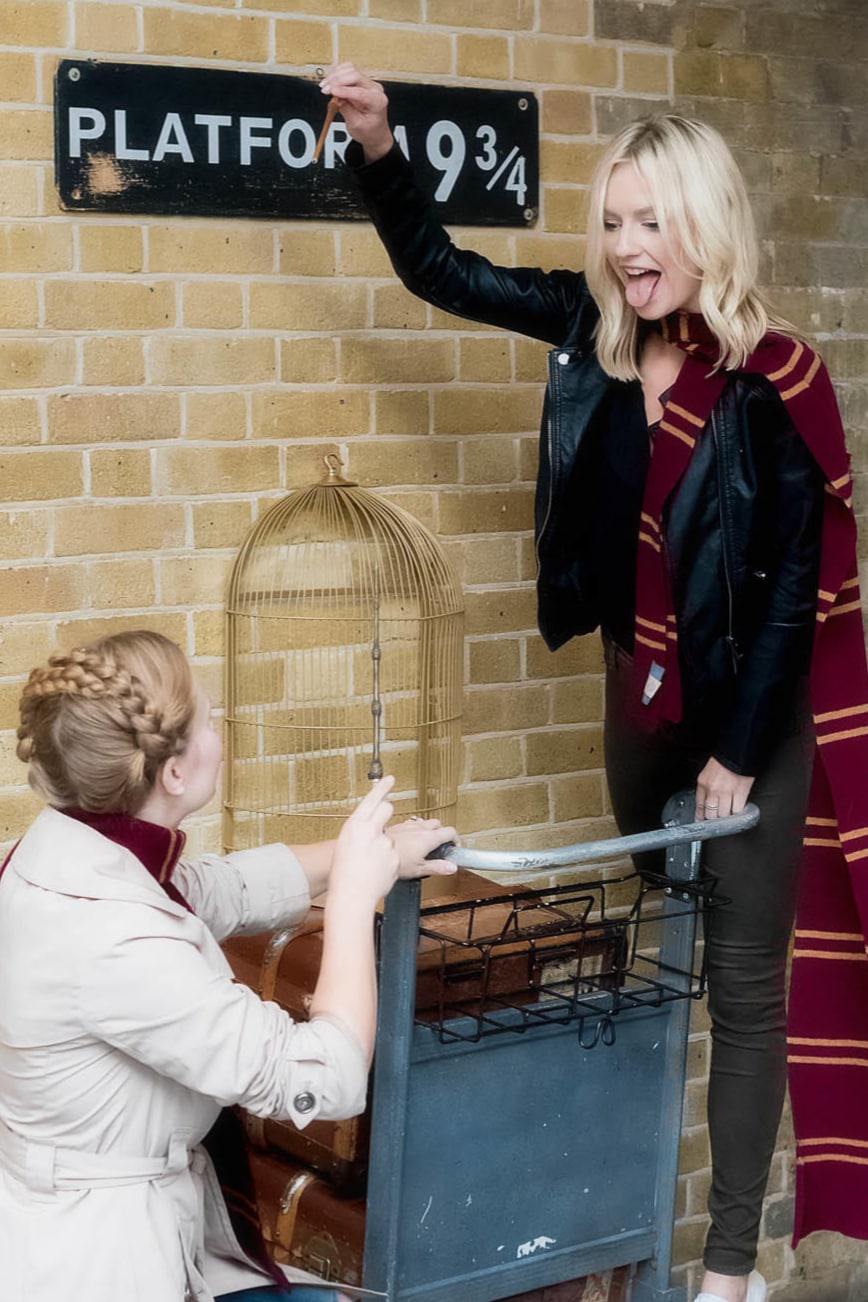
Top-Rated London Harry Potter Tour—Family Friendly
Sat, Feb 14 • 9:30 AM
Greater London, N1 9AP, United Kingdom
View details
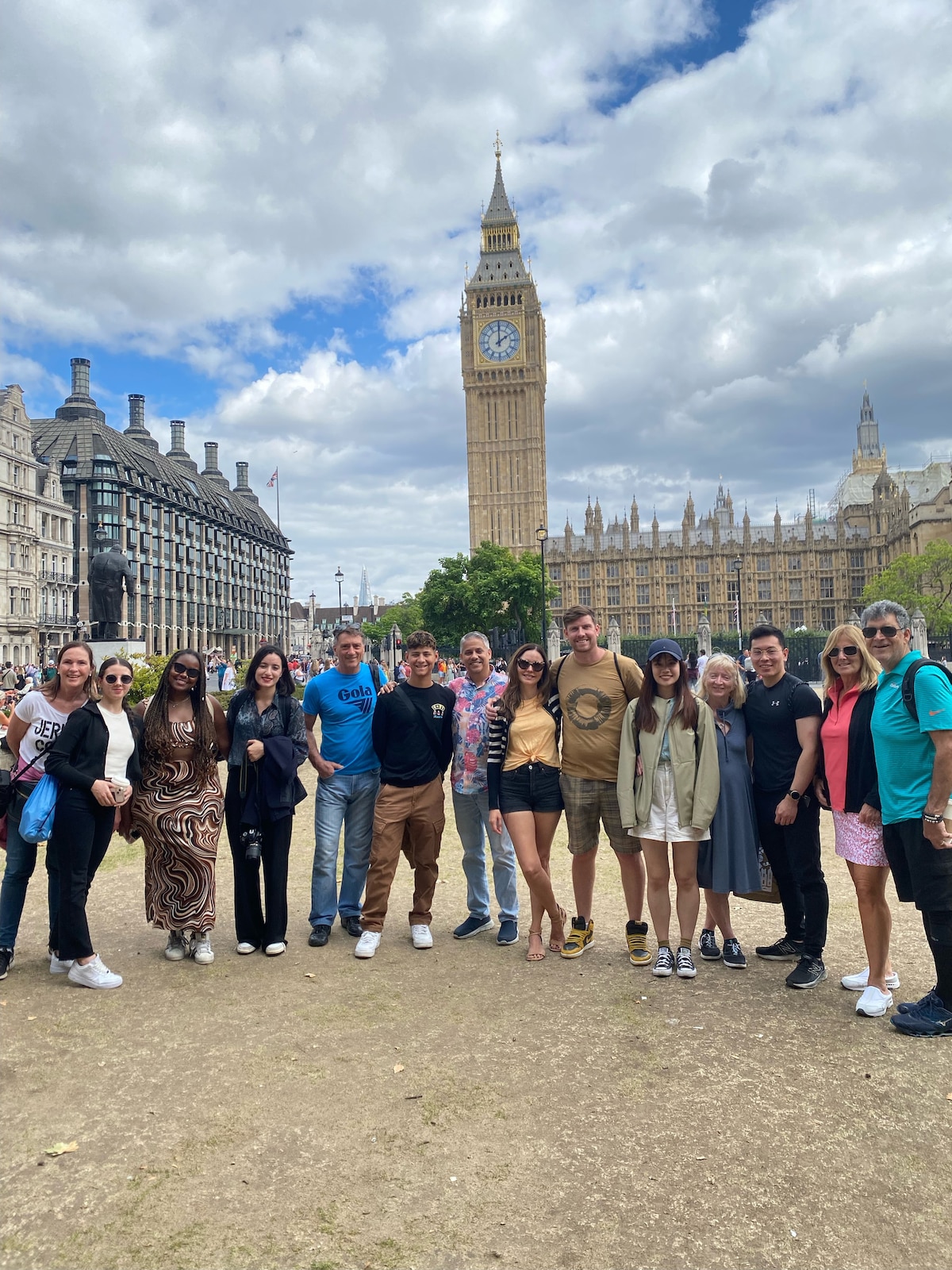
London sightseeing walking tour with 30 sights
Mon, Feb 16 • 10:00 AM
Greater London, SW1E 5EA, United Kingdom
View details
Nearby attractions of Benjamin Franklin House
Trafalgar Square
Kit Kat Club at the Playhouse Theatre
The National Gallery
Charing Cross Theatre
Victoria Embankment Gardens
National Portrait Gallery
Trafalgar Theatre
Adelphi Theatre
Cabaret at the Kit Kat Club
London Coliseum
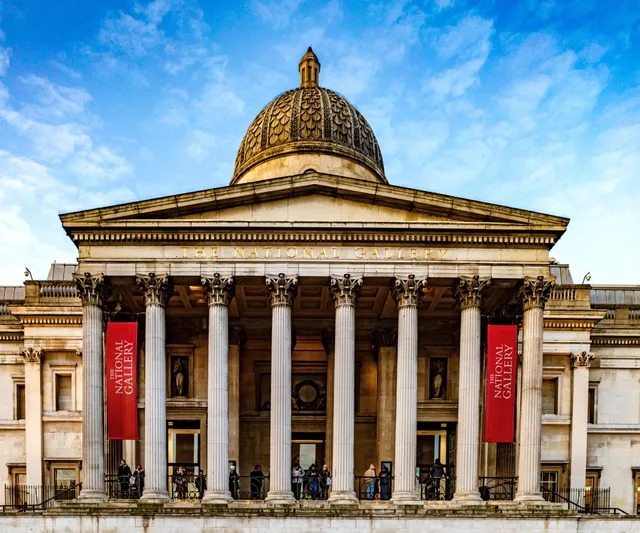
Trafalgar Square
4.6
(41.9K)
Open 24 hours
Click for details
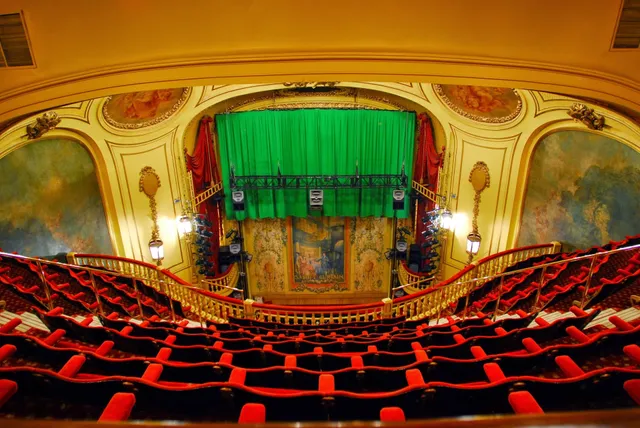
Kit Kat Club at the Playhouse Theatre
4.6
(2K)
Open 24 hours
Click for details
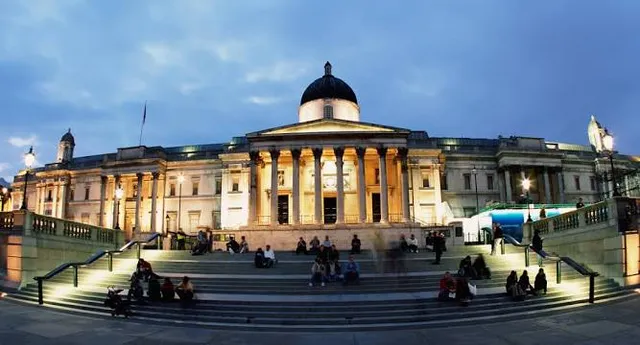
The National Gallery
4.8
(21.5K)
Closed
Click for details
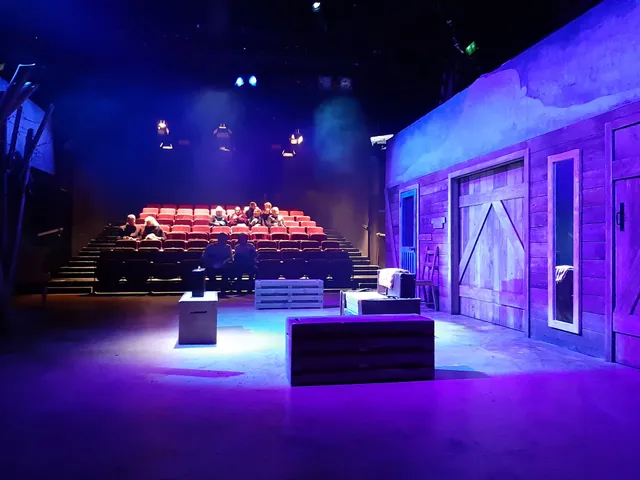
Charing Cross Theatre
4.5
(492)
Open 24 hours
Click for details
Nearby restaurants of Benjamin Franklin House
Sherlock Holmes
The Ship & Shovell
Gordon's Wine Bar
All Bar One Villiers St.
50 Kalò di Ciro Salvo Pizzeria London
Five Guys Burgers and Fries Charing Cross
Upper Crust Charing Cross
Tortilla Charing Cross
Amorino Gelato - London Villiers
Caffè Concerto Northumberland Avenue
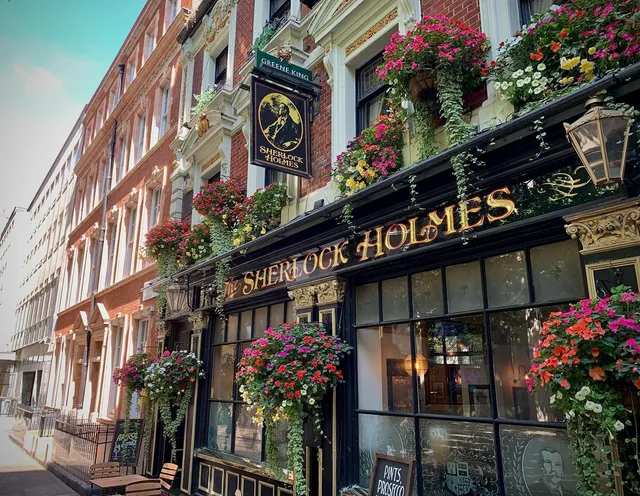
Sherlock Holmes
4.2
(3.8K)
Open until 11:00 PM
Click for details
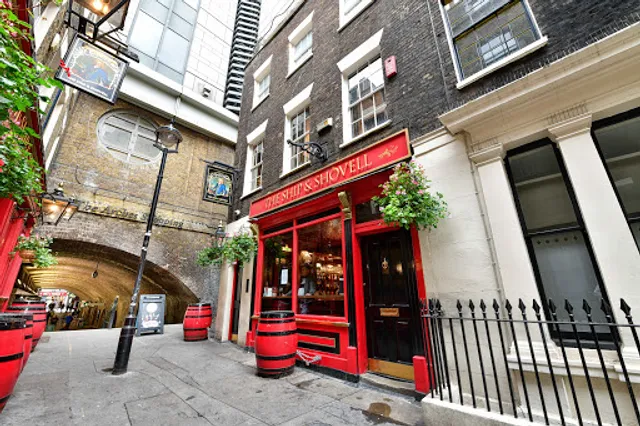
The Ship & Shovell
4.4
(1.1K)
$$
Open until 11:00 PM
Click for details
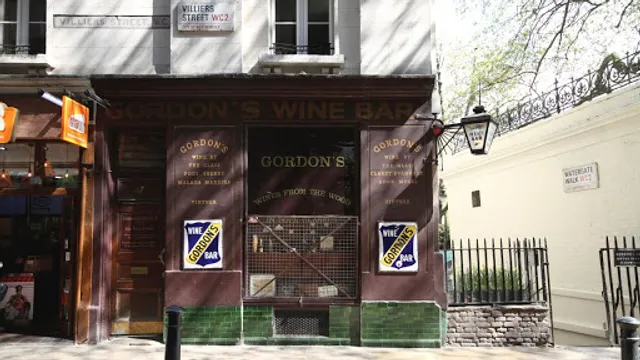
Gordon's Wine Bar
4.6
(2.7K)
Open until 11:00 PM
Click for details
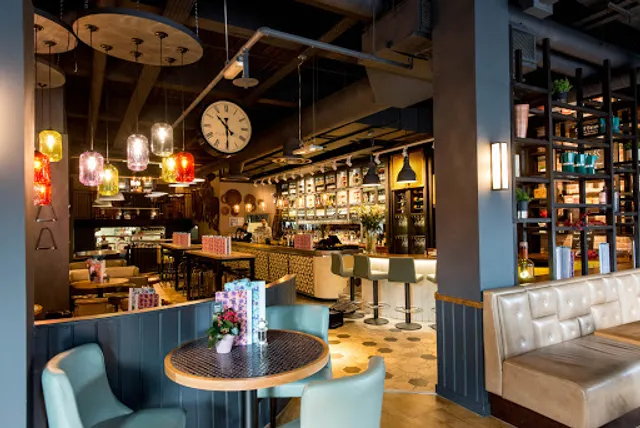
All Bar One Villiers St.
4.6
(1.6K)
Open until 12:00 AM
Click for details
Nearby local services of Benjamin Franklin House
Charing Cross
Charing Cross station
Waterstones
The Gym Group London Charing Cross
The Ghost Bus Tours
Boots
St George's Church
London Theatre Direct
AIRE Ancient Baths London
M&S Simply Food
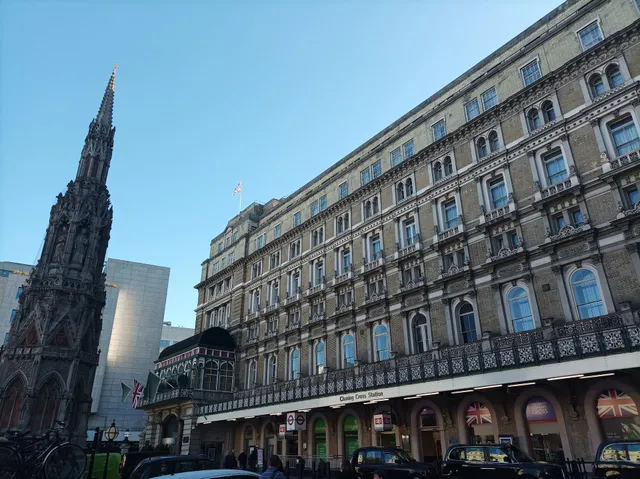
Charing Cross
4.1
(402)
Click for details
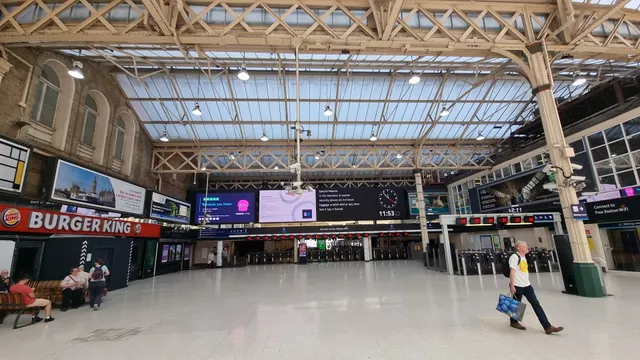
Charing Cross station
4.3
(470)
Click for details

Waterstones
4.5
(1.1K)
Click for details

The Gym Group London Charing Cross
4.3
(209)
Click for details


The hit list



Plan your trip with Wanderboat
Welcome to Wanderboat AI, your AI search for local Eats and Fun, designed to help you explore your city and the world with ease.
Powered by Wanderboat AI trip planner.