Cleopatra's Needle things to do, attractions, restaurants, events info and trip planning
Basic Info
Cleopatra's Needle
London WC2N 6NU, United Kingdom
4.6(474)
Open until 12:00 AM
Save
spot
spot
Ratings & Description
Info
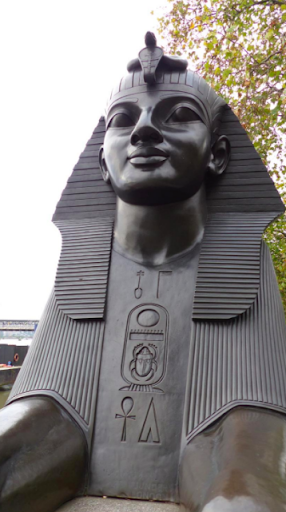
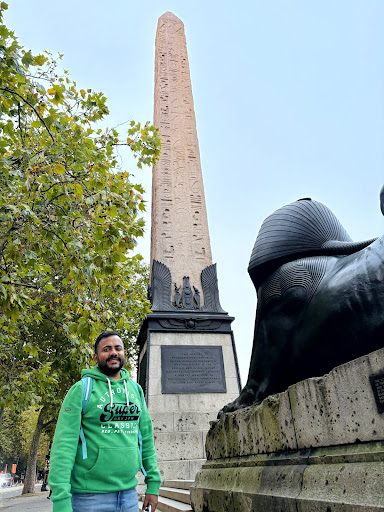
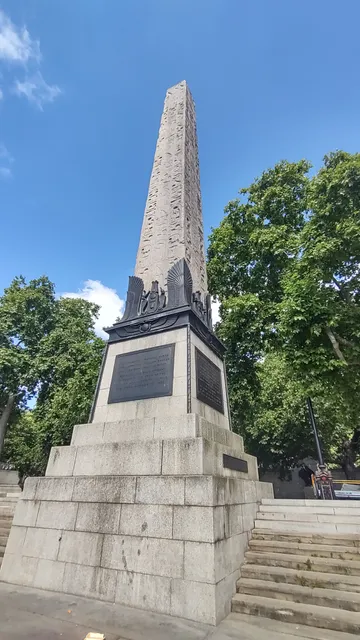
Cleopatra's Needle in London is one of a pair of obelisks, together named Cleopatra's Needles, that were moved from the ruins of the Caesareum of Alexandria, in Egypt, in the 19th century.
Cultural
Scenic
Family friendly
Accessibility
attractions: Victoria Embankment Gardens, Adelphi Theatre, Savoy Theatre, Lyceum Theatre, Vaudeville Theatre, Kit Kat Club at the Playhouse Theatre, Hungerford Bridge and Golden Jubilee Bridges, Trafalgar Square, Royal Festival Hall, London Eye, restaurants: Poon's at Somerset House, Embankment Bistro Bar, Gordon's Wine Bar, Bella Italia - The Strand, Smith & Wollensky, Fatt Pundit, Bustronome London, The Coal Hole, Zizzi - The Strand (West End), Ave Mario, local businesses: AIRE Ancient Baths London, Waterloo Bridge, Uber Boat by Thames Clippers - Embankment Pier, London Theatre Direct, Embankment Pier, Thames RIB Experience - Embankment Pier, The Hunt for the Cheshire Cat by HiddenCity, Sakurado Japanese Patisserie London, Covent Garden, Virgin Active, Shaws Of Covent Garden
 Learn more insights from Wanderboat AI.
Website
historic-uk.com
Open hoursSee all hours
SatOpen 24 hoursOpen
Plan your stay

Pet-friendly Hotels in London
Find a cozy hotel nearby and make it a full experience.

Affordable Hotels in London
Find a cozy hotel nearby and make it a full experience.

The Coolest Hotels You Haven't Heard Of (Yet)
Find a cozy hotel nearby and make it a full experience.

Trending Stays Worth the Hype in London
Find a cozy hotel nearby and make it a full experience.
Reviews
Live events

Walk London with a local - in easy English
Sun, Feb 8 • 9:30 AM
Greater London, W1J 9BT, United Kingdom
View details

London Pottery Workshop
Sat, Feb 7 • 11:00 AM
Greater London, HA0 1RQ, United Kingdom
View details
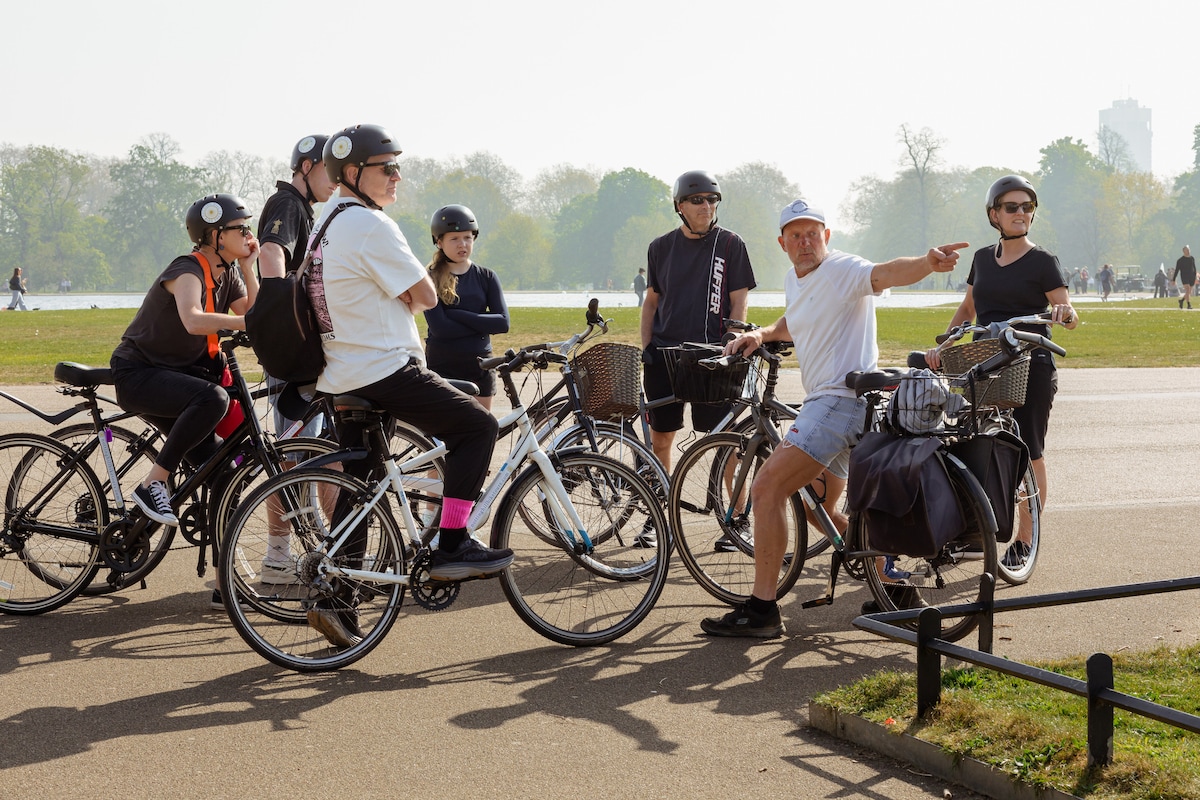
Visit London landmarks and royal parks
Sat, Feb 7 • 10:00 AM
Greater London, W2 4RJ, United Kingdom
View details
Nearby attractions of Cleopatra's Needle
Victoria Embankment Gardens
Adelphi Theatre
Savoy Theatre
Lyceum Theatre
Vaudeville Theatre
Kit Kat Club at the Playhouse Theatre
Hungerford Bridge and Golden Jubilee Bridges
Trafalgar Square
Royal Festival Hall
London Eye
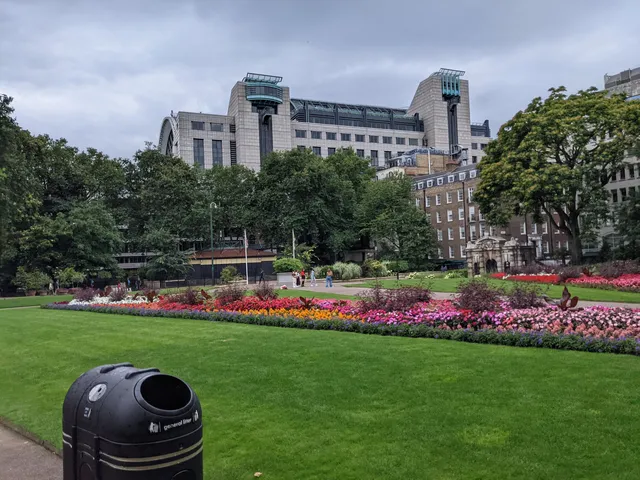
Victoria Embankment Gardens
4.6
(1.5K)
Open until 6:00 PM
Click for details
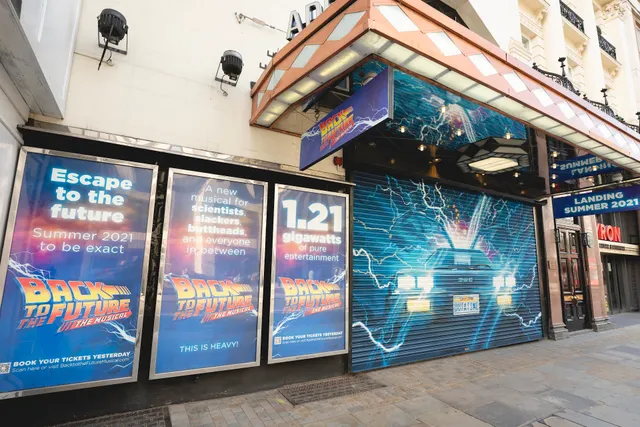
Adelphi Theatre
4.7
(4.3K)
Open 24 hours
Click for details
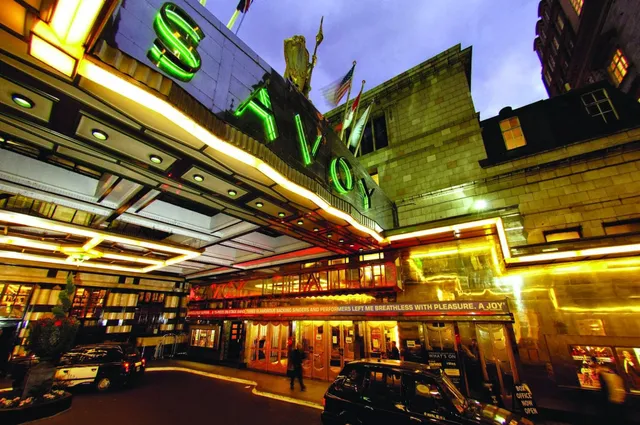
Savoy Theatre
4.5
(2.4K)
Open 24 hours
Click for details
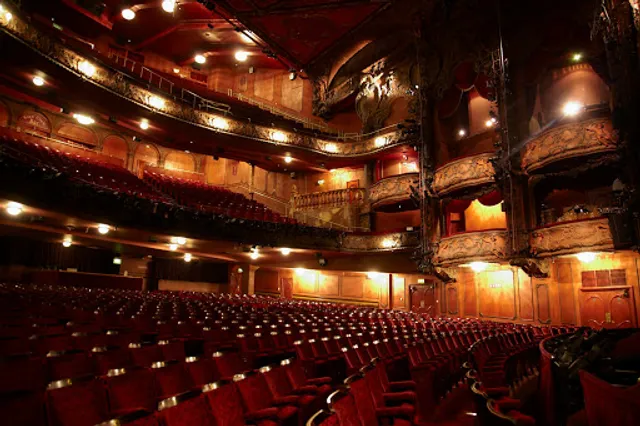
Lyceum Theatre
4.7
(8.3K)
Open 24 hours
Click for details
Nearby restaurants of Cleopatra's Needle
Poon's at Somerset House
Embankment Bistro Bar
Gordon's Wine Bar
Bella Italia - The Strand
Smith & Wollensky
Fatt Pundit
Bustronome London
The Coal Hole
Zizzi - The Strand (West End)
Ave Mario

Poon's at Somerset House
4.3
(36)
Closed
Click for details
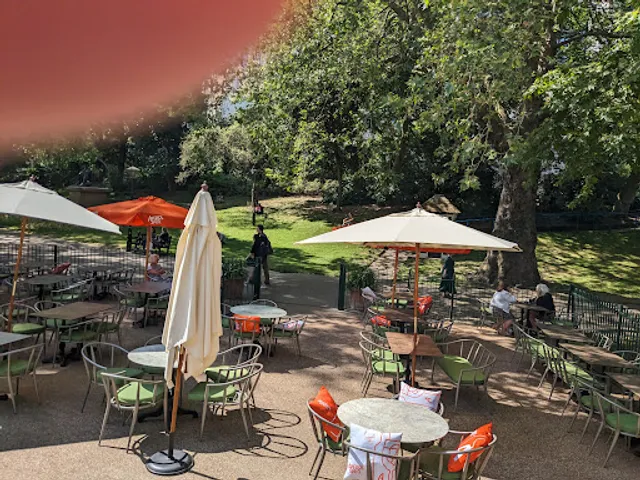
Embankment Bistro Bar
4.2
(371)
Click for details
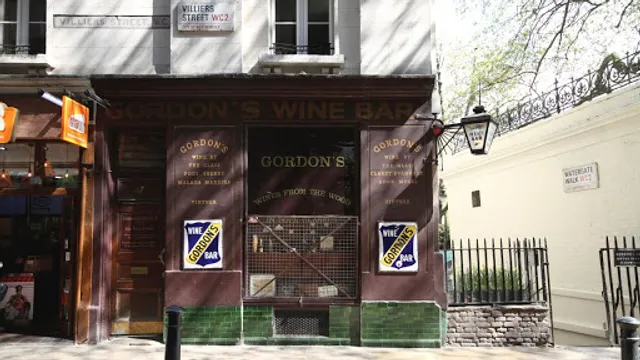
Gordon's Wine Bar
4.6
(2.7K)
Closed
Click for details
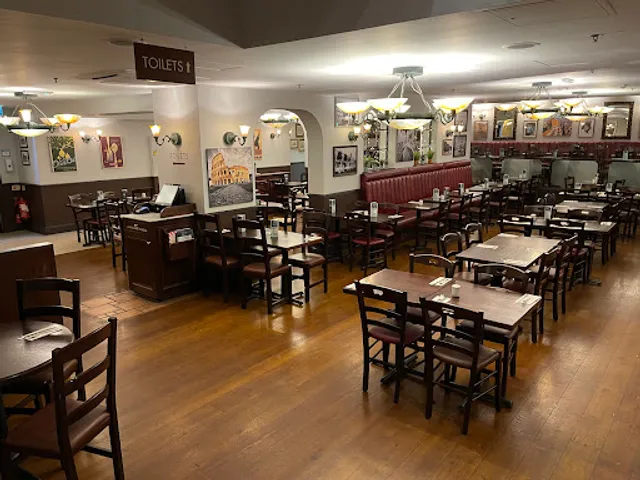
Bella Italia - The Strand
4.6
(2.8K)
Closed
Click for details
Nearby local services of Cleopatra's Needle
AIRE Ancient Baths London
Waterloo Bridge
Uber Boat by Thames Clippers - Embankment Pier
London Theatre Direct
Embankment Pier
Thames RIB Experience - Embankment Pier
The Hunt for the Cheshire Cat by HiddenCity
Sakurado Japanese Patisserie London, Covent Garden
Virgin Active
Shaws Of Covent Garden
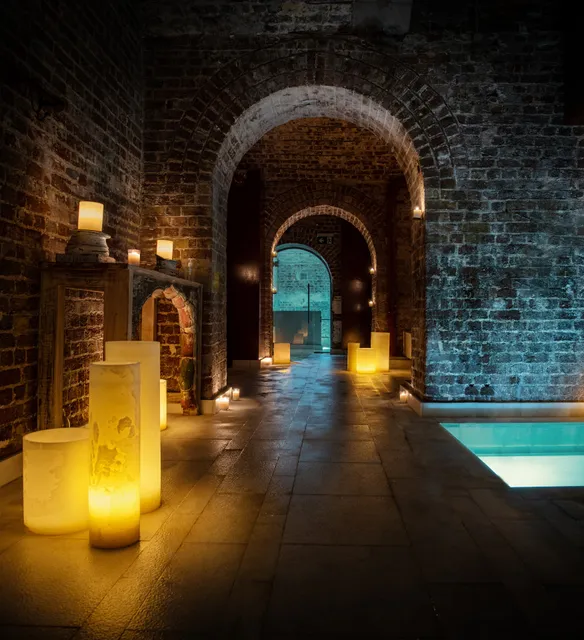
AIRE Ancient Baths London
4.6
(920)
Click for details
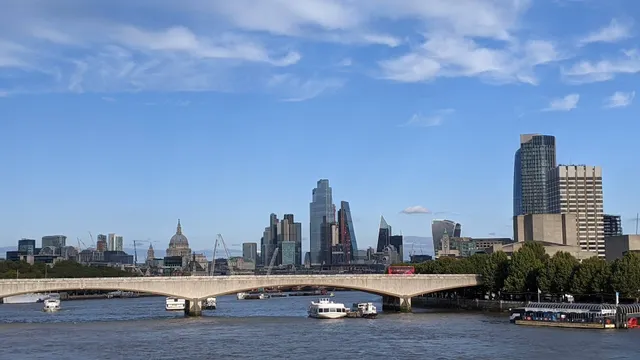
Waterloo Bridge
4.6
(1.2K)
Click for details
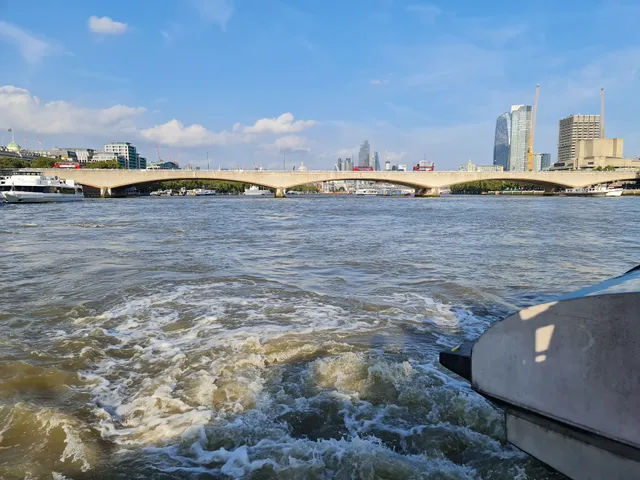
Uber Boat by Thames Clippers - Embankment Pier
4.2
(387)
Click for details
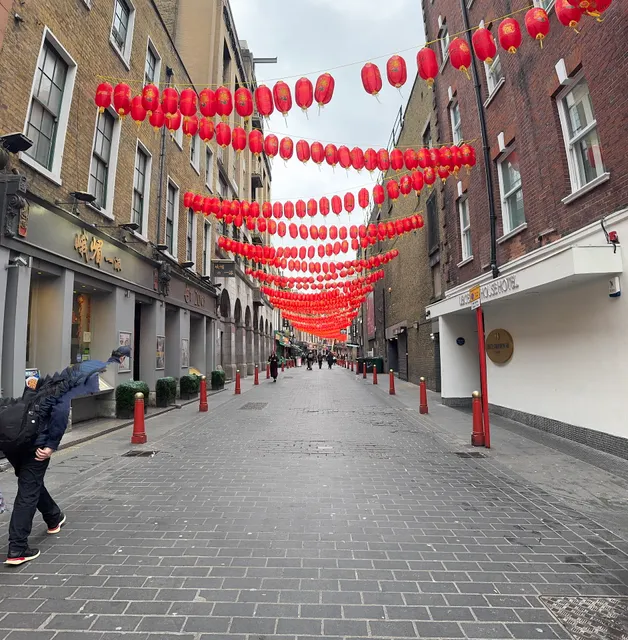
London Theatre Direct
4.4
(821)
Click for details


The hit list

Plan your trip with Wanderboat
Welcome to Wanderboat AI, your AI search for local Eats and Fun, designed to help you explore your city and the world with ease.
Powered by Wanderboat AI trip planner.