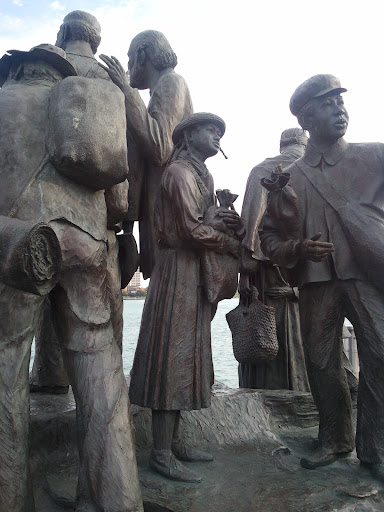
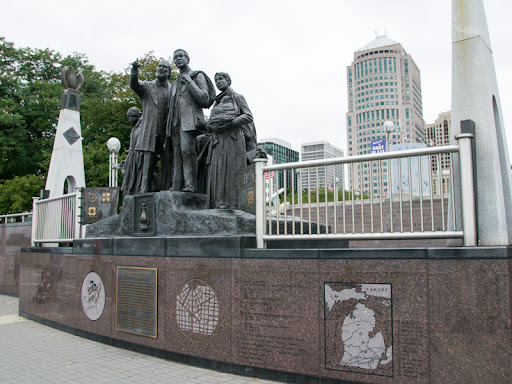
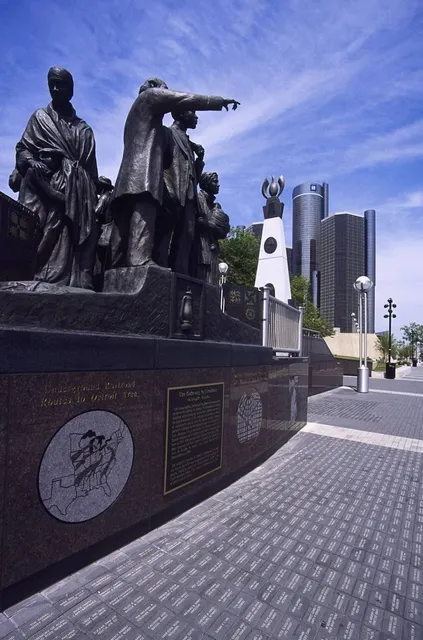
International Memorial to the Underground Railroad things to do, attractions, restaurants, events info and trip planning
Basic Info
International Memorial to the Underground Railroad
Detroit RiverWalk, Detroit, MI 48226
4.6(51)
Open until 12:00 AM
Save
spot
spot
Ratings & Description
Info
Cultural
Scenic
Accessibility
Family friendly
attractions: Hart Plaza, Monument to Joe Louis “The Fist”, Huntington Place, Guardian Building, The Spirit of Detroit, Spirit of Detroit Plaza, Detroit-Windsor Tunnel, Church of Scientology Detroit, GMRenCen, Detroit River Walk, near Bridge, restaurants: Experience Zuzu, Joe Muer Seafood, Andiamo Detroit Riverfront, The Apparatus Room, Townhouse, Sugah Please Breakfast Brunch Bar, London Chop House, Anita's Kitchen - Detroit, Grand Trunk Pub, Highlands Detroit, local businesses: Horace E. Dodge Fountain, One Woodward, Penobscot Building, Detroit Windsor Tunnel, Coleman A. Young Municipal Center, Pure Detroit Tours and Retail, Ally Detroit Center, Detroit Food and City Tours, Griswold-Larned Parking Garage, Millender Center
 Learn more insights from Wanderboat AI.
Phone
(313) 877-8057
Open hoursSee all hours
SatOpen 24 hoursOpen
Plan your stay

Pet-friendly Hotels in Detroit
Find a cozy hotel nearby and make it a full experience.

Affordable Hotels in Detroit
Find a cozy hotel nearby and make it a full experience.

The Coolest Hotels You Haven't Heard Of (Yet)
Find a cozy hotel nearby and make it a full experience.

Trending Stays Worth the Hype in Detroit
Find a cozy hotel nearby and make it a full experience.
Reviews
Live events

Foreplay Fridays At Hideaway In Southfield
Fri, Jan 30 • 9:00 PM
29267 Southfield Road, Southfield, MI 48076
View details

FREE MOVIE PREMIERE: VANISH
Sat, Jan 31 • 2:00 PM
28350 Joy Road Livonia, MI 48150
View details

VODKA FEST 2026 - Royal Oak
Sat, Jan 31 • 6:00 PM
316 East Eleven Mile Road Royal Oak, MI 48067
View details
Nearby attractions of International Memorial to the Underground Railroad
Hart Plaza
Monument to Joe Louis “The Fist”
Huntington Place
Guardian Building
The Spirit of Detroit
Spirit of Detroit Plaza
Detroit-Windsor Tunnel
Church of Scientology Detroit
GMRenCen
Detroit River Walk, near Bridge
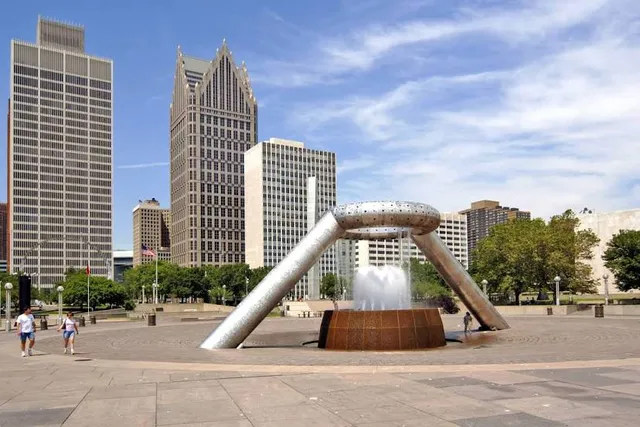
Hart Plaza
4.6
(2.5K)
Closed
Click for details
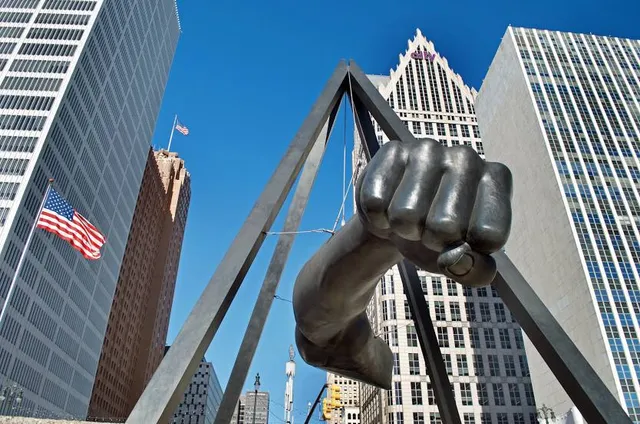
Monument to Joe Louis “The Fist”
4.8
(266)
Open until 12:00 AM
Click for details
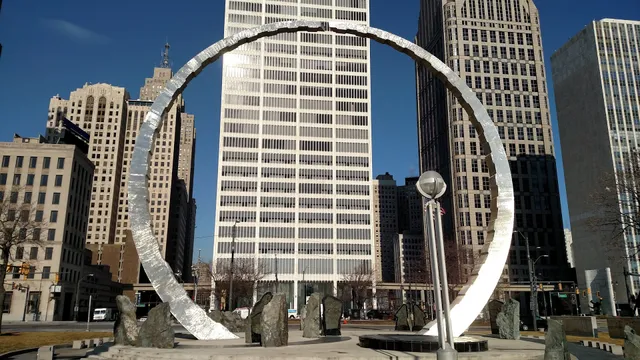
Huntington Place
4.5
(3.2K)
Open until 12:00 AM
Click for details
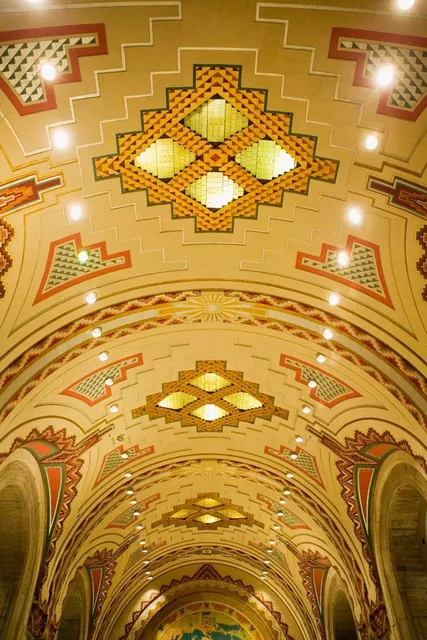
Guardian Building
4.7
(1.2K)
Open until 12:00 AM
Click for details
Nearby restaurants of International Memorial to the Underground Railroad
Experience Zuzu
Joe Muer Seafood
Andiamo Detroit Riverfront
The Apparatus Room
Townhouse
Sugah Please Breakfast Brunch Bar
London Chop House
Anita's Kitchen - Detroit
Grand Trunk Pub
Highlands Detroit
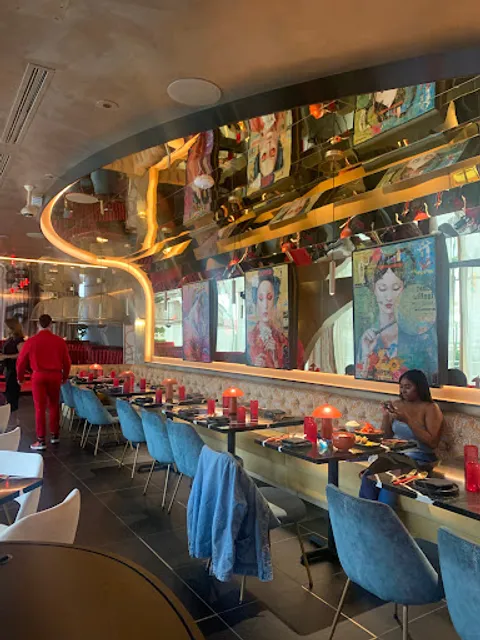
Experience Zuzu
4.7
(1.5K)
$$$$
Closed
Click for details
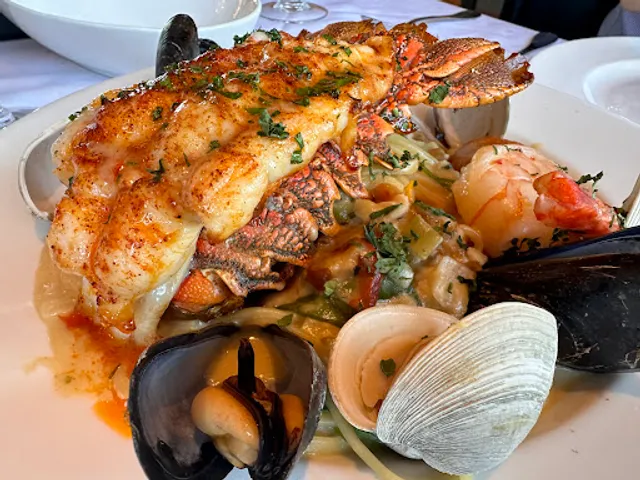
Joe Muer Seafood
4.4
(1.3K)
$$$$
Closed
Click for details
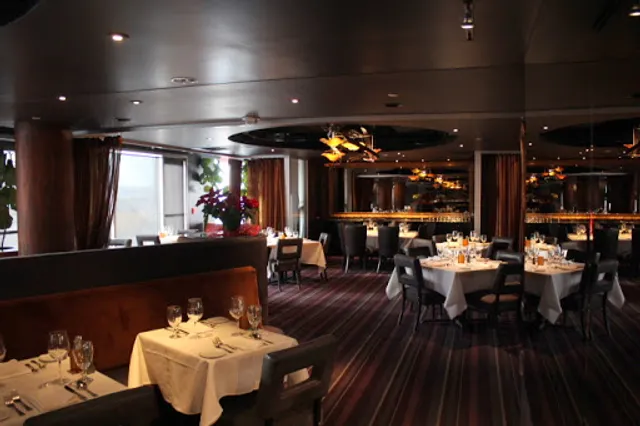
Andiamo Detroit Riverfront
4.6
(1.9K)
$$$$
Closed
Click for details
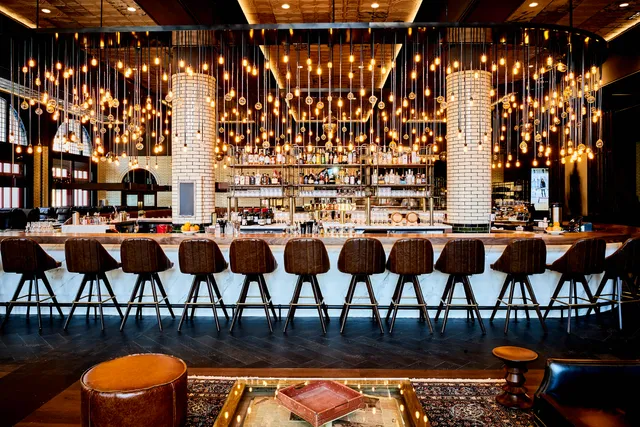
The Apparatus Room
4.4
(1.4K)
$$
Closed
Click for details
Nearby local services of International Memorial to the Underground Railroad
Horace E. Dodge Fountain
One Woodward
Penobscot Building
Detroit Windsor Tunnel
Coleman A. Young Municipal Center
Pure Detroit Tours and Retail
Ally Detroit Center
Detroit Food and City Tours
Griswold-Larned Parking Garage
Millender Center
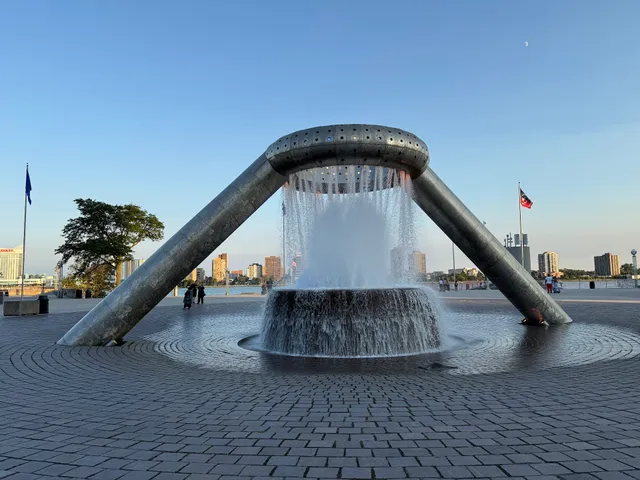
Horace E. Dodge Fountain
4.4
(39)
Click for details
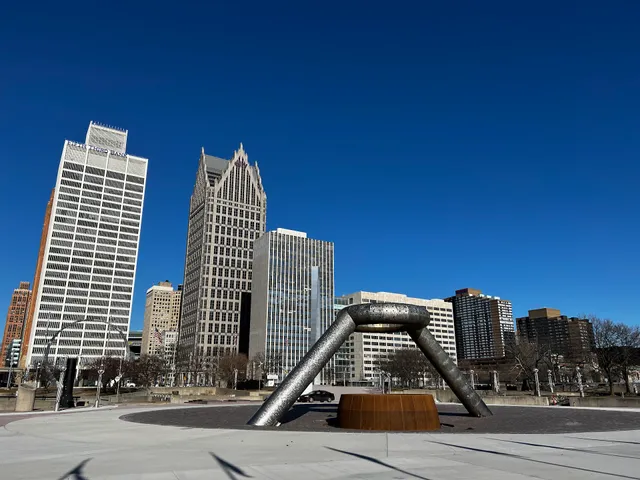
One Woodward
4.6
(79)
Click for details
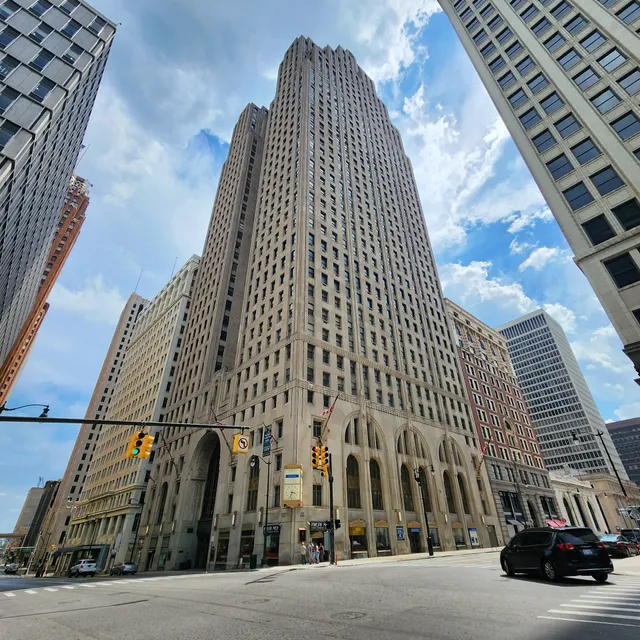
Penobscot Building
4.0
(639)
Click for details
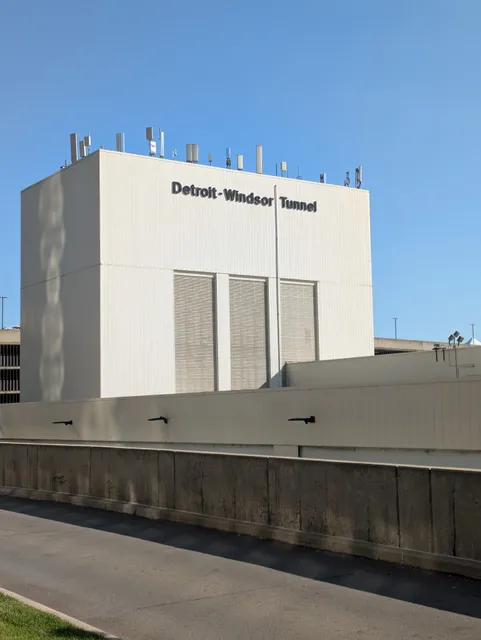
Detroit Windsor Tunnel
4.5
(9)
Click for details


The hit list


Plan your trip with Wanderboat
Welcome to Wanderboat AI, your AI search for local Eats and Fun, designed to help you explore your city and the world with ease.
Powered by Wanderboat AI trip planner.