Museum of Chinese in America things to do, attractions, restaurants, events info and trip planning
Basic Info
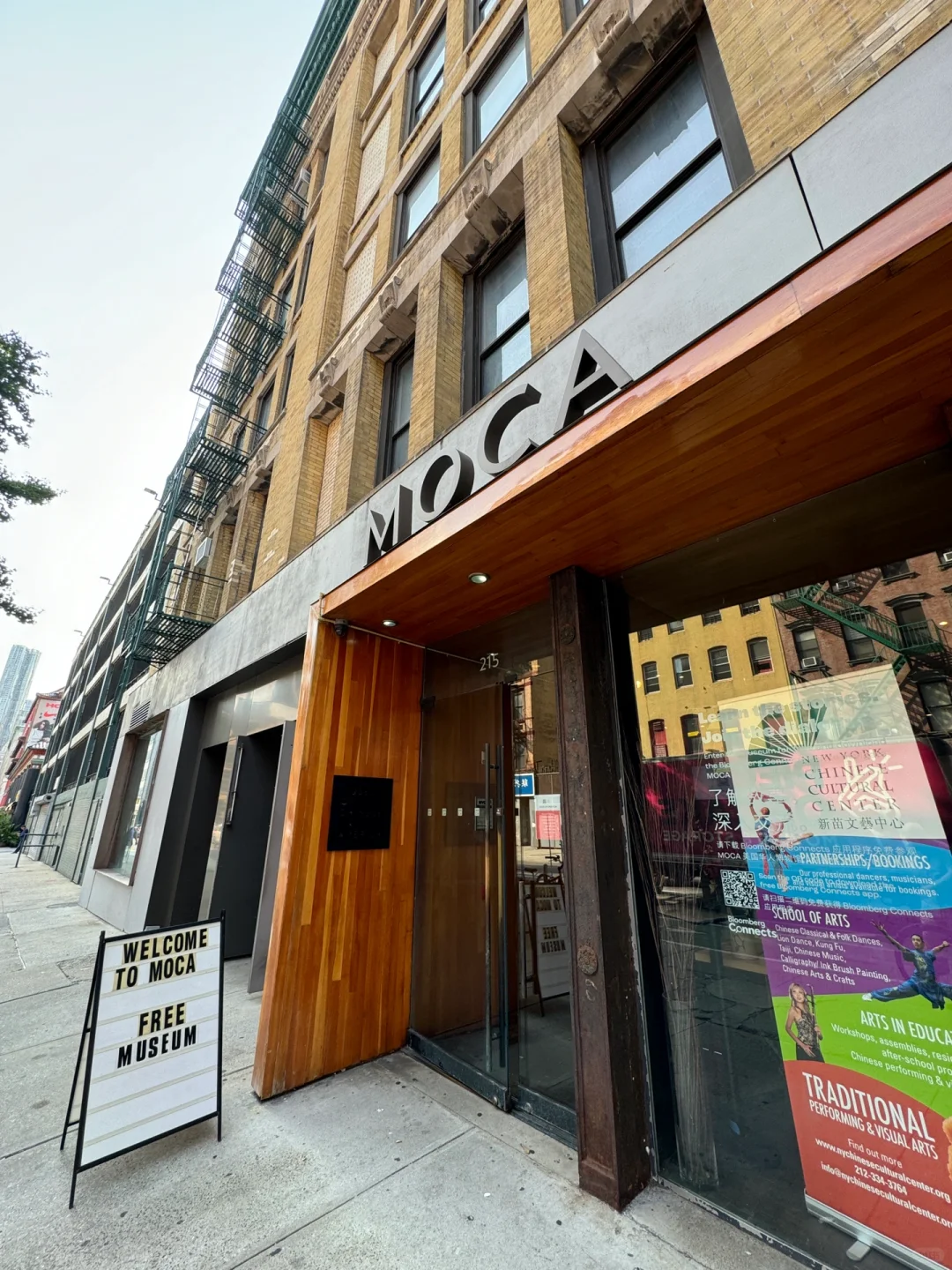
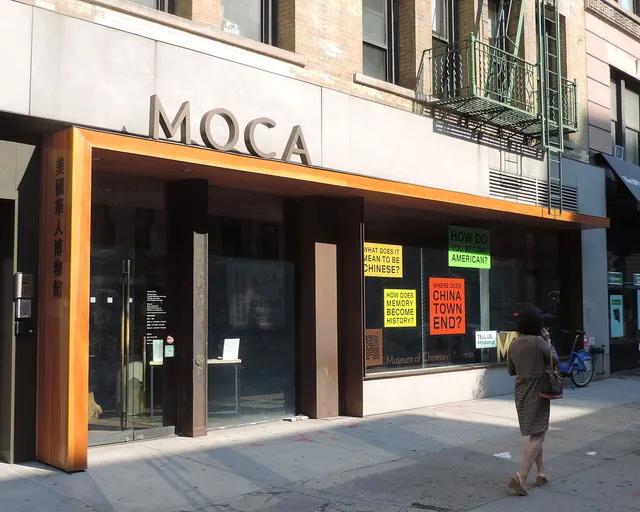
Museum of Chinese in America
215 Centre St, New York, NY 10013
4.4(557)
Open until 4:00 PM


tickets
Save
spot
spot
Ratings & Description
Info
The Museum of Chinese in America is a museum in New York City which exhibits Chinese American history.
Cultural
Family friendly
Accessibility
attractions: Banksy Museum New York, Little Italy Sign, Sloomoo Institute, San Gennaro Feast, Posteritati Movie Poster Gallery, Italian American Museum, Most Precious Blood Church, Peter Freeman, Inc., THC NYC, G-Gallery, restaurants: Zia Maria Little Italy, Ferrara Bakery & Cafe, Lan Larb Chiang Mai, Soho, Sofia's of Little Italy, Le Coucou, Casa D'Angelo New York, Osteria Barocca, Jing Fong, Da Gennaro, Gelso & Grand, local businesses: Mulberry Street Cigars, Animal Haven, Easy Joy Dim Sum & AYCE Hot Pot 意中人点心和自助火锅, Christmas in New York - Little Italy, Live By The Sword Tattoo - Soho, Pearl & The Beast, Renew Regal Spa, Nine Moons Piercing, Pearl River Mart, The UPS Store
 Learn more insights from Wanderboat AI.
Phone
(212) 619-4785
Website
mocanyc.org
Open hoursSee all hours
Sun11 AM - 4 PMOpen
Plan your stay

Pet-friendly Hotels in New York
Find a cozy hotel nearby and make it a full experience.

Affordable Hotels in New York
Find a cozy hotel nearby and make it a full experience.

The Coolest Hotels You Haven't Heard Of (Yet)
Find a cozy hotel nearby and make it a full experience.

Trending Stays Worth the Hype in New York
Find a cozy hotel nearby and make it a full experience.
Reviews
Live events
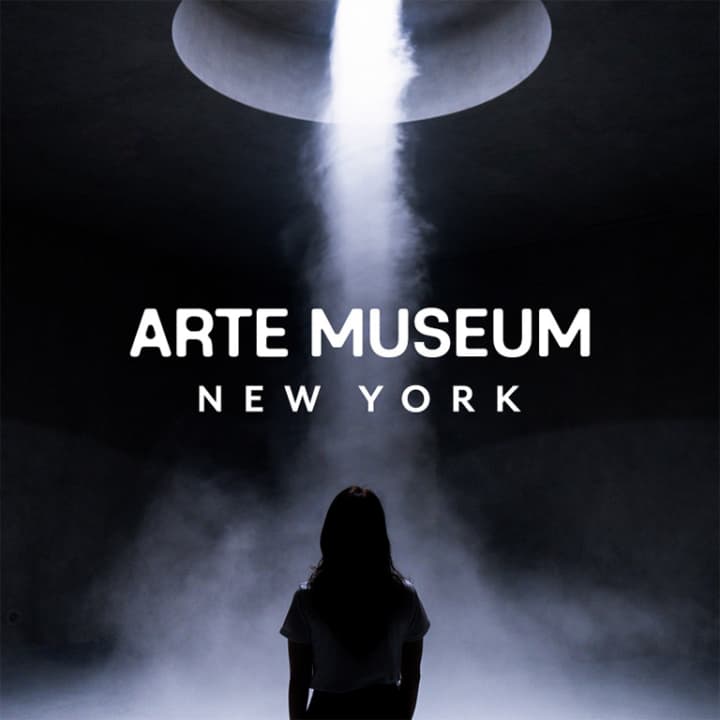
ARTE MUSEUM: An Immersive Media Art Exhibition
Sun, Feb 15 • 10:00 AM
61 Chelsea Piers, New York, 10011
View details
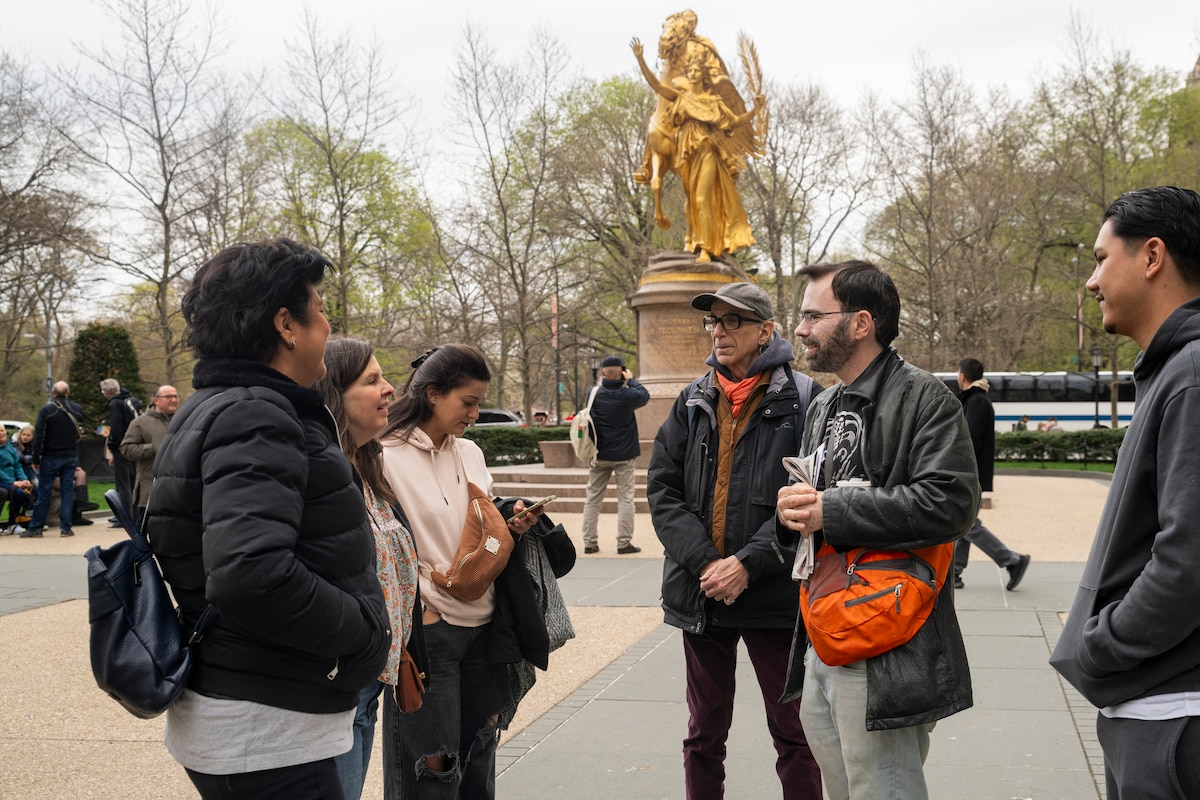
The Full-Day See It All NYC Tour
Sun, Feb 15 • 10:00 AM
New York, New York, 10019
View details
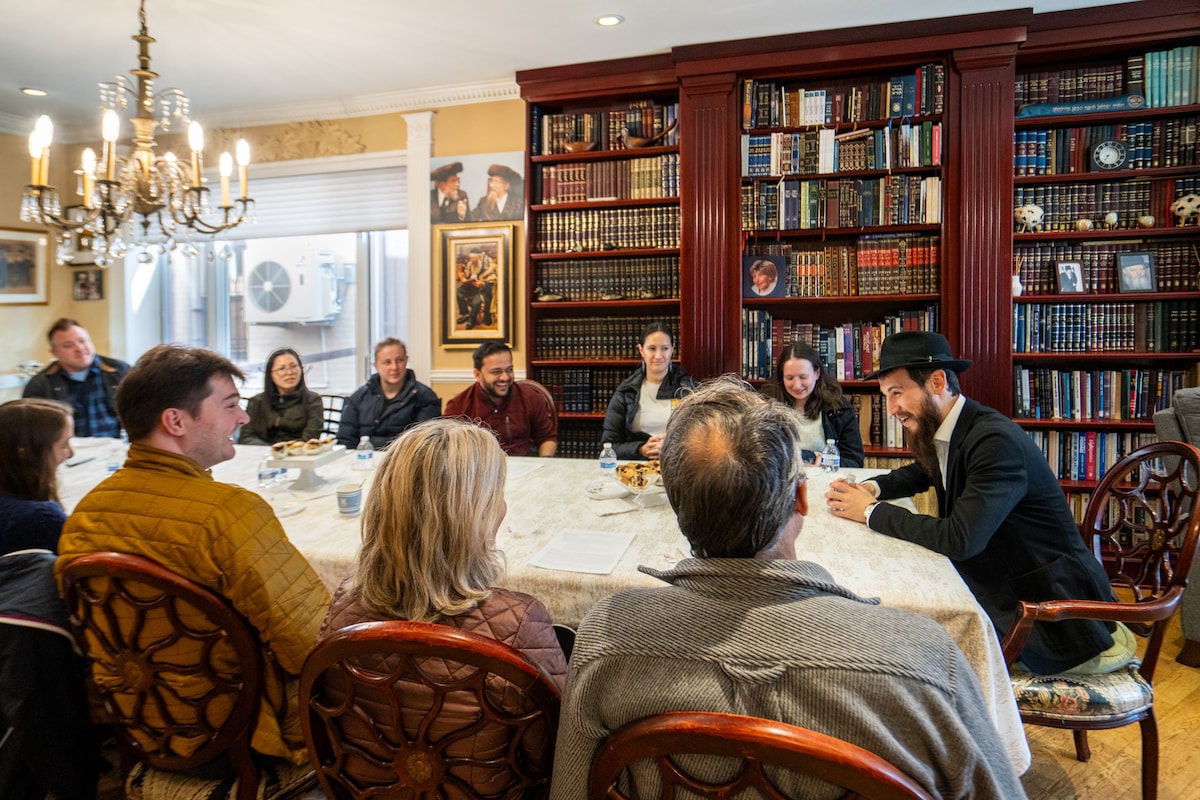
Explore Hasidic Brooklyn with a local Rabbi
Sun, Feb 15 • 11:00 AM
Brooklyn, New York, 11213
View details
Nearby attractions of Museum of Chinese in America
Banksy Museum New York
Little Italy Sign
Sloomoo Institute
San Gennaro Feast
Posteritati Movie Poster Gallery
Italian American Museum
Most Precious Blood Church
Peter Freeman, Inc.
THC NYC
G-Gallery
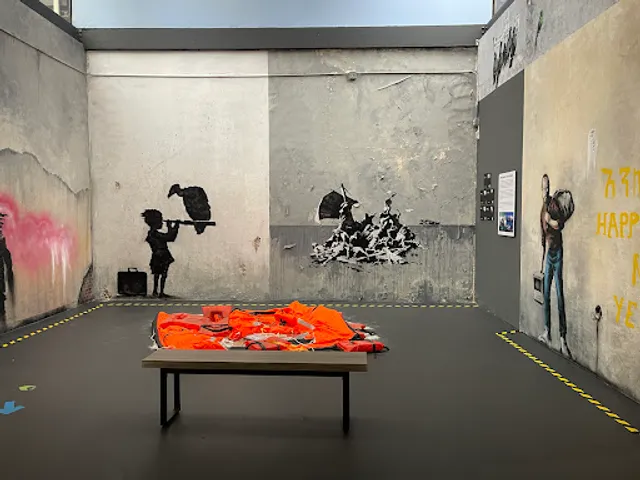
Banksy Museum New York
4.7
(646)
Open until 8:00 PM
Click for details
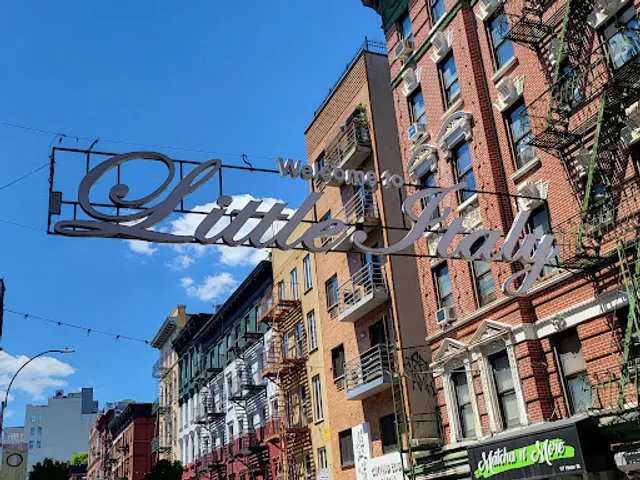
Little Italy Sign
4.4
(350)
Open 24 hours
Click for details
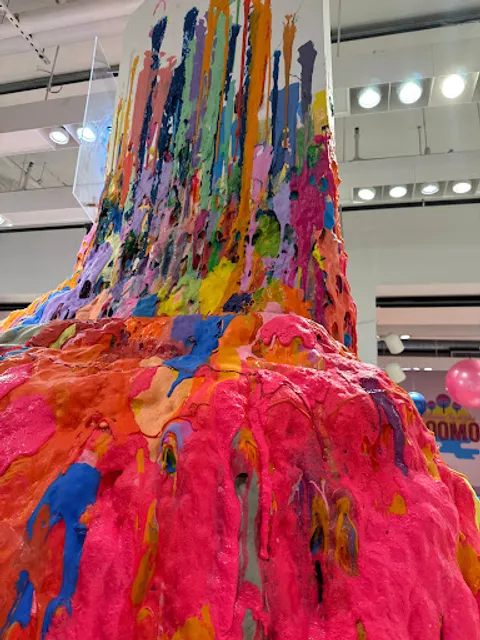
Sloomoo Institute
4.3
(1.1K)
Open until 5:30 PM
Click for details
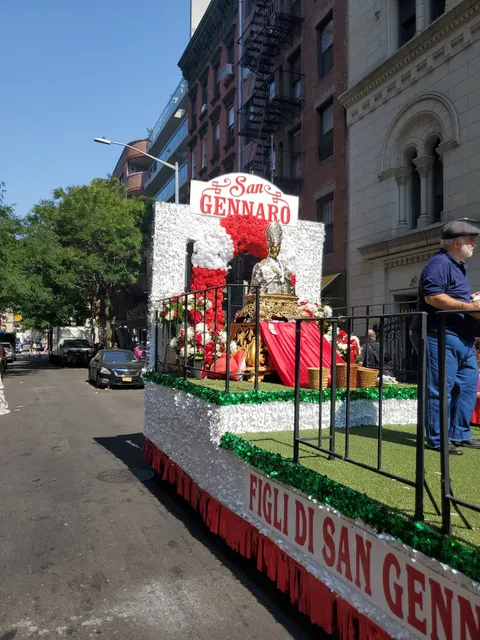
San Gennaro Feast
4.6
(108)
Open 24 hours
Click for details
Nearby restaurants of Museum of Chinese in America
Zia Maria Little Italy
Ferrara Bakery & Cafe
Lan Larb Chiang Mai, Soho
Sofia's of Little Italy
Le Coucou
Casa D'Angelo New York
Osteria Barocca
Jing Fong
Da Gennaro
Gelso & Grand
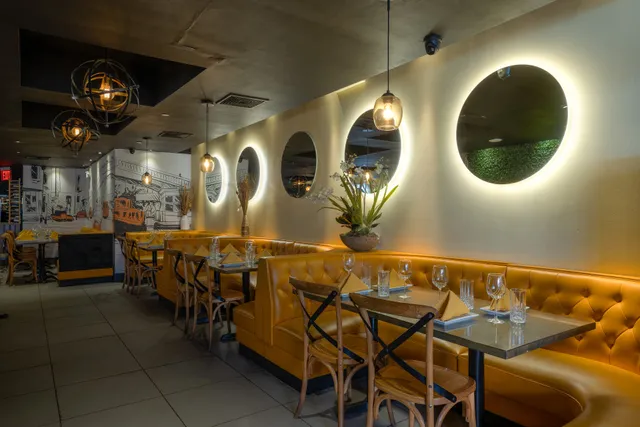
Zia Maria Little Italy
4.6
(2.7K)
$$
Open until 10:00 PM
Click for details
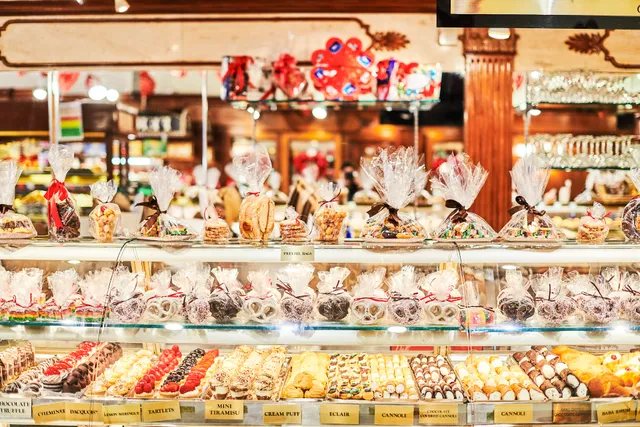
Ferrara Bakery & Cafe
4.4
(3.1K)
$
Open until 10:00 PM
Click for details
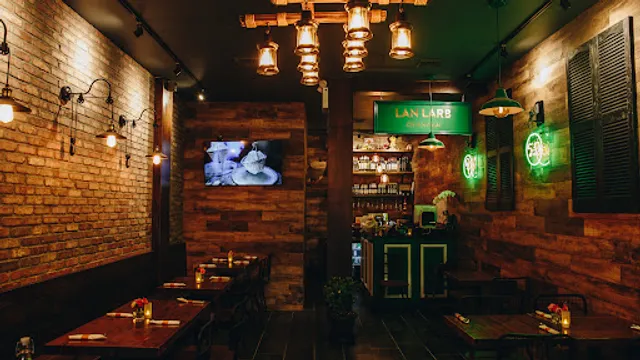
Lan Larb Chiang Mai, Soho
4.7
(696)
$$
Open until 10:00 PM
Click for details
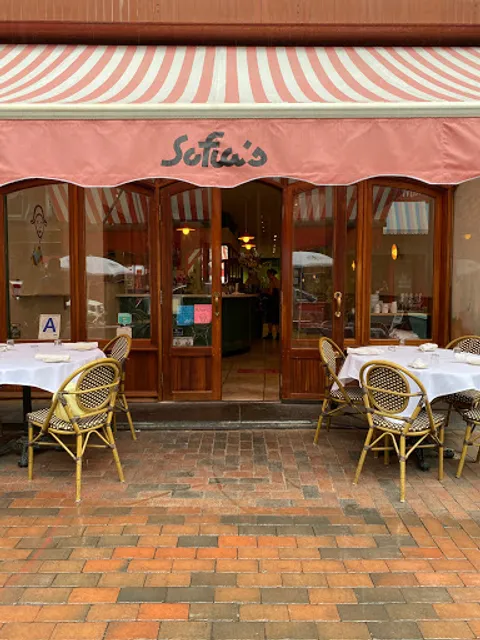
Sofia's of Little Italy
4.6
(1.5K)
$$
Open until 11:00 PM
Click for details
Nearby local services of Museum of Chinese in America
Mulberry Street Cigars
Animal Haven
Easy Joy Dim Sum & AYCE Hot Pot 意中人点心和自助火锅
Christmas in New York - Little Italy
Live By The Sword Tattoo - Soho
Pearl & The Beast
Renew Regal Spa
Nine Moons Piercing
Pearl River Mart
The UPS Store
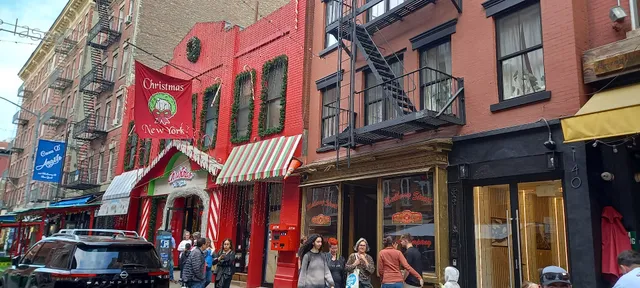
Mulberry Street Cigars
4.3
(2.7K)
Click for details
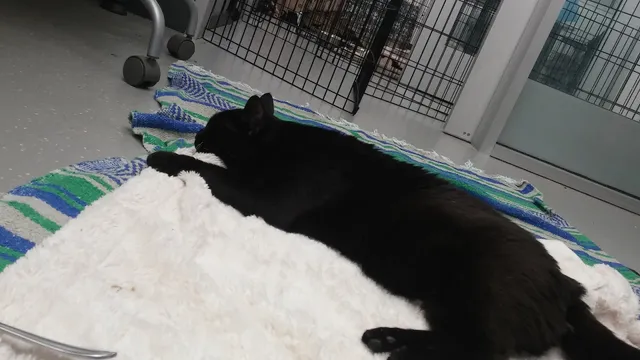
Animal Haven
4.3
(216)
Click for details
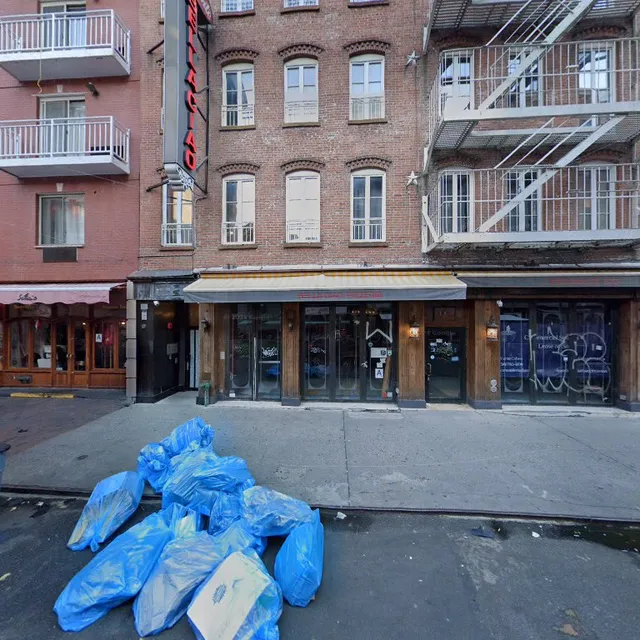
Easy Joy Dim Sum & AYCE Hot Pot 意中人点心和自助火锅
4.9
(356)
Click for details
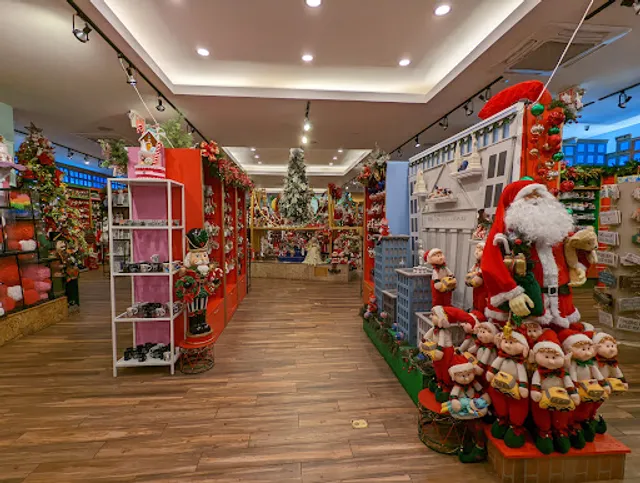
Christmas in New York - Little Italy
4.4
(545)
Click for details