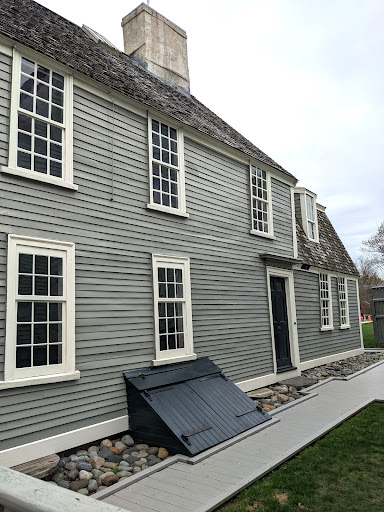
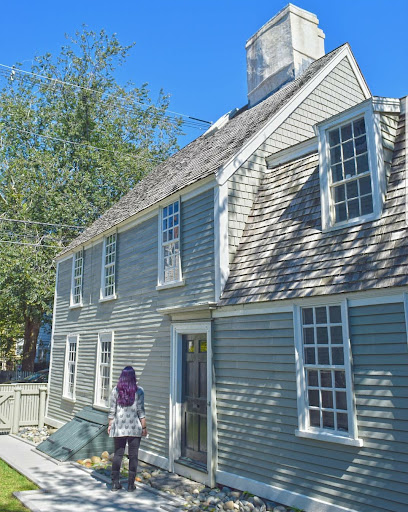
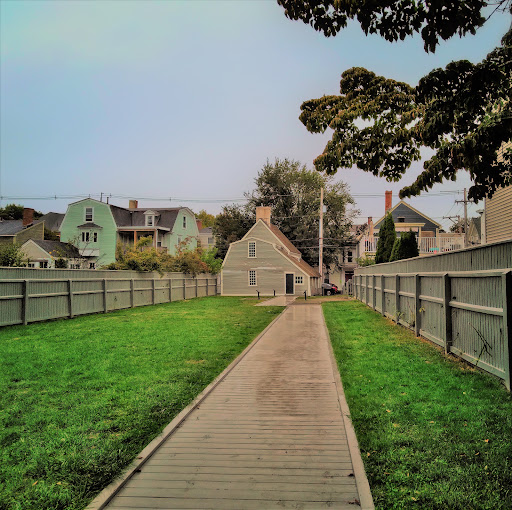
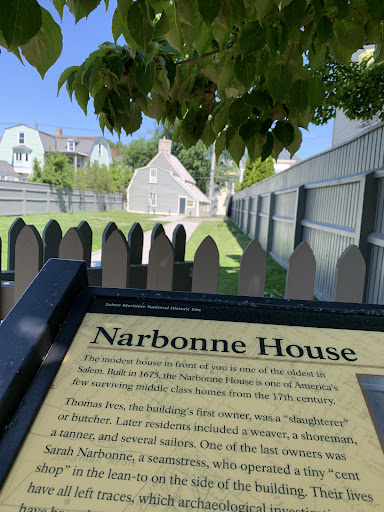
Narbonne House things to do, attractions, restaurants, events info and trip planning
Basic Info
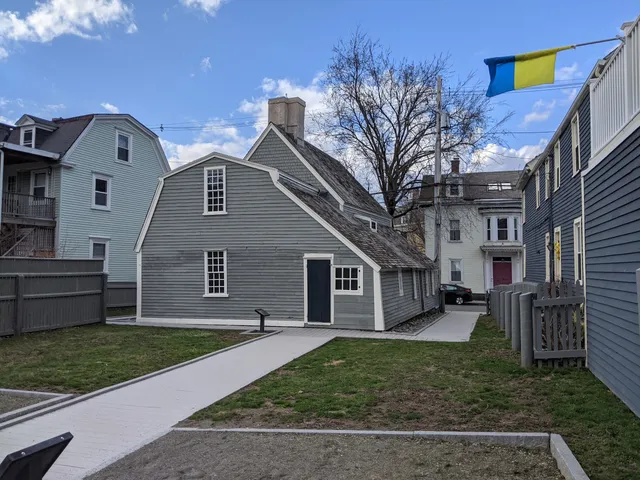
Narbonne House
71 Essex St, Salem, MA 01970
4.8(15)
Closed
Save
spot
spot
Ratings & Description
Info
Cultural
Family friendly
Accessibility
attractions: Salem Maritime National Historic Site, Salem Common, Salem Witch Museum, The House of the Seven Gables, Salem Ink Tattoo and Art Gallery, Custom House, Peabody Essex Museum, Salem Witch Trials Memorial, Salem Witch Board Museum, The Witchery, restaurants: Mercy Tavern, Derby Street - Jaho Coffee Roaster & Wine Bar, Sea Level Oyster Bar, Wolf Next Door Coffee, Bella Verona, Finz Salem, Olde Main Street Pub, Goodnight Fatty, Brodie's Seaport, Trade House, local businesses: Ye Olde Pepper Companie, Salem Food Tours, Witch Way Gifts, The Chocolate Pantry, Crow Haven Corner, Pyramid Books, Artemisia Botanicals, Free Salem Walking Tour by Turner Street Walking Tours, Enchanted Shop, Bung Hole Liquor Store Salem mass
 Learn more insights from Wanderboat AI.
Phone
(978) 740-1650
Website
nps.gov
Open hoursSee all hours
Fri10 AM - 12 PMClosed
Plan your stay

Pet-friendly Hotels in Salem
Find a cozy hotel nearby and make it a full experience.

Affordable Hotels in Salem
Find a cozy hotel nearby and make it a full experience.

The Coolest Hotels You Haven't Heard Of (Yet)
Find a cozy hotel nearby and make it a full experience.

Trending Stays Worth the Hype in Salem
Find a cozy hotel nearby and make it a full experience.
Reviews
Live events
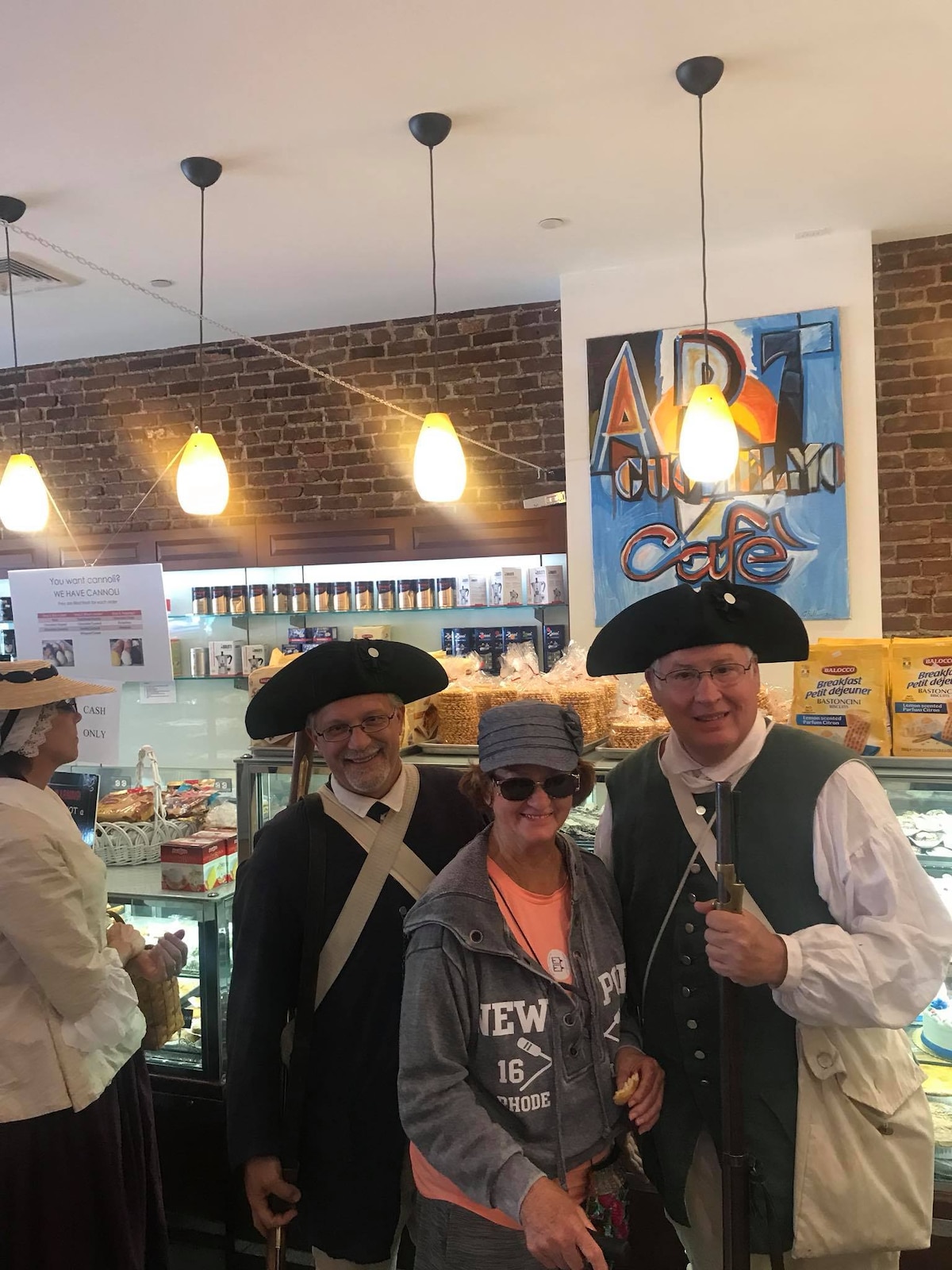
Bostons Politically Incorrect North End Food Tour
Sun, Mar 1 • 11:30 AM
Boston, Massachusetts, 02113
View details

Pilates: HWX x Black History Month Community Class
Fri, Feb 27 • 5:15 PM
393 Highland Avenue Somerville, MA 02143
View details

Opening Doors Presents: Black History Month Concert
Fri, Feb 27 • 7:00 PM
221 Concord Avenue Belmont, MA 02478
View details
Nearby attractions of Narbonne House
Salem Maritime National Historic Site
Salem Common
Salem Witch Museum
The House of the Seven Gables
Salem Ink Tattoo and Art Gallery
Custom House
Peabody Essex Museum
Salem Witch Trials Memorial
Salem Witch Board Museum
The Witchery
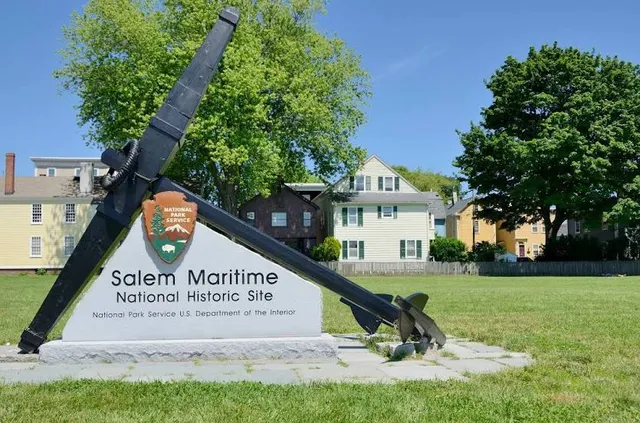
Salem Maritime National Historic Site
4.6
(862)
Closed
Click for details
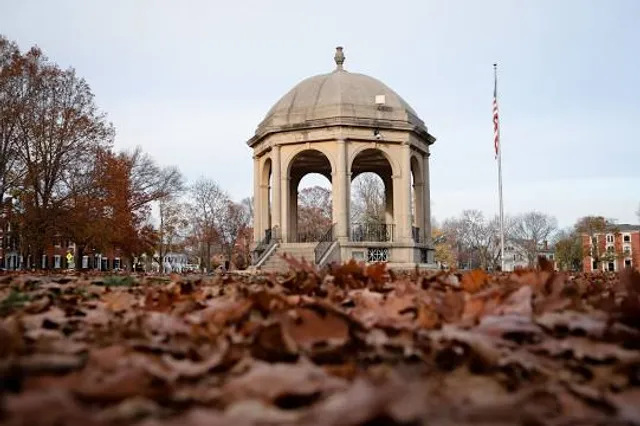
Salem Common
4.7
(1.1K)
Open until 12:00 AM
Click for details
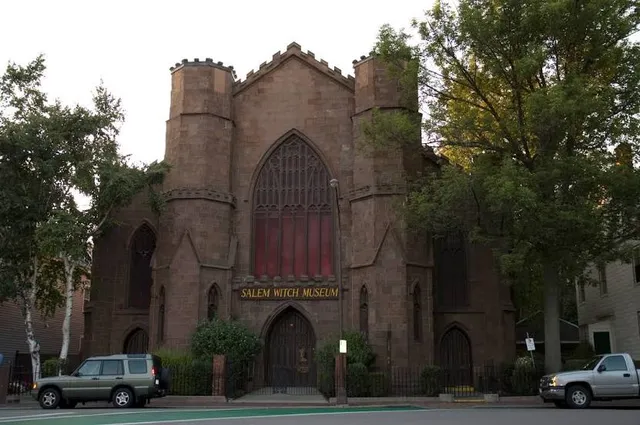
Salem Witch Museum
3.7
(4.9K)
Closed
Click for details
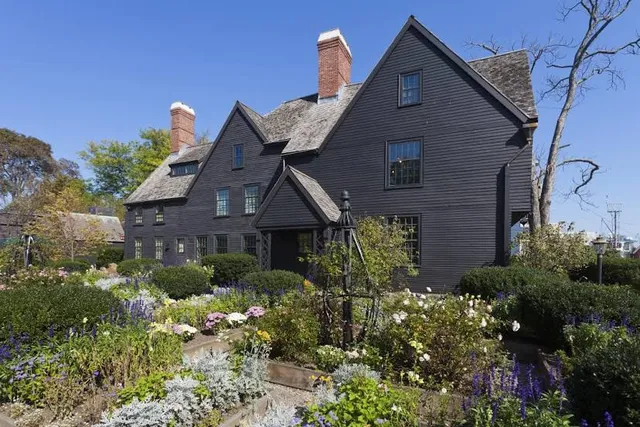
The House of the Seven Gables
4.6
(2.1K)
Open 24 hours
Click for details
Nearby restaurants of Narbonne House
Mercy Tavern
Derby Street - Jaho Coffee Roaster & Wine Bar
Sea Level Oyster Bar
Wolf Next Door Coffee
Bella Verona
Finz Salem
Olde Main Street Pub
Goodnight Fatty
Brodie's Seaport
Trade House
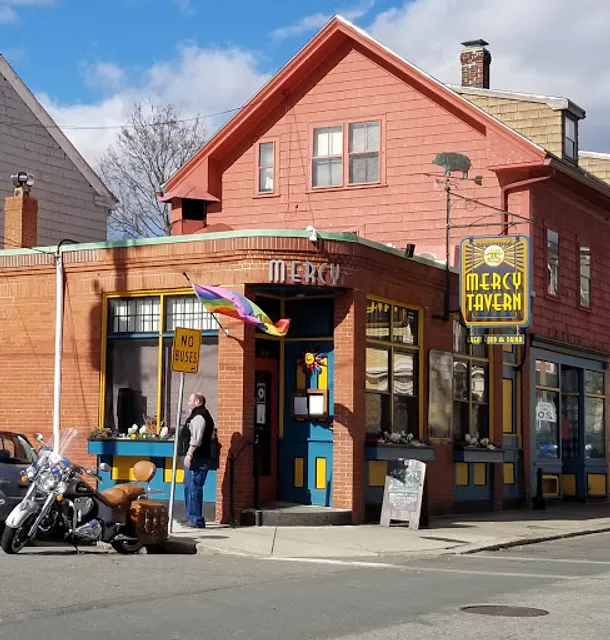
Mercy Tavern
4.6
(702)
$$
Open until 1:00 AM
Click for details
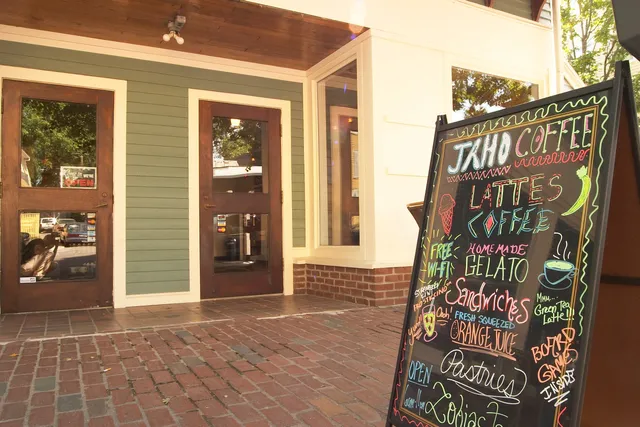
Derby Street - Jaho Coffee Roaster & Wine Bar
4.4
(1.0K)
$
Open until 11:00 PM
Click for details
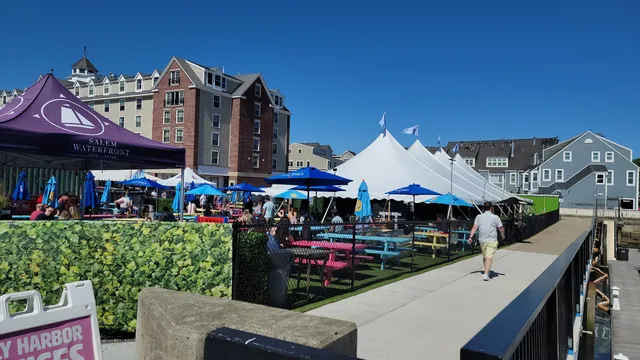
Sea Level Oyster Bar
4.4
(1.5K)
$$
Open until 10:00 PM
Click for details
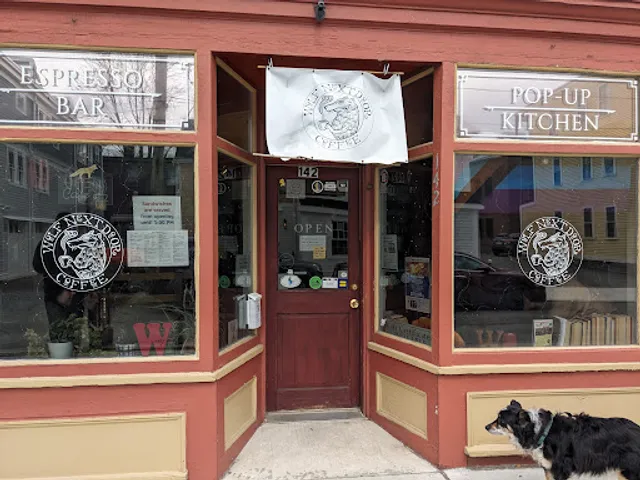
Wolf Next Door Coffee
4.7
(140)
$
Closed
Click for details
Nearby local services of Narbonne House
Ye Olde Pepper Companie
Salem Food Tours
Witch Way Gifts
The Chocolate Pantry
Crow Haven Corner
Pyramid Books
Artemisia Botanicals
Free Salem Walking Tour by Turner Street Walking Tours
Enchanted Shop
Bung Hole Liquor Store Salem mass
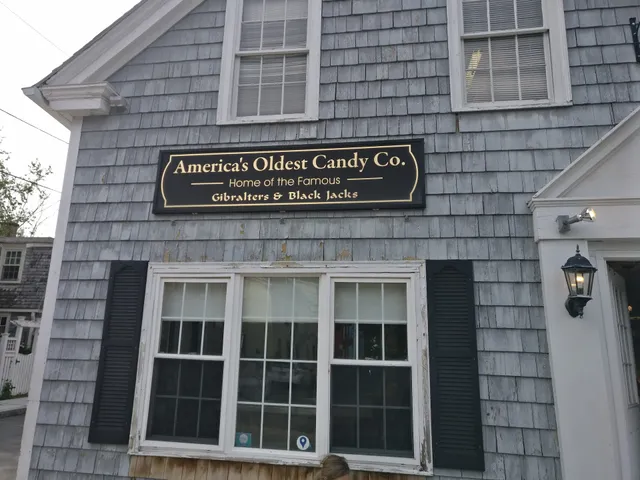
Ye Olde Pepper Companie
4.6
(347)
Click for details
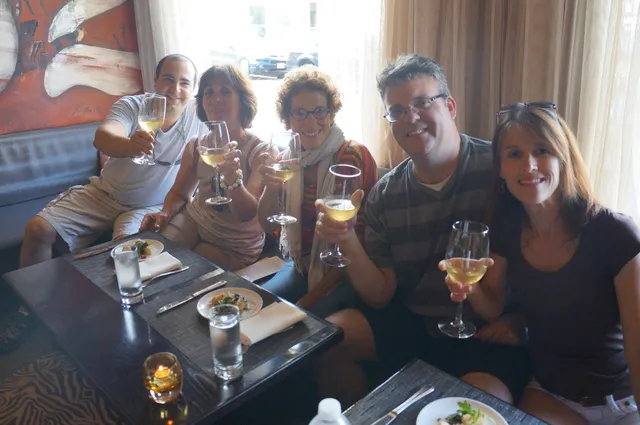
Salem Food Tours
5.0
(70)
Click for details
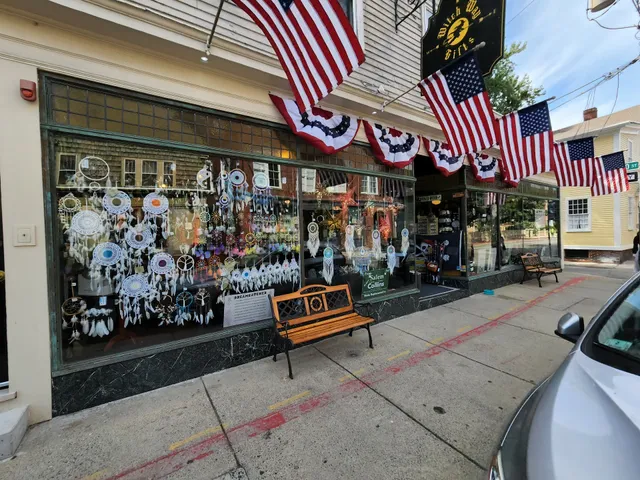
Witch Way Gifts
4.6
(74)
Click for details
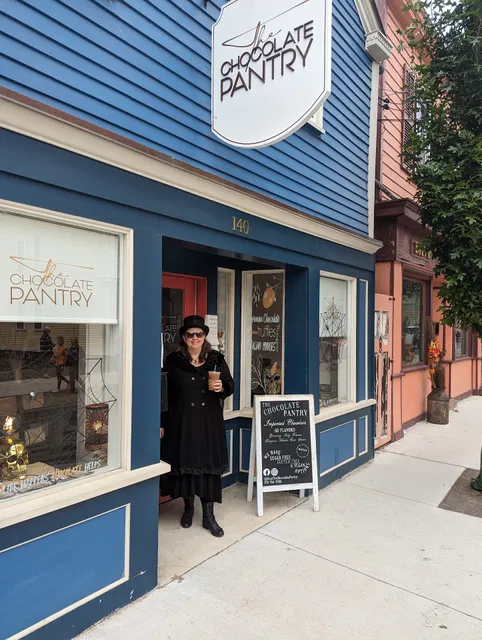
The Chocolate Pantry
4.5
(70)
Click for details