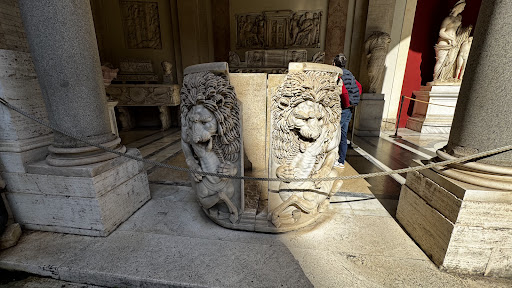
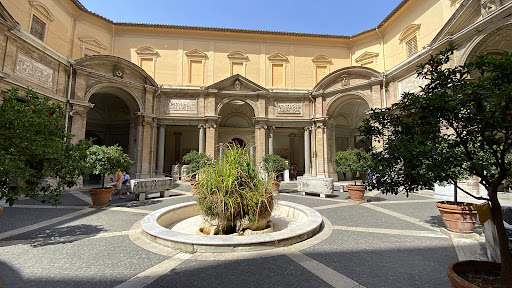
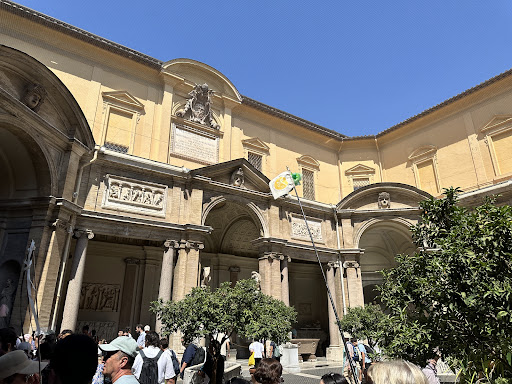
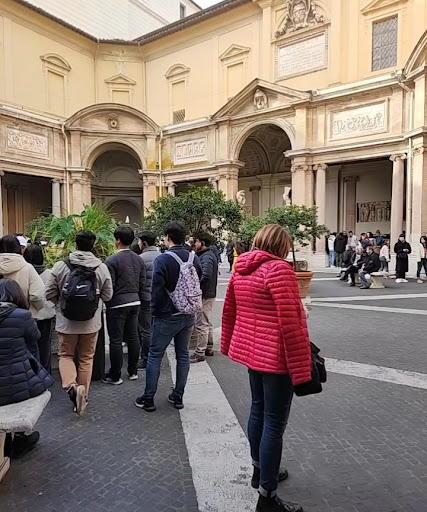
Octagonal Courtyard things to do, attractions, restaurants, events info and trip planning
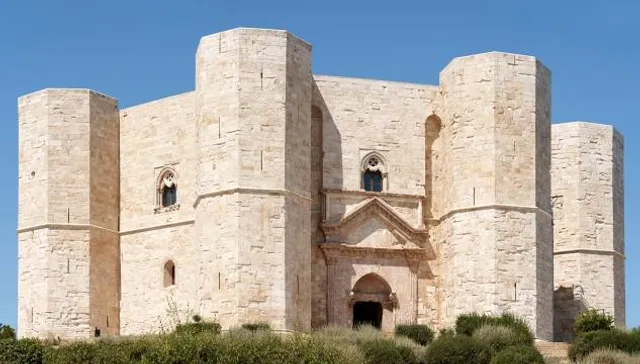
Vatican CityOctagonal Courtyard
Basic Info
Octagonal Courtyard
Cdad. del Vaticano,00120, Vatican City
4.7(77)
Open 24 hours
Save
spot
spot
Ratings & Description
Info
Cultural
Scenic
Accessibility
attractions: Vatican Museums, Pinecone Courtyard, Sistine Chapel, Pio-Clementine Museum, Gregorian Egyptian Museum, St. Peter's Basilica, Scala Elicoidale Momo, Chiaramonti Museum, Gregorian Etruscan Museum, Sala Rotonda, restaurants: Old Bridge Gelateria, Caffè Delle Commari, Museum Restaurant, Ristorante Da Paolo Vaticano, Vinsanto Vino & Cucina, 200 Gradi, Spaghetti, La Locanda di Pietro, Trattoria Pizzeria Gli Archi, L'Insalata Ricca - Piazza Risorgimento, local businesses: ItaliaTours, Maya Tours, Touristation Vaticano, What a Life Tours, Giulio Cesare - Circuito Cinema, Tours About, Vatican Pharmacy, Crown Tours Vatican, Paintings Gallery of the Vatican Museums, GameStop
 Learn more insights from Wanderboat AI.
Plan your stay

Pet-friendly Hotels in Vatican City
Find a cozy hotel nearby and make it a full experience.

Affordable Hotels in Vatican City
Find a cozy hotel nearby and make it a full experience.

The Coolest Hotels You Haven't Heard Of (Yet)
Find a cozy hotel nearby and make it a full experience.

Trending Stays Worth the Hype in Vatican City
Find a cozy hotel nearby and make it a full experience.
Reviews
Live events

LUNA: A Journey to the Moon – un’esperienza immersiva in realtà virtuale a Roma
Wed, Feb 25 • 4:00 PM
Via Trionfale, 7400, Roma, 00136
View details
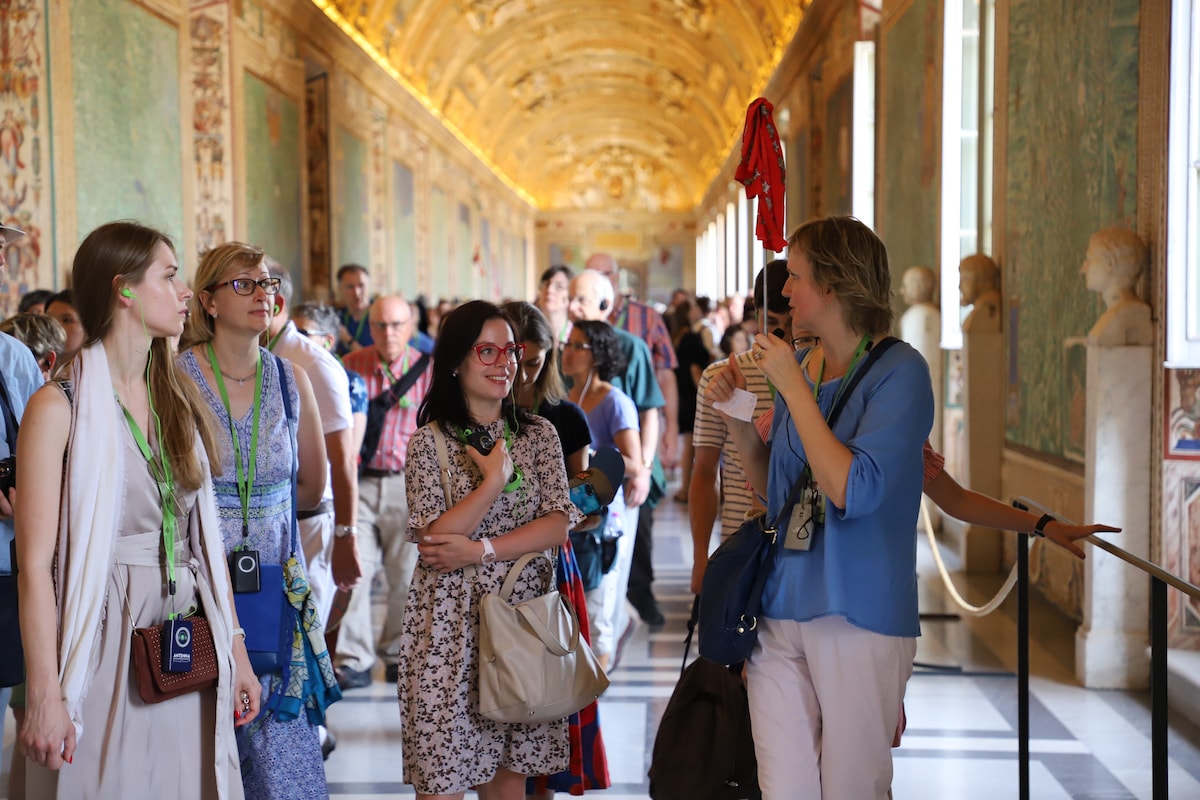
Vatican & St Peters Basilica: unlock the wonders
Wed, Feb 25 • 1:00 PM
00192, Rome, Lazio, Italy
View details
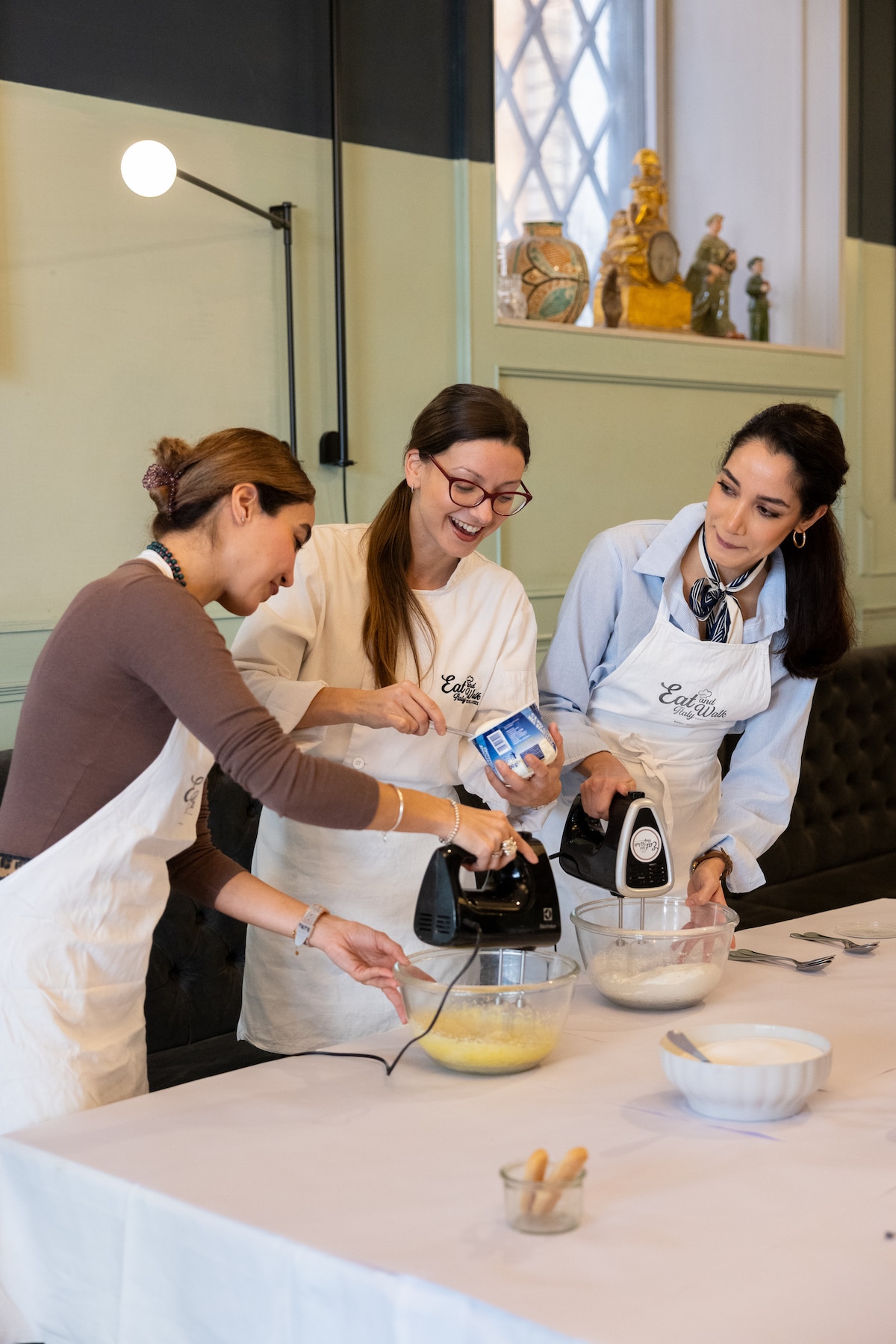
Make Pasta & Tiramisù with Wine and Limoncello
Tue, Feb 24 • 7:30 PM
00186, Rome, Lazio, Italy
View details
Nearby attractions of Octagonal Courtyard
Vatican Museums
Pinecone Courtyard
Sistine Chapel
Pio-Clementine Museum
Gregorian Egyptian Museum
St. Peter's Basilica
Scala Elicoidale Momo
Chiaramonti Museum
Gregorian Etruscan Museum
Sala Rotonda
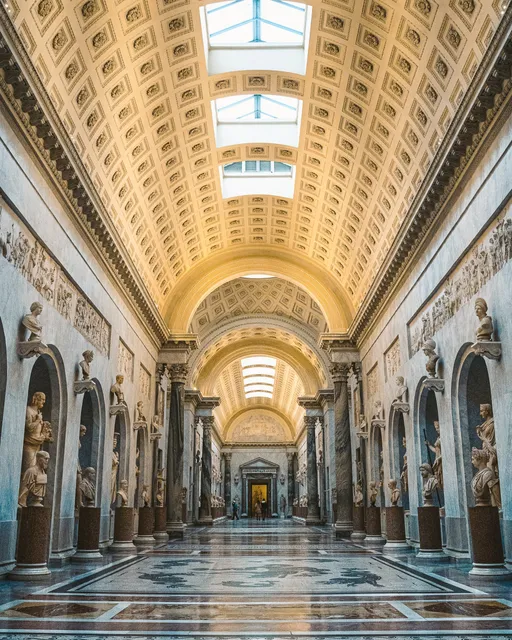
Vatican Museums
4.6
(31.7K)
Closed
Click for details

Pinecone Courtyard
4.7
(403)
Closed
Click for details
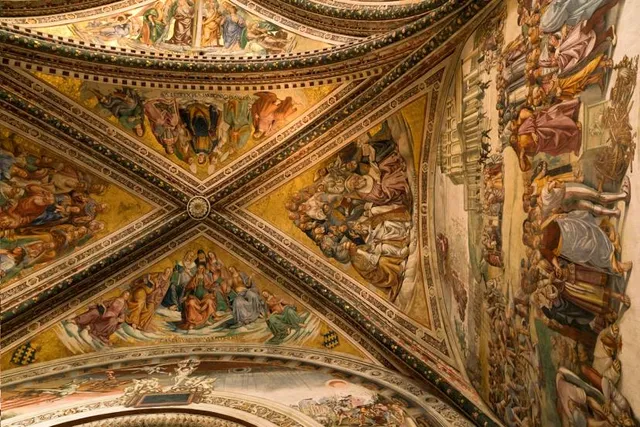
Sistine Chapel
4.7
(29.7K)
Closed
Click for details
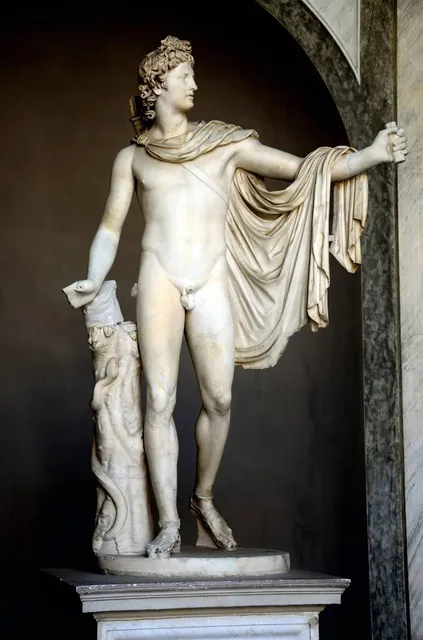
Pio-Clementine Museum
4.6
(126)
Closed
Click for details
Nearby restaurants of Octagonal Courtyard
Old Bridge Gelateria
Caffè Delle Commari
Museum Restaurant
Ristorante Da Paolo Vaticano
Vinsanto Vino & Cucina
200 Gradi
Spaghetti
La Locanda di Pietro
Trattoria Pizzeria Gli Archi
L'Insalata Ricca - Piazza Risorgimento

Old Bridge Gelateria
4.6
(2.6K)
$
Open until 12:00 AM
Click for details
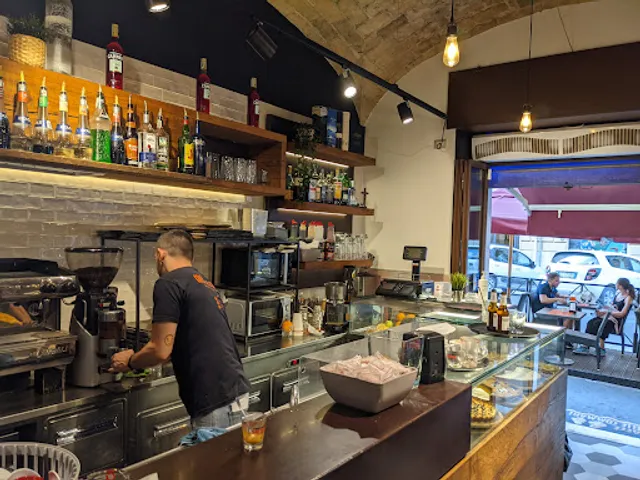
Caffè Delle Commari
4.8
(5K)
Open until 10:00 PM
Click for details
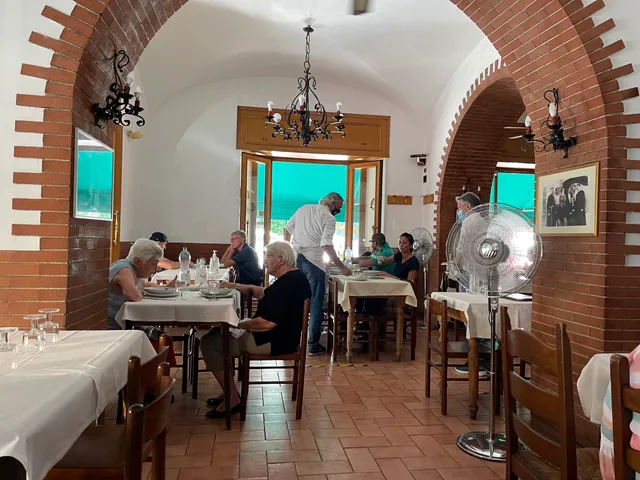
Museum Restaurant
4.6
(2.8K)
Closed
Click for details
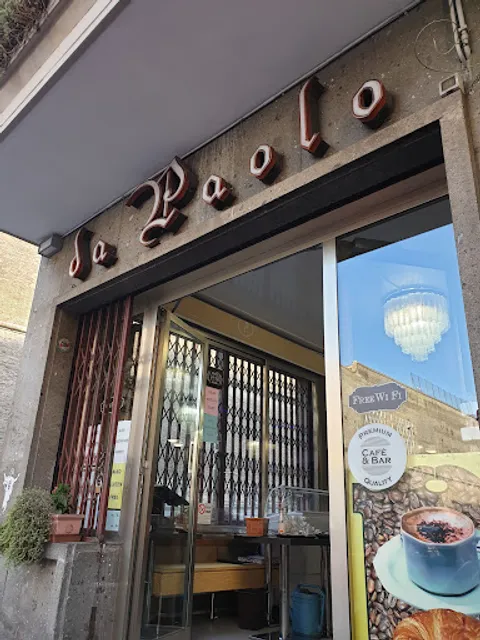
Ristorante Da Paolo Vaticano
3.5
(1.5K)
Closed
Click for details
Nearby local services of Octagonal Courtyard
ItaliaTours
Maya Tours
Touristation Vaticano
What a Life Tours
Giulio Cesare - Circuito Cinema
Tours About
Vatican Pharmacy
Crown Tours Vatican
Paintings Gallery of the Vatican Museums
GameStop
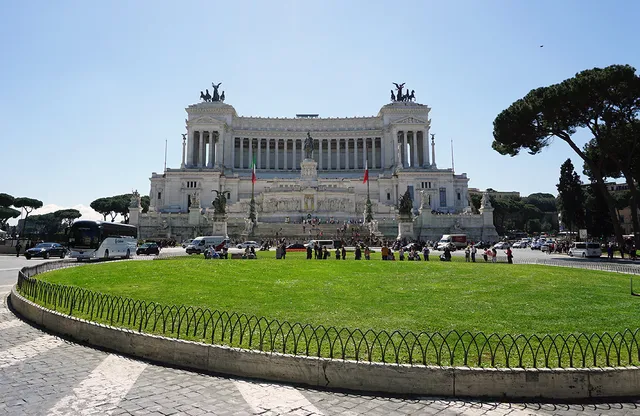
ItaliaTours
4.9
(931)
Click for details
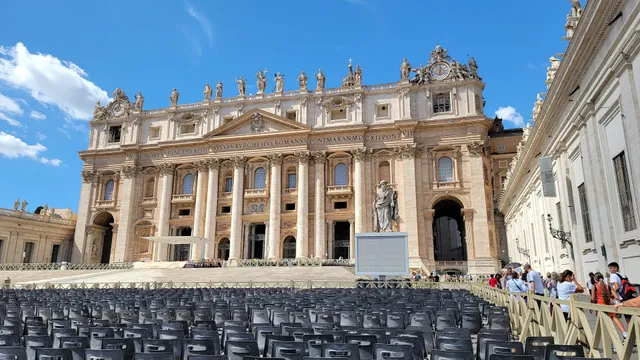
Maya Tours
4.4
(704)
Click for details
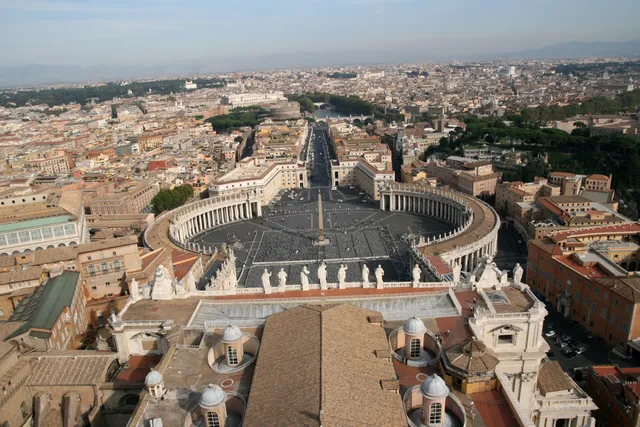
Touristation Vaticano
4.1
(604)
Click for details
What a Life Tours
4.9
(398)
Click for details