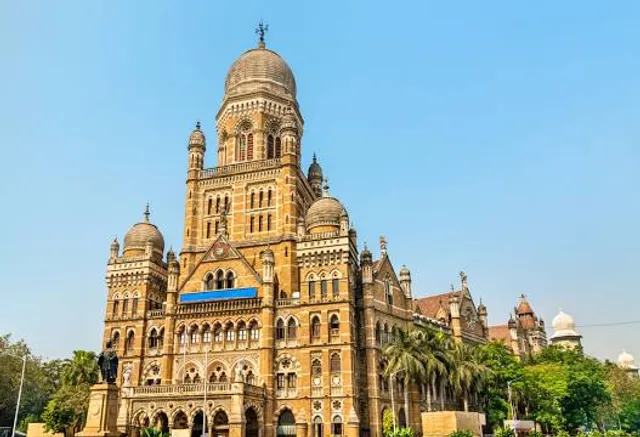
Chhatrapati Shivaji Maharaj Terminus (CST), Mumbai Also Known As: Victoria Terminus (VT) Architectural Style: Victorian Gothic Revival with Indian influences
Historical Significance
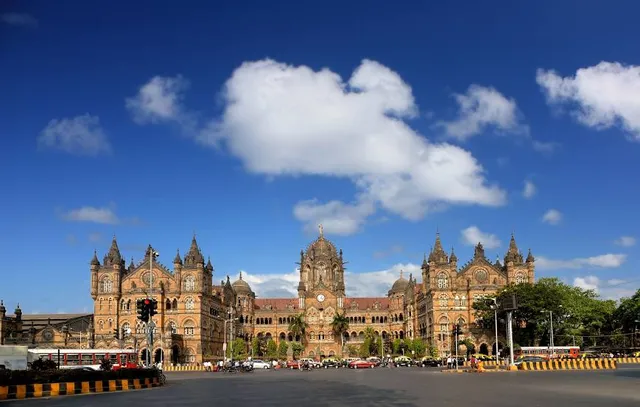
The Chhatrapati Shivaji Maharaj Terminus (CST), formerly known as Victoria Terminus (VT), is one of Mumbai's most iconic landmarks. Opened in 1887, this railway station is a vital part of Mumbai's transportation history and a key representation of the city's colonial past. It was designed by Frederick William Stevens, a British architect, and is regarded as one of the finest examples of Victorian Gothic Revival architecture in India.
Originally named after Queen Victoria, the station served as the terminus for the Mumbai-Central railway line, an essential link in the Indian railway network. In 1996, the station was renamed to Chhatrapati Shivaji Maharaj Terminus in honor of the great Maratha king, Chhatrapati Shivaji Maharaj, reflecting the nation's shift toward celebrating indigenous figures of historical importance.
The building holds tremendous cultural, architectural, and historical importance, not only for its monumental scale and aesthetic grandeur but also as an architectural blend of Eastern and Western design influences.
Architectural Marvel
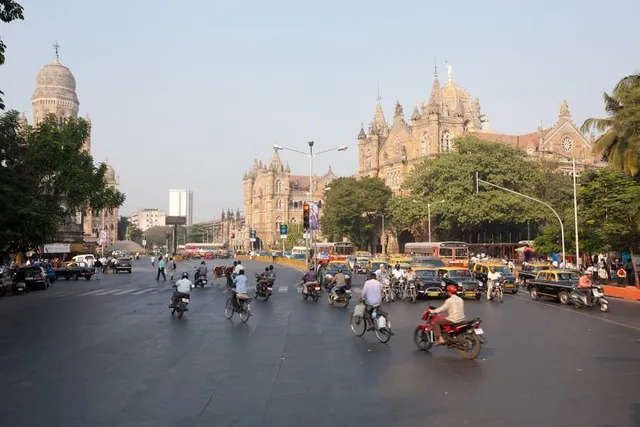
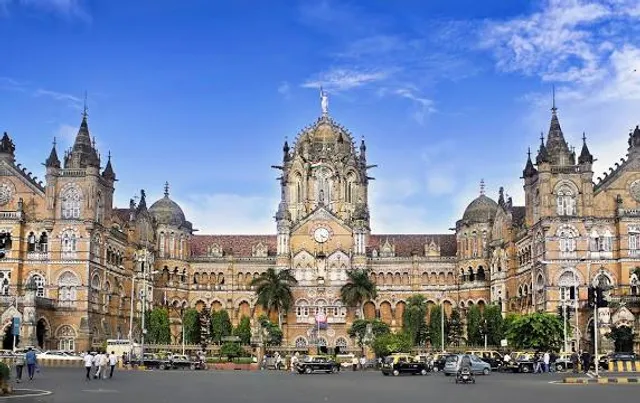
CST's architectural brilliance lies in its fusion of Victorian Gothic and traditional Indian styles. The design incorporates ornate carvings, stucco work, and elaborate archways, with minarets, domes, and arches recalling Islamic, Mughal, and even Indian temple styles. The central dome is a standout feature, along with the tower that rises above the station, lending it a distinct silhouette against the Mumbai skyline.
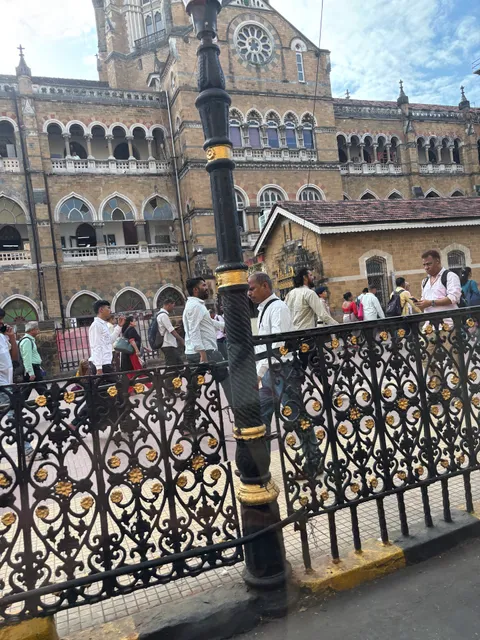
The façade of CST is richly decorated, with stone carvings and a large clock tower at the front. Inside, the grand vestibule welcomes passengers and visitors, where the mix of ornate railings and wooden paneling reflects both grandeur and the style of railway station designs of the colonial era. CST is notable for its use of stone, iron work, and elaborate wooden details throughout.
As an UNESCO World Heritage Site since 2004, CST is lauded for its architectural beauty and importance as part of Mumbai's rich heritage. Its design was initially meant to reflect colonial power and the industrial prowess of the British empire, though the building ultimately blends multiple architectural and cultural elements, making it truly unique to India.
The Role in Mumbai’s Evolution
At the time of its opening, CST served as an important connection between Mumbai and the rest of India. With its magnificent construction and state-of-the-art infrastructure for its time, it quickly became a symbol of Victorian Britain’s influence in India, reflecting the British desire for technological and architectural grandeur during the colonial period.
CST also played a central role in the development of rail transport in India, especially as Mumbai emerged as the gateway to the west. The station witnessed the bustling energy of thousands of passengers during the peak of the Industrial Revolution in India, facilitating trade, commerce, and migration across the country.
For many decades, it served as the main railway station for travelers arriving in and departing from Mumbai, helping to transform Mumbai into the sprawling metropolis that it is today. The station remains one of India’s busiest, and a vital piece in the urban fabric of the city.
Significance in Indian Culture
Chhatrapati Shivaji Maharaj Terminus holds deep cultural and emotional significance for Mumbai’s people. Aside from its central role in the city’s transportation network, it is also connected to Mumbaikars’ sense of pride in their city's heritage, combining colonial, nationalist, and contemporary cultures.
Though CST’s original colonial design and colonial-era history may resonate with those critical of Britain’s colonial presence in India, its later renaming and the commemoration of Chhatrapati Shivaji Maharaj has allowed it to take on a distinctly Indian identity. This reflects the post-independence era's...
Read moreThe Chhatrapati Shivaji Maharaj Terminus (CSMT), formerly known as Victoria Terminus, is not merely a railway station but a magnificent blend of history, architecture, and bustling modernity. As a UNESCO World Heritage Site, CSMT stands as a testament to the grandeur of Italian Gothic architecture, intricately designed by the British architectural engineer Frederick William Stevens, inspired by the initial designs of Axel Haig.
Stepping into CSMT is akin to embarking on a journey through time. The terminus, completed in 1887 to commemorate the Golden Jubilee of Queen Victoria, boasts an exuberant Italian Gothic style that has been meticulously preserved. The exterior of the building is adorned with exquisite stone carvings, a testament to the craftsmanship of the era. The turrets, pointed arches, and a centrally domed structure echo the classical Indian palace architecture, blending seamlessly with Victorian Gothic elements, making it an architectural marvel.
Internally, CSMT is equally breathtaking. The wood carvings, tiles, and ornamental ironwork, crafted by the talented students of the Sir Jamsetjee Jeejebhoy School of Art, add to the station's grandeur. The building’s advanced structural and technical solutions highlight the brilliance of 19th-century engineering. The centrally domed office structure and the dovetailed ribs of the dome, constructed without centering, were considered groundbreaking achievements of their time.
The station, which serves as the headquarters of India's Central Railway, is one of the busiest in India, with 18 platforms catering to both long-distance and suburban trains. The seamless blend of historical architecture and modern functionality is remarkable. The platforms, with their long expanses and the bustling activity of commuters, capture the essence of Mumbai's dynamic spirit.
CSMT is more than just a transit point; it is a living museum of Mumbai's rich history. The terminus was initially built to replace the old Bori Bunder station, reflecting Bombay’s rise as a major port city. The station’s design was inspired by George Gilbert Scott's work, and yet it stands unique with its own identity and significance. Over the years, it has witnessed numerous historical events, including the tragic attacks of November 2008, a somber reminder of the resilience and indomitable spirit of the city and its people.
In recent years, the station has undergone various renovations to accommodate modern amenities while preserving its historical essence. The addition of air-conditioned dormitories and other facilities ensures comfort for travelers, maintaining the station’s relevance in contemporary times.
In conclusion, Chhatrapati Shivaji Maharaj Terminus is not just an architectural gem but a symbol of Mumbai’s heritage and relentless energy. It is a must-visit for anyone seeking to understand the historical and cultural fabric of this vibrant city. The terminus, with its majestic presence and historical significance, continues to be a proud emblem of Mumbai, standing tall and timeless amidst the city’s...
Read moreThe first railway line in India was inaugurated on 16th April, 1853 and ran the distance of 21 miles from Bori Bunder in Bombay to Thane. In May 1878, work on building a grand new terminus began under the architectural expertise of Mr. Frederick William Stevens, which took 10 years to complete. On 1st January, 1882, the Bombay Passenger Station was opened for traffic. The terminus was later re-named after the Queen Empress on Jubilee Day, in 1887.
The terminus was designed in a Gothic style, adapted to suit the Indian context. It displays exquisite ornamentation and embellishment on the front façade. The majestic dome is surmounted by a colossal figure representing ‘progress’, whereas each of the main gables carries a distinctive sculpture representing engineering, commerce and agriculture. The west front is approached by a grand gateway and sculptures of a lion and tiger couchant (representing England and India). The interior, consisting of a booking office, is created with Italian marbles, polished Indian blue stones and elaborate stone arches that are carved foliage and grotesques. Other features include a tessellated floor, dados of glazed tiles, stained glass windows and galleries of highly ornamented iron work executed by the students of J.J. School of Art.
After the remodelling of the terminus in 1929, the new buildings included refreshment rooms, dressing rooms and bathrooms. The former station, which adjoined it, was reserved for suburban traffic. The new wing had 13 platforms, the last five being exclusively used for trains running through various parts of India. Over the following decades, more additions and modifications were carried out to the original buildings. In time, Victoria Terminus, now known as Chhatrapati Shivaji Maharaj Terminus, came to be known as one of the finest railway stations ever created in the world.
Imposing, exuberant and overflowing with people, this monumental train station is the city’s most extravagant Gothic building and an aphorism of colonial-era India. It’s a meringue of Victorian, Hindu and Islamic styles whipped into an imposing Dalí-esque structure of buttresses, domes, turrets, spires and stained glass. It's also known as CSMT.
Some of the architectural detail is incredible, with dog-faced gargoyles adorning the magnificent central tower and peacock-filled windows above the central courtyard. Designed by Frederick Stevens, it was completed in 1887, 34 years after the first train in India left this site.
Despite being renamed again in 2017, after being changed to Chhatrapati Shivaji Terminus (CST) in 1998, it’s still better known...
Read more