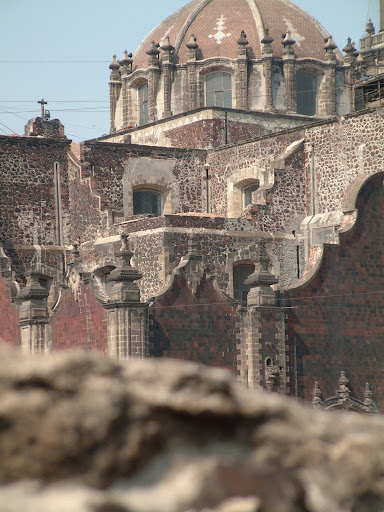
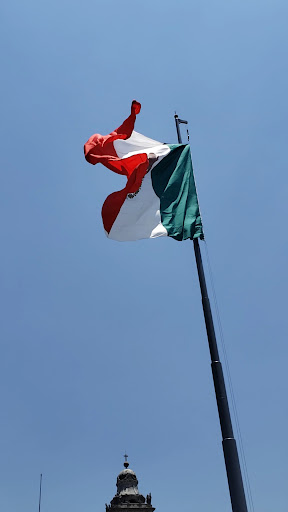
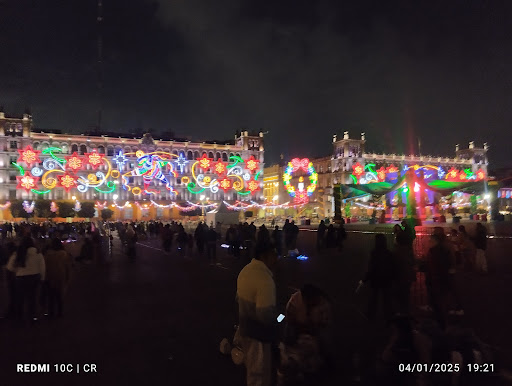
Zócalo /Tenochtitlan things to do, attractions, restaurants, events info and trip planning
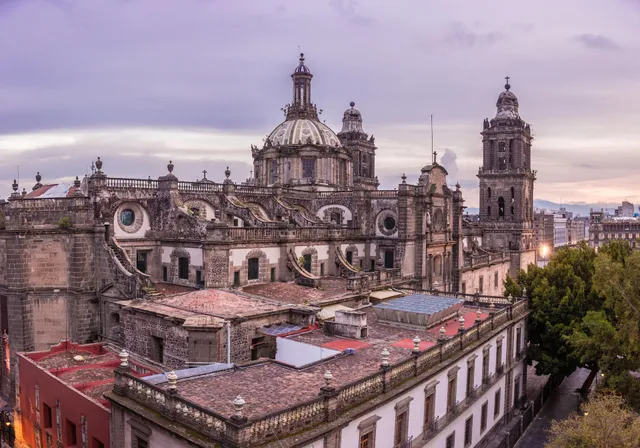
Basic Info
Zócalo /Tenochtitlan
Historic center of Mexico City, Centro, Cuauhtémoc, 06000 Mexico City, Mexico
4.5(472)
Save
spot
spot
Ratings & Description
Info
Cultural
Scenic
Family friendly
Accessibility
attractions: Plaza de la Constitución, Templo Mayor Museum, National Museum of World Cultures, Mexico City Metropolitan Cathedral, National Palace, Museo de la Secretaría de Hacienda y Crédito Público, Recinto de Homenaje a Don Benito Juárez, Monument to the Mexican National Identity, Centro Cultural de España, Former College of San Ildefonso, restaurants: Los Especiales, Burger King Corregidora, Balcón del Zócalo, El Cardenal, Vips 16 De Septiembre, Terraza Gran Hotel, Pastelería Ideal, Café El Popular, Restaurante Mercaderes, La Casa de las Sirenas, local businesses: Parada Turibús, Sombreros Tardan, The Shops at Downtown, Librería Porrúa, Parroquia de Porta Coeli, Sanborns, PLAZA DEL NUEVO VOLADOR, Edificio De Gobierno De La Ciudad De Mexico, DHL Express Service Point (MADERO), Plaza Del Artesano
 Learn more insights from Wanderboat AI.
Plan your stay

Pet-friendly Hotels in Mexico City
Find a cozy hotel nearby and make it a full experience.

Affordable Hotels in Mexico City
Find a cozy hotel nearby and make it a full experience.

The Coolest Hotels You Haven't Heard Of (Yet)
Find a cozy hotel nearby and make it a full experience.

Trending Stays Worth the Hype in Mexico City
Find a cozy hotel nearby and make it a full experience.
Reviews
Live events
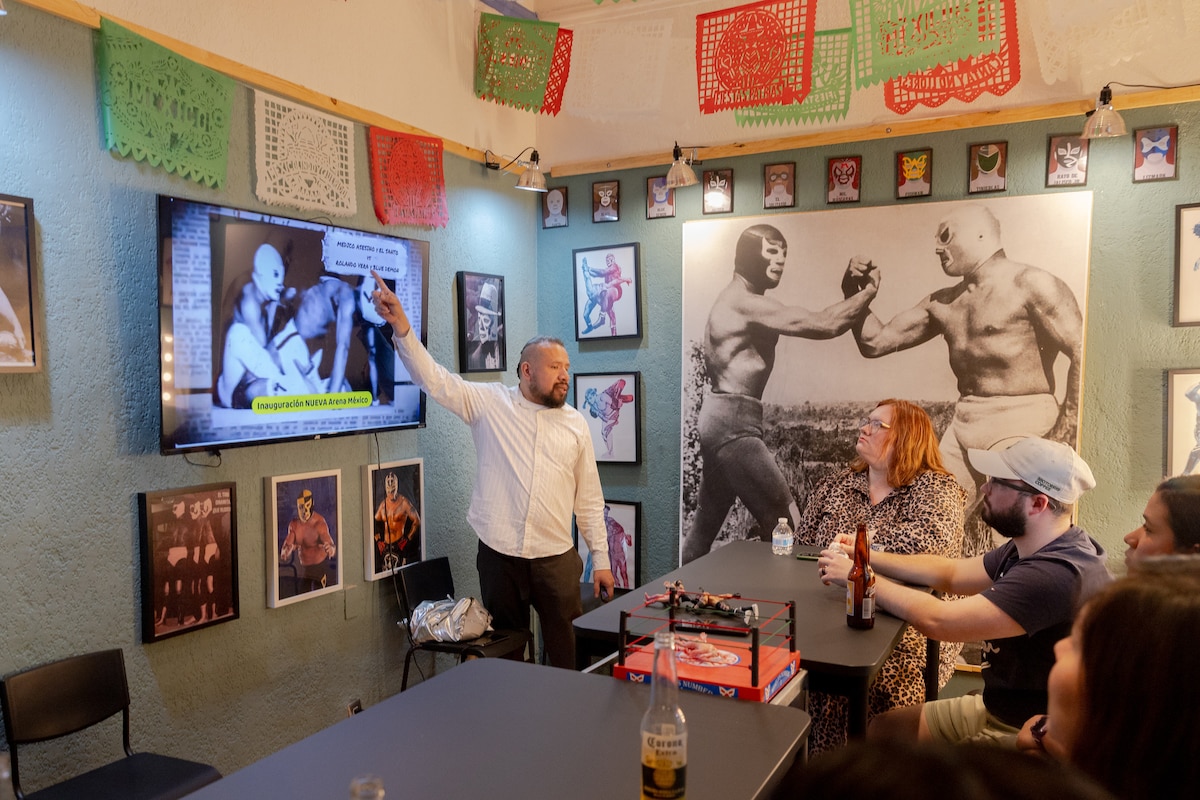
Lucha Libre, Margaritas, Mezcal, Tequila, Beer
Tue, Feb 17 • 5:45 PM
06700, Mexico City, Mexico City, Mexico
View details
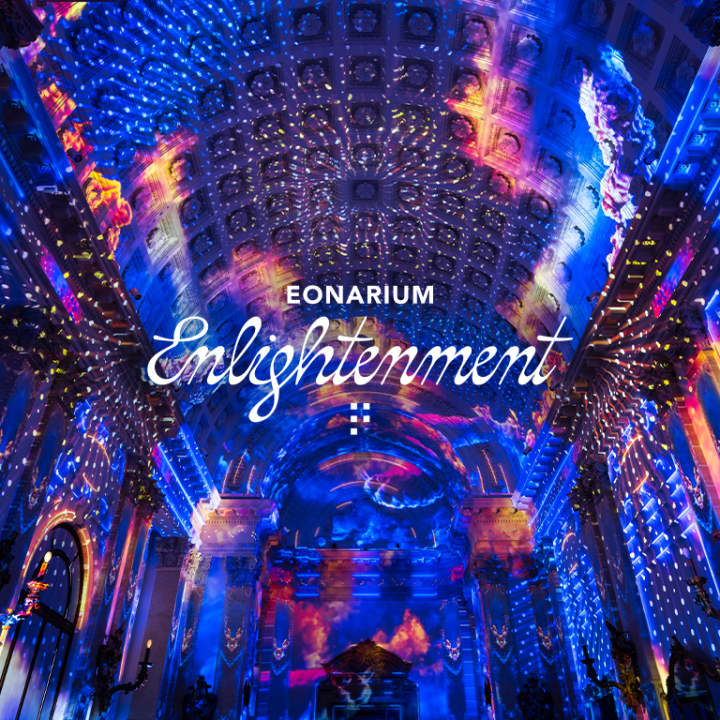
Enlightenment: una nueva experiencia luminosa e inmersiva en Ciudad de México
Thu, Feb 19 • 7:30 PM
Puebla 144, Roma Nte., Ciudad de México, 06700
View details
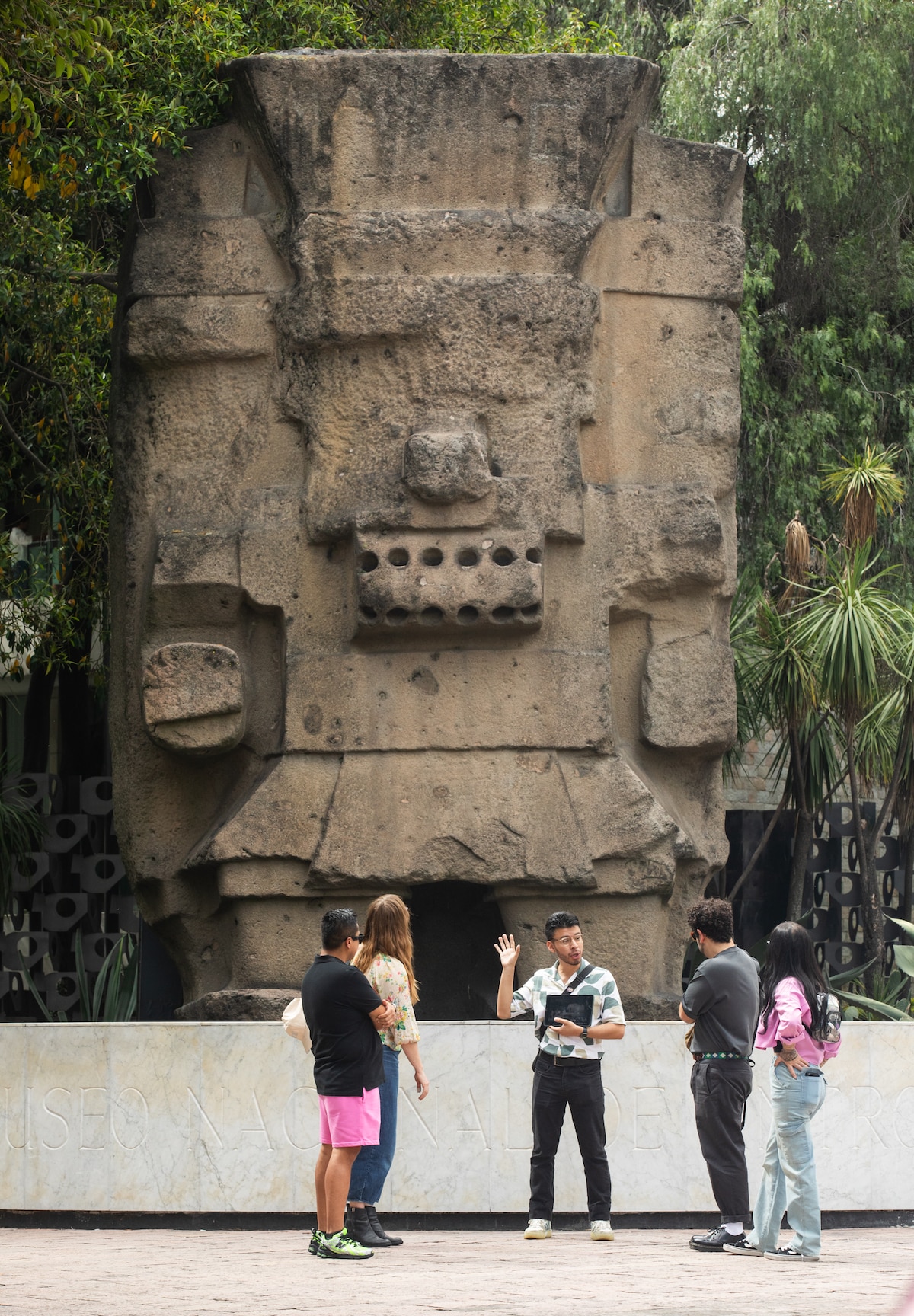
Immersive experience in the Anthropology Museum
Wed, Feb 18 • 10:30 AM
11580, Mexico City, Mexico City, Mexico
View details
Nearby attractions of Zócalo /Tenochtitlan
Plaza de la Constitución
Templo Mayor Museum
National Museum of World Cultures
Mexico City Metropolitan Cathedral
National Palace
Museo de la Secretaría de Hacienda y Crédito Público
Recinto de Homenaje a Don Benito Juárez
Monument to the Mexican National Identity
Centro Cultural de España
Former College of San Ildefonso
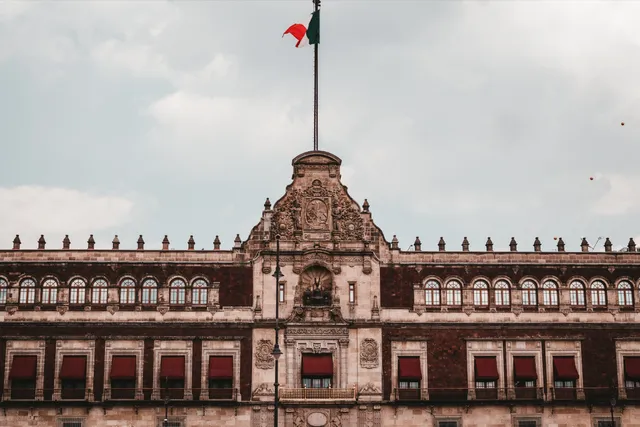
Plaza de la Constitución
4.7
(96.8K)
Open 24 hours
Click for details
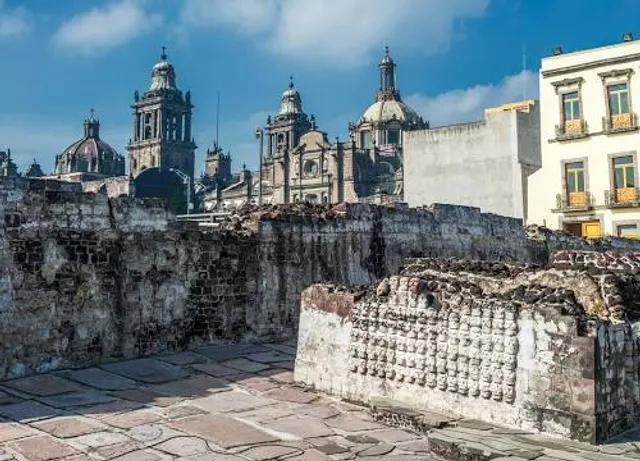
Templo Mayor Museum
4.8
(12.2K)
Open until 12:00 AM
Click for details
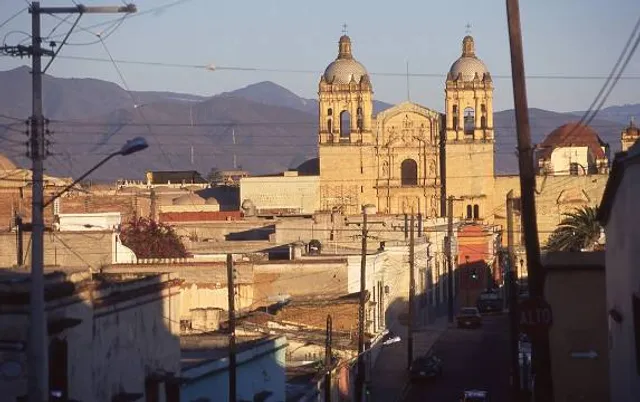
National Museum of World Cultures
4.7
(6.7K)
Open until 12:00 AM
Click for details
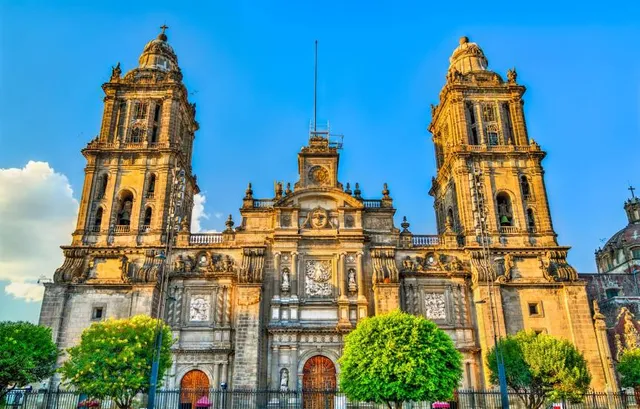
Mexico City Metropolitan Cathedral
4.7
(9K)
Closed
Click for details
Nearby restaurants of Zócalo /Tenochtitlan
Los Especiales
Burger King Corregidora
Balcón del Zócalo
El Cardenal
Vips 16 De Septiembre
Terraza Gran Hotel
Pastelería Ideal
Café El Popular
Restaurante Mercaderes
La Casa de las Sirenas
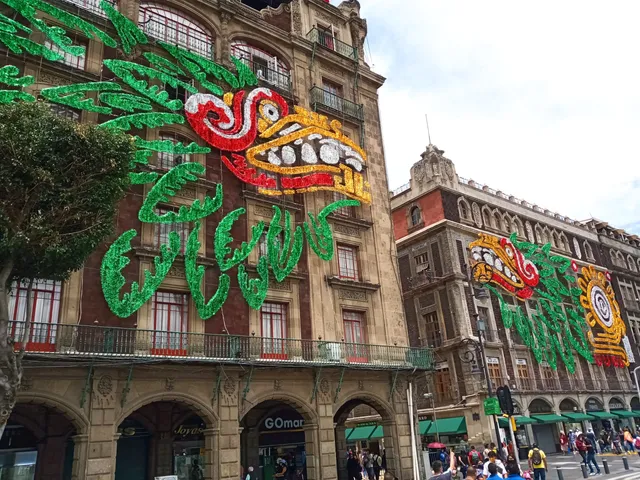
Los Especiales
4.3
(9.3K)
Open until 9:00 PM
Click for details
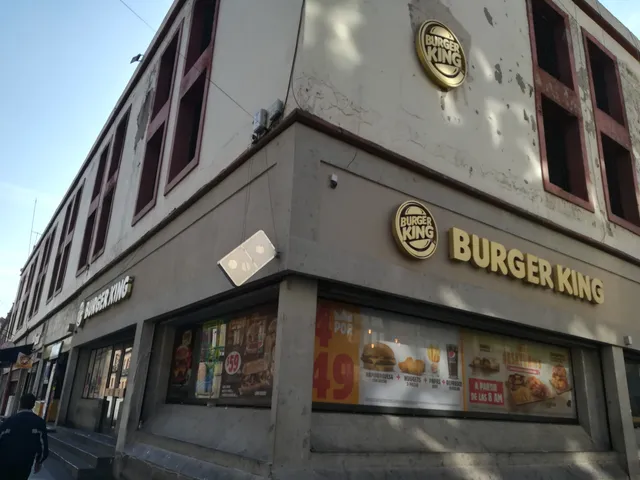
Burger King Corregidora
3.8
(2.7K)
Open until 11:00 PM
Click for details
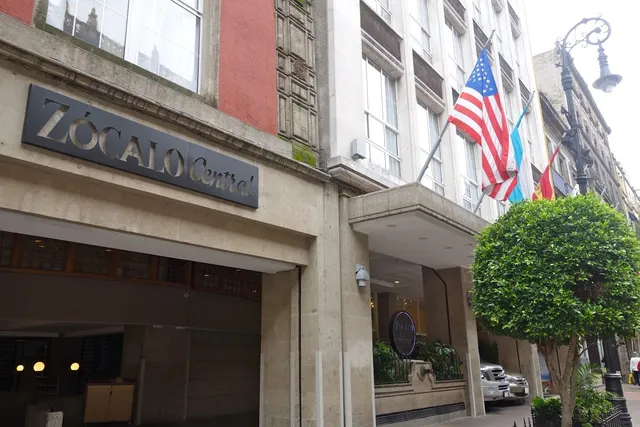
Balcón del Zócalo
4.4
(3.7K)
$$$
Open until 9:00 PM
Click for details
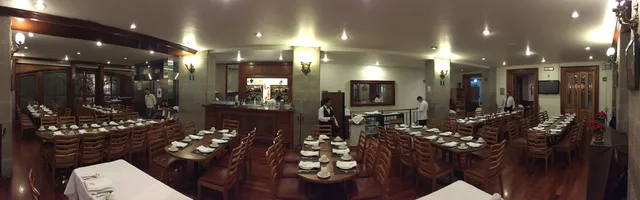
El Cardenal
4.6
(8K)
Open until 6:30 PM
Click for details
Nearby local services of Zócalo /Tenochtitlan
Parada Turibús
Sombreros Tardan
The Shops at Downtown
Librería Porrúa
Parroquia de Porta Coeli
Sanborns
PLAZA DEL NUEVO VOLADOR
Edificio De Gobierno De La Ciudad De Mexico
DHL Express Service Point (MADERO)
Plaza Del Artesano
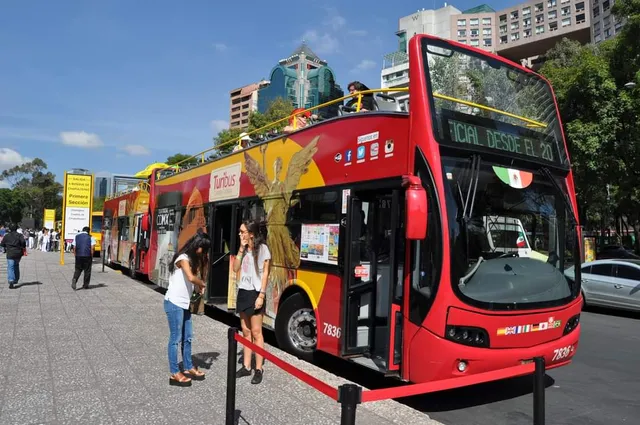
Parada Turibús
4.3
(1.4K)
Click for details
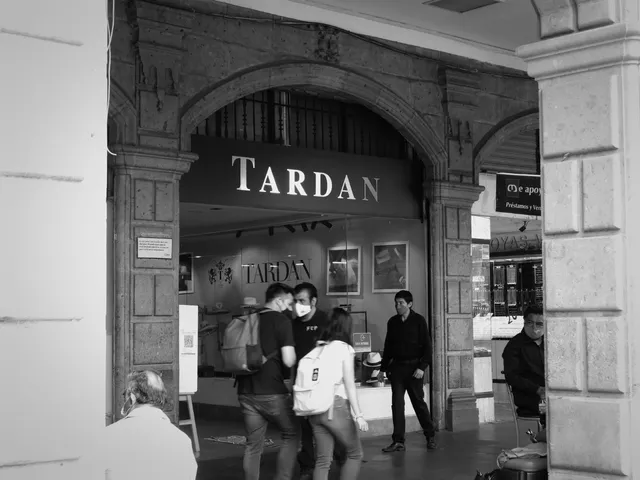
Sombreros Tardan
4.5
(380)
Click for details
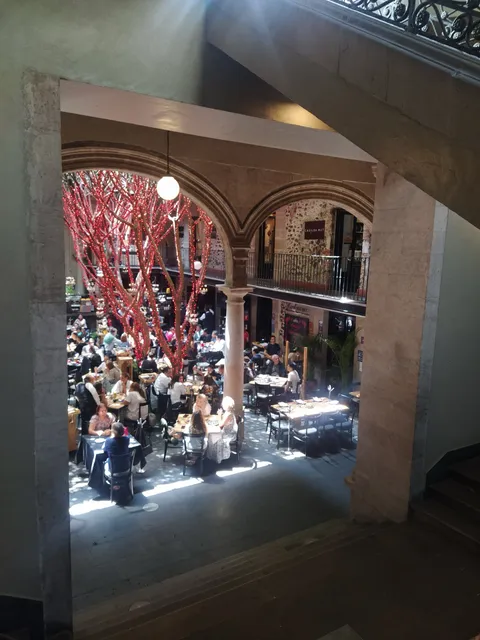
The Shops at Downtown
4.5
(4.1K)
Click for details

Librería Porrúa
4.5
(2.2K)
Click for details


The hit list
Plan your trip with Wanderboat
Welcome to Wanderboat AI, your AI search for local Eats and Fun, designed to help you explore your city and the world with ease.
Powered by Wanderboat AI trip planner.