Church Street Grave Yard things to do, attractions, restaurants, events info and trip planning
Basic Info
Church Street Grave Yard
753 Government St, Mobile, AL 36602
4.2(13)
Open until 4:00 PM
Save
spot
spot
Ratings & Description
Info
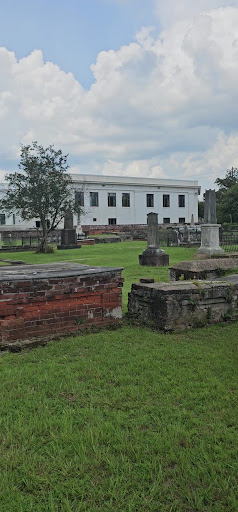
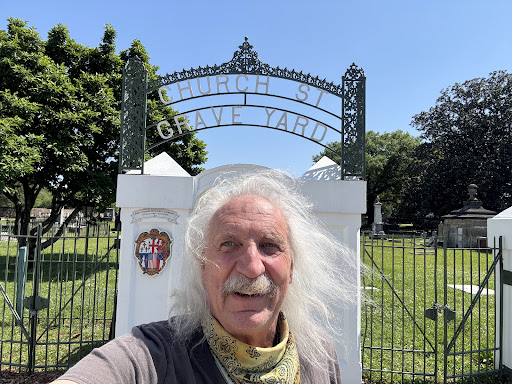
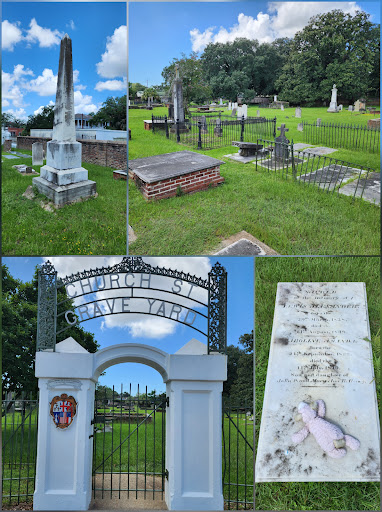
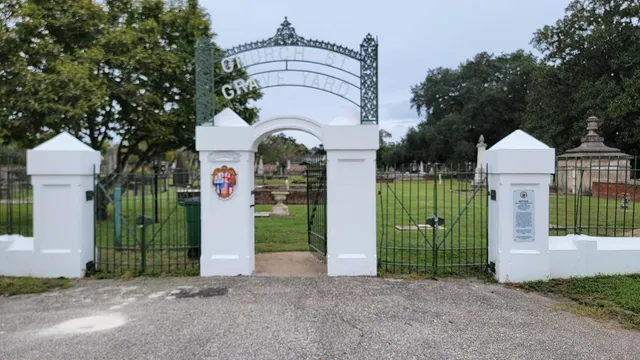
Church Street Graveyard is a historic city cemetery located in Mobile, Alabama. The cemetery is situated on 4 acres and is surrounded by a brick wall that dates to 1830. At the time that the cemetery was established it lay about a half mile away from most development, but it is now considered to be in downtown.
Cultural
Scenic
attractions: Mobile Carnival Museum, Cathedral-Basilica of the Immaculate Conception, Ezell House, Cathedral Square, Saenger Theatre Mobile, Lupercalia Art Society, Alabama Contemporary Art Center, Phoenix Fire Museum, Mobile Arts Council - Gallery @ Room 1927, Gallery 450, restaurants: The Ice Box Bar, Velvet Pig, Wintzell's Oyster House, Moe's Original BBQ, Popeyes Louisiana Kitchen, Garage, Slurp Society Asian Eats & Drinks, Burger King, McDonald's, Chuck's Fish Mobile, local businesses: 9 S Washington Ave, The Garage, Cedar Street Social, Mobile Civic Center, Mission Fitness, Bay Flowers, TK Escape, Crown Hall by Bay Gourmet Catering, Catholic Archdiocese of Mobile, Atchison Home
 Learn more insights from Wanderboat AI.
Phone
(251) 208-2000
Website
cityofmobile.org
Open hoursSee all hours
Tue8 AM - 4 PMOpen
Plan your stay

Pet-friendly Hotels in Mobile
Find a cozy hotel nearby and make it a full experience.

Affordable Hotels in Mobile
Find a cozy hotel nearby and make it a full experience.

The Coolest Hotels You Haven't Heard Of (Yet)
Find a cozy hotel nearby and make it a full experience.

Trending Stays Worth the Hype in Mobile
Find a cozy hotel nearby and make it a full experience.
Reviews
Live events

Sage Health Midtown Mardi Gras
Thu, Jan 29 • 11:30 AM
1500 Government Street #suite a Mobile, AL 36604
View details

0.5K - The Race for the Rest of Us!
Sat, Jan 31 • 1:00 PM
212 1/2 Fairhope Avenue Fairhope, AL 36532
View details
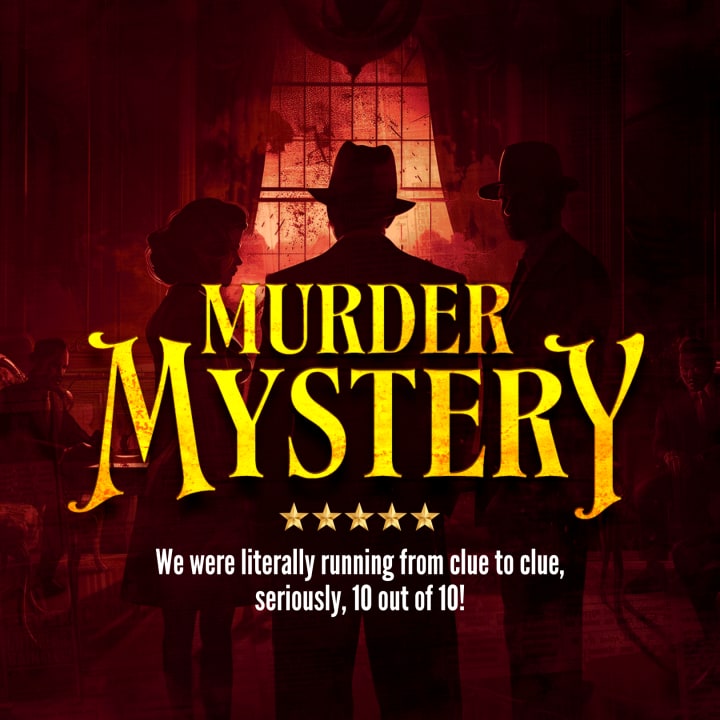
Mobile Murder Mystery: Solve the case!
Thu, Jan 1 • 12:00 AM
300 Conti St, Mobile, 36602
View details
Nearby attractions of Church Street Grave Yard
Mobile Carnival Museum
Cathedral-Basilica of the Immaculate Conception
Ezell House
Cathedral Square
Saenger Theatre Mobile
Lupercalia Art Society
Alabama Contemporary Art Center
Phoenix Fire Museum
Mobile Arts Council - Gallery @ Room 1927
Gallery 450
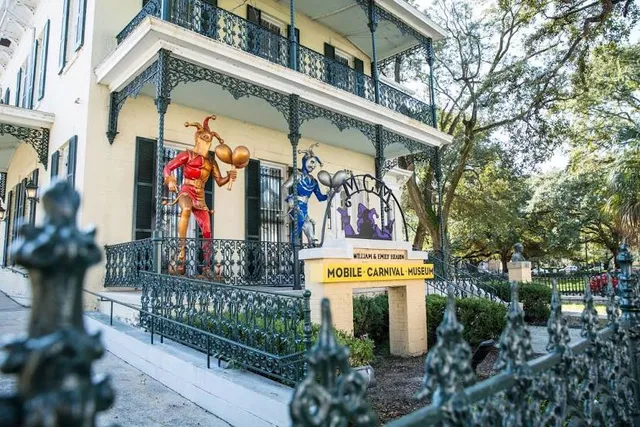
Mobile Carnival Museum
4.7
(415)
Open until 12:00 AM
Click for details
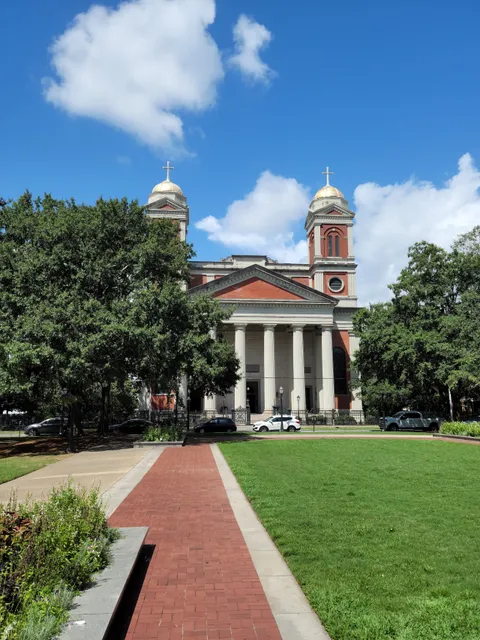
Cathedral-Basilica of the Immaculate Conception
4.8
(265)
Open 24 hours
Click for details
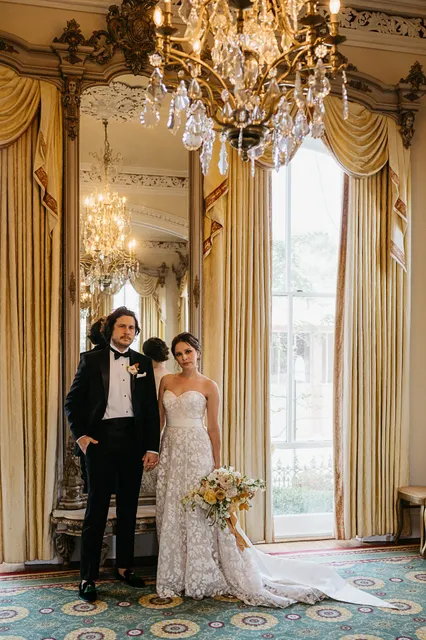
Ezell House
4.5
(39)
Open 24 hours
Click for details
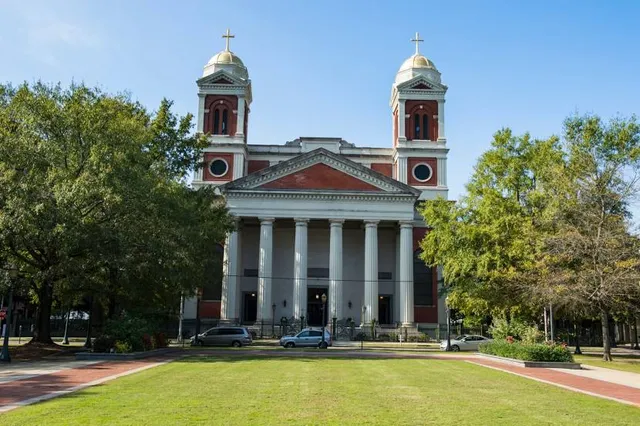
Cathedral Square
4.6
(278)
Open until 6:00 PM
Click for details
Nearby restaurants of Church Street Grave Yard
The Ice Box Bar
Velvet Pig
Wintzell's Oyster House
Moe's Original BBQ
Popeyes Louisiana Kitchen
Garage
Slurp Society Asian Eats & Drinks
Burger King
McDonald's
Chuck's Fish Mobile

The Ice Box Bar
4.7
(108)
$
Open until 12:00 AM
Click for details
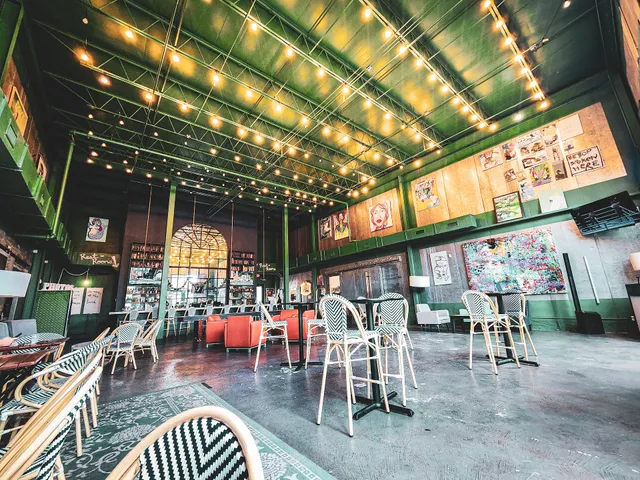
Velvet Pig
4.8
(56)
$
Open until 9:00 PM
Click for details
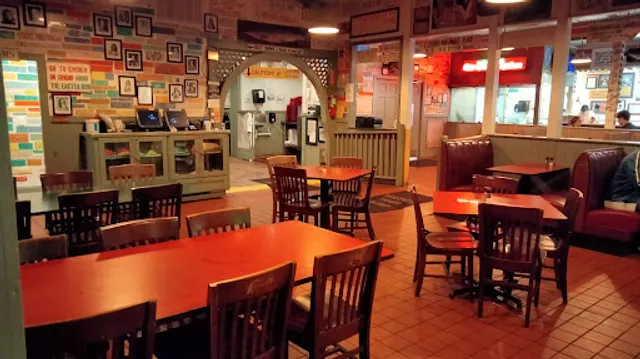
Wintzell's Oyster House
4.5
(2K)
$$
Open until 9:00 PM
Click for details
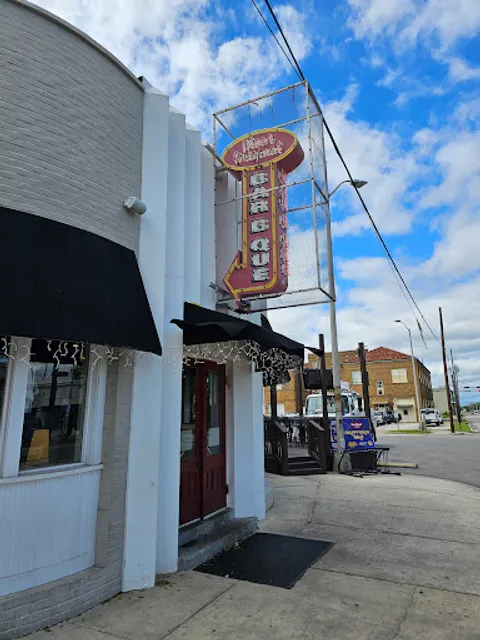
Moe's Original BBQ
4.5
(941)
$
Open until 9:00 PM
Click for details
Nearby local services of Church Street Grave Yard
9 S Washington Ave
The Garage
Cedar Street Social
Mobile Civic Center
Mission Fitness
Bay Flowers
TK Escape
Crown Hall by Bay Gourmet Catering
Catholic Archdiocese of Mobile
Atchison Home
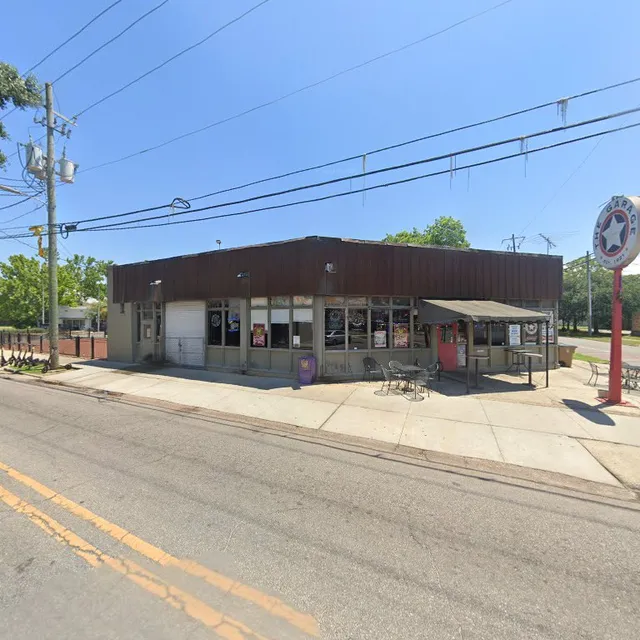
9 S Washington Ave
4.5
(201)
Click for details
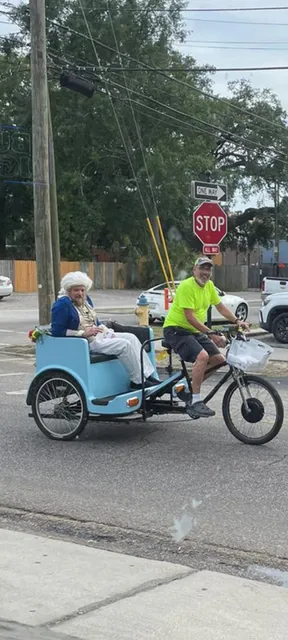
The Garage
5.0
(8)
Click for details
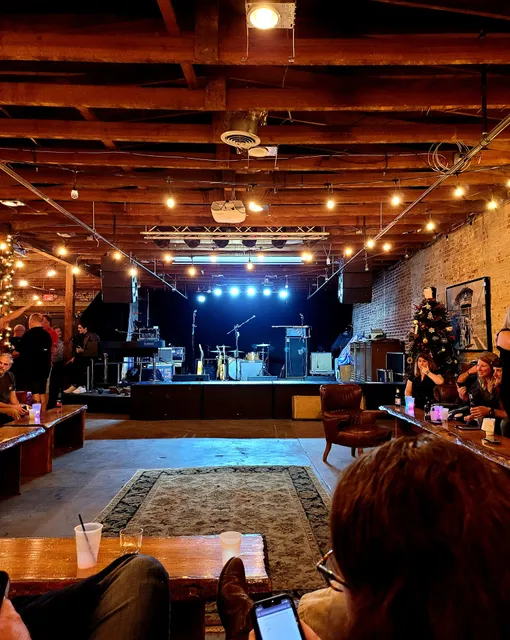
Cedar Street Social
4.8
(96)
Click for details
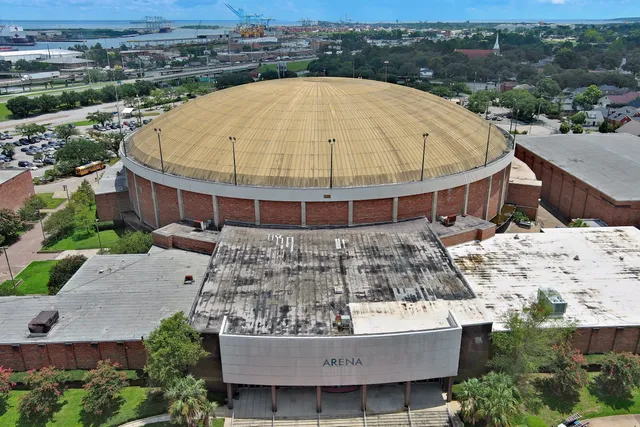
Mobile Civic Center
4.2
(205)
Click for details