Noboritei Ginza store things to do, attractions, restaurants, events info and trip planning
Basic Info
Noboritei Ginza store
Japan, 〒104-0061 Tokyo, Chuo City, Ginza, 4 Chome−3−7 銀座 スバルビル 1F
4.2(264)$$$$
Open until 9:00 PM

delivery
Save
spot
spot
Ratings & Description
Info
attractions: The Seiko Museum Ginza, ART AQUARIUM MUSEUM, Ginza Sony Park, Seiko House Ginza Clock Tower, Maison Hermès Le Forum, Seiko House Ginza Hall, Mitsukoshi Ginza Terrace, Sukiyabashi Park, ヒューリックホール東京, Oji Hall, restaurants: Tempura Abe Honten, RIN Coffee Main Store Charcoal Roast Coffee, GINZA SEMBIKIYA, WAKO Ginza Annex Tea Salon, Venchi Ginza Store, MATCHA CAFE & STUDIO GINZA, Oyakodon Senmonten Marukatsu, SUKIYABURG Ginza, POP INN.GINZA, Ginza Coffee - Ginza Sukiyabashi, local businesses: Yamano Music Ginza, Apple 銀座, BEAMS GINZA, Ginza Wako, On Flagship Store Tokyo Ginza, Yomoda Soba Ginza Branch, MUJI Ginza, MUJI Ginza, Ginza Station, Gucci Ginza Flagship
 Learn more insights from Wanderboat AI.
Phone
+81 3-3535-5341
Website
akr1539384600.owst.jp
Open hoursSee all hours
Sat11 AM - 9 PMOpen
Plan your stay

Pet-friendly Hotels in Tokyo
Find a cozy hotel nearby and make it a full experience.

Affordable Hotels in Tokyo
Find a cozy hotel nearby and make it a full experience.

The Coolest Hotels You Haven't Heard Of (Yet)
Find a cozy hotel nearby and make it a full experience.

Trending Stays Worth the Hype in Tokyo
Find a cozy hotel nearby and make it a full experience.
Featured dishes
View full menu
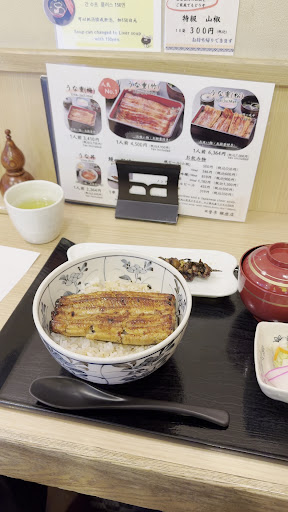
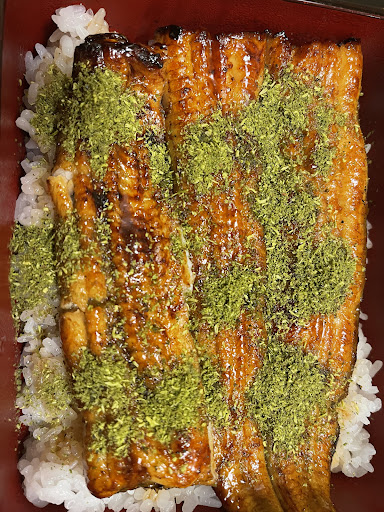
蒲燒定食
白燒定食
肝焼
ひれ巻き
バラ身
Reviews
Live events

ザ・ジュリー・エクスペリエンス:ダイヤモンドと嘘、そして死体編
Fri, Mar 6 • 5:30 PM
東京都文京区後楽1丁目3−61 ジオポリス 内, 112-0004
View details
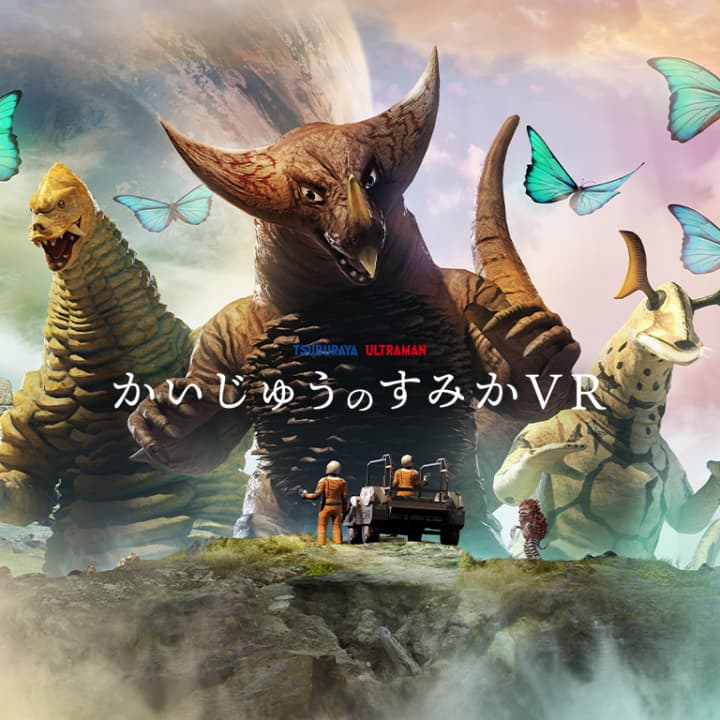
TYFFONIUM 新宿:かいじゅうのすみかVR
Sat, Feb 28 • 2:20 PM
東京都新宿区西新宿2-2-1 京王プラザホテル 南館2F (2-chōme-2-1 Nishishinjuku, Shinjuku City), 160-8330
View details
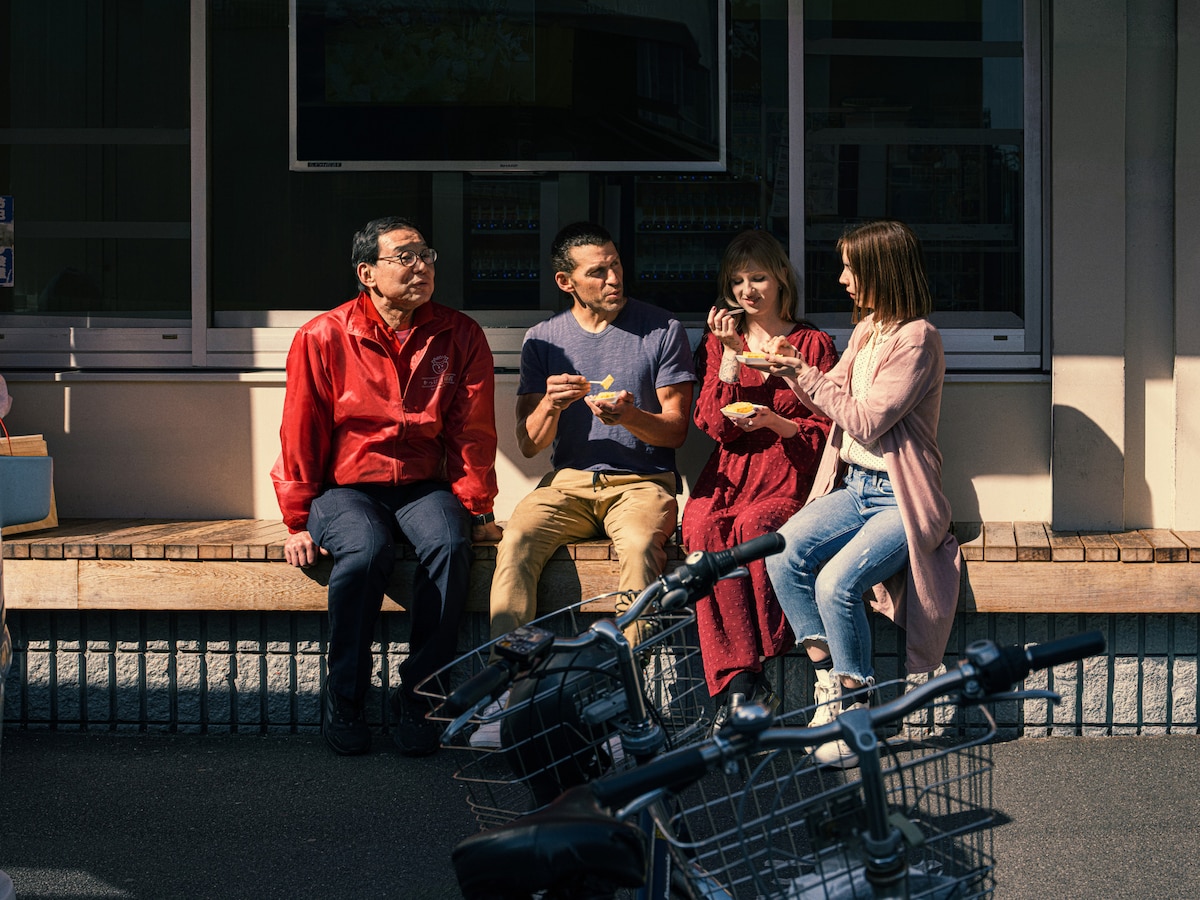
Toshi Experience World’s largest fish market tour
Sat, Feb 28 • 12:00 PM
135-0061, Tokyo Prefecture, Koto City, Japan
View details
Nearby attractions of Noboritei Ginza store
The Seiko Museum Ginza
ART AQUARIUM MUSEUM
Ginza Sony Park
Seiko House Ginza Clock Tower
Maison Hermès Le Forum
Seiko House Ginza Hall
Mitsukoshi Ginza Terrace
Sukiyabashi Park
ヒューリックホール東京
Oji Hall
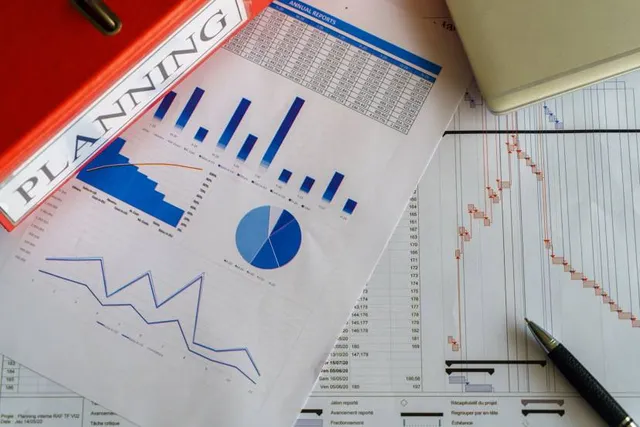
The Seiko Museum Ginza
4.6
(566)
Open until 6:00 PM
Click for details
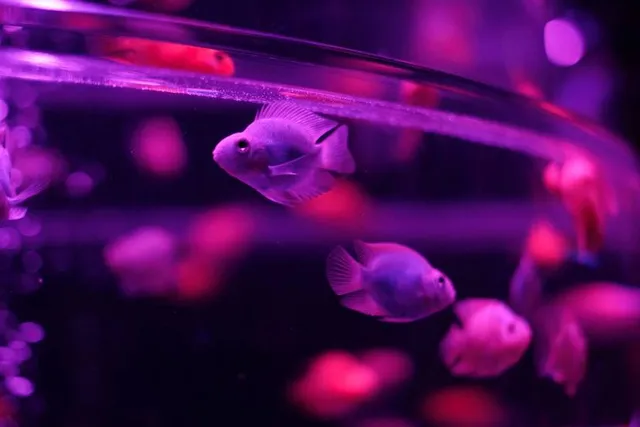
ART AQUARIUM MUSEUM
4.1
(2.2K)
Open until 7:00 PM
Click for details
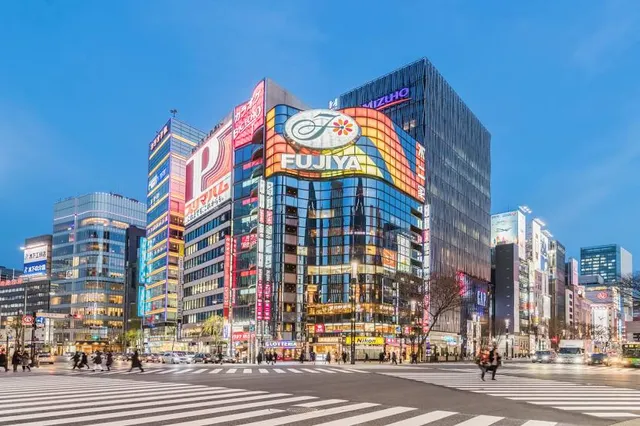
Ginza Sony Park
4.1
(1.2K)
Open until 7:00 PM
Click for details
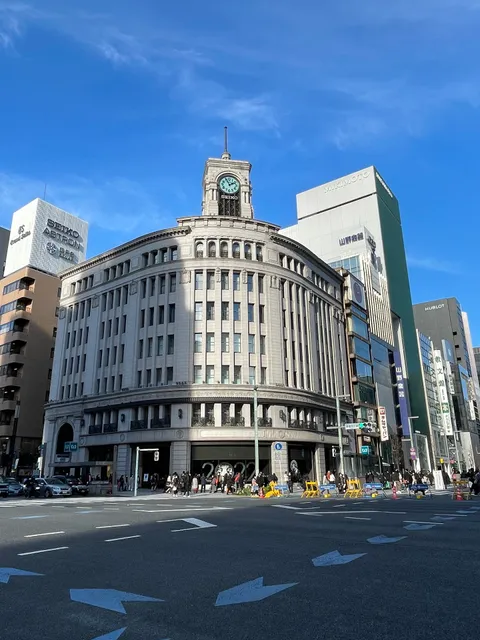
Seiko House Ginza Clock Tower
4.5
(281)
Open 24 hours
Click for details
Nearby restaurants of Noboritei Ginza store
Tempura Abe Honten
RIN Coffee Main Store Charcoal Roast Coffee
GINZA SEMBIKIYA
WAKO Ginza Annex Tea Salon
Venchi Ginza Store
MATCHA CAFE & STUDIO GINZA
Oyakodon Senmonten Marukatsu
SUKIYABURG Ginza
POP INN.GINZA
Ginza Coffee - Ginza Sukiyabashi
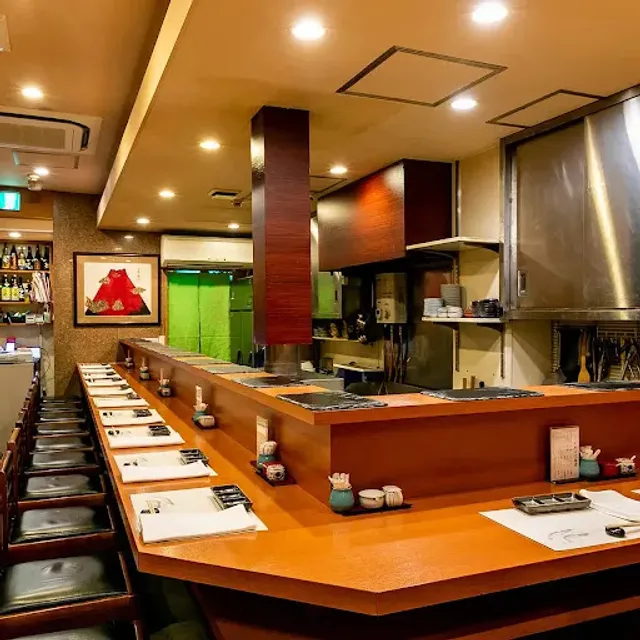
Tempura Abe Honten
4.1
(530)
Closed
Click for details
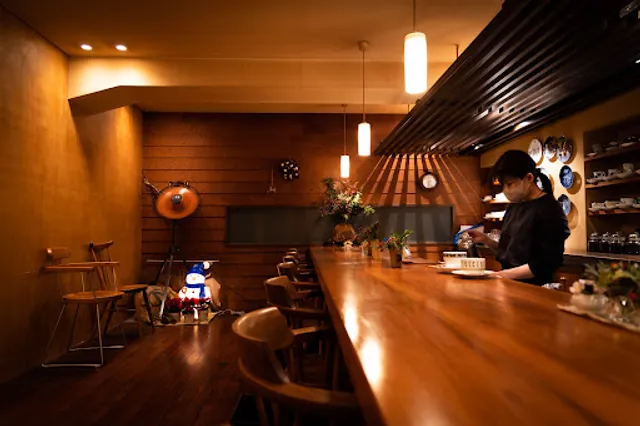
RIN Coffee Main Store Charcoal Roast Coffee
4.3
(369)
Open until 10:30 PM
Click for details
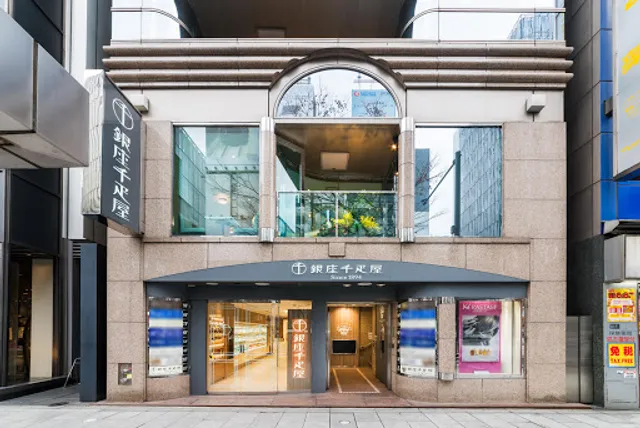
GINZA SEMBIKIYA
4.2
(486)
$$$
Open until 6:00 PM
Click for details
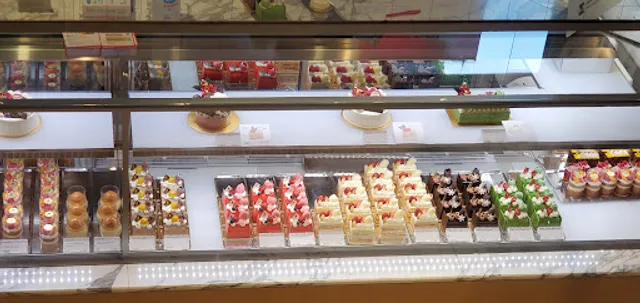
WAKO Ginza Annex Tea Salon
4.3
(280)
Open until 7:00 PM
Click for details
Nearby local services of Noboritei Ginza store
Yamano Music Ginza
Apple 銀座
BEAMS GINZA
Ginza Wako
On Flagship Store Tokyo Ginza
Yomoda Soba Ginza Branch
MUJI Ginza
MUJI Ginza
Ginza Station
Gucci Ginza Flagship
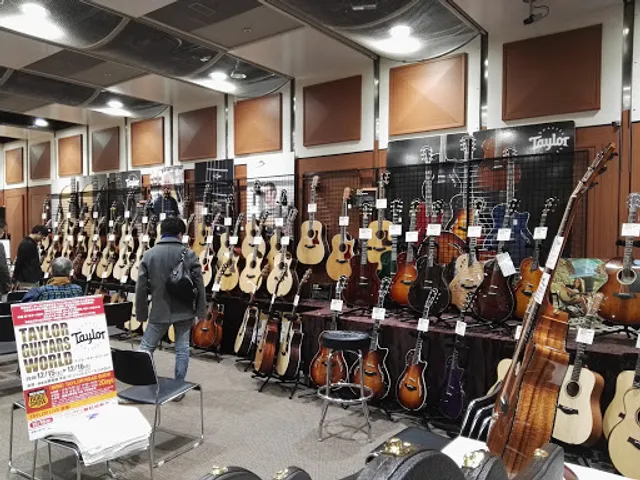
Yamano Music Ginza
4.1
(1.1K)
Click for details
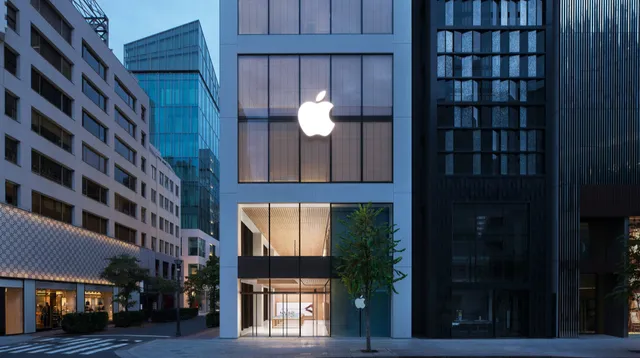
Apple 銀座
3.8
(2.7K)
Click for details
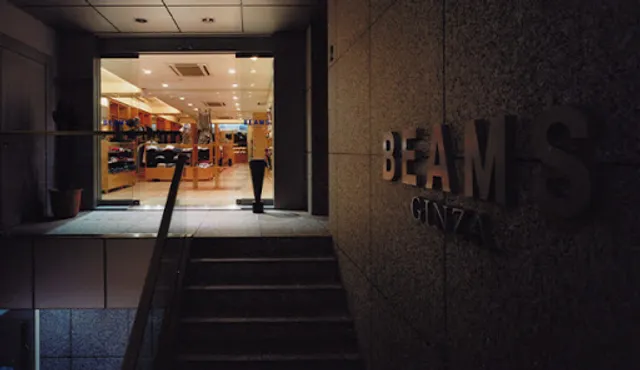
BEAMS GINZA
4.4
(724)
Click for details
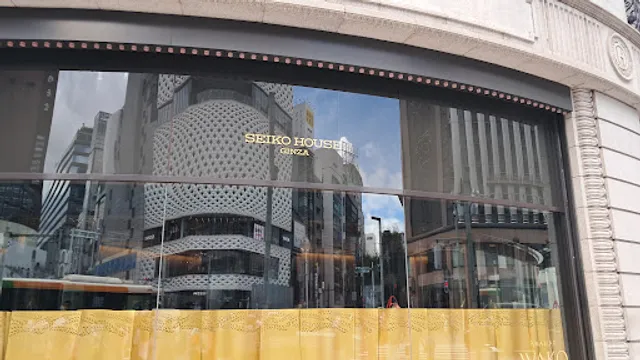
Ginza Wako
4.3
(850)
Click for details