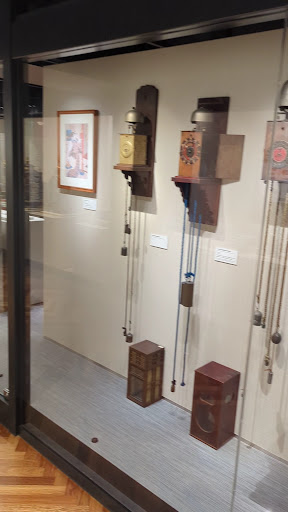
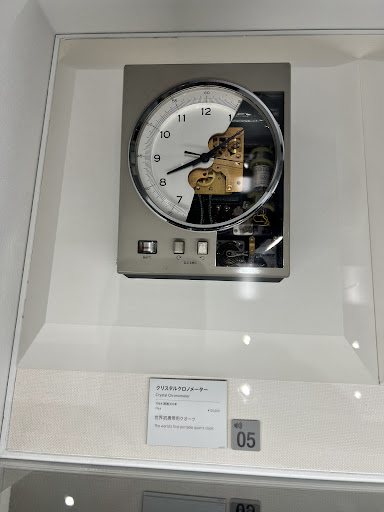
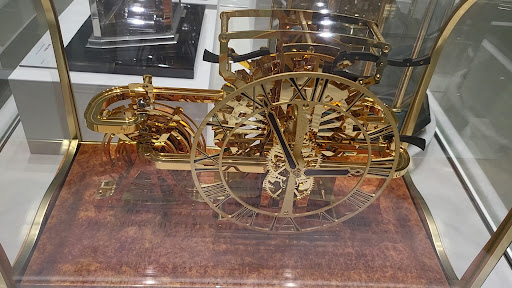
The Seiko Museum Ginza things to do, attractions, restaurants, events info and trip planning
Basic Info
The Seiko Museum Ginza
4 Chome-3-13 Ginza, Chuo City, Tokyo 104-0061, Japan
4.6(568)
Closed
Save
spot
spot
Ratings & Description
Info
Cultural
Family friendly
Accessibility
attractions: ART AQUARIUM MUSEUM, Ginza Sony Park, Seiko House Ginza Clock Tower, Maison Hermès Le Forum, Seiko House Ginza Hall, Sukiyabashi Park, ヒューリックホール東京, Konica Minolta Planetaria Tokyo, Mitsukoshi Ginza Terrace, Akita Furusato-kan, restaurants: Tempura Abe Honten, Ginza Kimuraya, Venchi Ginza Store, SUKIYABURG Ginza, Sukiyabashi Jiro, Ginza Coffee - Ginza Sukiyabashi, Noboritei Ginza store, Pyonpyonsya GINZA UNA, GINZA SEMBIKIYA, Oyakodon Senmonten Marukatsu, local businesses: On Flagship Store Tokyo Ginza, MUJI Ginza, Yomoda Soba Ginza Branch, Apple 銀座, BEAMS GINZA, Yamano Music Ginza, Matsuya Ginza, Ginza Wako, Tokyu Plaza Ginza, Ginza Crystal BLDG
 Learn more insights from Wanderboat AI.
Phone
+81 3-5159-1881
Website
museum.seiko.co.jp
Open hoursSee all hours
Fri10:30 AM - 6 PMClosed
Plan your stay

Pet-friendly Hotels in Tokyo
Find a cozy hotel nearby and make it a full experience.

Affordable Hotels in Tokyo
Find a cozy hotel nearby and make it a full experience.

The Coolest Hotels You Haven't Heard Of (Yet)
Find a cozy hotel nearby and make it a full experience.

Trending Stays Worth the Hype in Tokyo
Find a cozy hotel nearby and make it a full experience.
Reviews
Live events
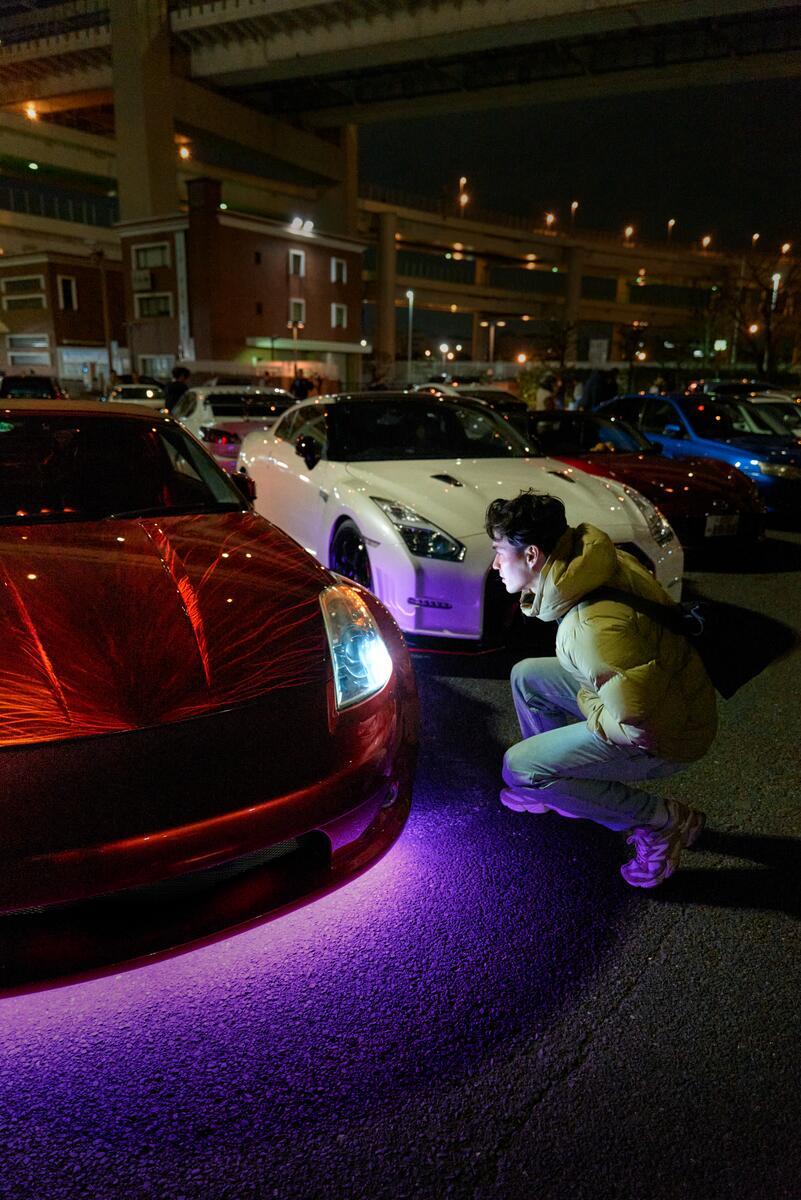
Drive Tokyo’s car culture in a Nissan Skyline
Fri, Feb 13 • 9:15 PM
150-0047, Tokyo Prefecture, Shibuya, Japan
View details

СНГ ВЕЧЕРИНКА KAÏF | ТОКИО
Fri, Feb 13 • 10:00 PM
Japan, 〒106-0032 Tokyo, Minato City, Roppongi, 7 Chome−14−23 B1F #B1F Minato City, Tokyo 106-0032
View details
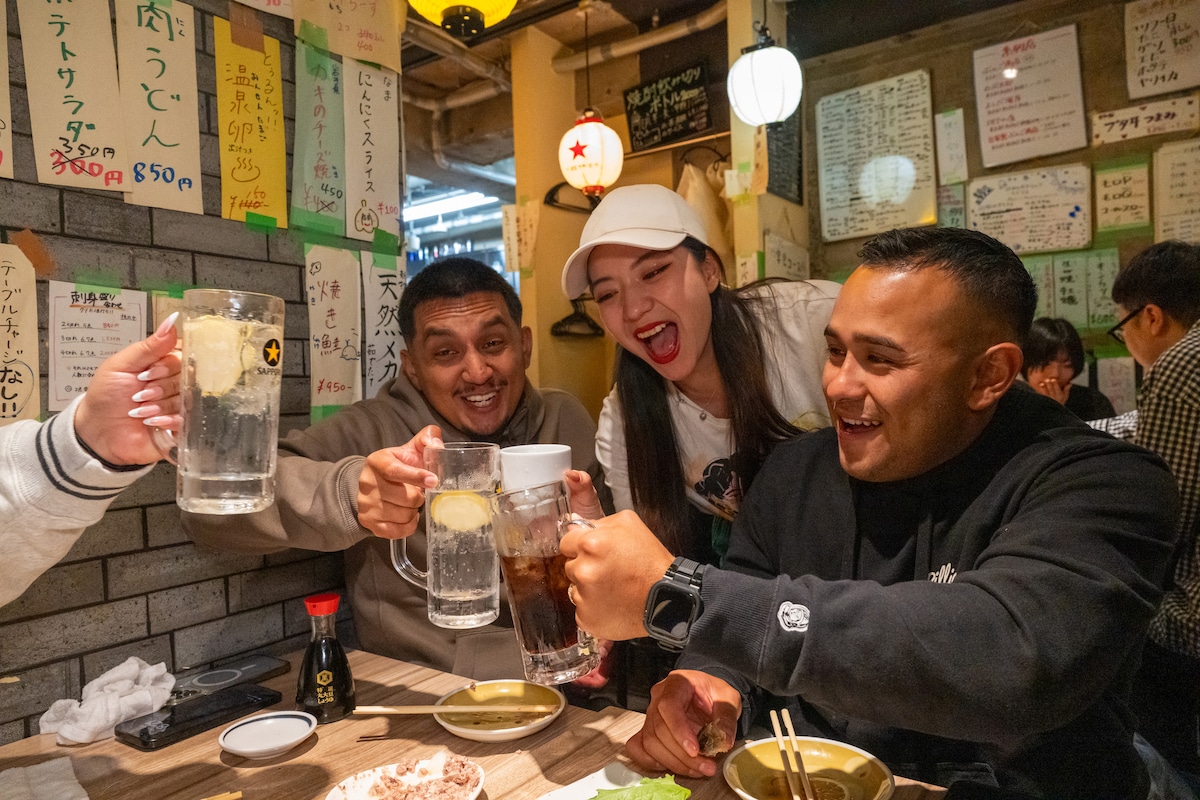
Unlimited Local Night《ALL-Y-Can-DRINK》Shinjuku Gem
Sun, Feb 15 • 7:15 PM
160-0022, Tokyo Prefecture, Shinjuku City, Japan
View details
Nearby attractions of The Seiko Museum Ginza
ART AQUARIUM MUSEUM
Ginza Sony Park
Seiko House Ginza Clock Tower
Maison Hermès Le Forum
Seiko House Ginza Hall
Sukiyabashi Park
ヒューリックホール東京
Konica Minolta Planetaria Tokyo
Mitsukoshi Ginza Terrace
Akita Furusato-kan
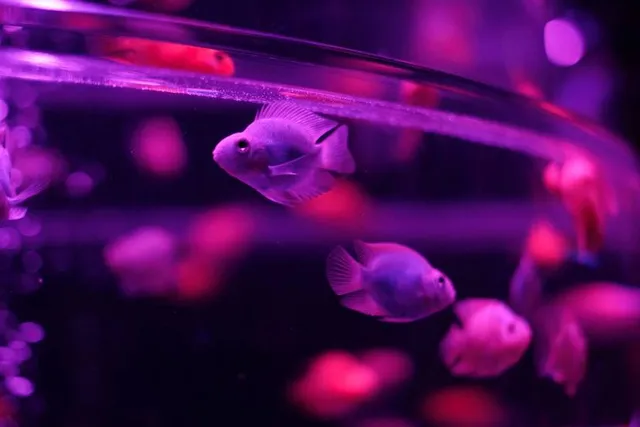
ART AQUARIUM MUSEUM
4.1
(2.4K)
Closed
Click for details
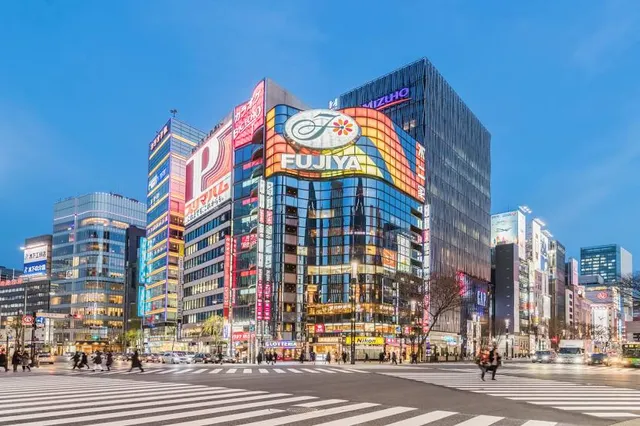
Ginza Sony Park
4.1
(1.2K)
Closed
Click for details
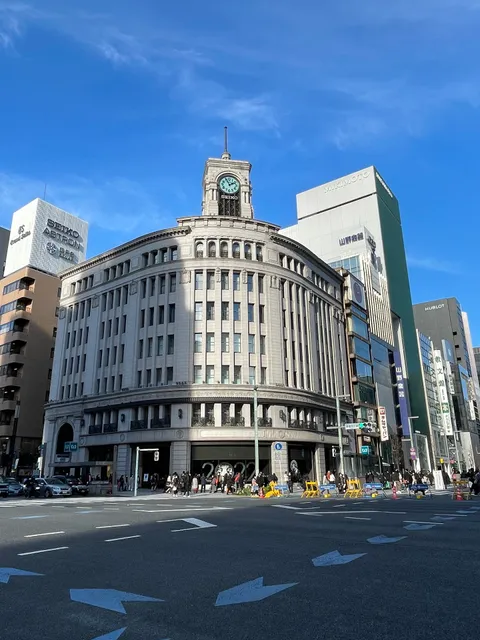
Seiko House Ginza Clock Tower
4.5
(279)
Open 24 hours
Click for details
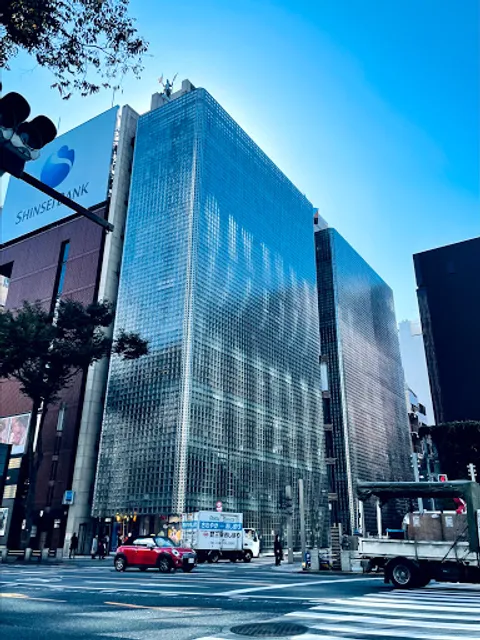
Maison Hermès Le Forum
4.5
(249)
Closed
Click for details
Nearby restaurants of The Seiko Museum Ginza
Tempura Abe Honten
Ginza Kimuraya
Venchi Ginza Store
SUKIYABURG Ginza
Sukiyabashi Jiro
Ginza Coffee - Ginza Sukiyabashi
Noboritei Ginza store
Pyonpyonsya GINZA UNA
GINZA SEMBIKIYA
Oyakodon Senmonten Marukatsu
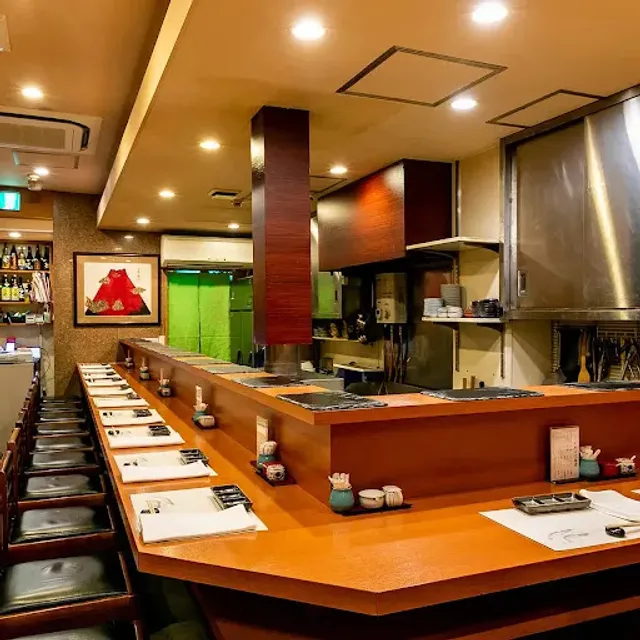
Tempura Abe Honten
4.1
(523)
Closed
Click for details
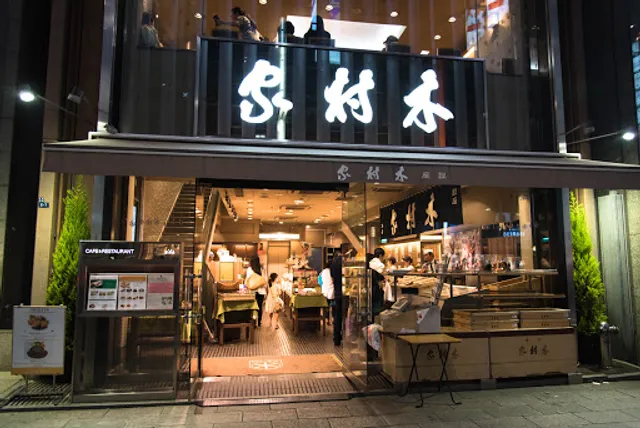
Ginza Kimuraya
4.2
(1.3K)
Closed
Click for details
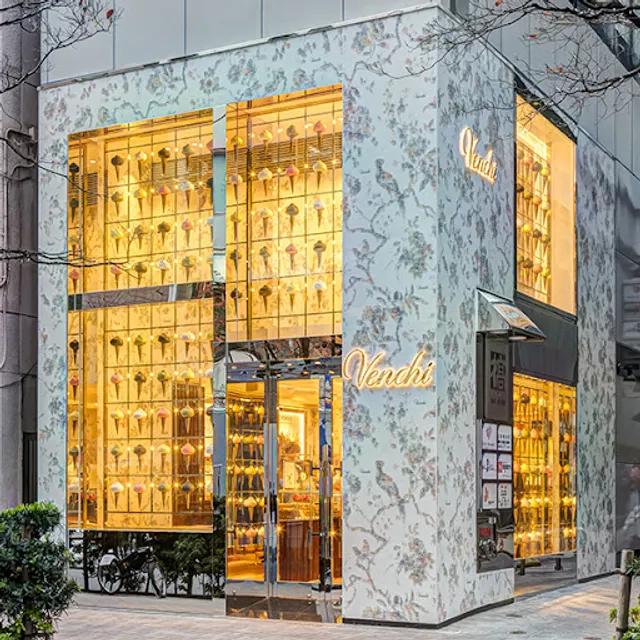
Venchi Ginza Store
3.9
(428)
Closed
Click for details
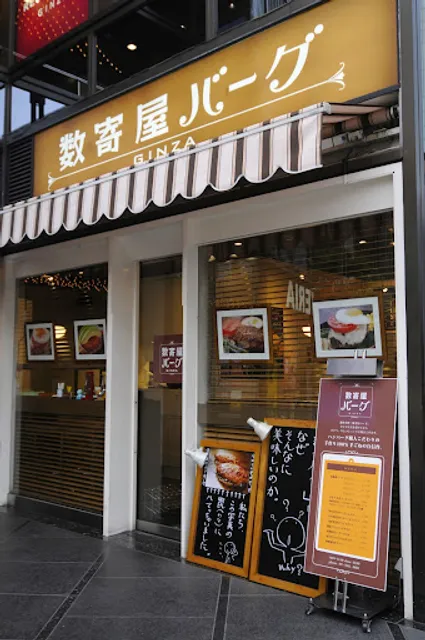
SUKIYABURG Ginza
3.9
(562)
Closed
Click for details
Nearby local services of The Seiko Museum Ginza
On Flagship Store Tokyo Ginza
MUJI Ginza
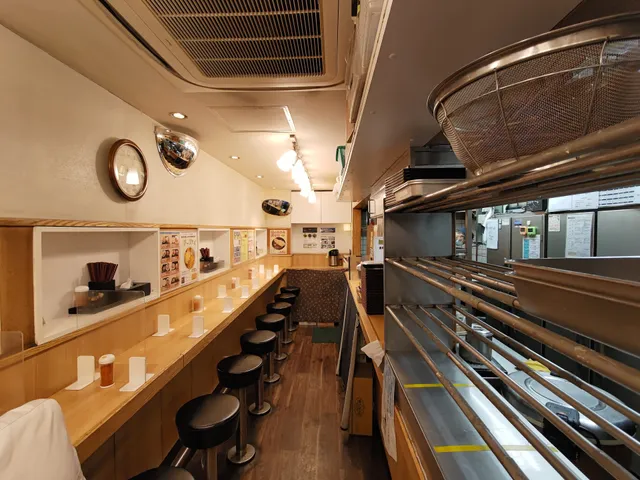
Yomoda Soba Ginza Branch
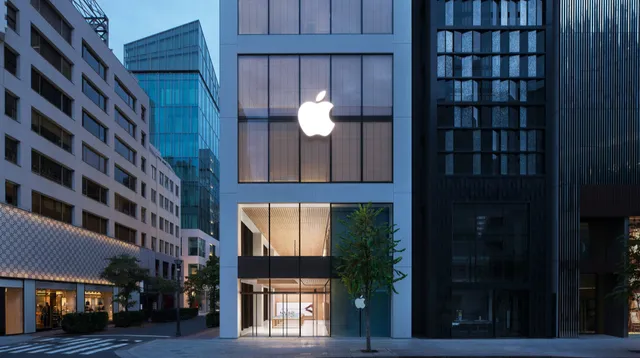
Apple 銀座
BEAMS GINZA
Yamano Music Ginza
Matsuya Ginza
Ginza Wako
Tokyu Plaza Ginza
Ginza Crystal BLDG
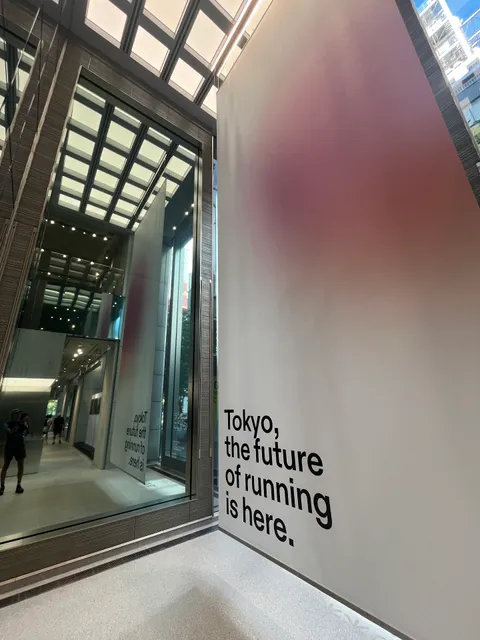
On Flagship Store Tokyo Ginza
4.7
(672)
Click for details
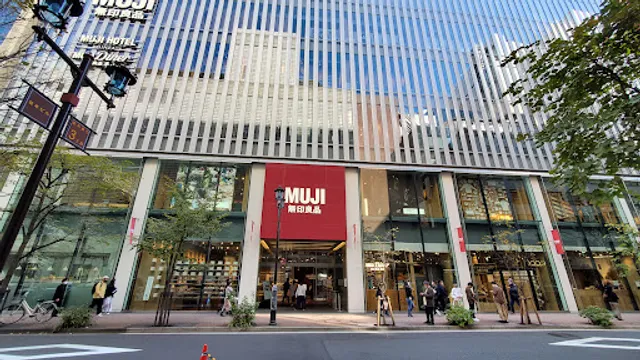
MUJI Ginza
4.3
(2.6K)
Click for details
Yomoda Soba Ginza Branch
3.9
(1.0K)
Click for details
Apple 銀座
3.8
(2.8K)
Click for details