Yeghishe Charents House-Museum things to do, attractions, restaurants, events info and trip planning

Basic Info
Yeghishe Charents House-Museum
17 Mesrop Mashtots Ave, Yerevan 0002, Armenia
4.8(35)
Open until 12:00 AM
Save
spot
spot
Ratings & Description
Info
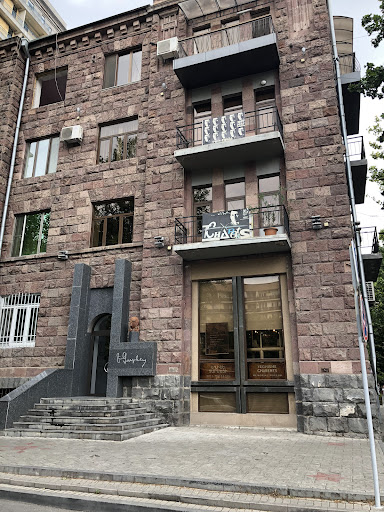
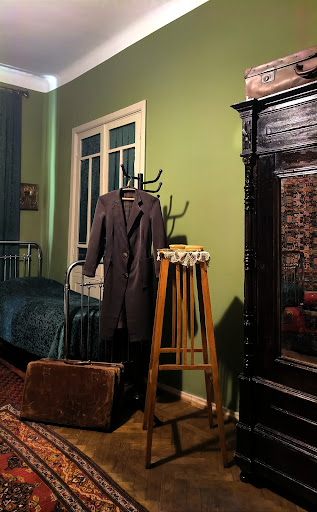
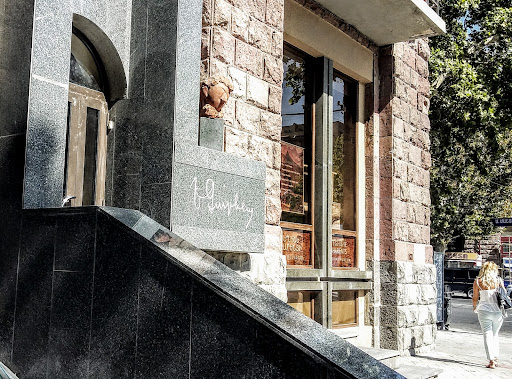
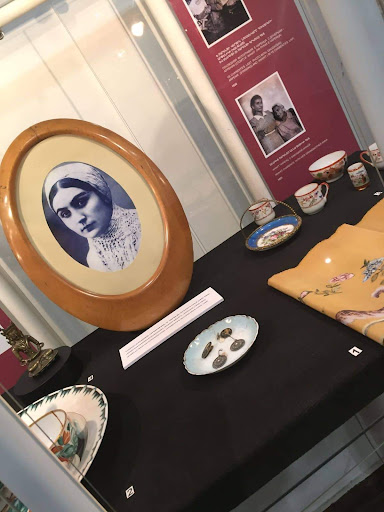
Yeghishe Charents House Museum, also known as the Yeghishe Charents Memorial Museum, is the house museum in Yerevan, Armenia where the poet Yeghishe Charents lived from 1935 to 1937.
Cultural
Family friendly
Accessibility
attractions: Missak Manouchian Park, Diana Abgar Park, Holy Mother of God the Mighty Church, Museum of Illusions Yerevan, Republic Square, Modern Art Museum, Karen Demirchyan Museum, Martiros Sarian House-Museum, Blue Mosque, Armenian National Opera and Ballet Theatre, restaurants: Zeituna Home Of Food, Dargett Brewpub, Seasons Restaurant, Sorriso Cafe, Seasons Sweetland, Anteb Restaurant, Future Diner, Ramen Jan?, Byblos Restaurant, Andrew Kitchen, local businesses: Patrick's Pastry, ONE WAY TOUR, Party Shop, Pnduk - dried fruits and nuts, Marashi, Mr. Hookah, FIVE YVN, Noyan Tun, Parma, Anteb Sweets
 Learn more insights from Wanderboat AI.
Phone
+374 10 531412
Open hoursSee all hours
SunClosedOpen
Plan your stay

Pet-friendly Hotels in Yerevan
Find a cozy hotel nearby and make it a full experience.

Affordable Hotels in Yerevan
Find a cozy hotel nearby and make it a full experience.

The Coolest Hotels You Haven't Heard Of (Yet)
Find a cozy hotel nearby and make it a full experience.

Trending Stays Worth the Hype in Yerevan
Find a cozy hotel nearby and make it a full experience.
Reviews
Live events

How To Build Products For 100 Of Millions Of Customers: Narek Hayrapetyan
Thu, Feb 12 • 2:30 PM
Yandex Hall, 35 Moskovyan pokhoc, Yerevan 0002, Armenia
View details
Nearby attractions of Yeghishe Charents House-Museum
Missak Manouchian Park
Diana Abgar Park
Holy Mother of God the Mighty Church
Museum of Illusions Yerevan
Republic Square
Modern Art Museum
Karen Demirchyan Museum
Martiros Sarian House-Museum
Blue Mosque
Armenian National Opera and Ballet Theatre
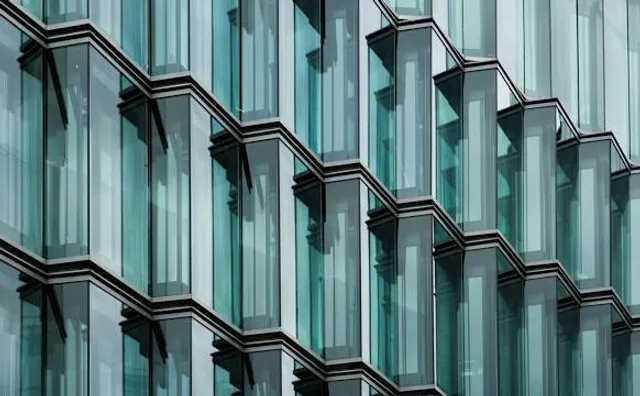
Missak Manouchian Park
4.6
(338)
Open until 12:00 AM
Click for details
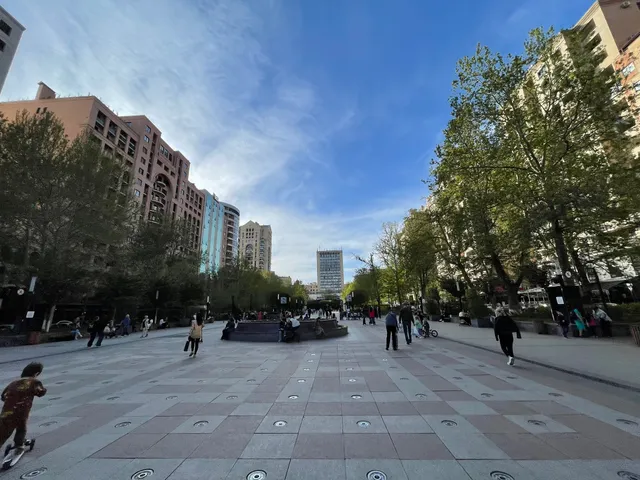
Diana Abgar Park
4.6
(44)
Open 24 hours
Click for details
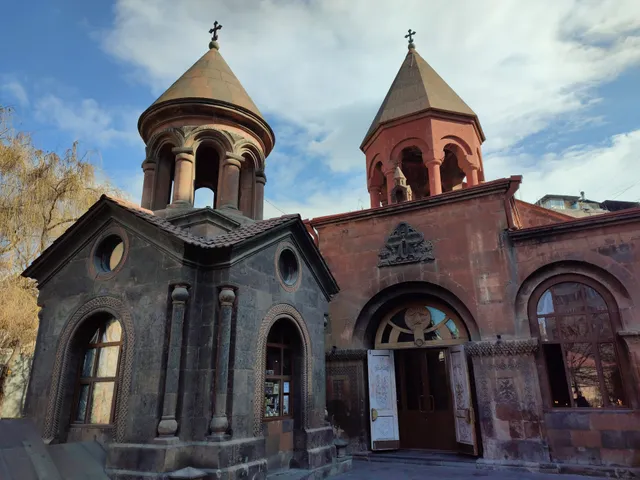
Holy Mother of God the Mighty Church
4.8
(206)
Closed
Click for details

Museum of Illusions Yerevan
4.9
(216)
Closed
Click for details
Nearby restaurants of Yeghishe Charents House-Museum
Zeituna Home Of Food
Dargett Brewpub
Seasons Restaurant
Sorriso Cafe
Seasons Sweetland
Anteb Restaurant
Future Diner
Ramen Jan?
Byblos Restaurant
Andrew Kitchen
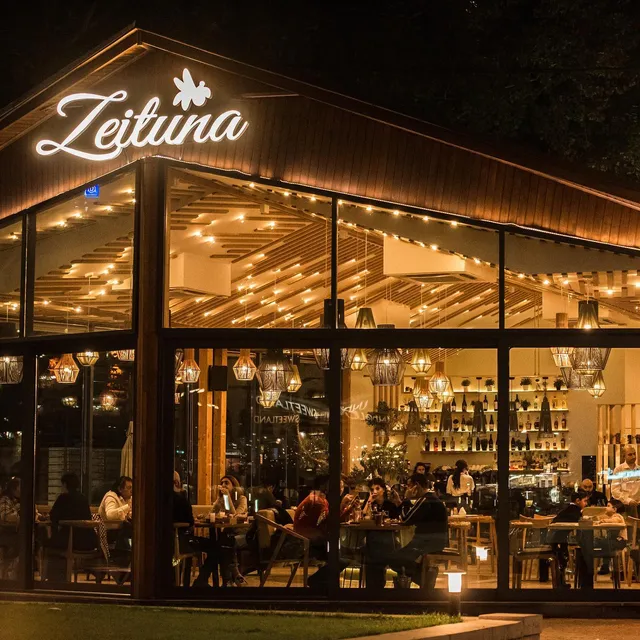
Zeituna Home Of Food
4.3
(391)
Open until 12:00 AM
Click for details
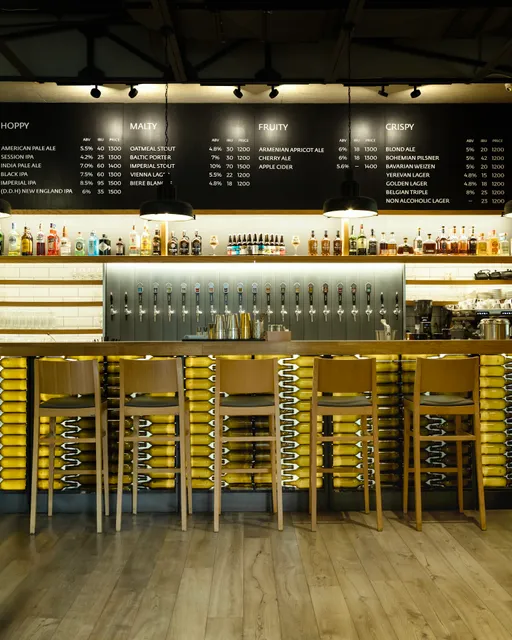
Dargett Brewpub
4.6
(573)
$$
Open until 12:00 AM
Click for details
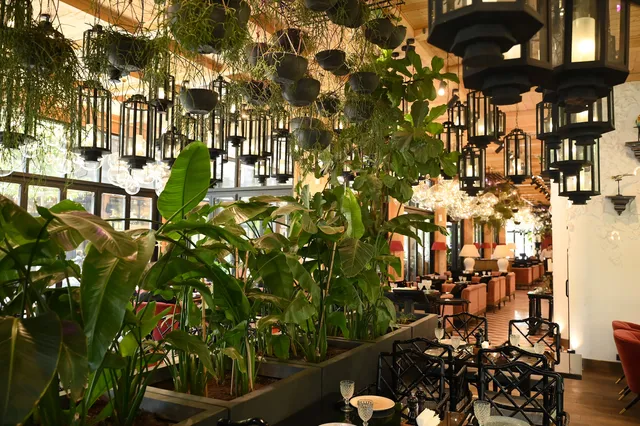
Seasons Restaurant
4.3
(338)
Open until 12:00 AM
Click for details
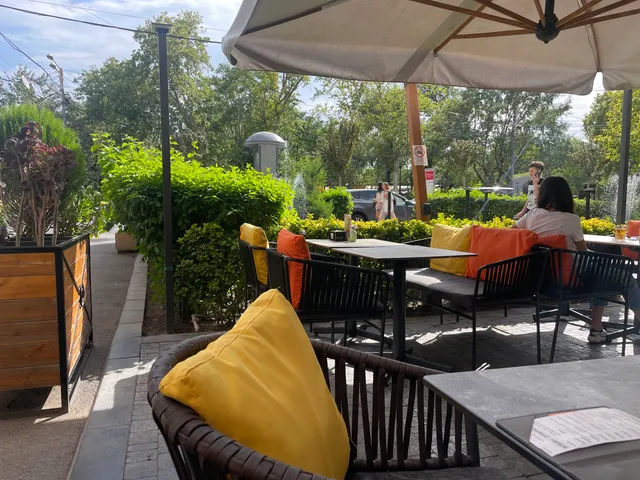
Sorriso Cafe
4.6
(199)
Open until 12:00 AM
Click for details
Nearby local services of Yeghishe Charents House-Museum
Patrick's Pastry
ONE WAY TOUR
Party Shop
Pnduk - dried fruits and nuts
Marashi
Mr. Hookah
FIVE YVN
Noyan Tun
Parma
Anteb Sweets
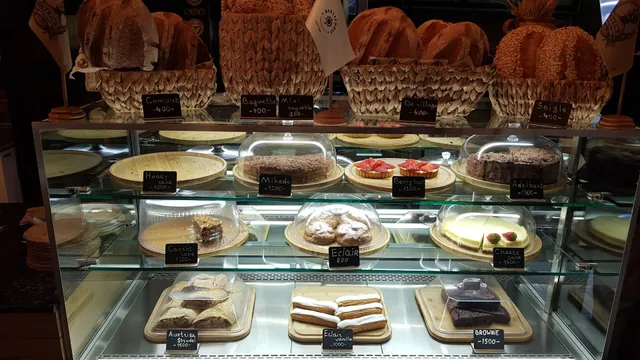
Patrick's Pastry
3.8
(86)
Click for details
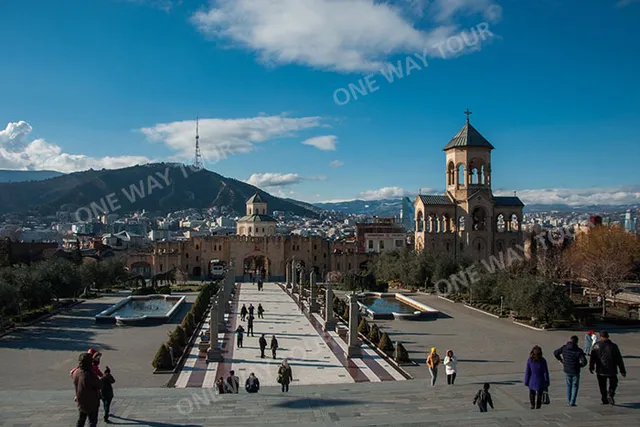
ONE WAY TOUR
4.9
(1.4K)
Click for details
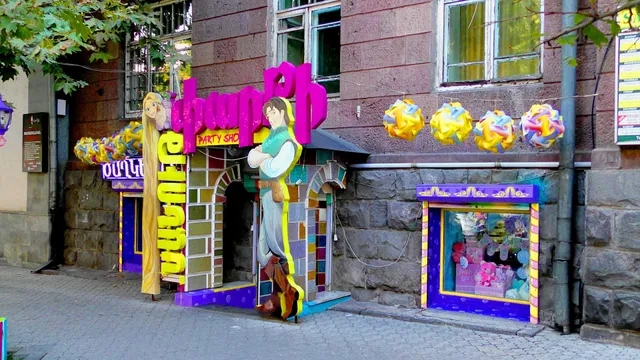
Party Shop
4.1
(29)
Click for details
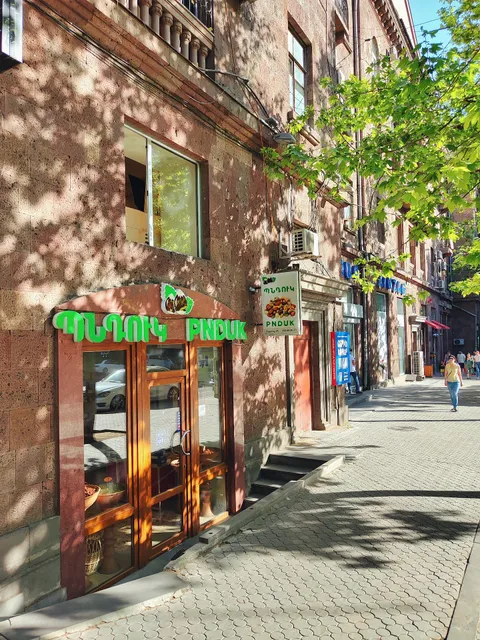
Pnduk - dried fruits and nuts
4.0
(17)
Click for details