Augustinerkirche things to do, attractions, restaurants, events info and trip planning
Basic Info
Augustinerkirche
Augustinerstraße 3, 1010 Wien, Austria
4.7(956)
Open 24 hours
Save
spot
spot
Ratings & Description
Info
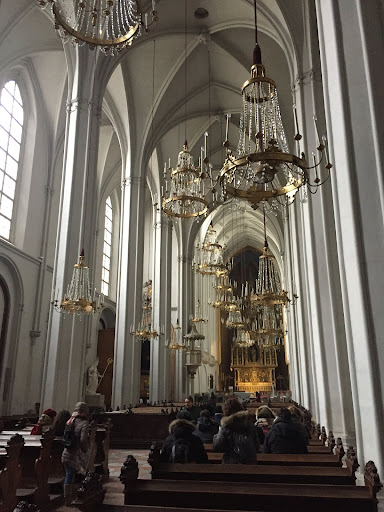
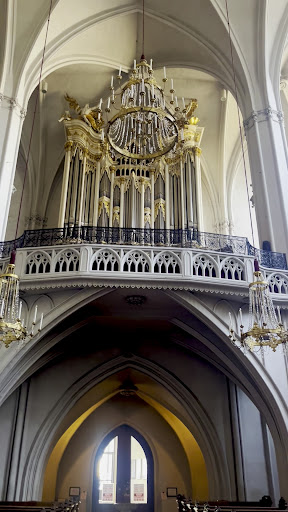
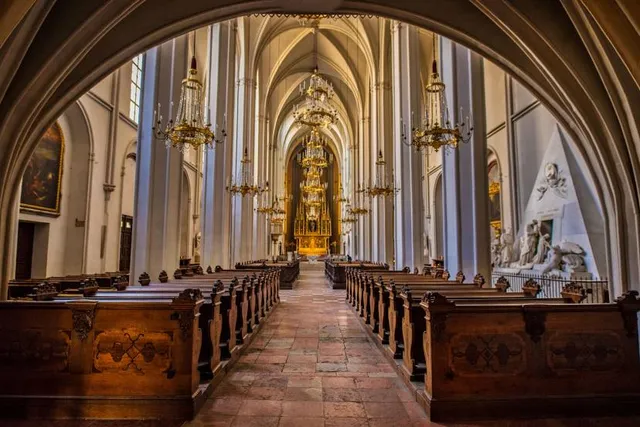
The Augustinian Church in Vienna is a parish church located on Josefsplatz, next to the Hofburg, the winter palace of the Habsburg dynasty in Vienna. Originally built in the 14th century as the parish church of the imperial court of the Habsburgs, the harmonious Gothic interior was added in the 18th century.
Cultural
Accessibility
attractions: Albertina, Hofburg, Schmetterlinghaus, Austrian National Library, Imperial Crypt, Imperial Treasury Vienna, Vienna State Opera, Sisi Museum, Burggarten, Theatermuseum, restaurants: Brasserie Palmenhaus Wien, L'Osteria Wien Bräunerstraße, Ristorante L`Asino che Ride, Schnitzel One, Café Sacher Wien, Cafe Tirolerhof, Terrae. tuscan kitchen, Demel Vienna cafe, Guesthouse Vienna / Brasserie & Bakery, DO & CO Albertina, local businesses: Austrian National Library, Palais Pálffy Kultur & Events GmbH, Dorotheum, BILLA, THE WORLD TO GO VIENNA, Heidi Horten Collection, Corte de Caza y Armería, Casino Wien, Museo Etnográfico de Viena, Mythos Mozart
 Learn more insights from Wanderboat AI.
Phone
+43 1 5337099
Website
erzdioezese-wien.at
Plan your stay

Pet-friendly Hotels in Vienna
Find a cozy hotel nearby and make it a full experience.

Affordable Hotels in Vienna
Find a cozy hotel nearby and make it a full experience.

The Coolest Hotels You Haven't Heard Of (Yet)
Find a cozy hotel nearby and make it a full experience.

Trending Stays Worth the Hype in Vienna
Find a cozy hotel nearby and make it a full experience.
Reviews
Live events

Die Legende der Titanic - Die immersive Ausstellung
Mon, Feb 9 • 10:00 AM
Karl-Farkas-Gasse 19, Wien, 1030
View details

Machu Picchu - die immersive Experience!
Mon, Feb 9 • 10:00 AM
Donauturmplatz 1, Wien, 1220
View details

The Immersive Concert – Love Edition
Fri, Feb 13 • 6:00 PM
Friedrichstraße 7, Wien, 1010
View details
Nearby attractions of Augustinerkirche
Albertina
Hofburg
Schmetterlinghaus
Austrian National Library
Imperial Crypt
Imperial Treasury Vienna
Vienna State Opera
Sisi Museum
Burggarten
Theatermuseum
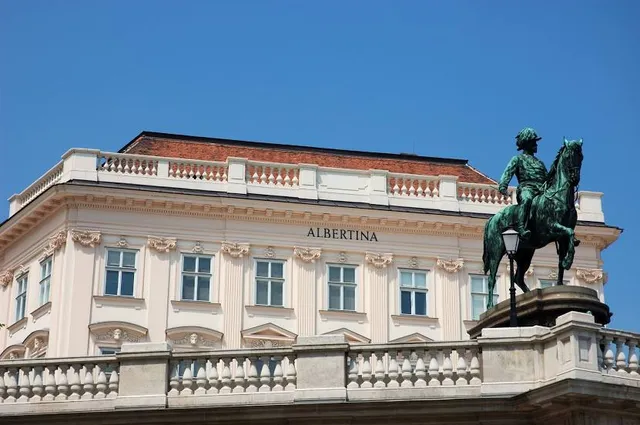
Albertina
4.7
(13K)
Closed
Click for details
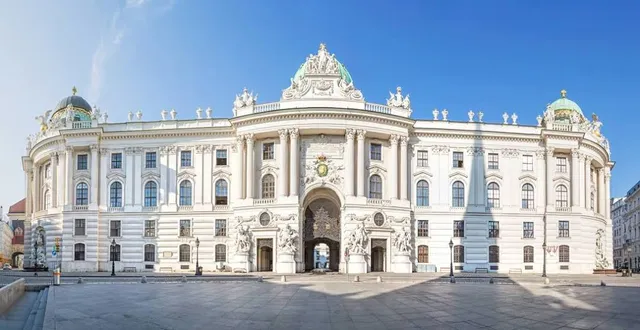
Hofburg
4.7
(19.5K)
Closed
Click for details
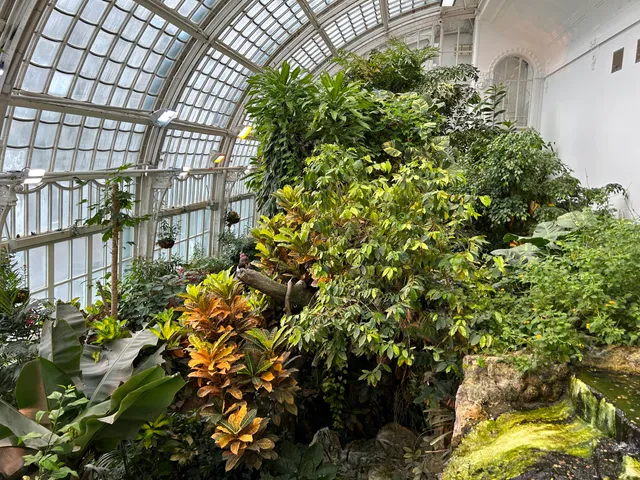
Schmetterlinghaus
4.2
(3.6K)
Closed
Click for details
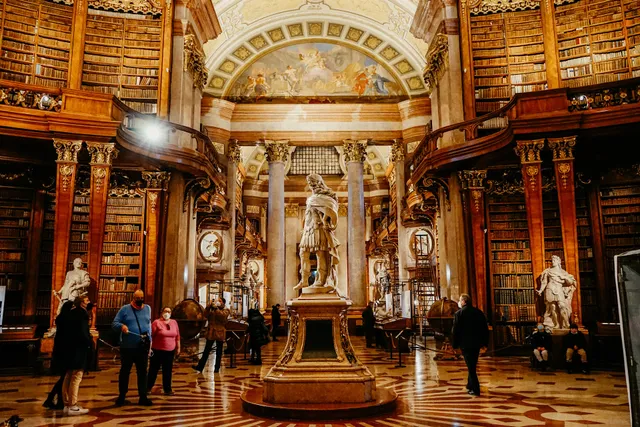
Austrian National Library
4.6
(2K)
Open until 12:00 AM
Click for details
Nearby restaurants of Augustinerkirche
Brasserie Palmenhaus Wien
L'Osteria Wien Bräunerstraße
Ristorante L`Asino che Ride
Schnitzel One
Café Sacher Wien
Cafe Tirolerhof
Terrae. tuscan kitchen
Demel Vienna cafe
Guesthouse Vienna / Brasserie & Bakery
DO & CO Albertina
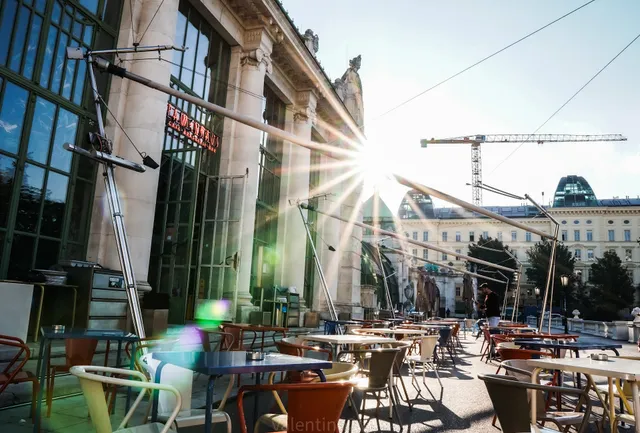
Brasserie Palmenhaus Wien
4.2
(3.7K)
$$$
Open until 12:00 AM
Click for details
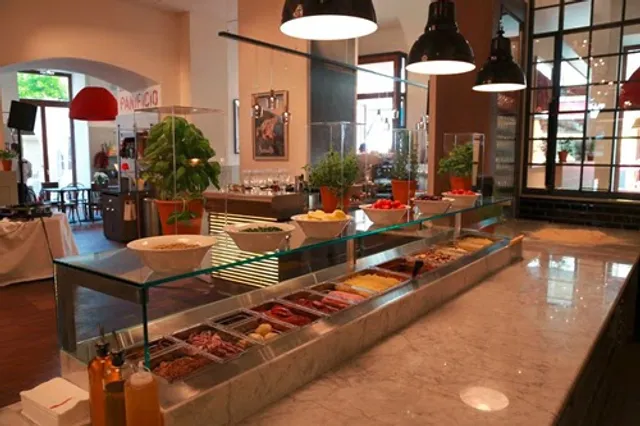
L'Osteria Wien Bräunerstraße
4.1
(3.1K)
$$
Closed
Click for details
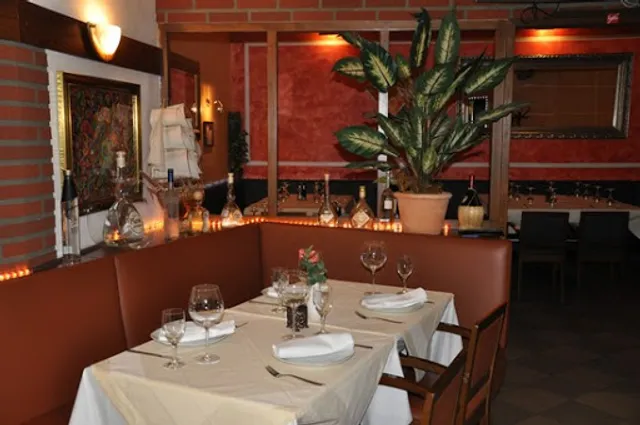
Ristorante L`Asino che Ride
3.9
(500)
Closed
Click for details
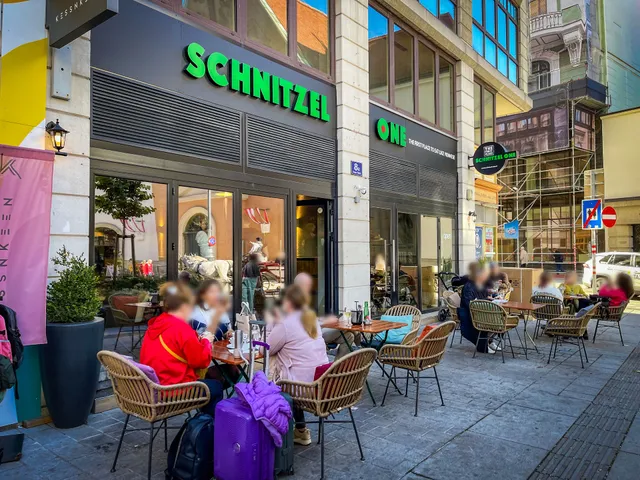
Schnitzel One
4.8
(3K)
Closed
Click for details
Nearby local services of Augustinerkirche
Austrian National Library
Palais Pálffy Kultur & Events GmbH
Dorotheum
BILLA
THE WORLD TO GO VIENNA
Heidi Horten Collection
Corte de Caza y Armería
Casino Wien
Museo Etnográfico de Viena
Mythos Mozart
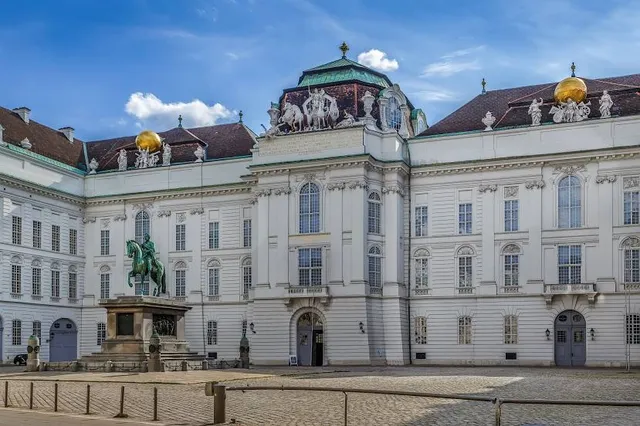
Austrian National Library
4.6
(1.4K)
Click for details
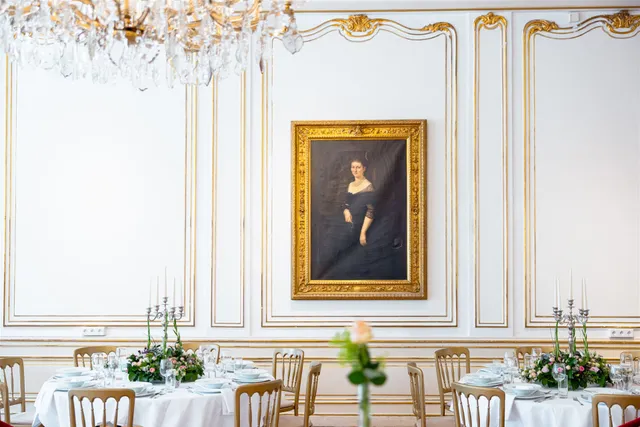
Palais Pálffy Kultur & Events GmbH
3.8
(354)
Click for details
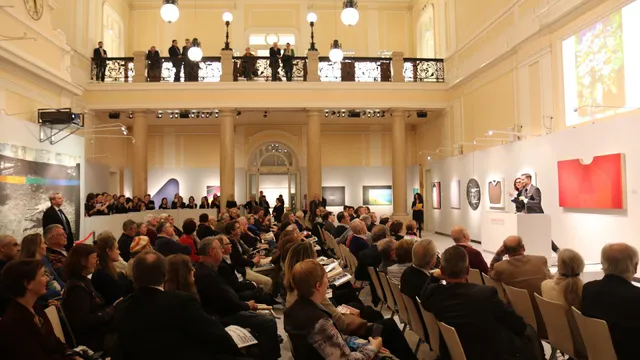
Dorotheum
4.2
(391)
Click for details

BILLA
4.4
(3.1K)
Click for details