Scots Church things to do, attractions, restaurants, events info and trip planning
Basic Info
Scots Church
Freyung 6, 1010 Wien, Austria
4.7(219)
Open 24 hours
Save
spot
spot
Ratings & Description
Info
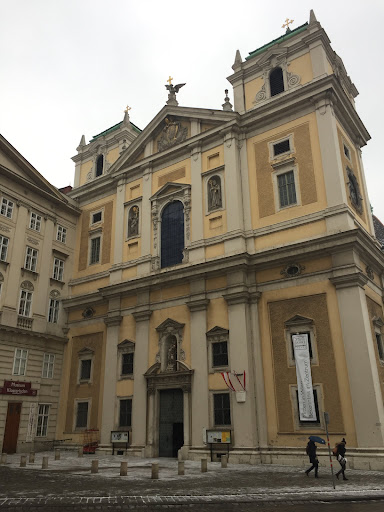
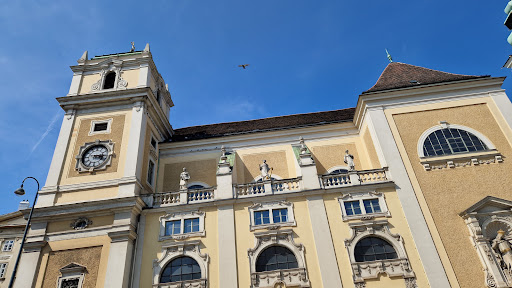
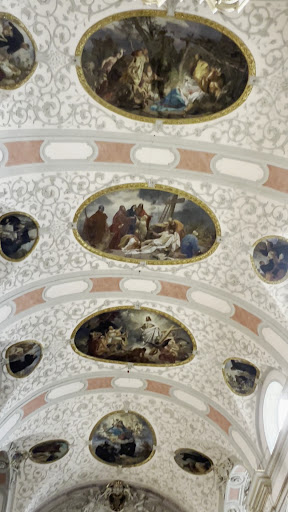
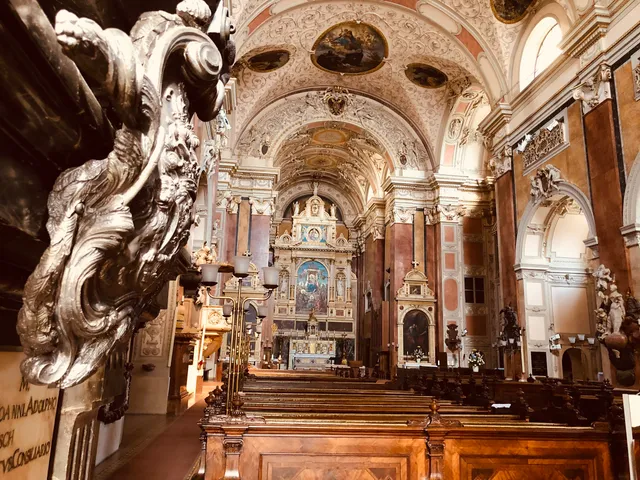
The Schottenkirche is a parish church in Vienna attached to the Schottenstift, founded by Hiberno-Scots Benedictine monks in the 12th century.
Cultural
Scenic
Accessibility
attractions: Palais Daun-Kinsky, Palais Schönborn, Schottenstift, Museum der Illusionen, Burgtheater, Wien Museum Beethoven Pasqualatihaus, Museum im Schottenstift, Rathausplatz, Wiener Minoritenkirche, Palais Porcia, restaurants: Café Diglas im Schottenstift, Zattl Wirtshaus & Biergarten, Café Landtmann, Trattoria Martinelli, Zum Leupold, Café Central, BEAULIEU Épicerie fine & Bistrot, Restaurant Lebenbauer, Restaurant Ebi 1, Stadtcafe, local businesses: ENZO | Pizzeria - Café - Bar, JOHN REED Fitness Wien Schottentor, Palais Niederösterreich, Holmes Place Börseplatz, St. Peter's Catholic Church (Peterskirche), Herrengasse, Chii Vienna, Vienna City Hall, Iglesia votiva, Vienna Christmas Market walking
 Learn more insights from Wanderboat AI.
Phone
+43 1 53498200
Website
schotten.wien
Plan your stay

Pet-friendly Hotels in Vienna
Find a cozy hotel nearby and make it a full experience.

Affordable Hotels in Vienna
Find a cozy hotel nearby and make it a full experience.

The Coolest Hotels You Haven't Heard Of (Yet)
Find a cozy hotel nearby and make it a full experience.

Trending Stays Worth the Hype in Vienna
Find a cozy hotel nearby and make it a full experience.
Reviews
Live events

Die Legende der Titanic - Die immersive Ausstellung
Thu, Feb 12 • 12:30 PM
Karl-Farkas-Gasse 19, Wien, 1030
View details
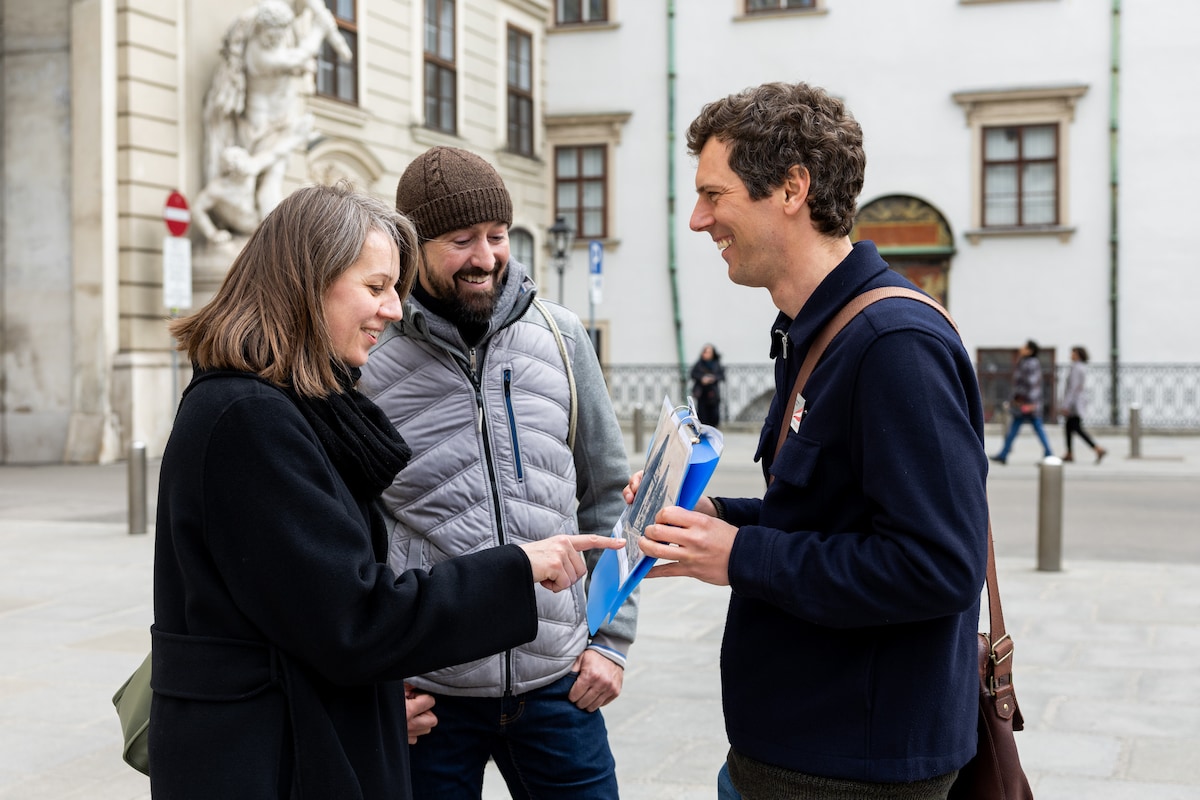
Explore historic Vienna
Fri, Feb 13 • 1:30 PM
Vienna, Vienna 1010, Austria
View details

Machu Picchu - die immersive Experience!
Thu, Feb 12 • 1:00 PM
Donauturmplatz 1, Wien, 1220
View details
Nearby attractions of Scots Church
Palais Daun-Kinsky
Palais Schönborn
Schottenstift
Museum der Illusionen
Burgtheater
Wien Museum Beethoven Pasqualatihaus
Museum im Schottenstift
Rathausplatz
Wiener Minoritenkirche
Palais Porcia
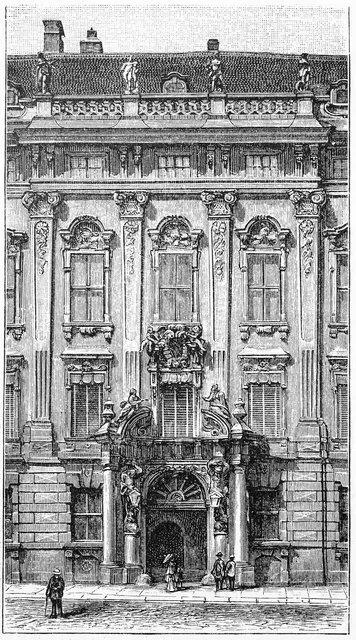
Palais Daun-Kinsky
4.6
(565)
Open until 6:00 PM
Click for details

Palais Schönborn
4.5
(840)
Open 24 hours
Click for details
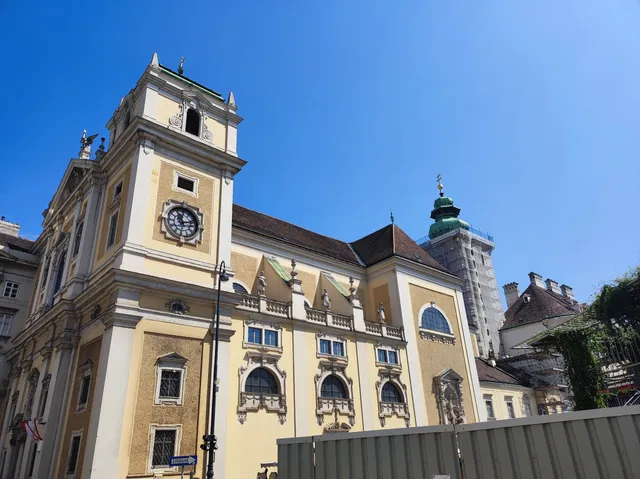
Schottenstift
4.5
(125)
Open 24 hours
Click for details
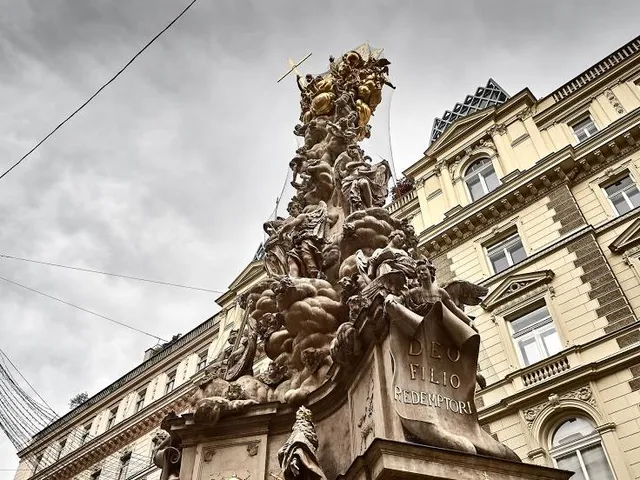
Museum der Illusionen
4.1
(4K)
Open until 6:00 PM
Click for details
Nearby restaurants of Scots Church
Café Diglas im Schottenstift
Zattl Wirtshaus & Biergarten
Café Landtmann
Trattoria Martinelli
Zum Leupold
Café Central
BEAULIEU Épicerie fine & Bistrot
Restaurant Lebenbauer
Restaurant Ebi 1
Stadtcafe
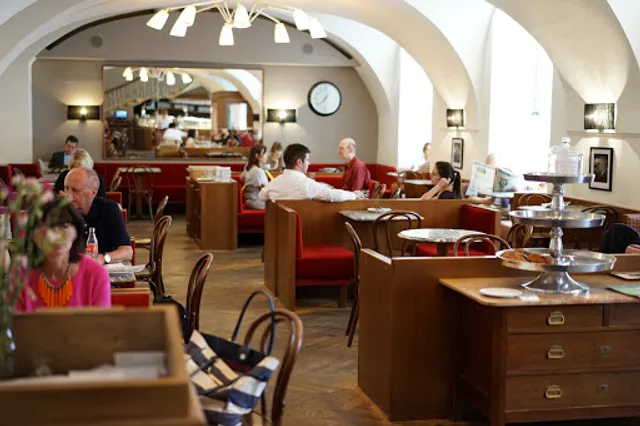
Café Diglas im Schottenstift
4.2
(1.1K)
Open until 10:00 PM
Click for details
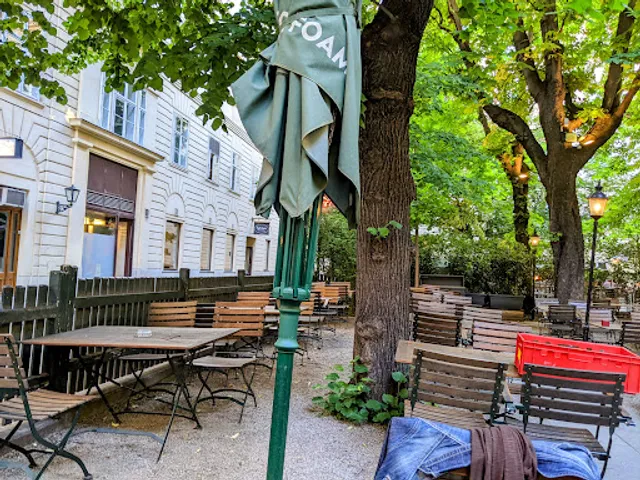
Zattl Wirtshaus & Biergarten
3.9
(887)
Open until 11:00 PM
Click for details
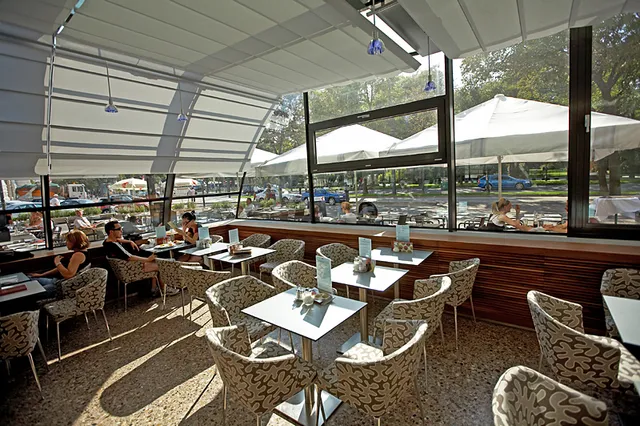
Café Landtmann
4.4
(7.3K)
Open until 11:00 PM
Click for details
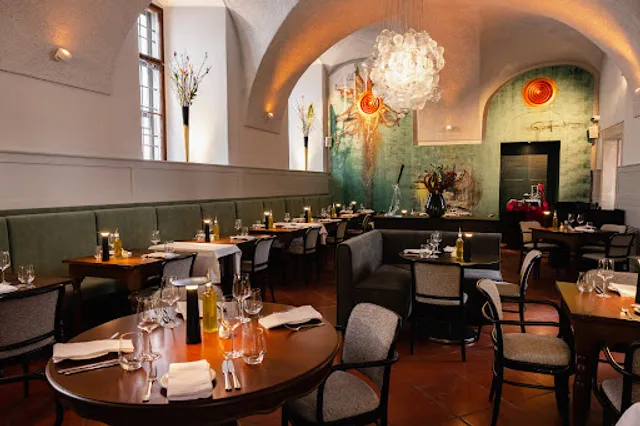
Trattoria Martinelli
4.3
(646)
$$$
Open until 11:30 PM
Click for details
Nearby local services of Scots Church
ENZO | Pizzeria - Café - Bar
JOHN REED Fitness Wien Schottentor
Palais Niederösterreich
Holmes Place Börseplatz
St. Peter's Catholic Church (Peterskirche)
Herrengasse
Chii Vienna
Vienna City Hall
Iglesia votiva
Vienna Christmas Market walking

ENZO | Pizzeria - Café - Bar
4.5
(666)
Click for details
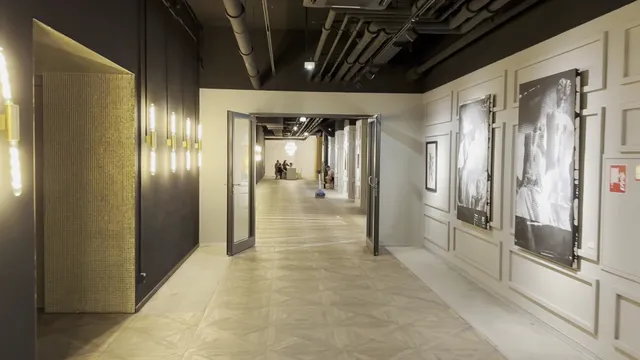
JOHN REED Fitness Wien Schottentor
3.7
(537)
Click for details
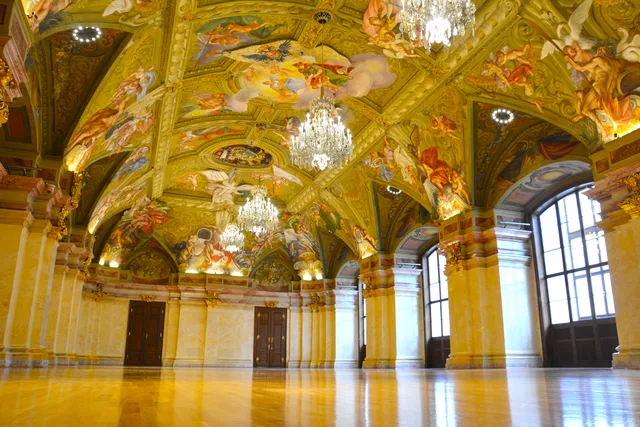
Palais Niederösterreich
4.7
(390)
Click for details
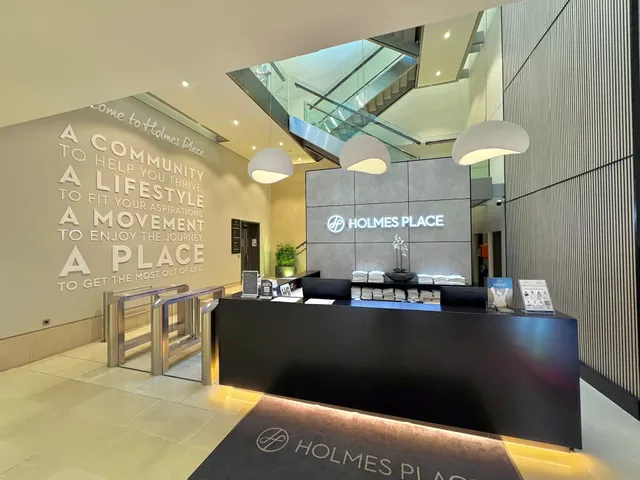
Holmes Place Börseplatz
4.1
(346)
Click for details