HTML SitemapExplore
logo
Find Things to DoFind The Best Restaurants

Wiener Minoritenkirche — Attraction in Vienna

Name
Wiener Minoritenkirche
Description
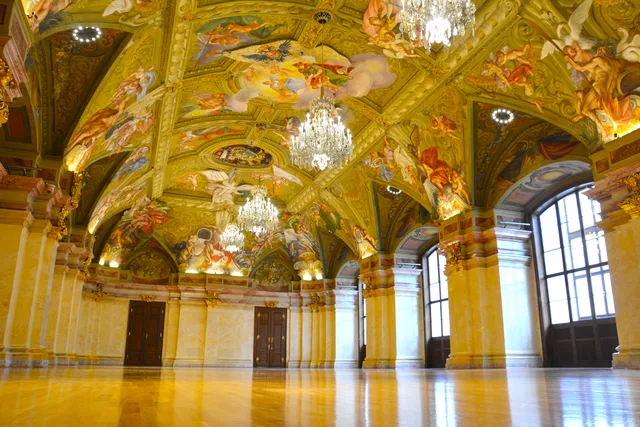
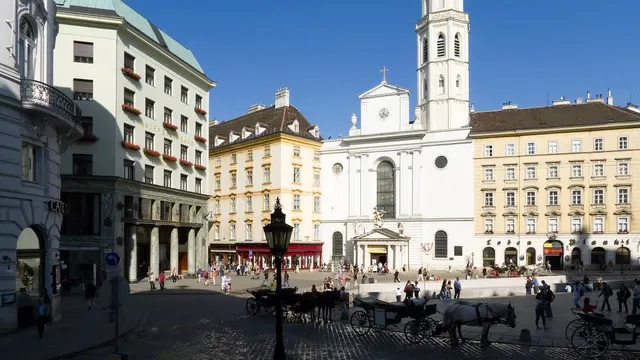
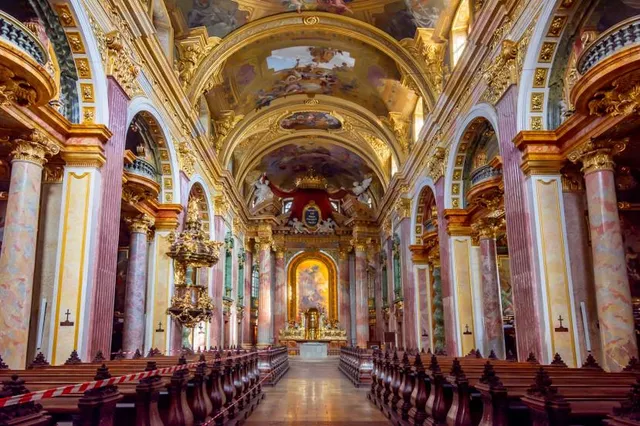
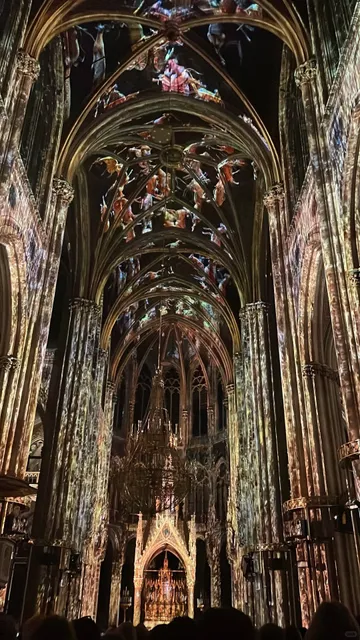
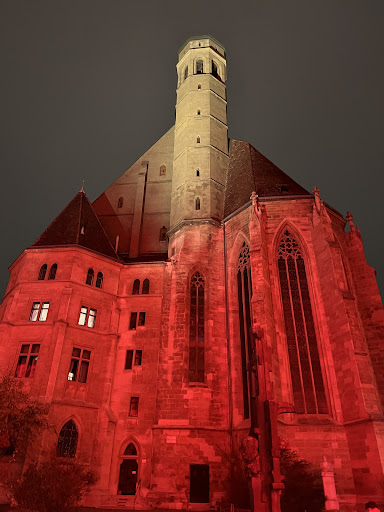
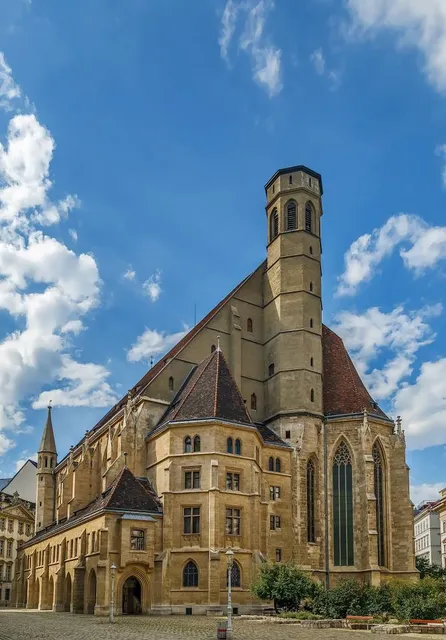
The Minoritenkirche, formally called Italienische Nationalkirche Maria Schnee, was built in French Gothic style in the Altstadt or First District of Vienna, Austria. The site on which the church is built was given to followers of Francis of Assisi in 1224.
Nearby attractions
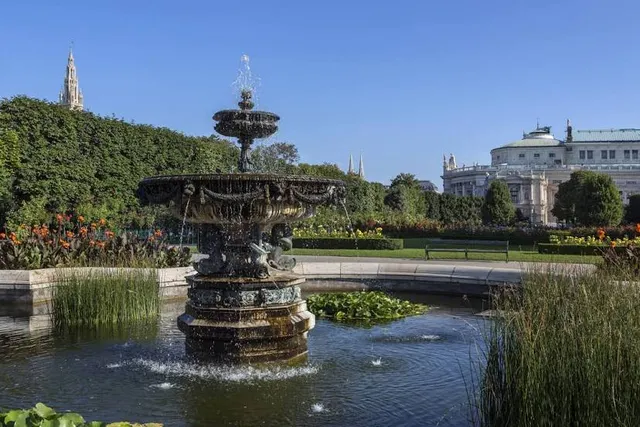
Volksgarten
1010 Vienna, Austria
Sisi Museum
Michaelerkuppel, 1010 Wien, Austria
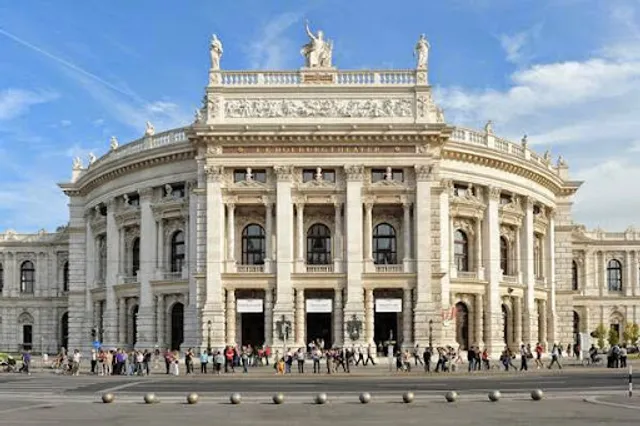
Burgtheater
Universitätsring 2, 1010 Wien, Austria
Museum der Illusionen
Wallnerstraße 4, 1010 Wien, Austria
Globe Museum of the Austrian National Library
Palais Mollard, Herrengasse 9, 1010 Wien, Austria
Rathausplatz
Rathauspl., 1010 Wien, Austria
Heldenplatz
Heldenplatz 21/4, 1010 Wien, Austria
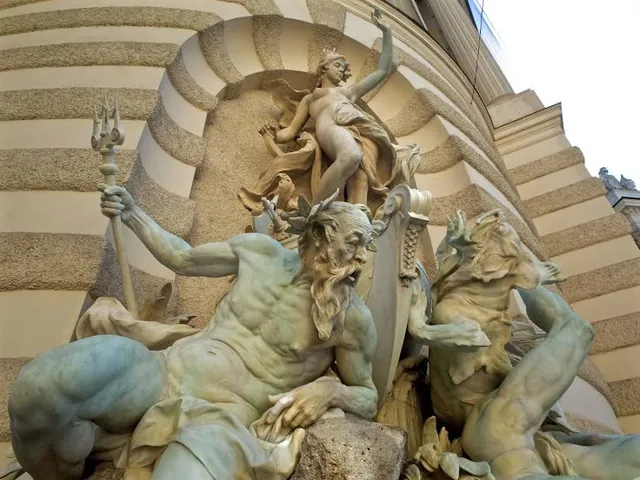
Hofburg
1010 Vienna, Austria
Rathauspark
Rathauspark W, 1010 Wien, Austria
Time Travel Vienna
Habsburgergasse 10A, 1010 Wien, Austria
Nearby restaurants
Café Central
Herrengasse 14, 1010 Wien, Austria
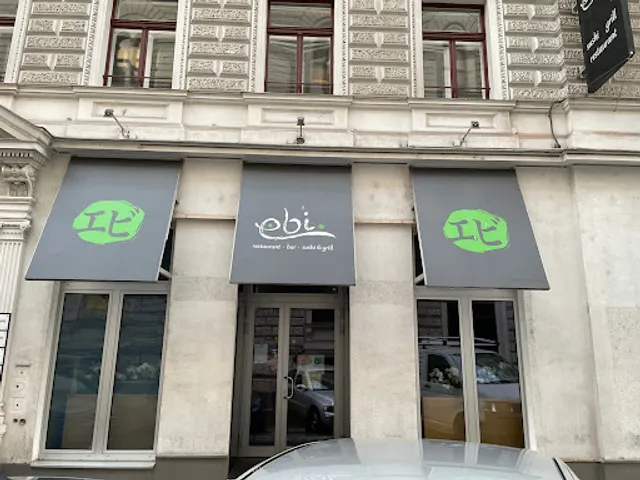
Restaurant Ebi 1
Teinfaltstraße 9, 1010 Wien, Austria
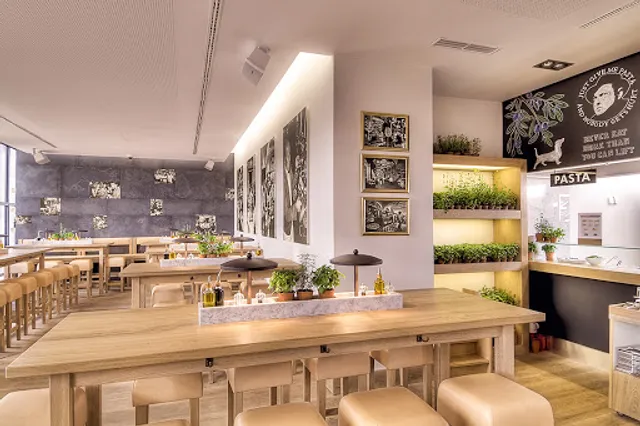
Vapiano
Herrengasse 6, 1010 Wien, Austria
Restaurant Giorgina
Bankgasse 2, 1010 Wien, Austria
BEAULIEU Épicerie fine & Bistrot
Herrengasse 14, 1010 Wien, Austria
Bar - Restaurant Kanzleramt, Wien - Vienna
Schauflergasse 6, 1010 Wien, Austria
Trattoria Martinelli
Palais Harrach, Freyung 3, 1010 Wien, Austria
Regina Margherita
Wallnerstraße 4, 1010 Wien, Austria
Ristorante La Sosta
Schauflergasse 6, 1010 Wien, Austria
Zum Schwarzen Kameel
Bognergasse 5, 1010 Wien, Austria
Nearby hotels
Steigenberger Hotel Herrenhof, Wien
Herrengasse 10, 1010 Wien, Austria
Radisson Blu Style Hotel, Vienna
Herrengasse 12, 1010 Wien, Austria
Park Hyatt Vienna
Am Hof 2, 1010 Wien, Austria
BENEDIKTUSHAUS Das Gästehaus des Schottenstiftes im Herzen Wiens
Freyung 6A, 1010 Wien, Austria
Pertschy Palais Hotel
Habsburgergasse 5, 1010 Wien, Austria
Boutique Hotel Nossek
Graben 17, 1010 Wien, Austria
Hotel Das Tigra
Tiefer Graben 14-20, 1010 Wien, Austria
Rosewood Vienna
Peterspl. 7, 1010 Wien, Austria
Pension a und a
Habsburgergasse 3/Floor M, 1010 Wien, Austria
Hotel Wandl
Peterspl. 9, 1010 Wien, Austria
Related posts
🇦🇹|Promise Me You'll Do These 2 Things in Vienna! ✨
Keywords
Wiener Minoritenkirche tourism.Wiener Minoritenkirche hotels.Wiener Minoritenkirche bed and breakfast. flights to Wiener Minoritenkirche.Wiener Minoritenkirche attractions.Wiener Minoritenkirche restaurants.Wiener Minoritenkirche travel.Wiener Minoritenkirche travel guide.Wiener Minoritenkirche travel blog.Wiener Minoritenkirche pictures.Wiener Minoritenkirche photos.Wiener Minoritenkirche travel tips.Wiener Minoritenkirche maps.Wiener Minoritenkirche things to do.
Wiener Minoritenkirche things to do, attractions, restaurants, events info and trip planning
Wiener Minoritenkirche
AustriaViennaWiener Minoritenkirche

Basic Info

Wiener Minoritenkirche

Minoritenplatz 2A, 1010 Wien, Austria
4.7(1.1K)
Open 24 hours
Save
spot

Ratings & Description

Info

The Minoritenkirche, formally called Italienische Nationalkirche Maria Schnee, was built in French Gothic style in the Altstadt or First District of Vienna, Austria. The site on which the church is built was given to followers of Francis of Assisi in 1224.

Cultural
Accessibility
attractions: Volksgarten, Sisi Museum, Burgtheater, Museum der Illusionen, Globe Museum of the Austrian National Library, Rathausplatz, Heldenplatz, Hofburg, Rathauspark, Time Travel Vienna, restaurants: Café Central, Restaurant Ebi 1, Vapiano, Restaurant Giorgina, BEAULIEU Épicerie fine & Bistrot, Bar - Restaurant Kanzleramt, Wien - Vienna, Trattoria Martinelli, Regina Margherita, Ristorante La Sosta, Zum Schwarzen Kameel
logoLearn more insights from Wanderboat AI.
Phone
+43 676 6264113
Website
minoritenkirche.wien

Plan your stay

hotel
Pet-friendly Hotels in Vienna
Find a cozy hotel nearby and make it a full experience.

hotel
Affordable Hotels in Vienna
Find a cozy hotel nearby and make it a full experience.

hotel
The Coolest Hotels You Haven't Heard Of (Yet)
Find a cozy hotel nearby and make it a full experience.

hotel
Trending Stays Worth the Hype in Vienna
Find a cozy hotel nearby and make it a full experience.

Reviews

Nearby attractions of Wiener Minoritenkirche

Volksgarten

Sisi Museum

Burgtheater

Museum der Illusionen

Globe Museum of the Austrian National Library

Rathausplatz

Heldenplatz

Hofburg

Rathauspark

Time Travel Vienna

Volksgarten

Volksgarten

4.6

(7.7K)

Open until 10:00 PM
Click for details
Sisi Museum

Sisi Museum

4.4

(6.5K)

Open 24 hours
Click for details
Burgtheater

Burgtheater

4.6

(2.1K)

Open 24 hours
Click for details
Museum der Illusionen

Museum der Illusionen

4.1

(4K)

Open 24 hours
Click for details

Things to do nearby

Imperial Lights
Imperial Lights
Mon, Dec 8 • 6:00 PM
Meidlinger Fahrstraße, Wien, 1130
View details
Die Legende der Titanic - Die immersive Ausstellung
Mon, Dec 8 • 6:00 PM
Karl-Farkas-Gasse 19, Wien, 1030
View details
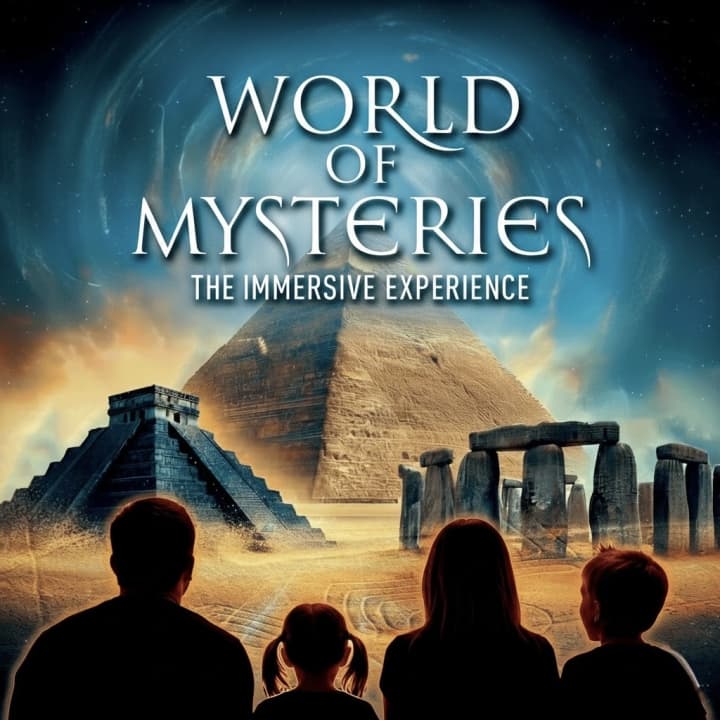
Machu Picchu - die immersive Experience!
Tue, Dec 9 • 10:00 AM
Donauturmplatz 1, Wien, 1220
View details

Nearby restaurants of Wiener Minoritenkirche

Café Central

Restaurant Ebi 1

Vapiano

Restaurant Giorgina

BEAULIEU Épicerie fine & Bistrot

Bar - Restaurant Kanzleramt, Wien - Vienna

Trattoria Martinelli

Regina Margherita

Ristorante La Sosta
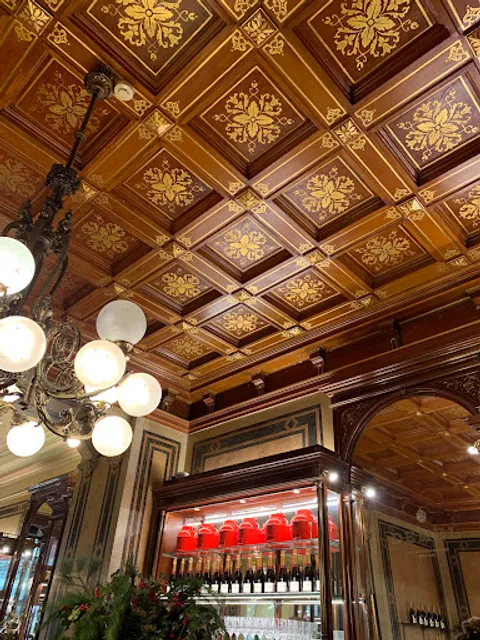
Zum Schwarzen Kameel

Café Central

Café Central

4.3

(10.9K)

$

Click for details
Restaurant Ebi 1

Restaurant Ebi 1

4.2

(1.4K)

Click for details
Vapiano

Vapiano

4.0

(2.7K)

Click for details
Restaurant Giorgina

Restaurant Giorgina

4.4

(260)

Click for details
Get the Appoverlay
Get the AppOne tap to find yournext favorite spots!
Wanderboat LogoWanderboat

Your everyday Al companion for getaway ideas

CompanyAbout Us
InformationAI Trip PlannerSitemap
SocialXInstagramTiktokLinkedin
LegalTerms of ServicePrivacy Policy

Get the app

© 2025 Wanderboat. All rights reserved.
logo

Reviews of Wiener Minoritenkirche

4.7
(1,066)
avatar
5.0
2y

also known as the Santissima Trinità dei Pellegrini e dei Forfait, is a beautiful and historic place of worship that has been serving the Italian community in Vienna for over 300 years. The church, which is located in the Innere Stadt district of Vienna, was built in the early 18th century in the Baroque style and is a prime example of the ornate and elaborate architecture that was popular at the time.

One of the most interesting facts about the Italian National Church of Mary of the Snows is that it was originally built to serve as a place of worship for Italian pilgrims who were traveling through Vienna on their way to Rome. The church was named after a miraculous snowfall that occurred on the Esquiline Hill in Rome in 358 AD, which is said to have saved the city from a severe drought.

Another interesting fact about the Italian National Church of Mary of the Snows is that it was the first church in Vienna to be built specifically for the Italian community. Prior to its construction, Italians in Vienna had to attend mass at other churches, which were not always welcoming or accommodating to their needs. The Italian National Church of Mary of the Snows was therefore a much-needed and much-appreciated addition to the city's religious landscape.

In addition to its historical and cultural significance, the Italian National Church of Mary of the Snows is also a beautiful and peaceful place to visit. The interior of the church is adorned with ornate frescoes and paintings, and the acoustics are excellent, making it a wonderful place to hear mass or to simply sit and meditate. Overall, the Italian National Church of Mary of the Snows is a must-see destination for anyone visiting Vienna, and is sure to leave a lasting impression on...

   Read more
avatar
3.0
7y

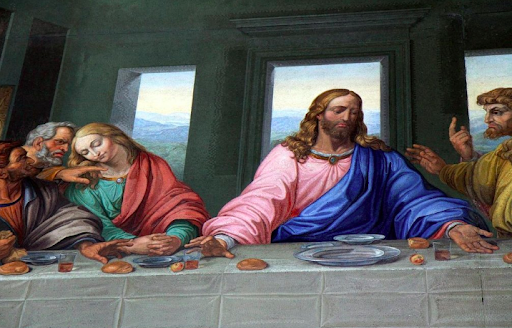
We recently returned to the Church of the Minorites (Minoritenkirche) to see the replica of Leonardo da Vinci's "Last Supper" which quietly hangs on the north wall of the church. This is a life-size, early 19th century piece created by Italian mosaicist, Giacomo Raffaelli. It is quite beautiful and well worth seeing in Vienna if you are a lover of art.

Originally commissioned by Napoleon in 1809, this piece was left unfinished after Napolean's abdication from power in 1814. Shortly afterwards, Austria's Emperor Francis II bought the replica with intentions of having it installed at the Belvedere. Incredibly, the size of the Last Supper replica was too large for any of the walls at Belvedere so an alternative place was needed for this treasure.

The Church of the Minorites, which has significant ties to Italy, being also referred to as the Italian National Church of Mary of the Snow, was the chosen venue to house Raffaelli's life-size 'Last Supper' replica. Today, you can see the mosaic masterpiece, resting peacefully upon a vast stretch of wall space in this lovely and quiet church in Vienna.

Overall, we very much enjoy seeing this Last Supper replica in Vienna. For those who have not been to the Santa Maria delle Grazie Church in Milan to see the Da Vinci masterpiece, this mosaic is in very good condition and a good replica. It is also a nice reminder of the original Last Supper for those who have been fortunate enough to have seen...

   Read more
avatar
5.0
1y

L'antica chiesa dei Minoriti il cui nome ufficiale è Chiesa Nazionale Italiana Madonna della Neve è una chiesa costruita in stile gotico francese che si trova nel primo Distretto a Vienna. La chiesa è attualmente gestita dalla Fraternità Sacerdotale San Pio X. Il duca Leopoldo VI di Babenberg, detto il "Glorioso", tornando dalla crociata nel 1219, si fermò ad Assisi per esprimere a san Francesco il desiderio di avere dei frati francescani, già presenti in Germania, anche a Vienna. I frati francescani Alberto da Pisa, Giovanni da Carpi, Martino da Milano e Giacomo da Treviso presero allora la via per la città dove decisero di trapiantare il loro ordine, stabilendosi nella piazza am Hof, dove risiedeva il duca. Nel 1260 la chiesa era conosciuta, grazie ai suoi fondatori originari dall'Italia, come la chiesa dei frati italiani e venne dotata di un convento che contava già 150 frati. Il francescanesimo ebbe in seguito molti seguaci, soprattutto tra le famiglie nobili, dai principi del Liechtenstein alle famiglie italiane che abitavano a Vienna, quali i Medici, i Ricasoli, i Cavalcanti, gli Stampa e molte altre che spesso facevano tumulare qui i propri defunti, riconoscibili tramite gli stemmi dipinti sulle pareti. Ai frati francescani vennero affidate cattedre all'università e si presero anche cura delle anime dei malati del vicino ospedale Kaiserspital. Un incendio nel 1276 diede la possibilità di ricostruire interamente la chiesa, la cui prima pietra fu posta da re Ottocaro II di Boemia e signore d'Austria. La chiesa aveva due navate ed era fornita di un coro allungato. La duchessa Bianca volle la costruzione di un secondo coro, il coro di San Luigi (in onore del suo santo zio re di Francia), che venne realizzato solo più tardi per volere dell'Imperatrice Elisabetta (e consacrato a San Ludovico di Tolosa), e poi unito al resto della chiesa formando così una chiesa a tre navate. Buona parte della costruzione fu affidata a padre Giacomo di Parigi, realizzatore del portale maggiore, splendida opera in gotico francese. L'antico coro allungato non esiste più e oggi ne sono visibili solo le fondamenta, ricostruite in seguito alla costruzione dell'adiacente stazione della metropolitana U3. Nel corso dei secoli la chiesa subì incendi e distruzioni, soprattutto durante le guerre austro-turche. Nel 1784 Giuseppe II d'Asburgo, nel quadro della lotta generale contro gli ordini monastici, cacciò l'ordine dei Trinitari, detti "Weißspanier" (spagnoli bianchi), e donò la loro chiesa (Alserkirche) e il loro convento ai Frati Minori affinché si prendessero cura delle anime dei pazienti del vicino ospedale fondato dall'imperatore Giuseppe II. L'antico convento Minorita divenne di proprietà dello stato e la sua chiesa fu donata alla "Congregazione Italiana" ad aeternum per ospitare la popolosa comunità italiana della capitale asburgica. La chiesa divenne così la Chiesa Nazionale Italiana di Vienna e venne dedicata alla "Madonna della Neve" (la patrona della Congregazione Italiana), dalla basilica romana di Santa Maria Maggiore e tale è ancor oggi. A seguito della nuova dedicazione vennero compiute numerose ristrutturazioni, affidate all'architetto austriaco Johann Ferdinand Hetzendorf von Hohenberg, che mirarono soprattutto alla rimozione delle componenti barocche dell'interno. La Congregazione Italiana Madonna della Neve è un'associazione di cattolici italiani residenti a Vienna fondata nel 1625 dal gesuita Guglielmo Lamormaini come congregazione mariana e divenuta indipendente dall'Ordine Gesuita nel 1773. La Congregazione ha conservato fino a oggi il suo carattere di associazione italiana ed è composta soprattutto di italiani trasferitisi a Vienna e di loro discendenti. Per promuovere la lingua e la cultura italiana a Vienna la Congregazione, oltre che organizzare le S. Messe in lingua italiana, sostiene anche una scuola italiana per bambini e ragazzi dai...

   Read more
Page 1 of 7
Previous
Next

Posts

🇦🇹|Promise Me You'll Do These 2 Things in Vienna! ✨
Emily EverettEmily Everett
🇦🇹|Promise Me You'll Do These 2 Things in Vienna! ✨
Kutay ÇetinKutay Çetin
also known as the Santissima Trinità dei Pellegrini e dei Forfait, is a beautiful and historic place of worship that has been serving the Italian community in Vienna for over 300 years. The church, which is located in the Innere Stadt district of Vienna, was built in the early 18th century in the Baroque style and is a prime example of the ornate and elaborate architecture that was popular at the time. One of the most interesting facts about the Italian National Church of Mary of the Snows is that it was originally built to serve as a place of worship for Italian pilgrims who were traveling through Vienna on their way to Rome. The church was named after a miraculous snowfall that occurred on the Esquiline Hill in Rome in 358 AD, which is said to have saved the city from a severe drought. Another interesting fact about the Italian National Church of Mary of the Snows is that it was the first church in Vienna to be built specifically for the Italian community. Prior to its construction, Italians in Vienna had to attend mass at other churches, which were not always welcoming or accommodating to their needs. The Italian National Church of Mary of the Snows was therefore a much-needed and much-appreciated addition to the city's religious landscape. In addition to its historical and cultural significance, the Italian National Church of Mary of the Snows is also a beautiful and peaceful place to visit. The interior of the church is adorned with ornate frescoes and paintings, and the acoustics are excellent, making it a wonderful place to hear mass or to simply sit and meditate. Overall, the Italian National Church of Mary of the Snows is a must-see destination for anyone visiting Vienna, and is sure to leave a lasting impression on all who visit
BradBrad
We recently returned to the Church of the Minorites (Minoritenkirche) to see the replica of Leonardo da Vinci's "Last Supper" which quietly hangs on the north wall of the church. This is a life-size, early 19th century piece created by Italian mosaicist, Giacomo Raffaelli. It is quite beautiful and well worth seeing in Vienna if you are a lover of art. Originally commissioned by Napoleon in 1809, this piece was left unfinished after Napolean's abdication from power in 1814. Shortly afterwards, Austria's Emperor Francis II bought the replica with intentions of having it installed at the Belvedere. Incredibly, the size of the Last Supper replica was too large for any of the walls at Belvedere so an alternative place was needed for this treasure. The Church of the Minorites, which has significant ties to Italy, being also referred to as the Italian National Church of Mary of the Snow, was the chosen venue to house Raffaelli's life-size 'Last Supper' replica. Today, you can see the mosaic masterpiece, resting peacefully upon a vast stretch of wall space in this lovely and quiet church in Vienna. Overall, we very much enjoy seeing this Last Supper replica in Vienna. For those who have not been to the Santa Maria delle Grazie Church in Milan to see the Da Vinci masterpiece, this mosaic is in very good condition and a good replica. It is also a nice reminder of the original Last Supper for those who have been fortunate enough to have seen it in Milan.
See more posts
See more posts
hotel
Find your stay

Pet-friendly Hotels in Vienna

Find a cozy hotel nearby and make it a full experience.

🇦🇹|Promise Me You'll Do These 2 Things in Vienna! ✨
Emily Everett

Emily Everett

hotel
Find your stay

Affordable Hotels in Vienna

Find a cozy hotel nearby and make it a full experience.

Get the Appoverlay
Get the AppOne tap to find yournext favorite spots!
also known as the Santissima Trinità dei Pellegrini e dei Forfait, is a beautiful and historic place of worship that has been serving the Italian community in Vienna for over 300 years. The church, which is located in the Innere Stadt district of Vienna, was built in the early 18th century in the Baroque style and is a prime example of the ornate and elaborate architecture that was popular at the time. One of the most interesting facts about the Italian National Church of Mary of the Snows is that it was originally built to serve as a place of worship for Italian pilgrims who were traveling through Vienna on their way to Rome. The church was named after a miraculous snowfall that occurred on the Esquiline Hill in Rome in 358 AD, which is said to have saved the city from a severe drought. Another interesting fact about the Italian National Church of Mary of the Snows is that it was the first church in Vienna to be built specifically for the Italian community. Prior to its construction, Italians in Vienna had to attend mass at other churches, which were not always welcoming or accommodating to their needs. The Italian National Church of Mary of the Snows was therefore a much-needed and much-appreciated addition to the city's religious landscape. In addition to its historical and cultural significance, the Italian National Church of Mary of the Snows is also a beautiful and peaceful place to visit. The interior of the church is adorned with ornate frescoes and paintings, and the acoustics are excellent, making it a wonderful place to hear mass or to simply sit and meditate. Overall, the Italian National Church of Mary of the Snows is a must-see destination for anyone visiting Vienna, and is sure to leave a lasting impression on all who visit
Kutay Çetin

Kutay Çetin

hotel
Find your stay

The Coolest Hotels You Haven't Heard Of (Yet)

Find a cozy hotel nearby and make it a full experience.

hotel
Find your stay

Trending Stays Worth the Hype in Vienna

Find a cozy hotel nearby and make it a full experience.

We recently returned to the Church of the Minorites (Minoritenkirche) to see the replica of Leonardo da Vinci's "Last Supper" which quietly hangs on the north wall of the church. This is a life-size, early 19th century piece created by Italian mosaicist, Giacomo Raffaelli. It is quite beautiful and well worth seeing in Vienna if you are a lover of art. Originally commissioned by Napoleon in 1809, this piece was left unfinished after Napolean's abdication from power in 1814. Shortly afterwards, Austria's Emperor Francis II bought the replica with intentions of having it installed at the Belvedere. Incredibly, the size of the Last Supper replica was too large for any of the walls at Belvedere so an alternative place was needed for this treasure. The Church of the Minorites, which has significant ties to Italy, being also referred to as the Italian National Church of Mary of the Snow, was the chosen venue to house Raffaelli's life-size 'Last Supper' replica. Today, you can see the mosaic masterpiece, resting peacefully upon a vast stretch of wall space in this lovely and quiet church in Vienna. Overall, we very much enjoy seeing this Last Supper replica in Vienna. For those who have not been to the Santa Maria delle Grazie Church in Milan to see the Da Vinci masterpiece, this mosaic is in very good condition and a good replica. It is also a nice reminder of the original Last Supper for those who have been fortunate enough to have seen it in Milan.
Brad

Brad

See more posts
See more posts