Pompey Museum things to do, attractions, restaurants, events info and trip planning
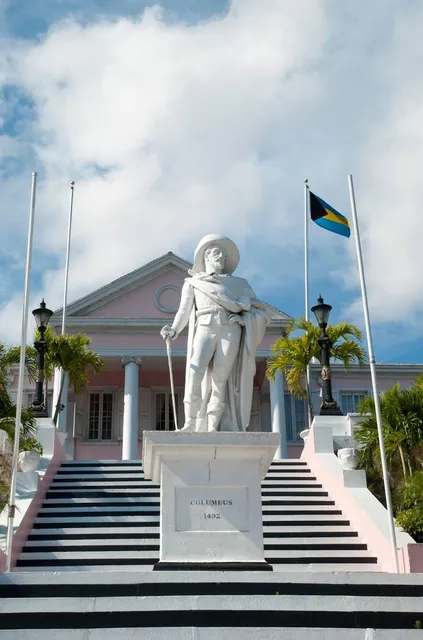
Basic Info
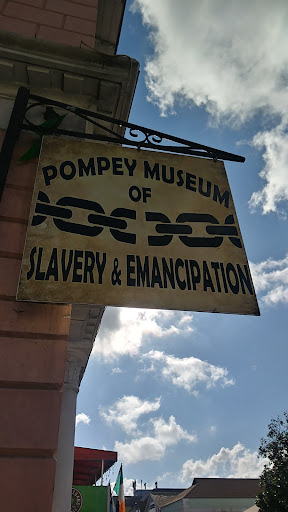
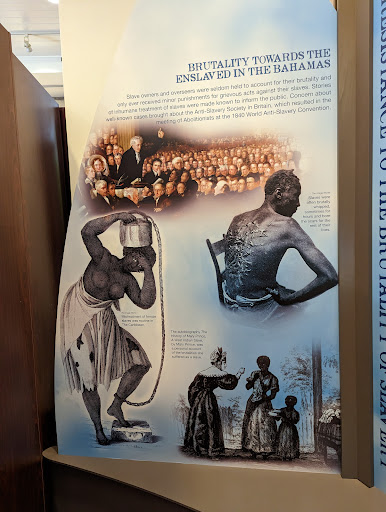
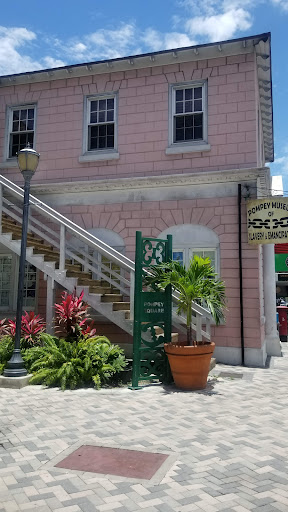
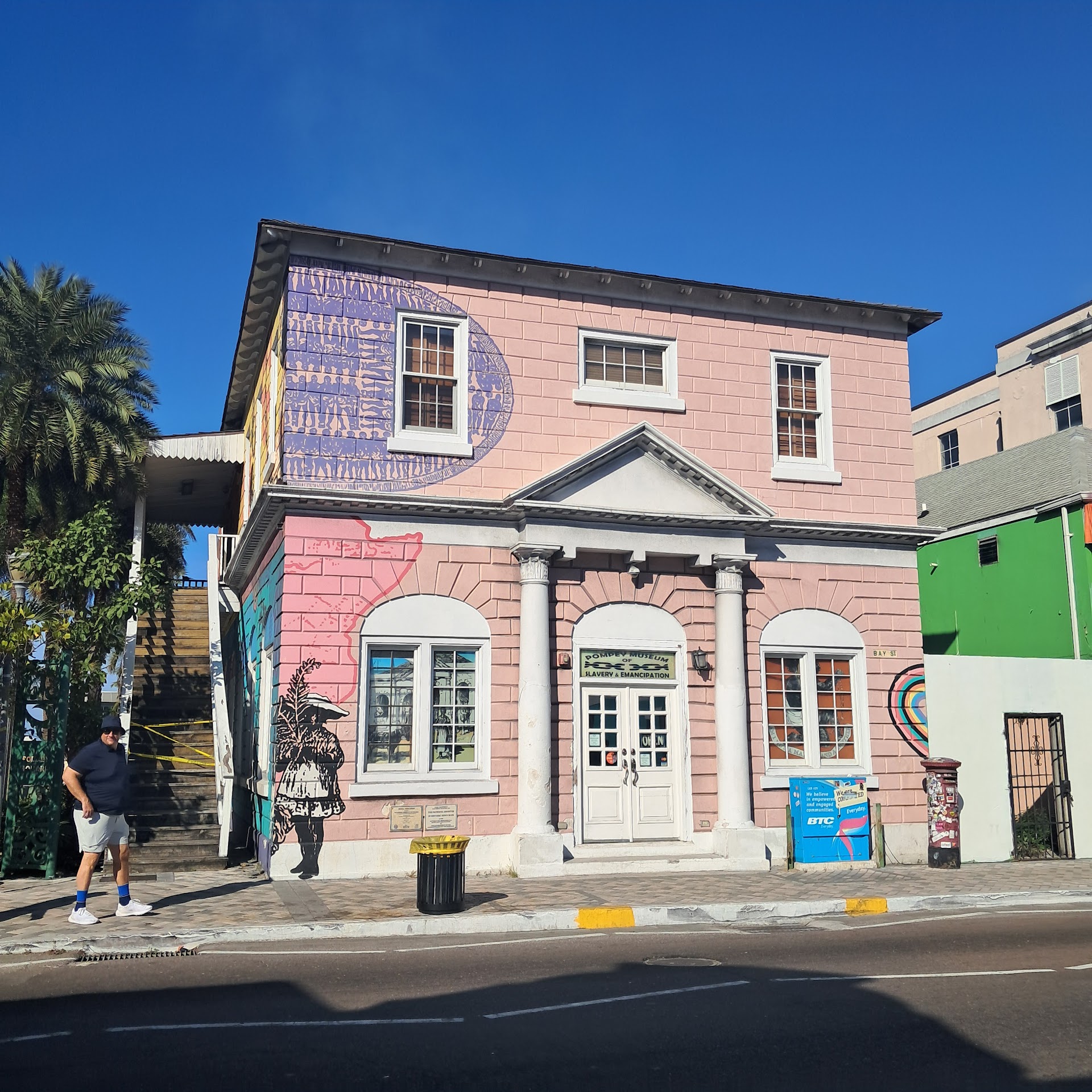
Pompey Museum
2 Bay St, Nassau, Bahamas
4.4(246)
Closed
Save
spot
spot
Ratings & Description
Info
Cultural
Family friendly
Accessibility
attractions: Nassau Straw Market, Pirates of Nassau, Pompey Square, Christ Church Anglican Cathedral, Hillside House, Government House, Majestic Tours, Parliament Square, Graycliff Cigar Company, Heritage Museum Of The Bahamas, restaurants: Señor Frog's | Nassau, Shenanigans Irish Bar, Gourmet Seafood House, Captain's Deck, Tropicana Bar, Smuggler's Restaurant, Main Street Ice Cream Parlor, Oku Sushi Bar, Sharkeez Bar and Grill, Sugar Rush Lounge Nassau, local businesses: Kay's Fine Jewelry, I Dream of Sugar, Allure Jewels International, KINDWalk | Nassau Historical & Cultural Walking Tour, Salty Souvenirs Dog, Nassau Bahamas Cruise Terminal, Effy Jewelry - Nassau - 19, Gregory's, Joannsouvenirs Bahamas, Blackbeard's Escape
 Learn more insights from Wanderboat AI.
Phone
+1 242-326-1007
Website
ammcbahamas.org
Open hoursSee all hours
Wed9:30 AM - 4:30 PMClosed
Plan your stay

Pet-friendly Hotels in New Providence
Find a cozy hotel nearby and make it a full experience.

Affordable Hotels in New Providence
Find a cozy hotel nearby and make it a full experience.

The Coolest Hotels You Haven't Heard Of (Yet)
Find a cozy hotel nearby and make it a full experience.

Trending Stays Worth the Hype in New Providence
Find a cozy hotel nearby and make it a full experience.
Reviews
Live events

Explore Nassaus flavors with a foodie
Thu, Feb 26 • 10:30 AM
Nassau, New Providence, Bahamas
View details
Nearby attractions of Pompey Museum
Nassau Straw Market
Pirates of Nassau
Pompey Square
Christ Church Anglican Cathedral
Hillside House
Government House
Majestic Tours
Parliament Square
Graycliff Cigar Company
Heritage Museum Of The Bahamas
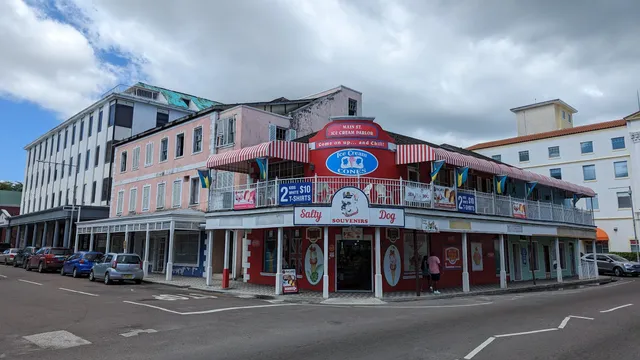
Nassau Straw Market
4.0
(3.5K)
Closed
Click for details
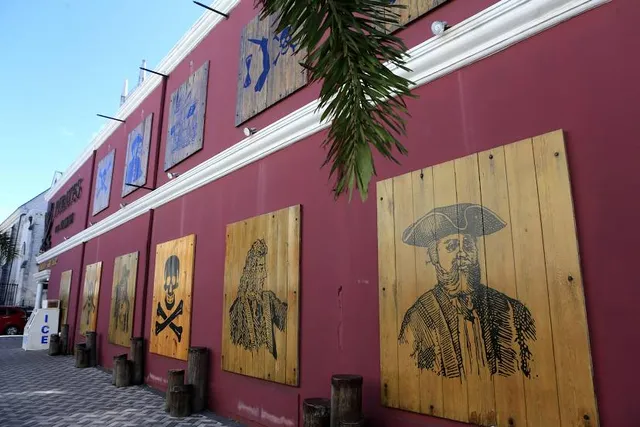
Pirates of Nassau
4.4
(730)
Closed
Click for details
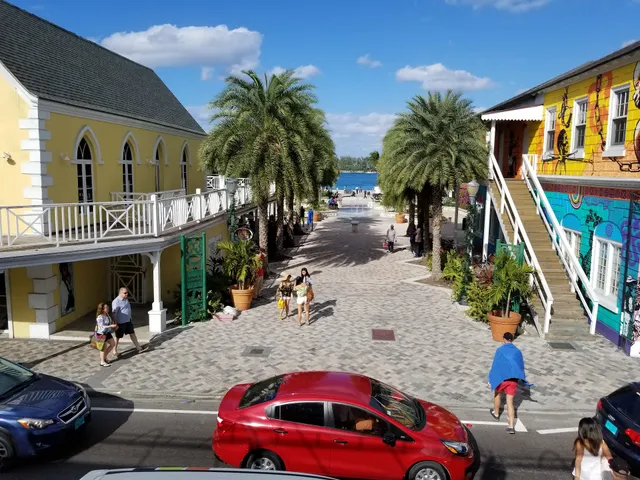
Pompey Square
4.4
(99)
Open until 12:00 AM
Click for details
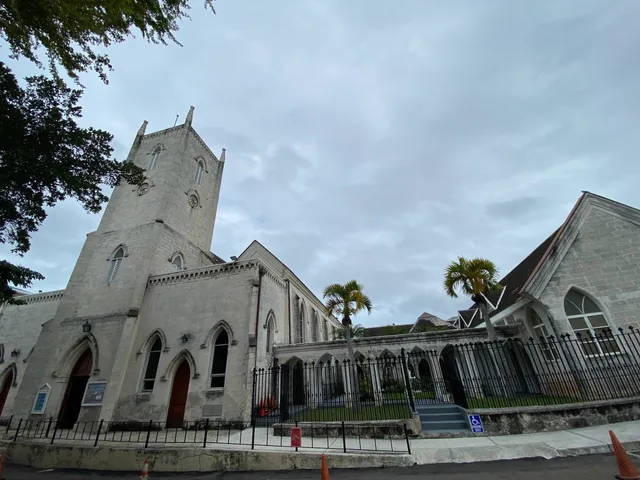
Christ Church Anglican Cathedral
4.7
(141)
Open 24 hours
Click for details
Nearby restaurants of Pompey Museum
Señor Frog's | Nassau
Shenanigans Irish Bar
Gourmet Seafood House
Captain's Deck
Tropicana Bar
Smuggler's Restaurant
Main Street Ice Cream Parlor
Oku Sushi Bar
Sharkeez Bar and Grill
Sugar Rush Lounge Nassau
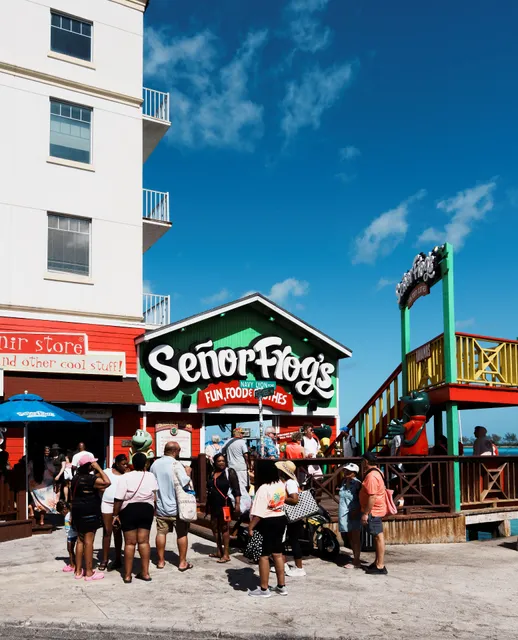
Señor Frog's | Nassau
4.3
(1.3K)
$$
Closed
Click for details
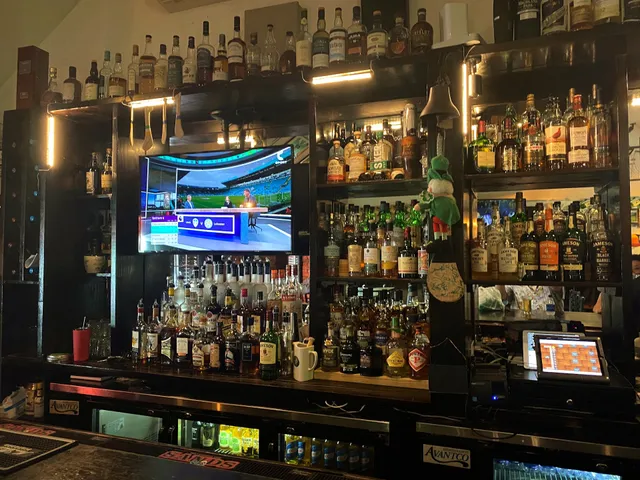
Shenanigans Irish Bar
4.4
(163)
Closed
Click for details
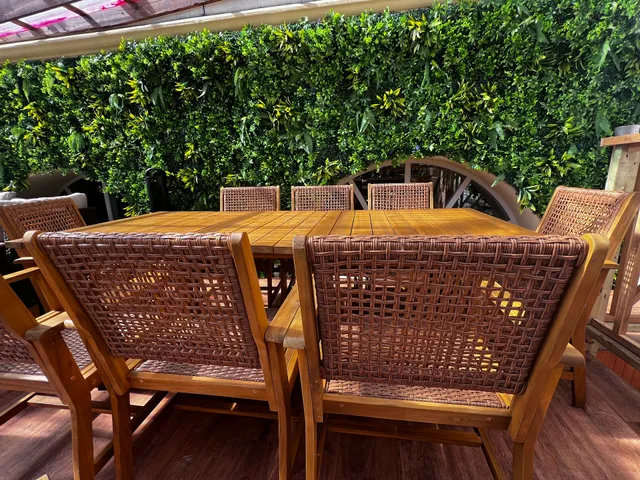
Gourmet Seafood House
4.5
(215)
Open until 10:00 PM
Click for details
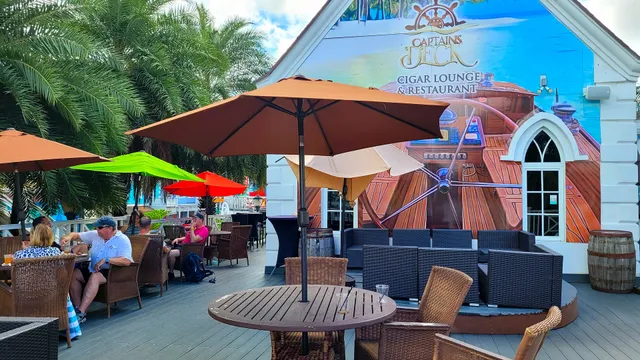
Captain's Deck
4.1
(97)
Open until 2:00 AM
Click for details
Nearby local services of Pompey Museum
Kay's Fine Jewelry
I Dream of Sugar
Allure Jewels International
KINDWalk | Nassau Historical & Cultural Walking Tour
Salty Souvenirs Dog
Nassau Bahamas Cruise Terminal
Effy Jewelry - Nassau - 19
Gregory's
Joannsouvenirs Bahamas
Blackbeard's Escape
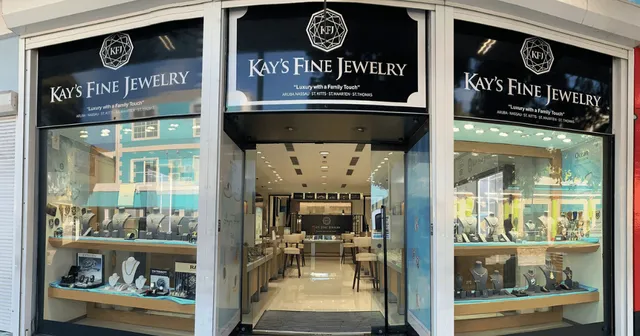
Kay's Fine Jewelry
5.0
(199)
Click for details
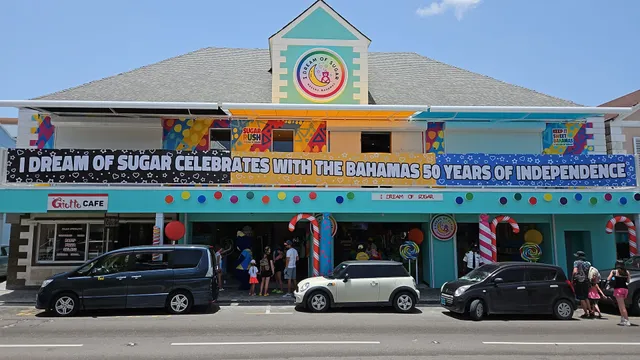
I Dream of Sugar
4.6
(95)
Click for details

Allure Jewels International
5.0
(451)
Click for details
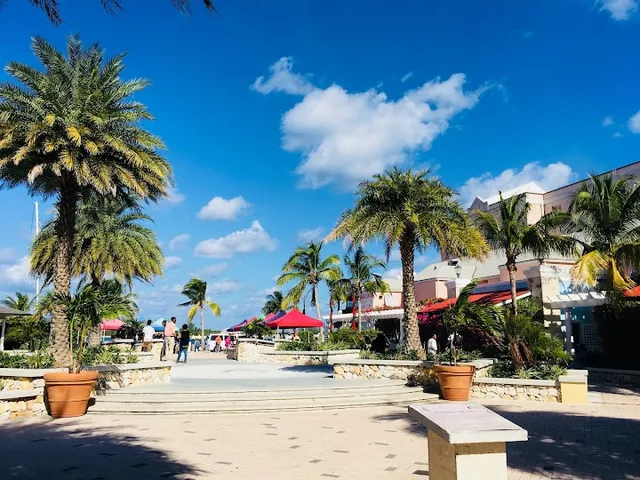
KINDWalk | Nassau Historical & Cultural Walking Tour
5.0
(47)
Click for details