Former French Mission Building things to do, attractions, restaurants, events info and trip planning

Basic Info
Former French Mission Building
No.1, 1 Battery Path, Central, Hong Kong
4.2(49)
Open 24 hours
Save
spot
spot
Ratings & Description
Info
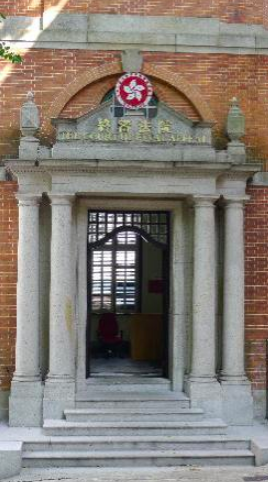
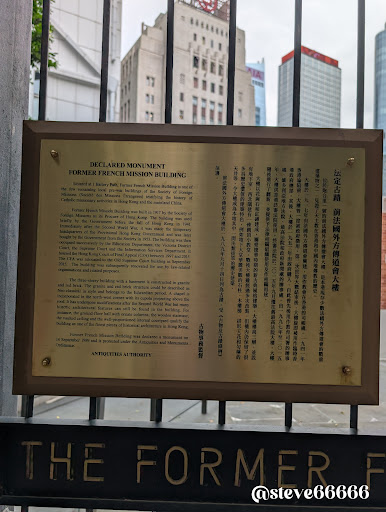
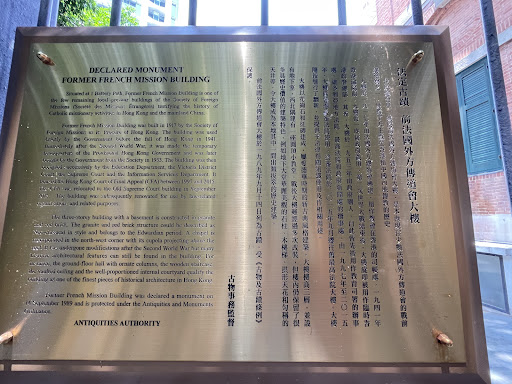
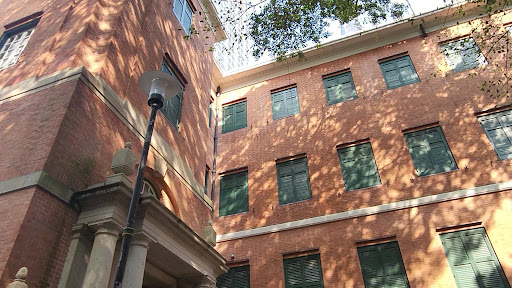
The Former French Mission Building is a declared monument located on Government Hill at 1, Battery Path, Central, Hong Kong. It housed the Court of Final Appeal of Hong Kong from 1 July 1997 to 6 September 2015.
Cultural
Scenic
Accessibility
attractions: The Peak Tram, Statue Square, Bank of China Tower, Cheung Kong Park, Chater Garden, Hong Kong City Hall, Hong Kong Park, The Helena May, Duddell Street Steps and Gas Lamps, Flagstaff House Museum of Tea Ware, restaurants: Mott 32, Popinjays, Lawry's The Prime Rib, Cipriani Hong Kong, Zuma Hong Kong, kikusan, Starbucks (Cheung Kong Center), Garden Lounge, Dot Cod Seafood Restaurant & Oyster Bar, ODDS, local businesses: St. John's Cathedral, Landmark Prince's, The Peak Tram, LANDMARK, Bank of China Building, Queen's Road Central Public Toilet, HSBC Building, Marks & Spencer, LANDMARK ALEXANDRA, Bank of China (Hong Kong) Central District Branch
 Learn more insights from Wanderboat AI.
Plan your stay

Pet-friendly Hotels in Hong Kong
Find a cozy hotel nearby and make it a full experience.

Affordable Hotels in Hong Kong
Find a cozy hotel nearby and make it a full experience.

The Coolest Hotels You Haven't Heard Of (Yet)
Find a cozy hotel nearby and make it a full experience.

Trending Stays Worth the Hype in Hong Kong
Find a cozy hotel nearby and make it a full experience.
Reviews
Live events
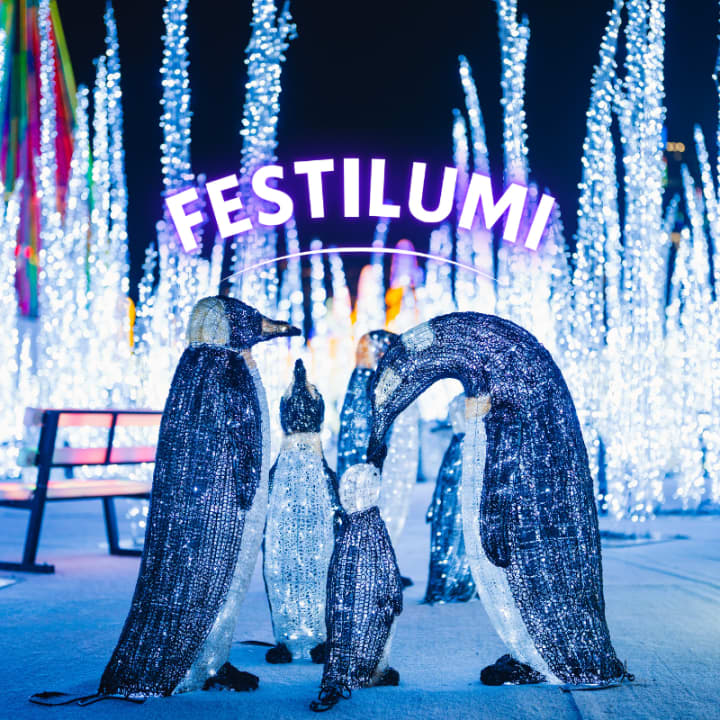
Festilumi - 香港
Tue, Feb 10 • 6:30 PM
3 Hung Hing Rd, Wan Chai, 00000
View details
Hong Kong Detective Game: Join the Secret Society!
Sun, Feb 1 • 12:00 AM
Statue Square, Des Voeux Rd Central, Central, Hong Kong, 75J5+CW
View details
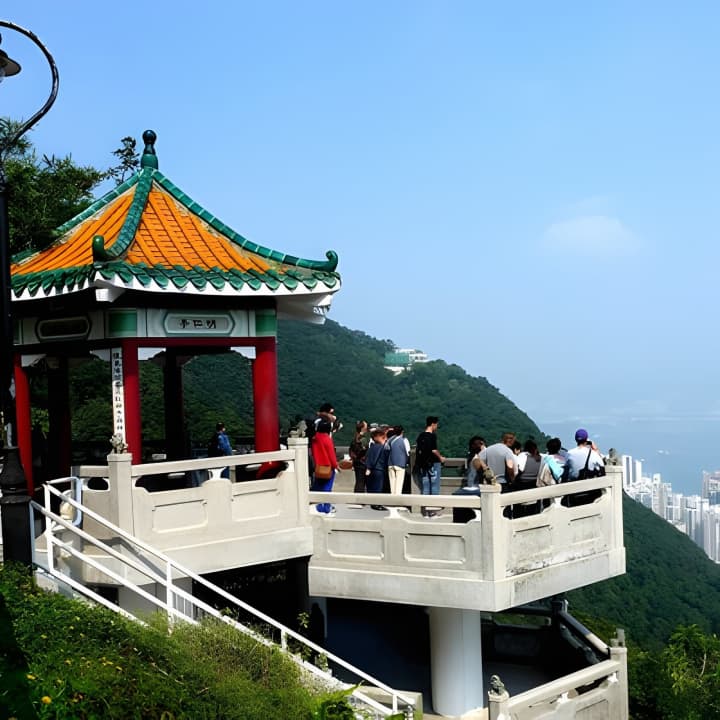
维多利亚山顶参加语音导览,经半山扶手电梯登上山顶
Tue, Feb 10 • 12:00 AM
中環租庇利街
View details
Nearby attractions of Former French Mission Building
The Peak Tram
Statue Square
Bank of China Tower
Cheung Kong Park
Chater Garden
Hong Kong City Hall
Hong Kong Park
The Helena May
Duddell Street Steps and Gas Lamps
Flagstaff House Museum of Tea Ware
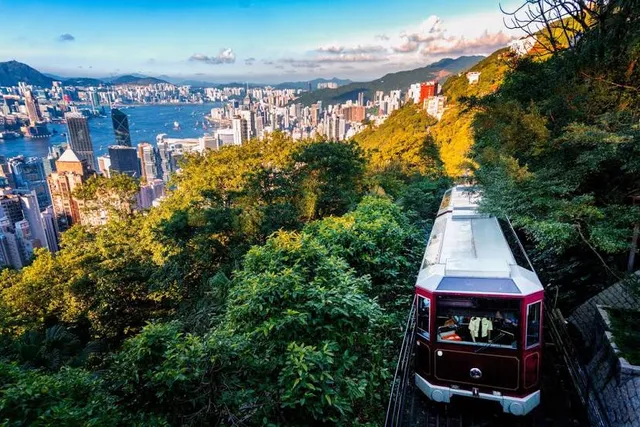
The Peak Tram
4.3
(9.5K)
Open until 11:00 PM
Click for details
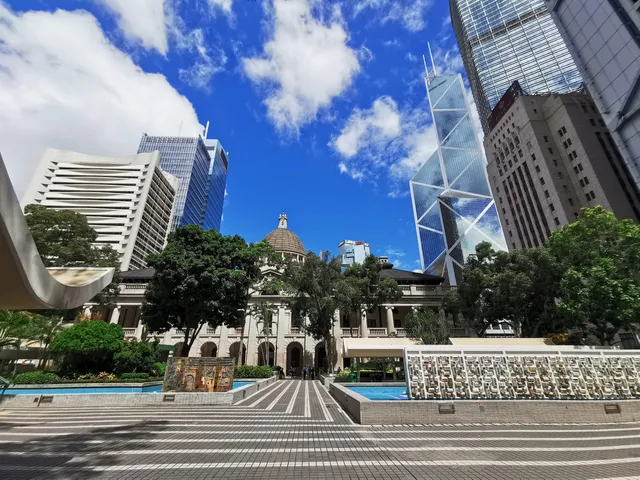
Statue Square
4.1
(1.6K)
Open until 12:00 AM
Click for details
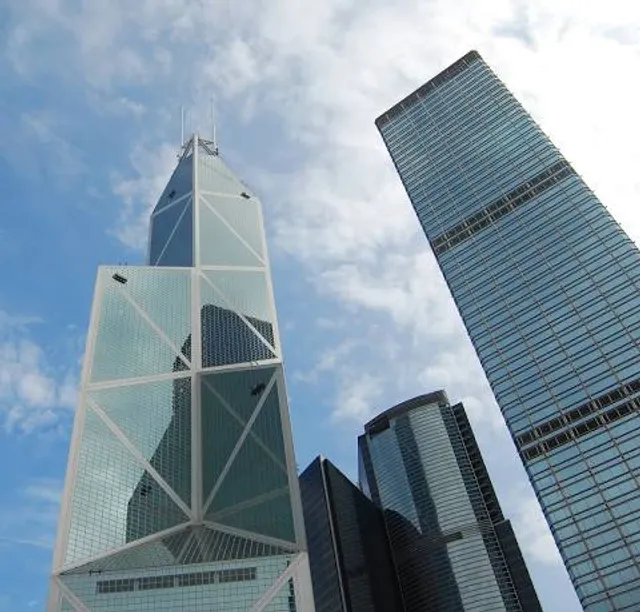
Bank of China Tower
4.1
(990)
Open 24 hours
Click for details
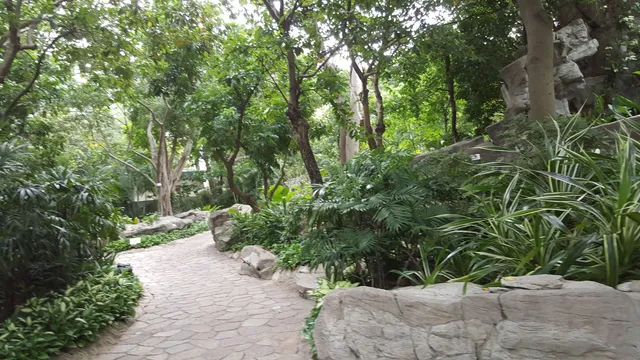
Cheung Kong Park
4.4
(73)
Open until 12:00 AM
Click for details
Nearby restaurants of Former French Mission Building
Mott 32
Popinjays
Lawry's The Prime Rib
Cipriani Hong Kong
Zuma Hong Kong
kikusan
Starbucks (Cheung Kong Center)
Garden Lounge
Dot Cod Seafood Restaurant & Oyster Bar
ODDS
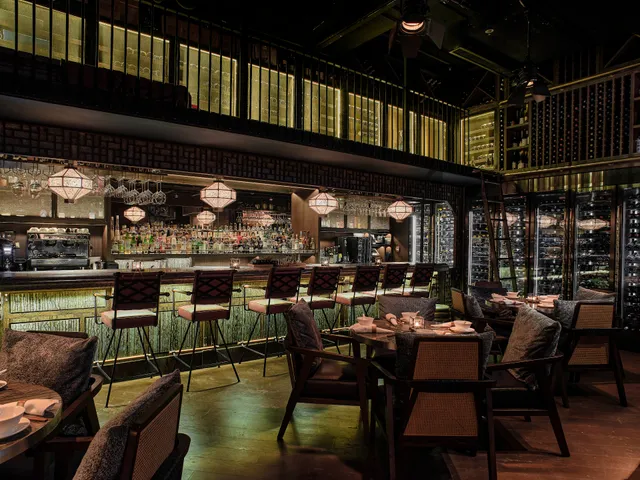
Mott 32
4.4
(1.0K)
$$$$
Closed
Click for details
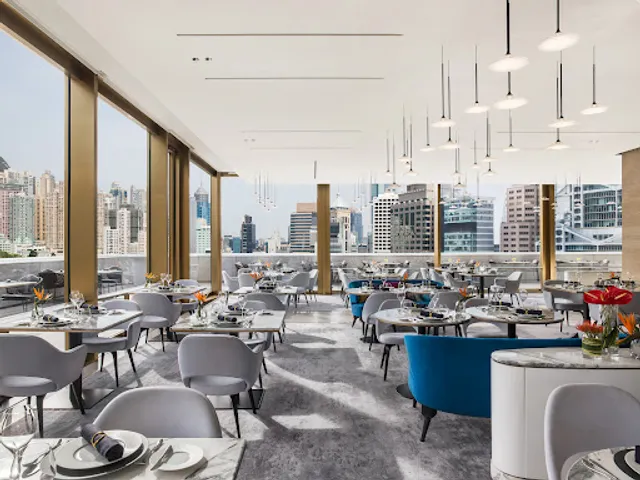
Popinjays
4.3
(362)
Open until 12:00 AM
Click for details
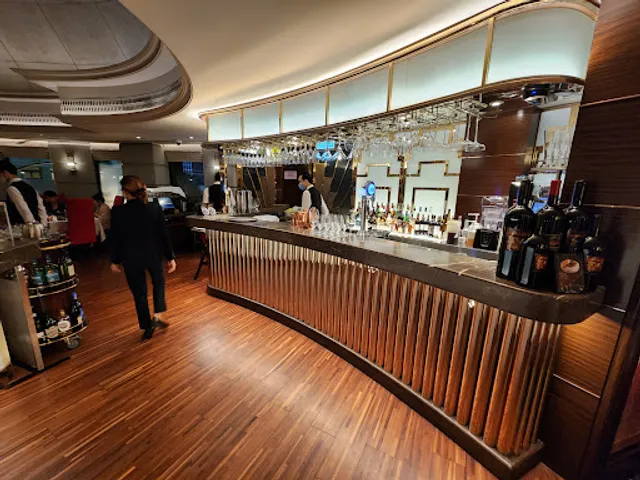
Lawry's The Prime Rib
4.3
(391)
Closed
Click for details
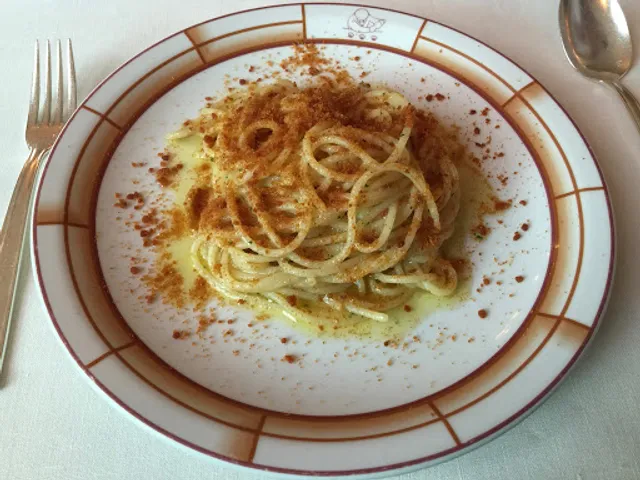
Cipriani Hong Kong
4.4
(134)
Open until 11:00 PM
Click for details
Nearby local services of Former French Mission Building
St. John's Cathedral
Landmark Prince's
The Peak Tram
LANDMARK
Bank of China Building
Queen's Road Central Public Toilet
HSBC Building
Marks & Spencer
LANDMARK ALEXANDRA
Bank of China (Hong Kong) Central District Branch
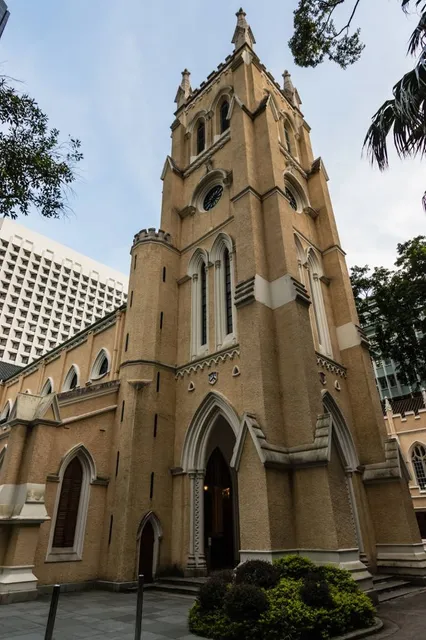
St. John's Cathedral
4.5
(686)
Click for details
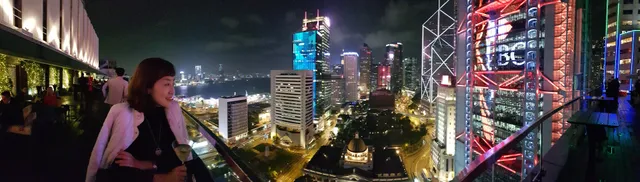
Landmark Prince's
4.0
(852)
Click for details
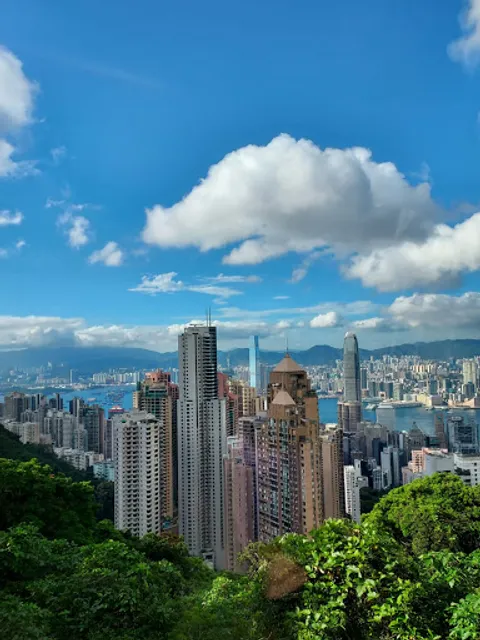
The Peak Tram
3.8
(226)
Click for details
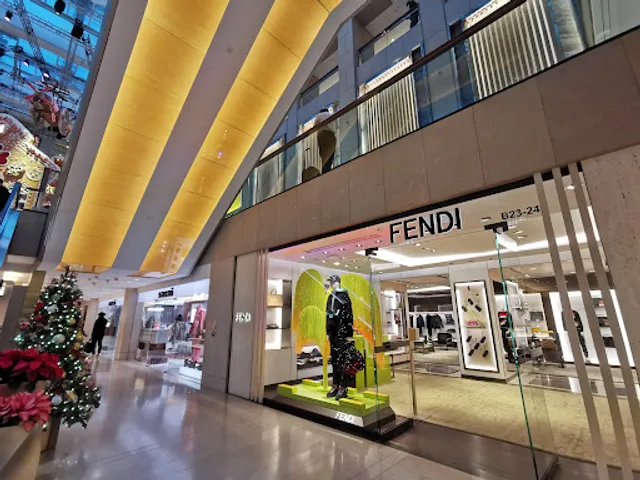
LANDMARK
4.2
(743)
Click for details