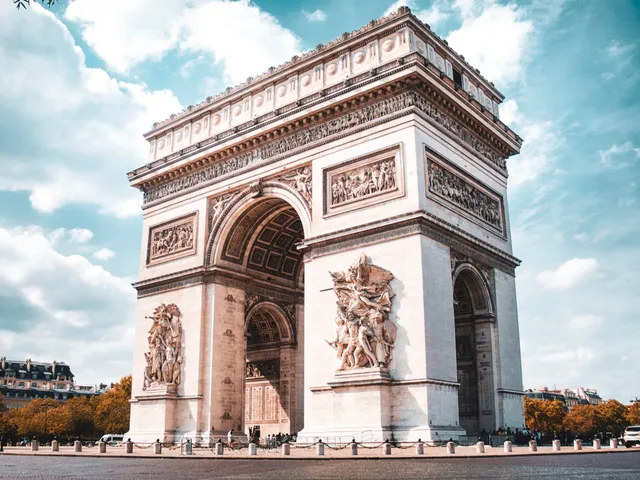
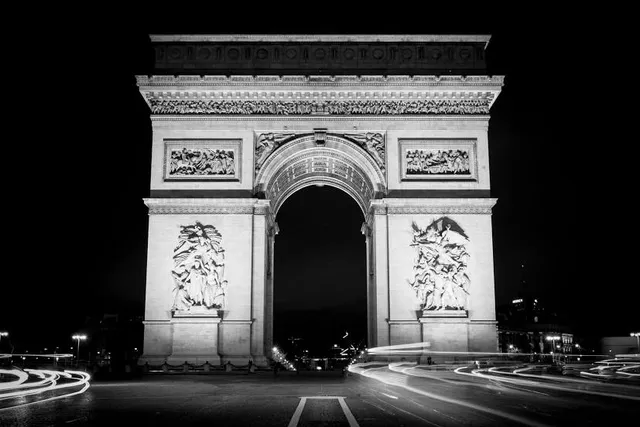
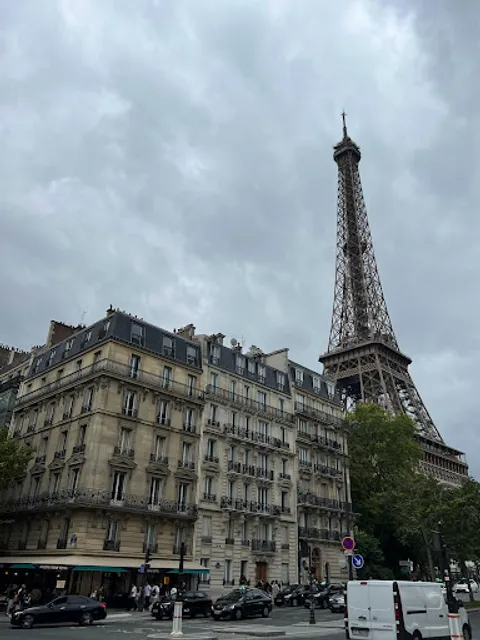
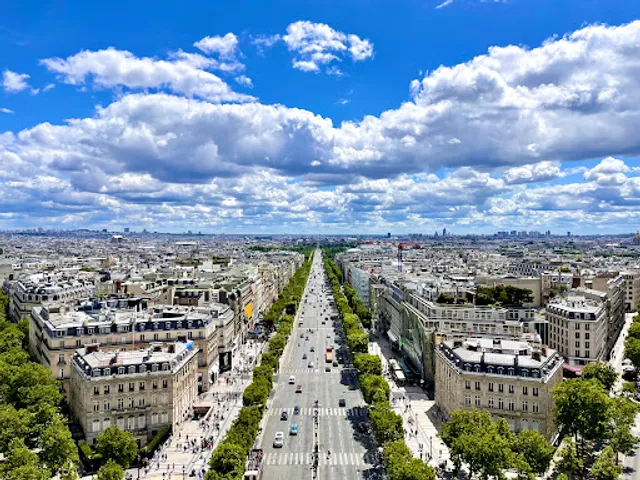
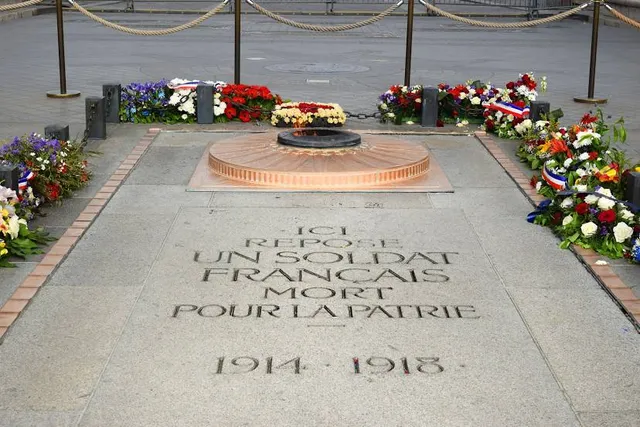
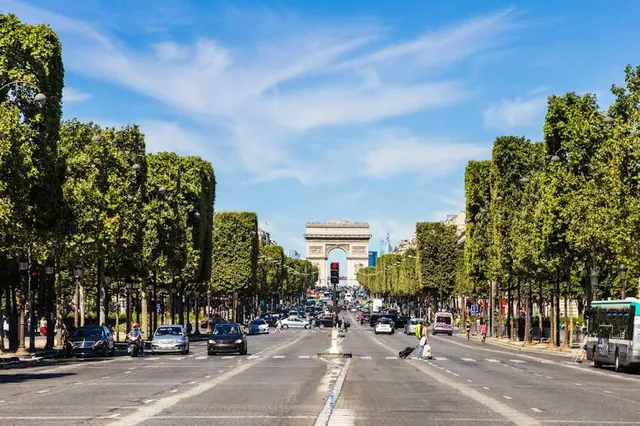
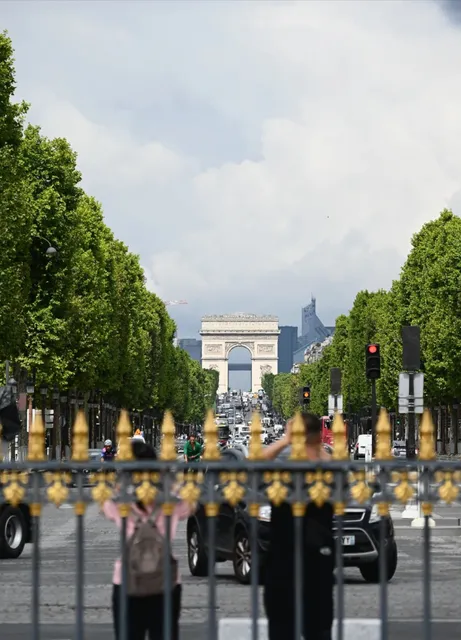
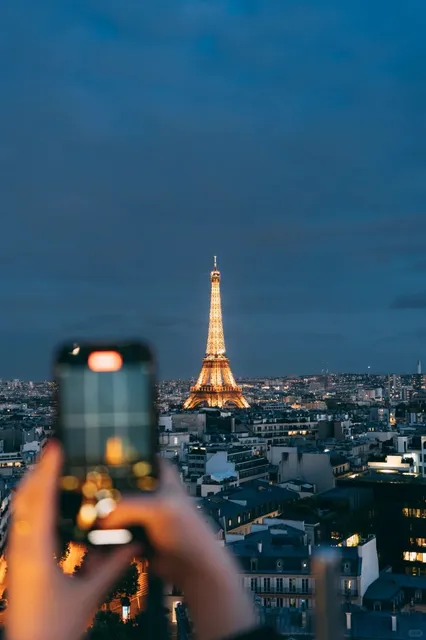
An Unforgettable Ascent: A Review of the Arc de Triomphe While the Eiffel Tower may be the most famous Parisian landmark, the Arc de Triomphe offers an equally spectacular, and in some ways more rewarding, experience. Standing proudly at the western end of the Champs-Élysées, the Arc is a powerful symbol of French history and a superb vantage point for soaking in the city's unique layout. The Experience: From Street-Level Grandeur to Rooftop Vistas Approaching the Arc de Triomphe from the Champs-Élysées is a dramatic and iconic walk. However, a crucial piece of advice is to never attempt to cross the chaotic, multi-lane traffic circle that surrounds it. The only safe and correct way to access the monument is through the underground pedestrian tunnel, which can be found on the Avenue des Champs-Élysées and Avenue de la Grande Armée sides. Once inside, the experience becomes a journey. The monument's interior houses a small museum that provides a fascinating history of its construction, commissioned by Napoleon to commemorate his military victories. But the true highlight is the climb to the top. A spiral staircase of 284 steps awaits those who are able, though an elevator is available for the initial part of the ascent for those with mobility issues. The climb is a workout, but the reward is immense. The View: The Best in Paris? The panoramic views from the Arc de Triomphe's rooftop observation deck are, in my opinion, unrivaled. Unlike the Eiffel Tower, from which you can't see the Eiffel Tower itself, the Arc provides a perfect vantage point to view the iconic Iron Lady, particularly at sunset when her nightly light show begins. The real magic, however, lies in the "Étoile" (star) of avenues that radiate out from the central roundabout. You'll see the perfectly aligned Champs-Élysées stretching out below you, and a dozen other grand boulevards branching off like spokes on a wheel. It's a breathtaking display of urban planning and a truly unique perspective of the city. A Place of Remembrance Beneath the Arc de Triomphe lies the Tomb of the Unknown Soldier from World War I. An eternal flame, first lit in 1923, is rekindled every evening at 6:30 PM in a moving and solemn ceremony. This adds a profound layer of meaning to the visit, transforming it from a simple tourist attraction into a place of national memory and pride. Practical Tips for Your Visit Book in Advance: Like most popular Paris attractions, buying your ticket online beforehand is highly recommended to avoid long queues. Visit at Sunset: The views are spectacular at any time of day, but the golden hour before sunset offers incredible photo opportunities and the chance to see the city lights begin to twinkle. Plan for the Stairs: Wear comfortable shoes and be prepared for the climb. The journey up is part of the experience. Tomb of the Unknown Soldier: Don't miss the nightly flame-rekindling ceremony. It's a brief but powerful moment of respect and is free to attend from outside the monument. Final Verdict The Arc de Triomphe is a must-do for any visitor to Paris. It offers not only a stunning architectural marvel and a piece of history, but also one of the most magnificent and comprehensive panoramic views of the city. It's a climb well worth the effort and an experience that will stay with you long after you've returned to...
Read more⚠️ ACCESSIBILITY FAILURE – DISGRACEFUL AND MISLEADING ⚠️ I came to the Arc de Triomphe on crutches after reviewing the accessibility details online. Their website proudly boasts a Tourisme & Handicap label (Spring 2025) for accessibility across four disability categories, calling the Arc an “ambassador for inclusion.”
What I experienced was the exact opposite.
– The accessible drop-off point, clearly advertised on the website, was blocked by a massive construction crane. – The only alleged signage was a small ground-level sticker or marking, completely invisible from inside a car. There were no clear signs, no overhead indicators, and no staff to explain the situation. – I even showed my taxi driver the official information, and he still refused to drop me off — skeptical and confused, since all he could see was a construction zone. – The escalator at the nearby metro station was also out of service, leaving no viable path for someone with mobility limitations. – I wasted over two hours and significant money trying to follow their official accessibility plan — only to leave without entering.
Even if the crane installation was temporary, they should have anticipated the impact on disabled visitors. At minimum, they should have: • Posted a clear, visible sign that drop-off was still permitted, • Stationed staff at the designated entrance to redirect or assist, • Updated the website to warn visitors in advance.
This was not just a physical barrier — it was a failure of responsibility, communication, and basic respect. You cannot block the accessible entrance and pretend you’re still compliant.
Being accessible — and proudly displaying an accessibility label — does not mean you’re accessible 90% of the time, or even 99.9%. It means you are accessible 100% of the time. If access is temporarily disrupted, you have an obligation to post clear warnings online, provide visible signage on site, and inform visitors at every touchpoint. It is absolutely unacceptable to quietly block the designated entrance and assume it’s “not a big deal.” For disabled visitors, this is not a minor inconvenience — it can completely ruin their experience, physically and emotionally. That’s exactly what happened to me.
The Arc de Triomphe should not advertise itself as accessible until it actually is. Receiving an accessibility award while failing to deliver even basic accommodations is not just misleading —...
Read moreStanding proudly at the western end of the Champs-Élysées, the Arc de Triomphe is far more than just an architectural marvel; it is the pulsating heart of French national identity and history. Visiting it is not merely a photo stop, it's an immersive experience that offers one of the most profound and breathtaking perspectives in all of Paris.
The first thing that strikes you is the scale. As you approach via the underground pedestrian passage (a crucial tip: never try to cross the chaotic traffic circle above ground!), the monument grows increasingly imposing. While the view from the base is impressive, the true reward lies at the top. The climb up the 284 steps (there is a lift for those with reduced mobility, but it doesn't go all the way) is well worth the effort.
The rooftop terrace provides what is, in my opinion, the best panoramic view in Paris. Unlike the Eiffel Tower, from which the iconic structure itself is absent from the skyline, the Arc de Triomphe gives you a perfect, unobstructed 360-degree view of the city's magnificent urban planning. You can see the twelve grand avenues, including the Champs-Élysées, radiating like a star, and enjoy stunning vistas of the Eiffel Tower, Montmartre, and La Défense. It’s the perfect place to understand the layout of Paris.
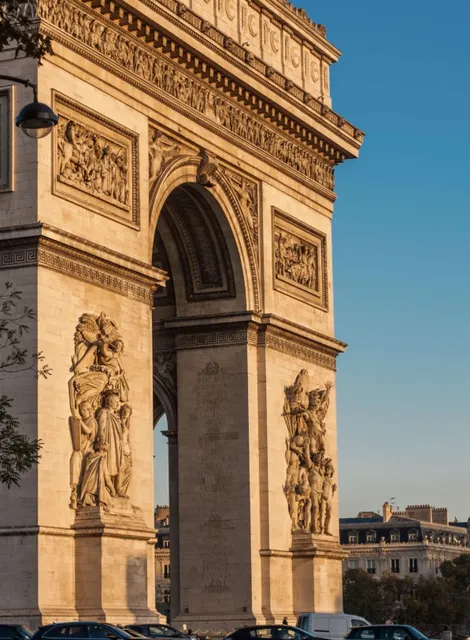
The Rooftop View: Absolutely unmissable. Go just before sunset to see the city transition from day to night. The Museum: A small but informative museum inside details the monument's history and construction. The Tomb of the Unknown Soldier: A solemn and powerful reminder of the cost of history. The Exterior Sculptures: Take time to walk around the base and admire the detailed reliefs.
The Arc de Triomphe is an essential Parisian experience. It successfully blends awe-inspiring architecture, deep historical significance, and an unparalleled visual payoff. It feels more connected to the city's history and layout than many other viewpoints.
Skip the Arc de Triomphe, and you skip the soul of Paris. It’s a monument that doesn’t just ask to be looked at, but to be understood and experienced from every angle. Allocate ressonable time to do it justice, and prepare to...
Read more