Grand Palais things to do, attractions, restaurants, events info and trip planning
Basic Info
Grand Palais
75008 Paris, France
4.5(2.4K)
Closed


tickets
Save
spot
spot
Ratings & Description
Info
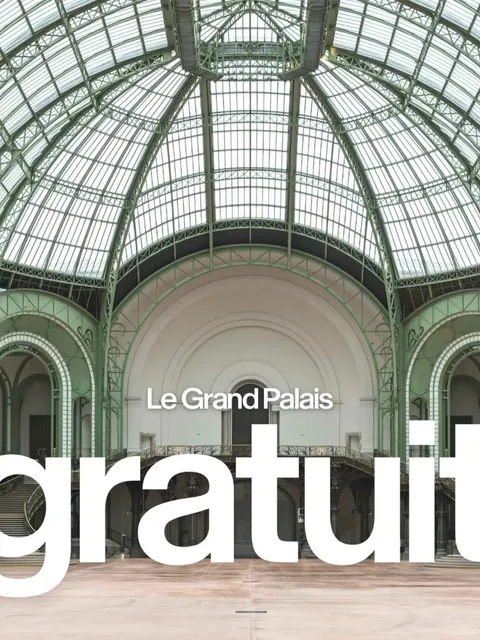
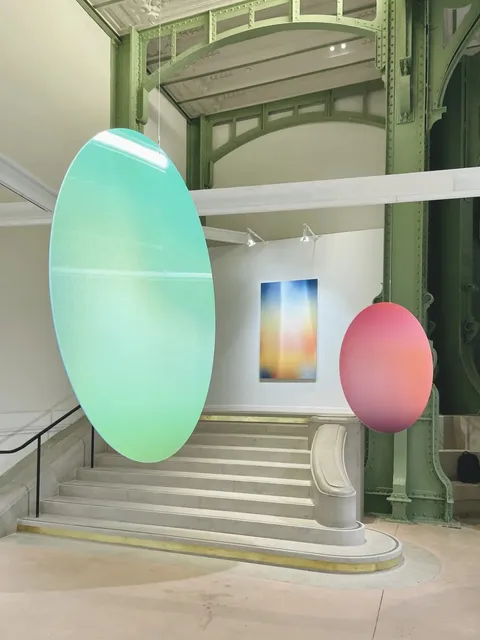
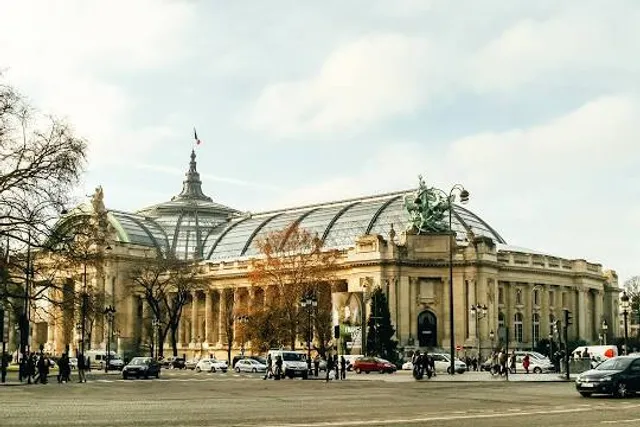
The Grand Palais des Champs-Élysées, commonly known as the Grand Palais, is a historic site, exhibition hall and museum complex located at the Champs-Élysées in the 8th arrondissement of Paris, France.
Cultural
Accessibility
attractions: Petit Palais, Palais de la Découverte, Pont Alexandre III, Petit Palais, Winston Churchill Statue, Statue du Général Charles de Gaulle, Jardin de Kyiv au Peuple Ukrainien, La Galerie Dior, Statue of Georges Clemenceau, Jardin des Champs-Élysées, restaurants: Riviera Fuga, Café 1902, Eiffel Croisières - Péniche Ivoire - Croisière bistronomique, Le Grand Café, Le Clarence, Bridge Club, Pavyllon Paris - Yannick Alléno, Rosa Bonheur sur Seine, Hôtel Le Marois, Le Flow, local businesses: Champs-Élysées–Clemenceau, France-Amériques, Equestrian Statue of Simón Bolívar, Jacquemus, Le Pavillon Elysée Té, Monument à Lafayette, DIOR Paris 30 Montaigne, Chanel, Monument à Lafayette, Librairie o. (rond-point)
 Learn more insights from Wanderboat AI.
Phone
+33 1 44 13 17 17
Website
grandpalais.fr
Open hoursSee all hours
TueClosed
Plan your stay

Pet-friendly Hotels in Paris
Find a cozy hotel nearby and make it a full experience.

Affordable Hotels in Paris
Find a cozy hotel nearby and make it a full experience.

The Coolest Hotels You Haven't Heard Of (Yet)
Find a cozy hotel nearby and make it a full experience.

Trending Stays Worth the Hype in Paris
Find a cozy hotel nearby and make it a full experience.
Reviews
Live events
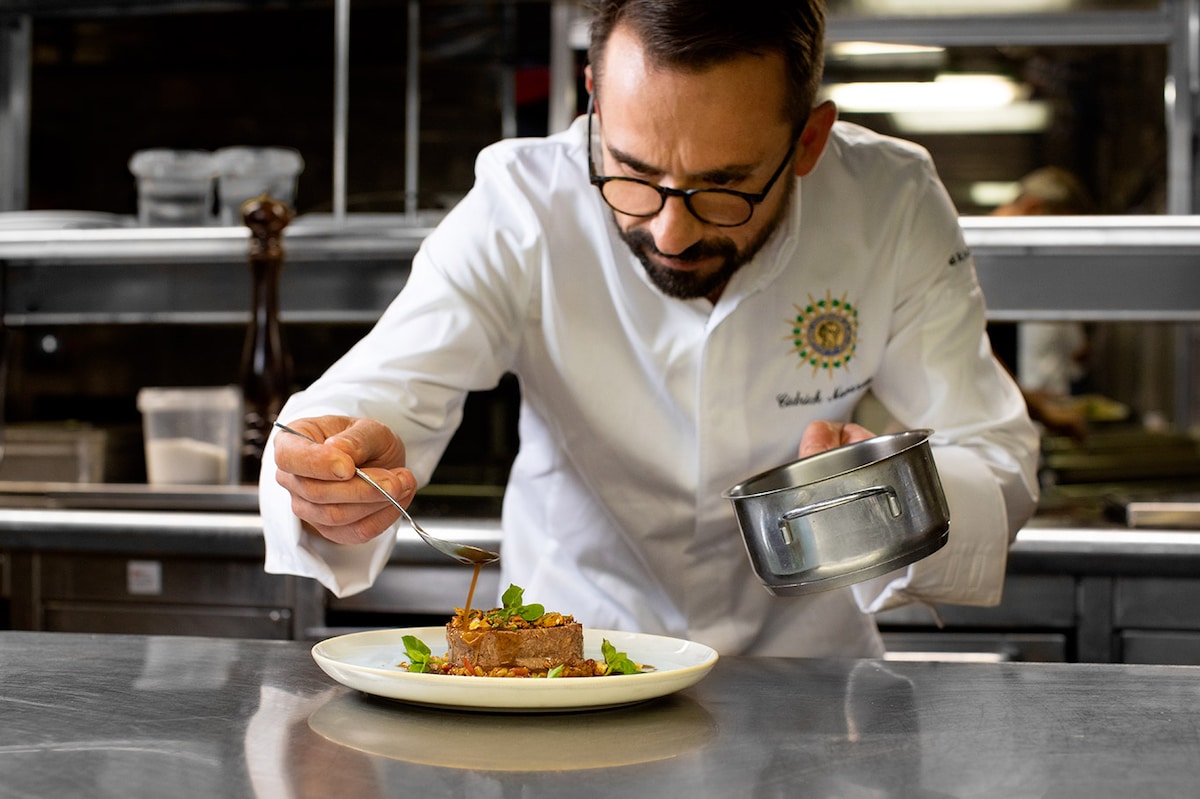
Dinner Cruise in the Heart of Paris with Music
Fri, Feb 27 • 8:30 PM
Port de la Bourdonnais 75007, Paris, France
View details

Learn to bake classic French croissants
Wed, Feb 25 • 9:00 AM
75007, Paris, France
View details
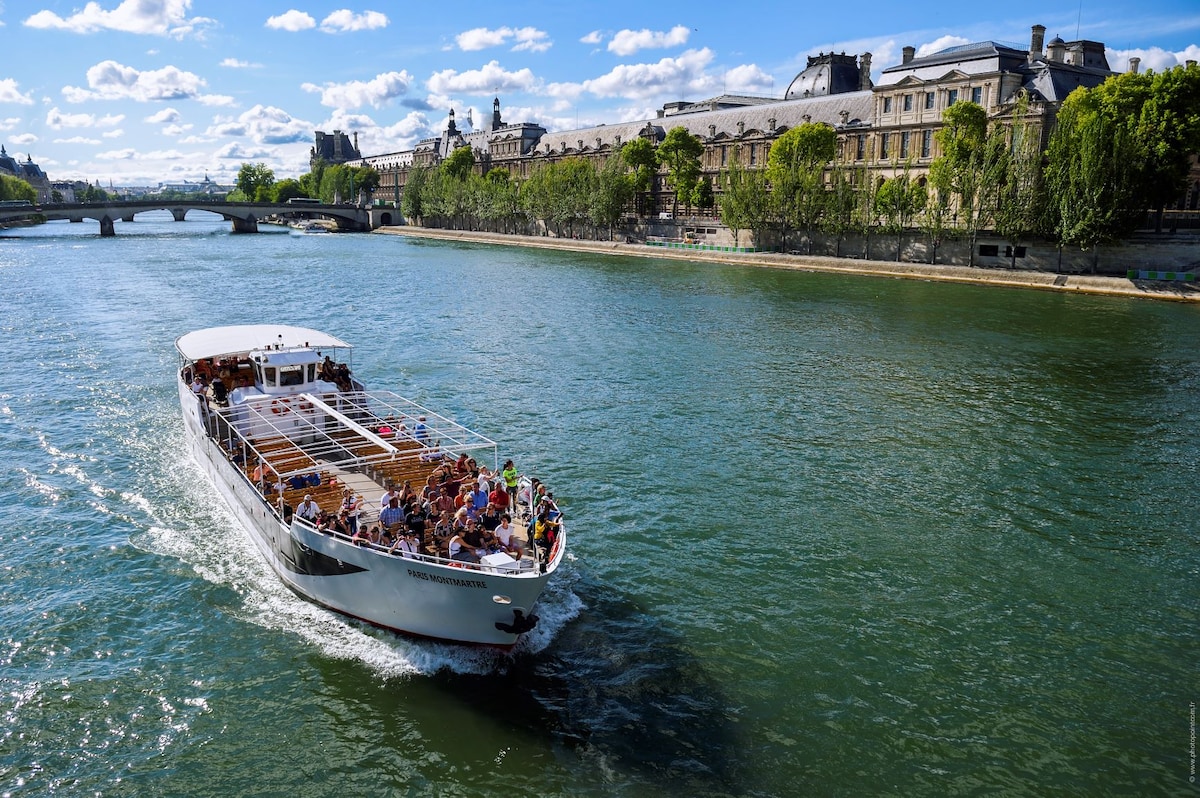
Fast-Access Seine River Cruise from Eiffel Tower
Tue, Mar 3 • 10:45 AM
75015, Paris, France
View details
Nearby attractions of Grand Palais
Petit Palais
Palais de la Découverte
Pont Alexandre III
Petit Palais
Winston Churchill Statue
Statue du Général Charles de Gaulle
Jardin de Kyiv au Peuple Ukrainien
La Galerie Dior
Statue of Georges Clemenceau
Jardin des Champs-Élysées

Petit Palais
4.7
(9.3K)
Closed
Click for details
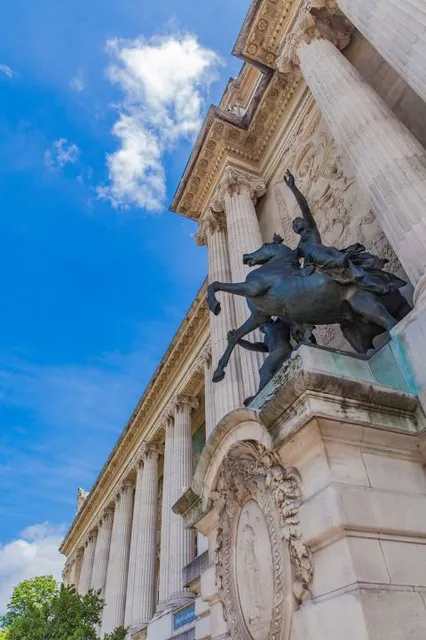
Palais de la Découverte
4.4
(2.6K)
Closed
Click for details
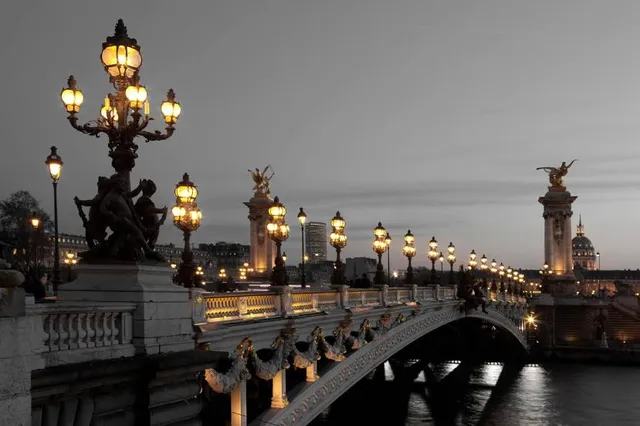
Pont Alexandre III
4.8
(14.5K)
Open 24 hours
Click for details
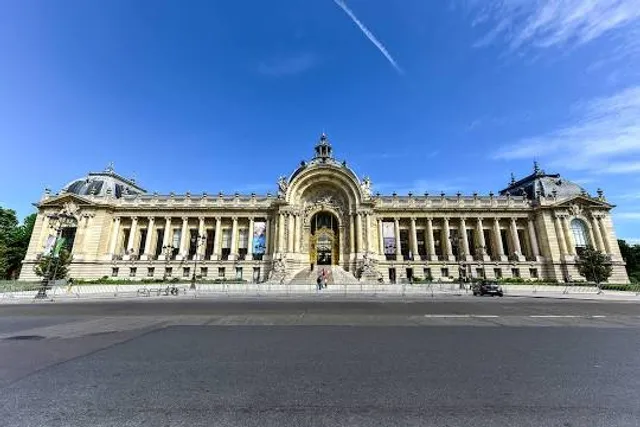
Petit Palais
4.7
(460)
Closed
Click for details
Nearby restaurants of Grand Palais
Riviera Fuga
Café 1902
Eiffel Croisières - Péniche Ivoire - Croisière bistronomique
Le Grand Café
Le Clarence
Bridge Club
Pavyllon Paris - Yannick Alléno
Rosa Bonheur sur Seine
Hôtel Le Marois
Le Flow
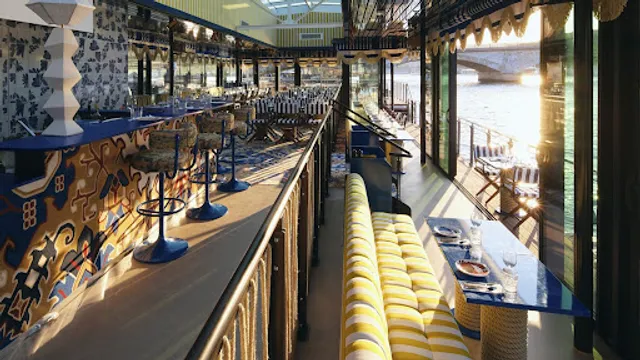
Riviera Fuga
4.8
(3.1K)
$$$
Open until 1:00 AM
Click for details
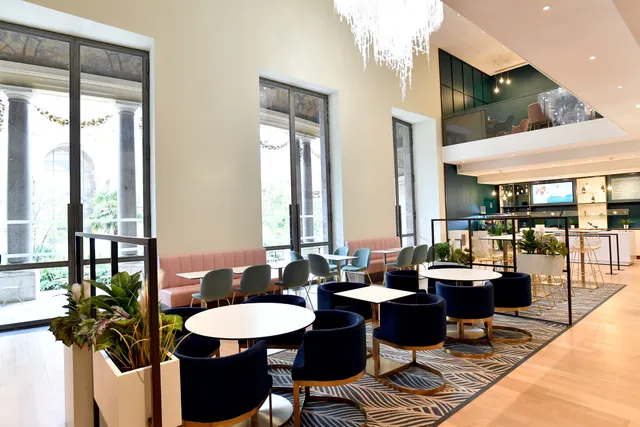
Café 1902
4.0
(436)
Closed
Click for details
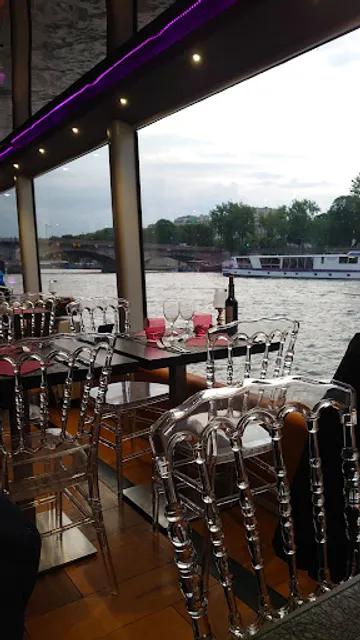
Eiffel Croisières - Péniche Ivoire - Croisière bistronomique
4.7
(2K)
Closed
Click for details
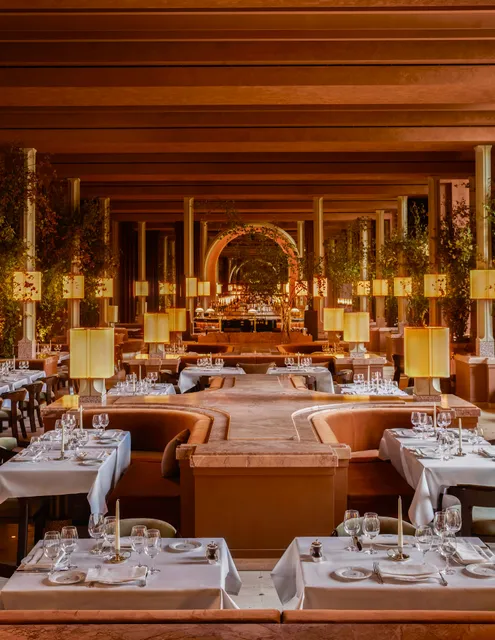
Le Grand Café
3.8
(180)
Closed
Click for details
Nearby local services of Grand Palais
Champs-Élysées–Clemenceau
France-Amériques
Equestrian Statue of Simón Bolívar
Jacquemus
Le Pavillon Elysée Té
Monument à Lafayette
DIOR Paris 30 Montaigne
Chanel
Monument à Lafayette
Librairie o. (rond-point)
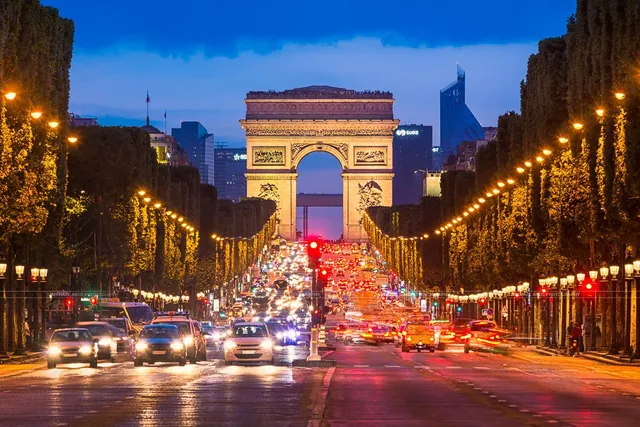
Champs-Élysées–Clemenceau
4.5
(184)
Click for details
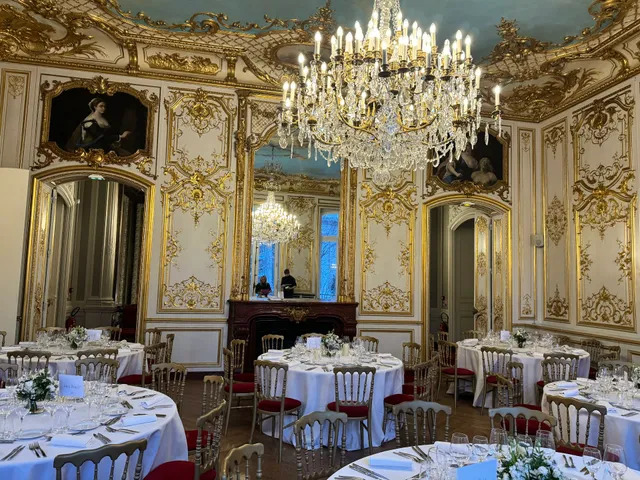
France-Amériques
4.8
(49)
Click for details
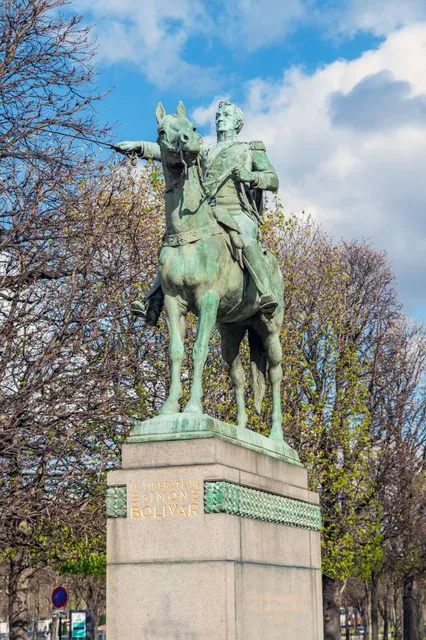
Equestrian Statue of Simón Bolívar
4.7
(46)
Click for details
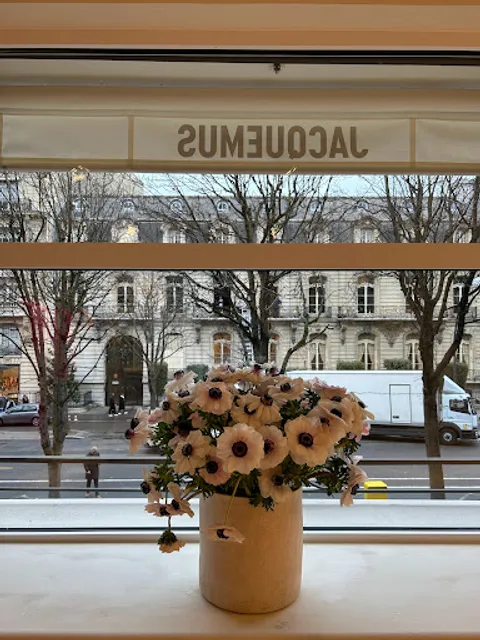
Jacquemus
3.9
(307)
Click for details