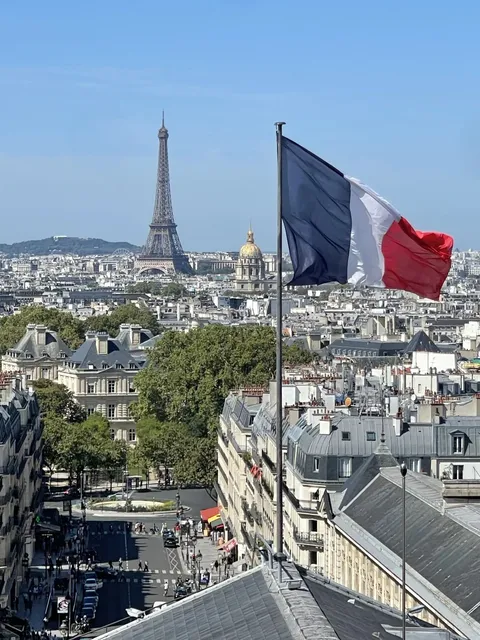
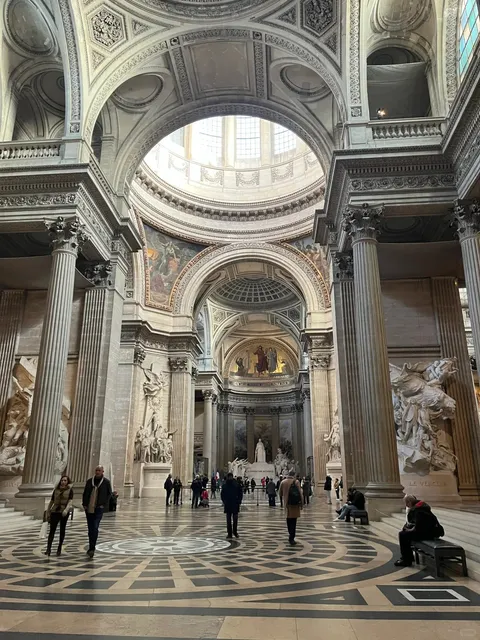
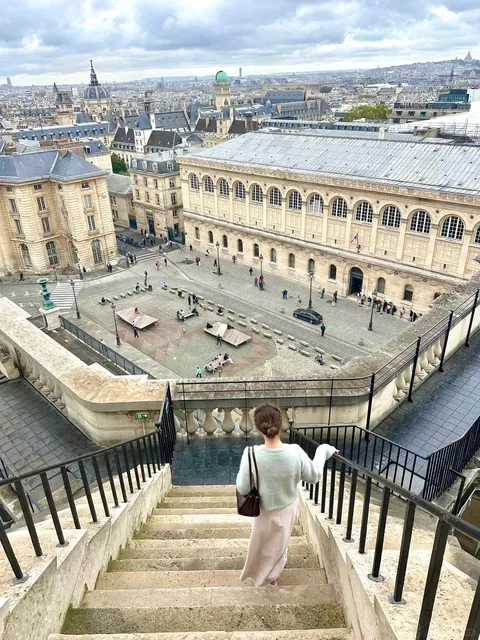
Panthéon things to do, attractions, restaurants, events info and trip planning
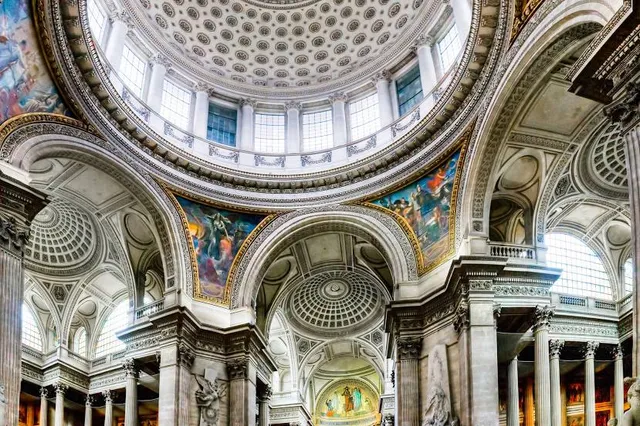
Basic Info
Panthéon
Pl. du Panthéon, 75005 Paris, France
4.6(21.7K)
Closed


tickets
Save
spot
spot
Ratings & Description
Info
The Pantheon is a former Roman temple and, since AD 609, a Catholic church in Rome, Italy. It was built on the site of an earlier temple commissioned by Marcus Agrippa during the reign of Augustus, then after that burnt down, the present building was ordered by the emperor Hadrian and probably dedicated c. AD 126.
Cultural
Accessibility
attractions: Church of Saint-Étienne-du-Mont, Bibliothèque Sainte-Geneviève, Curie Museum, Place Sainte-Geneviève, Irish Cultural Centre, Emily Cooper's Apartment, Emily in Paris, Fontaine de la Place de l’Estrapade, Musée de la Préfecture de Police de Paris, Arènes de Lutèce, restaurants: The Bombardier, Kehribar, JOZI BRUNCH Pantheon, BOULANGERIE MODERNE, L'Écurie, Le Piano Vache, Nossa Churrasqueira Paris 5, Terra Nera, Ciasa Mia, Les Pipos, local businesses: Picard, DIORN THAÏ SPA, Mairie du 5ᵉ arrondissement de Paris, Portuguese and Brazilian bookstore, Sainte-Barbe Library, Sorbonne Nouvelle University, Addisson Electricité, Paris Law Faculty, Par’Ici, Au Vieux Campeur, Institut Océanographique de Paris
 Learn more insights from Wanderboat AI.
Website
paris-pantheon.fr
Open hoursSee all hours
Fri10 AM - 6:30 PMClosed
Plan your stay

Pet-friendly Hotels in Paris
Find a cozy hotel nearby and make it a full experience.

Affordable Hotels in Paris
Find a cozy hotel nearby and make it a full experience.

The Coolest Hotels You Haven't Heard Of (Yet)
Find a cozy hotel nearby and make it a full experience.

Trending Stays Worth the Hype in Paris
Find a cozy hotel nearby and make it a full experience.
Reviews
Live events
M.C. Escher - Exposition
Fri, Feb 20 • 5:45 PM
11 quai de Conti, 75006
View details

Planète Préhistorique : Dinosaures, L’expérience immersive à l’Atelier des Lumières
Fri, Feb 20 • 6:00 PM
38 Rue Saint-Maur, 75011
View details
Paradox Museum Paris
Fri, Feb 20 • 5:15 PM
38 Boulevard des Italiens, Paris, 75009
View details
Nearby attractions of Panthéon
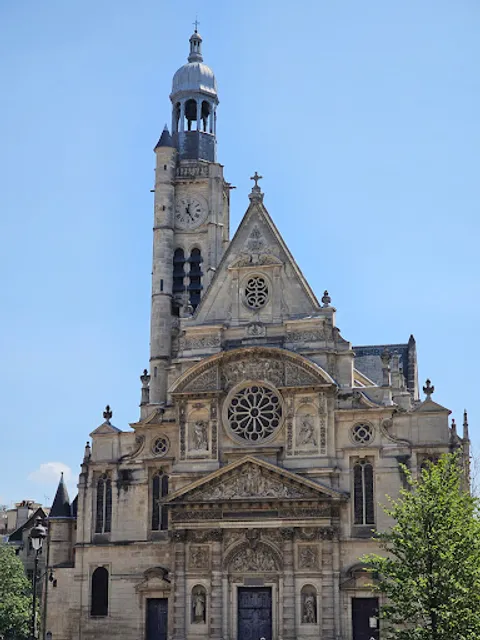
Church of Saint-Étienne-du-Mont
Bibliothèque Sainte-Geneviève
Curie Museum
Place Sainte-Geneviève
Irish Cultural Centre
Emily Cooper's Apartment
Emily in Paris
Fontaine de la Place de l’Estrapade
Musée de la Préfecture de Police de Paris
Arènes de Lutèce
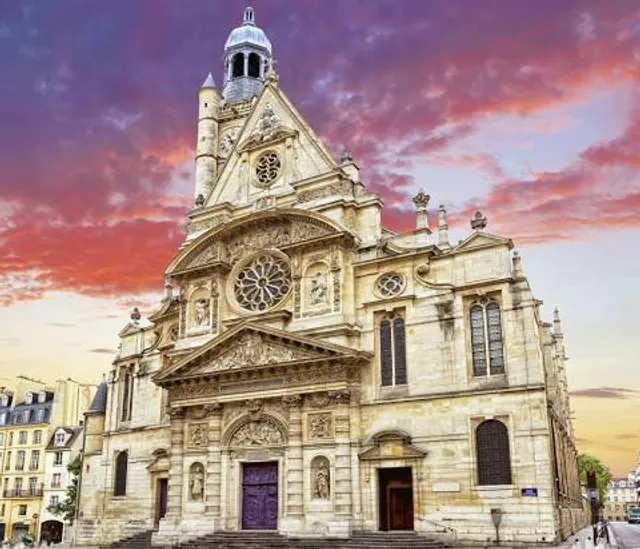
Church of Saint-Étienne-du-Mont
4.7
(1.4K)
Open until 7:30 PM
Click for details
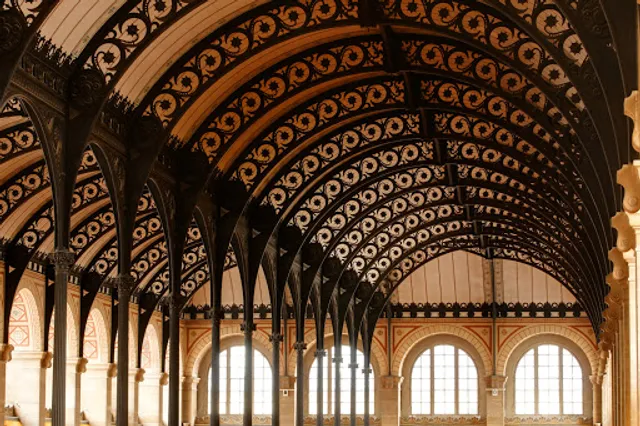
Bibliothèque Sainte-Geneviève
4.0
(357)
Open until 12:00 AM
Click for details
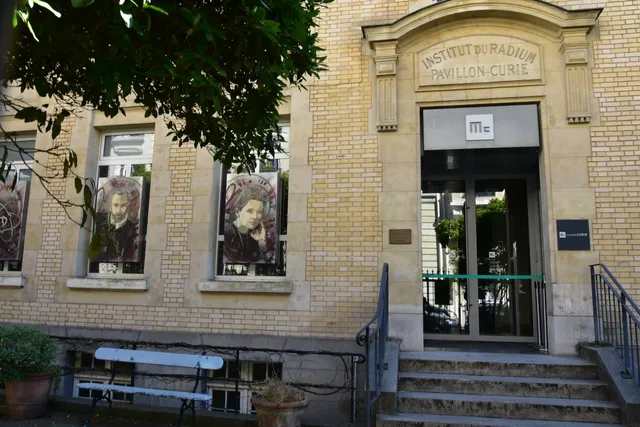
Curie Museum
4.6
(672)
Closed
Click for details
Place Sainte-Geneviève
4.8
(37)
Open 24 hours
Click for details
Nearby restaurants of Panthéon
The Bombardier
Kehribar
JOZI BRUNCH Pantheon
BOULANGERIE MODERNE
L'Écurie
Le Piano Vache
Nossa Churrasqueira Paris 5
Terra Nera
Ciasa Mia
Les Pipos
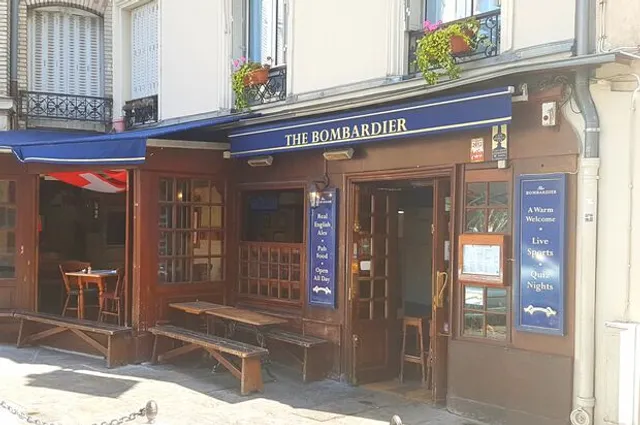
The Bombardier
4.5
(1.2K)
Open until 2:00 AM
Click for details
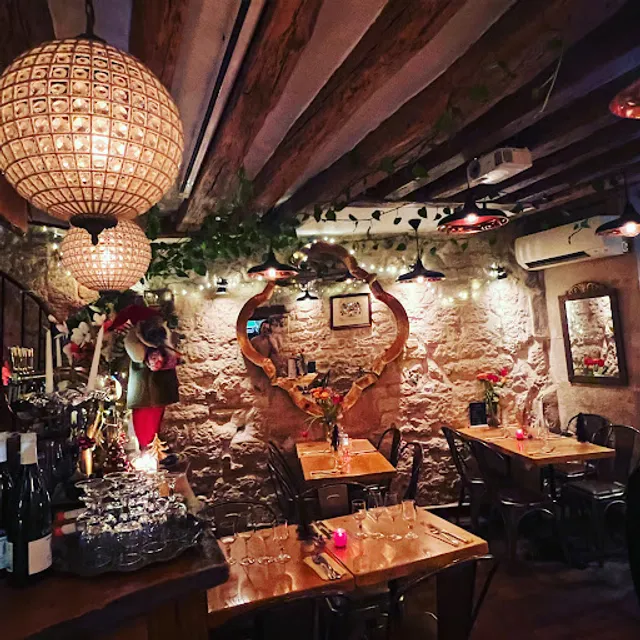
Kehribar
4.7
(2.1K)
$$
Open until 11:30 PM
Click for details
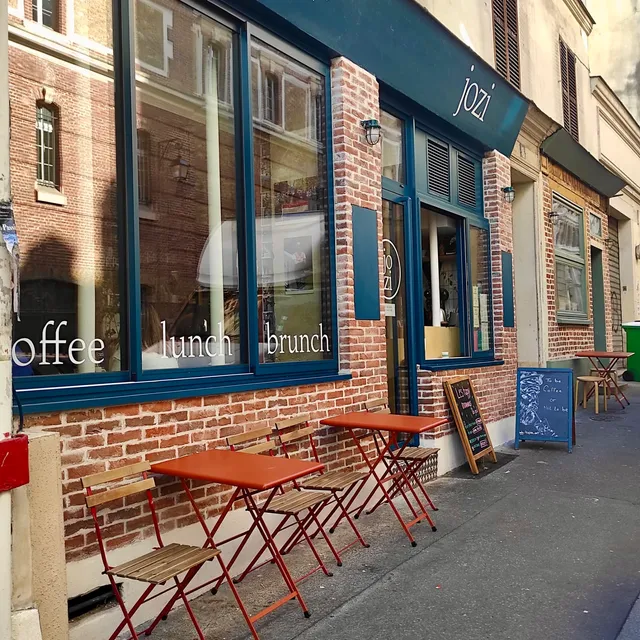
JOZI BRUNCH Pantheon
4.6
(1.1K)
Closed
Click for details
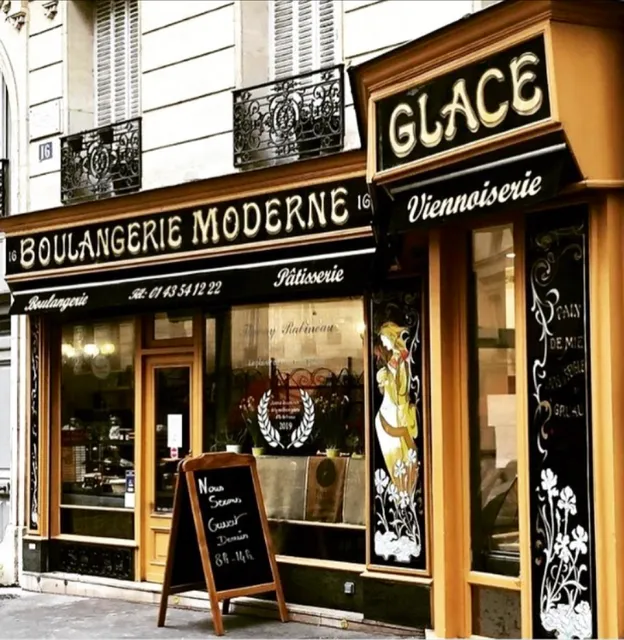
BOULANGERIE MODERNE
4.5
(913)
Open until 8:00 PM
Click for details
Nearby local services of Panthéon
Picard
DIORN THAÏ SPA
Mairie du 5ᵉ arrondissement de Paris
Portuguese and Brazilian bookstore
Sainte-Barbe Library, Sorbonne Nouvelle University
Addisson Electricité
Paris Law Faculty
Par’Ici
Au Vieux Campeur
Institut Océanographique de Paris
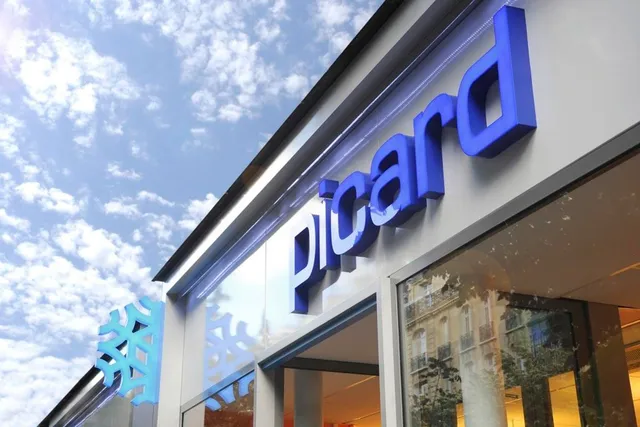
Picard
4.4
(183)
Click for details
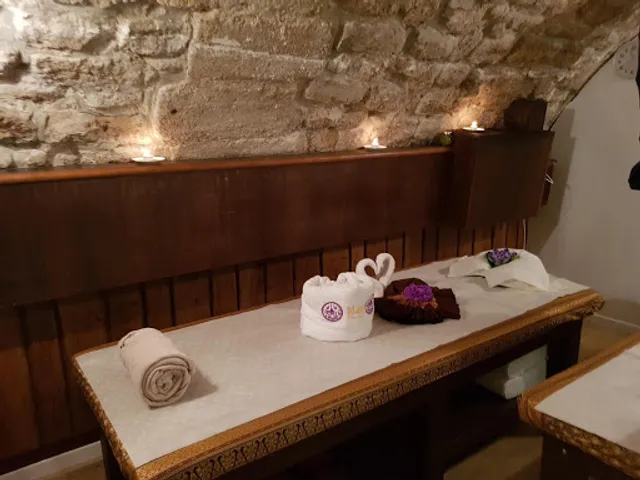
DIORN THAÏ SPA
5.0
(232)
Click for details
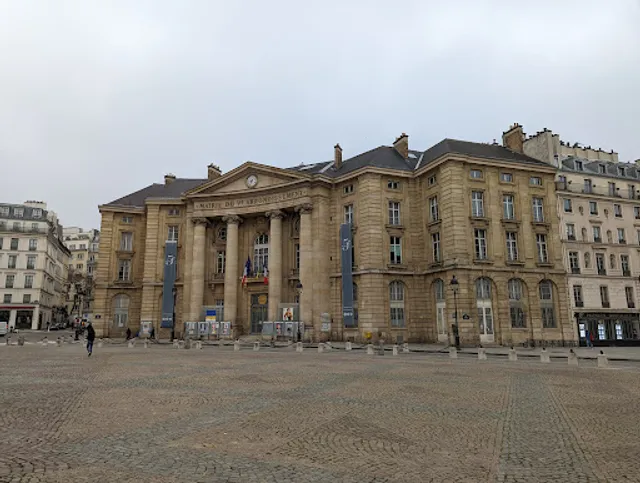
Mairie du 5ᵉ arrondissement de Paris
4.1
(200)
Click for details
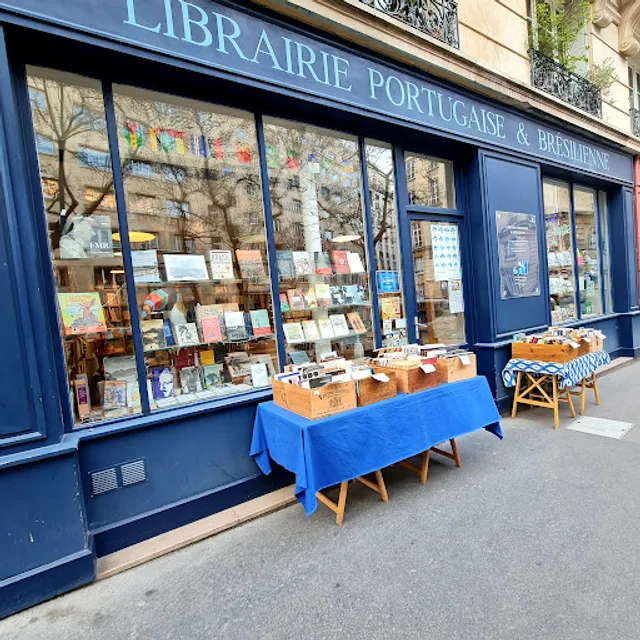
Portuguese and Brazilian bookstore
4.6
(132)
Click for details