Parish Church of Saint-Paul of Saint-Louis things to do, attractions, restaurants, events info and trip planning
Basic Info
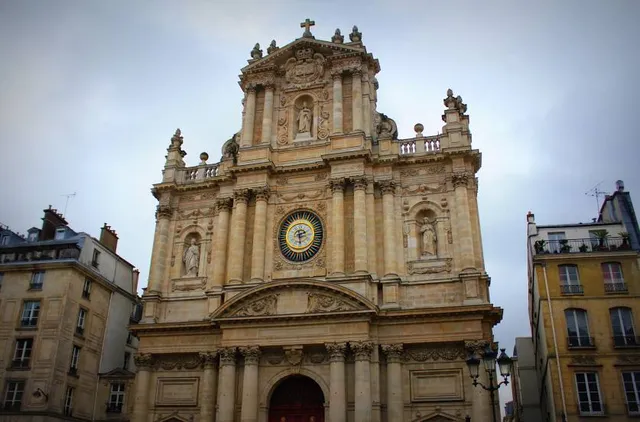
Parish Church of Saint-Paul of Saint-Louis
99 Rue Saint-Antoine, 75004 Paris, France
4.6(907)
Open until 8:00 PM
Save
spot
spot
Ratings & Description
Info
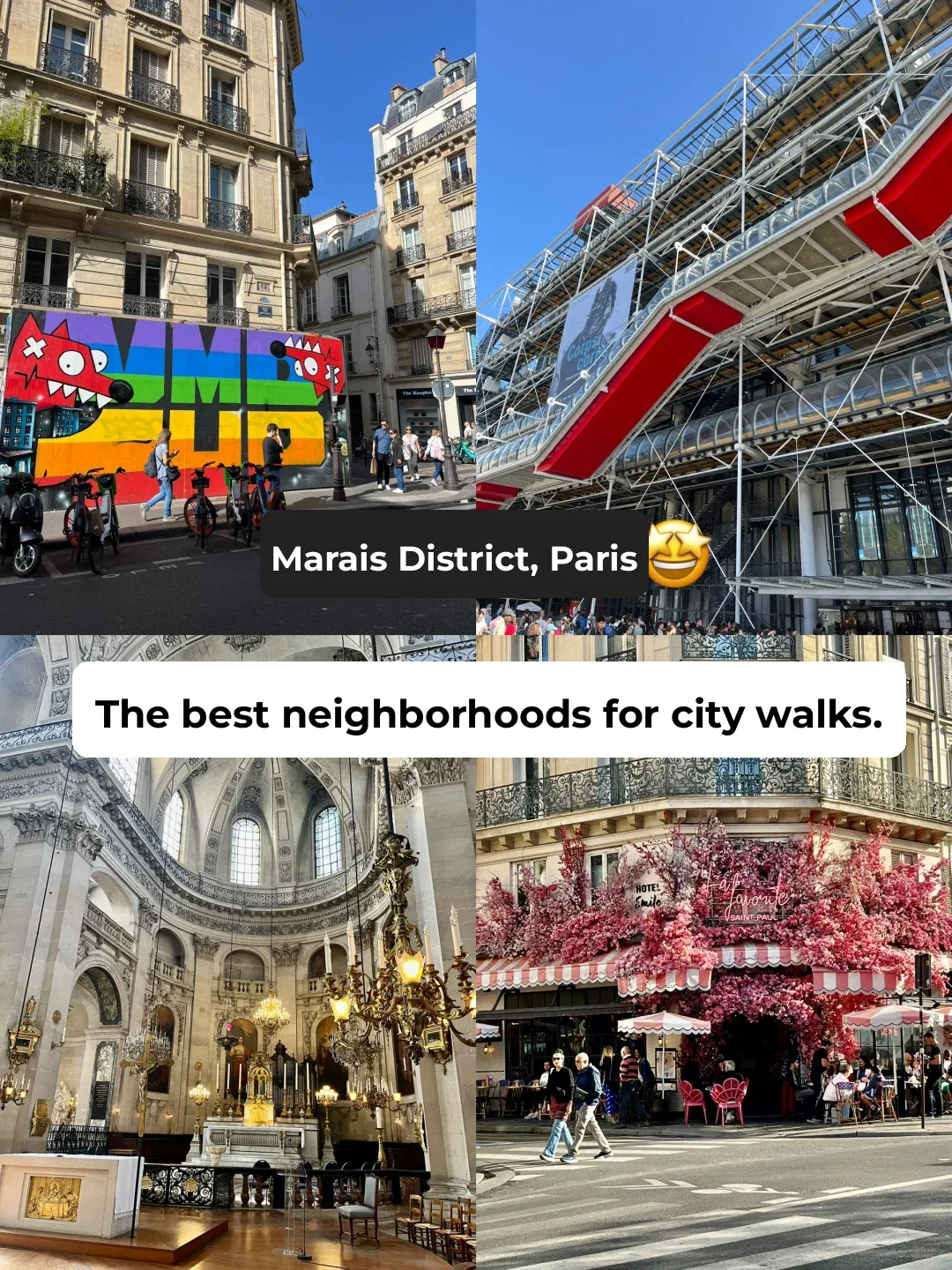
The Église Saint-Paul-Saint-Louis is a church on rue Saint-Antoine in the Marais quarter of Paris. The present building was constructed from 1627 to 1641 by the Jesuit architects Étienne Martellange and François Derand, on the orders of Louis XIII of France.
Cultural
Accessibility
attractions: Le Village Saint-Paul, Place des Vosges, Maison Européenne de la Photographie, Musée de la Magie, Place Sainte-Catherine, Musée Carnavalet, Cour et Jardin de l'Hôtel de Sully, Pont Marie, Forney Library, Agoudas Hakehilos Synagogue, restaurants: La Favorite Saint-Paul, Le Potager du Marais, Pizza momo, Chez Mademoiselle, Imperial House, Au Bouquet Saint Paul, Nostre, Breakfast in America - Marais, Pinot Grigio, Miss Manon, local businesses: Artists Hairdressers Colourists, Les Trois Chocolats, Søstrene Grene, Charlène Ramon, Ardèche à Paris, Place des Vosges, 💊 PHARMACIE DU MARAIS l Rue Saint-Antoine Paris 4ème, L' Atelier du 8, Aux comptoirs du chineur, Au Nom De La Rose
 Learn more insights from Wanderboat AI.
Phone
+33 1 42 72 30 32
Website
spsl.fr
Open hoursSee all hours
Tue8 AM - 8 PMOpen
Plan your stay

Pet-friendly Hotels in Paris
Find a cozy hotel nearby and make it a full experience.

Affordable Hotels in Paris
Find a cozy hotel nearby and make it a full experience.

The Coolest Hotels You Haven't Heard Of (Yet)
Find a cozy hotel nearby and make it a full experience.

Trending Stays Worth the Hype in Paris
Find a cozy hotel nearby and make it a full experience.
Reviews
Live events
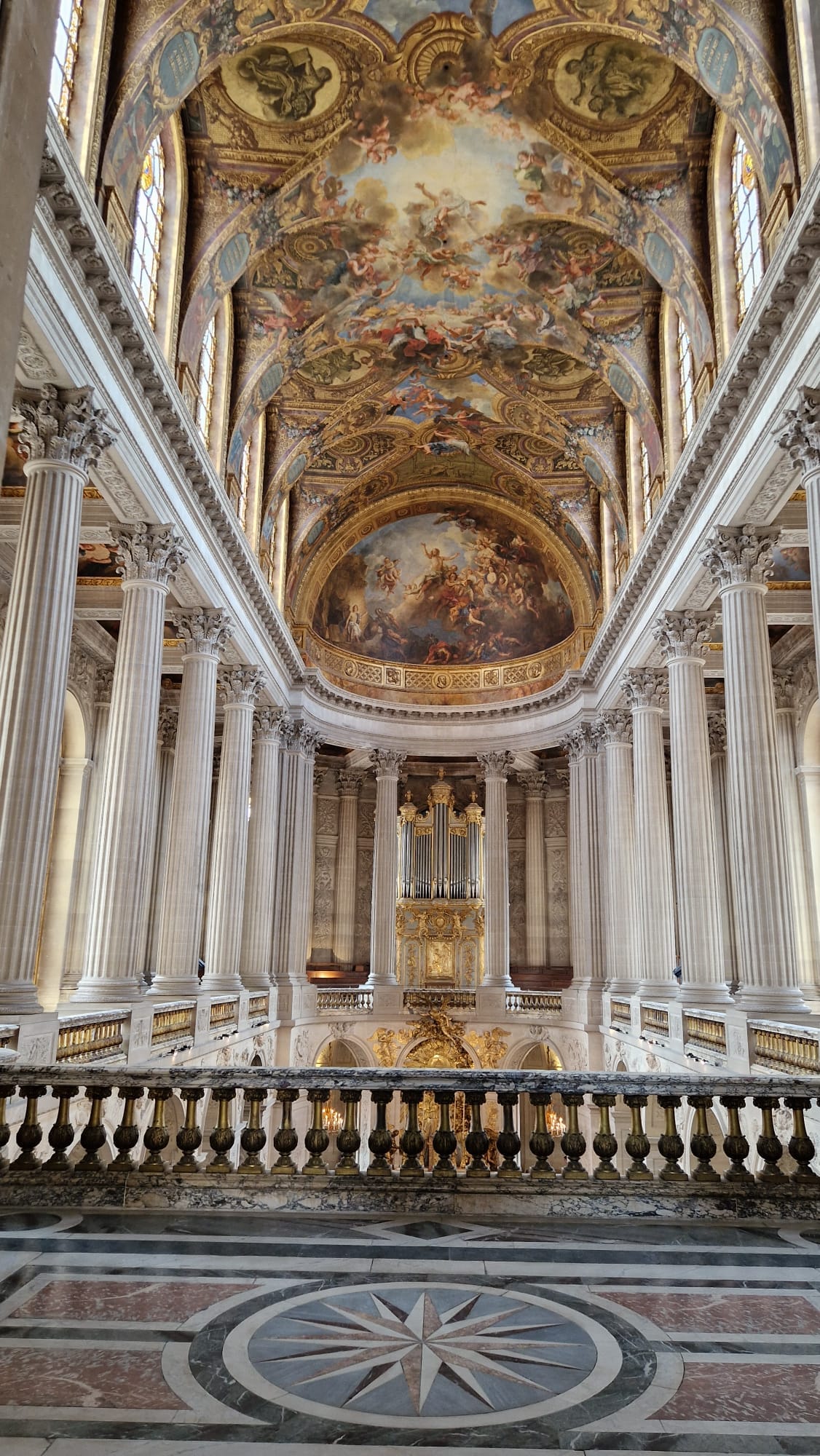
Explore the Palace of Versailles with fast entry
Tue, Jan 27 • 10:45 AM
Equestrian Statue of Louis XIV in Versailles, located on the Place d'Armes in front of the Palace of Versailles 78000, Versailles, France
View details
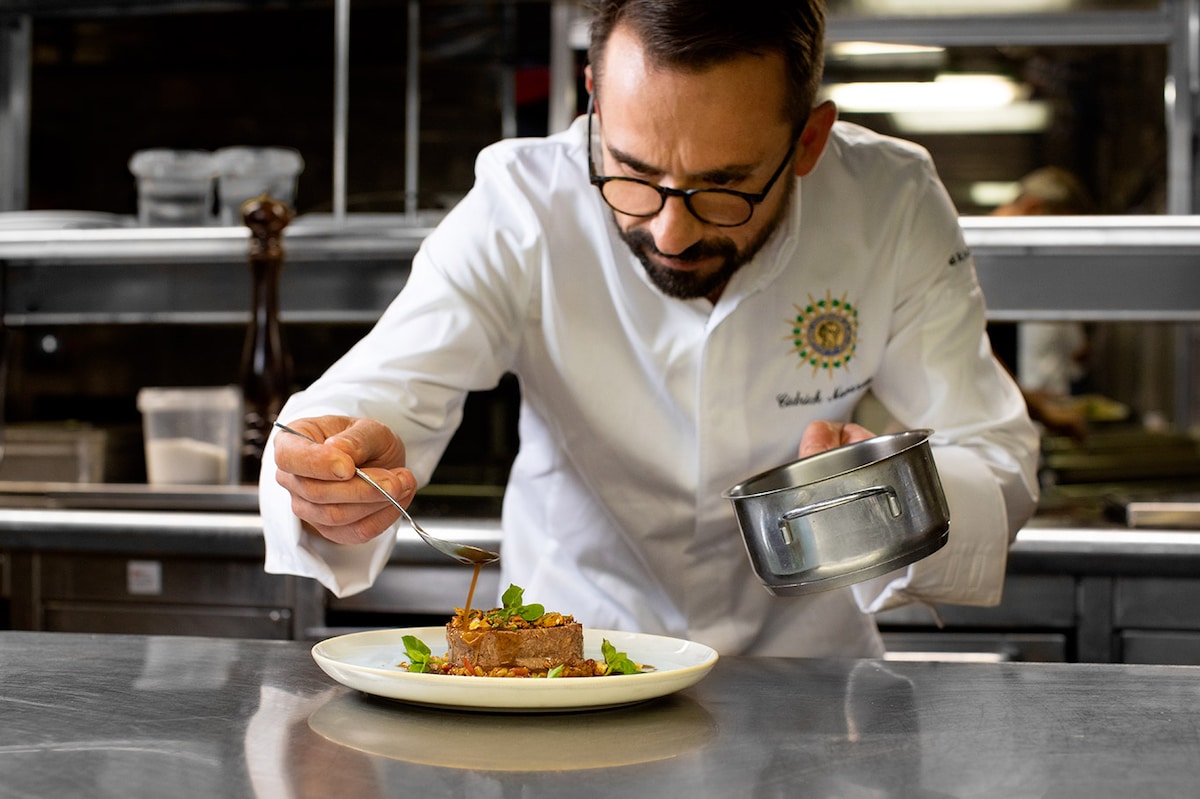
Dinner Cruise in the Heart of Paris with Music
Fri, Jan 30 • 8:30 PM
Port de la Bourdonnais 75007, Paris, France
View details
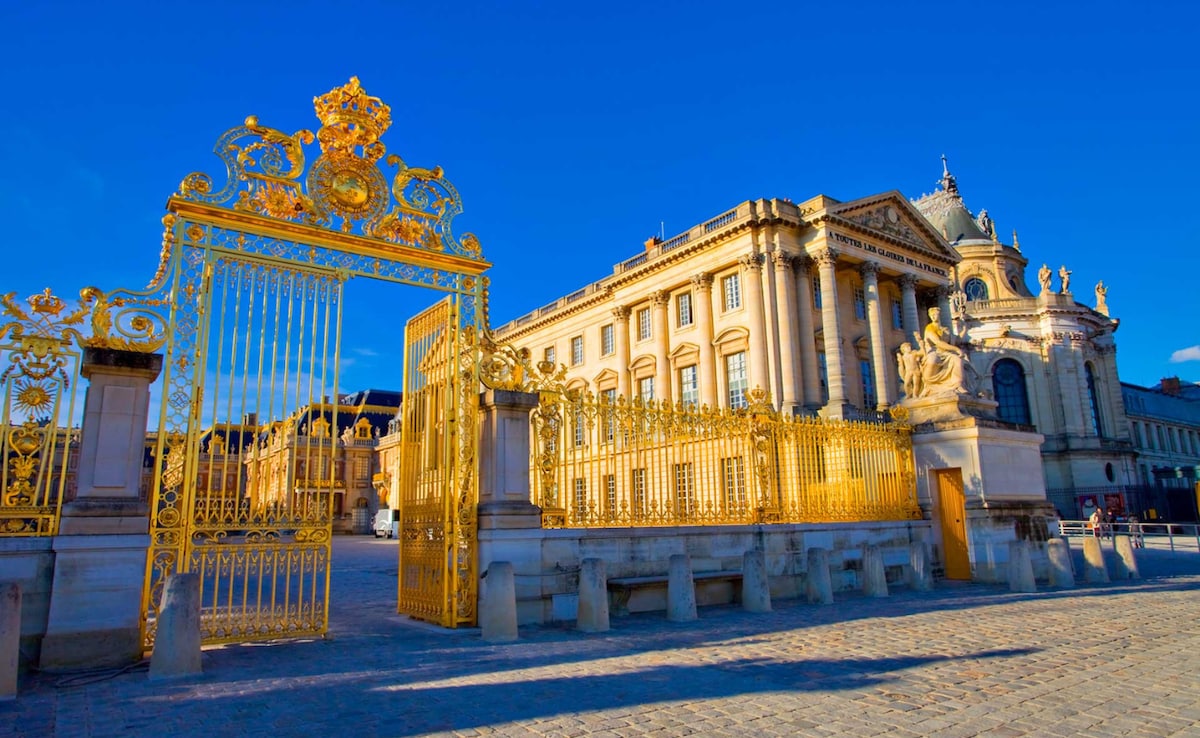
Versailles Palace, Gardens, Trianons & Audio Guide
Wed, Jan 28 • 1:30 PM
Chateau de Versailles 78000, Versailles, France
View details
Nearby attractions of Parish Church of Saint-Paul of Saint-Louis
Le Village Saint-Paul
Place des Vosges
Maison Européenne de la Photographie
Musée de la Magie
Place Sainte-Catherine
Musée Carnavalet
Cour et Jardin de l'Hôtel de Sully
Pont Marie
Forney Library
Agoudas Hakehilos Synagogue
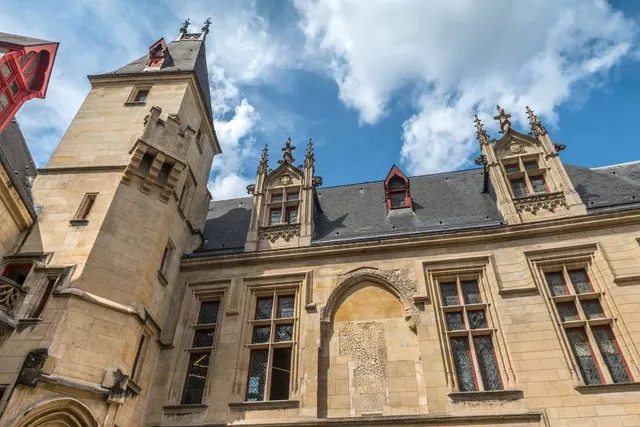
Le Village Saint-Paul
4.2
(414)
Open until 7:00 PM
Click for details
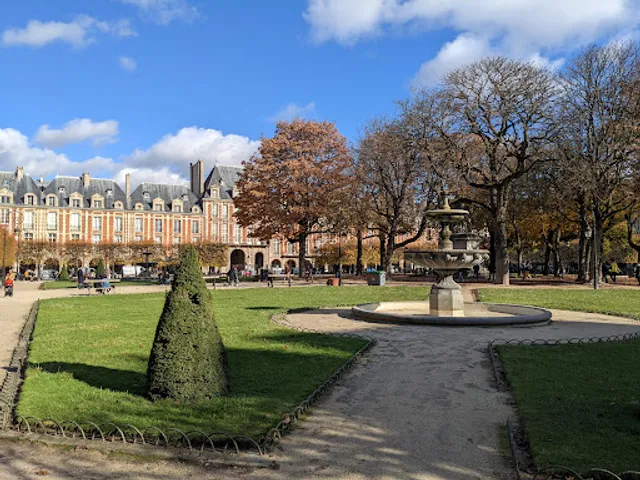
Place des Vosges
4.6
(11.2K)
Open 24 hours
Click for details
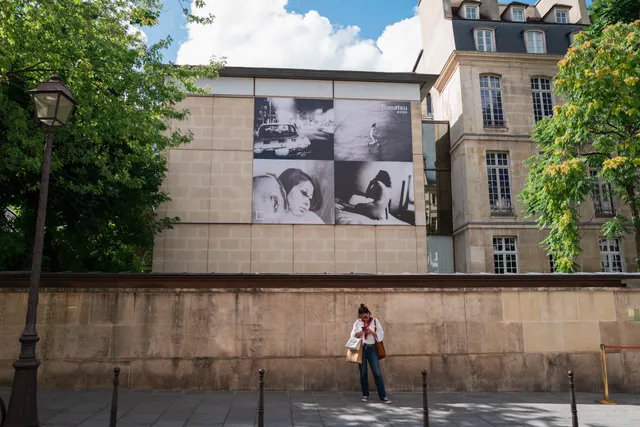
Maison Européenne de la Photographie
4.5
(1.4K)
Open until 12:00 AM
Click for details
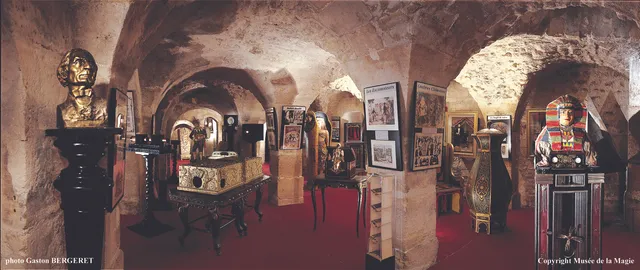
Musée de la Magie
4.0
(637)
Open until 12:00 AM
Click for details
Nearby restaurants of Parish Church of Saint-Paul of Saint-Louis
La Favorite Saint-Paul
Le Potager du Marais
Pizza momo
Chez Mademoiselle
Imperial House
Au Bouquet Saint Paul
Nostre
Breakfast in America - Marais
Pinot Grigio
Miss Manon
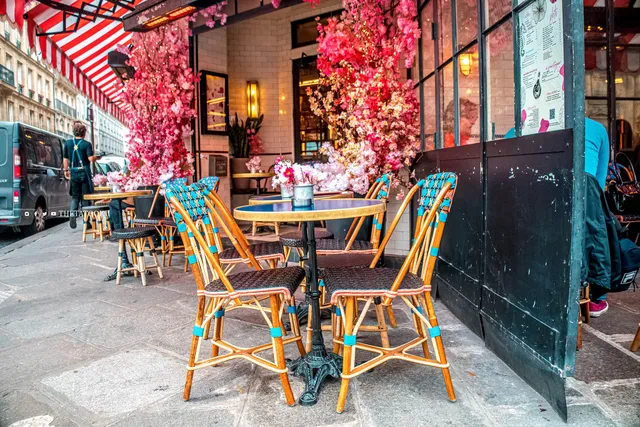
La Favorite Saint-Paul
3.7
(1.6K)
$$$
Open until 1:30 AM
Click for details
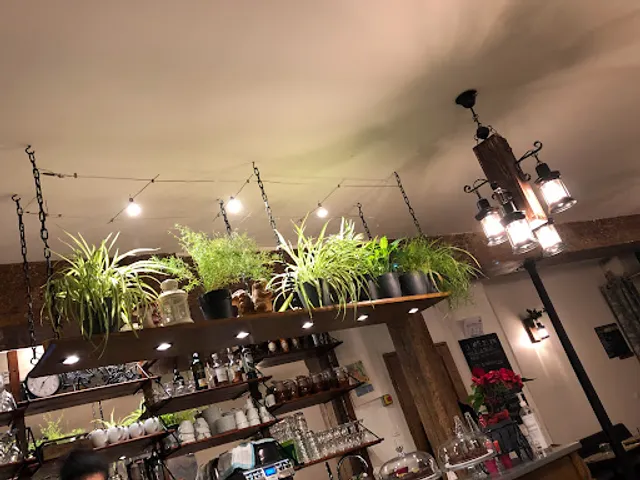
Le Potager du Marais
4.3
(946)
Open until 12:00 AM
Click for details
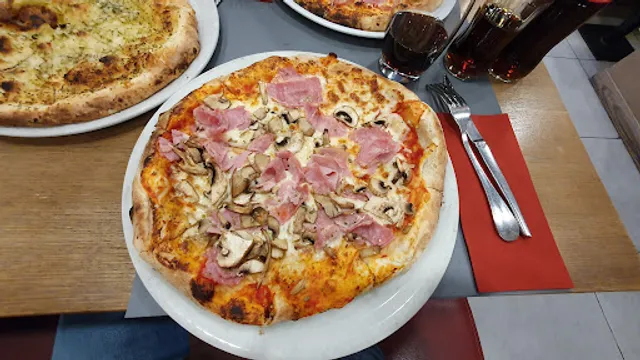
Pizza momo
4.0
(421)
Closed
Click for details
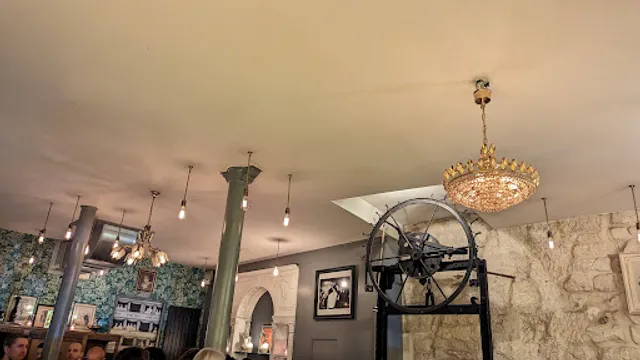
Chez Mademoiselle
4.6
(708)
$$
Closed
Click for details
Nearby local services of Parish Church of Saint-Paul of Saint-Louis
Artists Hairdressers Colourists
Les Trois Chocolats
Søstrene Grene
Charlène Ramon
Ardèche à Paris
Place des Vosges
💊 PHARMACIE DU MARAIS l Rue Saint-Antoine Paris 4ème
L' Atelier du 8
Aux comptoirs du chineur
Au Nom De La Rose

Artists Hairdressers Colourists
4.6
(504)
Click for details
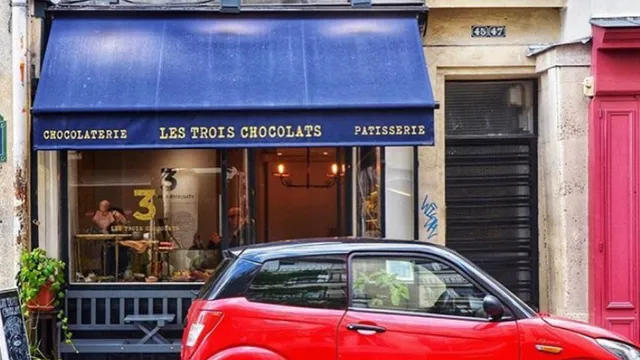
Les Trois Chocolats
4.8
(334)
Click for details

Søstrene Grene
4.4
(318)
Click for details

Charlène Ramon
4.9
(162)
Click for details