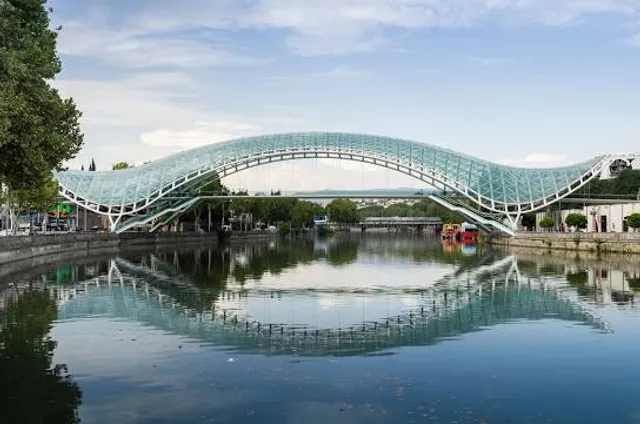
The Bridge of Peace in Tbilisi is a marvel of modern architecture, spanning the Kura River with grace and elegance. Its sleek, futuristic design and striking illumination make it a standout landmark in Georgia's capital city. However, my recent visit to this iconic bridge revealed a tale of contrasts, with its beauty juxtaposed against the chaos of overcrowding and street harassment.
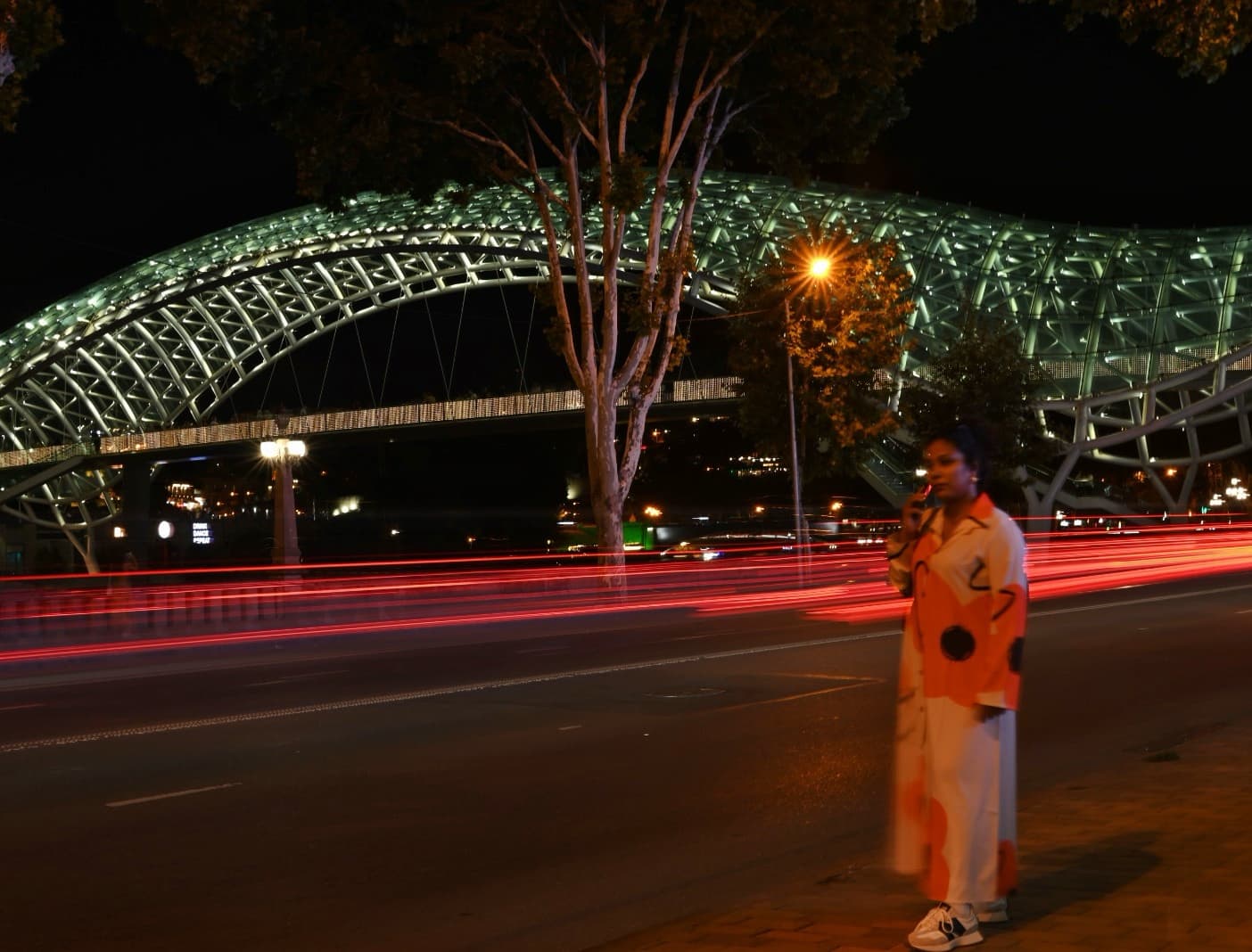
Let's start with the positives. From afar, the Bridge of Peace is a sight to behold. Lit up in a mesmerizing display of colors, it creates a stunning spectacle against the backdrop of the Tbilisi skyline. Walking across the bridge offers breathtaking views of the river below and the surrounding cityscape, making it a must-visit destination for tourists and locals alike. The architectural brilliance of the bridge cannot be overstated, and it serves as a symbol of Tbilisi's modernization and progress.
However, the reality of visiting the Bridge of Peace is far from idyllic. On any given day, the bridge is overtly crowded, with throngs of tourists vying for space to take photos and soak in the atmosphere. Navigating through the crowds can be a challenge, detracting from the serenity of the experience. Additionally, the presence of beggars on the bridge is a concerning issue. While it's understandable that poverty exists in every city, the aggressive behavior of some beggars towards tourists is unacceptable and can mar the overall experience.
Furthermore, the presence of street performers adds to the chaos on the bridge. While their talents are commendable, the practice of blocking walkways with instruments and amplifiers hampers the flow of pedestrian traffic. It would be more conducive to designate specific spots for street performers, allowing visitors to enjoy their performances without disrupting the movement of others.
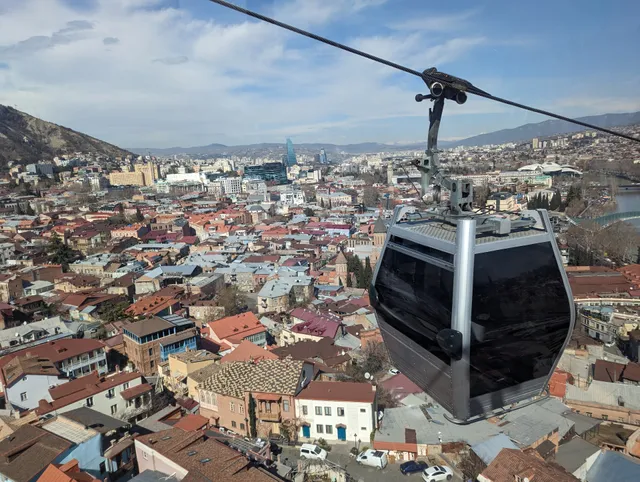
Despite these challenges, the Bridge of Peace remains a worthwhile destination for those visiting Tbilisi. The views alone make it a memorable experience, and I would still recommend crossing the bridge to take in its beauty firsthand. For those seeking an added thrill, the option of a hot air balloon ride provides a unique perspective of the city from above. While it comes at a cost, the experience is truly worth it for the breathtaking vistas and unparalleled photo opportunities.
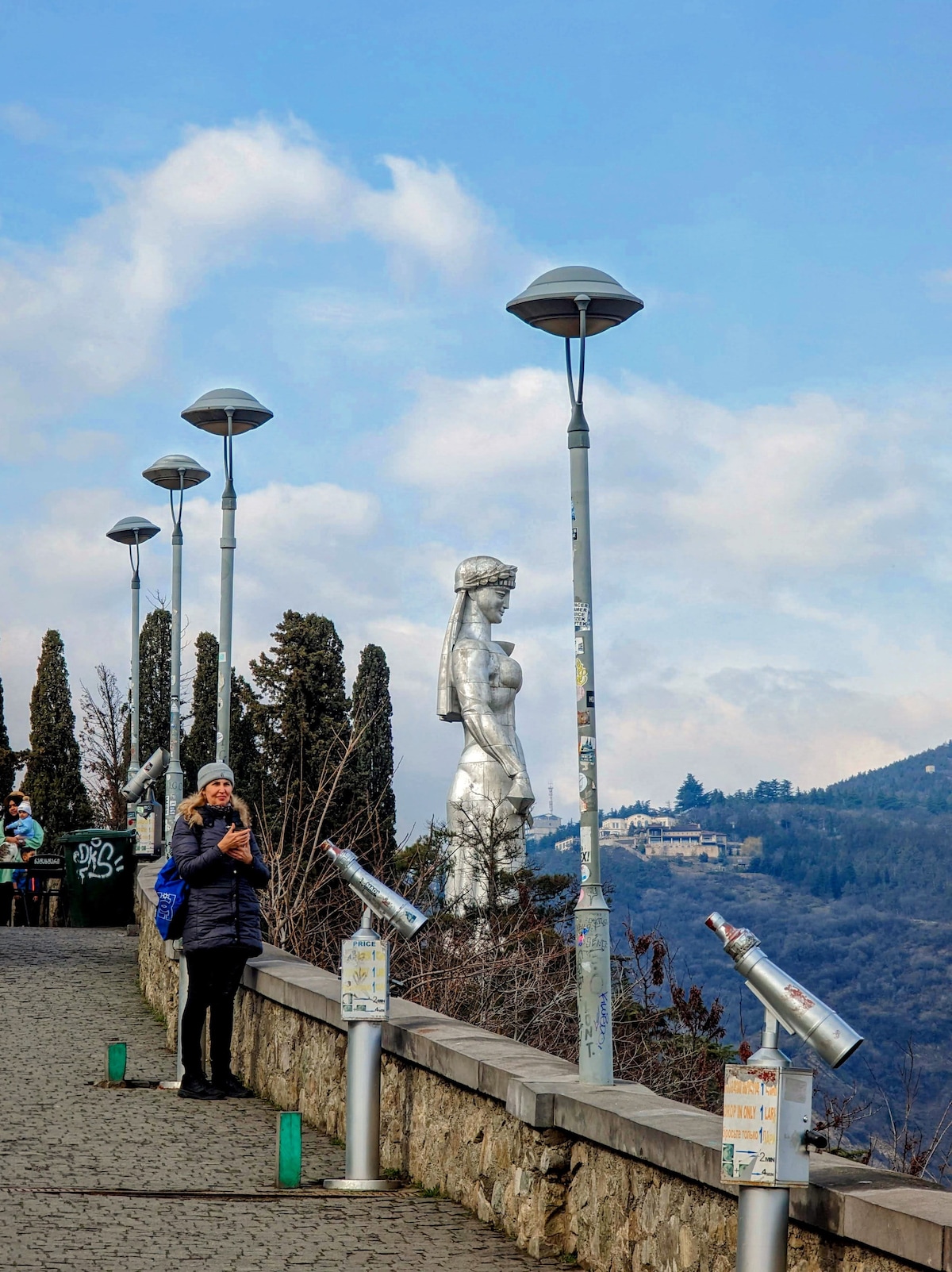
After crossing the Bridge of Peace, I would suggest continuing the journey to visit the Mother of Georgia statue. Located atop a nearby hill, it offers a different vantage point of the city and provides insight into Georgia's rich history and culture. By combining these two iconic landmarks, visitors can gain a deeper appreciation for Tbilisi and all it has to offer.
In conclusion, while the Bridge of Peace may have its challenges, its architectural beauty and panoramic views make it a must-visit destination in Tbilisi. By addressing issues of overcrowding and street harassment, the city can ensure that this iconic landmark continues to be enjoyed by visitors for...
Read moreThe Bridge of Peace in Tbilisi, Georgia, is a striking architectural marvel that not only spans the Mtkvari River but also serves as a powerful symbol of unity and connection. My visit to this iconic bridge left me in awe of its design, functionality, and the profound message it represents.
From the moment I set foot on the Bridge of Peace, I was captivated by its unique and modern design. The sleek, glass-and-steel structure creates a stunning visual contrast against the historical backdrop of Tbilisi's Old Town. The bridge's curvaceous form and illuminated glass panels make it a true work of art, both day and night.
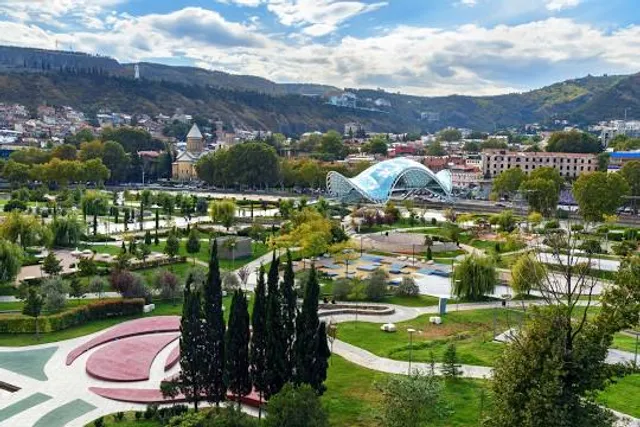
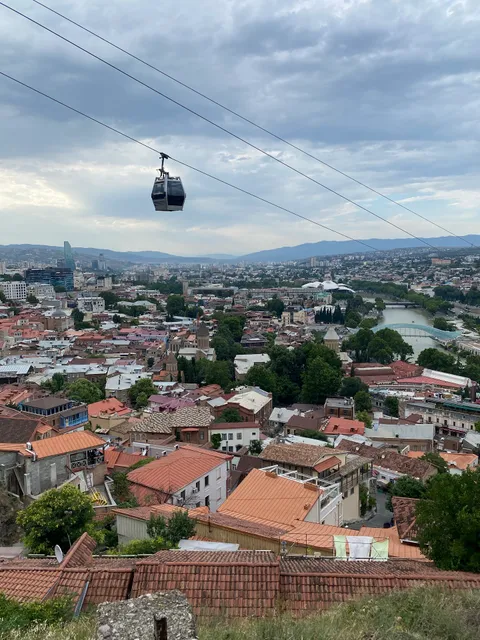
As I strolled along the bridge, I appreciated the panoramic views it offered. The vantage point from the Bridge of Peace allowed me to marvel at the city's picturesque landscape, with its blend of ancient architecture and modern skyline. The peaceful flow of the Mtkvari River beneath added to the bridge's tranquil ambiance.
The Bridge of Peace serves as more than just a functional crossing point; it also symbolizes unity and reconciliation. Its name, design, and the overarching concept behind its construction reflect Georgia's aspirations for peace and harmony. This bridge has become a gathering place for locals and visitors alike, fostering a sense of togetherness and embracing the diversity of Tbilisi's inhabitants.
The bridge's location is another advantage, as it connects two significant parts of the city—the Old Town and the Rike Park area. This linkage allows visitors to seamlessly explore both historical and contemporary attractions, making it an ideal starting point for discovering Tbilisi's vibrant culture and heritage.
The Bridge of Peace in Tbilisi is a true gem that impresses on multiple levels. Its striking design, symbolic significance, and harmonious integration with the city's landscape make it a must-visit destination for anyone exploring Georgia's capital. As you traverse this iconic bridge, you'll not only witness breathtaking views but also feel the power of unity and peace that it represents. The Bridge of Peace stands as a testament to the human spirit and the beauty of connecting cultures and...
Read moreThe Bridge of Peace in Tbilisi, Georgia, is a striking modern landmark that connects the city’s historical and contemporary elements, symbolizing both the country's past and its future. Spanning the Kura River, the bridge links the old town on one side to Rike Park on the other, offering not only a practical crossing point but also a breathtaking architectural attraction.
Designed by Italian architect Michele De Lucchi and completed in 2010, the Bridge of Peace stands out for its unique, futuristic design. Its undulating glass and steel structure, resembling a giant wave or the spine of a fish, contrasts beautifully with the more traditional buildings of Tbilisi's old town. The bridge is particularly captivating at night when thousands of LED lights illuminate it, creating a mesmerizing display that reflects off the river and highlights its fluid shape.
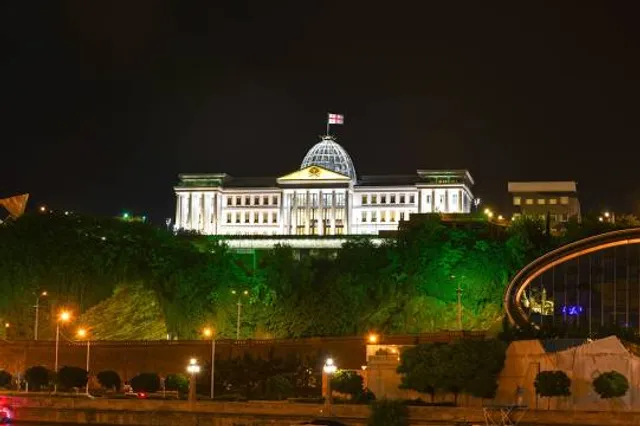
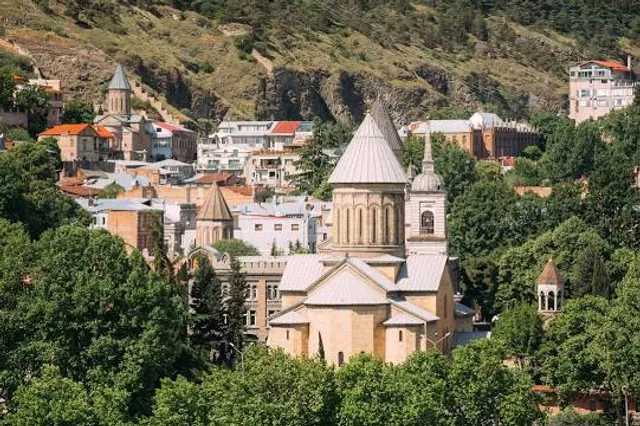
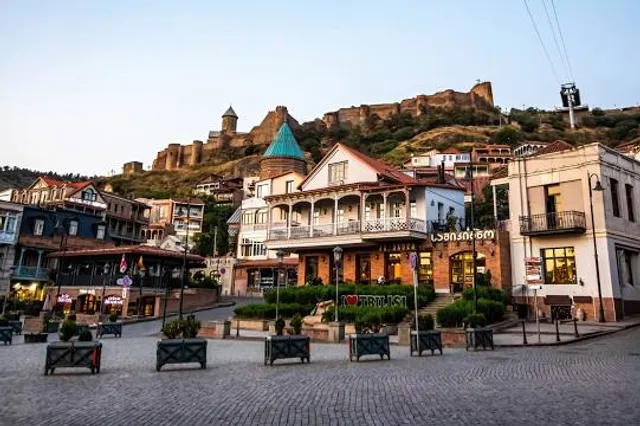
The bridge is pedestrian-only, making it a perfect spot for a leisurely stroll, especially as it offers panoramic views of some of Tbilisi’s most famous landmarks, including the Narikala Fortress, the Metekhi Church, and the Presidential Palace. The walk across the bridge provides a picturesque vantage point to appreciate the old and new sections of the city in one sweeping view.
Beyond its aesthetics, the Bridge of Peace holds symbolic significance, representing the connection between Georgia’s rich historical heritage and its aspirations for modernity and progress. It has quickly become one of Tbilisi’s most photographed and visited attractions, offering both locals and tourists a place to relax and enjoy the scenery while serving as a reminder of the country’s journey toward a brighter, interconnected future.
Overall, the Bridge of Peace is more than just a piece of architecture—it is a powerful symbol of unity and transformation, blending contemporary design with cultural resonance, making it a must-visit site for anyone...
Read more