Exploring Narikella Fortress: A Glimpse into Tbilisi's Rich History
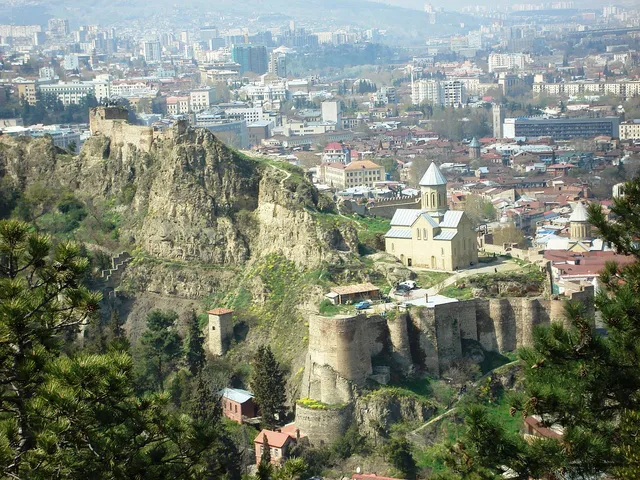
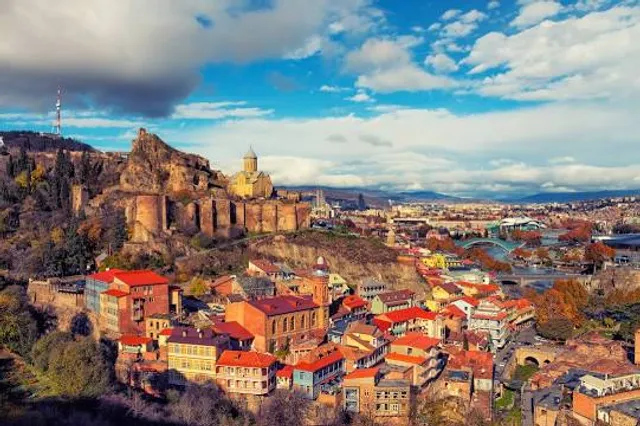
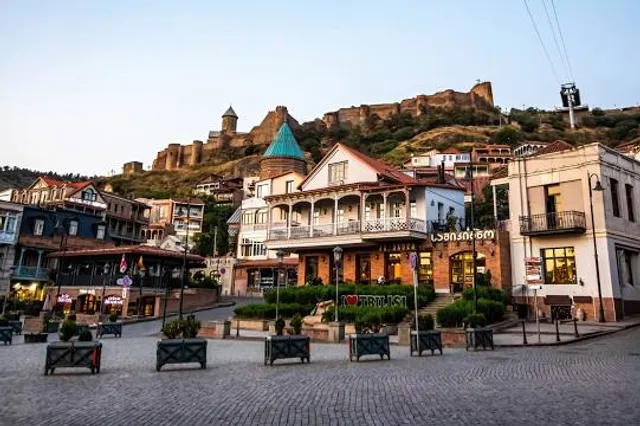
Nestled atop a rocky promontory overlooking the bustling cityscape of Tbilisi, Narikella Fortress stands as a silent sentinel, guarding the secrets of Georgia's storied past. Visiting this ancient stronghold is akin to embarking on a journey through time, where each weathered stone whispers tales of conquests, sieges, and cultural exchanges.
Upon approaching the fortress, visitors are immediately struck by its imposing silhouette against the backdrop of the Caucasus Mountains. The winding path leading to the entrance is lined with vendors selling traditional Georgian handicrafts, providing a tantalizing preview of the vibrant culture awaiting within.
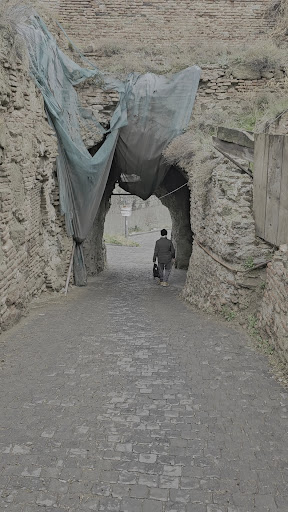
As one steps through the weathered gates, the atmosphere shifts, transporting visitors into a bygone era. The expansive courtyard, once a bustling hub of activity, now echoes with the footsteps of curious explorers. Here, amidst the remnants of ancient structures and crumbling walls, one can't help but feel a profound sense of awe at the resilience of the human spirit in the face of adversity.
Ascending the worn stone steps, visitors are treated to panoramic views of Tbilisi's sprawling metropolis below. The juxtaposition of old and new is striking, highlighting the city's evolution over centuries of tumultuous history. From this vantage point, it's easy to imagine the strategic importance of Narikella Fortress, commanding not only the city but also the trade routes that crisscrossed the region.
Exploring the labyrinthine passages and chambers within the fortress is like unraveling a mystery, with each discovery offering new insights into Georgia's past. From the remnants of ancient weaponry to intricate frescoes adorning the walls, every corner holds a piece of the puzzle waiting to be unearthed.
One of the most poignant moments of the visit is standing atop the fortress walls at sunset, as the golden hues of the evening sky cast a warm glow over the landscape. In that fleeting moment, it's possible to glimpse the timeless beauty of Georgia, a land shaped by centuries of triumphs and tribulations.
However, it's essential to acknowledge that Narikella Fortress, like many historical sites, bears the scars of time. While efforts have been made to preserve and restore the fortress, there are areas where the ravages of nature and neglect are evident. Nevertheless, these imperfections only serve to enhance the authenticity of the experience, reminding visitors of the passage of time and the fragility of human endeavor.
In conclusion, a visit to Narikella Fortress is a must for anyone seeking to delve into the rich tapestry of Georgia's history. From its commanding views to its enigmatic ruins, the fortress offers a captivating glimpse into the past that is sure to leave a lasting impression on all who venture within its...
Read moreThose famous personages of diminished stature, "Elf and Safety" are pretty much unknown in Georgia.
The Georgian business model is (1) to make things easy in an official sense (2) make things easy in a regulatory sense and (3) converge with EU norms. Most people in Georgia wish to become citizens of the EU, and the country has a free trade agreement with the European bloc. (This is wholly rational of course. If you have neighbours like Iraq, Iran, the Russian Federation and Turkey, it is a necessity.)
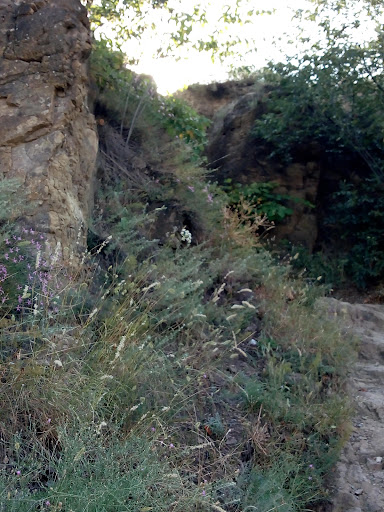
I mention regulation, because the paths and trails around Narikala fort, in common with most cultural artefacts in Georgia, make a mockery of the term "wheel chair friendly". Never was it more obvious, that a building was carved out of "living rock" as one crawls up the precipitous and generally informal paths here. Forget warning signs, boardwalks, handrails and lifts, this is tourism in the raw.
The pay off is amazing views, and a sense of achievement. (Underlined by a round of applause from the bystanders, when I backed down a particularly steep and crumbly slope.) The other payoff is that only the young, fit or very engaged (I am neither young or fit) make the effort. There is little competition for space with Dutch old age pensioners with sharp elbows.
Narikala fort overlooks Tbilisi, the capital of Georgia, and the Mtkvari River. It dates back to the 4th Century.
The fortress consists of two walled sections, on a very steep hill. The recently rebuilt St Nicholas church, faces you on entry, it replaces the original 13th-century church destroyed by fire.
The fort was substantially expanded by the Umayyads in the 7th century and later, by king David the Builder in the late 11th and early 12th Century.
Most of what remains dates from the 16th and 17th centuries. In 1827, the fortress was damaged by earthquake and left...
Read moreYou can come here through the Meidan Street area. Do not go in the afternoon or at night (you may get a night view but there are no lights). You have to climb up (not recommended for people who have knee pain) View at the top was amazing (you get a better view from the end of the cable car which starts from the Rike park-7 lari for 2-way cable car and card cost). Wear light/sportswear with comfortable shoes (don't even try to come in heels).
Narikala Fortress can be accessed by car, cable car or by foot. and is free to enter. Just walk in anytime (it remains close most of the time and from other locals, I came to know that they don't allow foreigners to enter. The fortress was closed during my visit (remains closed as per the locals). The condition of the fortress didn't meet my expectations. On-site signage and information could need to be improved. Most parts of the fortress are neglected, and they need to do better maintenance (surprisingly most of the historical buildings are kept without maintenance).
Keep the kids closer as the place doesn't have fence around it. They have unhygienic toilets for which they charge! Poor service (no staff. You will find sellers maybe). You can find a lot of hostels on your way up the hill.
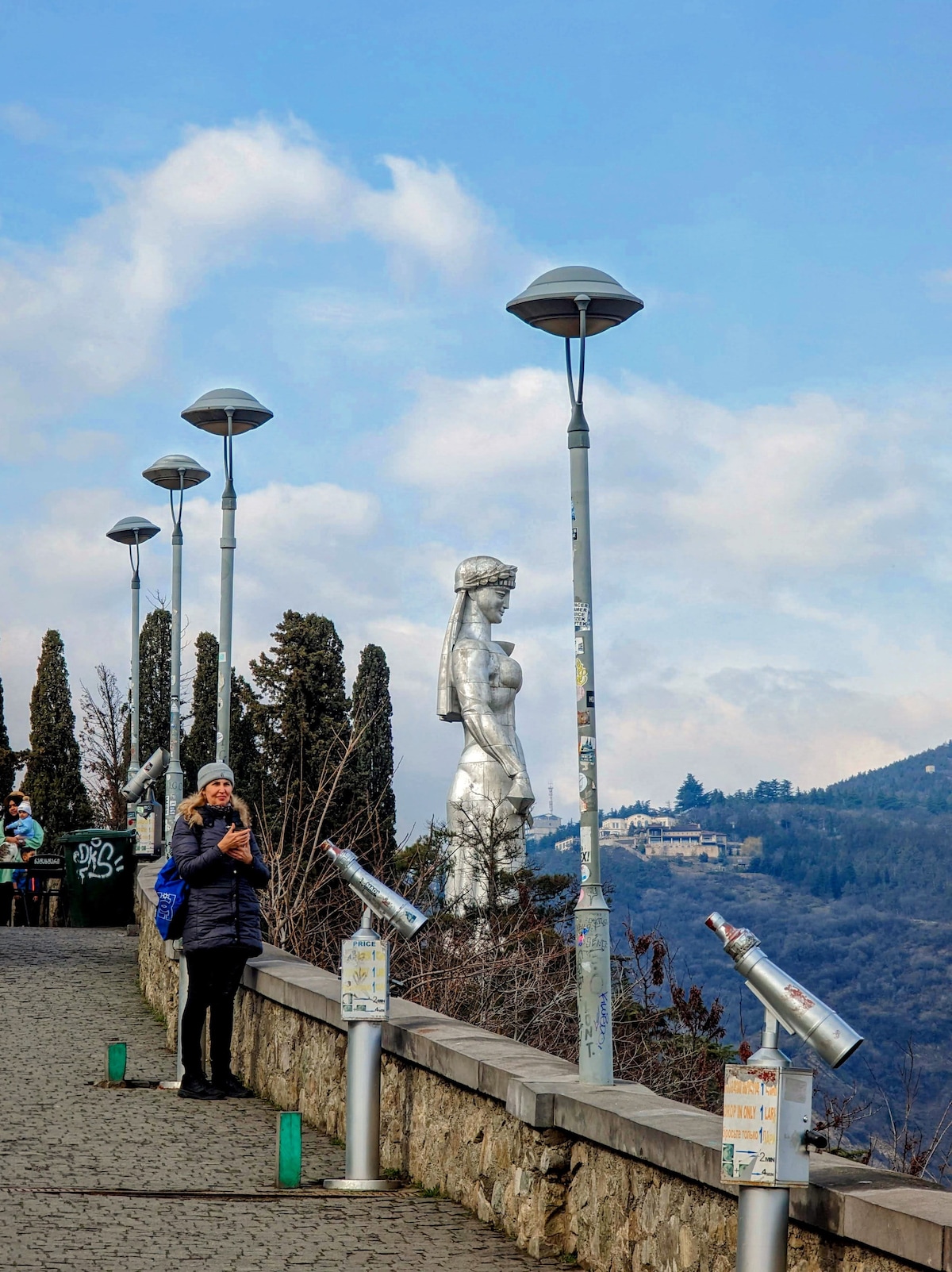
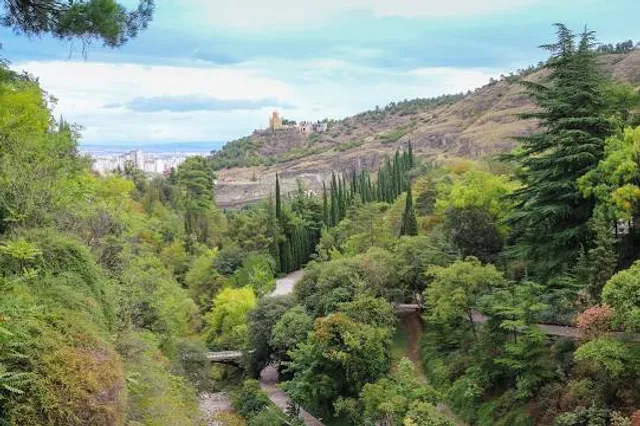
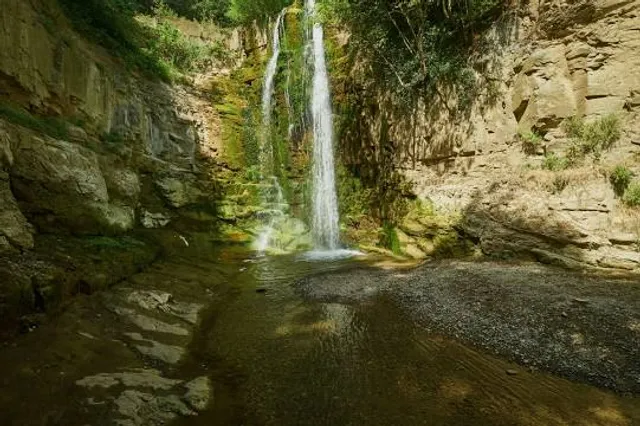
Nearby attractions : Mother of Georgia, Souvenir Street shops, Botanical garden (a waterfall was inside - but was closed during my visit), Zipline (not recommended though)
I would not suggest anyone visit here, rather visit the Mother of Georgia side to get the view. The hard climb up the hill under the sun is...
Read more